Cutting A Neighbor’s Overhanging Branches In Maryland Is Legal, With One Big Catch

A tree can be rooted firmly in your neighbor’s yard and still not own the air above your lawn. Courts call your fix a self-help remedy, and it has been around for generations.
Guilty as charged, I once stood under a sprawling oak limb with loppers in hand, feeling like the boss of my own sky. That limb dropped acorns on my deck, sap on my car, and shade on my squash bed. I was ready to make it disappear.
Truth is, I nearly made an expensive mistake. In Maryland, the law hands you the saw but keeps a firm grip on how you use it. One careless cut can shift the blame from their tree to your wallet.
Most folks learn the rule after the sawdust settles. I’d rather you hear it first. Now, where does your right end, and where does your neighbor’s tree begin?
Those Leafy Limbs Over Your Fence Answer To Your Property Line

Your property rights stretch upward from the ground, right into the sky above your yard. That is why a branch reaching across the fence is legally fair game, even though the trunk sits next door.
Maryland follows what lawyers call the Massachusetts Rule. Under it, you may trim branches, vines, and even roots that cross onto your land, up to the boundary line. You do not need a court order, and you generally do not need your neighbor’s permission for that part.
Courts in the state have recognized this self-help approach for a long time. The thinking is simple. Rather than suing over every shady limb or pile of leaves, landowners can handle routine encroachment themselves.
There is a flip side, though. The same rule usually means your neighbor is not on the hook for ordinary annoyances like falling leaves, acorns, or a bit of shade. Nature drops things, and courts tend to see that as part of living near trees.
So yes, the pruning saw is in your hands. Before you start cutting, though, it helps to know exactly where the line sits. A recent survey or your plat map can save you from guessing wrong about a few feet that matter a lot.
The Big Catch Sits At The Trunk Of Your Neighbor’s Tree
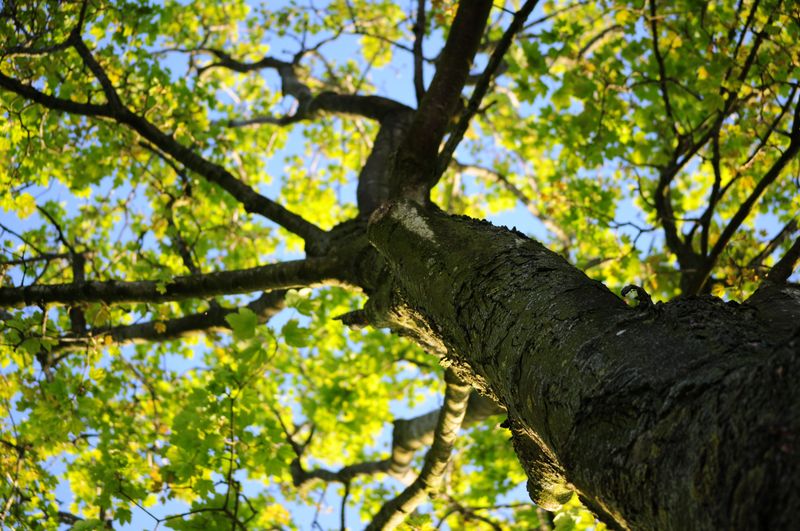
Here comes the part that trips people up. Your right to trim stops short of harming the tree itself.
The tree still belongs to your neighbor, even if half its crown hangs over your patio. If your cuts leave it badly weakened, unstable, or in serious decline, you could be liable for the loss. That might mean paying for removal, replacement, or the appraised value of a mature tree, which can run into thousands of dollars.
Picture a lopsided maple after someone shaved off everything on one side. The tree may lean toward the heavier side, struggle to feed itself, and invite decay through large wounds. A judge looking at that mess will not care much that every cut technically happened over your lawn.
Roots work the same way. Chopping large roots near the trunk to fix a sidewalk can rob the tree of stability and water.
My rule of thumb is cautious and boring, and that is the point. Trim what you need for clearance, not everything you legally can. If a big limb or major root is involved, get a certified arborist to look first. A short written note from a pro also gives you a paper trail if questions come up later.
Keep Your Ladder And Loppers On Your Side Of The Fence
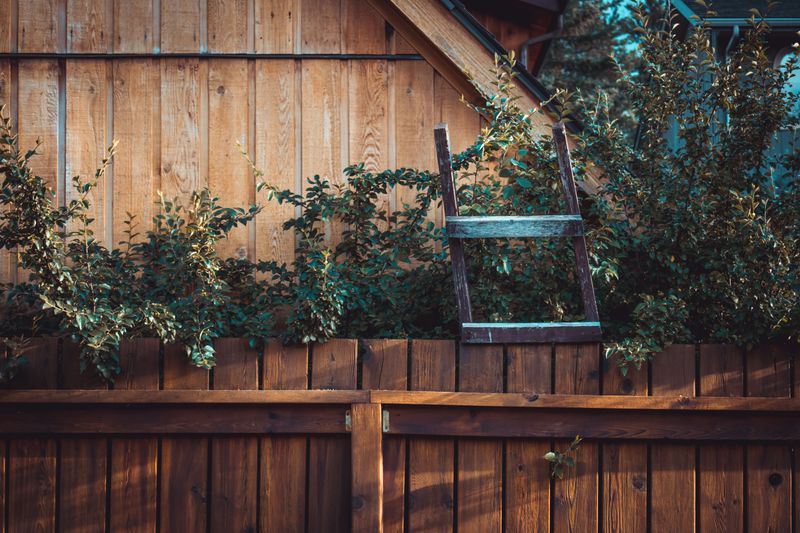
I’m the first to admit it. That last stubborn twig, just two feet past the fence, practically begs you to lean over and grab it.
Resist the urge. Your self-help right covers only the parts of the tree hanging over your land, and you must work from your own property. Stepping into the neighbor’s yard, propping a ladder against their fence, or climbing the tree without permission can count as trespass.
The same goes for hired help. A tree crew working for you also has no right to set foot next door unless the owner says yes. Make sure any contractor knows exactly where the boundary sits before the bucket truck rolls up.
Need access for a safe job? Ask, and get the answer in writing if you can. A quick text or email saying “Sure, the crew can stand in my side yard Saturday” is far better than a vague nod over the hedge.
Equipment placement matters too. A pole saw from your lawn is usually fine. Lowering heavy limbs onto their roof or garden bed is not, because damage to their stuff is still your responsibility.
Clean Cuts At The Branch Collar Keep That Maple Healthy
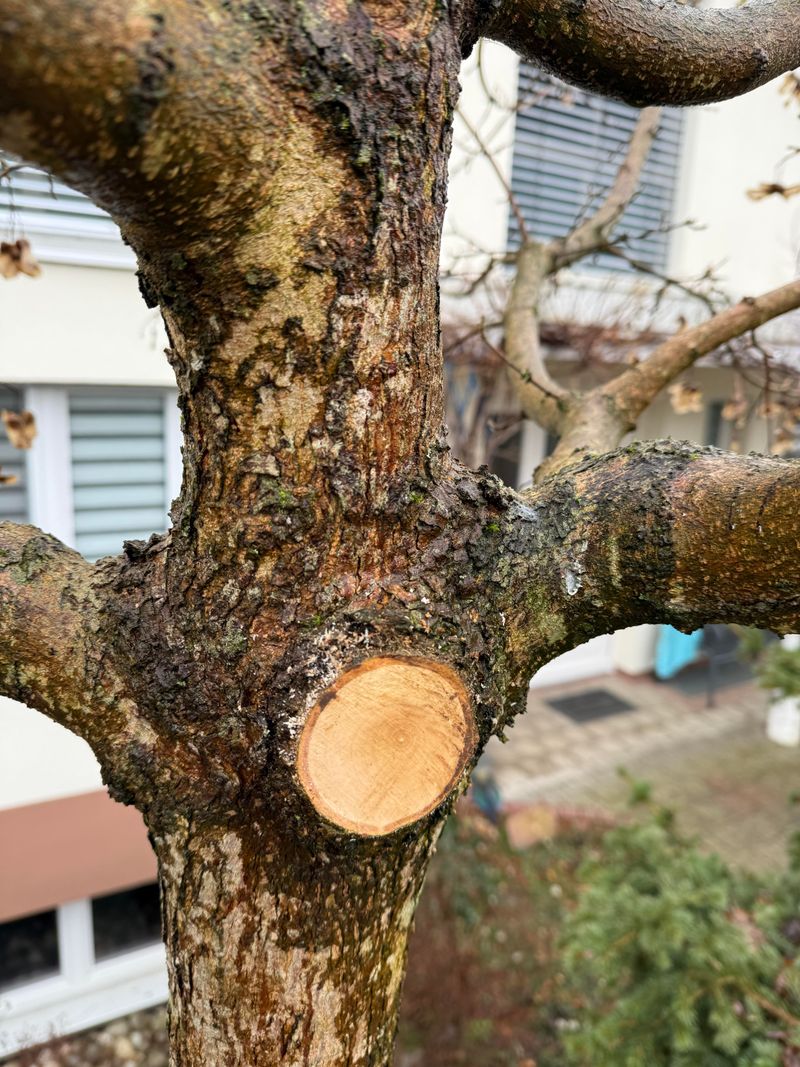
Good pruning is part science, part patience. Done right, a tree seals over its wounds and keeps growing. Done poorly, it can rot from the inside for years.
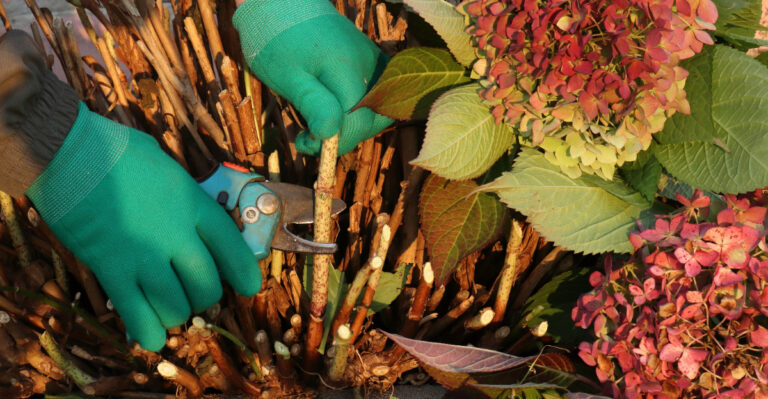
University extension experts, including the University of Maryland Extension, point to a few basics. Cut just outside the branch collar, that slightly swollen ring where a limb meets a larger branch. Avoid flush cuts against the trunk and avoid leaving long stubs.
For heavy limbs, use the three-cut method. Make an undercut a foot or so out, then a top cut beyond it to drop the weight, and finally a clean cut at the collar. This keeps bark from tearing down the trunk.
Skip topping, which means lopping big branches back to random stubs. It triggers weak, fast sprouts that break easily. Arborists also suggest removing no more than about a quarter of a tree’s live canopy in one season.
Timing helps too. Late winter, while most trees are dormant, often works well because wounds close quickly once spring growth starts. Small clearance trims can happen most of the year.
Anything above your head with a chainsaw? Call an ISA certified arborist. Your back and your neighbor’s tree will thank you.
That Pile Of Trimmed Branches Is Yours To Haul Away
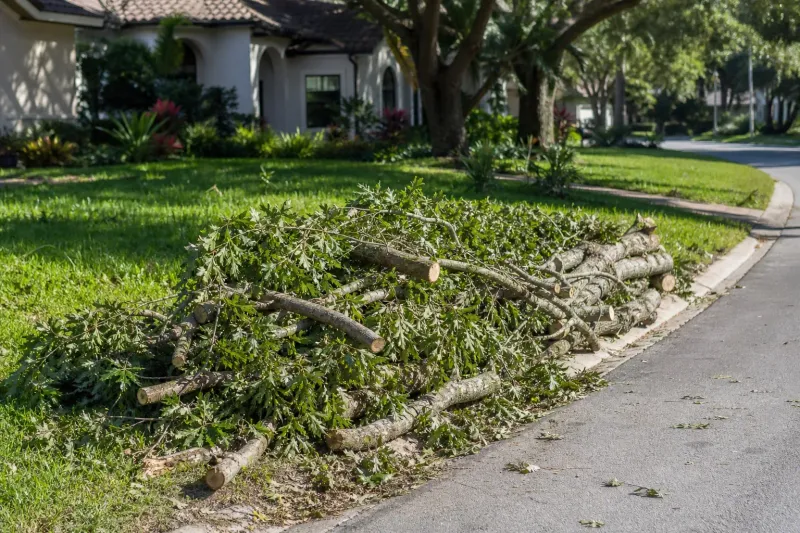
Nobody warns you about the cleanup. One afternoon of trimming can leave a brush pile taller than your kid.
Under the self-help rule, the person doing the cutting usually pays for the cutting. That means the arborist bill, the chipper rental, and the hauling are generally on you, not your neighbor. You can ask them to chip in, and plenty of friendly neighbors will, but the law rarely forces it for ordinary trimming.
Whatever you do, do not toss the branches back over the fence. It feels poetic, sure. Legally, though, dumping debris on someone else’s land can be treated as trespass or illegal dumping, and it turns a small chore into a real feud.
Most Maryland counties offer yard waste pickup or drop-off sites, though the rules on bundle size and length vary. Check your county’s public works page for limits, since many ask for branches cut to around four feet and tied in bundles.
There is a gardener’s bonus here too. Chipped branches make excellent mulch for paths and shrub beds. Small sticks can start a brush pile in a back corner, which gives birds and pollinators a cozy hideout.
A Cracked Or Rotting Limb Changes Who Is Responsible

Leaves on your lawn are one thing. A split, hollow limb hanging over your kid’s swing set is another story.
Maryland courts have generally not required tree owners to inspect their trees, but an owner who knows a tree is hazardous can face liability if it causes damage. Clear warning signs include deep cracks, fungus at the base, large hollow sections, or a tree that leans more each year.
Notice is the key. If your neighbor has no idea the limb is decayed, holding them responsible gets much harder. That is why documentation matters so much.
Take dated photos of the trouble spot. Then send a polite letter or email describing the concern and asking them to have it checked. Keep a copy for yourself.
An arborist’s written risk assessment adds serious weight. If the neighbor ignores clear warnings and the limb crashes onto your garage, you are in a much stronger position with insurance or in court. If the hazard is serious and your neighbor ignores your warnings, talk to a Maryland attorney about your options.
And if danger looks immediate, like a limb resting on a power line, call the utility company first. Safety beats paperwork every single time.
Street Trees And Town Permits Can Add Another Layer
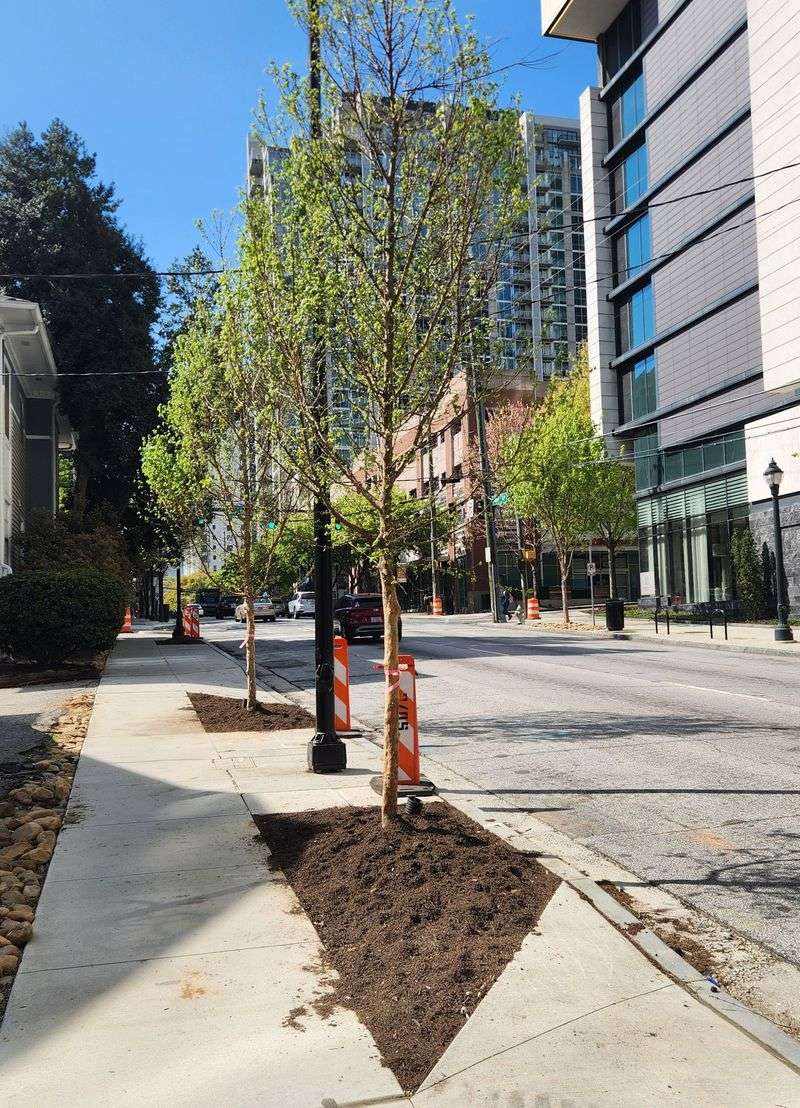
Not every tree is just between you and the folks next door. Some have a third party watching closely: the government.
The Maryland Roadside Tree Law covers trees growing in public road rights-of-way. Pruning or removing those usually requires a permit through the Department of Natural Resources Forest Service, and work typically needs a licensed tree expert. That strip between the sidewalk and the street often falls into this category.
Local rules can go further. Takoma Park, for example, has a strong urban forest ordinance and requires permits for removing larger trees, with protections for root zones during construction. Annapolis and several counties also have their own tree and forest conservation rules.
Homeowner associations are another wild card. Some HOA covenants spell out who maintains trees near shared fences, approved trimming methods, or even which trees can be planted.
Before any big job, spend ten minutes on your town or county website. A quick call to the permits office costs nothing. Fines and replanting requirements, on the other hand, can sting.
When in doubt, ask your arborist. Licensed tree experts in the state usually know local permit rules well and can handle the paperwork for you.
A Friendly Chat Over The Backyard Fence Beats A Lawsuit
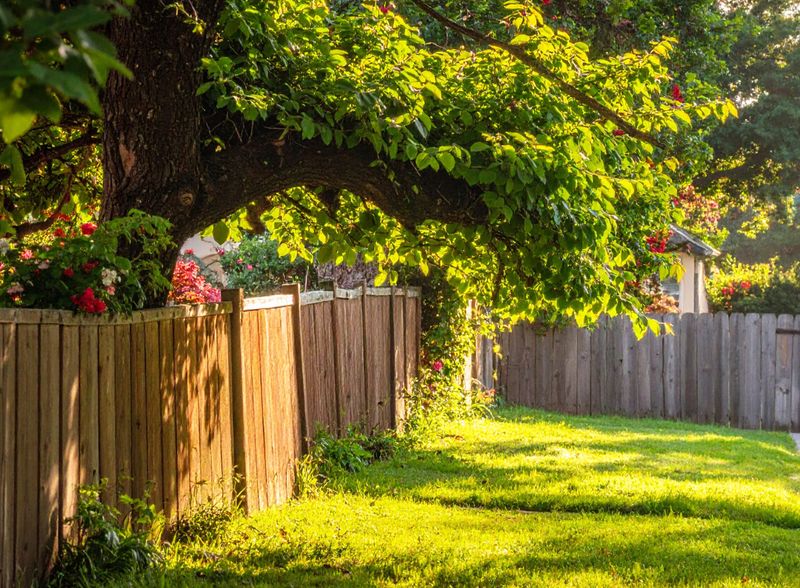
Funny thing about tree fights. They are rarely about the tree.
They are usually about feeling ignored. That is why the smartest first step costs nothing but a knock on the door. Tell your neighbor what is bugging you, maybe the shade on your tomato bed or sap on the car, and ask how they would like to handle it.
You might be surprised. Many owners will happily split an arborist bill, let the crew use their yard, or schedule the work themselves. Some even appreciate the reminder, since they cannot see their tree’s backside from their own windows.
If talking stalls, Community Mediation Maryland and local mediation centers offer free or low-cost help settling neighbor disputes. A neutral mediator can turn a shouting match into a plan.
Here is my quick checklist before any cutting. Confirm the property line. Talk first, and follow up in writing. Hire a Maryland licensed tree expert for anything big. Check permits for street trees or protected areas. Cut only to the line, and only what you need.
Follow those steps, and you keep your sunshine, your savings, and a neighbor who still waves when you pull into the driveway.