8 Backyard Structures That Often Need A Permit Across The U.S.
You finally picked the perfect weekend, bought the lumber, and borrowed your neighbor’s loud, rattling power saw for the project. The October air smells like fallen leaves, and your dream backyard is just a few hammer swings away.
Then a friendly neighbor strolls over, sipping a warm drink, and asks one tiny question that makes your stomach drop fast. Did you check with the city first, or are you planning to build this thing on pure hope?
Plenty of homeowners learn the hard way that local rules care deeply about what goes up in yards. Skipping that step can bring fines, awkward inspections, and sometimes an order to tear the whole project down.
Most rules follow a pattern, and learning it can save money, time, and headaches. Fall can be a smart season to plan, since offices and crews are often less busy after summer.
So put down the hammer for a minute and grab a warm drink instead of a crowbar. Your neighbor already finished the warm drink, and honestly, the borrowed saw looks a little nervous about the whole thing.
1. Decks That Stand Tall Above The Yard
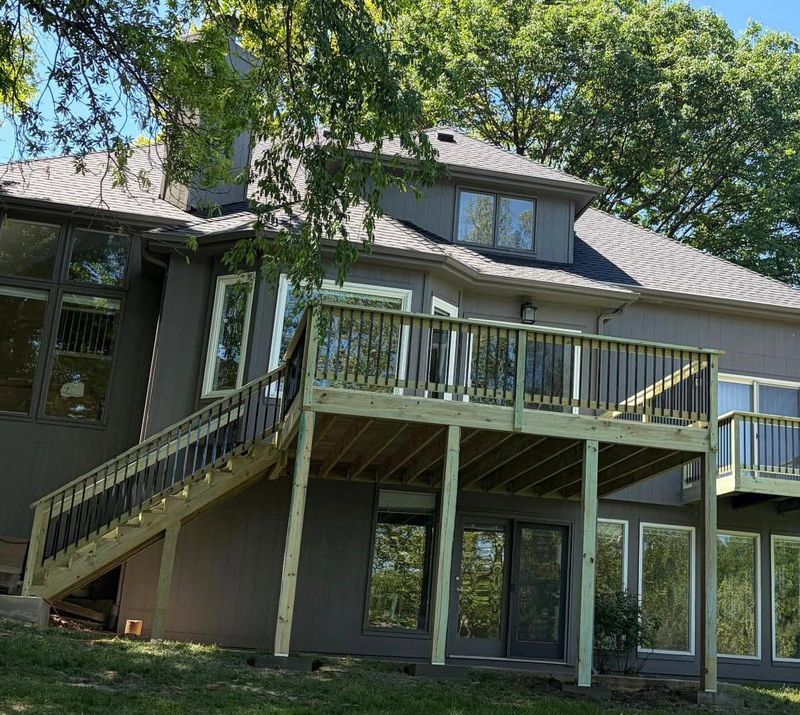
Picture a cozy evening on a raised deck, with pumpkins lined up along the railing and a blanket nearby. That lovely scene usually starts with a trip to the local building office before any boards get cut.
Most U.S. towns require a permit when a deck sits more than 30 inches above the bare ground below. Decks attached to the house usually need one too, since they tie directly into your home’s main structure.
Inspectors check important things like footing depth, beam size, and how the ledger board connects to your wall. A weak ledger connection is one of the top reasons decks collapse, so those checks really do matter.
Railings are another big deal, and many codes ask for guards at least 36 inches tall on raised decks. Spacing between balusters usually cannot exceed four inches, which keeps curious toddlers and small pets from slipping right through.
Early October is a great time to apply, because permit offices are often less busy after the summer rush. Cooler weather also helps concrete footings cure evenly, as long as you pour before the ground starts freezing.
Bring a simple drawing with measurements, lumber sizes, and the distance from your property lines to the structure. A clear sketch speeds things up, and it helps the reviewer understand the whole project at a single glance.
2. Sheds That Grow Past The Size Limit
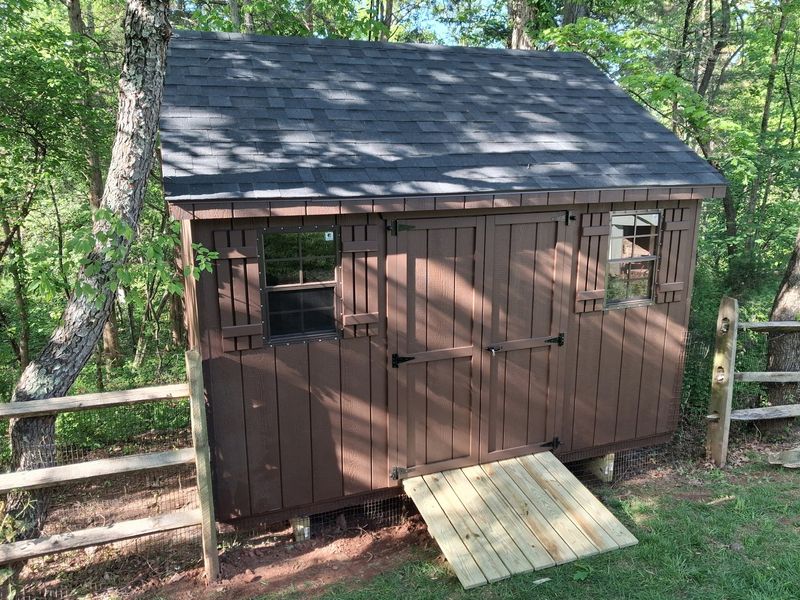
Sheds seem harmless, like the quiet kid in class, but size can turn them into a paperwork situation fast. Many towns let small sheds slide, yet anything over a certain footprint needs an official green light first.
The most common cutoff is 120 square feet, though some cities set the limit at 100 or even 200. A basic 10 by 12 shed lands right on that line, so measure carefully before you order a kit.
Height matters as well, and many codes cap permit-free sheds somewhere around 10 to 12 feet tall. Adding electricity or plumbing usually triggers a permit no matter how small the building looks from the street.
Placement is the sneaky rule that trips people up, because setbacks decide how close sheds can sit to fences. Five feet from the property line is a typical minimum, but your town may ask for more space.
Fall is prime shed season, since you finally need somewhere to stash the mower and patio chairs for winter. Lumber yards often run end-of-season sales in October, which makes this a smart month to plan ahead.
Homeowner associations can add their own rules about color, materials, and style right on top of regular city codes. Check both lists before building, or your shiny new shed might earn you a very unfriendly letter in the mail.
3. Fences That Reach For The Sky
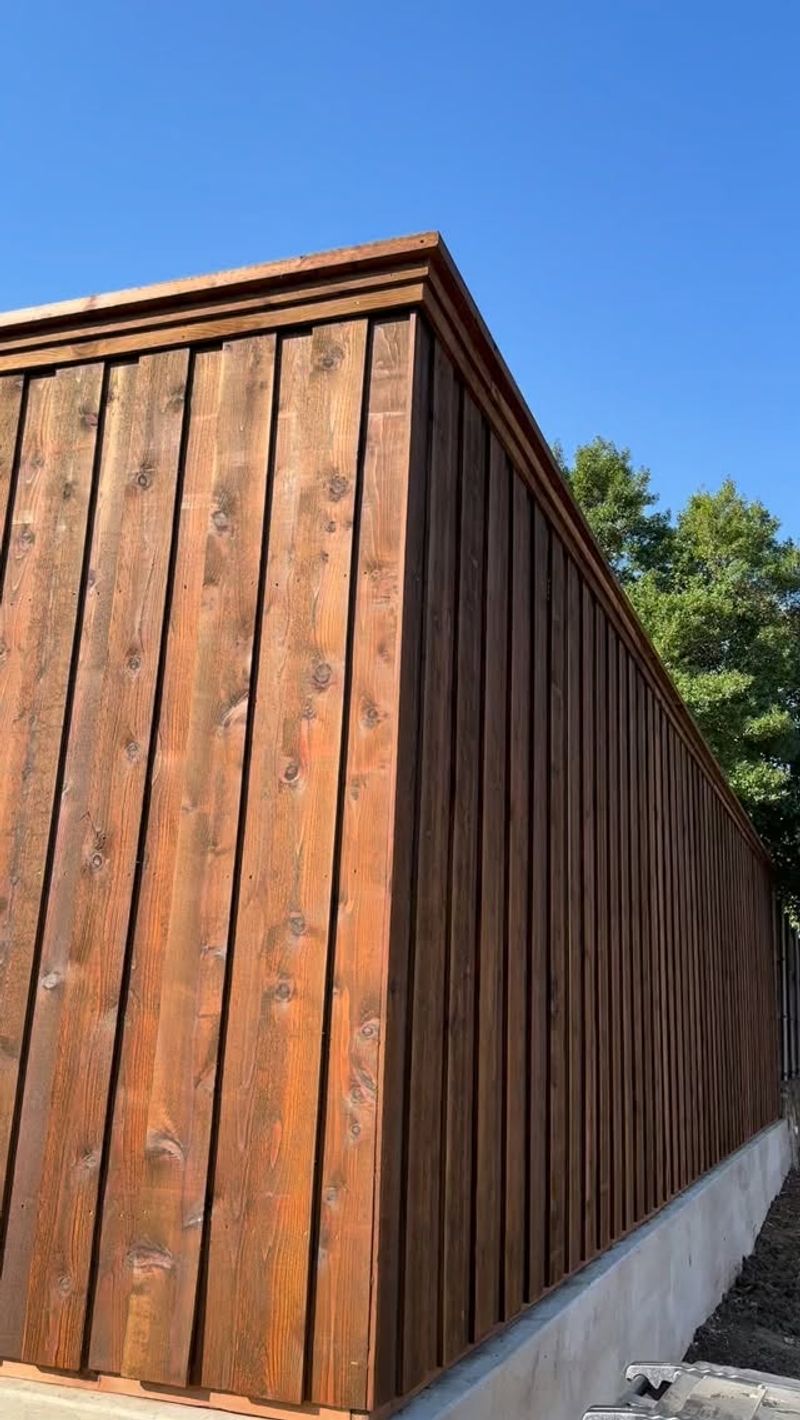
Good fences make good neighbors, as the old saying goes, but tall fences often make trips to city hall. Height is the magic number here, and crossing it can turn a simple weekend job into a formal review.
Many towns require a permit for backyard fences taller than six feet, and front yard limits are lower. Front fences are often capped at three or four feet, so drivers can still see kids and bikes.
Some cities want a permit for any new fence, no matter the height, just to confirm property lines. Building even six inches onto a neighbor’s land can spark a costly dispute that lasts for years.
Before digging post holes, call 811, the free national hotline that marks buried gas, water, and power lines. Marking those lines first keeps a simple shovel job from turning into an unwelcome surprise on a crisp autumn afternoon.
Pool owners face stricter fence rules, including sturdy self-closing gates and heights of at least four feet tall. Corner lots also get special attention, since tall fences near intersections can block the view for passing cars.
Early fall works nicely for fence projects, because the soil is softer and garden plants are slowing down for winter. Share your plans with the folks next door, too, since a friendly heads-up keeps holiday greetings nice and warm.
4. Pools That Hold A Lot Of Water
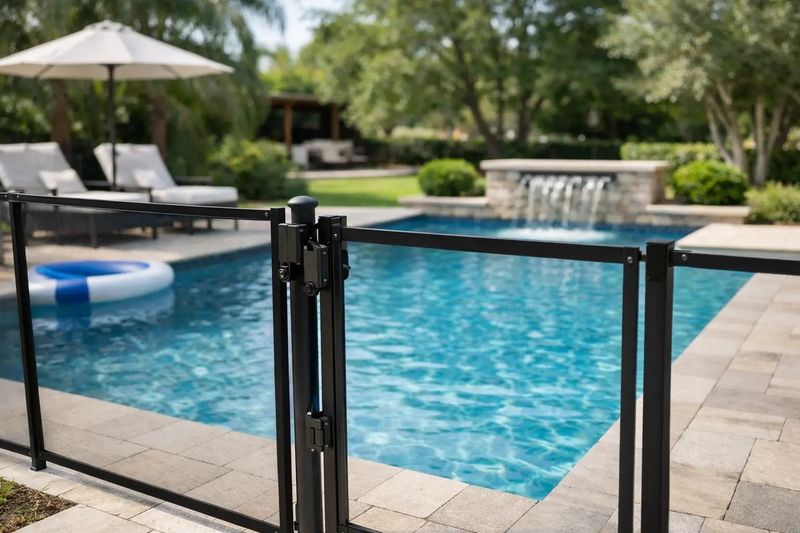
Nothing says backyard luxury like a sparkling pool, even when October leaves start drifting across the water. Pools rank among the most regulated backyard projects in America, and for very good safety reasons that make sense.
In-ground pools require permits in nearly every U.S. jurisdiction, covering digging, electrical work, plumbing, and the final fencing plans. Many areas also want permits for above-ground pools deeper than 24 inches, which surprises plenty of young families.
Barrier rules are the heart of pool permits, since water safety matters most around young children. Most codes require a fence at least four feet tall with gates that close and latch on their own.
Electrical safety matters too, and inspectors look for proper grounding, GFCI outlets, and safe distances from power lines. Water and electricity make a risky pair, so these checks protect everyone who happily jumps in next summer.
Fall happens to be a clever time to build, since pool contractors often offer lower prices and shorter waitlists. Getting the permit now means your pool can be ready, tested, and waiting when warm sunny weather returns.
Call your homeowners insurance company before you break ground, because pools can change your coverage and your premium. An unpermitted pool may even block a future home sale, which is one splash nobody in the family enjoys.
5. Pergolas That Attach To The House
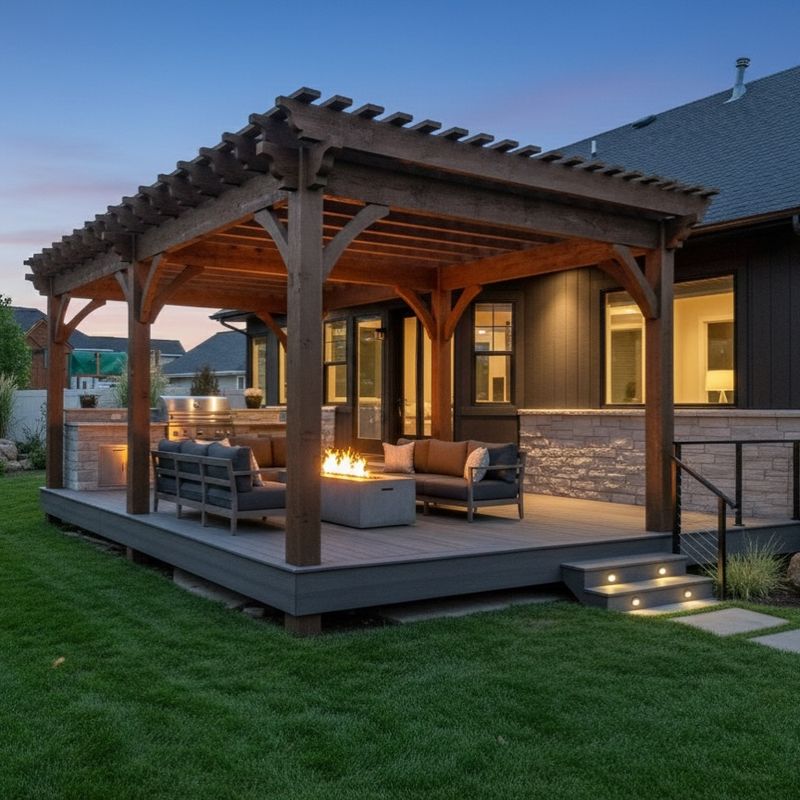
Few things feel as charming as a pergola wrapped in grapevines, casting striped shadows across a cozy fall table. Still, that dreamy wooden frame can count as a real structure, and building departments treat it that way.
Freestanding pergolas under a certain size sometimes skip permits, but attached ones usually need approval in most towns. Connecting a pergola to your house changes how weight and wind push against the walls and roof above.
Adding a solid roof turns a pergola into a patio cover, and patio covers usually need a permit. Snow can pile up on flat roofs during winter, so inspectors check that posts and beams can handle it.
Fun fact, the word pergola comes from the Latin word pergula, which described a projecting roof or balcony. Ancient Romans used them to shade walkways and grow grapes, so your backyard is following a long tradition.
Early fall gives you mild days for building, and vines planted now can root before the real cold arrives. Try hardy climbers like clematis or trumpet honeysuckle, which can start climbing your posts next season.
Ask your building office about footing depth, since posts must sit below the frost line in many colder northern states. Shallow footings can heave during freeze and thaw cycles, leaving your lovely pergola leaning like a tired scarecrow.
6. Retaining Walls That Hold Back The Hill
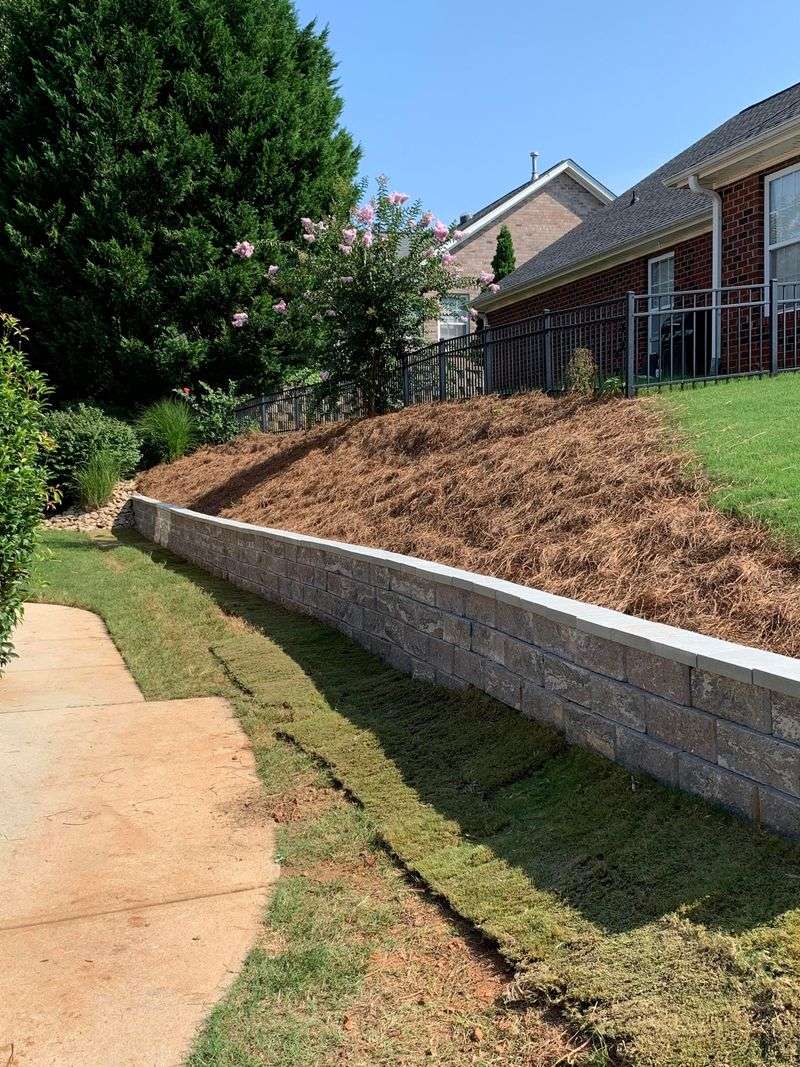
Ever tried to hold back a hillside with a few stacked stones and a hopeful smile on a rainy weekend? Retaining walls do heavy lifting, and wet soil can weigh far more than most people would ever guess.
Most U.S. codes require a permit once a retaining wall stands taller than four feet from footing to top. Some towns set a lower limit, like three feet, especially in hilly neighborhoods where slopes get steep quickly.
Walls that support a driveway, a shed, or another heavy load often need permits even when they stay short. Taller walls may also require plans stamped by a licensed engineer, which adds cost but protects your yard.
Drainage is the secret weapon of a strong wall, because trapped water pushes hard against the blocks behind. Gravel backfill and a perforated drain pipe let rain escape, which helps the wall last longer.
Autumn rain is a helpful teacher here, since a few storms will show you exactly where water collects. Walk the yard after a heavy shower in October and take clear photos to share with your future builder.
Watch where the wall sits compared to your property line, because failing walls can spill onto neighboring land. A permit creates a paper trail showing you built it right, which can calm nerves during future disagreements.
7. Outdoor Kitchens That Bring The Heat
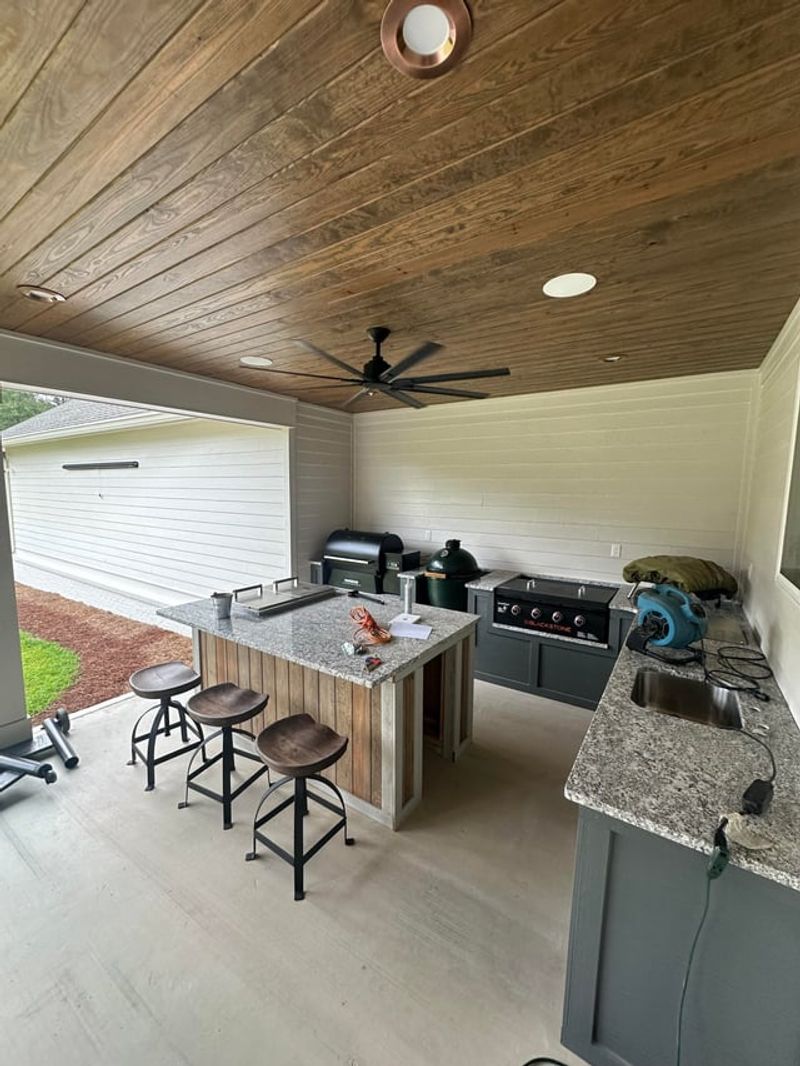
Burgers sizzling, s’mores melting, and friends gathered under string lights make an outdoor kitchen feel like pure magic. Once gas lines, wiring, or plumbing join the party, though, a permit is usually on the official guest list.
A rolling grill on a patio rarely needs approval, but a built-in grill island is a whole different story. Running a natural gas line requires a licensed pro in most states, plus an inspection for hidden leaks.
Outdoor sinks and mini fridges need safe plumbing and weatherproof outlets, which inspectors check with a careful eye. Water lines also need a plan for freezing weather, so buried pipes do not crack when the temperatures drop.
Permanent fire pits and outdoor fireplaces often need permits too, especially in dry Western areas with strict fire rules. Many towns require at least ten feet between a fire feature and your house, fence, or overhanging branches.
October is peak season for fire pit evenings, so check local burn bans before lighting the first log. Dry leaves blow around easily this time of year, so keep the fire feature well clear of them on windy nights.
Planning now gives you all winter to gather permits, compare countertop materials, and line up a trusted contractor. By the time grilling weather returns, your kitchen can be finished, inspected, and ready for the first cookout.
8. Cottages That Welcome Family Home
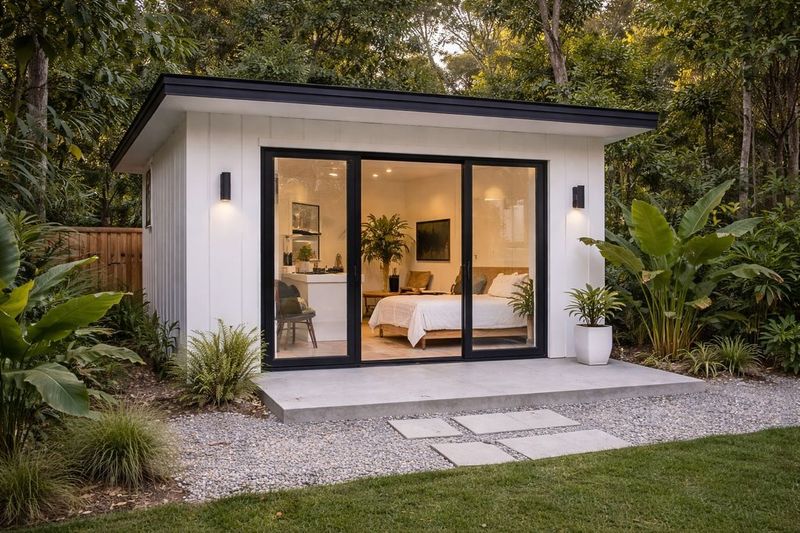
Grandma moving into a cozy backyard cottage sounds sweet, and more families are building these little homes every year. Known as accessory dwelling units, or ADUs, they are the most permit-heavy backyard project on this whole list.
Nearly every U.S. jurisdiction requires permits for a structure where someone sleeps, cooks, and lives, and for good reason. Inspectors carefully review the foundation, framing, wiring, plumbing, insulation, and smoke alarms before anyone can finally move inside.
Converted garages count too, so turning your old workshop into a guest suite still needs the full process. Detached garages larger than about 200 square feet also need permits in most places nationwide, even without a bedroom.
States like California, Oregon, and Washington have passed laws that make ADUs much easier to approve than before. Easier does not mean permit-free, though, since zoning, utility hookups, and parking rules still apply in most cities.
The approval process can take several months, so starting your paperwork in early fall is a very smart move. Winter review time means you could break ground once the frozen soil thaws and crews start booking new jobs.
A permitted ADU can boost your home value and bring rental income that helps cover the building cost. Best of all, it gives loved ones a place nearby, close enough to share warm Sunday pancakes each week.