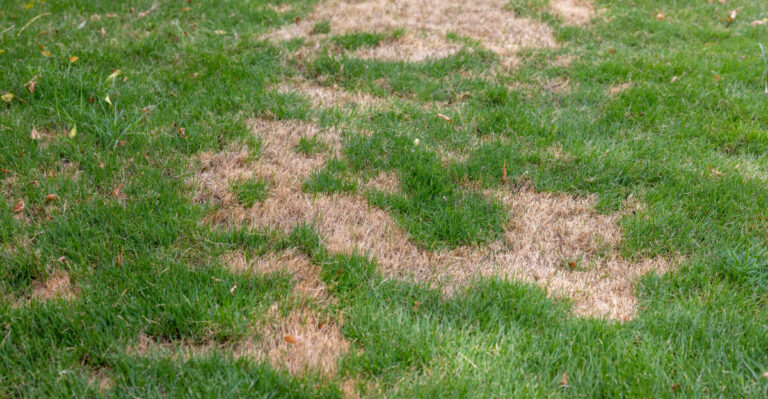
Crabgrass Taking Over Bare Spots? Here’s What Your Lawn Is Missing
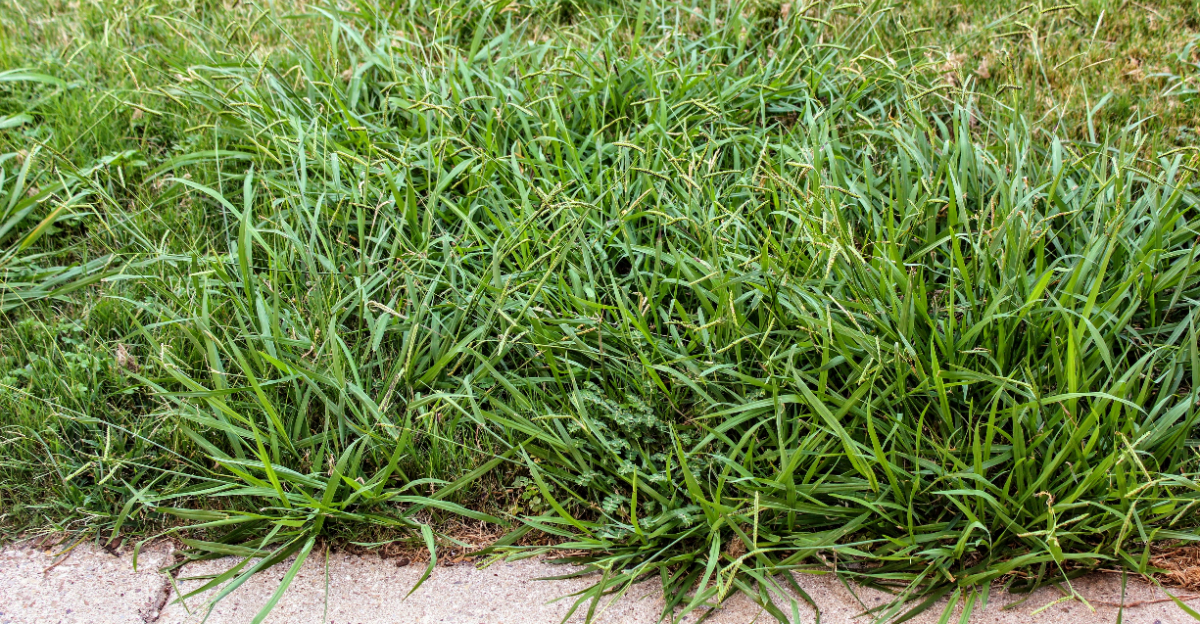
Your lawn looked fine two weekends ago. Now crabgrass has claimed the bare patches you barely noticed, spreading fast enough to catch you off guard.
That speed isn’t an accident. Crabgrass doesn’t take hold in thick, well-fed turf, it waits for an opening and grabs it the moment your grass falters.
So the real question isn’t how to pull it out. It’s what pushed your lawn to leave that gap in the first place, because that answer decides whether crabgrass stays gone for good.
Trace the cause, and the fix turns out to be simple. Your turf can close those gaps on its own, no more losing the same patch to the same weed every year.
1. Thin Turf Density Giving Weeds An Opening
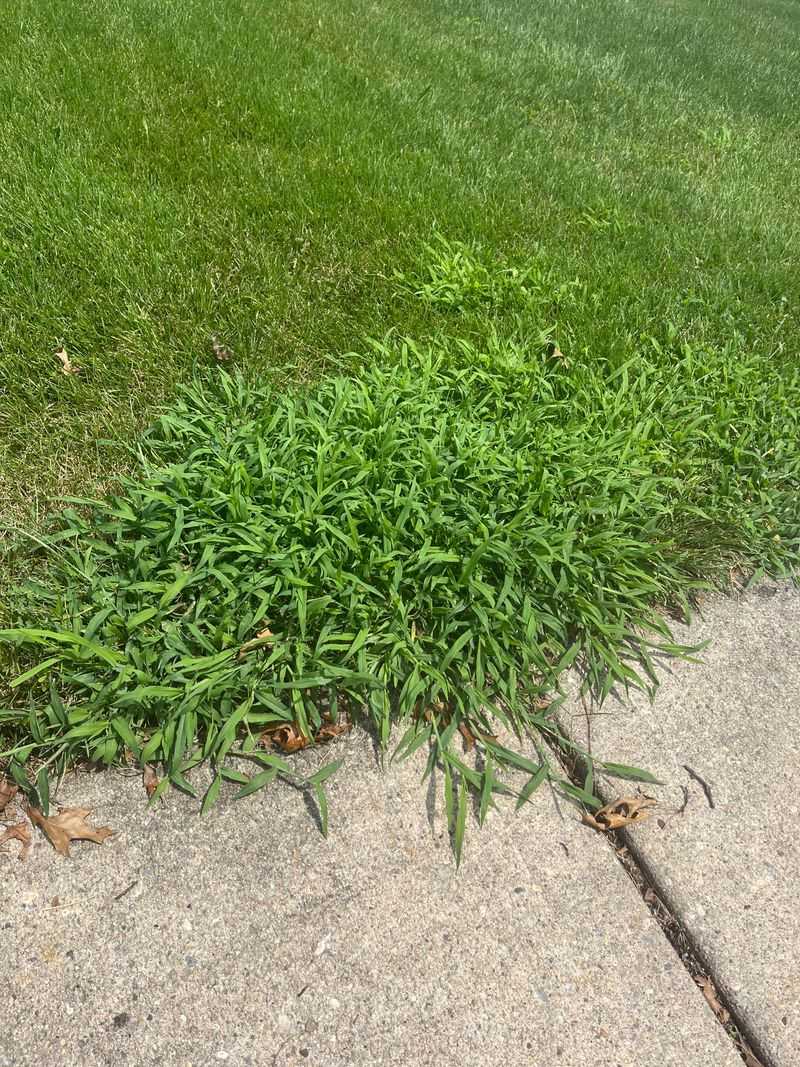
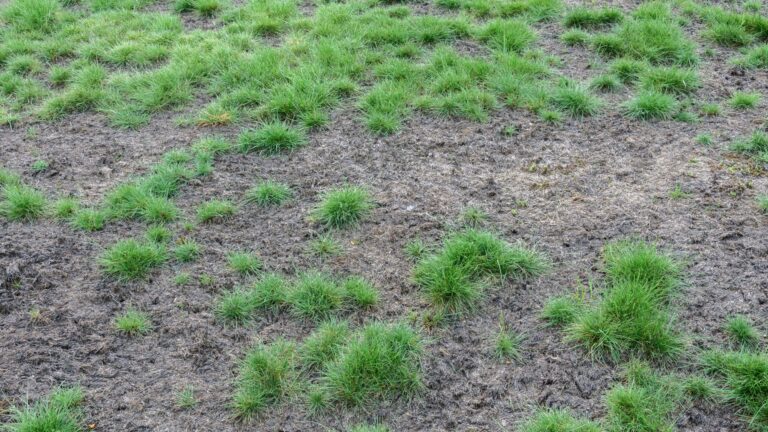
Bare soil is an open invitation. Crabgrass seeds sit in the ground waiting for exactly that kind of gap to appear.
When your lawn is thick and dense, weed seeds struggle to find sunlight or space. A full canopy of grass blades shades the soil and blocks germination at the source.
Thin turf is usually a sign that something weakened the grass over time. It could be drought stress, poor soil health, or simply grass that skipped a full recovery last season.
The fix starts with overseeding. Spreading quality grass seed into thin areas rebuilds density and crowds out future weed growth naturally.
Choose a seed blend that matches your climate and sun exposure. Tall fescue and Kentucky bluegrass are popular choices in transition zones across the country.
After seeding, keep the area lightly moist for two to three weeks. Germination takes patience, but every new blade is one less opening for a weed to claim.
Give new seedlings room to establish before the first mow. Cutting too early can stress fragile roots and slow the entire process down.
Check high-traffic zones separately, since foot traffic can wear seedlings down faster than the rest of the lawn recovers. A temporary path or stepping stones can take the pressure off while grass fills in.
Thick turf is your best long-term defense against crabgrass. A lawn that grows together leaves no room for uninvited guests to settle in.
2. Compacted Soil Making Grass Struggle To Establish
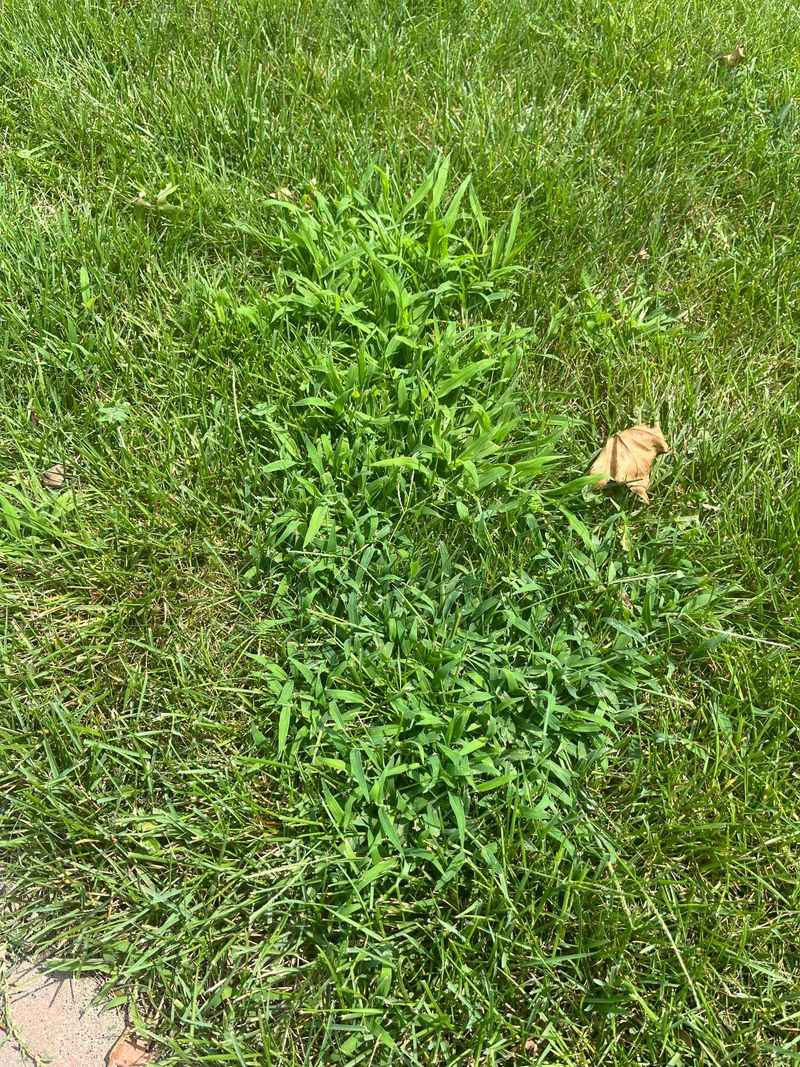
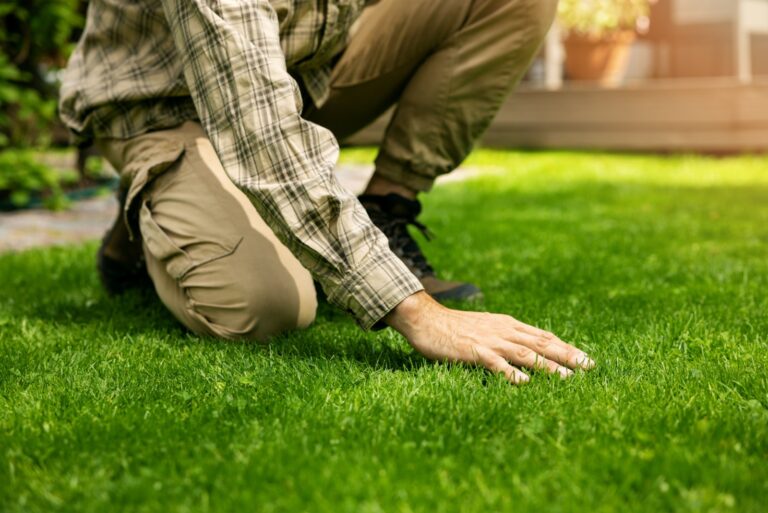
Stomp on compacted soil and it feels like pavement. Grass roots have a hard time pushing through that kind of resistance.
When soil gets packed down from foot traffic, heavy equipment, or repeated dry seasons, air and water struggle to move through it freely. Roots stay shallow and weak, and shallow roots mean fragile grass.
Crabgrass, on the other hand, thrives in compacted conditions. Its shallow root system is well suited to hard, dense soil where your lawn grasses struggle to compete.
Core aeration is one of the most effective solutions. A machine pulls small plugs of soil from the ground, opening channels for air, water, and nutrients to reach the root zone.
Most lawns benefit from aeration on an annual basis. Fall is ideal for cool-season grasses, while warm-season varieties respond well to late spring aeration.
After aerating, top-dress the lawn with a thin layer of compost. That organic material works into the holes and slowly improves soil structure season after season.
Heavily trafficked paths and play areas often need aeration more than one time a season. Watch for water pooling on the surface, it’s an early sign compaction is building again.
Healthy soil grows healthy grass. When roots can spread deep and wide, your lawn builds the strength it needs to push back against crabgrass naturally.
3. Mowing Too Short And Weakening The Lawn
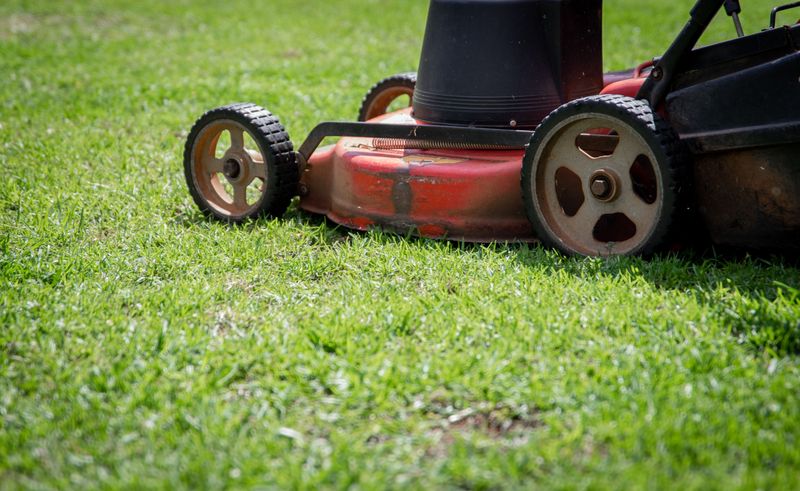
Scalping your lawn feels satisfying in the moment. But cutting grass too short is one of the fastest ways to give crabgrass an opening.
Grass blades are the plant’s solar panels. When you cut them too low, the plant loses its ability to produce energy and pull nutrients up from the soil.
A stressed, short lawn also exposes the soil surface to direct sunlight. That warmth is exactly what crabgrass seeds need to germinate and take hold quickly.
Most cool-season grasses should be kept between three and four inches tall. Warm-season varieties like Bermuda can handle shorter cuts, but even they have limits.
A good rule is to avoid removing more than one-third of the blade in a single mow. That simple habit keeps grass strong and photosynthesis running at full speed.
Sharp mower blades matter just as much as cutting height. Dull blades tear the grass rather than cutting it cleanly, leaving ragged edges that dry out and invite disease.
Adjust your mowing height as the seasons shift. Grass handles a slightly taller cut better once summer heat sets in.
Skip mowing on the schedule alone and check the grass itself first. Wet, stressed, or heat-stricken lawns can suffer even from a normally safe cutting height.
Raising your mower deck is one of the easiest changes you can make this season. Taller grass shades the soil, slows weed germination, and keeps your lawn looking lush all summer long.
4. Missing Nutrients Your Grass Needs To Compete
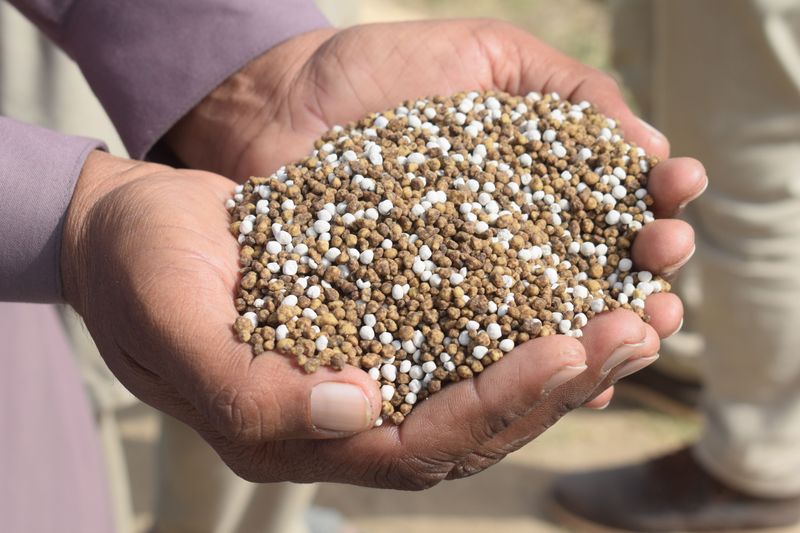
Grass without nutrients is like an athlete running on an empty stomach. It struggles to perform, and it has a hard time competing with aggressive weeds like crabgrass.
Nitrogen is a key nutrient for turf growth. Without enough of it, grass turns pale, grows slowly, and thins out in ways that leave bare spots exposed.
Phosphorus supports root development, while potassium helps grass handle stress from heat, drought, and foot traffic. All three work together to keep a lawn resilient and competitive.
A soil test is a smart starting point. It tells you which nutrients are lacking so you can apply fertilizer based on real data, not guesswork.
Most hardware stores and cooperative extensions offer affordable soil testing kits. Results usually come back within one to two weeks and include specific product recommendations.
Slow-release fertilizers are generally better for lawn health than quick-release formulas. They feed grass steadily over weeks, preventing the boom-and-bust growth cycle that weakens turf over time.
Timing matters as much as the nutrients themselves. Apply fertilizer during active growth periods so grass can actually use what you’re feeding it.
Over-fertilizing brings its own set of problems, from nutrient runoff to burned patches of turf. Stick to labeled rates rather than assuming more feeding speeds up recovery.
Feeding your lawn on a consistent schedule makes a real difference. When grass has what it needs to thrive, crabgrass loses the nutritional advantage it has been exploiting all season long.
5. Poor Drainage Creating Weak Spots Over Time
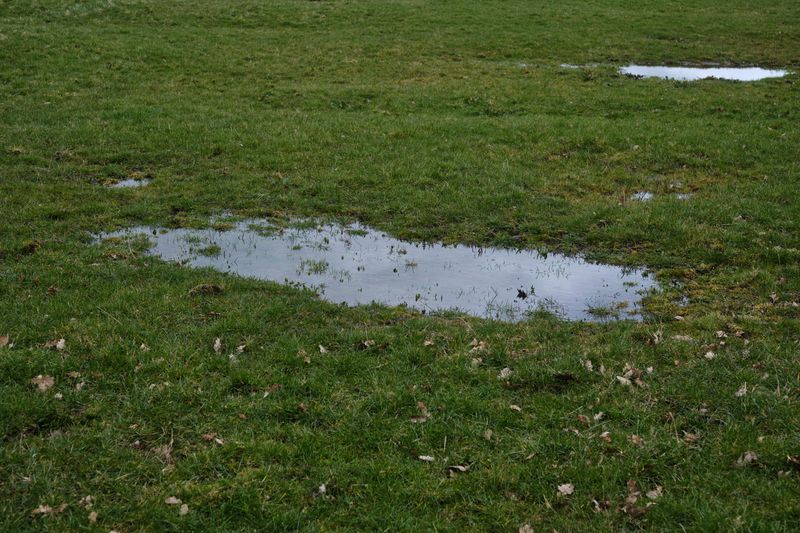
Water pooling in the yard after every rain is not just annoying. Those soggy patches are quietly damaging the grass roots beneath the surface.
Grass roots need oxygen as much as they need water. When soil stays saturated for too long, roots suffocate and the grass above begins to thin and weaken.
Crabgrass is surprisingly adaptable. It can handle wet conditions far better than most turf grasses, which is why it tends to show up in the soggiest corners of the yard.
Improving drainage starts with identifying where water tends to collect. Low spots, areas near downspouts, and places with heavy clay soil are usually the main culprits.
Adding organic matter like compost improves drainage in clay soils over time. For more serious drainage issues, a French drain or grading adjustment may be necessary.
In areas that stay wet despite improvements, consider switching to a more water-tolerant grass variety. Some species handle moisture much better and still compete well against weeds.
Check drainage again after any landscaping changes. New patios, sheds, or regraded beds can redirect water toward your lawn without you realizing it.
Fixing drainage is an investment in your lawn’s long-term health. When water moves through the soil properly, grass can finally root deeply and hold its ground against crabgrass all season.
6. Shade Patterns Thinning Grass In Certain Areas
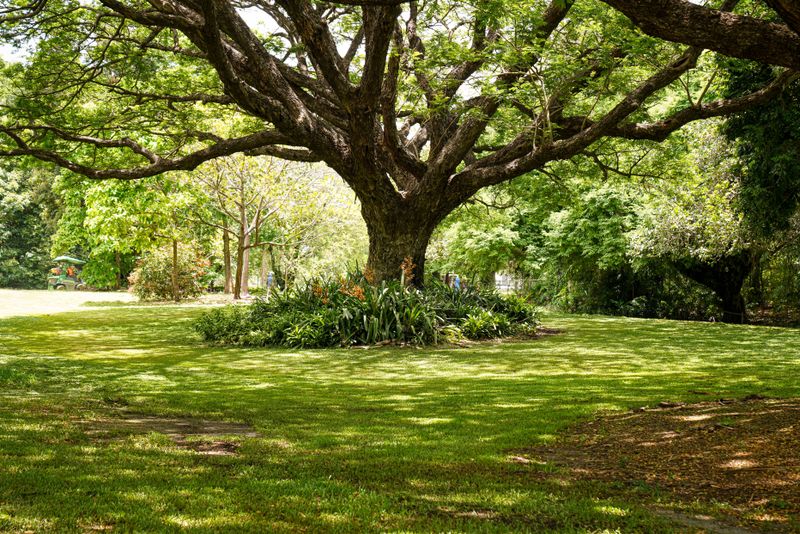
That shady patch under the oak tree looks peaceful. But your grass is quietly struggling beneath those branches.
Most common turf grasses need several hours of direct sunlight each day to grow thick and strong. When trees or structures block that light, grass thins out and bare spots begin to form.
Crabgrass is an opportunist. It may not love deep shade, but it will take over the edges of shaded zones where light is inconsistent and turf is already weakened.
Start by evaluating how much light each shaded area actually receives throughout the day. Areas with four or more hours of sun can often support shade-tolerant grass varieties successfully.
Fine fescues are among the best options for low-light conditions. They stay relatively dense even in partial shade and are much harder for weeds to push out after they take hold.
Pruning lower tree branches is another effective strategy. Lifting the canopy lets more light filter through to the grass below without removing the tree entirely.
Rotate mowing direction in shaded zones to avoid compacting the soil along the same tracks. Even lightly shaded areas benefit from that small adjustment.
Shade does not have to mean bare spots forever. With the right grass variety and a bit of tree management, even the shadiest corners of your lawn can hold their own against crabgrass.
7. Watering Habits That Favor Weeds Over Turf
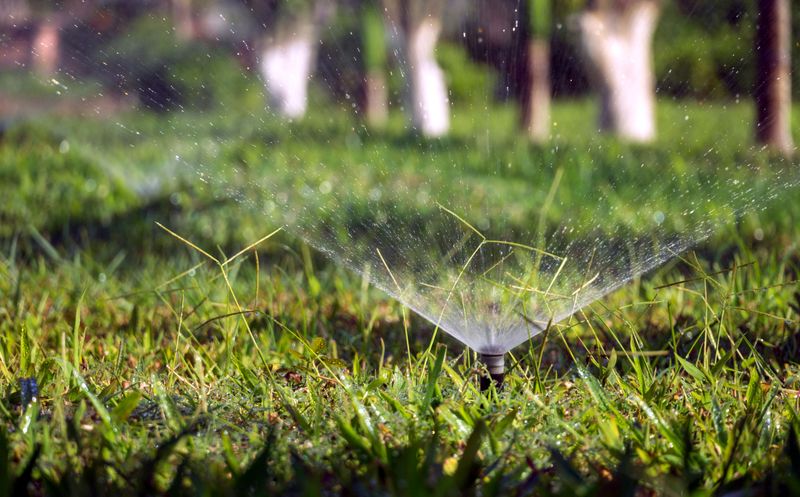
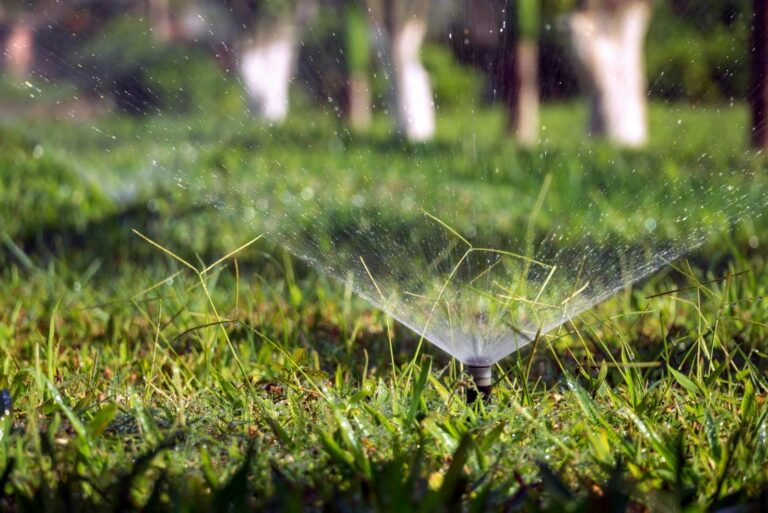
Watering every day sounds like good lawn care. In reality, frequent shallow watering is one of the main reasons crabgrass gains the upper hand in summer.
Light, daily watering keeps moisture near the soil surface. Grass roots follow water, so they stay shallow, weak, and poorly prepared for heat or drought stress.
Crabgrass roots are naturally shallow and short. Frequent surface moisture is close to the perfect growing environment for this weed and a tough situation for your turf.
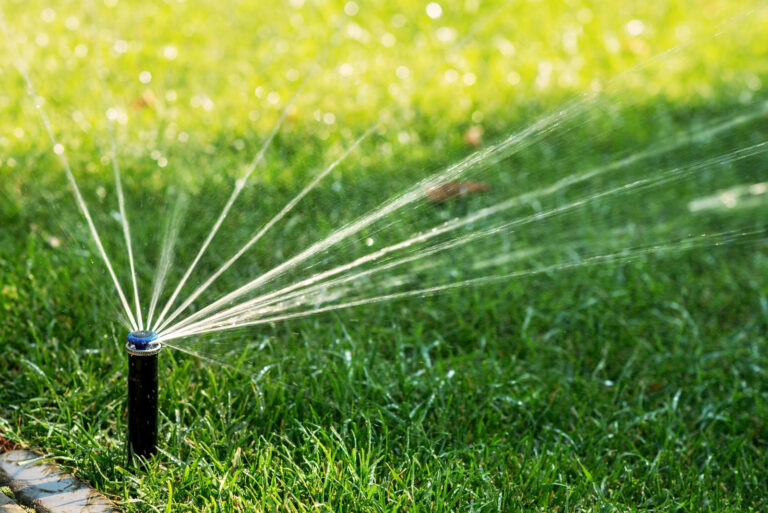
Deep, infrequent watering trains grass roots to grow downward. Roots that reach six inches or deeper can access moisture long after the surface has dried out.
Aim to water deeply a couple of times a week rather than a little every day, delivering about half an inch to an inch total. Splitting it this way trains roots down without oversaturating the lawn.
Early morning is the best time to run sprinklers. Water applied in the morning soaks in before heat evaporates it, and the grass surface dries before evening, reducing disease risk.
Keep an eye on local rainfall before each watering session. Skipping a scheduled watering after a good rain prevents unnecessary saturation.
Changing your watering schedule is a free upgrade that pays off fast. Grass that roots deeply is more drought-tolerant, more competitive, and far less welcoming to crabgrass looking for a new home.
8. Seeding Gaps Left Untreated For Too Long
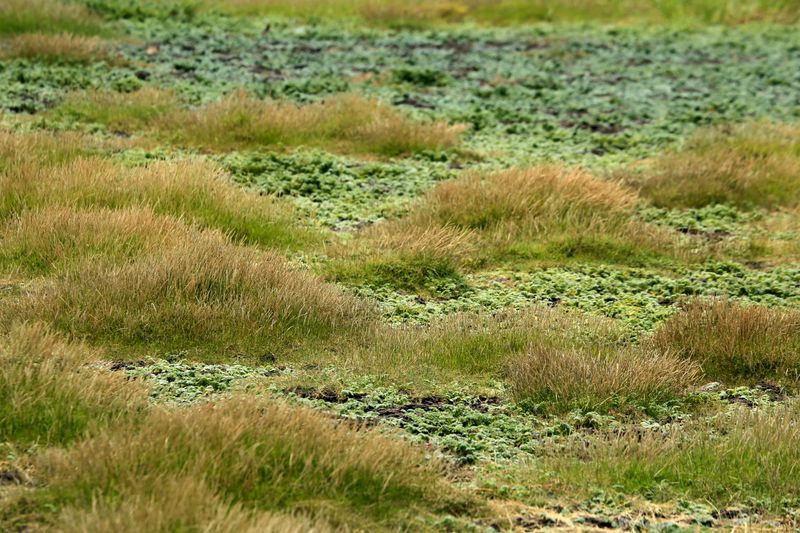
Every bare patch is a countdown clock. The longer it stays empty, the more likely crabgrass is already moving in to claim that space.
Bare spots form for all kinds of reasons. Pet damage, drought stress, disease, and heavy foot traffic can all strip away turf and leave raw soil exposed to whatever blows in on the wind.
Crabgrass seeds are everywhere. They can stay dormant in the soil for years and germinate the moment soil temperature and moisture conditions line up in their favor.
Patching bare spots quickly is one of the most effective ways to stop crabgrass before it starts. Fresh grass seed applied to a prepared surface competes directly against weed germination from day one.
Loosen the top inch of soil before seeding. A simple hand rake breaks the crust and gives seeds better contact with the earth below for faster, more consistent germination.
Keep newly seeded areas consistently moist until the grass reaches mowing height. Missing even a few days of moisture during germination can set the seedlings back significantly.
Mark bare spots as soon as you notice them instead of waiting for a bigger project. Small, quick patches are far easier to manage than repairing a spread-out problem later.
Do not let bare spots sit through another season. Tackling those empty patches now with fresh grass seed is a direct way to fight crabgrass and restore your lawn to full, healthy coverage.