What Smells Keep Moles Away In North Carolina Yards And Where To Use Them
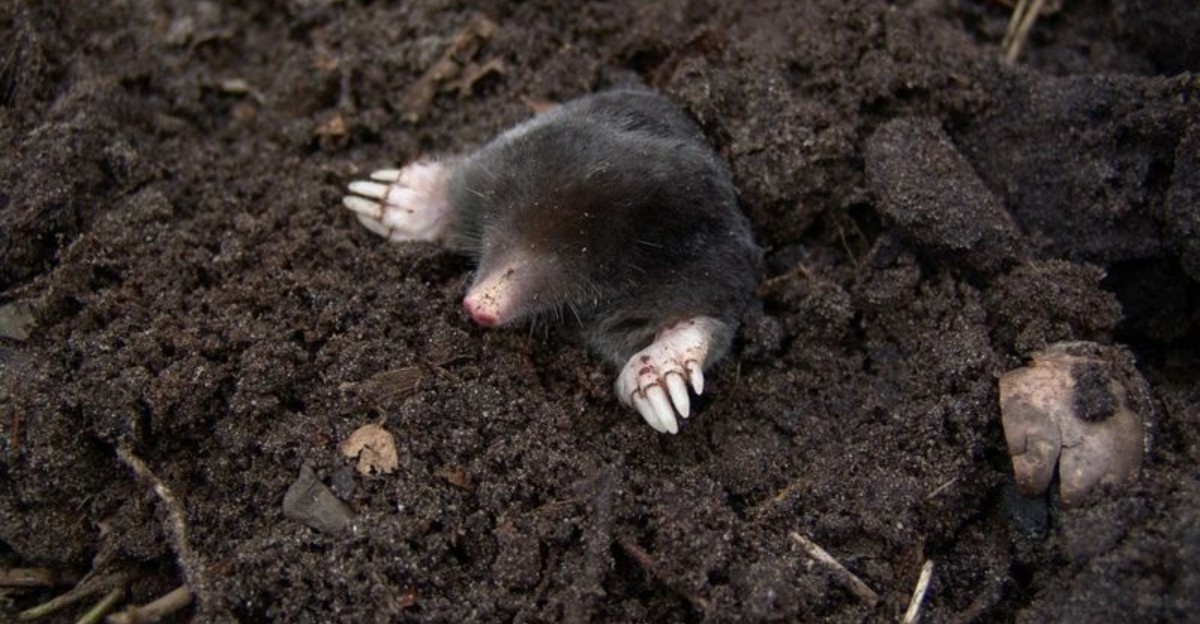
Moles can quickly turn a tidy North Carolina lawn into a maze of raised tunnels and soft, uneven soil, and certain scents have become a popular natural way to discourage them without resorting to traps or poison.
These underground pests navigate almost entirely by smell, which means strong, unfamiliar odors placed directly into their tunnel systems can disrupt their usual paths and encourage them to relocate elsewhere.
Castor oil-based repellents are among the most commonly used options, typically applied directly into active tunnel openings or worked into the surrounding soil.
Placement matters as much as the scent itself, since treating the wrong section of a tunnel network often just causes moles to reroute rather than leave the yard entirely.
Knowing where and how to apply these deterrents gives North Carolina homeowners a more effective, targeted approach to keeping moles away.
1. Castor Oil-Based Repellents Around Active Tunnels
Among all the scent options out there, castor oil products are the ones most gardeners reach for first. The oil coats the soil and worms that moles love to snack on, giving everything an unpleasant taste and smell that these tunnelers try to avoid.
Because moles depend heavily on their sense of smell and touch underground, a strong, greasy scent can push them toward the edges of your property.
That is why targeting matters so much. Spreading castor oil across your whole lawn wastes product and rarely does much good.
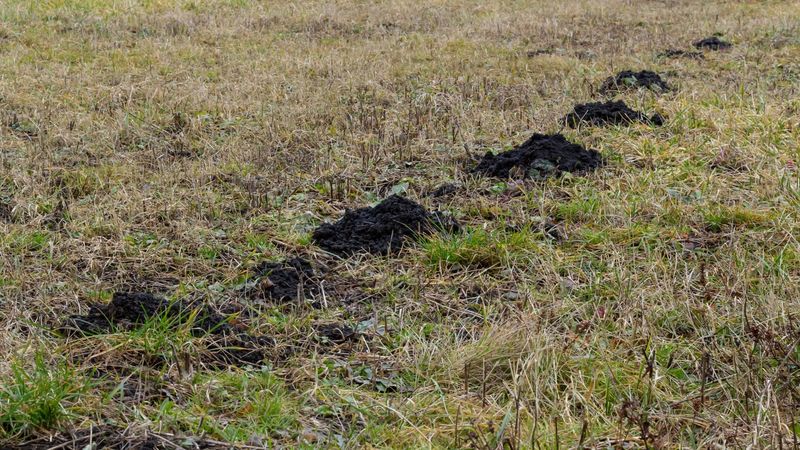
Instead, focus on the spots where you actually see fresh activity. Look for raised soil ridges, soft molehills, and tunnel lines that seem to grow each day.
Those areas mark the paths moles are using right now, and treating them directly gives the scent the best chance to work.
Most castor oil repellents come as ready-to-spray liquids or granules you scatter and then water in. Watering helps carry the smell down into the tunnels where moles travel, so follow the label instructions closely.
Keep in mind that no scent guarantees perfect results. Moles are stubborn, and stubborn animals sometimes ignore even smelly warnings.
Still, many North Carolina gardeners find castor oil a helpful first step, especially when they apply it consistently and stay patient.
Treat it as one useful tool rather than a magic fix. Pair steady applications with attention to where the tunnels appear, and you improve your odds of gently steering moles somewhere far from your favorite garden beds.
2. Garlic Scents Near Garden Borders

Garlic has a punchy smell that people either love or wrinkle their nose at, and moles may fall into the second group. Its sharp odor is sometimes used as a natural wildlife deterrent, and gardeners like it because it is cheap and easy to find.
The idea is simple. Strong scents can make an area feel unwelcome to animals that rely on their noses to find food and safe pathways. Around a garden, that unwelcome feeling might encourage moles to dig somewhere less pungent.
Many folks place crushed garlic cloves, garlic sprays, or garlic powder near vulnerable planting areas. Vegetable beds, flower borders, and the edges of raised gardens are common spots since those are the places you most want to protect.
Results, though, can be all over the map. Some gardeners swear garlic helps, while others notice little change. Weather, soil type, and how many moles you have all play a part in whether the scent makes a difference.
To give garlic a fair shot, refresh it often. Rain and sun break down the smell quickly, so a one-time sprinkle usually fades before it does much.
Think of garlic as a friendly experiment rather than a promise. It pairs nicely with other tips in this list and adds another layer of scent that moles might rather avoid.
Combine it with good lawn care and targeted treatments, and you build a yard that feels far less cozy to underground visitors while keeping your plants safe.
3. Mint Around Yard Edges
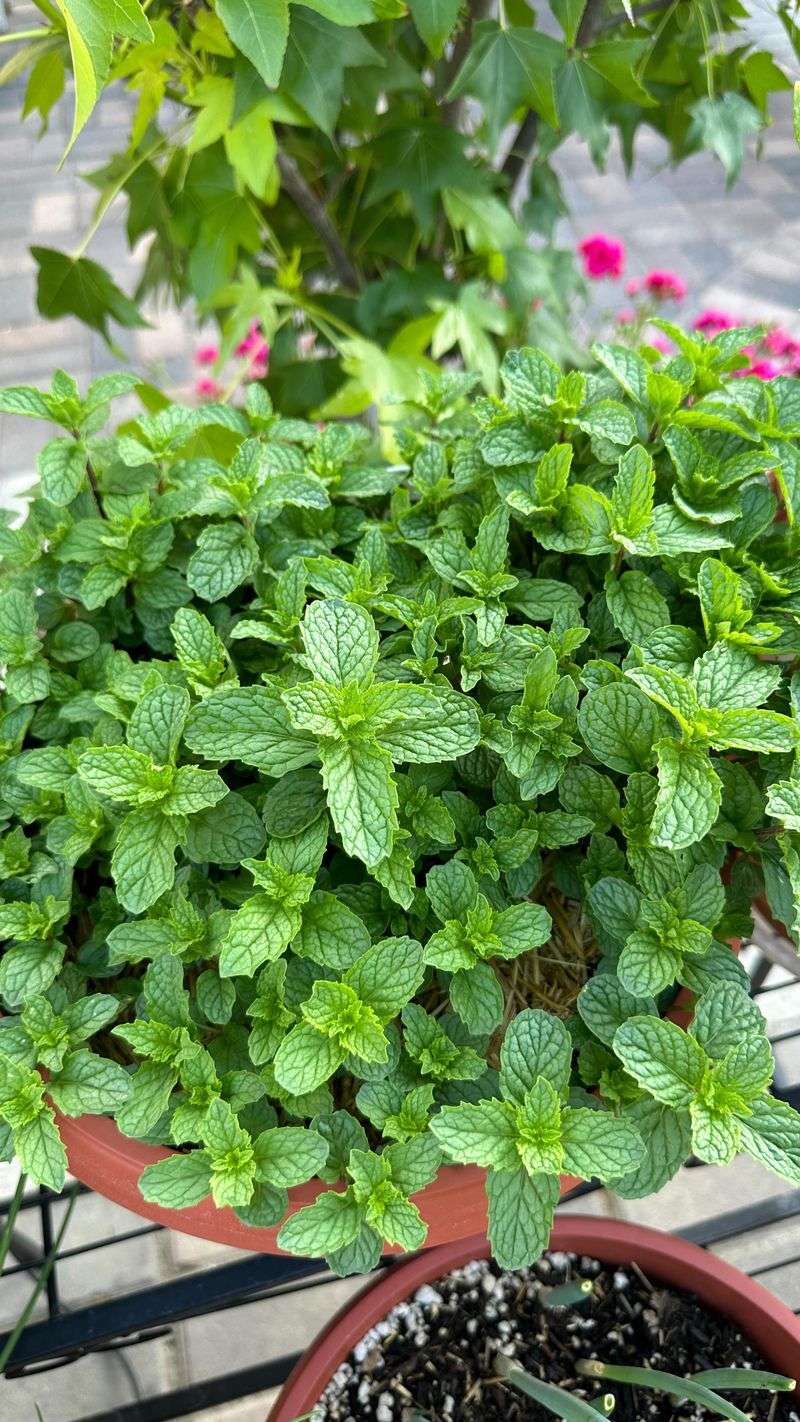
Mint smells wonderful to us, but that same fresh, tingly scent can feel overpowering to small burrowing animals. Because of this, mint often shows up in landscapes designed with pests in mind.
Planting mint along the borders of your yard creates a fragrant barrier that moles may find bothersome. The strong oils in the leaves release scent into the air and soil, which can make the edges of your property less appealing as a digging zone.
One thing to know about mint is that it spreads fast, sometimes too fast. Many gardeners keep it in pots or buried containers so it does not take over the whole flower bed. That way you enjoy the benefits without a mint takeover.
Placement is key here. Line mint along fences, walkways, and the outer edges of garden beds where moles tend to enter. Creating a scented border may nudge them to look elsewhere for their tunnels.
Be honest with your expectations, though. Mint alone will not clear out a mole problem, and anyone promising that is stretching the truth. Moles are persistent, and a few plants will not stop a determined digger.
What mint can do is add pleasant aroma, attract helpful pollinators, and contribute one more scent layer to your defense plan. Use it alongside targeted repellents and healthy lawn habits for a stronger overall effect.
Plus, you get fresh mint for tea and recipes, which makes it a fun, useful plant even on days when the moles ignore it completely.
4. Onion And Strong Allium Scents Near Problem Areas
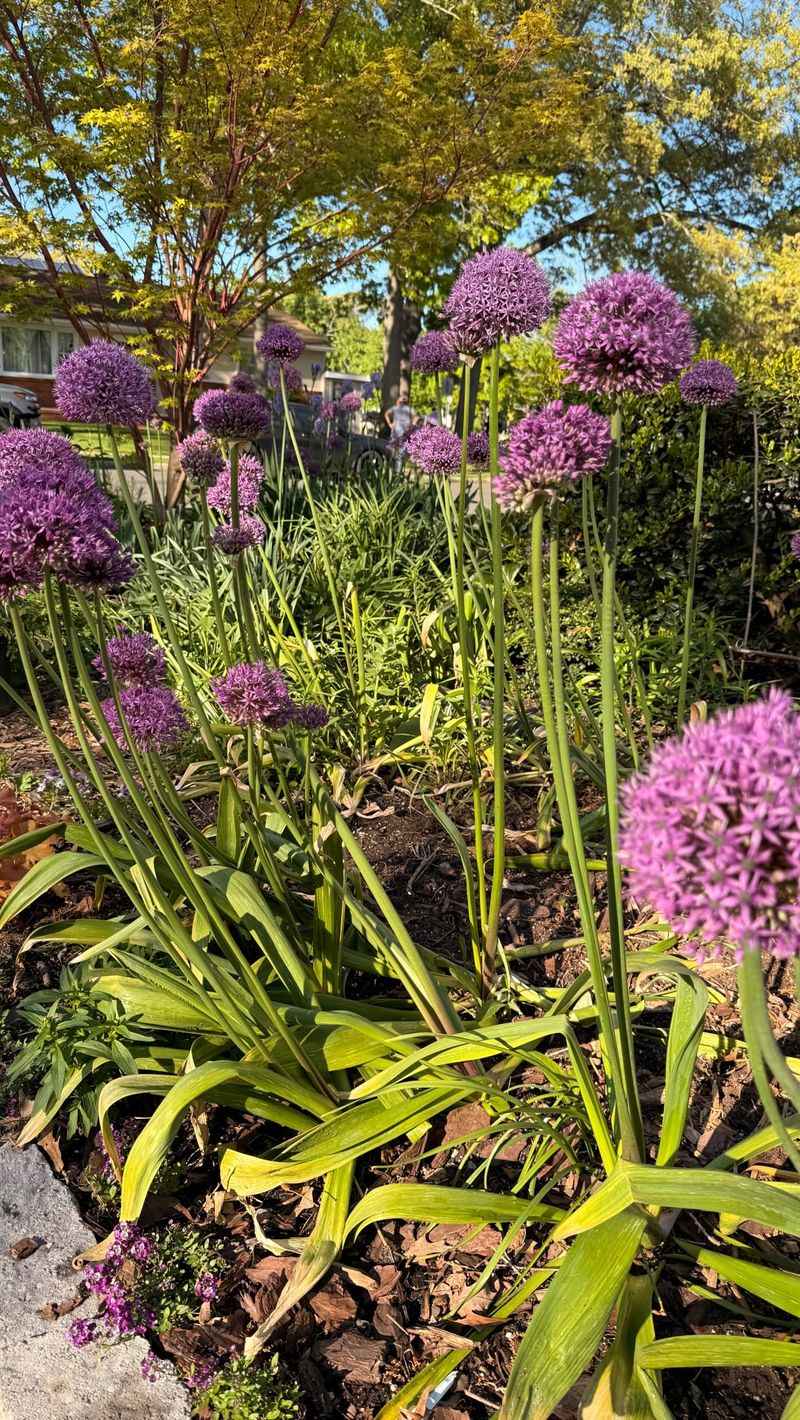
Onions belong to the allium family, a group of plants famous for their eye-watering, nose-tickling smell. That same sharpness makes onions and their relatives popular choices for gardeners hoping to shoo away underground pests.
The reasoning is straightforward. If a smell is strong enough to make you tear up while chopping, it might feel just as harsh to a mole moving through the soil nearby. Placing these scents around trouble spots may make those areas less comfortable.
Gardeners often tuck sliced onions, garlic relatives, or ornamental alliums near active molehills and along garden edges. The goal is to surround your most valuable plants with odors that moles would rather skip.
Still, honesty helps here. Allium scents should be seen as a supplemental helper, not a proven cure. There is limited hard evidence that they clear moles completely, so treat them as one piece of a bigger plan.
Fresh onion slices break down quickly, so refresh them regularly if you want the smell to stick around. Ornamental alliums offer a longer-lasting option and add pretty purple blooms to your landscape at the same time.
The nice bonus with alliums is beauty. Tall, globe-shaped allium flowers look striking in a garden bed, so even if the moles ignore the scent, your yard still gains some charm.
Blend allium scents with castor oil treatments, healthy soil habits, and physical barriers. Layering several methods together always beats leaning on a single smell to do all the heavy lifting for you.
5. Apply Repellents Where Mole Activity Is Fresh
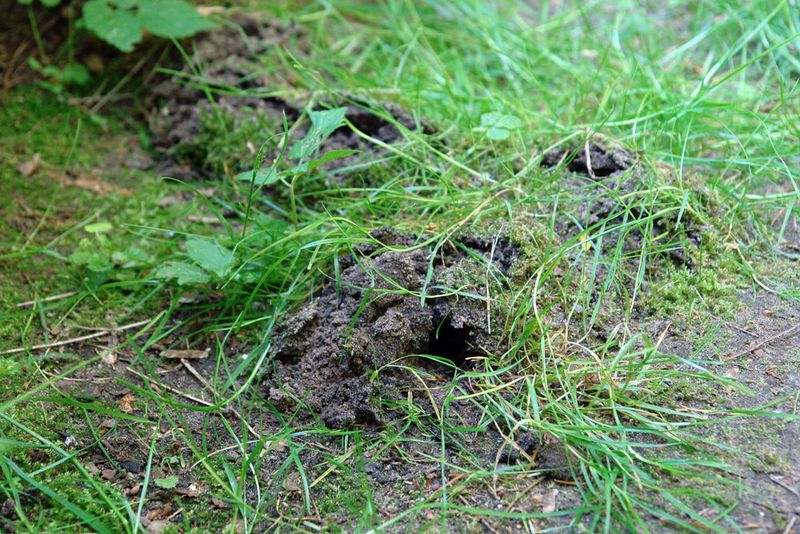
Timing and location beat quantity every single time when it comes to scent repellents. Dumping products randomly across your lawn feels productive, but it usually wastes money and gives poor results.
The smarter move is to read your yard like a map. Moles leave clear clues, including raised ridges of soil, soft mounds, and tunnel lines that pop up overnight. Those signs point directly to where the animals are working right now.
Fresh activity is the target. When you spot a new molehill or a ridge that was not there yesterday, that is exactly where your repellent will do the most good. Treating stale, abandoned tunnels rarely helps because the mole has already moved on.
To find active spots, try gently pressing down a few tunnel ridges in the evening. Check the next morning to see which ones popped back up. The raised ones show current traffic and deserve your attention.
Once you know the busy zones, apply your chosen scent right along those paths. Watering granules in or spraying directly over ridges helps the odor sink down where moles actually travel and rest.
Keep watching after each treatment. Moles may shift their tunnels, so follow the new activity and adjust your applications to match. Staying flexible keeps your efforts effective.
Think of yourself as a detective tracking clues rather than someone spraying blindly. Focused, well-placed treatments make even simple scent products far more useful, and they save you time, effort, and product across your whole North Carolina yard.
6. Reapply After North Carolina Rain

North Carolina weather loves to surprise you, with sunny mornings sometimes turning into afternoon downpours. All that moisture is great for lawns but tough on scent repellents.
Rain, sprinklers, and heavy dew slowly wash away and dilute the smells you worked hard to spread. Once the odor fades, moles stop noticing it, and your protection quietly disappears.
That is why reapplying is so important. A single application at the start of the season will not carry you through months of storms and watering. Treat scent products as something you refresh, not a one-and-done task.
Always check the label before reapplying. Different products have different rules about how often and how much to use, and following those directions keeps things safe for your plants, pets, and family.
A good habit is to inspect your treated areas after every big rain. If you see fresh molehills returning or the product looks washed out, it is time for another round.
Granular repellents sometimes hold up a little longer than liquids because they release scent slowly as they break down. Even so, both types eventually fade and need refreshing.
Keep a simple schedule or set a phone reminder so you do not forget. Consistency is what makes scent-based methods worthwhile, since moles quickly return once the smell weakens.
Staying on top of reapplication after North Carolina’s rainy stretches gives your repellents a steady, ongoing presence. That steady effort, more than any single product, is what helps keep those persistent diggers guessing and looking for calmer ground elsewhere.
7. Improve Lawn Conditions That Attract Mole Food
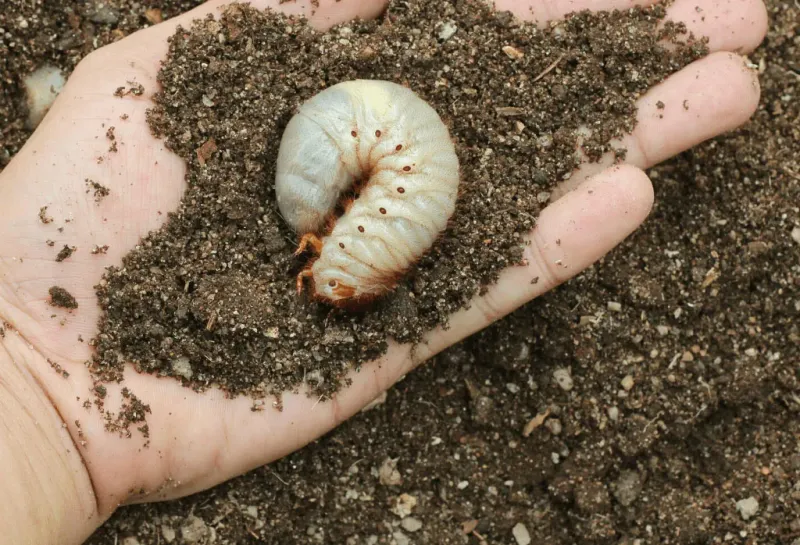
Here is a secret many people miss. Moles are not really after your grass at all. They tunnel through your yard hunting for earthworms, grubs, and other insects living in the soil.
When your lawn is packed with these tasty snacks, it turns into a buffet that moles simply cannot resist. Reduce the food supply, and suddenly your yard becomes far less interesting to them.
Start with your watering habits. Maintaining proper watering and drainage keeps your lawn healthier and may reduce conditions that support heavy mole activity.
Healthy turf also helps. Aerating compacted soil, mowing at the right height, and feeding your grass properly all build a strong lawn that supports fewer pest problems over time.
Grub control is another smart step. If you notice large grub populations, treating them can shrink the food source moles depend on. Fewer grubs often means fewer reasons for moles to stick around.
Be careful, though, not to go overboard. Earthworms are actually good for your soil, so the goal is balance rather than clearing out every living thing underground.
Good drainage matters too. Soggy, low spots hold moisture that attracts insects, so leveling those areas and improving flow can quietly discourage mole traffic.
By tackling the food supply instead of only fighting the moles themselves, you solve the problem closer to its root.
A well-cared-for North Carolina lawn naturally offers fewer treats underground, making scent repellents and other methods work even better alongside your everyday yard care.
8. Combine Smells With Physical Prevention

Relying on scent alone is a bit like locking your front door but leaving every window wide open. Smells help, yet they work best as part of a bigger, smarter plan.
Combining odors with physical prevention gives you a much stronger defense. When moles run into both unpleasant scents and real barriers, they have far more reason to search for easier ground.
One popular method is protecting high-value garden beds with underground barriers. Burying wire mesh or hardware cloth around the edges of a bed can block moles from tunneling into your prized vegetables and flowers.
Monitoring is another key habit. Keep an eye on tunnel activity so you always know where the moles are heading. Spotting new ridges early lets you respond fast before the problem spreads.
Drainage plays a surprising role too. Fixing soggy areas and improving how water moves through your yard makes the soil less friendly to the worms and insects moles crave.
Lawn care ties everything together. Healthy turf, smart watering, and grub management all reduce the conditions that invite moles in the first place, boosting the power of every other method you use.
Think of it as building layers. Scents nudge, barriers block, monitoring guides your timing, and good yard habits remove the buffet underneath. Each piece supports the others.
No single trick clears moles for good, but a thoughtful mix gives you the best shot. Blend smells with physical steps, stay consistent, and your North Carolina yard becomes a place moles would rather skip entirely.