The Low Water Texas Native Vine Homeowners Can Use Instead Of Wisteria
Some vines look like garden dreams at first. Then reality catches up.
A few purple flowers on a fence can turn into years of trimming, untangling, and trying to convince a plant to stay where you planted it.
Have you ever fallen in love with a flowering vine at the nursery, only to wonder later if it was a little too enthusiastic?
Texas gardens need plants that can handle heat, tough conditions, and long dry spells without creating a constant maintenance project. The perfect vine should bring beauty without turning your fence into a full-time job.
That is where one native Texas climber deserves a closer look. It brings bold flowers, helps local wildlife, and settles into the landscape without the same aggressive habits that make some popular vines frustrating.
The best part is that this plant does not need a perfect garden. A sturdy fence, a sunny wall, or a simple trellis can be enough to create a stunning display.
Ready to meet the Texas native vine that gives you the drama of wisteria without the never-ending wrestling match?
1. Plant Crossvine Instead Of Asian Wisteria
Wisteria has a reputation for stealing the show. Those hanging flower clusters are beautiful, but some imported varieties can become more than gardeners expected.
Chinese wisteria and Japanese wisteria grow aggressively in many landscapes. Their woody stems can become thick, their growth can spread widely, and their maintenance needs can surprise homeowners who simply wanted a pretty vine.
Crossvine offers a different approach.
Bignonia capreolata is native to Texas and naturally fits the state’s climate. It grows with energy, but it tends to behave in a way that feels much more at home in native landscapes.
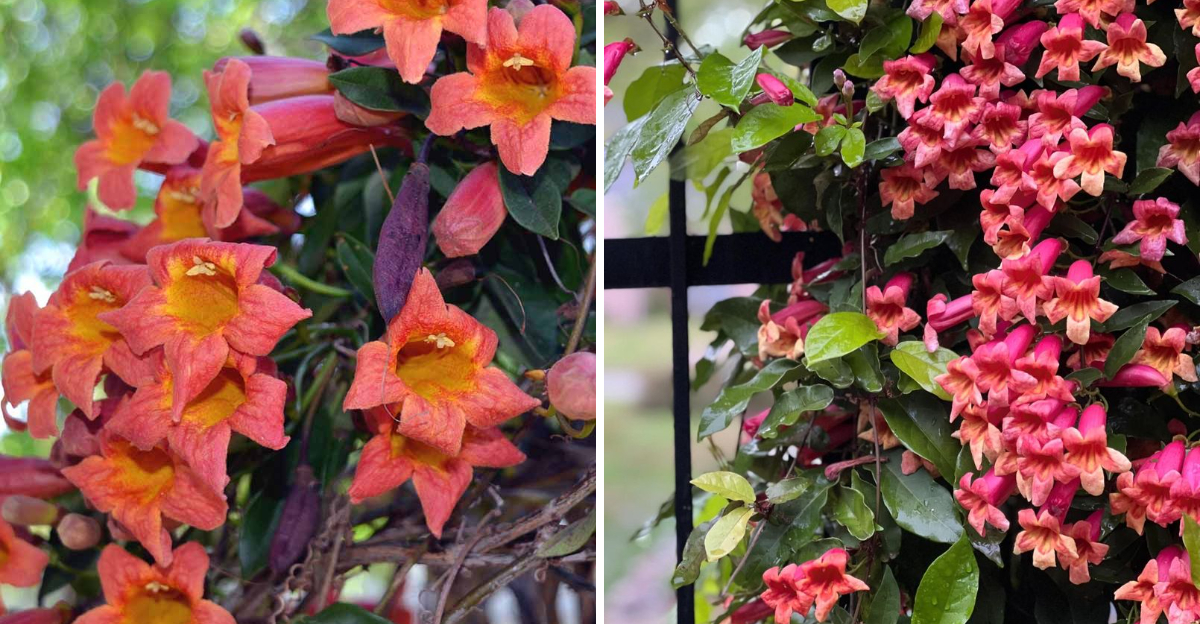
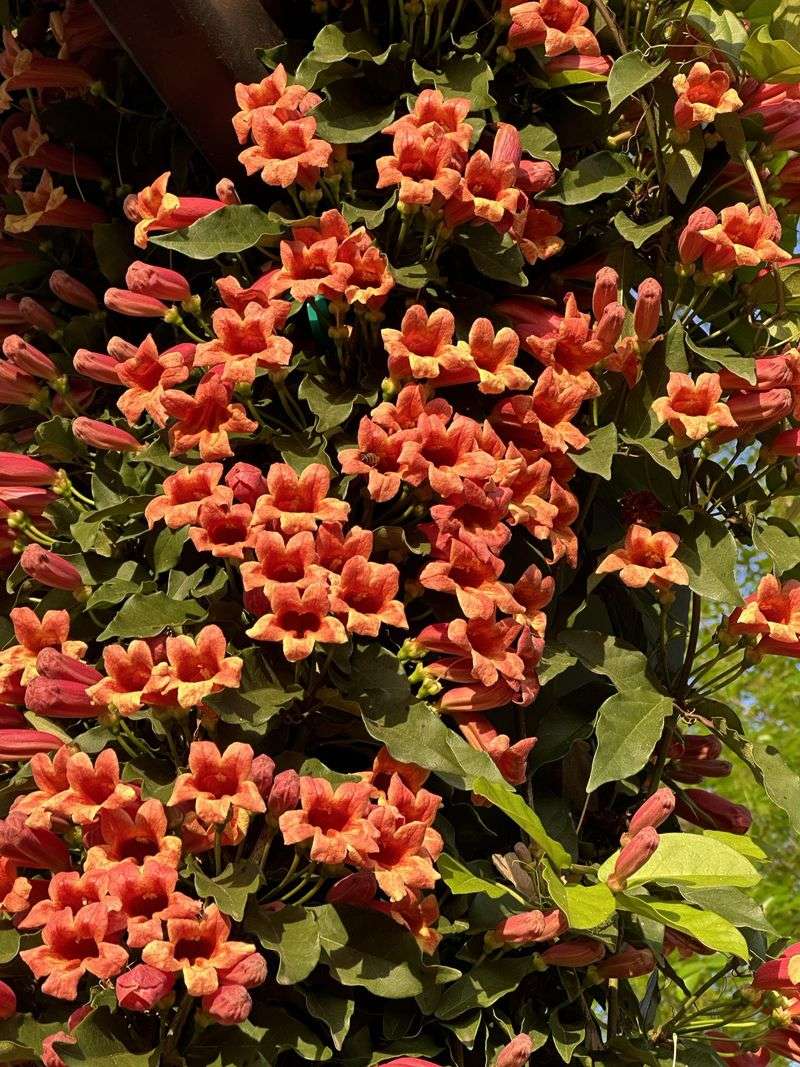
The flowers are the main attraction. Trumpet-shaped blooms appear in spring with shades of orange, red, and yellow. Some selections bring softer apricot tones that brighten fences and garden walls.
The difference is not just appearance. Crossvine also supports local wildlife. Hummingbirds and other pollinators visit the flowers, adding movement and life to the landscape.
This vine still needs a proper location. It can climb high and spread across a structure, so planting it without a plan is asking for future trimming sessions.
Give it a strong support and some guidance early, and crossvine becomes much easier to enjoy.
It gives homeowners the flowering vine experience without needing a monthly negotiation with the pruning shears. A beautiful vine should add charm, not create a backyard rivalry.
2. Give It A Strong Fence Or Trellis
A young crossvine may look harmless. Give it time, and it starts showing its climbing personality.
This native vine is not a lightweight decoration. It can stretch many feet when conditions are right, which means the support underneath matters from the beginning.
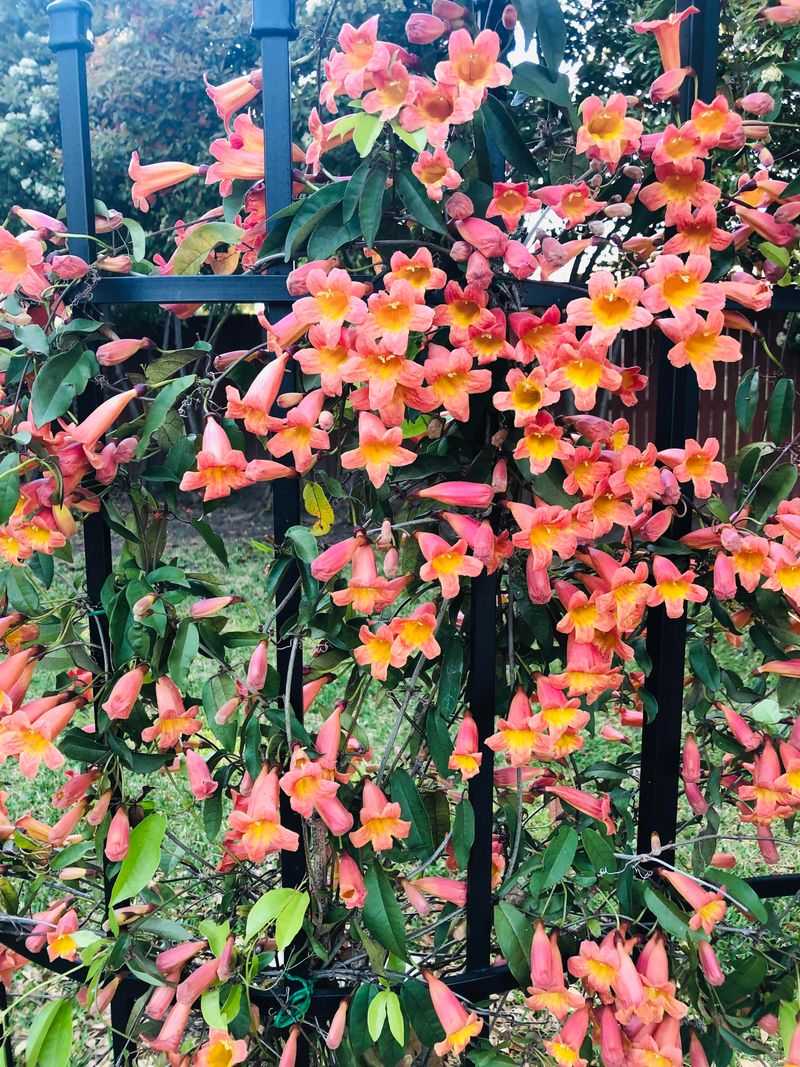
A flimsy trellis may look fine at planting time, but mature vines carry more weight than many homeowners expect. Strong cedar structures, metal arbors, sturdy fences, and masonry walls make better long-term partners.
Crossvine climbs using small adhesive tendrils that help it attach to surfaces. Those gripping structures are useful because the plant can hold onto supports without constant tying.
Your Texas Garden Changes Every Week. Your Plan Should Too.
Gardening in Texas changes quickly throughout the season. Every Friday you’ll receive a simple weekly plan showing exactly what to plant, prune, fertilize, harvest, and protect so you never miss the right timing.
That does not mean every surface is a good choice.
Avoid training it directly onto delicate siding, roof edges, or areas where you do not want permanent plant contact. A little planning now prevents awkward pruning later.
One smart trick is placing a trellis slightly away from a wall. That small gap improves airflow and makes maintenance easier.
It also lets you see where the vine is traveling instead of discovering its route after it has created a leafy takeover.
During the first seasons, guide the stems where you want them to grow. A few minutes of training early can save hours of correction later.
Crossvine is not trying to cause trouble. It is simply doing what vines do best. It climbs.
Give it the right structure, and you get a beautiful vertical garden feature instead of a tangled surprise waiting around the corner.
3. Use Full Sun For Heavier Flowering
Crossvine can survive in different light conditions, but sunlight is what brings out its biggest personality.
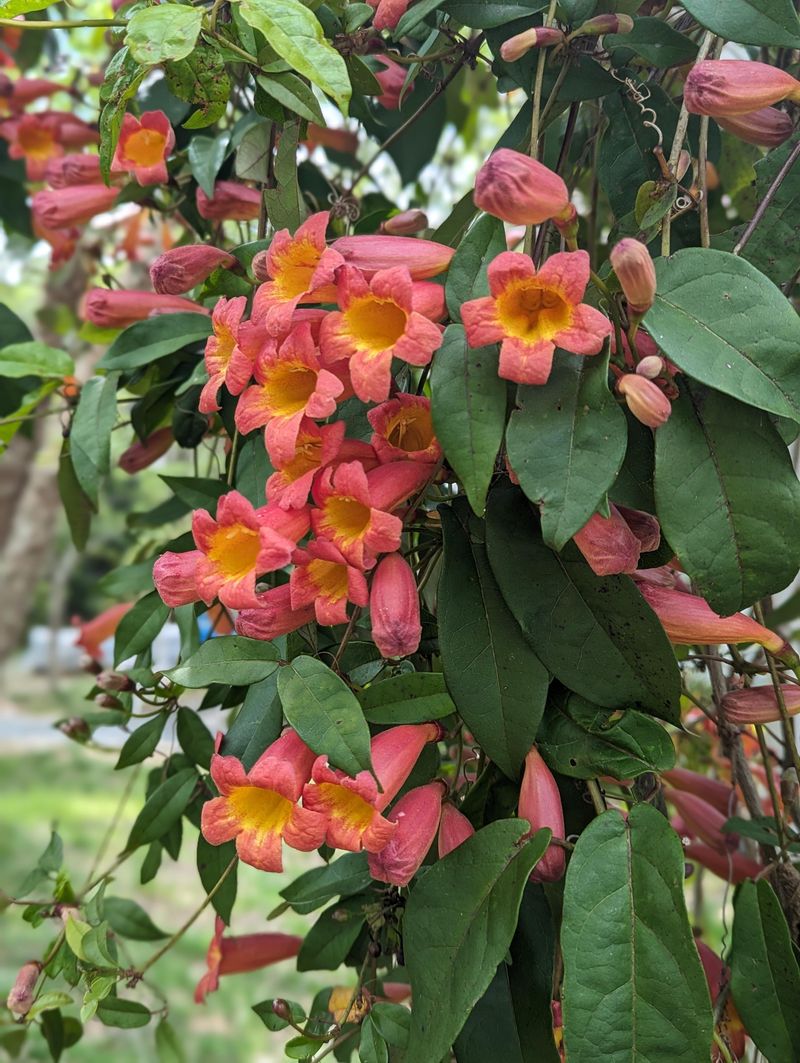
A vine growing in full sun usually produces a stronger flower display than one growing in deep shade. More light means more energy for those colorful spring blooms that make this plant so popular.
For most Texas gardens, a spot receiving at least six hours of direct sunlight works well. South-facing walls, fences, and open trellises are often excellent locations.
Partial shade can still work, especially in hotter areas where some afternoon protection helps during extreme summer weather. The trade-off is usually fewer flowers and more foliage.
Choosing the planting location carefully is one of the easiest ways to improve results. Watch your yard during the day before deciding where the vine belongs. A spot that looks sunny in the morning may become shaded by afternoon.
Crossvine typically flowers from spring into early summer, depending on the region and weather conditions. Some plants may produce occasional extra blooms later, especially after rainfall.
The vine rewards good placement. Once established in the right spot, it can create a wall of color that feels much bigger than the space it occupies.
This is where crossvine becomes a garden favorite. It does not need constant attention to look impressive. It simply needs a good seat in the sunshine.
A little planning before planting gives the vine its best chance to shine. After all, even a native superstar needs the right stage.
4. Expect Low Water Needs Once Established
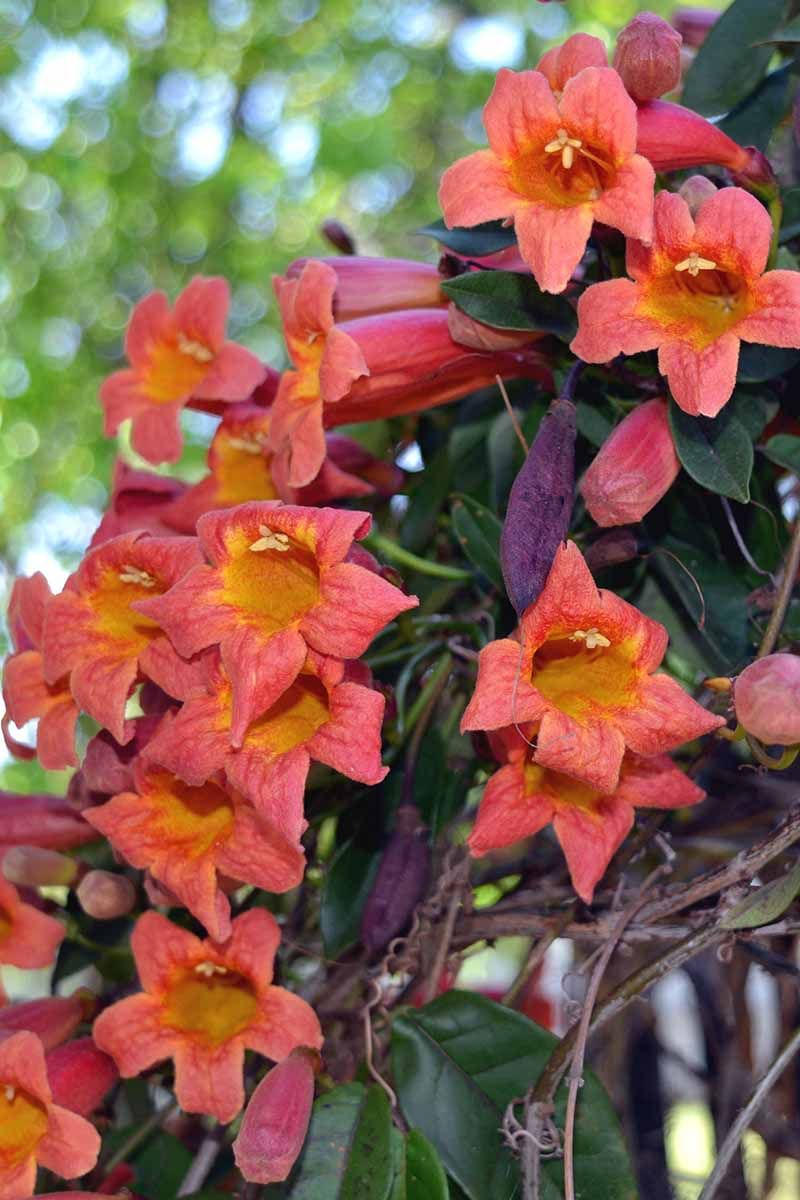
The first year with crossvine is the most important. A new plant needs help while its roots are settling into the soil.
Young vines should receive consistent watering, especially during dry Texas weather. A plant fresh from a nursery container has not yet developed the deep root system that helps established plants handle drought.
Once those roots expand, crossvine becomes much easier to manage.
Established plants can handle many of the dry periods common across Texas landscapes. That does not mean the vine never needs water, but it does mean you are not constantly standing outside with a hose during every hot spell.
Deep watering is the key. A slow, thorough soak encourages roots to move downward. Quick surface watering may keep the soil looking damp but does not always build a strong root system.
Mulch helps too. A layer of organic mulch around the base keeps soil cooler, reduces evaporation, and creates a more comfortable root environment.
Keep mulch away from the main stem. The goal is protecting roots, not creating a damp collar around the plant.
Crossvine fits well into lower-water landscapes because it works with Texas conditions instead of fighting them.
That makes it a great choice for homeowners who want color without adding another demanding plant to the yard.
Once established, crossvine earns its place. It brings flowers, wildlife, and vertical beauty while letting you spend less time worrying about every dry week. That is a pretty good deal from a vine.
5. Let Semi-Evergreen Growth Add Screening
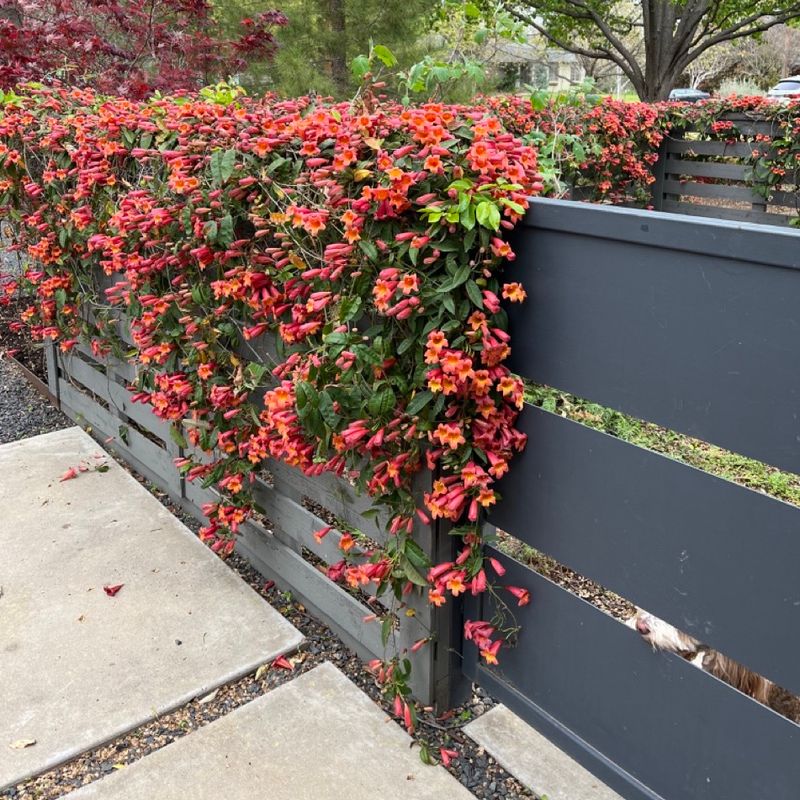
A bare fence can make a yard feel unfinished. Crossvine can turn that empty space into a living wall.
One of its biggest advantages is the foliage. Crossvine is considered semi-evergreen, which means it often keeps much of its greenery through mild winters.
The exact amount of leaf retention depends on where you live in Texas and how cold the season becomes.
Coastal and South Texas gardeners may see green leaves for most of the year. In colder areas like North Texas, a hard freeze can cause more leaf drop. That seasonal change is normal and does not mean the plant has failed.
The good news is that crossvine usually rebounds quickly when warmer weather returns. Fresh growth appears in spring, and the vine begins filling empty spaces again.
For privacy, training matters. A young vine that grows straight upward may leave open areas along the bottom of a fence. Guiding stems sideways across the structure helps create a fuller screen over time.
This early attention makes a huge difference. You are not fighting the vine later because you already showed it where to grow.
The leaves also add texture beyond the flowers. Their glossy green surface creates a pleasant backdrop during the growing season, while cooler weather may bring bronze or purple tones.
Crossvine is not a perfect solid wall like a hedge, but it adds movement and seasonal interest that many fences lack.
A living screen should feel alive. Crossvine does exactly that. It changes with the seasons instead of simply standing there like a green curtain.
6. Train Young Stems Before They Wander
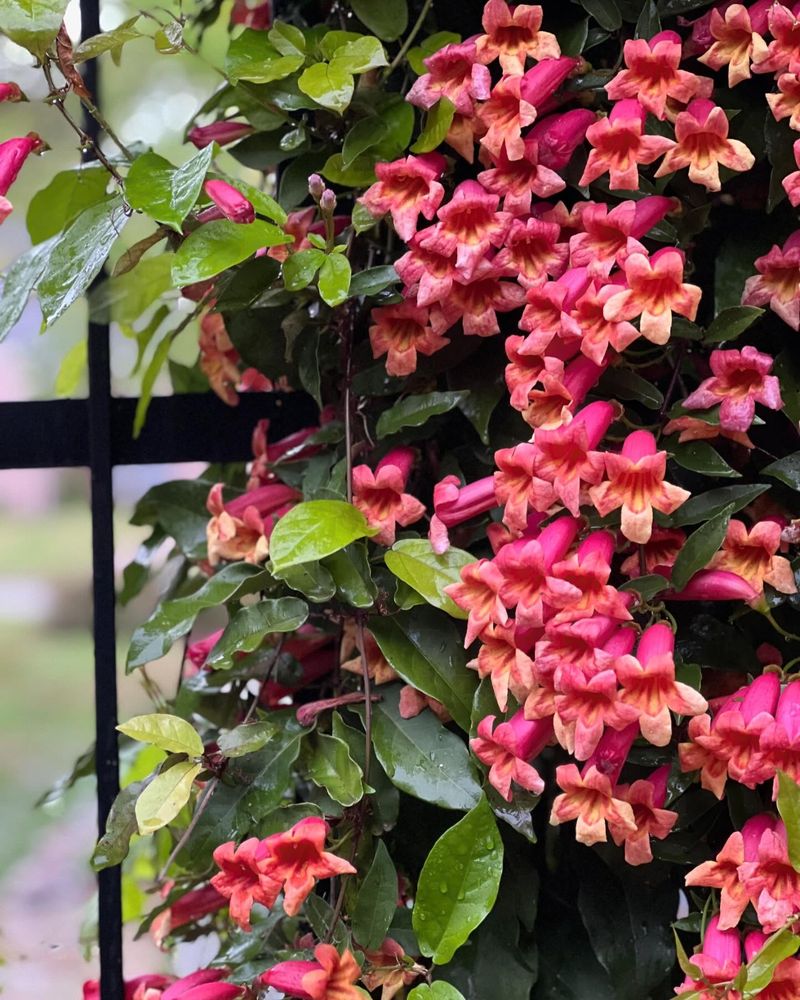
Crossvine is a helpful reminder that plants have plans too.
A young vine sends out stems in different directions as it searches for support. That natural exploring habit is part of what makes it such a strong climber, but it also means early guidance matters.
The first couple of growing seasons are the best time to shape the plant. Young stems are easier to move, and small adjustments can create a much better structure later.
Use soft ties or flexible plant clips to guide stems along fences, trellises, or arbors. Avoid tying too tightly because growing stems need room to expand.
Keep an eye on areas where you do not want growth. Roof edges, gutters, windows, and delicate structures deserve extra attention. Redirecting a young stem takes seconds. Correcting a mature vine can become a weekend project.
This does not mean crossvine needs constant babysitting. Once the main framework is established, maintenance becomes much easier.
A little early direction helps the vine create a balanced shape. Instead of having one crowded section and empty spaces elsewhere, you get more even coverage.
Gardeners often appreciate plants that require less work over time. Crossvine rewards those who invest attention at the beginning.
Think of the first years as teaching the vine the garden rules. After that, it usually settles into its role.
A well-trained crossvine looks intentional. It becomes part of the landscape instead of looking like it simply moved in and rearranged the furniture.
7. Prune After Flowering To Control Growth
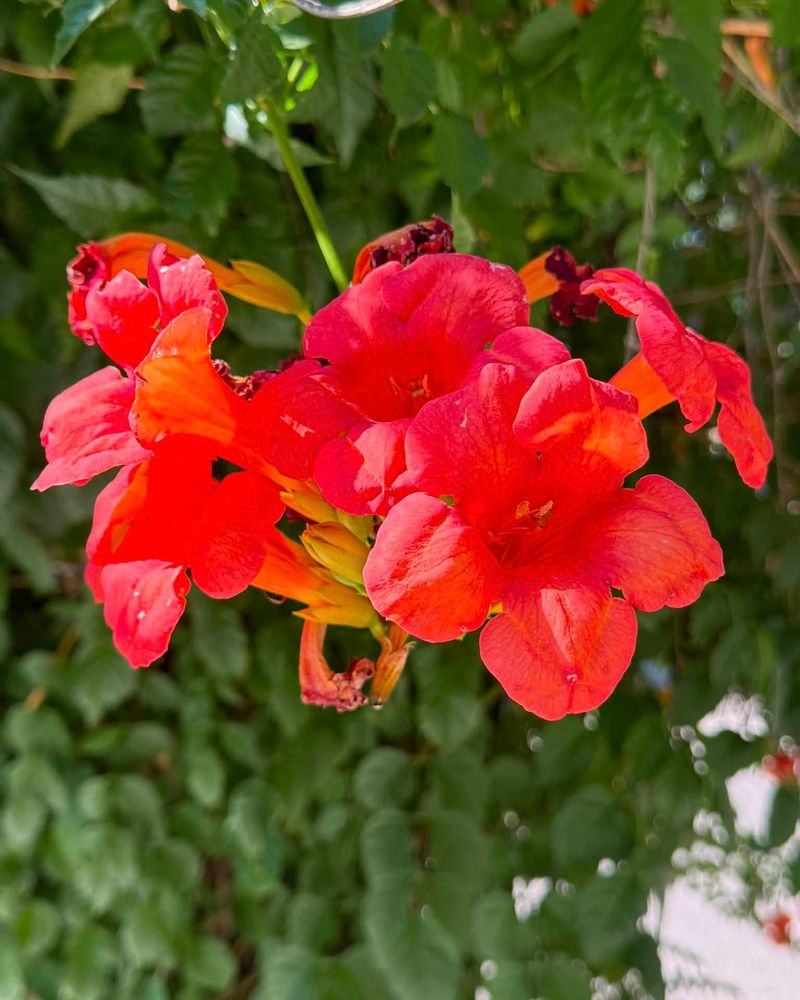
Timing makes a big difference with crossvine pruning.
Many gardeners grab the shears when a vine starts looking too large. With crossvine, waiting for the right moment helps protect the next season’s flowers.
The best time for major pruning is usually after the main spring bloom finishes. This gives the plant time to recover and produce new growth that can support future flowering.
Late winter pruning can remove stems that already contain flower buds. The vine may still grow well, but the spring display may not be as impressive.
After flowering, you can remove stems that are growing in unwanted directions, thin crowded areas, and keep the plant within its space.
Avoid treating crossvine like a hedge that needs constant shaping. Frequent heavy trimming can reduce the natural form that makes this plant attractive.
A lighter touch usually works better. Remove what is necessary and allow the vine to keep its climbing character.
Look at pruning as editing rather than controlling. You are helping the plant show off its best features.
Crossvine responds well when gardeners work with its natural habits instead of constantly fighting them.
A little cleanup after flowering keeps the plant attractive while allowing it to continue doing what it does best.
The goal is not a perfectly trimmed wall of leaves. The goal is a healthy vine covered with color when spring arrives again.