Before Replacing Your Florida Lawn This Fall, Check What Your HOA Can (And Can’t) Require
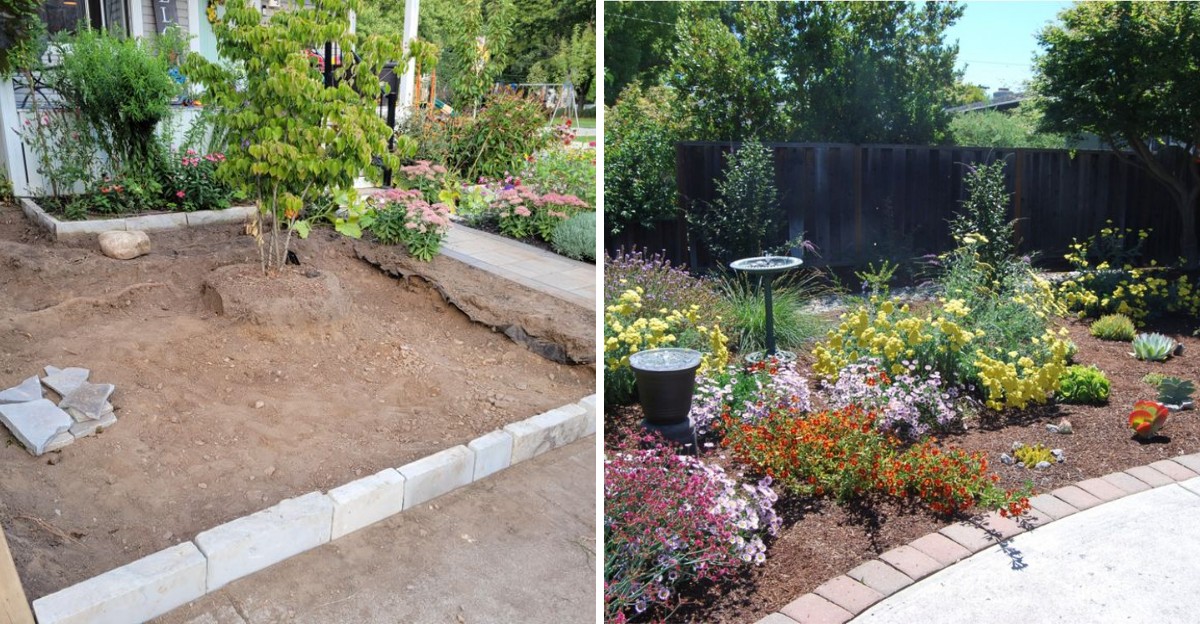
Your lawn’s had a rough year, and fall feels like the right time to finally rip it out and start fresh. Before a single shovel hits the ground, there’s a conversation worth having that has nothing to do with grass types or soil prep.
Homeowners associations have more say over lawns than most people realize, but that authority isn’t unlimited. Some HOAs can dictate grass species, edging, even how much of the yard has to stay turf versus landscaping.
Others try to enforce rules that don’t actually hold up, especially now that Florida law protects certain low-water and native landscaping choices regardless of what an HOA’s covenant says.
Skip this step and a homeowner can end up replacing a lawn twice, once for themselves and once to satisfy a rule that never should have applied in the first place.
Knowing where that line sits before starting the project saves both money and a fight nobody wants to have in October.
1. The Florida-Friendly Plants Protected Under State Law
Here is the sentence that surprises most homeowners: Your HOA generally cannot prohibit Florida-Friendly Landscaping simply because it uses water-wise or environmentally appropriate designs, although other community rules may still apply.
Florida law provides protections for Florida-Friendly Landscaping on residential properties.
Even better, that statute overrides older covenants written back when wall-to-wall sod was the only accepted look. If your community documents were drafted in 1994 and say every yard shall be fully sodded, that clause loses its teeth.
Florida-Friendly Landscaping has an actual legal definition, found in Florida Statute 373.185. It describes quality landscaping that conserves water, protects the environment, matches local soil and light conditions, and holds up during dry stretches.
Native plants fall squarely inside that definition. So do many well-behaved non-natives that meet the same drought-tolerance standards.
What does that mean in practice? Your board cannot demand one specific grass species, cannot simply require traditional turf everywhere when the proposed landscaping qualifies under Florida-Friendly principles and follows applicable review requirements.
The Legislature went further and stated that water conservation is a compelling public interest, with HOA cooperation treated as part of the solution. That language matters if a dispute ever lands in front of a mediator.
Keep a copy of the relevant law, your HOA documents, and all written communication about the project.
2. The HOA Landscaping Rules That Still Apply
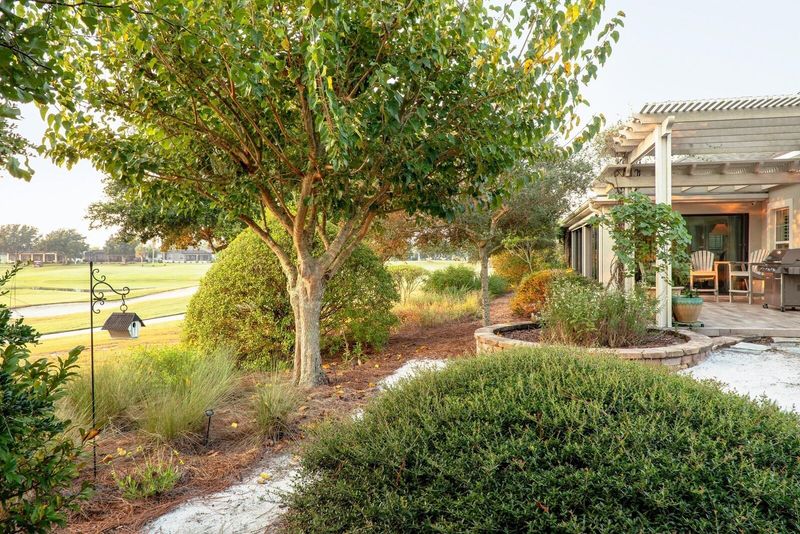
Protection is not the same as a free pass, and that distinction trips people up constantly. Your association keeps plenty of authority, and most of it centers on upkeep rather than plant choice.
General maintenance standards remain fully enforceable. Overgrown beds, tangled weeds, and shaggy edges can still earn you a friendly letter, no matter how many natives are tucked inside.
Architectural review also survives the statute. Boards may require you to submit your plan and wait for written approval before the first shovel goes in.
Beyond that, expect rules about edging, borders, and clean separation between planting beds and driveways or walkways. Crisp lines do a remarkable amount of political work with a review committee.
Your Florida Garden Changes Every Week. Your Plan Should Too.
Gardening in Florida changes quickly throughout the season. Every Friday you’ll receive a simple weekly plan showing exactly what to plant, prune, fertilize, harvest, and protect so you never miss the right timing.
Height limits show up often, especially near sidewalks, corners, and driveway sight lines where tall grasses could block a driver’s view. Setbacks from property lines get enforced too.
Structures attached to your redesign fall under review as well: raised beds, trellises, arbors, boulders, and decorative features all count.
Think of it this way. The association cannot tell you no simply because you skipped sod, but it can absolutely ask how the finished yard will look on a Tuesday morning in July.
Answer that question in your application, and you remove most of their objections before anyone votes.
3. The Lawn Replacements Florida Communities Often Reject
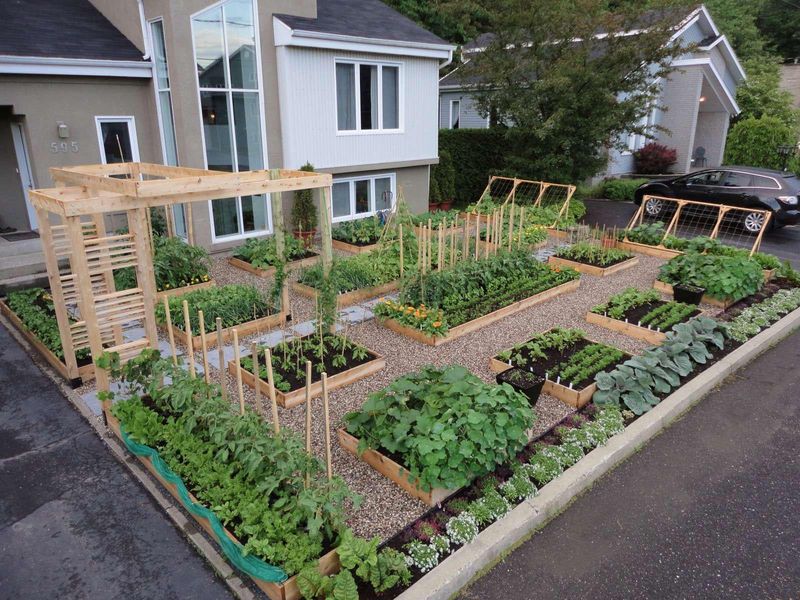
Rejection letters usually arrive for one of two reasons, and only one of them holds up legally. Boards sometimes deny projects using rules that the statute already stripped of power.
Those unenforceable moves include banning Florida-Friendly Landscaping outright, demanding turf sod across an entire lot, and waving vague aesthetic language at a water-conserving design without explaining anything specific.
The second category is different, and this is where homeowners lose. A yard that reads as neglected can draw enforcement regardless of which species you planted.
Weeds poking through mulch, plants sprawling over walkways, bare patches of exposed dirt, and mulch that has washed into the street all invite trouble. Nobody wins that argument by quoting a statute.
Common flashpoints across communities include vegetable gardens in front yards, decorative items considered too personal, disputes over grass height, and unapproved species that stray from the community palette.
Many associations maintain approved plant lists to keep a consistent look along the street. An approved plant list should be reviewed carefully, since some communities treat those lists differently under their governing documents.
A helpful tactic: pair each unusual plant with a short note about mature size and water needs. Boards reject what they cannot picture, so hand them the picture.
4. The Native Yards That Can Pass HOA Standards
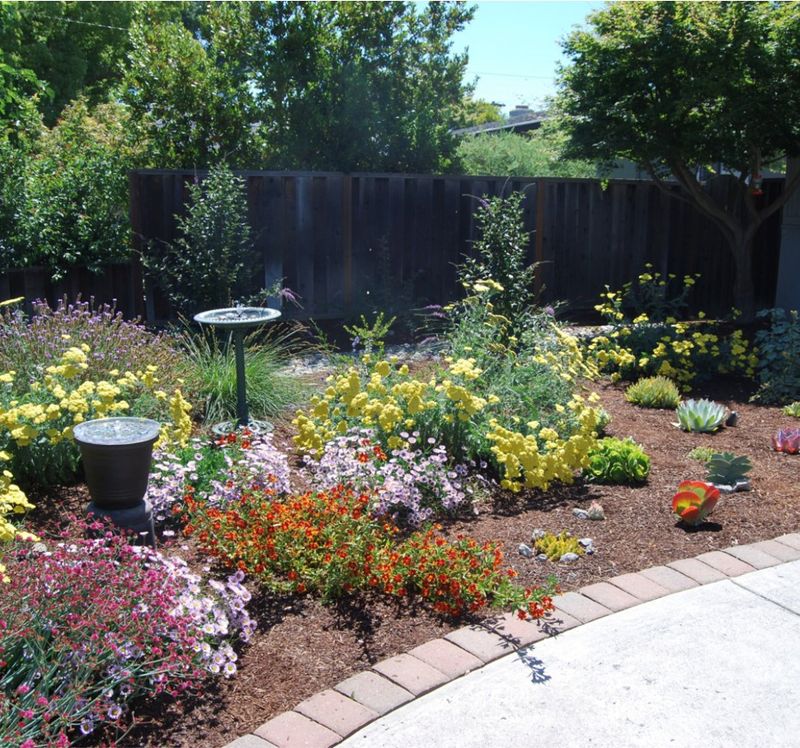
Picture a yard where pink muhly grass turns into a rosy cloud each October while beautyberry drips with purple fruit. That yard is native, drought-tolerant, and entirely capable of sailing through review.
Native plants often fit well within Florida-Friendly principles when they are matched to the site conditions. Design and upkeep determine whether your board smiles or squints.
Intentional layout is the secret ingredient. Grouped plantings, repeated shapes, defined bed lines, and a clear pathway or focal point all signal that a plan exists.
Submit a package rather than a paragraph. Include a plant list with common and botanical names, a simple sketch showing where each group goes, and a short maintenance schedule.
Regional picks help. North Florida yards do well with Black-eyed Susan, Coreopsis, Purple Passionflower, Pink Muhly Grass, and American Beautyberry.
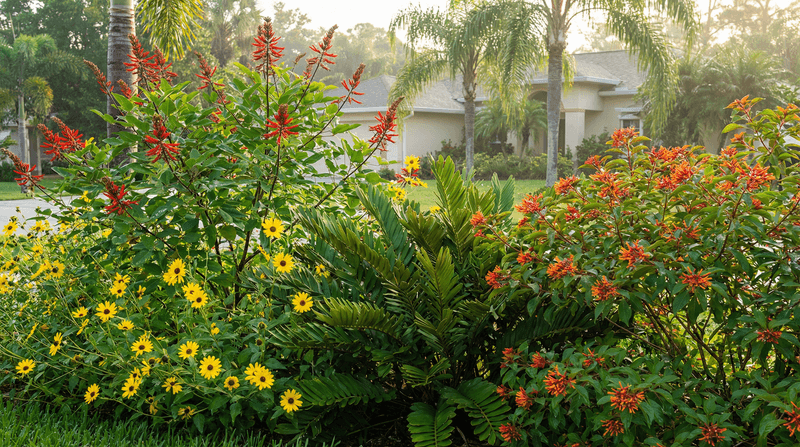
South Florida favors Firebush, Scarlet Sage, and Blanketflower for steady color through long warm seasons. South Florida favors Firebush, Blanketflower, Beach Sunflower, and Simpson’s Stopper.
Coreopsis happens to be the state wildflower, which makes for a nice line in your application. Small details like that soften a skeptical reviewer.
Keep everything edged and trimmed after installation. A tidy native yard rarely generates complaints, because neighbors mostly notice shape and neatness before they notice species.
5. The Documents To Check Before Digging Up Grass
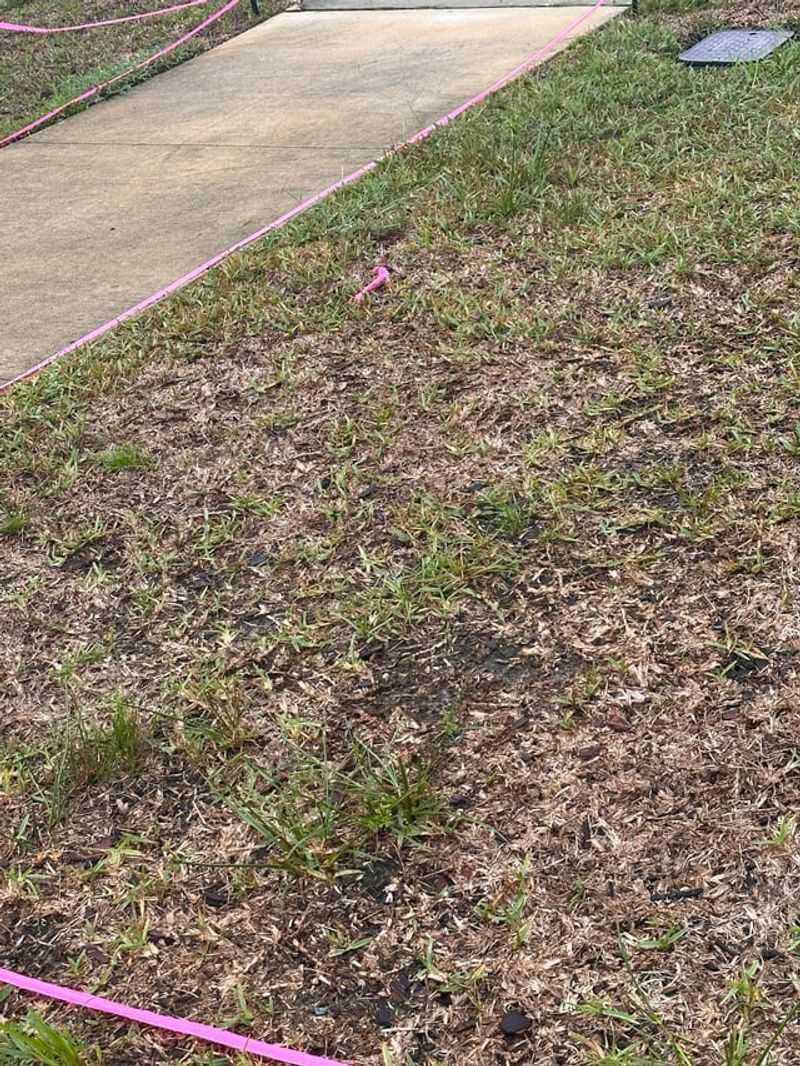
Before the first square of sod comes up, spend an evening with paperwork and a highlighter. Boring, yes, but far cheaper than tearing out finished work.
Start with your Covenants, Conditions, and Restrictions, usually shortened to CC and Rs. That document sets the baseline for what your property must look like.
Next, hunt down architectural guidelines and any separate landscaping standards. Communities often keep these in a different file than the recorded covenants, and the details differ.
Look specifically for the Architectural Review Committee application form, sometimes labeled ARC or ACC. Read what they require: drawings, photos, measurements, product samples, contractor information.
Approved plant lists and material lists matter too, along with design standards for mulch, rock, edging, and borders. Some associations apply different rules to front yards, side yards, corner lots, and areas visible from the street.
One question deserves a clear answer: does your project count as routine maintenance or as an architectural modification? The label decides whether you need formal review.
When the documents feel unclear, ask the manager in writing and save the reply. Email creates a record that protects you later.
Even when approval seems unnecessary, a quick heads-up to the board builds goodwill. Neighbors who feel informed rarely file complaints.
6. The Florida Plants That Look Wild But Stay Compliant
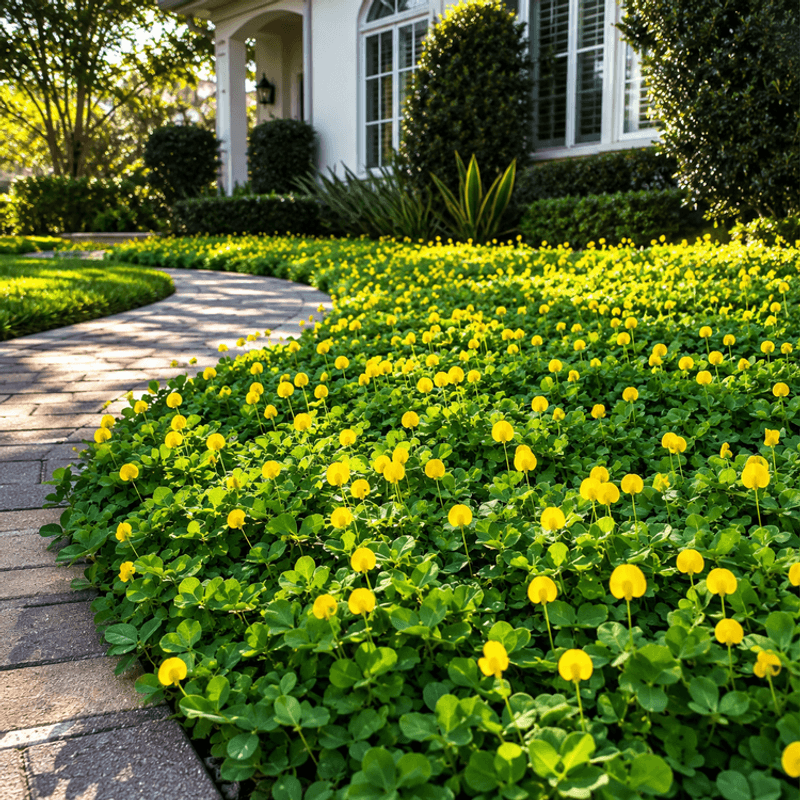
Wild-looking and messy-looking are two very different things, though plenty of people confuse them. The right plants deliver a loose, natural feel while still holding a clean shape.
Perennial Peanut is a favorite for exactly that reason. It tolerates occasional foot traffic and works well as a low-growing groundcover in appropriate areas.
Blue Daze offers soft mounds of silvery leaves topped with true-blue flowers that open each morning. Fakahatchee Grass brings arching texture without looking unruly when trimmed once a year.
Coral Honeysuckle climbs a trellis or mailbox post and pulls in hummingbirds during cooler months. Well-chosen native palms can add structure while keeping the design intentional.
Pink Muhly Grass and American Beautyberry earn extra points because reviewers often already recognize them as ornamental. Familiarity smooths approvals.
The guiding idea behind Florida-Friendly Landscaping is right plant, right place. Match sun, soil, and drainage, and the plant behaves instead of struggling.
Many Florida-Friendly designs blend natives with well-adapted non-natives that meet the same drought standards, which widens your palette considerably.
The University of Florida IFAS Extension publishes free plant guides sorted by region and light conditions. Attaching a page or two from their materials to your application gives your choices instant credibility.
7. The Mistakes Homeowners Make During Lawn Conversions
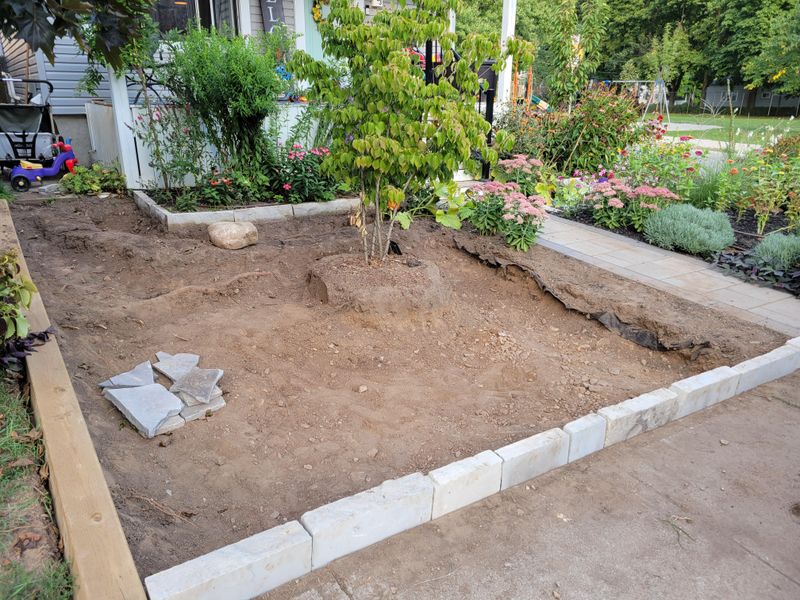
Ask any community manager about landscaping headaches and you will hear the same story on repeat. Someone read about the statute, felt invincible, and skipped the paperwork.
Assuming Florida-Friendly status removes the approval requirement ranks as mistake number one. Protection covers your right to plant, not your right to bypass review.
The second stumble is treating a converted yard as low-maintenance rather than different-maintenance. Weeds, sprawl, and thinning mulch still trigger violation notices and fines.
Incomplete applications cause plenty of avoidable rejections too. Missing plant lists, no layout drawing, and no maintenance plan leave a committee guessing, and committees rarely guess in your favor.
Another frequent misstep involves scale. Homeowners rip out an entire lawn in one weekend, then run out of budget or energy halfway through planting.
Phasing the project keeps the yard presentable throughout. Convert one section, finish it properly, then move to the next.
Starting work without written approval sits at the top of the expensive-lesson list. Some owners have been asked to remove finished installations and start over.
Underestimating establishment watering causes trouble as well. Even tough natives need regular water for the first several weeks before their roots settle in.
Document everything with photos, dated notes, and copies of approvals. Paper trails solve disputes fast.
8. The Fall Landscaping Changes That May Need Approval
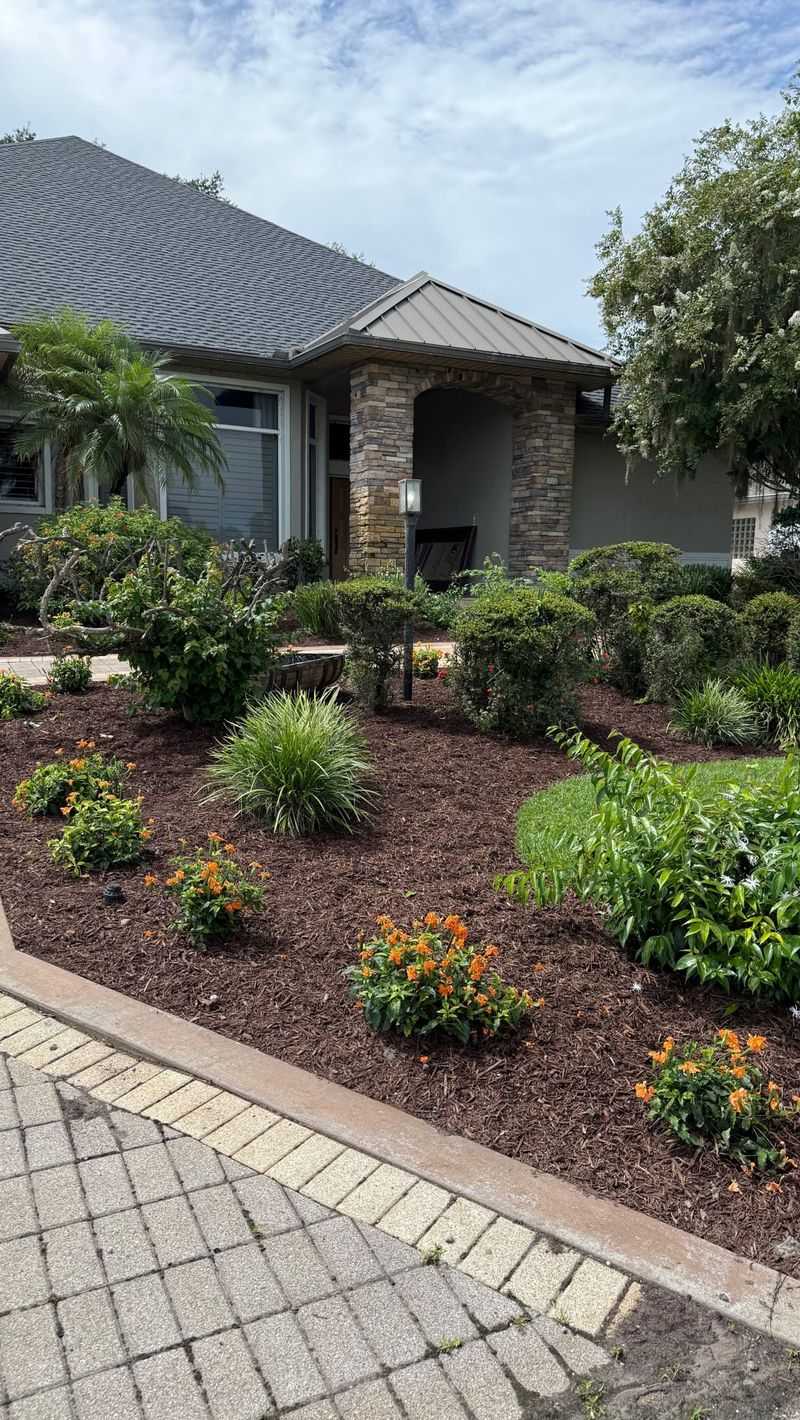
Small projects sneak past homeowners all the time, right up until the certified letter arrives. Fall is prime season for exactly those surprises.
Swapping shrubs counts more often than you would think. Replacing tired plants with the same species and size sometimes qualifies as maintenance, while switching to a different plant usually needs review.
Edging changes fall under the same umbrella. Adding metal, brick, or concrete borders alters the look of your frontage permanently.
River rock is another common trigger. Boards care about color, size, and how much of the yard gets covered, because rock reads very differently from mulch.
Even mulch color can require a nod from the committee in stricter communities. Red versus brown has sparked more arguments than it deserves.
Seasonal flowers tucked into existing beds typically pass without a form. Reshaping a bed or expanding it into turf does not.
Tree removal deserves special attention in our state. Local ordinances may require permits, documentation, or replacement plans depending on where you live.
Timing matters more than most people plan for. Reviews can stretch several weeks, and committees sometimes meet only once a month.
Submit early in the season, then use the waiting period to line up plants and materials. Approval arrives, and you dig immediately.