Minnesota Lakes Are Filling With Canoes As Families Chase A Centuries Old Harvest
You hear paddles slice water before spotting the canoes. Something rare is unfolding right in front of you. Minnesota hides a harvest few outsiders ever witness.
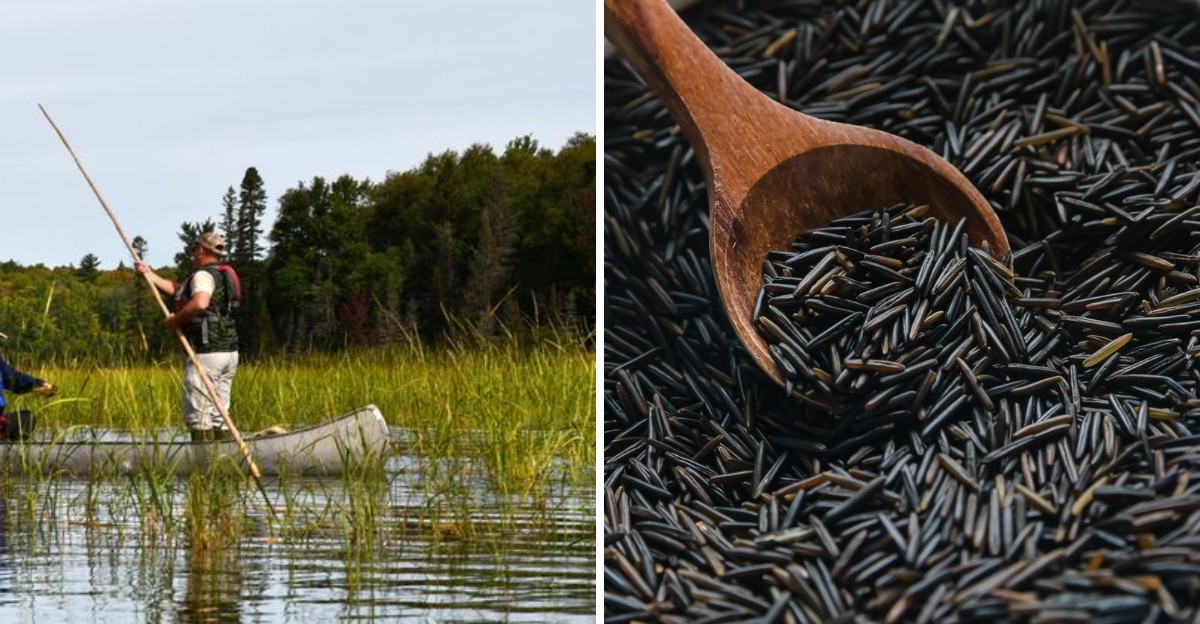
Families across Minnesota have gathered this crop for generations. Nobody planted these stalks, yet they return for you. Paddlers balance carefully while poles push canoes forward.
Sticks knock kernels loose, smooth swing after swing. Grain rains down around you, raw and heavy. Wardens check permits, canoe limits, and harvest dates. Rules decide who gathers, when, and with what.
Tradition treats this crop as inheritance, not income. Processing turns pale kernels dark, nutty, and real. Harvesters chase a flavor you won’t find elsewhere. Mist hides the work until sunlight breaks through.
Warm days push growth fast, filling shallow northern bays quickly. Locals guard exact spots, sharing them with almost nobody. Curiosity now pulls you toward a harvest almost no outsider ever truly witnesses up close.
Manoomin, The Grain That Grows On Water
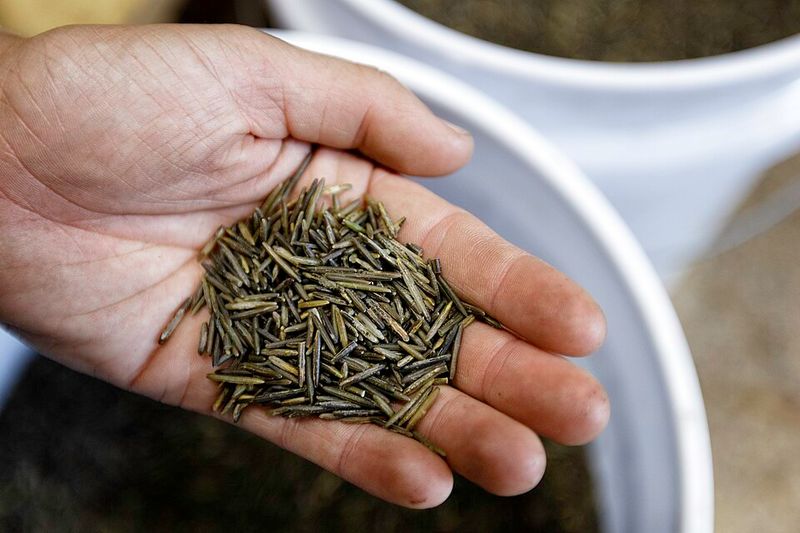
Long before anyone planted a field in Minnesota, a tall grass was already growing straight out of the shallow lakes. The Ojibwe call it manoomin, a word often translated as the good berry or good seed.
It is not related to the rice sold in most grocery stores. Manoomin is an annual aquatic grass that sprouts from seed each spring, sends a stalk up through two to four feet of water, and ripens above the surface by late summer.
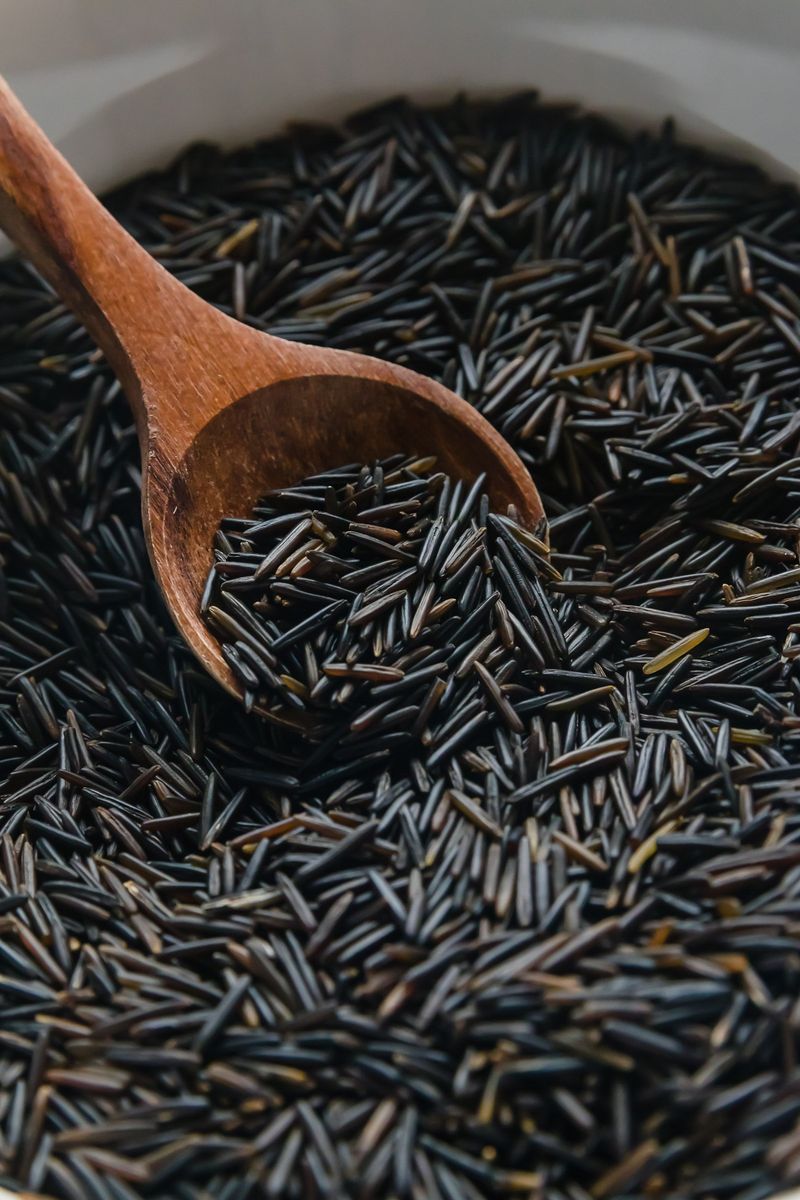
The grain is long, dark, and slender. Cooked, it tastes nutty and a little smoky, with a chew that holds up in soups and stuffing.
For Ojibwe communities, the plant carries meaning far beyond food. Migration teachings speak of moving west until reaching the place where food grows on water, and northern Minnesota is where that journey settled.
Ripening happens unevenly, which surprises first-timers. A single stand can hold green seed, ripe seed, and seed already fallen into the water, sometimes on the same stalk.
That uneven timing is actually protection. Seed that drops before anyone arrives becomes next year’s crop, so the beds keep renewing themselves without human planting.
Water levels matter enormously. A heavy summer rain that raises a lake quickly can flatten young plants, while steady conditions produce thick, tall beds.
Because of that, no two seasons look alike. Locals track the beds the way gardeners watch tomatoes, checking week by week and waiting for the right moment.
Two People, One Canoe, A Rhythm That Takes Practice
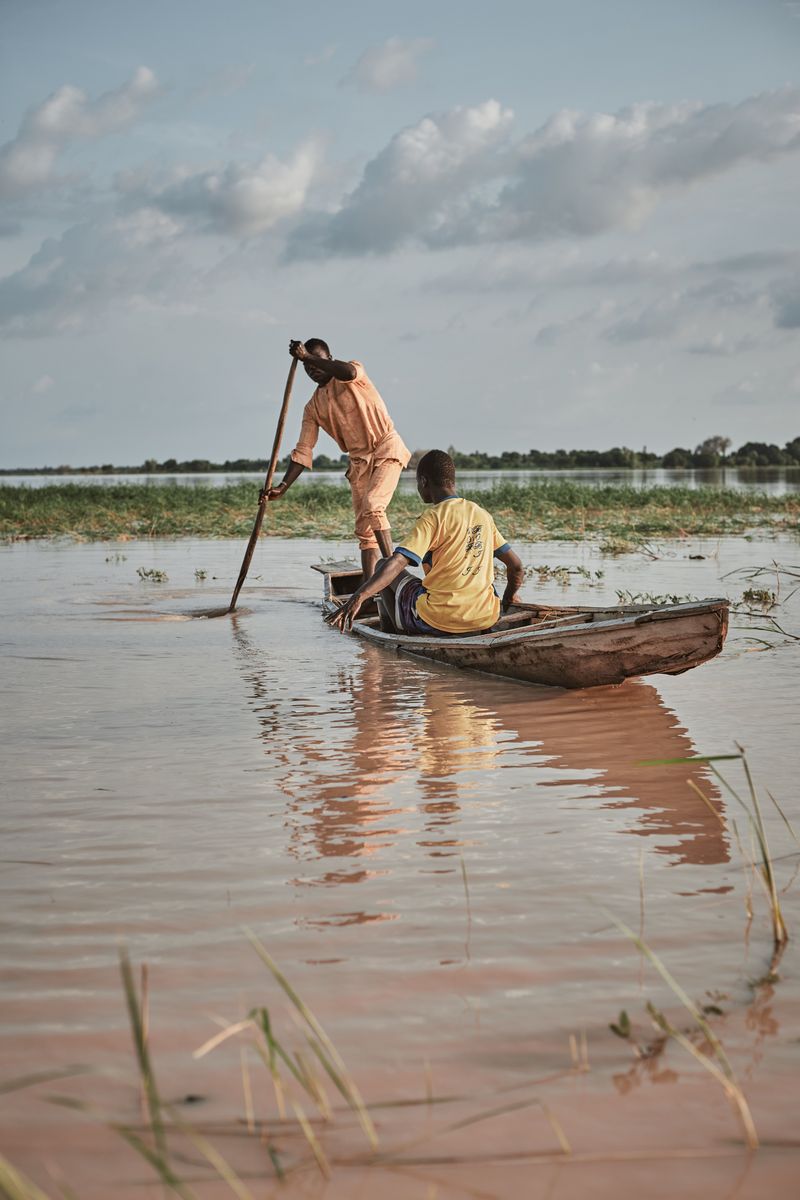
Watch a skilled pair work a rice bed and it looks almost lazy. Look closer and there is real coordination happening.
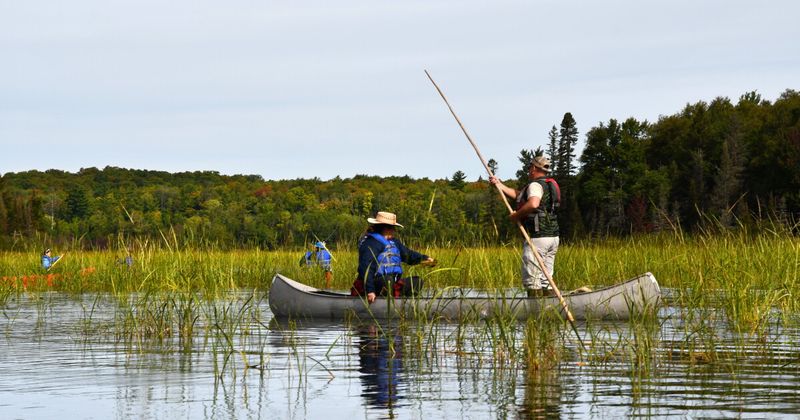
One person stands at the stern with a long push pole, tipped with a forked duckbill that grips the lake bottom instead of sinking into muck. Pushing, not paddling, keeps the canoe moving steadily through thick stalks.
The second person sits toward the bow with two smooth wooden sticks called knockers. One stick bends a bundle of stalks over the boat, the other taps the seed heads so ripe grain falls inside.
Your Minnesota Garden Changes Every Week. Your Plan Should Too.
Gardening in Minnesota changes quickly throughout the season. Every Friday you’ll receive a simple weekly plan showing exactly what to plant, prune, fertilize, harvest, and protect so you never miss the right timing.
Tapping is the key word. Heavy swinging bruises the plant and shakes loose seed that is not ready, which helps no one.
New harvesters sometimes overexert and tire quickly by midmorning. Experienced ricers describe the motion as closer to sweeping than striking.
Communication between the two matters just as much. The poler reads where the rice grows thickest, and the knocker calls out when to slow down or turn.
Most pairs work two or three hours before the wind picks up. Afternoons on open lakes can get choppy, and a canoe loaded with wet grain sits low.
Green rice is surprisingly heavy, and a good morning can fill the bottom of the boat fast. Many families rotate roles halfway through so both partners rest different muscles.
The rhythm becomes second nature after a few seasons, and that is when the work starts feeling like a visit rather than a chore.
Gear Worth Bringing And What To Leave Behind
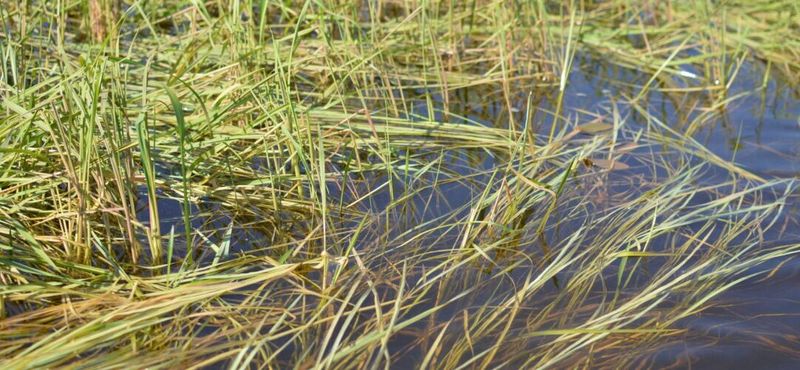
Gear for this harvest is refreshingly low-tech. No motors, no fancy gadgets, just wood, canvas, and a boat that floats in shallow water.
Knockers are the heart of the kit. Minnesota rules require them to be smooth, round, and no longer than 30 inches, with a weight limit of one pound each.
Cedar is the classic choice because it stays light even when soaked. Many families carve their own and pass them down, and a well-used pair develops a distinct polish over time.
The push pole needs a forked tip so it does not bury itself in soft bottom. Store-bought duckbills work fine, though plenty of folks build their own from hardwood.
Clothing deserves thought. Long sleeves and long pants prevent itching, because rice beards are tiny barbed hairs that work into skin and stay there.
A snug-fitting jacket with closed cuffs helps a lot. Some ricers tape their sleeves or wear a bandana around the neck for the same reason.
Bring a tarp for the canoe bottom, which makes unloading grain far easier. Add water, sunscreen, and a change of dry clothes for the drive home.
Leave the good fishing boat at home. Aluminum canoes scratch, glide well in shallow beds, and handle mud better than a heavier hull.
Skip anything electronic that struggles around moisture. Between splashing, wet grain, and the occasional tip, phones are easily lost or damaged near the water each September.
Licenses, Dates, And The Rules That Protect The Beds
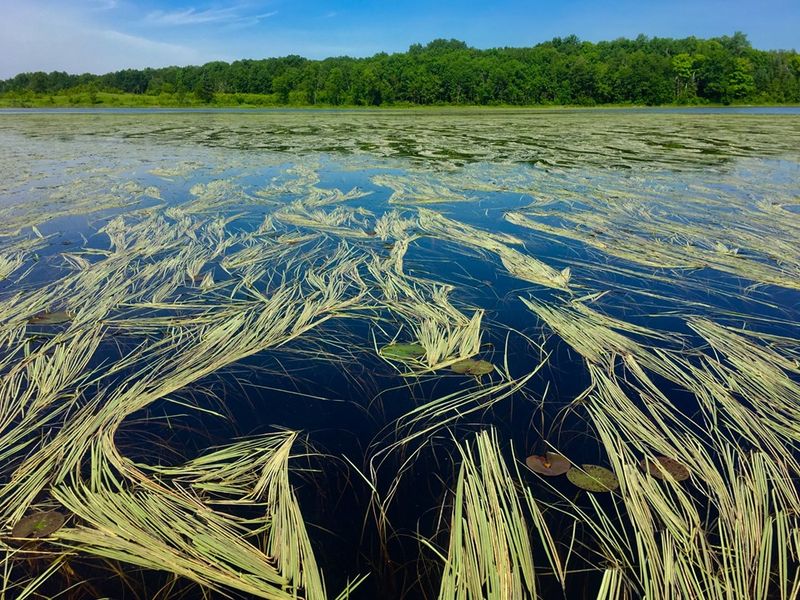
Rules around ricing exist for a reason, and they are tighter than most people expect. The season generally runs from mid-August into the end of September, with harvest hours limited to roughly 9 a.m. until 3 p.m.
Those hours are not arbitrary. Morning dew makes stalks heavy and hard to work, and the midday window gives grain time to ripen and drop naturally.
Minnesota residents need a wild rice harvesting license from the DNR, available online and at license agents, unless they are under 18 and accompanied by a licensed harvester.
Nonresidents must purchase a one-day license, while residents can choose a season or one-day option.
Band members harvesting on reservation waters follow tribal regulations instead, and those rules can differ meaningfully from state ones. Checking with the local tribal natural resources office before heading out saves confusion.
Certain lakes are reserved entirely for tribal harvest. Others require a separate permit or open on specific announced dates, so a quick call ahead is smart.
Mechanical harvesting on public waters is off limits. Human power keeps pressure light and lets seed scatter the way it has for generations.
Conservation officers do check gear at landings, measuring knockers and asking about licenses. They are usually happy to answer questions from newcomers.
Beyond the legal side, there is an unwritten code. Do not crowd another canoe, do not push through a bed someone is already working, and leave plenty of grain behind.
Taking a portion and leaving the rest keeps the lake productive for everyone next fall. Minnesota’s green rice law adds another layer: harvesting unripe rice is illegal even within the legal season dates, so beds that look ready are not always ready to take.
From Green Grain To Kitchen Ready Through Parching And Dancing
The lake work is only half the job. Fresh grain comes out of the canoe damp, green, and wrapped in a tough hull that has to come off.
First comes curing, where the rice spreads on tarps in a thin layer and gets turned regularly for a day or two. Piling it too deep causes heating, which can compromise flavor fast.
Parching follows. Grain goes into a large kettle or drum over a wood fire while someone stirs constantly with a wooden paddle.
Heat dries the kernel and loosens the hull, and a little smoke sneaks into the flavor. Too hot and the grain scorches, too cool and the hulls cling stubbornly.
Then comes the part everyone remembers, threshing, sometimes called dancing the rice. Parched grain goes into a lined pit or a barrel, and a person wearing clean soft-soled moccasins steps and twists on top of it.
The motion rubs hulls free without crushing the kernel. Holding onto a support pole overhead keeps weight balanced and controlled.
Winnowing finishes things. Rice gets tossed in a shallow birch bark tray on a breezy day, letting wind carry off the light chaff while heavy grain falls back.
Plenty of families now bring their harvest to a small local processor instead. A few hours of machine work replaces two days of labor, which appeals to anyone with a job on Monday. Either way, the finished grain looks nothing like the green pile that came off the lake.
Where Families Go And How Newcomers Get Started
Ask around Aitkin, Cass, or Itasca county in September and someone will mention a lake they have visited since childhood. Favorite spots get guarded gently, more out of habit than secrecy.
Good beds tend to sit in shallow, slow-moving water. Lakes fed by rivers, quiet bays, and flowages around Leech Lake, Big Rice Lake, and the Chippewa National Forest area draw steady traffic.
The Minnesota DNR publishes general information on public waters with rice, and county offices often know current conditions. Local bait shops are another honest source of intel.
Newcomers do best by going with someone experienced the first time. Watching a practiced pair for an hour teaches more than any video.
Several tribal programs and community groups host workshops and camps each fall. Participants learn poling, knocking, parching, and the teachings that go with each step.
Respect goes a long way. Asking permission, listening more than talking, and understanding that manoomin holds spiritual meaning for Ojibwe families sets the right tone.
Expect a learning curve. First outings often end with a modest amount of grain, wet clothes, and itchy forearms.
Most people come back anyway. There is something about three generations sharing a canoe, the sound of sticks against stalks, and a finished bag of rice on the kitchen counter.
Finished rice stores for years in a sealed container. That means a single good September can flavor soups and casseroles long past the next thaw.