Before Spreading Red Mulch In Georgia Beds Check What Wood It Started As
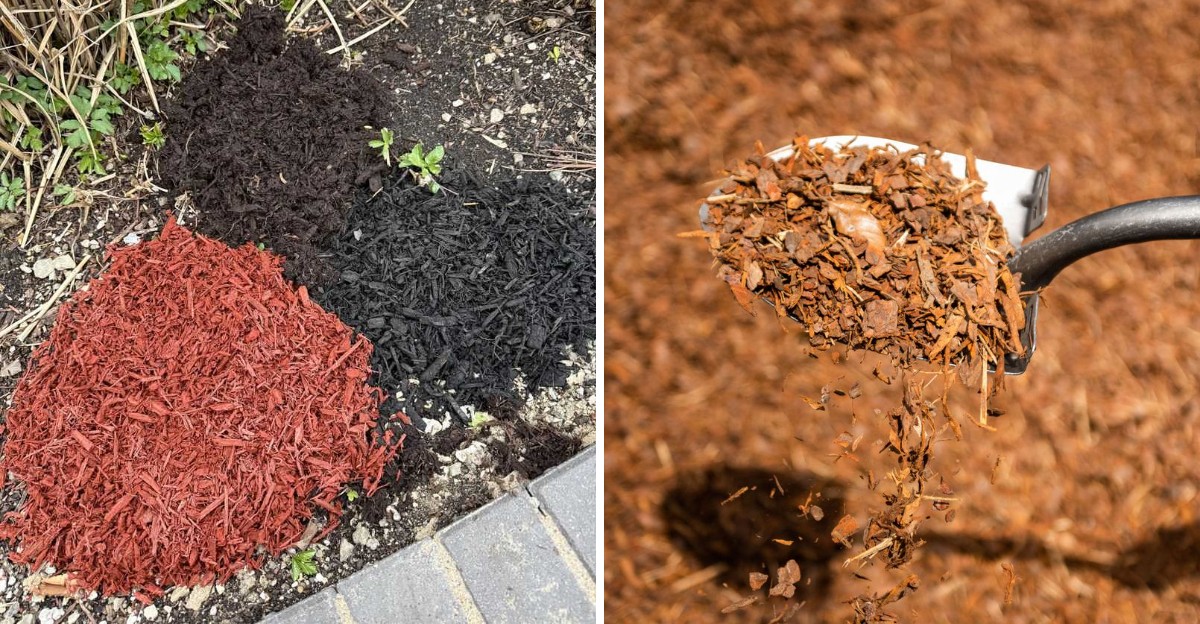
Red mulch can make a front bed pop, and Georgia garden centers stack it by the pallet each fall. Many bags say little about what is actually inside.
Much of the dyed mulch on shelves comes from recycled wood, not fresh bark.
Old pallets and scrap lumber often end up ground and colored. That source is not automatically a problem, but it can carry surprises plain bark usually does not.
Some recycled batches have contained pieces of older treated wood, which you would rather keep away from vegetables.
Dyes used for the red color are generally low risk, so the wood underneath deserves more attention.
Flip the bag over and look for a stated wood source or certification seal before buying. Labels on the back often say more about quality than the color on the front.
1. That Bright Color Can Hide Where The Wood Came From
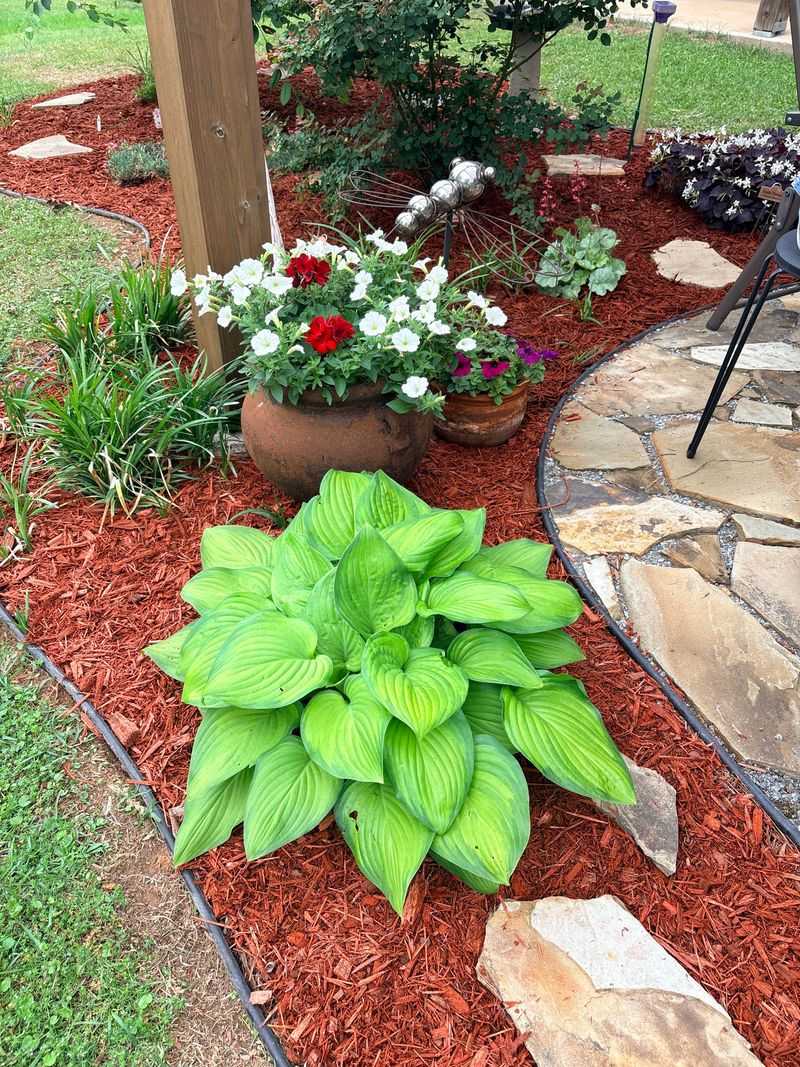
Bright red looks clean, but it can cover up a lot. Once wood is dyed, it gets hard to tell pine from hardwood or fresh logs from old pallet boards.
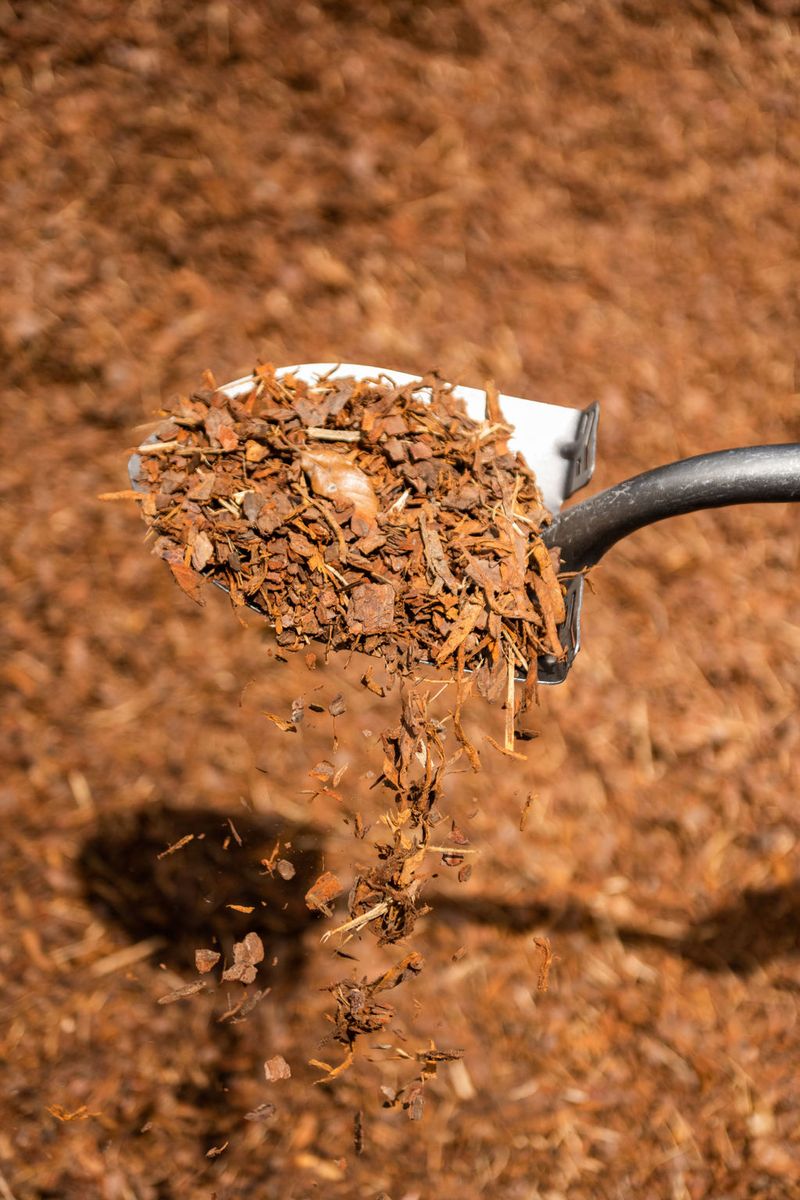
Natural mulch gives you clues by its look and smell. Shredded pine bark has a reddish-brown tone and flaky texture, while cypress or hardwood has its own grain and color.
Dye wipes away most of those hints in one coat.
In Georgia, plenty of homeowners pick red mulch at big box stores without a second thought. That is understandable, since bags are cheap, easy to grab, and look great for a season or so.
Still, a bag labeled only as red mulch may not list the wood type at all.
Start by flipping the bag over and reading every line. Some brands name the source, such as hardwood, pine, or recycled wood, while others stay vague.
If the label says nothing, ask the store or landscape supplier where the wood comes from. A good supplier usually knows and does not mind telling you.
Bulk mulch can be even trickier because there is no bag to read. Grab a handful and look closely for odd pieces like nail fragments, painted chips, or bits of plywood.
None of this means red mulch is bad by default. It just means the color alone should not be the reason you trust it.
2. Some Dyed Mulch Starts As Recycled Pallets And Construction Scraps
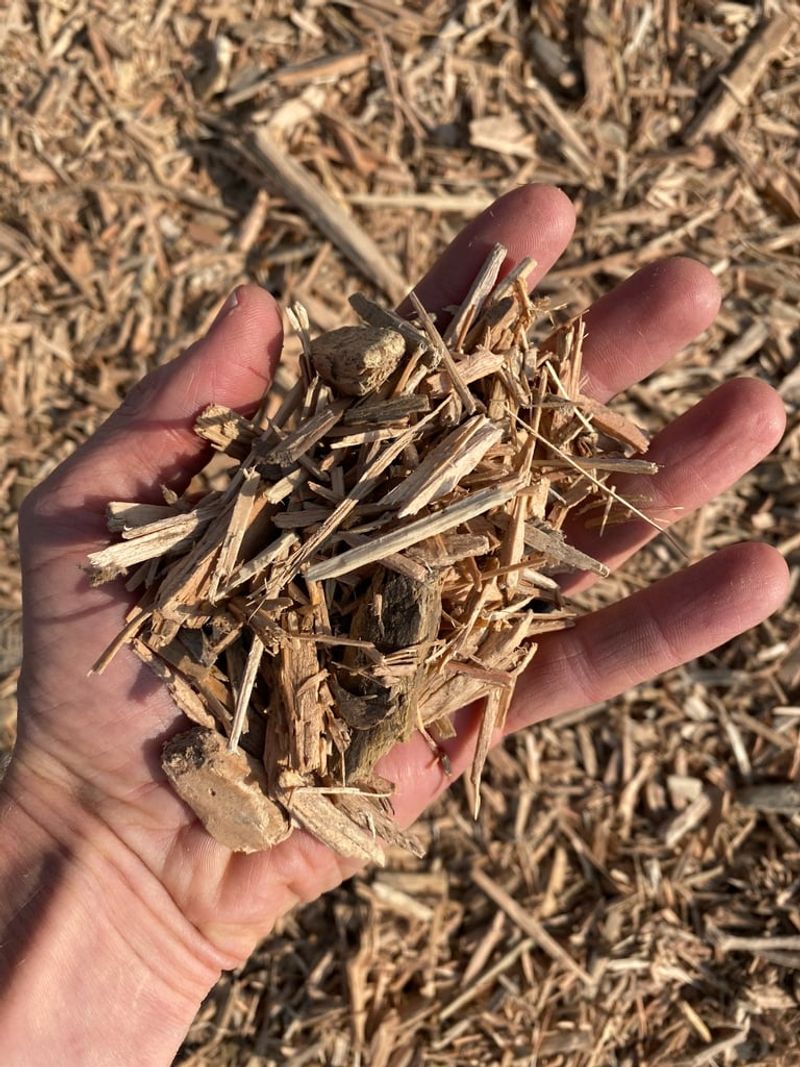
Old shipping pallets get a second life more often than you might think. Wood recyclers grind them up, and some of that ground wood ends up dyed and sold as landscape mulch.
Recycling wood keeps it out of landfills, which is a real plus.
Construction and demolition scraps can also enter the mix. Leftover framing, trim, and other discarded boards may be ground down if a recycler accepts them.
Here is where things get uneven. A careful processor sorts out painted, glued, or chemically treated pieces, while a less careful one may let some slip through.
Pallet wood is usually untreated or heat treated, but some older pallets were fumigated with chemicals. Paint, stains, and glues from building scraps are another possible concern.
Your Georgia Garden Changes Every Week. Your Plan Should Too.
Gardening in Georgia changes quickly throughout the season. Every Friday you’ll receive a simple weekly plan showing exactly what to plant, prune, fertilize, harvest, and protect so you never miss the right timing.
Recycled wood also tends to be very dry and dense. When dyed, it can hold its color for a long time, which is part of why it appeals to buyers.
Across Georgia, landscape yards sell both virgin wood mulch and recycled wood mulch, sometimes side by side. Asking which is which is perfectly reasonable.
Look closely at a sample before buying in bulk.
Flat, square-edged chips with smooth sides often point to lumber rather than whole trees. Bark pieces, twigs, and irregular shapes usually suggest the mulch came from tree trimmings or logs.
If you see colored paint flecks or shiny glue layers, pick another option for your beds.
3. Older Pressure-Treated Lumber Can Contain Arsenic
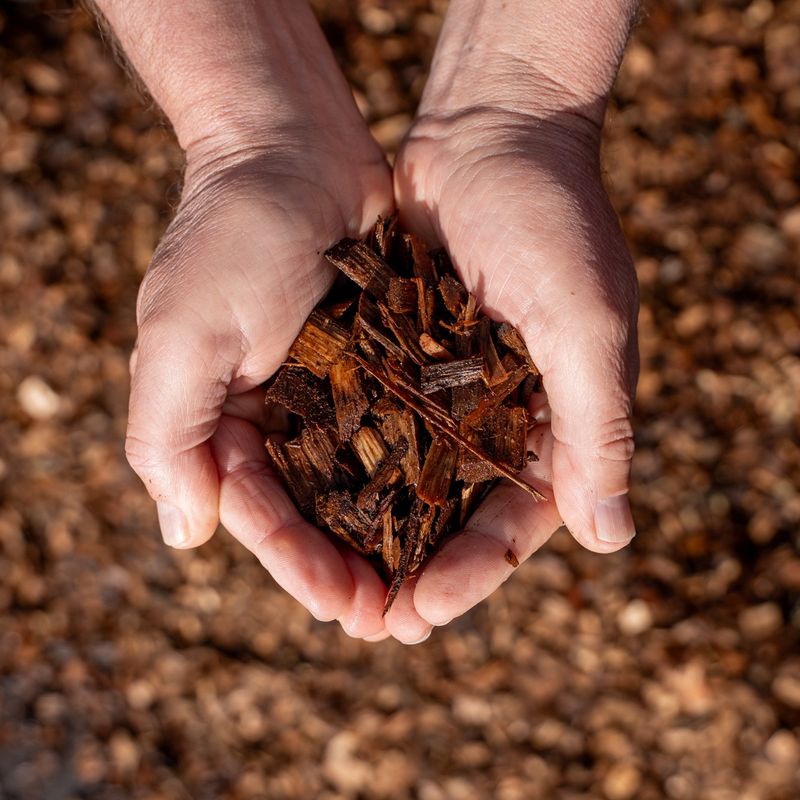
Decks built decades ago may contain something you would never want mixed into garden mulch.
Before 2004, many residential decks and fences were built with pressure-treated lumber containing chromated copper arsenate, or CCA.
This treatment contains arsenic, chromium, and copper.
CCA-treated wood was phased out of most residential uses beginning in 2004, but older structures containing it are still around. When aging decks and fences are replaced, that lumber needs to be handled separately from clean wood waste.
The concern begins when treated boards accidentally enter recycling streams used to produce landscape mulch.
Once wood is shredded and dyed, identifying its original source becomes difficult. A bright red coating will not tell you whether the chips came from untreated lumber or something that should never have entered a garden bed.
CCA-treated wood can release arsenic into surrounding soil over time, making it unsuitable for use as mulch.
Older Georgia homes may still have decks and fences built with these treatments. Their replacement creates another reason for gardeners to pay attention to where recycled mulch comes from.
Never grind, burn, or reuse old pressure-treated lumber as garden mulch. Contact your local waste office for proper disposal instructions.
When shopping for mulch, look for suppliers that clearly identify their wood sources and screen out treated material. A Mulch and Soil Council certification seal can provide additional reassurance that the product meets established standards.
4. Red Coloring Typically Comes From Iron Oxide Dyes
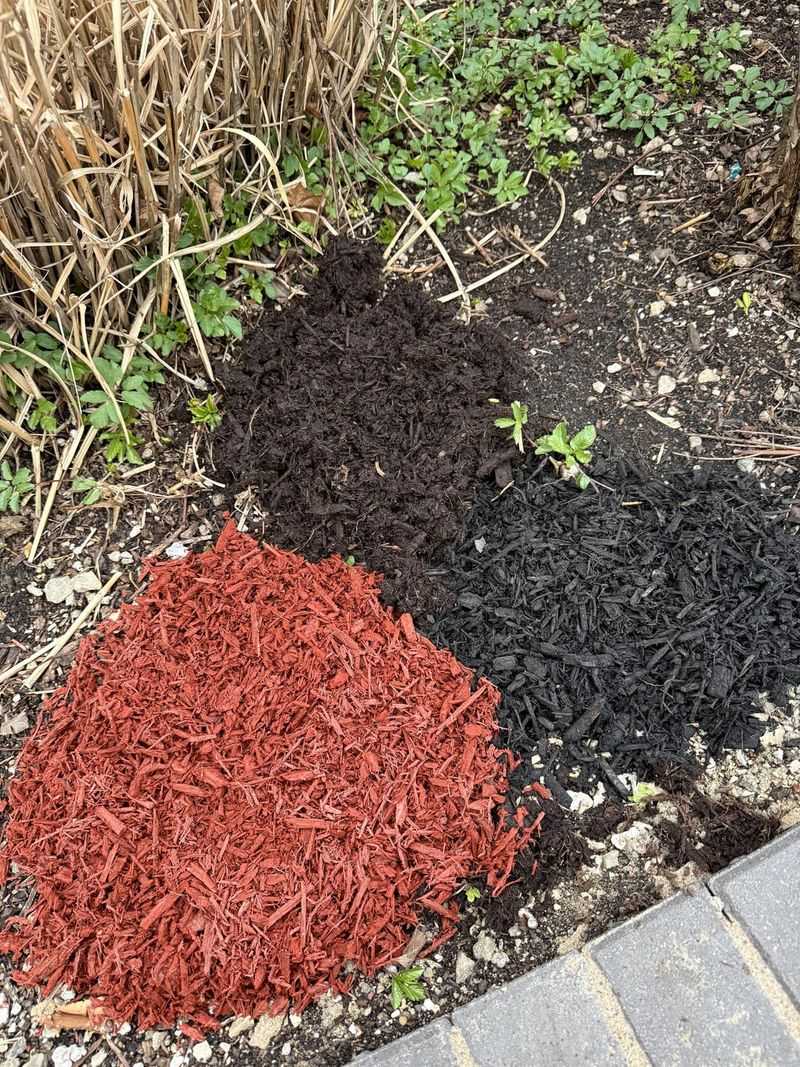
Rust is basically the secret behind most red mulch. Iron oxide, the same compound that gives rust its color, is the pigment many manufacturers use to tint wood chips red.
Iron oxide is widely considered low in toxicity. It is also used in products like paints, bricks, and some cosmetics.
Black mulch is often colored with carbon-based pigments, while brown shades may use iron oxide blends. Red simply uses more of the reddish oxide.
So the dye itself is usually not the main worry for most gardeners.
The bigger question is what wood is under that coating. A safe dye on questionable wood still leaves you with questionable wood.
Fresh dyed mulch can stain hands, clothes, and concrete. Wear gloves when spreading it, and rinse sidewalks or driveways quickly before the color sets.
Hot sun fades red mulch over time. In Georgia, strong summer light can dull the color within a season, though results vary with shade and rainfall.
Some people add a fresh layer each year just to restore the look. Be careful not to pile it too deep, since thick layers can limit air and water reaching roots.
Most extension services suggest keeping mulch around two to four inches deep. Keep it pulled back a few inches from tree trunks and shrub stems to help prevent rot.
5. Look For A Mulch And Soil Council Certification Seal On The Bag
A small logo can tell you more than the big photo on the front. The Mulch and Soil Council runs a certification program for mulch and soil products sold in the United States.
Certified products are checked for certain standards, including limits on CCA-treated wood.
Look for the council seal printed somewhere on the bag. It is often near the product details or the back panel, so take a minute to turn the bag around.
Not every good mulch carries the seal. Some smaller local producers sell clean, quality mulch without going through the certification process.
Still, the seal gives you a quick and handy shortcut in a crowded store aisle.
Shopping in Georgia during spring, you will often see huge pallet stacks of mulch near garden center entrances. Sales can tempt you to grab whatever is cheapest.
Pause and compare a few brands before loading up the cart. A certified bag might cost a little more, but the added confidence can be worth it.
If you buy bulk mulch from a landscape yard, ask whether the product is certified. You can also ask what wood goes into it and how they screen out treated lumber.
A supplier who answers clearly is a good sign.
You can also check the council website for a list of certified products. That way you can do your homework before you even leave the house.
6. Choose Mulch With A Verified Source For Vegetable Beds
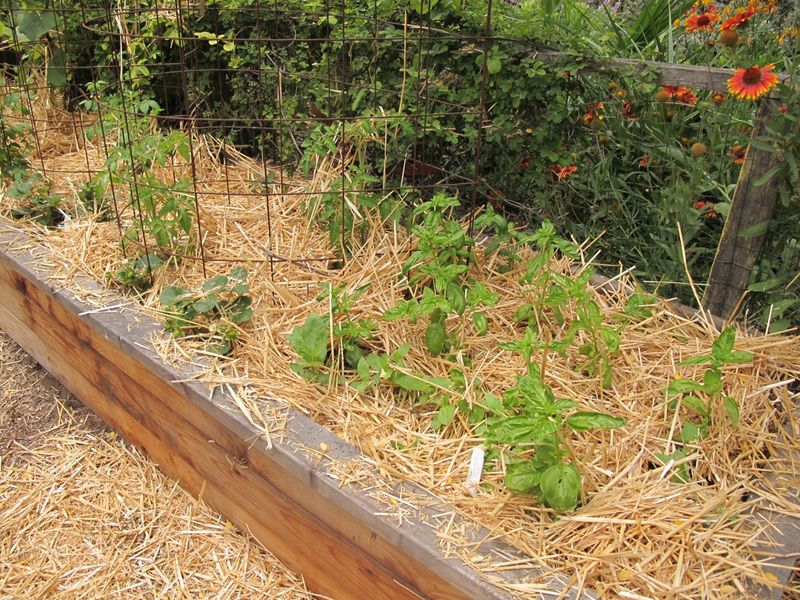
Food plants deserve a little extra caution. Tomatoes, peppers, greens, and herbs grow right in the soil you mulch, so the source of that mulch matters more here.
Many gardeners skip dyed mulch in vegetable beds altogether.
That choice makes sense when the wood source is unclear. Even if the risk is low, it is easier to avoid guessing when you plan to eat what grows there.
Wood chips can also tie up some nitrogen at the soil surface as they break down. Mixed into soil, that effect can be stronger, so keep wood mulch on top rather than tilling it in.
Better choices for vegetable beds include clean wheat straw, untreated shredded leaves, and pine straw. Some gardeners use untreated wood chips from a known local tree service.
Make sure straw is free of weed seeds and herbicide residue. Ask the seller if the fields were sprayed, because some lingering herbicides can harm tomatoes and beans.
Georgia summers bring heavy heat, and a good mulch layer helps hold moisture for thirsty crops. Natural mulch also breaks down and adds organic matter to the soil.
The University of Georgia Extension offers local advice on mulching vegetables. Their county offices can help with questions specific to your area.
Know where it came from before it goes near your dinner.
7. Pine Bark And Pine Straw Offer Natural Alternatives To Dyed Mulch
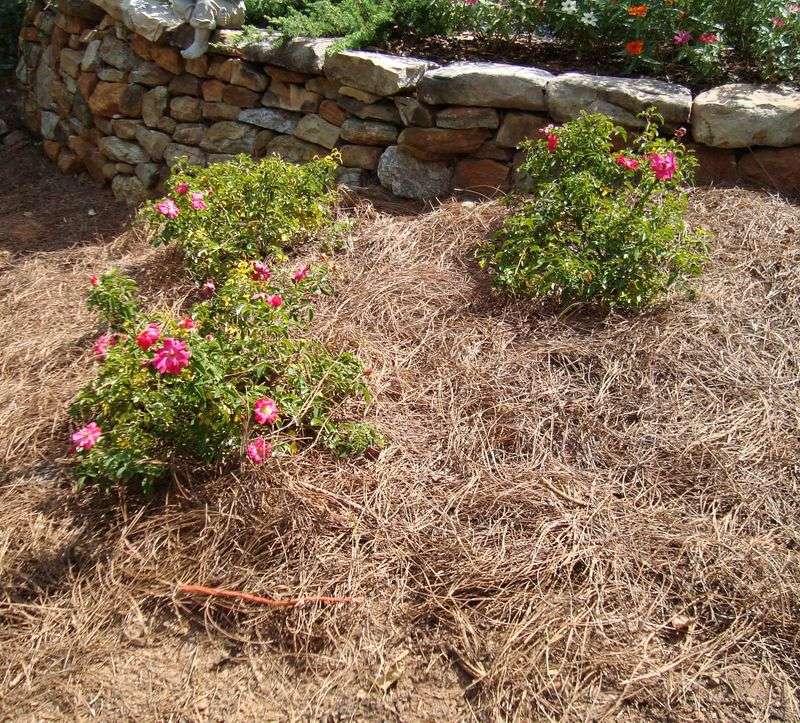
Southern yards had a great mulch long before dye came along. Pine straw and pine bark are classic choices across the region, and they come from trees that grow right here.
Pine straw is simply the fallen needles of pines like longleaf, loblolly, and slash pine.
It stays loose, lets water pass through, and tends to stay in place on slopes better than many chip mulches. Its golden brown color looks warm and natural next to azaleas and camellias.
Pine bark nuggets and shredded pine bark are other solid options. They break down slowly and come in sizes from mini nuggets to large chunks.
Georgia is a major producer of pine straw, so it is often easy to find and fairly priced. Many local suppliers sell it by the bale.
Both options may slightly lower soil pH over time, though the effect is usually small. Acid-loving shrubs like azaleas and blueberries generally do well with them anyway.
Pine straw fades and settles, so plan to refresh it about once or twice a year. How often depends on rainfall, sun, and how thick you spread it.
Keep pine straw away from the edges of your home where possible, as it is flammable when dry. A small gap near siding and decks is a smart habit.
Natural mulch gives you a clear source and a familiar Southern look.