The Most Common Fall Vegetable Pests In Texas
Fall vegetable gardening in Texas comes with welcome relief from summer’s most intense pressure, but it doesn’t come pest free.
The cooler temperatures that make fall planting so rewarding also suit a specific group of pests very well, and Texas fall gardens can face significant damage from insects that thrive in exactly the conditions that make this season so appealing for everything else.
Most Texas gardeners are caught off guard the first time fall pest pressure arrives, because the insects involved are often different from the ones that caused problems through summer.
Knowing which pests target fall vegetables most aggressively in Texas, when they peak, and which crops they go after first gives you a real advantage in protecting a harvest that months of work have been building toward.
1. Aphids
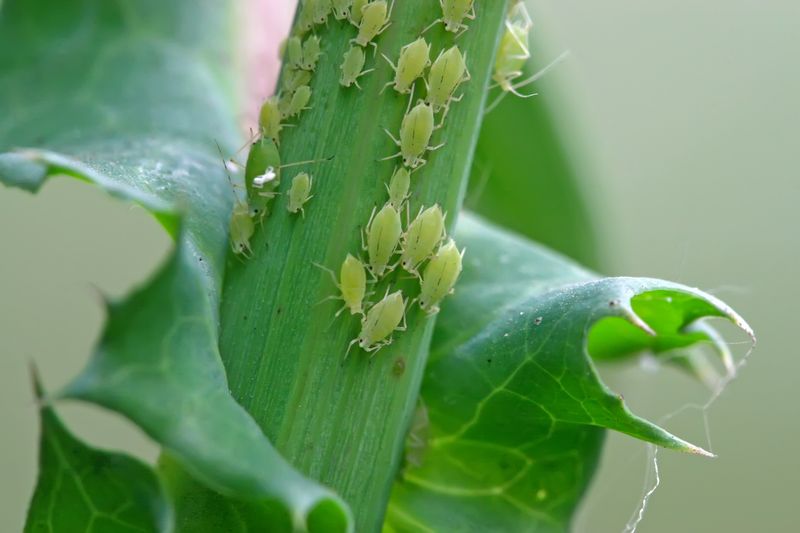
Tiny but mighty, aphids can turn a healthy plant into a sad, curled-up mess in just a few days. These little pests are usually green, but you might also see black, yellow, or pink ones hiding under leaves.
They feed by sucking sap from your plants, which weakens them and makes leaves twist and wrinkle. Fall favorites like kale, broccoli, and lettuce are top targets.
Aphids also leave behind a sticky goo called honeydew, which attracts ants and can grow a black mold.
The good news is they are easy to spot once you know where to look. Flip over a few leaves and check the stems, especially on new growth. If you see clusters of soft-bodied bugs, you have aphids.
A strong spray of water from the hose knocks most of them off. For bigger problems, try insecticidal soap or a homemade mix of mild dish soap and water. Spray in the early morning or evening to protect your plants from the Texas sun.
Nature can help too. Ladybugs and lacewings love to snack on aphids, so welcoming these helpful bugs keeps numbers low. Planting flowers nearby can invite them in.
Fun fact about aphids is that they can reproduce super fast, with babies being born already pregnant. That is why a small problem grows quickly if you ignore it.
Check your plants often during fall, and you will stay one step ahead of these sneaky sap-suckers all season long.
2. Cabbage Loopers
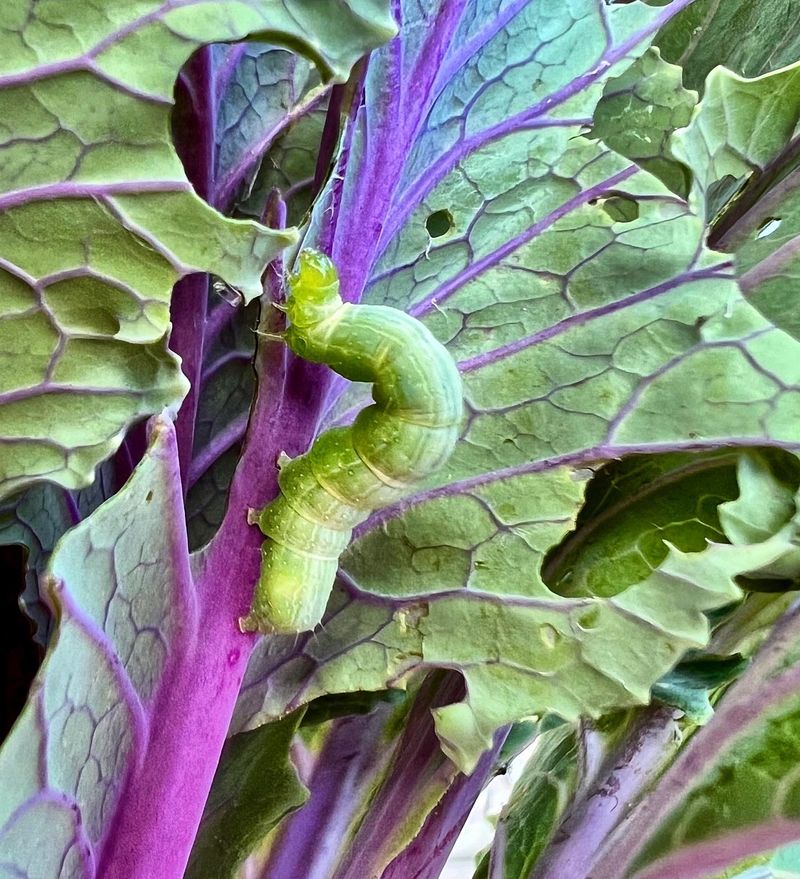
Ever find your cabbage leaves full of holes with no clue who did it? Meet the cabbage looper, a sneaky green caterpillar that munches its way through fall gardens all across Texas.
You can spot these caterpillars by the way they move. They arch their backs into a loop as they inch along, which is how they got their name. Their green color blends right in with the leaves, making them tricky to notice at first.
Cabbage loopers love the whole cabbage family. That means broccoli, cauliflower, collards, kale, and cabbage are all on their menu. They chew ragged holes in leaves and can even burrow into cabbage heads.
Hand-picking works great if you only have a few. Just grab them off the leaves and drop them into a bucket of soapy water. Wear gloves if bugs make you squirm.
Your Texas Garden Changes Every Week. Your Plan Should Too.
Gardening in Texas changes quickly throughout the season. Every Friday you’ll receive a simple weekly plan showing exactly what to plant, prune, fertilize, harvest, and protect so you never miss the right timing.
For larger invasions, a natural spray called Bt (Bacillus thuringiensis) targets caterpillars without harming bees or people. Floating row covers also block adult moths from laying eggs on your plants.
Speaking of moths, the adult looper is a plain brown moth that flies mostly at night. Each female can lay hundreds of eggs, so catching them early really matters.
Check the undersides of leaves for tiny, round, pale eggs. Squishing them before they hatch saves you a lot of trouble later.
Stay curious and inspect your leafy greens every few days. With a sharp eye and a little effort, you can enjoy holefree veggies straight from your fall garden.
3. Squash Bugs
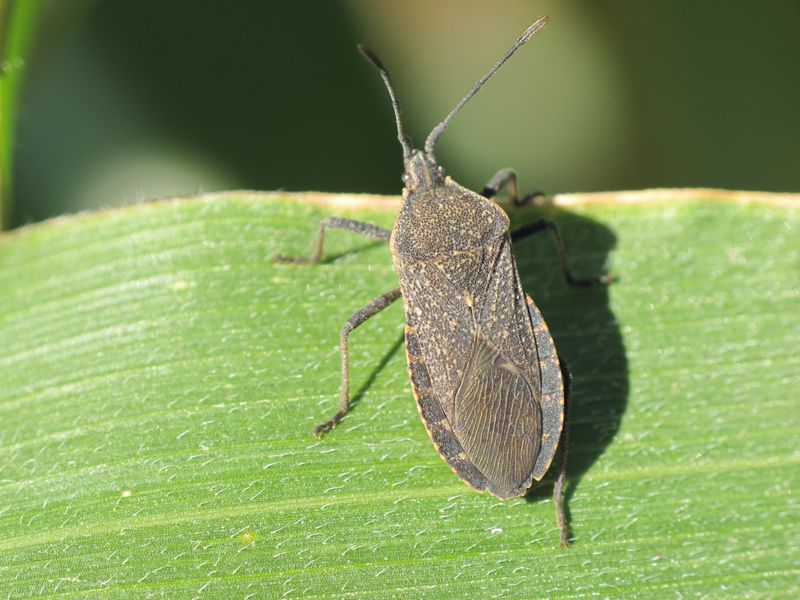
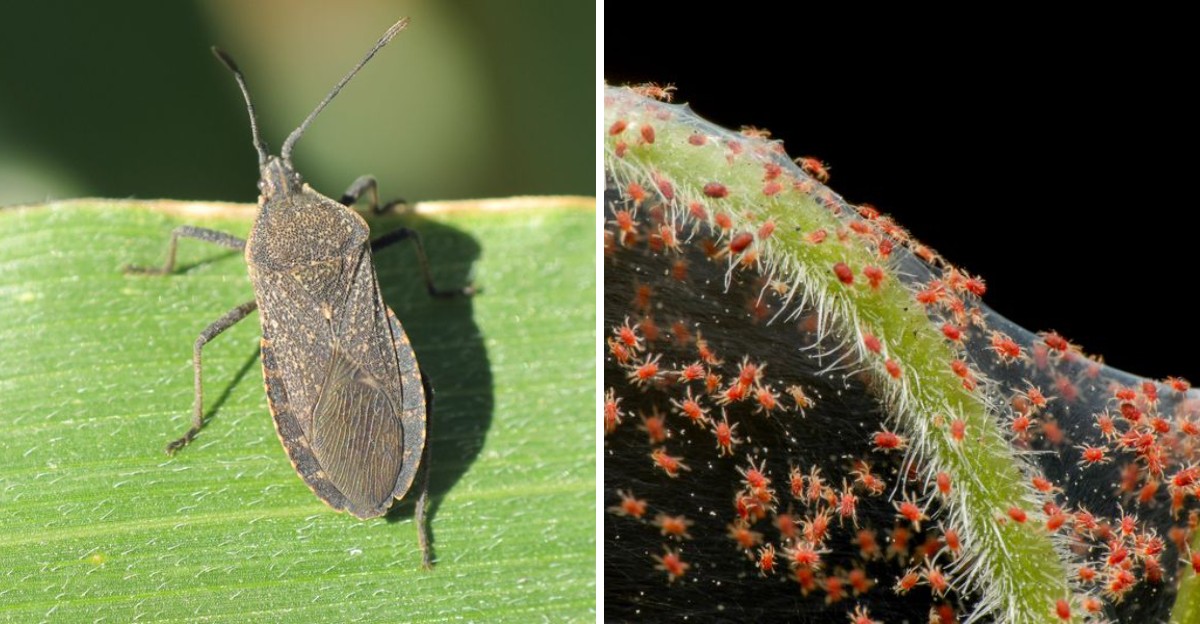
Squash bugs are the kind of pest that makes gardeners groan. Flat, brownish-gray, and shield-shaped, they gather on squash and pumpkin plants and cause serious trouble fast.
These bugs pierce plant stems and leaves to suck out the juices. Affected leaves turn yellow, then brown and crispy. If enough of them attack, whole plants wilt and collapse.
Fall gardeners growing squash, zucchini, and pumpkins need to stay alert. Squash bugs are toughest to control once they grow up, so early action is your best friend here.
Look under leaves for shiny, coppery-brown eggs laid in neat little clusters. Scrape them off with tape or a fingernail before they hatch. This one step can stop a big problem before it starts.
Young squash bugs, called nymphs, are gray with black legs and move in groups. They are easier to handle than adults, so knock them into soapy water when you see them.
A clever trick is to lay a board or piece of cardboard near your plants overnight. Squash bugs hide under it, and in the morning you can flip it over and collect them all at once.
Keeping your garden tidy helps a lot. Clear away old vines, leaves, and debris where these bugs like to spend the winter. A clean garden gives them fewer places to hide.
Row covers work well too, but remove them when flowers appear so bees can visit. With regular checks and quick cleanup, you can keep squash bugs from spoiling your fall harvest.
4. Cabbage Worms
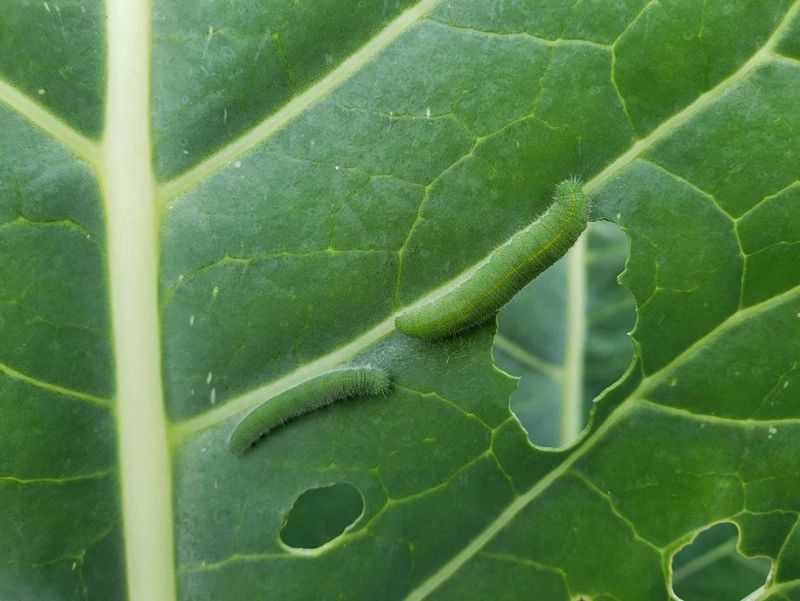
With a soft, velvety green body, the cabbage worm looks almost harmless. Do not be fooled, though. This little caterpillar is one of the biggest pests for Texas fall gardens.
You have probably seen its parent flitting around your garden. The cabbage white butterfly is that pretty white butterfly with a couple of black dots on its wings. It lays eggs that hatch into these hungry green worms.
Cabbage worms feast on broccoli, cabbage, kale, and other leafy greens. They chew large, irregular holes and leave behind dark green droppings that give away their hiding spots.
Because their green color matches the leaves so well, they can be hard to see. Look closely along leaf veins and in the center of the plant where they like to tuck away.
Hand-picking is simple and works well for small gardens. Drop the worms into soapy water and check again in a few days for any you missed.
Bt spray is a favorite among gardeners because it targets caterpillars only. Neem oil is another gentle option that keeps them away. Row covers stop the butterflies from laying eggs in the first place.
Try planting herbs like thyme, dill, or mint nearby. Their strong smells confuse the butterflies and can steer them away from your veggies.
Here is a neat tip. Some gardeners place white eggshell pieces or fake butterflies in the garden because cabbage whites avoid areas that already look crowded with other butterflies.
Keep watching those leaves, and your greens will stay crisp and healthy all fall long.
5. Spider Mites
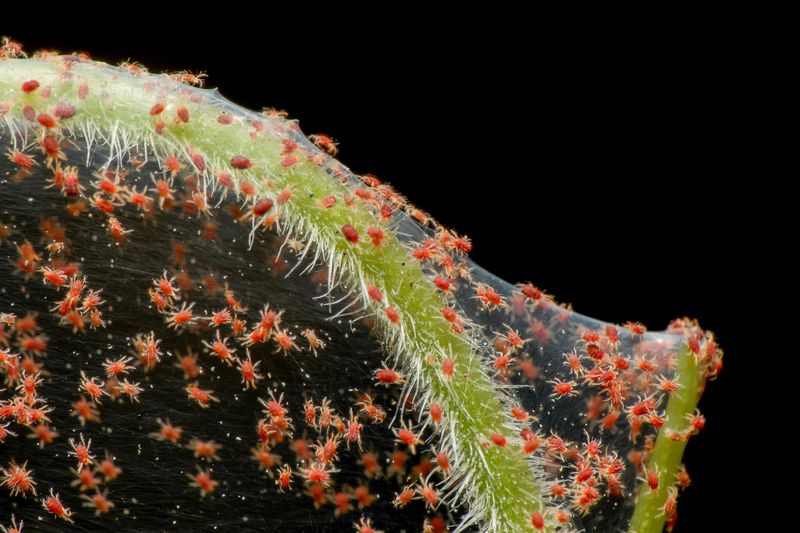
So small you can barely see them, spider mites cause big damage when the weather stays warm and dry. Early Texas fall days are perfect conditions for these tiny troublemakers.
These pests are not insects at all. They are related to spiders, which explains the fine webbing they spin across leaves. If you see thin webs on your plants, mites are likely the cause.
Spider mites suck the juices from leaves, leaving tiny yellow or white speckles behind. Over time, leaves look dusty, pale, and dried out. Beans, tomatoes, and eggplants are common victims.
To check for them, hold a white sheet of paper under a leaf and give it a gentle tap. If you see tiny moving dots, you have spider mites.
They love dry, dusty conditions, so keeping plants watered and leaves clean makes a big difference. A strong spray of water on the undersides of leaves knocks many of them off.
Insecticidal soap and neem oil both work well against mites. Be sure to spray under the leaves where they hide, and repeat every few days to catch new hatchlings.
Helpful bugs come to the rescue here too. Predatory mites and ladybugs love to eat spider mites, so welcoming these garden helpers keeps things balanced.
One interesting thing about spider mites is how fast they multiply in heat. A tiny group can explode into thousands in just a week or two.
Keep an eye on your plants during warm spells, and act quickly. Catching mites early keeps your fall garden green and thriving.
6. Flea Beetles
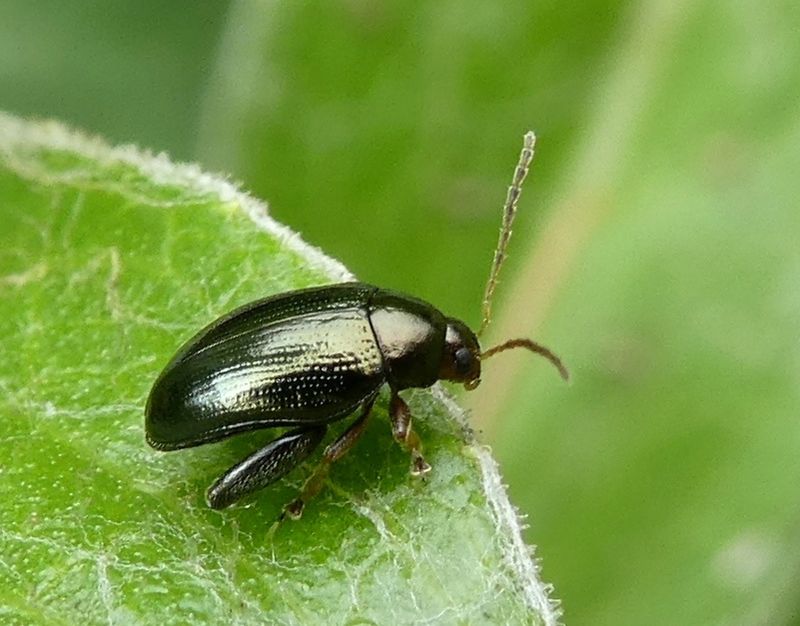
Blink and you might miss them. Flea beetles are teeny black or bronze bugs that jump like fleas when you get too close, which is exactly how they earned their name.
Despite their small size, these beetles cause plenty of damage. They chew tiny round holes in leaves, making them look like they have been hit with buckshot. This is sometimes called shot-hole damage.
Young seedlings suffer the most. Radishes, arugula, turnips, and leafy greens are all favorites of the flea beetle in Texas fall gardens.
Since they hop away quickly, catching them by hand is nearly impossible. Instead, focus on protecting your plants before the beetles arrive.
Floating row covers are your best tool. Place them over young seedlings to block beetles from reaching the leaves. Just keep the edges tucked down tight.
Sticky traps in bright yellow can catch a good number of them too. Place a few around your garden beds to lower the population.
A layer of mulch helps by making it harder for beetles to move around and lay eggs in the soil. Keeping the garden weed-free also removes their hiding spots.
Neem oil and kaolin clay sprays create a barrier beetles do not like. The clay coats leaves with a dusty film that keeps them from feeding.
Here is something handy to know. Flea beetles are weakest early in the season, so strong, healthy seedlings usually outgrow the damage.
Give your plants good soil and steady water, and they will bounce back with ease and keep growing strong.
7. Whiteflies
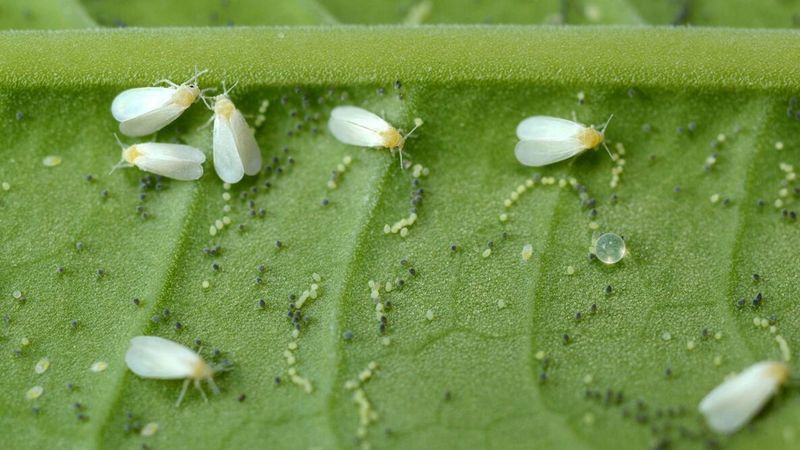
Give a plant a little shake, and if a cloud of tiny white specks flutters up, you have met the whitefly. These pests may look like dust taking flight, but they are trouble for fall gardens.
Whiteflies are small, winged insects that gather on the undersides of leaves. They suck plant juices, much like aphids, and leave behind sticky honeydew that leads to black sooty mold.
Plants under attack turn yellow, weak, and droopy. Tomatoes, peppers, and leafy greens are common targets in Texas gardens during the warmer fall weeks.
Because whiteflies fly, controlling them takes a mix of methods. Yellow sticky traps work great since the bright color pulls them in and traps them fast.
Spraying the undersides of leaves with insecticidal soap or neem oil helps knock down their numbers. You will need to repeat every few days to catch newly hatched bugs.
A gentle blast of water also washes many away. Aim under the leaves where they like to gather and lay their tiny eggs.
Helpful garden bugs come in handy again. Ladybugs and lacewings feed on whiteflies, so inviting them into your garden keeps the pests in check naturally.
Keep your garden clean and pull out heavily infested leaves to slow the spread. Whiteflies multiply quickly, so acting early makes a big difference.
A fun fact is that whiteflies are not true flies at all. They are more closely related to aphids and scale insects. Watch your plants closely, and you can keep these fluttering pests from settling in for good.