What To Do When Coyotes Start Showing Up In California Backyards
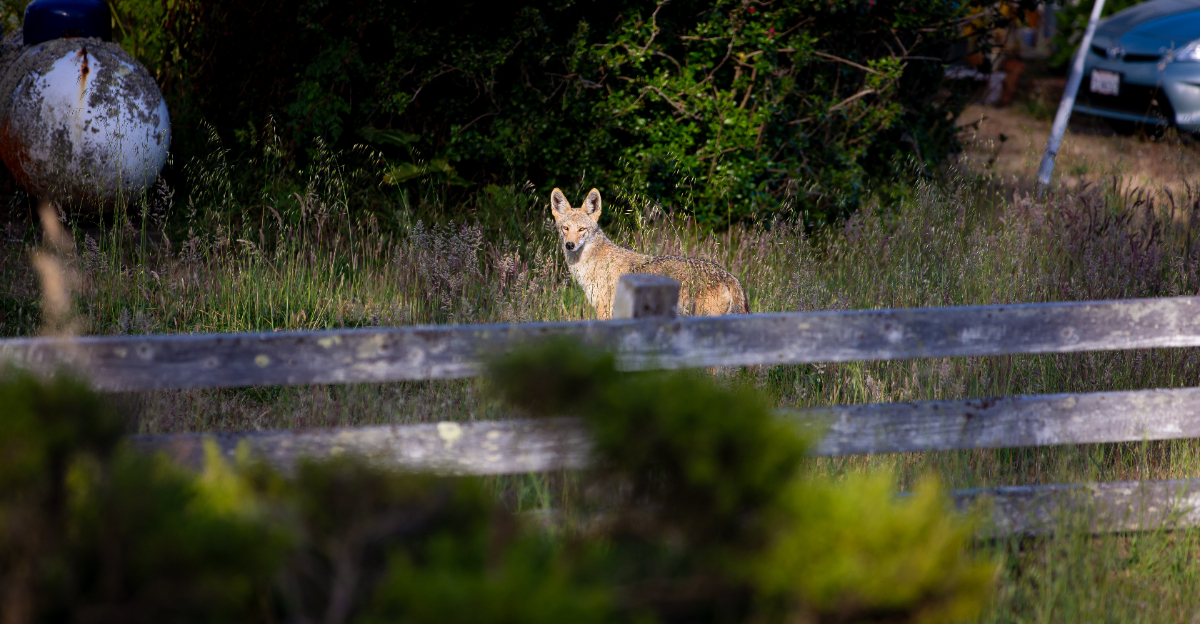
Coyotes in a California backyard can make a normal Tuesday feel like nature suddenly scheduled a surprise meeting. They are smart, adaptable, and very good at noticing easy snacks or quiet hiding spots.
A sighting does not mean your yard is doomed, but it does mean it is time to stop acting casual. Pet food, fallen fruit, open trash, and small pets left outside can make a yard way too interesting.
The goal is not panic, and it is definitely not trying to befriend the local coyote like a Disney side plot. Homeowners need calm, firm steps that make the space less rewarding.
With the right habits, you can protect pets, reduce repeat visits, and keep your backyard from becoming part of a coyote’s daily route.
1. Coyotes Usually Follow Food, Water, Or Shelter
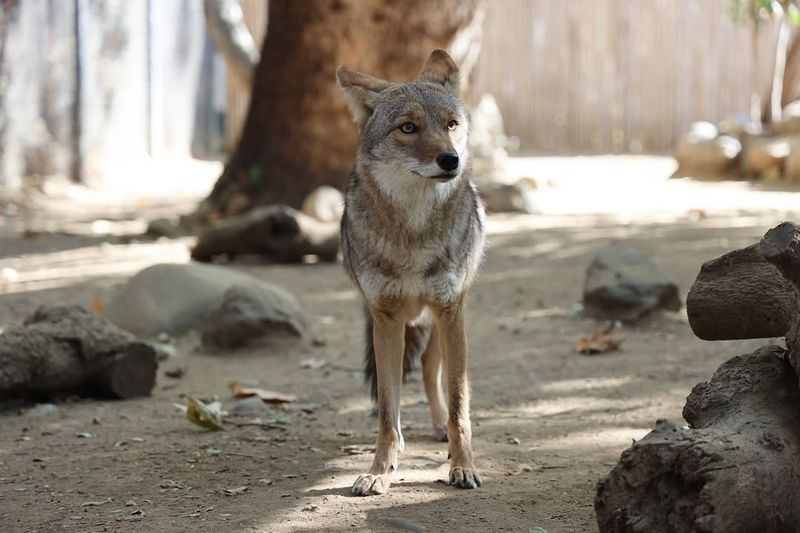
Most people are surprised to learn that coyotes do not wander into yards out of curiosity alone. They are following a very clear trail of resources.
Food, water, and shelter are the three main things drawing them closer to homes across California.
Coyotes are incredibly resourceful animals. They can smell a fallen apple from a surprising distance.
They notice when a pet water bowl sits outside all night. They spot gaps under a deck or shed where they might rest safely.
Once a coyote finds even one of these things in your yard, it files that location away in its memory.
Urban and suburban coyotes have learned that neighborhoods often offer easier resources than open wild spaces. Garbage cans, compost piles, fruit trees, and outdoor pet food are all attractive to them.
Even a birdbath left full overnight can bring a coyote back to your yard.
The key to keeping coyotes away starts with removing what attracts them in the first place. Think of your yard as a potential restaurant.
If nothing is on the menu, coyotes have little reason to stop by. Walk around your property and look for anything that might offer food, water, or a cozy hiding spot.
Removing those temptations is the single most effective first step any homeowner can take to reduce unwanted wildlife visits.
2. Bring Small Pets Inside Before Dusk
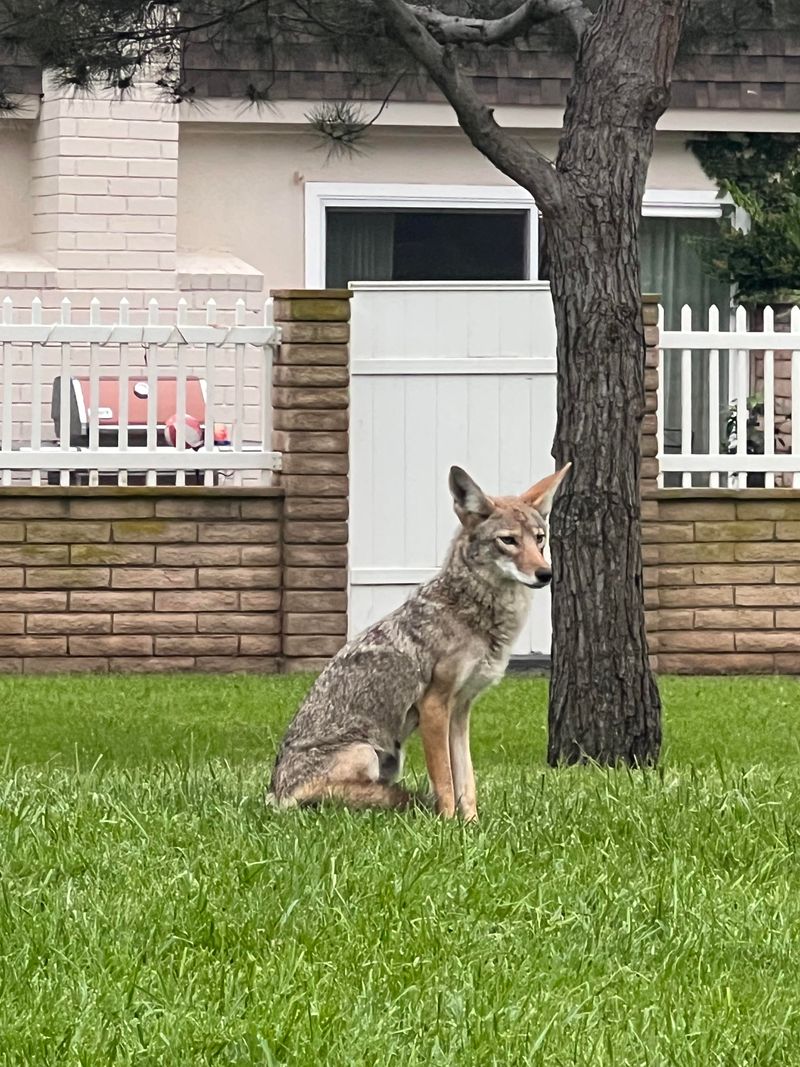
Small pets are among the most vulnerable animals when coyotes are active nearby. Cats, small dogs, and even rabbits kept in outdoor hutches can be at serious risk, especially during the hours just after sunset.
Coyotes are most active at dawn and dusk, which means those are the highest-risk windows of the day.
Many pet owners underestimate how quickly a coyote can move. These animals are fast, quiet, and confident.
A small dog left alone in the backyard for even a few minutes during twilight hours could be in danger. It only takes one moment of distraction for something to go wrong.
Building a simple evening routine makes a big difference. Start bringing small pets inside at least thirty minutes before the sun goes down.
If your cat is an outdoor roamer, consider keeping them indoors full-time, especially if coyotes have been spotted in your neighborhood recently.
Your California Garden Changes Every Week. Your Plan Should Too.
Gardening in California changes quickly throughout the season. Every Friday you’ll receive a simple weekly plan showing exactly what to plant, prune, fertilize, harvest, and protect so you never miss the right timing.
For rabbit owners, make sure outdoor hutches are built with sturdy wire and have a secure latch. A determined coyote can push open a flimsy door with ease.
Even medium-sized dogs should not be left unsupervised in yards where coyote activity has been reported.
Your evening routine is one of the easiest and most powerful habits you can build to protect the animals you love most.
3. Never Leave Pet Food Outdoors Overnight
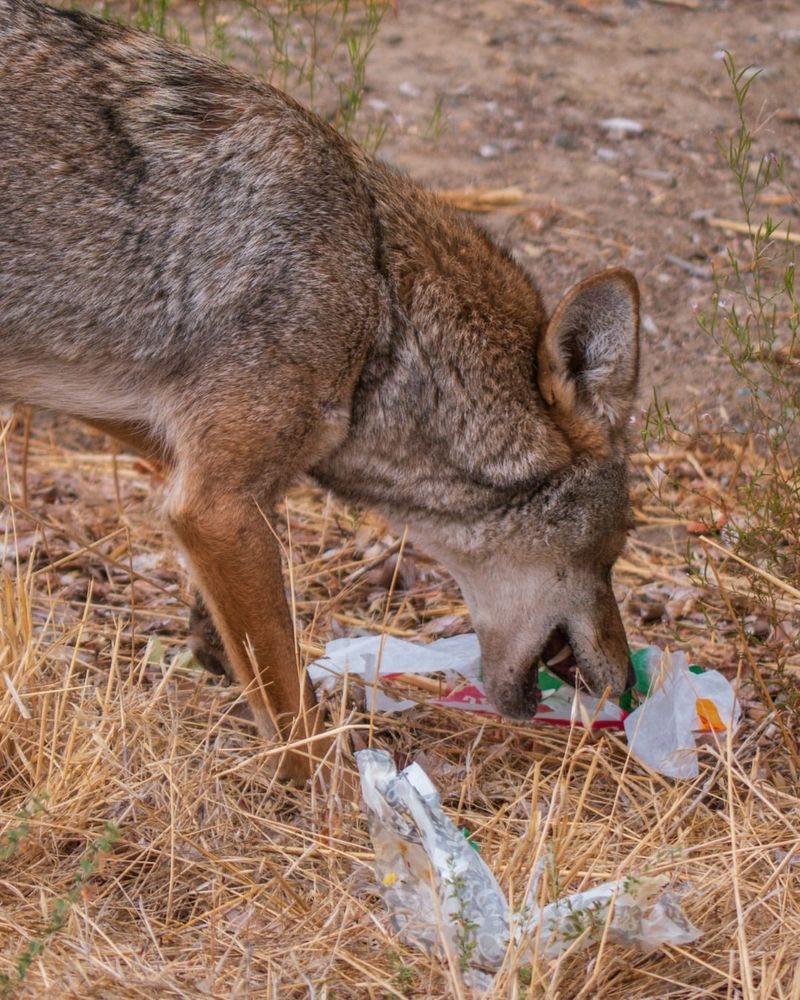
Leaving a bowl of kibble outside overnight might seem harmless, but to a coyote, it is an open invitation.
Pet food left outdoors is one of the most common reasons coyotes begin visiting residential neighborhoods regularly.
Once they find a reliable food source, they return night after night.
The problem goes beyond just one visit. Coyotes that associate your yard with food become bolder over time.
They stop being cautious. They may start appearing during daylight hours.
They might even begin approaching people, which creates a much more serious situation for the whole neighborhood.
The fix is simple. Pick up all pet food bowls before the sun sets.
This applies to dog bowls, cat dishes, and even bird feeders that drop seed onto the ground. Fallen seed attracts rodents, and rodents attract coyotes.
The food chain works in ways that can surprise California homeowners who never considered the connection.
Store pet food in sealed containers kept inside the garage or home. Do not leave bags open in the shed, since coyotes have a sharp sense of smell and can detect food through thin walls.
If you feed outdoor cats as part of a community program, speak with your local animal control office about safe feeding practices. A small habit change at dinnertime can prevent a much bigger wildlife problem down the road.
4. Pick Up Fallen Fruit Before It Ferments
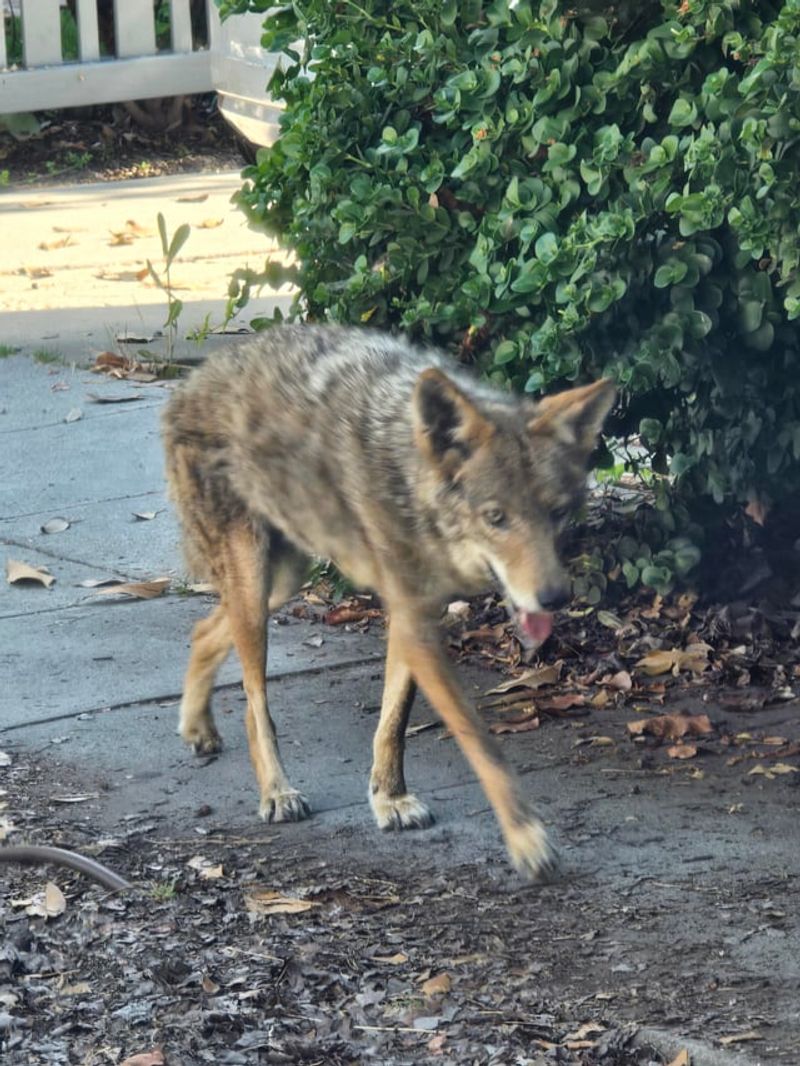
Fruit trees are a beautiful feature in many backyards across the southern and central parts of California. But when fruit falls and is left on the ground, it becomes a magnet for all kinds of wildlife, including coyotes.
Rotting or fermenting fruit gives off a strong smell that travels far through the air.
Coyotes are opportunistic feeders. They eat berries, melons, and fallen fruit without hesitation.
A yard with an untended lemon, orange, or apple tree can quickly become a regular stop on a coyote’s nightly patrol. Even avocados and figs attract them when left on the ground long enough.
Making fruit cleanup part of your weekly routine is a smart move. Walk the yard every couple of days and collect anything that has dropped.
Use a sealed bin or compost container that locks tightly. Open compost piles are just as tempting as the fruit itself, especially when vegetable scraps are mixed in.
If your tree produces more fruit than you can use, consider sharing with neighbors, donating to a local food bank, or picking early before it drops. Some communities in the northern regions have fruit-sharing programs that make this easy.
Keeping your yard clean and free of organic debris not only reduces coyote visits but also helps your garden stay healthier overall. It is a win on multiple levels.
5. Secure Trash Before Coyotes Learn The Route
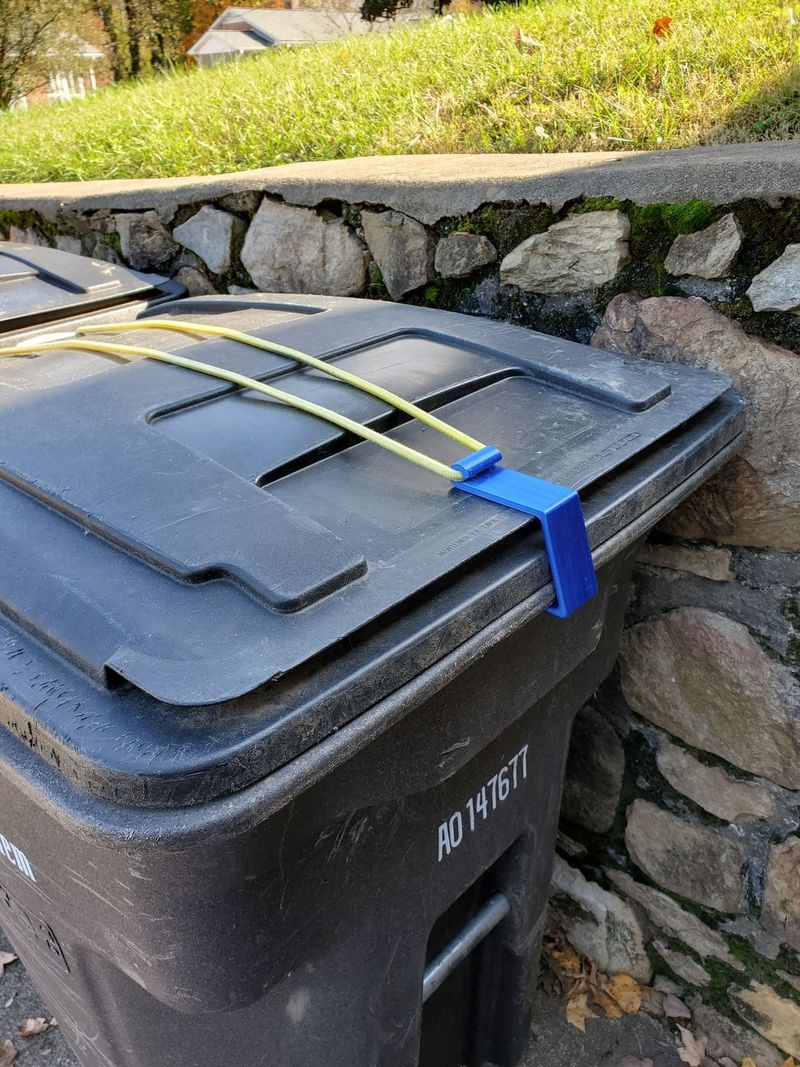
Garbage cans are basically a buffet for coyotes. An unsecured trash bin left out the night before pickup is one of the easiest meals a coyote can find in a residential neighborhood.
Once one coyote discovers your bin, others in the area often follow the same trail within days.
Coyotes are clever enough to tip over standard plastic bins or pry off loose lids. They have been observed doing this repeatedly in neighborhoods across the inland valleys and coastal communities of California.
What starts as one curious animal quickly becomes a recurring problem that spreads down the block.
Switching to a trash can with a locking lid is one of the best investments you can make. Look for cans specifically designed to be wildlife-resistant.
Some local municipalities even offer these at a discount as part of wildlife management programs. Check with your city or county for options available in your area.
If locking cans are not in your budget right now, try storing bins in the garage until the morning of pickup. Avoid putting trash out the night before whenever possible.
You can also use bungee cords or heavy-duty straps to secure lids in the short term. The goal is simple: make your trash as inaccessible as possible so coyotes never learn your address is worth visiting in the first place.
6. Close Off Gaps Under Decks And Sheds
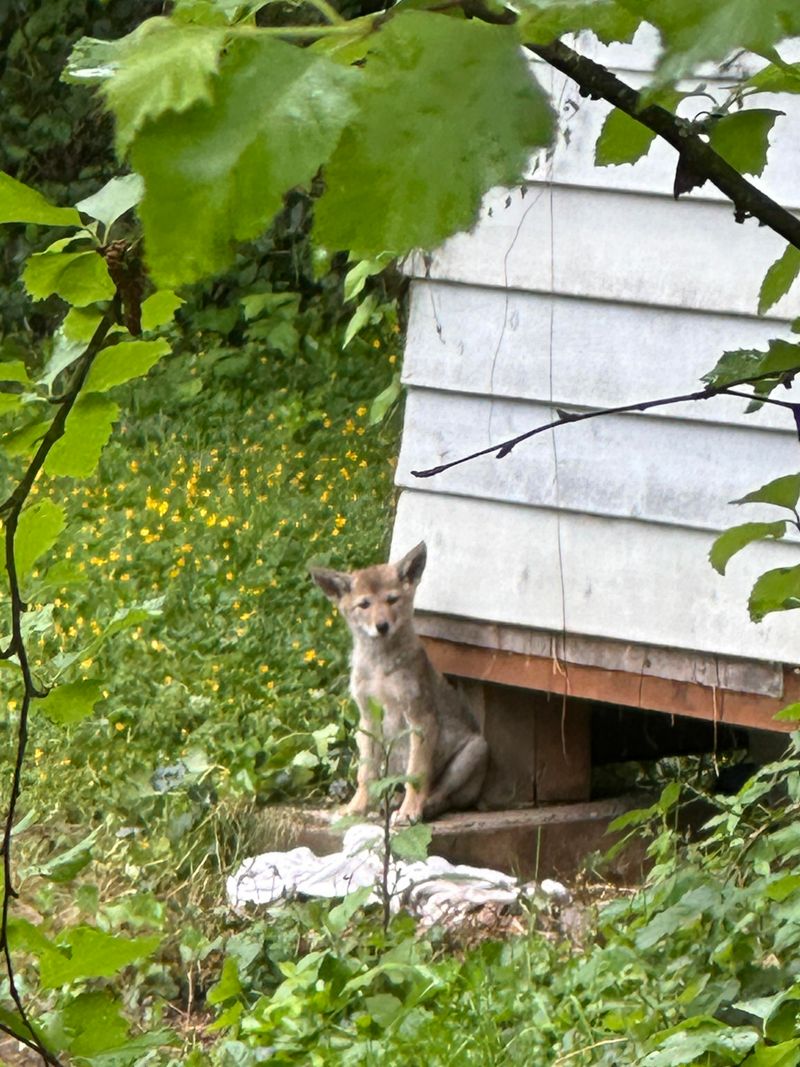
A dark, quiet space under a deck or shed looks like the perfect den to a coyote looking for shelter.
During breeding season, which typically runs from January through March in California, females especially seek out hidden spots to rest or raise pups.
Once a coyote settles under your structure, removing it becomes a much harder task.
Checking your yard for gaps and openings is something every homeowner should do at least once a season. Look under decks, sheds, porches, and even raised garden beds.
Any opening larger than four inches is wide enough for a coyote to squeeze through, especially younger ones.
Sealing these gaps with heavy-gauge wire mesh is the most effective solution. Use L-shaped footer barriers that extend underground to prevent animals from digging underneath.
Hardware cloth with small openings works better than chicken wire, which coyotes can push through with minimal effort.
Before sealing any space, make absolutely sure no animal is already inside. Check during daylight hours when coyotes are less active.
You can place loose dirt or sand near the opening and look for fresh tracks the next morning to confirm the space is empty. Once you are certain it is clear, seal it up securely.
Blocking these entry points early in the season gives you a major advantage before nesting behavior begins in your neighborhood.
7. Keep Dogs Leashed During Walks
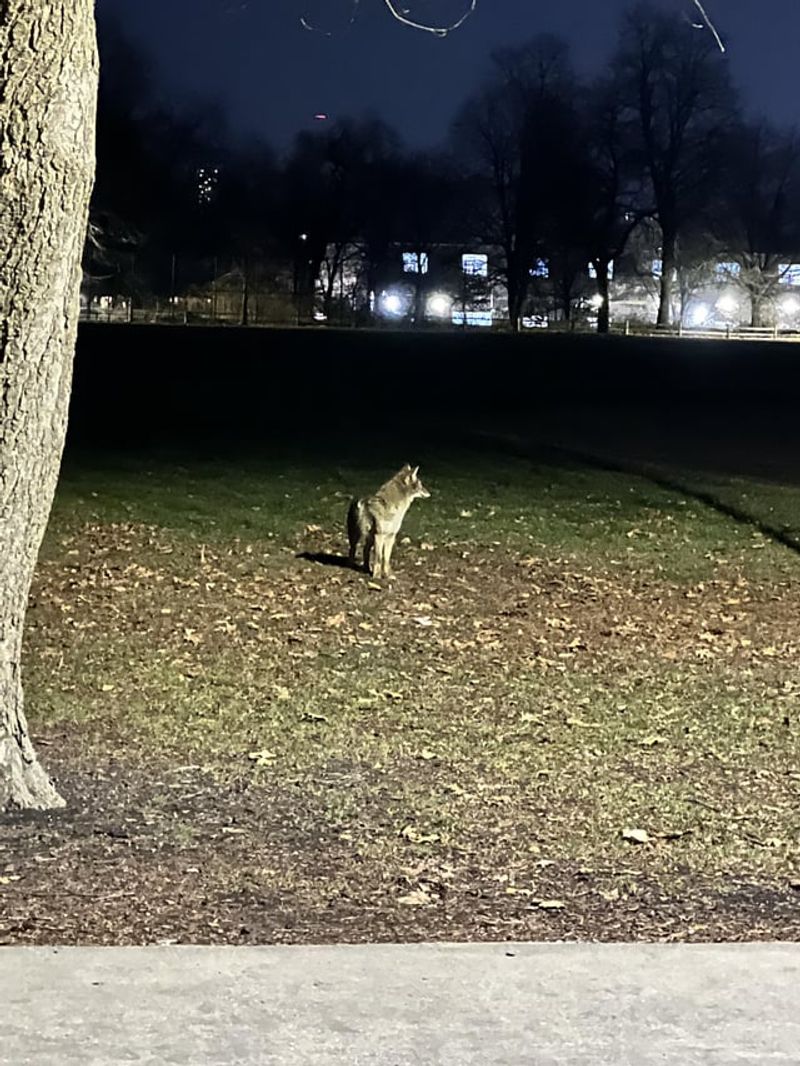
Off-leash walks might feel more relaxing for both you and your dog, but in areas where coyotes have been spotted, keeping your dog on a leash is a non-negotiable safety measure.
Coyotes have been known to use a tactic called escorting, where one coyote lures a dog away from its owner while others wait nearby.
This behavior is most common during coyote pupping season, roughly April through August, when parents become especially protective of their young.
A dog that runs ahead or wanders into brush can find itself in a dangerous situation faster than most owners realize.
Even large dogs are not always safe from a determined group of coyotes.
A standard six-foot leash gives you enough control to redirect your dog quickly if a coyote appears. Avoid retractable leashes in areas with known coyote activity.
These leashes do not give you enough immediate control in a fast-moving situation.
Walk during midday when coyotes are least active. Carry a whistle or a small air horn, which can be used to scare off a coyote that gets too close.
Staying on well-lit paths and avoiding overgrown areas also reduces your chances of an unexpected encounter. A calm, controlled walk is always better than a stressful one.
Your dog trusts you to make smart decisions, and keeping them leashed is one of the simplest ways to honor that trust.
8. Report Bold Or Aggressive Behavior
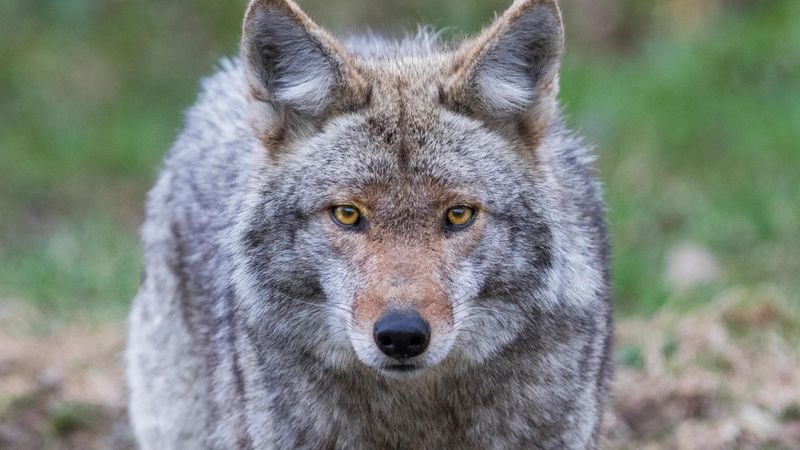
Most coyotes naturally avoid people. When a coyote starts acting differently, approaching people without hesitation, growling, or refusing to leave when scared off, that is a warning sign that should never be ignored.
Bold behavior in coyotes usually means the animal has become too comfortable around humans.
This kind of behavior often develops gradually. It starts when a coyote is fed, either on purpose or accidentally through unsecured food sources.
Over time, the animal loses its natural wariness. A coyote that has lost its fear of people can become unpredictable and may pose a real risk to children, small pets, and even adults.
Hazing is a technique wildlife experts recommend to reinforce natural fear in coyotes. If a coyote approaches you, stand tall, wave your arms, shout loudly, and make yourself look as large as possible.
Throw sticks or small stones toward the animal but not directly at it. The goal is to make the encounter unpleasant so the coyote learns to keep its distance.
After any bold encounter, report it to your local animal control office or your county’s wildlife services department. Keep a record of the date, time, location, and description of the animal’s behavior.
Sharing this information helps officials track patterns and respond before the situation escalates.
Your report could protect an entire neighborhood, not just your own backyard.