10 Beloved Garden Plants That Might Be Causing You Trouble
Your favorite plant might already be plotting against your fence. Nurseries sell charm while quiet disorder grows across your beds.
Roots slip beneath fences long before you notice anything wrong. Clay soil seems built to make your gardening choices harder.
Pipes bend under pressure from roots hiding beneath your lawn. Vines climb walls faster than you can ever trim them.
Bees struggle whenever pushy bloomers crowd out your gentler natives. Pollen counts spike hard once these plants dominate your yard.
Some spread through underground runners you rarely notice in time. Others hitch rides through wind, birds, or your garden mulch.
Pests often trail behind plants straight into your garden beds. That yard of yours might already shelter several quiet offenders.
Removing them later costs you more than planting them properly. Knowing which ones lurk matters before your next planting season. You deserve to know exactly what’s rooting beside you now.
1. English Ivy Forgets Where To Stop
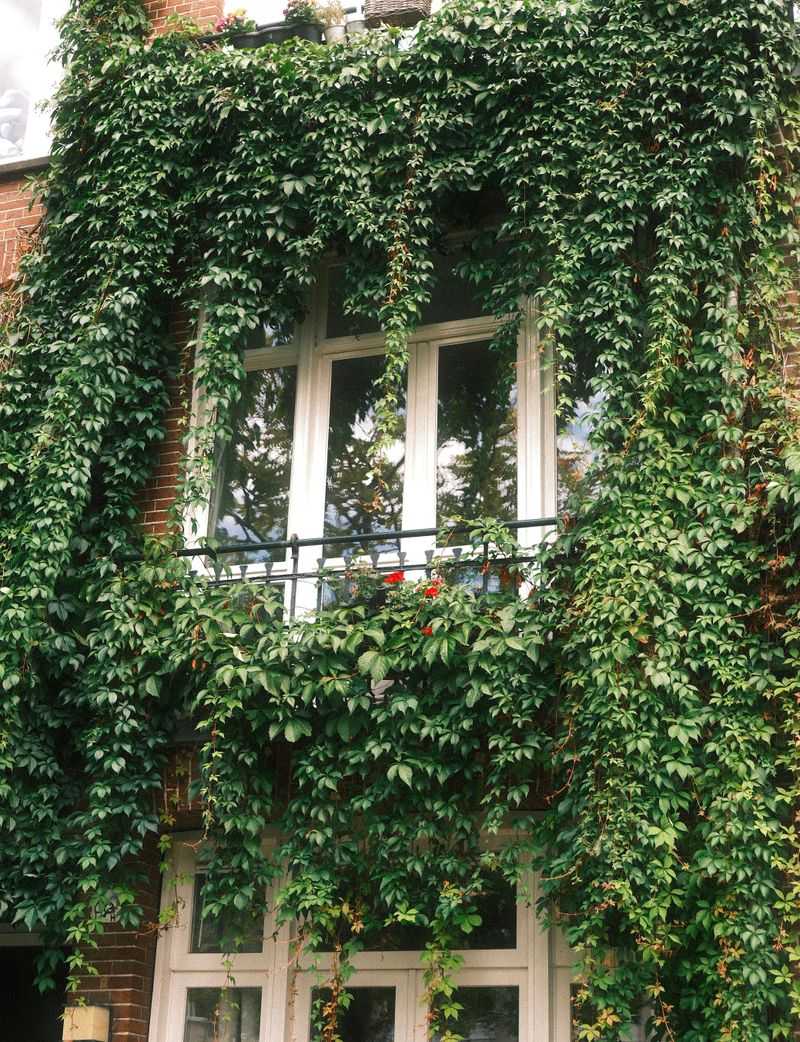
Picture a cottage wall draped in glossy green leaves. It looks like a storybook, until loosened gutter fastenings tell a different story.
English ivy climbs using tiny rootlets that grip mortar, siding, and tree bark. On older brickwork with soft mortar joints, those grips can pry seams apart over the years. On trees, the added weight and shade can weaken the canopy slowly.
Ground-level ivy behaves like a green carpet that keeps unrolling. A single planting can blanket a bed, smother low perennials, and sneak into a neighbor’s yard without asking.
Ivy is listed as invasive in parts of the Pacific Northwest and mid-Atlantic, where some nurseries restrict its sale. Check your local extension office for current rules. Birds eat the berries and scatter seeds into woodlands, which is how it escapes gardens in the first place.
If you already have it, keep it in bounds instead of panicking. Cut a wide band around tree trunks, pull the loose vines while the soil is damp, and trim edges twice a year.
For containers or a shady slope, it still earns its keep. Just give it a hard border and check on it each September.
2. Mint Needs A Fence, Not A Bed
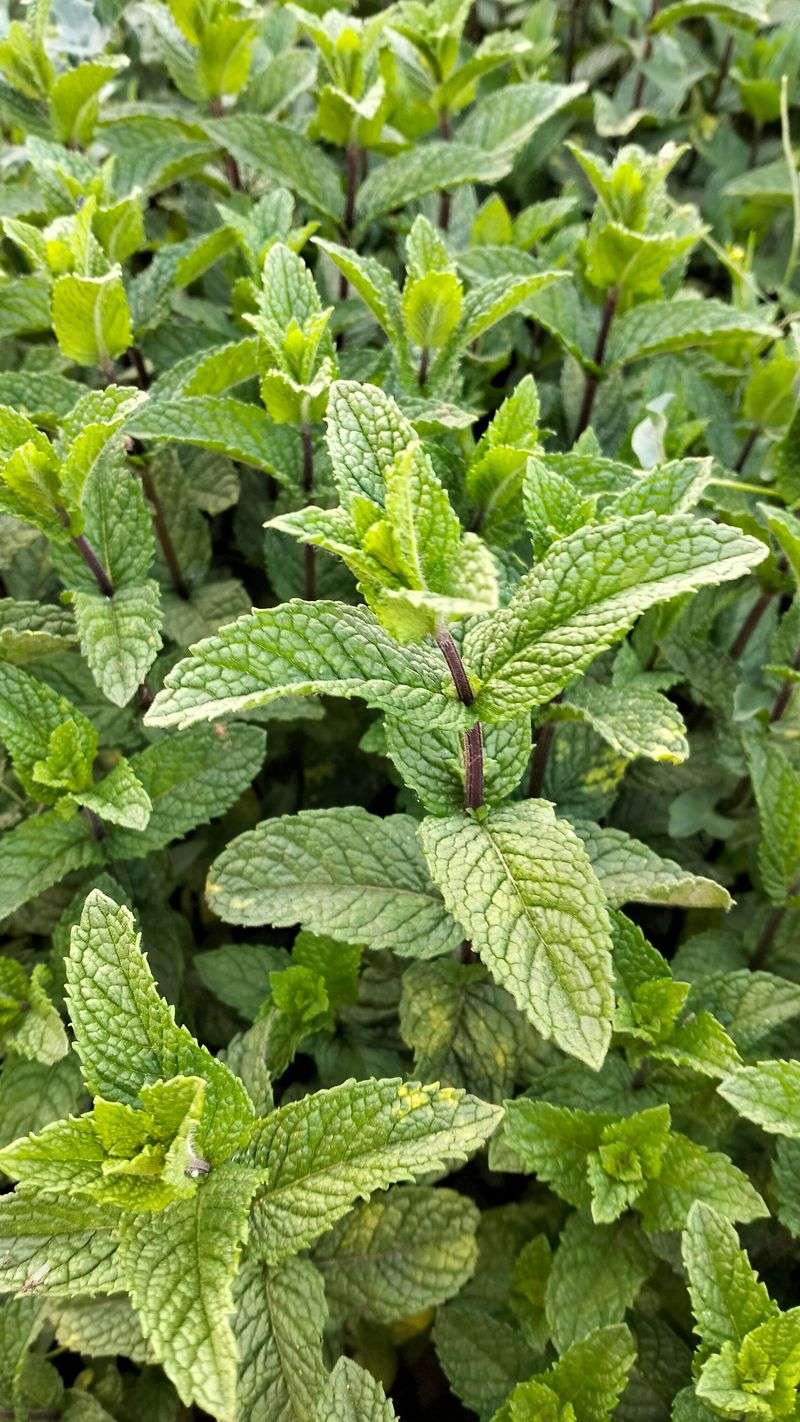
One tiny mint plant. That is how the story starts, and three summers later it owns the vegetable patch.
Mint spreads through underground runners called stolons, and those runners travel sideways with impressive speed. They slip under edging, around stepping stones, and straight through the middle of your lettuce row.
The plant itself is wonderful. Fresh tea, cold drinks, lamb dishes, and pollinators love the little flowers in late summer.
The fix is simple containment. Grow it in a pot, or sink a bottomless bucket into the bed so the runners hit a wall instead of open ground.
Fun bit of history: mint has been grown in kitchen gardens for thousands of years, and Romans reportedly scented their tables with it. Even back then, gardeners likely muttered about where it kept popping up.
September is a smart time to divide crowded clumps. Lift a section, shake off the soil, snip the longest runners, and repot with fresh compost.
Mulch heavily around any bed where mint has escaped, then pull new shoots while they are small. Persistence beats muscle here, and the flavor payoff stays worth the effort.
3. Bamboo Brings Privacy And A Property Line Dispute

Few plants promise privacy as fast as bamboo. Few plants also end up in neighborly disagreements quite so often.
The trouble usually comes down to type. Running bamboo sends rhizomes far from the original clump, sometimes twenty feet or more, then pops up in lawns, patios, and the yard next door.
Clumping bamboo behaves much better, expanding a few inches a year in a tidy circle. Reading the tag before buying saves years of shovel work.
Many municipalities regulate running bamboo through setback or barrier requirements. Check your local ordinances before planting, since rules vary widely by area.
Barrier installation means burying a heavy plastic rhizome shield about thirty inches deep, angled slightly outward at the top. Rhizomes then hit the wall and turn upward where you can spot them.
Walk the perimeter each September and cut any stray shoots at ground level. Young shoots snap easily, so this chore stays quick if you stay consistent.
Handled properly, bamboo gives you a rustling green screen and shade in one season. Handled carelessly, it gives you a very long weekend with a mattock.
4. Wisteria Has Serious Muscle Behind Those Blooms
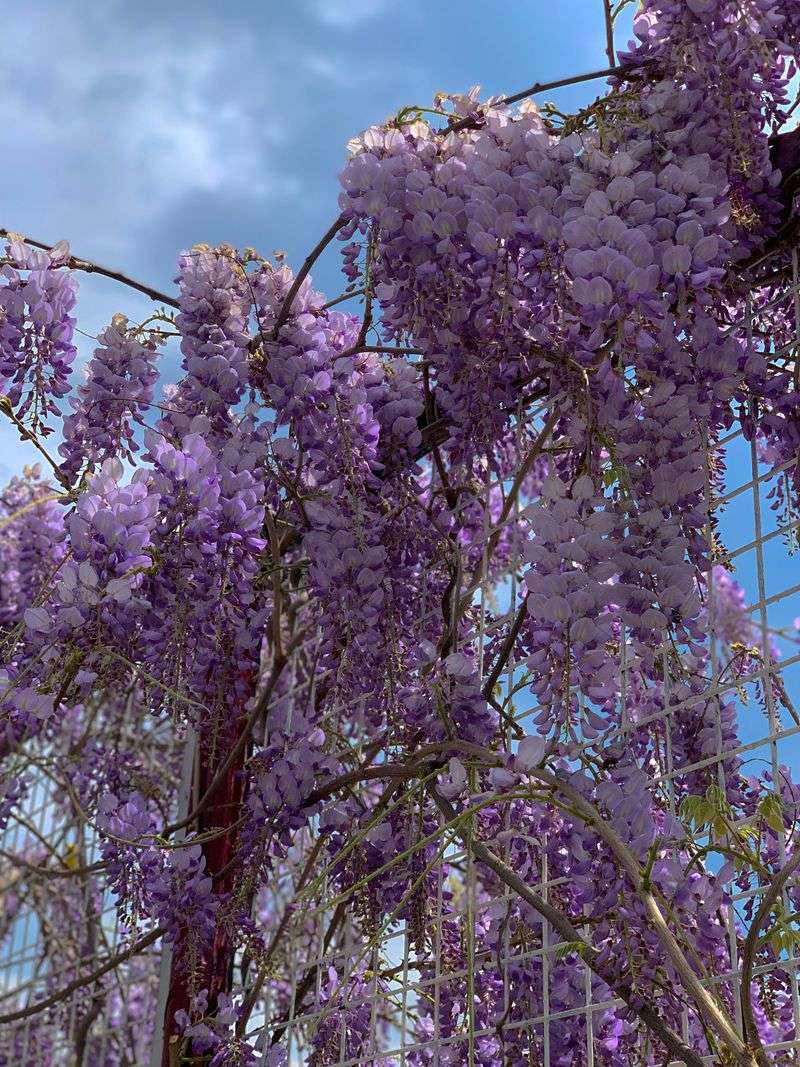
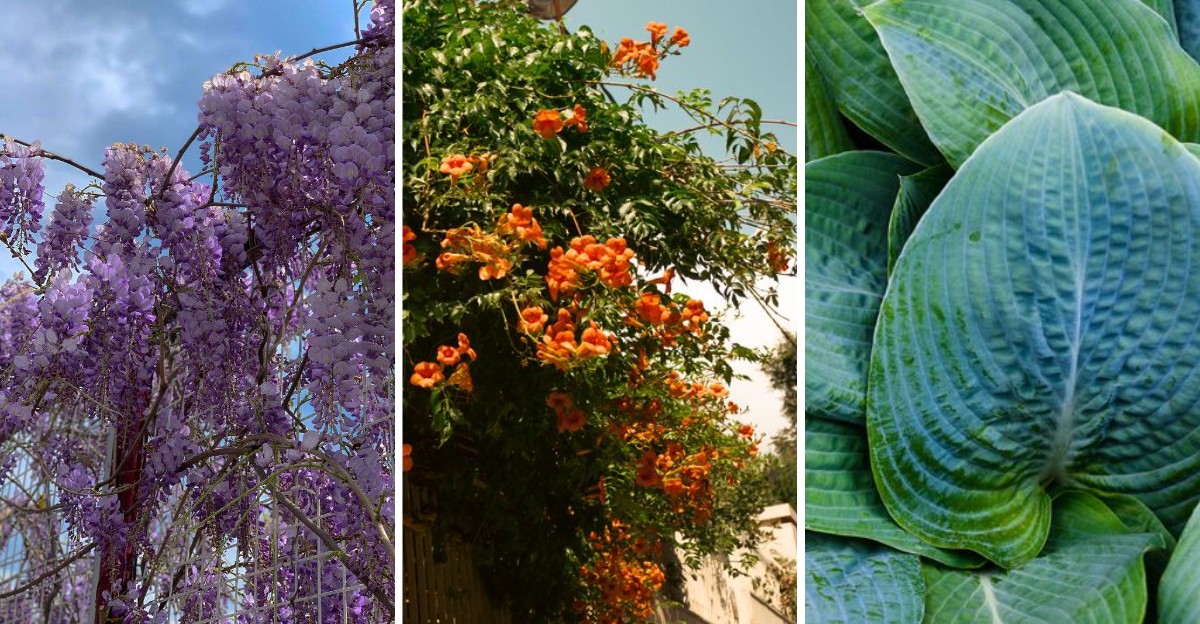
Those lavender flower chains hanging over a pergola are pure garden romance. Underneath the romance sits a vine with enough force to bend or crush structures over time.
Mature wisteria trunks thicken into woody cables that can bend gutters, crush thin railings, and squeeze young trees they wrap around. Chinese and Japanese varieties grow fastest and cause the biggest headaches in the Southeast.
American wisteria is the calmer cousin. It blooms a bit later, stays smaller, and suits a home arbor without threatening the structure.
Support matters more than people expect. Build with thick posts and metal hardware rather than lattice, because lattice rarely survives more than a few seasons.
Pruning keeps both size and flowering under control. Cut the whippy summer growth back to a few buds in late summer, then shorten again in winter for a tidy framework.
Seed pods scatter and volunteer seedlings sprout in nearby beds, so pull them while they are soft and green. A sharp hoe handles the job in minutes.
Give wisteria a strong home and regular haircuts, and it will reward you with a spring show neighbors stop to photograph.
5. Bradford Pear Splits Under Pressure
Developers planted these by the thousands in the 1970s and 1980s. Fast growth, tidy shape, clouds of white spring flowers, what could go wrong?
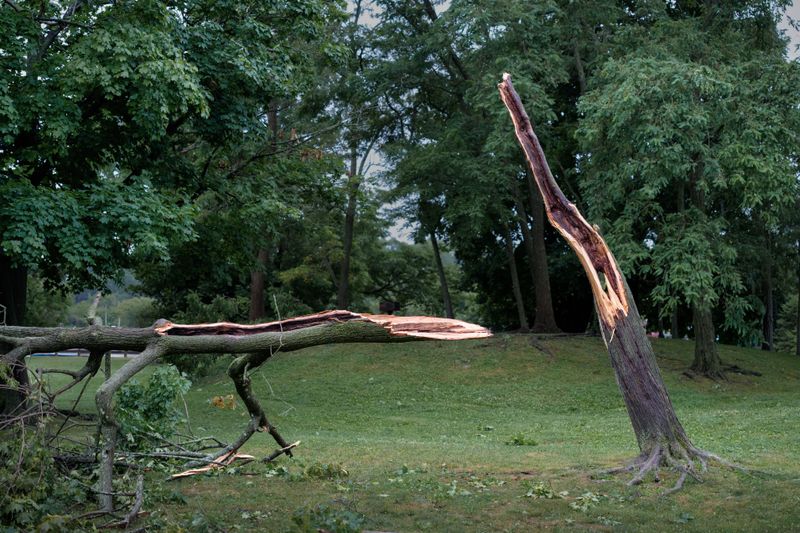
Plenty, as it turns out. Branches attach at narrow, crowded angles, so storms and ice frequently split mature trees right down the middle.
Many specimens begin splitting apart within a couple of decades, sometimes landing on driveways or roofs. Storm damage from this tree is a recognized issue in landscaping circles.
The flowers also carry a scent many people describe as unpleasant, somewhere between fish and old gym socks. Spring walks near a row of them can be memorable for the wrong reasons.
Cross-pollination created fertile seedlings that birds scattered into fields and roadsides, and a growing number of states are moving to restrict or phase out sales. Check current rules in your area. Callery pear thickets with thorny stems crowd out native saplings.
If you own one, a certified arborist can thin the crown and reduce weight before winter storms arrive. Structural pruning while a tree is young makes a real difference.
Replacement options look better anyway. Serviceberry, redbud, and fringe tree bloom beautifully, feed birds, and hold together when the wind picks up.
6. Butterfly Bush Attracts Wings But Skips The Nursery
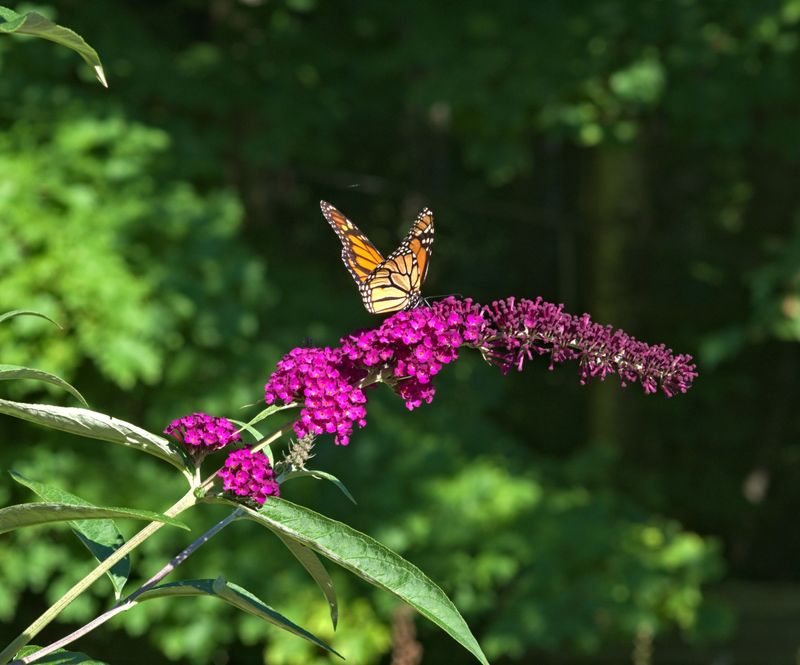
Butterflies swarm it. Gardeners adore it. Ecologists note a tradeoff. Buddleia offers plenty of nectar for adult butterflies, which is genuinely useful in a late summer border. What it does not offer is food for caterpillars, since native butterfly larvae cannot eat its leaves.
Think of it as a snack bar with no kitchen. Adults stop by, but the next generation needs milkweed, violets, parsley, or native shrubs to grow up.
Seed production adds another wrinkle. A single plant can release many thousands of seeds, and in the Pacific Northwest escaped plants have taken over riverbanks and cleared land.
Parts of the Pacific Northwest restrict older varieties for that reason, though rules continue to evolve. Check current state guidance. Newer sterile or low-seed cultivars solve much of the problem and stay smaller too.
Removing spent flower spikes through September cuts seed spread and keeps blooms coming. It takes five minutes with hand pruners.
Pair yours with caterpillar host plants nearby so butterflies have somewhere to lay eggs. Milkweed, asters, and goldenrod work well and look great together. Keep the bush, add the support crew, and your garden becomes a real butterfly habitat.
7. Hostas Roll Out The Welcome Mat For Slugs
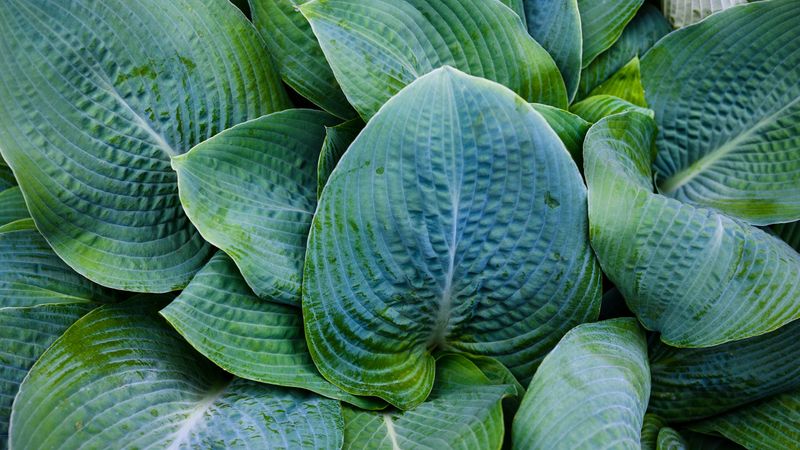
Shade gardeners swear by hostas, and for good reason. Those broad ribbed leaves fill dark corners where little else thrives.
Slugs and snails share the enthusiasm. By late summer the leaves often look like someone practiced with a hole punch.
Damp mulch, dense planting, and cool September nights create ideal conditions for the chewers. Thin-leaved varieties struggle most, while thick blue-green types resist better.
Deer add a second problem. In many neighborhoods hostas rank among the first plants browsed, sometimes clipped to the ground overnight.
Practical defenses exist. Water in the morning so soil dries by evening, pull mulch back an inch from the crowns, and set out iron phosphate bait which is safer around pets.
Shallow dishes of beer sunk to soil level still work as an old-fashioned trap. Copper tape around containers gives another barrier.
For deer, rotating two or three repellent sprays keeps them guessing, since animals adapt to a single scent.
September is also division season. Lift crowded clumps, split them with a spade, and replant with better spacing so air moves through the foliage.
8. Trumpet Vine Grows Faster Than Your Fence Can Handle
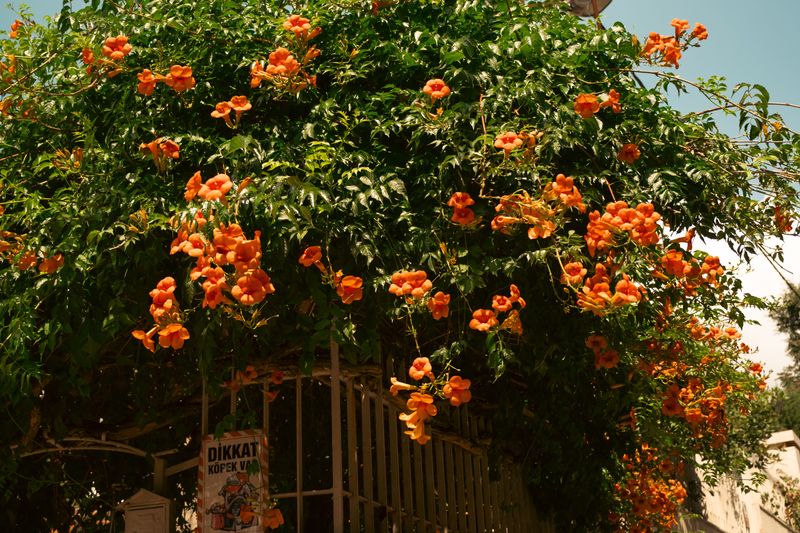
Hummingbirds adore the orange trumpets. Gardeners who planted one near the house sometimes feel differently by year three.
Campsis radicans grows roughly thirty feet and sends up suckers from roots that travel well beyond the original hole. Shoots appear in lawns, cracks in walkways, and flower beds twenty feet away.
Aerial rootlets grip wood and masonry firmly, and the vine’s weight can pull down thin fencing or lightweight trellises. Removing it from siding usually leaves marks.
None of that means you should skip it. Place it away from structures, on a sturdy metal arbor or a freestanding post surrounded by lawn.
Regular mowing around the base handles suckers with no effort, since mower blades stop them before they root deeply. That trick alone solves most complaints.
Hard pruning in late winter keeps the vine manageable and encourages flowering on new wood. Cut back to a framework of a few main stems.
Sap can irritate skin for some people, so gloves are a reasonable habit during cleanup. Managed well, it delivers a hummingbird show from July through frost that few plants can match.
9. Weeping Willow Causes A Plumbing Problem

Long sweeping branches beside water look like something from a painting. The roots underneath tell a less poetic story.
Willow roots hunt for moisture aggressively and can spread far wider than the branches above. Old clay sewer lines, septic fields, and shallow water pipes attract them like a magnet.
Arborists generally suggest keeping willows well away from a house, and even farther from any septic system, since root reach varies by species and soil. Foundations and driveways also appreciate the distance.
Growth speed adds to the issue, since a young willow can gain six to eight feet a year. Fast wood tends to be weak wood, so limbs drop during storms.
Leaf and twig litter arrives constantly, which matters if the tree hangs over a pool or patio. Rakes get a workout.
Lifespan tends to run shorter than many shade trees, meaning removal costs eventually enter the picture. Got acreage and a pond? A willow there is a genuine joy and helps stabilize a bank.
On a small suburban lot, river birch or bald cypress gives similar grace with far fewer plumbing surprises down the road.
10. Lily Of The Valley Spreads Sweetly And Silently
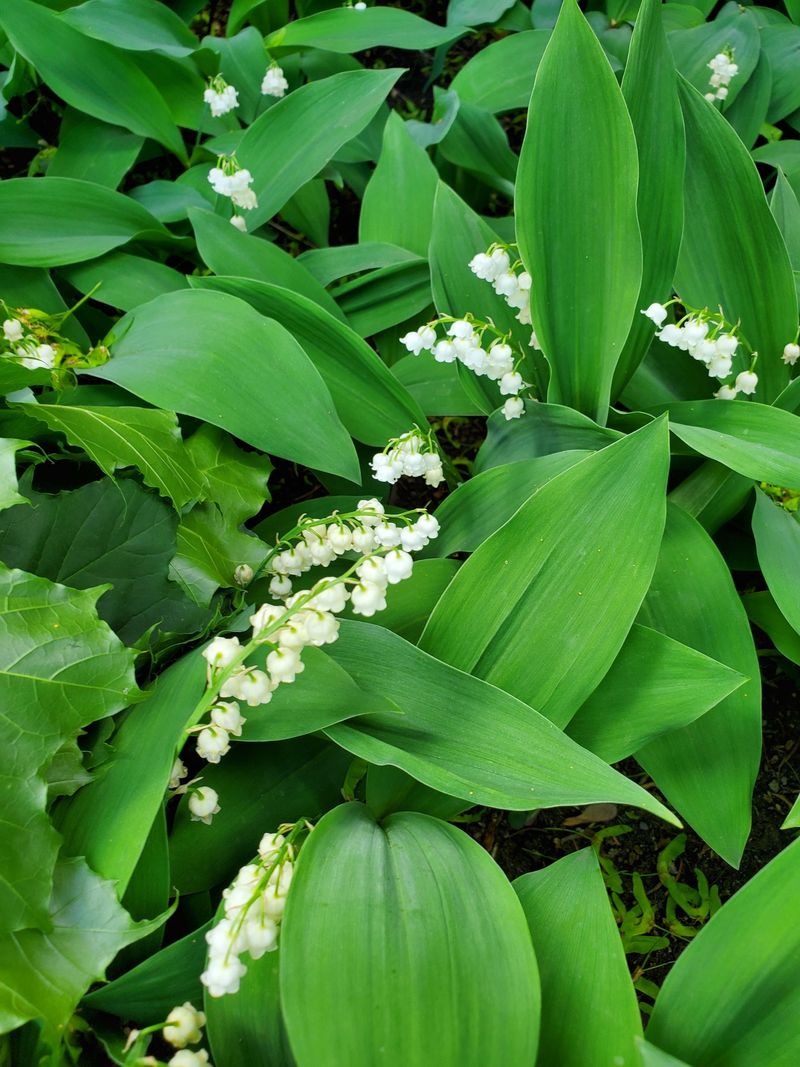
That perfume in May is unforgettable. Tiny white bells, glossy leaves, a fragrance people bottle and sell.
Underground, rhizomes creep outward season after season and form a mat that other perennials cannot penetrate. Woodland wildflowers and small bulbs tend to disappear from the area.
Removal takes patience because any rhizome fragment left behind resprouts. Digging works best when the soil is soft and you sift carefully.
Toxicity is the other consideration. Leaves, flowers, and especially the red berries contain compounds that affect the heart, so households with young children or curious pets should think carefully about placement.
Wearing gloves while handling it is sensible, and washing hands afterward is a good habit regardless.
Where it shines is a tough shady spot hemmed in by concrete, such as a strip between a garage and a walkway. Hard edges do the containment work for you. Metal edging sunk eight inches deep also slows the spread considerably in open beds.
Fun note: the plant has symbolized returning happiness for centuries and features in French May Day traditions. Charming history, sneaky roots, worth knowing both sides before planting.