These Virginia Vegetables Actually Get Sweeter When Light Frost Arrives
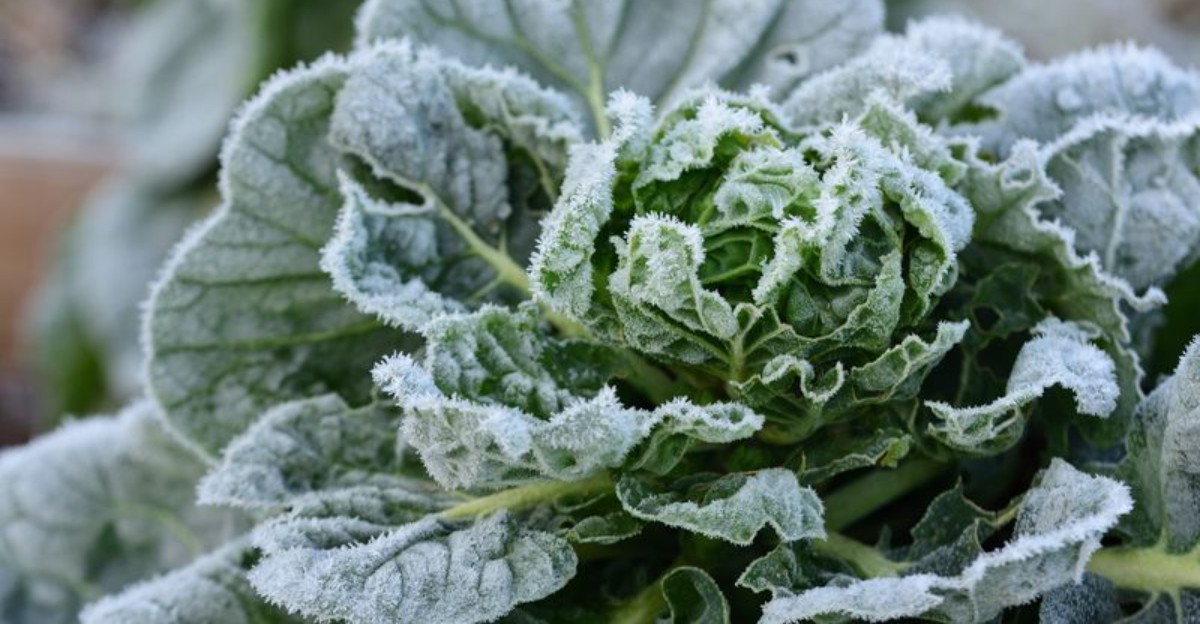
A little frost can make your fall harvest taste even better.
When temperatures dip, some vegetables respond by building up more sugars. That can make their flavor sweeter and less bitter. It’s one of the best little surprises of the fall garden.
Virginia gardeners have plenty of crops that can handle cool nights and keep producing well into the season. The trick is knowing which crops benefit from the chill and which ones need protection.
With the right timing, the first chilly nights do not have to signal the end of harvest. They can actually make dinner taste better.
1. Kale Gets Even Better As Temperatures Drop
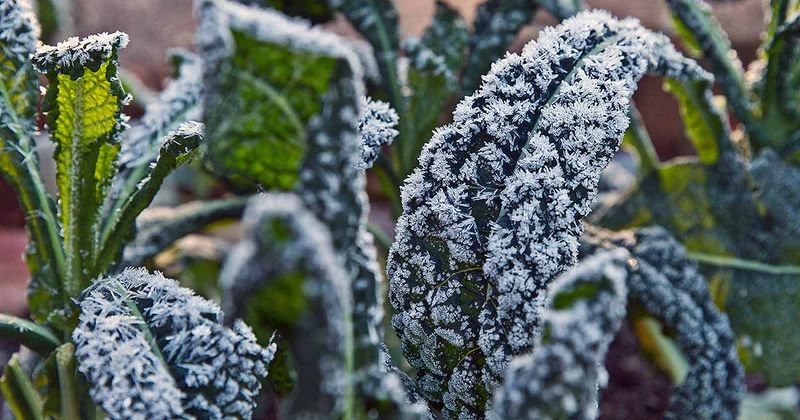
If there’s one vegetable that seems to laugh at the cold, it’s kale. Gardeners prize it not just for its nutrition but for the way it stands tall while other plants shrink from the chill.
Virginia Cooperative Extension notes that kale is notably frost-tolerant and often tastes better after cold weather. Kale is notably frost-tolerant, and some plants can continue growing well into the colder months with suitable protection.
That toughness means many gardeners keep harvesting fresh kale straight through winter when they offer minimal shelter from the harshest weather.
The real magic happens inside the leaves. As frosty mornings become common, kale converts the starches stored in its cells into sugars.
This natural antifreeze guards the plant while giving you leaves that are sweeter, less bitter, and more tender than the tough summer versions.
Timing helps you make the most of this. Starting kale in September is a smart move for a winter crop, since the plants get established and then truly flourish as the cool season deepens.
Harvesting is easy and rewarding. Pick the outer leaves continuously and leave the center to keep producing. That way you get a steady supply for weeks, even as the days grow shorter and colder.
A quick tip worth remembering: kale grown in warm weather can taste peppery or bitter, but the same plant after a frost often surprises people with its mild, almost sweet flavor. Toss those chilled leaves into soups, sauté them with garlic, or crisp them into chips.
For anyone wanting a plant that offers both rugged growth and better flavor as the temperature drops, kale is an exceptional pick for the garden. It’s dependable, generous, and only gets tastier with every frosty night.
2. Carrots Can Develop More Sweetness In Cool Soil
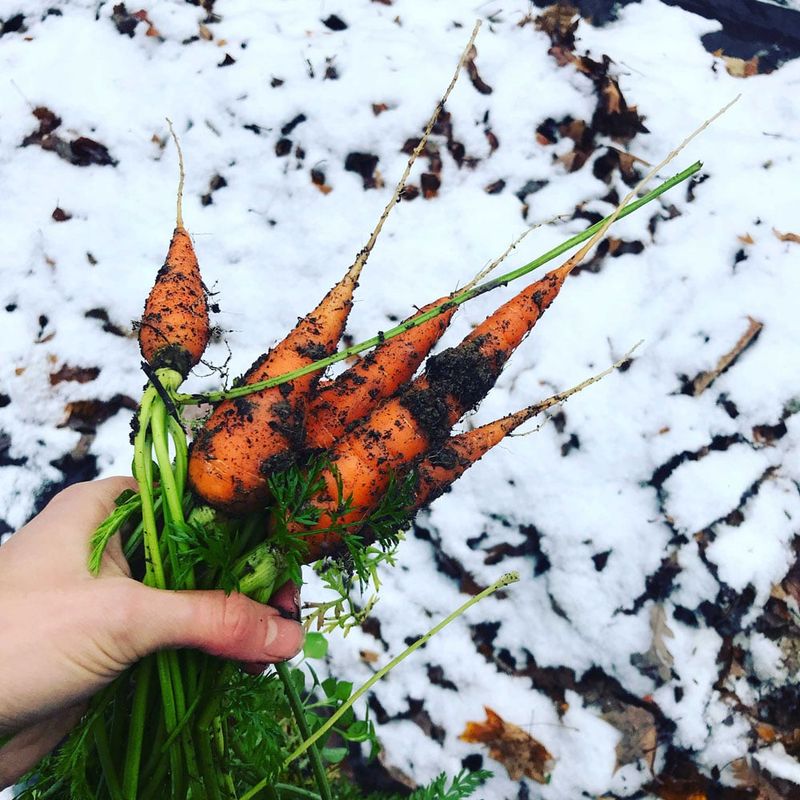
Crunchy, colorful, and endlessly useful, carrots have a hidden talent that shows up when the weather turns cool. Cool fall conditions can help carrots develop excellent texture and eating quality.
Unlike many crops that finish with the first frost, carrots are perfectly content to stay tucked in the cool soil. This patience lets a wonderful change happen underground.
When light frosts arrive and the soil cools, carrots activate their natural defense and turn stored starches into sugars.
That process lowers the freezing point inside their cells, acting like an organic antifreeze that protects the root. For us at the table, it means exceptionally sweet carrots that almost taste like a treat.
Your Virginia Garden Changes Every Week. Your Plan Should Too.
Gardening in Virginia changes quickly throughout the season. Every Friday you’ll receive a simple weekly plan showing exactly what to plant, prune, fertilize, harvest, and protect so you never miss the right timing.
Planning ahead pays off nicely. A second sowing for a fall harvest is usually recommended by mid-August, aiming to harvest before the average first fall frost in late October.
With clever timing, you might even squeeze in two successive crops, stretching your harvest from late October through the end of the year.
Here’s a bonus for holiday cooks: well-timed carrots can grace both your Thanksgiving and Christmas tables. While later-season roots may not grow much bigger once the deep cold arrives, the cool soil acts as a natural refrigerator, keeping them fresh until you need them.
Digging them up is part of the fun. Loosen the soil gently with a fork so you don’t snap the roots, then brush off the dirt and enjoy the reward.
Cultivating carrots for a fall harvest is a genuinely satisfying project. The sweetness that cool soil brings out is tough to match with anything from a store shelf, and it makes every homegrown bite feel a little bit special.
3. Parsnips Are Made For A Long, Cold Fall
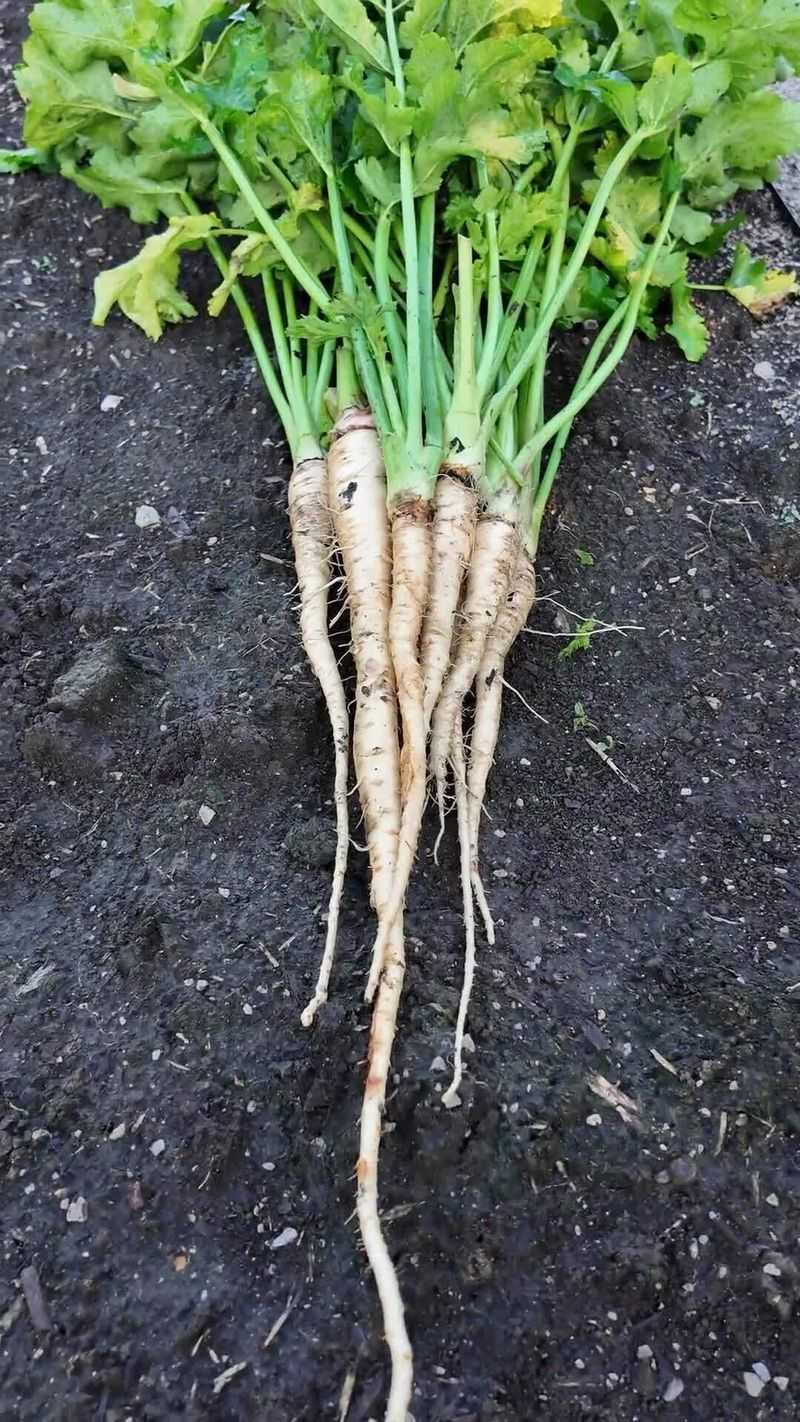
Quietly growing beneath the surface, parsnips often get ignored until the weather cools, yet they are built for a long, chilly fall. These pale roots aren’t just cold-tolerant; their flavor improves dramatically after a good frost.
Parsnips can handle temperatures well below freezing, which means they happily stay in the garden through autumn and even into winter. A touch of frost can improve their flavor, which is one reason parsnips are often left in the ground well into late fall.
The reason behind this is a process called cold sweetening. When the ground cools and frost arrives, parsnips convert internal starches into natural sugars, just like carrots do.
This shift keeps the cells from freezing while concentrating a wonderfully sweet, nutty flavor. That means the first frost isn’t a deadline at all. It’s actually a signal to wait a little longer for better taste.
Gardens in warmer zones can even leave parsnip roots in the ground all winter, digging them up as needed.
Protecting overwintering roots is simple. If you leave parsnips in the ground over winter, cover the crowns with about an inch of soil mulch after the first fall frost. This insulation steadies the soil temperature and makes digging easier once the ground has frozen.
Fun fact for patient growers: the sweetest parsnips are often harvested in very early spring, right after the ground thaws and before the plant tries to send up new shoots. Waiting too long past that point can make the roots woody, so keep an eye on them.
So embrace the cold and let your parsnips linger in the rich soil a while longer. The reward is a depth of flavor that few vegetables can match, perfect for roasting, mashing, or dropping into a hearty winter stew.
4. Brussels Sprouts Benefit From Chilly Weather
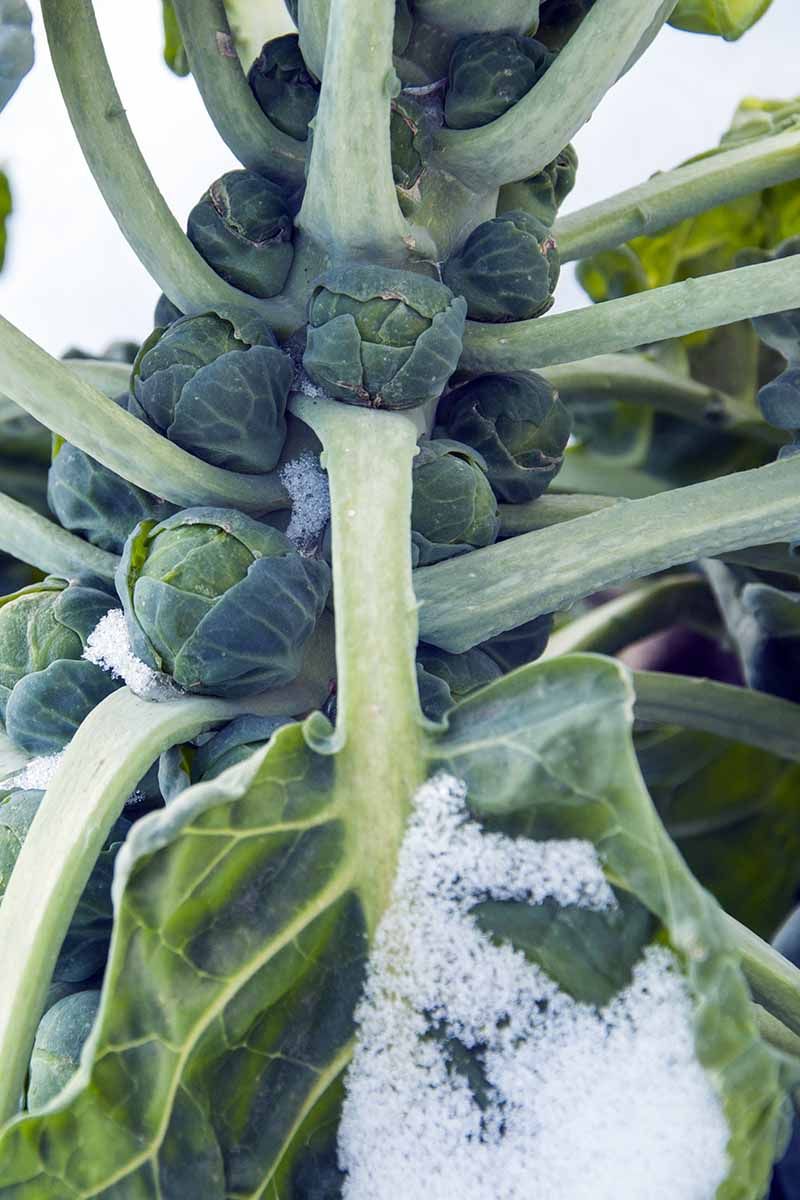
Love them or hate them, Brussels sprouts have won over plenty of doubters once they’ve felt a frost. These tiny cabbage-like gems truly thrive in cool weather, and their flavor becomes noticeably more pleasant after a chilly night.
Unlike summer crops, Brussels sprouts prefer the crisp air of autumn. They have a fairly long growing season, often needing 80 to 110 days from transplant to harvest.
That’s why gardeners typically start seeds indoors in early summer so the plants mature right as the first fall frosts appear, often around late October in many parts of the state.
The long wait pays off beautifully. A light frost acts like a flavor switch, and Virginia Cooperative Extension specifically lists Brussels sprouts among crops whose flavor improves after cold weather.
Cool weather during maturity helps develop better flavor, which is why Virginia Tech recommends harvesting Brussels sprouts after frosty weather.
Homegrown, frost-kissed sprouts easily outshine many store-bought ones that never got that natural sweetening. Cool weather is important for good flavor, and Virginia Tech recommends harvesting Brussels sprouts after frosty weather for the best flavor.
Gardeners can plan to harvest from late October through early December, aiming for a few frosts to reach peak flavor. Sprouts form along the main stalk and mature from the bottom upward, so pick the lower ones first once they reach about an inch across.
A helpful trick: removing the lowest yellowing leaves as sprouts develop sends more energy to the buds and extends your harvest. Smaller sprouts often taste the most tender and sweet.
Adding Brussels sprouts to your fall garden is a delightful way to stretch the fresh vegetable season and enjoy a truly upgraded taste that cold weather makes possible.
5. Collards Can Keep Growing After Light Frost
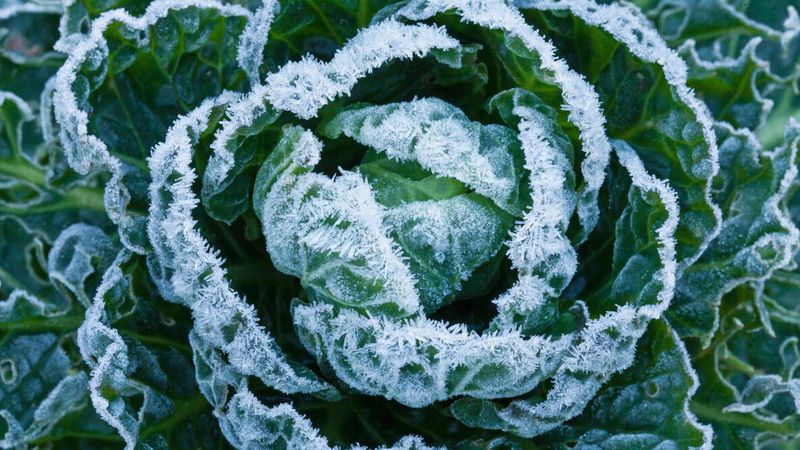
For many gardeners, collard greens are a beloved staple, valued for their bold flavor and remarkable toughness as the season stretches toward winter. These leafy greens don’t just survive the cold; they seem to flourish once light frosts arrive.
Collards rank among the hardiest vegetables around, able to withstand temperatures dipping into the upper teens once the plants are well established. That durability makes them a go-to for extending the harvest long after tender crops have faded.
Gardeners can keep picking collards as outdoor temperatures fall, enjoying fresh greens all through autumn. In many areas of the state, a bit of thoughtful protection lets collard plants keep producing right through winter.
The secret to their better taste in cold weather is the same clever chemistry seen in other frost-touched vegetables. Collards are highly cold-tolerant and can continue producing as temperatures fall, making them a strong choice for extending the fall harvest.
Cooler weather can also make fall-grown collards especially enjoyable, although the flavor response varies with growing conditions. Traditional varieties like Georgia collards are especially known for a gentle flavor that improves after a light frost.
To stretch the season even further, row covers work wonders by shielding plants from harsh cold and wind. That simple step can keep production going for weeks longer.
Harvesting is straightforward and generous. Pick the larger outer leaves as you need them, and let the inner leaves keep growing and producing. This cut-and-come-again method ensures a steady supply.
Whether you sauté them, drop them into a simmering pot, or toss them into a hearty stew, sweet frost-kissed collards make a rewarding addition to any fall and winter garden. They’re dependable, nutritious, and full of comforting flavor.
6. Broccoli Handles Chilly Nights Better Than You Think
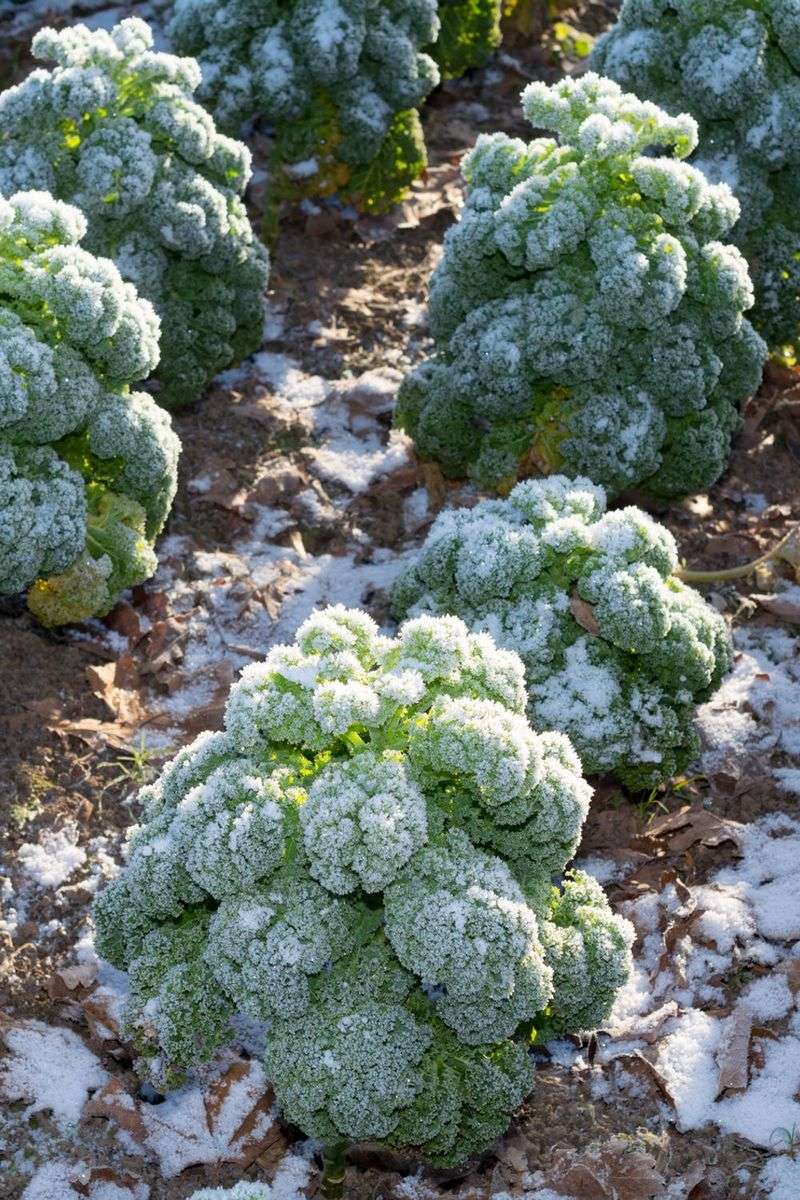
Broccoli is one of those vegetables that seems to get happier as summer fades away. Hot weather can make growing it more difficult, while cooler fall temperatures give the plants conditions they prefer.
It is a cool-season crop that handles light frosts well, making it a great choice for gardeners who want to keep harvesting after many warm-season vegetables have finished for the year. The cooler weather can also work in your favor.
Its flavor may improve after a frost, so there is no need to rush outside and pick every head at the first chilly night.
The timing of the crop still matters. Broccoli needs enough time to develop its main head before the season becomes too cold.
Fall planting dates vary across Virginia, so local growing conditions should guide when you get plants in the ground.
Once the heads begin forming, keep an eye on them. The edible head is actually a cluster of flower buds, and it should be harvested while those buds remain tight. If the flowers begin opening or showing yellow, the head has passed its ideal harvest stage.
A light frost can be more of a flavor bonus than a reason to panic. Just keep an eye on the forecast as colder weather approaches.
Broccoli can tolerate some frost, but that does not mean it should be left unprotected through every hard freeze.
With good timing, those cool fall nights can help stretch the broccoli harvest and bring something fresh to the kitchen when the summer garden is winding down.
7. A Light Frost Can Give Cabbage A Flavor Boost
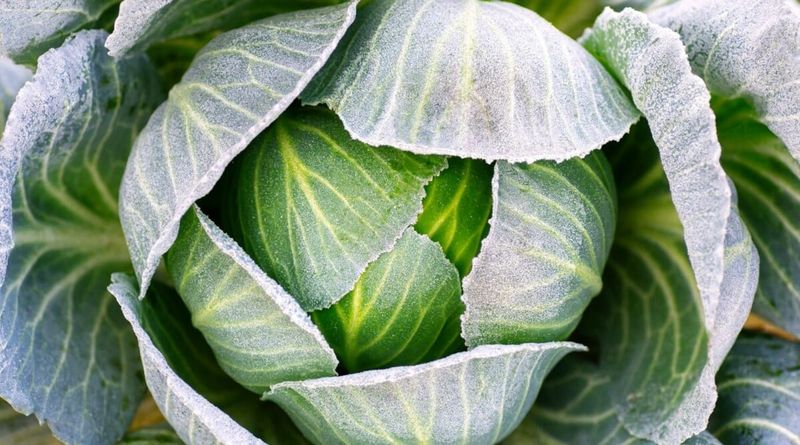
Cabbage is one of the better vegetables to keep in the fall garden when the weather starts turning cold. It prefers cool growing conditions and can handle temperatures that would make many summer crops struggle.
It is a cool-season vegetable that grows well in fall and can withstand light frosts.
There is also a tasty reason not to rush the harvest. Its flavor may be enhanced after a frost, making a light frost less of a threat and more of a potential flavor bonus for a mature crop.
The important word is may. A light frost does not guarantee that every cabbage will suddenly become sweeter.
The variety, growing conditions, and maturity of the plant all matter. So rather than promising a dramatic change in sweetness, think of the first frost as a chance for the flavor to improve.
Cabbage is also remarkably cold-tolerant once established. Virginia Tech’s crop guide says cabbage can withstand temperatures as low as 15 to 20°F, although that does not mean gardeners should ignore prolonged freezing weather.
Harvest timing depends on the variety and growing conditions. The heads should be harvested once they reach an adequate size and become firm.
If they are left in the garden after reaching maturity, cabbage can remain on the plant for about three to four weeks in fall.
That gives fall gardeners some flexibility. Instead of treating the first light frost as an immediate harvest deadline, you can keep an eye on the heads and let the crop continue developing when conditions allow.
Just keep the soil consistently moist without making it waterlogged. Cabbage grows best in well-drained soil, and steady moisture helps the plants maintain good growth as the season cools.