8 Coneflower Care Mistakes That Are Hurting Your Blooms

Color fades from your border no matter how carefully you tend it. Petals dull faster than they should, and you notice immediately.
Late summer pushes your perennials hard, then September demands recovery. Feeding schedules feel responsible, yet your blooms keep shrinking weekly.
Watering feels generous, but your roots often disagree anyway. Pruning seems tidy, though timing throws off your next flush.
Gardeners everywhere face this pattern in their beds yearly. Habits marketed as attentive care are quietly working against your garden.
Several overlooked mistakes are limiting blooms right under your nose. Confidence in your routine hides problems building underneath it.
Blame rarely lands where it should, though your instincts resist. Fertilizer choices and watering habits work against each other more than you realize.
Spotting these patterns now changes what your border delivers next year. Understanding the difference between busywork and real care transforms your results. Your border’s future depends entirely on what you read next.
1. Watering With Too Much Enthusiasm
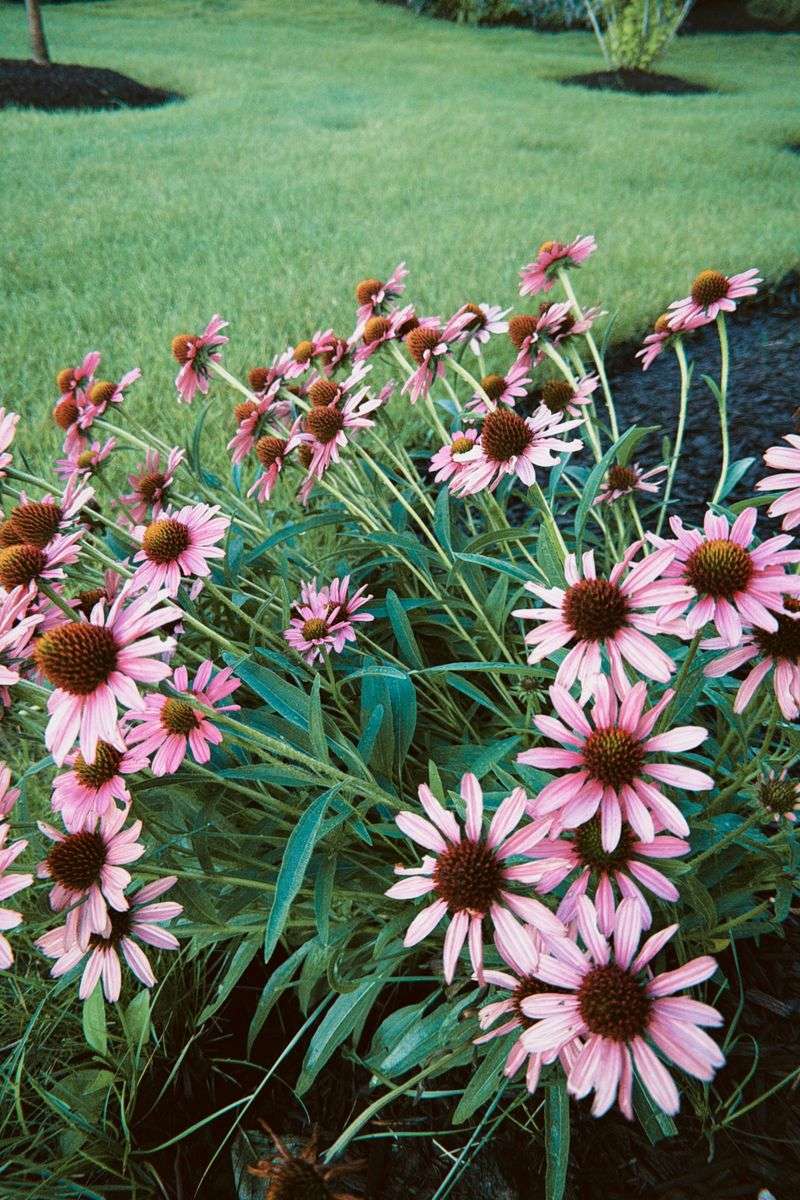
Overwatering weakens more coneflowers than underwatering does. These prairie natives grew up in gritty ground where rain arrived when it felt like it, so their roots handle dry spells with ease.
Soggy soil smothers the fine root hairs that pull up moisture in the first place. Once those roots sulk, the plant sets fewer flower buds and the lower leaves turn yellow.
A good starting point is one deep soak each week during the first season, adjusted for your soil and rainfall. Established clumps usually shrug off two or three weeks of dry September weather.
Check before you water instead of guessing. Push a finger three inches into the soil, and if it feels cool and damp down there, walk away.
Drainage matters as much as frequency. Heavy clay holds moisture like a sponge, so mix in compost or coarse grit, or build a low berm to lift the crown above standing water.
Container plants play by different rules since pots dry out fast. Water when the top two inches feel dry, and be sure the drain holes stay open.
Morning watering at the base keeps leaves dry and discourages powdery mildew. Overhead sprinklers late in the day leave foliage damp overnight, which fungal spores appreciate.
Watch the plant, not the calendar. Wilting at noon in August heat is normal, while wilting in cool morning air is your real signal to reach for the watering can.
2. Tucking Them Into Too Much Shade

Six hours of sun is the general benchmark, though some varieties tolerate a bit less. Coneflowers stretching toward a sliver of light grow tall, floppy stems topped with small, pale flower heads.
Trees grow. The maple that cast a polite shadow five years ago may now blanket the bed by mid morning, and the flowers quietly shrink in response.
Watch your bed for a full day and note when sunlight actually lands there. Morning sun with afternoon shade works in hot southern gardens, while northern gardens want the full blast.
Plants leaning like they are trying to escape the border are asking for a move. Staking hides the symptom while the real problem stays overhead.
Early September is a fine time to relocate a struggling clump. Soil is still warm, the air has cooled, and roots settle in before frost arrives.
Dig wide, keeping a generous ball of soil around the root system. Some species grow a deep taproot, so a narrow shovel bite leaves too much behind.
Replant at the same depth in the sunniest spot you can offer, then water it in well. A light mulch ring helps, kept a few inches back from the stems.
Expect a quiet first year after the move with modest flowering. The payoff shows up the following summer, when sturdy stems hold blooms upright without a single stake.
If shade is permanent, choose a different plant for that corner rather than fighting the light. Hostas and ferns will thank you for the swap.
3. Feeding Them Like Hungry Tomatoes

Here is the counterintuitive part: pampering these prairie flowers works against them. Rich, heavily fed soil produces a jungle of floppy green leaves and a disappointing handful of blooms.
Nitrogen tells a plant to build foliage. Phosphorus and potassium support roots and flowers, so high nitrogen lawn food near the bed pushes growth in the wrong direction.
Coneflowers evolved in lean ground where nutrients were scarce. Their stems stay stiff and upright partly because growth is slow and steady rather than lush.
One spring feeding with compost is plenty for the season. A half inch layer spread around the clump releases nutrients slowly and improves soil structure at the same time.
Skip granular fertilizer in late summer and fall. Fresh soft growth heading into cold weather gets damaged by frost and drains energy the roots need for winter.
Floppy stems that split open at the center are a classic sign of too much food. Gardeners often blame wind or rain when the real culprit sat in a bag in the shed.
Watch for fertilizer drift from nearby lawns too. Broadcast spreaders throw granules several feet, and a border bed catches plenty of them.
A soil test taken once in a while costs little and removes the guesswork. Knowing your phosphorus level beats dumping bloom booster on a bed that has plenty already.
Think of these plants as tough, low fuss guests. Feed them lightly, and they reward you with stems that stand tall through August storms.
4. Letting Spent Blooms Linger All Summer
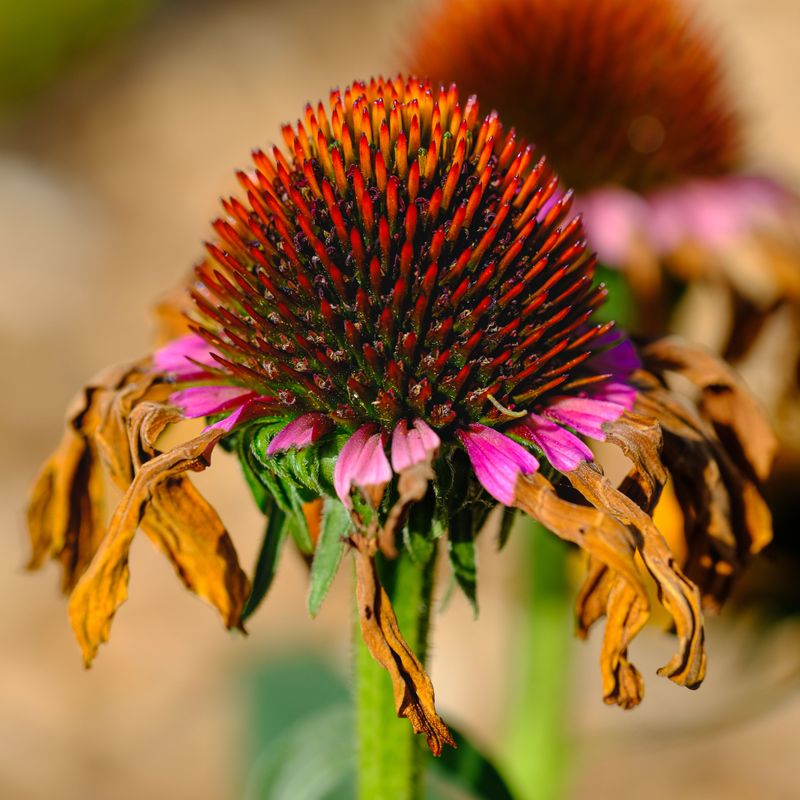
Snipping faded flowers feels fussy until you see the results. Plants that get regular trimming push out a second and sometimes third round of blooms well into September.
A flower that sets seed thinks its job is finished. Removing the spent head redirects that energy into new buds lower on the stem.
Cut just above the next set of leaves or a visible side bud. Sharp bypass pruners or garden snips make a clean cut that heals quickly.
Timing matters more than technique. Trimming through July and early August keeps the show going, while cuts made after early fall have little effect.
Here is where gardeners disagree, and both sides have a point. Leaving the final round of seed heads standing feeds goldfinches through winter and adds frosty structure to the bed.
A middle path works well for many gardens. Trim diligently through midsummer, then let the September flowers mature into seed heads for the birds.
Seed heads left in place also mean volunteer seedlings next spring. Named hybrids rarely come true from seed, so the babies may look quite different from the parent plant.
Pull unwanted volunteers while they are small and the job takes a minute. Wait a year and you will be wrestling a stubborn taproot.
Gather your trimmings rather than letting them sit on the soil. Old flower debris can harbor fungal spores that splash back onto healthy leaves during rain.
Ten minutes with snips on a Saturday morning buys weeks of extra color. Few garden chores pay back that quickly.
5. Planting The Crown Too Deep
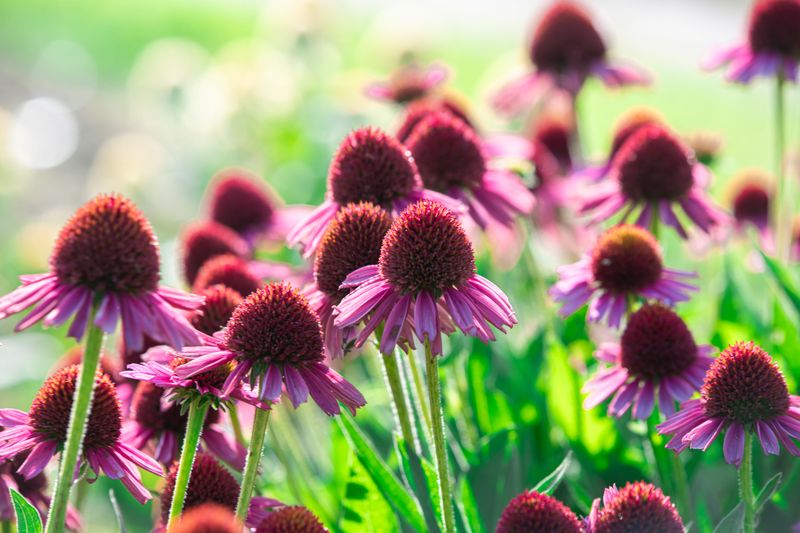
Depth mistakes happen early and affect the plant for years. Bury the crown, that spot where roots meet stems, and rot follows during wet weather.
Set the plant so the crown sits level with the surrounding soil surface, or a whisker above it. Water settles the hole, so leaving it slightly high builds in a safety margin.
Bare root divisions cause the biggest confusion. The growth buds, called eyes, belong about an inch under the surface, not four.
Mulch causes the same trouble in slow motion. A thick blanket piled against the stems traps moisture right where the plant needs air circulation.
Spread two inches of shredded bark or leaf mold, then rake a clear ring around the base. Three fingers of open space is enough.
Clay soil raises the stakes further. Planting on a slight mound of amended soil lifts the crown above the soggy zone and greatly improves winter survival.
Check older plantings this fall for creeping soil levels. Worm castings, mulch top ups, and washed in sediment slowly raise the grade until the crown disappears.
If you find a buried crown, gently scrape the excess away with your fingers. Avoid a hoe or trowel, since the buds sit close to the surface.
Plants that mysteriously shrink year after year often have this exact problem. Fix the depth and you will see stronger shoots by the following June.
Good planting depth takes seconds of attention and no extra money. It ranks among the quietest upgrades in the whole garden.
6. Crowding Clumps Elbow To Elbow
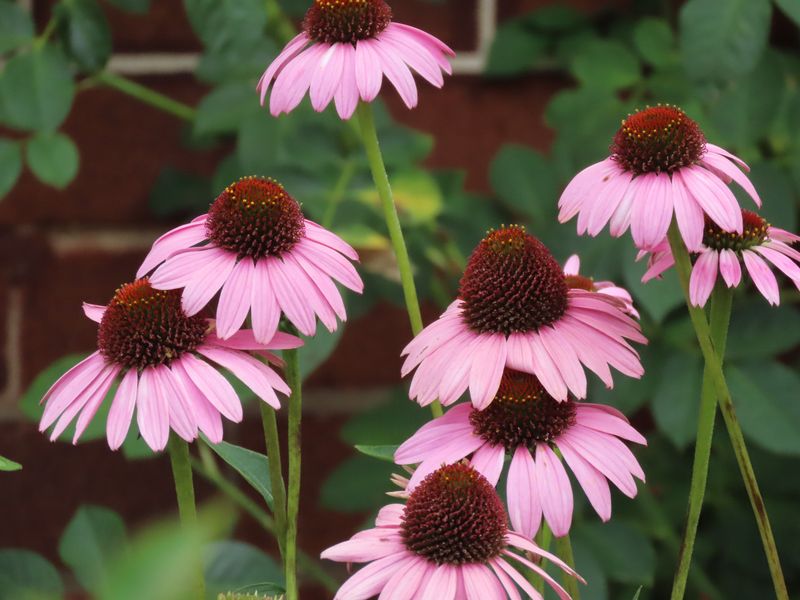
Powdery mildew spreads more easily in a crowded flower bed. Gray white patches spreading across lower leaves usually trace back to plants squeezed too close together.
Give each clump eighteen to twenty four inches of breathing room. Air moving between stems dries leaves quickly after rain and dew, which fungal spores dislike.
Garden center pots look tiny in spring, which tempts us to plant them shoulder to shoulder. By the third summer those same plants form clumps two feet wide.
Thinning is easier than it sounds. Lift one plant out of a tight group in early fall and move it elsewhere, or share it with a neighbor.
Air circulation also discourages aphids that cluster on soft new stems. A strong spray of water knocks them off, and ladybugs handle the rest.
Thin the stems within a single clump when it grows dense. Removing a few weak shoots at ground level opens the interior without changing the overall shape.
Watch companions too. A sprawling catmint or hardy geranium can swallow the base of a coneflower, holding moisture against the crown all season.
Mildew that appears in September rarely threatens the plant long term. Trim the worst leaves, tidy the debris, and plan wider spacing for next year.
Resistant varieties exist and perform well in humid regions. Ask your local nursery which selections shrug off mildew in your particular climate.
Space feels wasteful in April and looks brilliant in August. Trust the plant tag, and let the gaps fill themselves in.
7. Forgetting To Divide Aging Clumps

Around year four, something shifts. The clump that once threw dozens of flowers starts producing fewer, smaller blooms with a bald patch in the middle.
Crowded roots compete with each other for water and nutrients. Dividing resets the whole plant and hands you free stock for other beds.
Early fall in September suits the job nicely, as does early spring. Cool air and warm soil help transplants settle before winter.
Water the plant a day ahead so the roots are hydrated. Then dig a wide circle around the clump and lift it with as much soil as you can manage.
Shake off loose soil and look for natural divisions. A sharp spade or a serrated knife separates the clump into sections with three to five shoots apiece.
Toss the woody, spent center and keep the vigorous outer pieces. Those younger sections establish fastest and flower best next season.
Replant right away at the same depth, water thoroughly, and mulch lightly. Trim the top growth back by about half so the roots are not supporting extra foliage.
Some species grow a deep taproot and resent disturbance. Pale purple coneflower and its relatives prefer to stay put, so read the tag before you start digging.
Keep new divisions watered for their first six weeks. After that, they slide back into the low maintenance category where these plants belong.
Divide a hardworking clump once in three or four years and it can perform for decades. One afternoon of work, a solid return.
8. Chopping Everything Down The Moment Fall Arrives
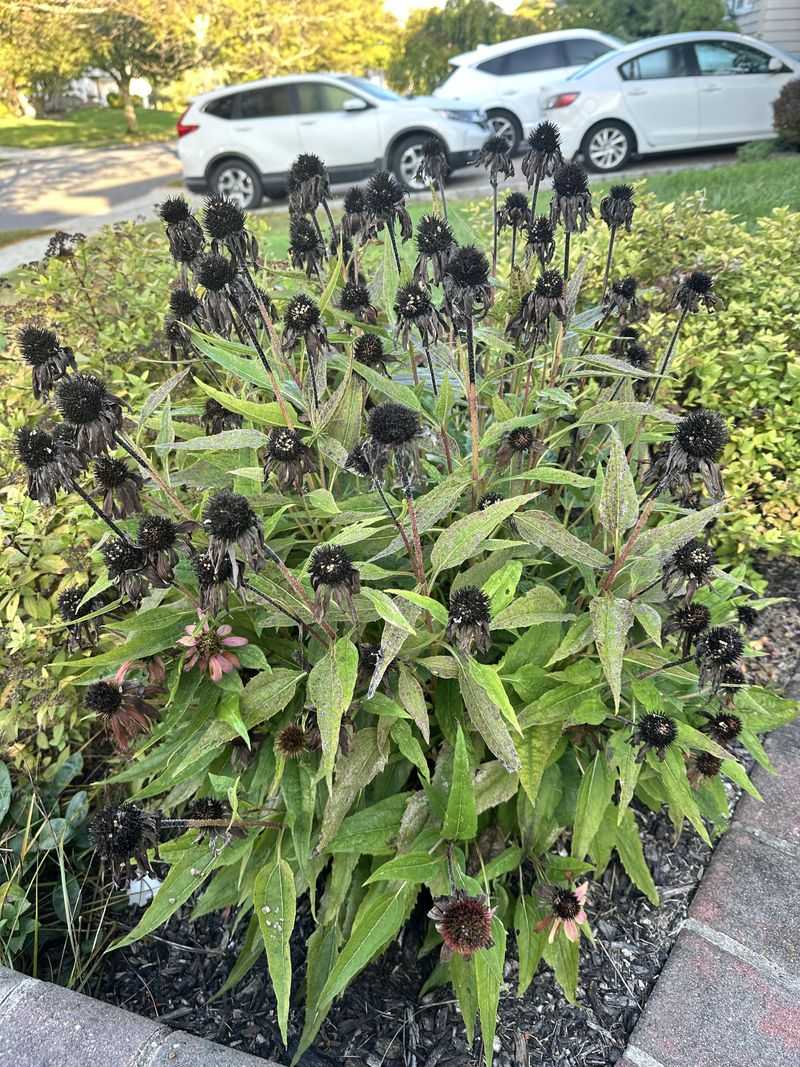
The urge to tidy hits hard in September. Resist it a while longer, because cutting these plants to the ground too early costs you more than a little winter scenery.
Standing stems trap snow and insulate the crown through freeze and thaw cycles. Those cycles heave shallow roots out of the soil, which is a bigger risk than cold itself.
Seed heads feed goldfinches, chickadees, and juncos from October through February. A bed of dark cones under frost also looks far better than bare mulch.
Hollow stems shelter native bees and other helpful insects over winter. Cutting in autumn removes that habitat right when it matters.
Wait until late winter or early spring for the big trim. Cut stems back to about six inches once daytime temperatures stay reliably above fifty degrees for about a week.
There is one sensible exception. Foliage covered in heavy mildew or leaf spot should be removed and bagged in fall to reduce spores waiting for spring.
Resist a heavy blanket of mulch over the crown as well. A light layer around the clump is plenty, since packed leaves hold too much moisture.
Container plants need different care since pots freeze through. Move them against a sheltered wall or sink the pot into a garden bed.
Newly planted divisions appreciate a loose scattering of straw after the ground firms up. Pull it back as growth begins so the shoots get light.
A messy fall bed often means a more thoughtful approach to gardening. Let the stems stand, and spring rewards the patience.