If Your North Carolina Lilacs Did Not Bloom This Spring This Is Most Likely The Culprit
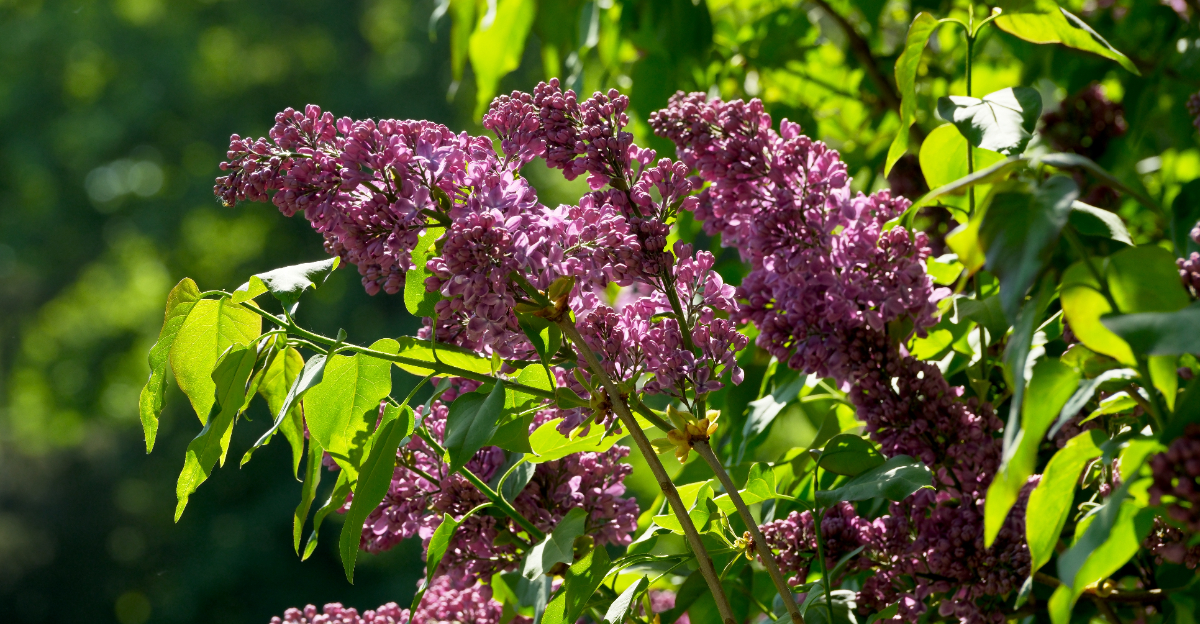
Waiting all year for lilacs to bloom and getting nothing is genuinely frustrating. The plant looks healthy. The leaves came in fine. But spring came and went without a single flower.
Before you start blaming the soil or the weather, consider this: most lilac problems in North Carolina trace back to one mistake, and it usually happens in the weeks right after bloom season ends. Lilacs set their flower buds for the following year in late summer.
If anything disturbs that process before the buds have a chance to form, the whole next season goes quiet. Pruning at the wrong time is the most common culprit, but it’s not the only one.
A late frost, an overeager cleanup, even the wrong fertilizer can wipe out an entire year of flowers without leaving any obvious sign. The plant survives just fine. It just has nothing left to bloom with.
1. North Carolina Winters Are Often Too Mild For Many Lilacs

Most gardeners are surprised to learn that warmth can actually be the reason their lilacs refuse to bloom. Traditional common lilacs, known scientifically as Syringa vulgaris, need a significant number of cold winter hours to trigger strong flower bud development.
Without that chill, the plant simply does not get the biological signal it needs to produce blooms.
In much of North Carolina, especially across the Piedmont and the coastal plain, winters tend to stay warmer than lilacs prefer.
Temperatures rarely drop low enough for long enough to satisfy the chilling requirement these plants evolved with in cooler northern climates.
This is one of the most common and overlooked reasons lilacs look perfectly healthy but never flower.
Horticulture experts generally estimate that common lilacs need somewhere between 1,000 and 1,500 hours of temperatures at or below 45 degrees Fahrenheit during winter. North Carolina winters frequently fall short of that number.
If you have been growing a common lilac in the Piedmont or near the coast and wondering why it never blooms, insufficient winter chill is almost certainly the biggest factor at play.
2. Heat Stress Weakens Bud Formation Throughout The Season

North Carolina summers are no joke, and lilacs genuinely struggle with the heat and humidity that blankets the state from June through September.
When temperatures climb high and stay there for weeks, lilac plants redirect their energy toward basic survival rather than setting flower buds for the following spring.
The result is a bush that looks alive but stores no blooming potential for the year ahead.
Urban heat pockets make this problem even worse. Lilacs planted near concrete driveways, brick walls, or in low-lying spots with poor air movement absorb more heat than plants in open garden settings.
That extra warmth compounds the stress the plant already feels from North Carolina’s naturally warm and muggy climate. Lower elevations across the state tend to experience this challenge more intensely than higher ground.
Flower buds for the coming spring actually begin forming in late summer after the current season’s blooms fade. If the plant is heat-stressed during that window, bud development gets interrupted before it even begins.
Your North Carolina Garden Changes Every Week. Your Plan Should Too.
Gardening in North Carolina changes quickly throughout the season. Every Friday you’ll receive a simple weekly plan showing exactly what to plant, prune, fertilize, harvest, and protect so you never miss the right timing.
Providing afternoon shade, deep watering during dry spells, and a good layer of mulch around the root zone can help reduce heat stress and give your lilac a better shot at building strong buds for next spring.
3. Too Much Shade Is A Surprisingly Common Problem
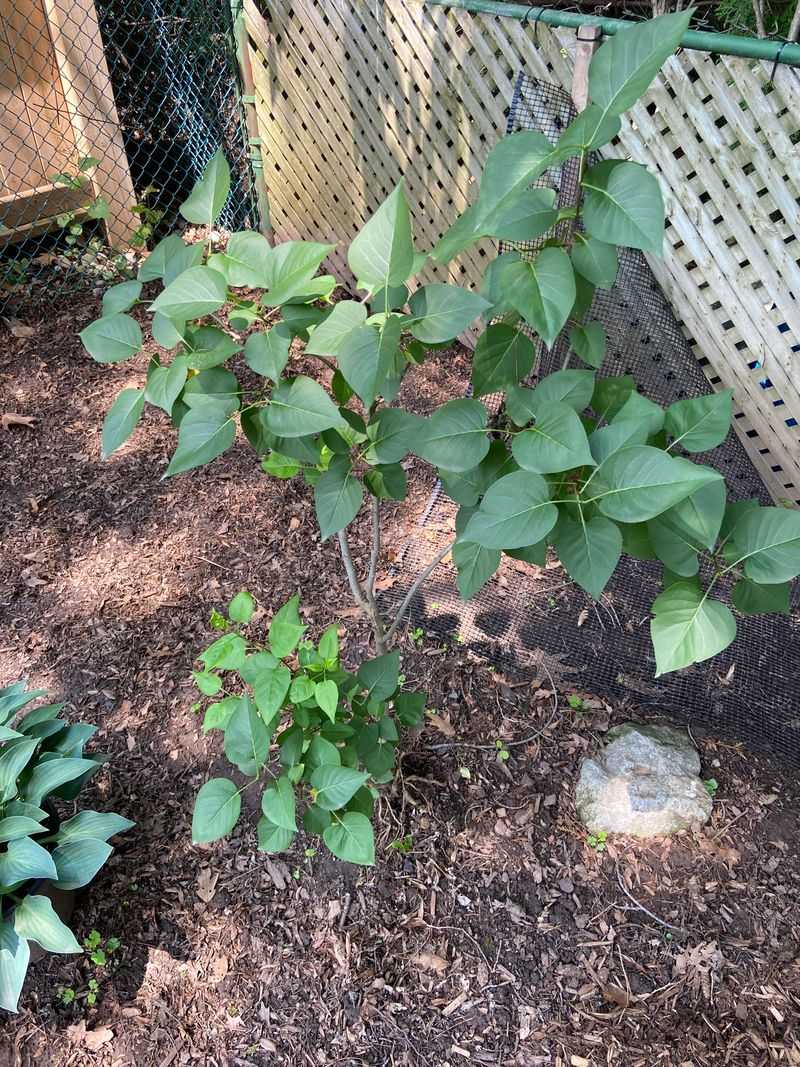
Shade might seem harmless, but for lilacs it is practically a bloom blocker. These shrubs are sun lovers through and through, and they need a solid six hours of direct sunlight every day to produce a reliable flower show.
Anything less than that and the plant puts most of its energy into growing leaves rather than setting buds.
Many North Carolina gardens have mature trees that have grown significantly over the years, gradually casting shade over spots that were once sunny. A lilac planted in full sun a decade ago might now be sitting under a canopy that filters out most of the light it needs.
This slow shift in light conditions is easy to miss unless you pay close attention to how the sun moves across your yard through the seasons.
Morning sun is especially valuable for lilacs because it dries off overnight moisture quickly, which helps reduce fungal issues that are common in North Carolina’s humid climate.
If your lilac is getting mostly afternoon shade or dappled light all day, relocating it to a sunnier spot might be the single most impactful change you can make.
Before digging anything up, spend a day observing how much direct light the plant actually receives from sunrise to sunset.
4. Improper Pruning Removes The Buds Before They Can Bloom

Pruning a lilac at the wrong time of year is one of the fastest ways to guarantee a bloomless spring, and it happens more often than most gardeners realize. Lilacs bloom on old wood, meaning the flower buds form on branches that grew during the previous season.
Cut those branches off and you cut off your blooms along with them. Pruning in late summer, fall, winter, or even early spring removes those carefully developed buds right before they have a chance to open.
Many well-meaning gardeners tidy up their shrubs in autumn or late winter as part of general garden cleanup, not realizing they are removing an entire season’s worth of flowering potential.
The bush then leafs out beautifully in spring with zero blooms, which is incredibly frustrating after a full year of waiting.
The only truly safe time to prune a lilac is immediately after it finishes blooming in spring, typically within a two to three week window after the last flowers fade.
At that point the plant has just finished its bloom cycle and has not yet started setting buds for the following year.
Keeping pruning minimal and well-timed makes a huge difference, especially for gardeners in North Carolina who are already working against the climate challenges lilacs face in this region.
5. Pruning Right After Flowering Protects Next Year’s Blooms
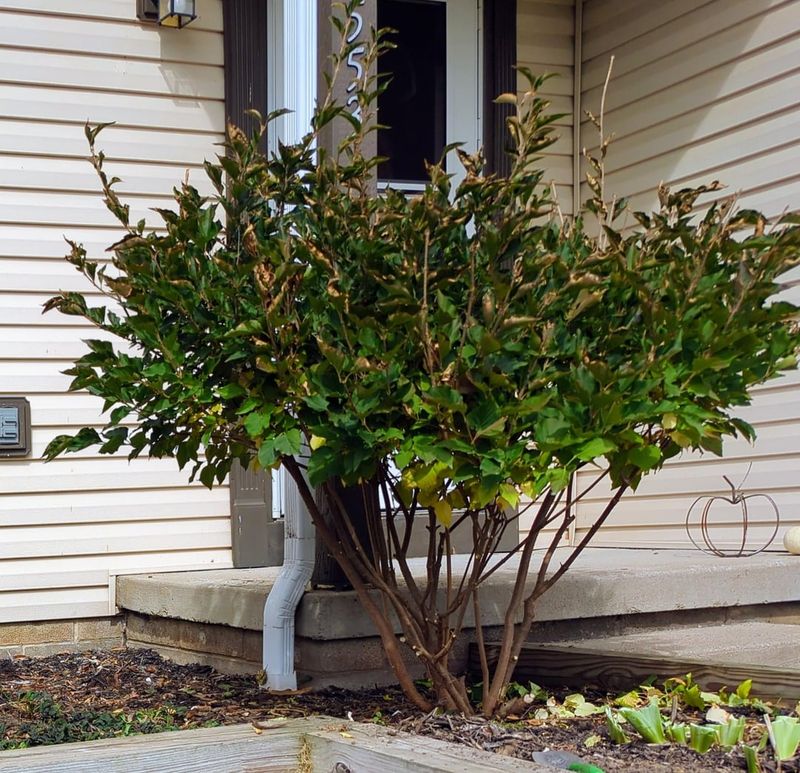
Timing is everything when it comes to pruning lilacs, and getting it right can completely transform your results the following spring. The ideal window opens right after your lilac finishes blooming and closes just a few weeks later.
During that short stretch, you can shape the plant, remove spent flower clusters, and cut back any overgrown branches without touching a single bud for next year.
After the blooms fade, the lilac almost immediately begins setting new growth that will carry next spring’s flower buds.
Pruning during this window lets the plant spend the rest of the growing season building strong, bud-bearing stems rather than recovering from untimely cuts.
In North Carolina, where the growing season is long and warm, giving the plant this full recovery period is especially important for building up enough energy before summer heat sets in.
When pruning, focus on removing the oldest, thickest stems at the base to encourage fresh new growth. Avoid cutting back more than one-third of the plant in a single season, as heavy pruning can push the lilac to grow lots of leafy shoots instead of flower-bearing ones.
A light, well-timed trim done consistently each year keeps the plant shapely, healthy, and primed for a beautiful bloom display when spring rolls around again in North Carolina.
6. Excess Nitrogen Pushes Leaves Instead Of Flowers
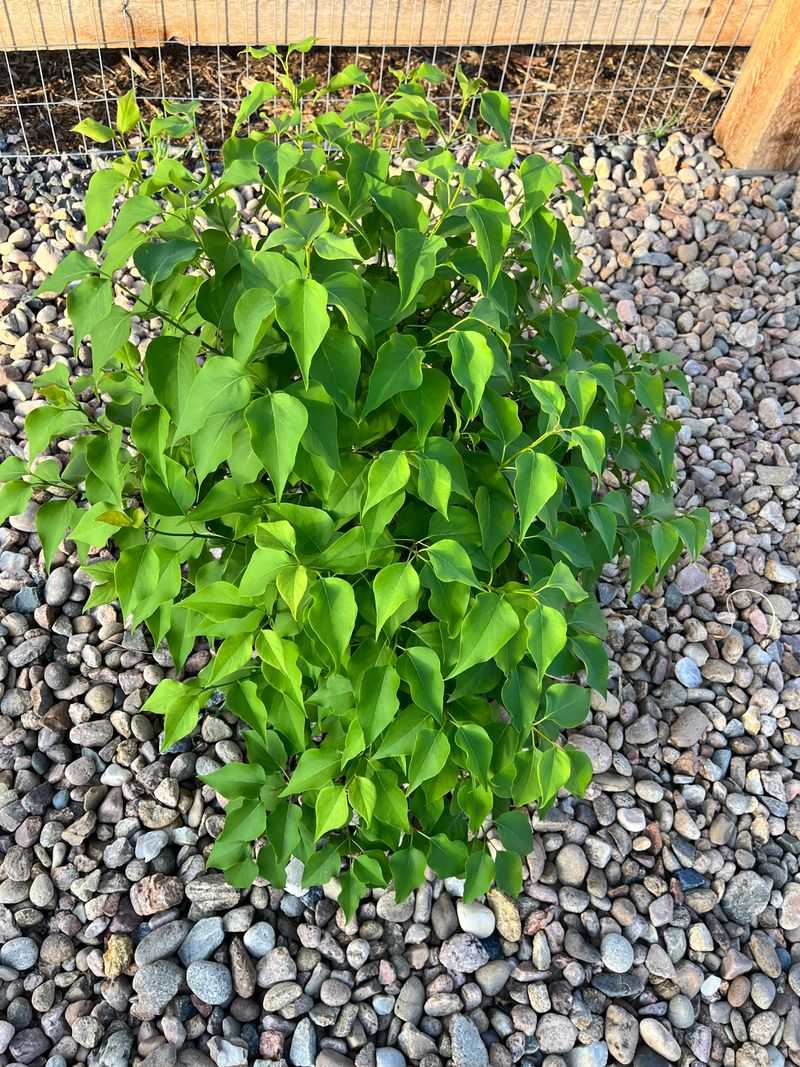
Fertilizer seems like a generous gift to give your garden, but when it comes to lilacs, too much of the wrong kind can backfire badly. High-nitrogen fertilizers are fantastic for lawns and leafy vegetables, but they send the wrong message to a lilac.
The plant responds by pouring energy into producing lush, dark green foliage while barely thinking about flowers.
This situation is especially common in North Carolina yards where homeowners apply lawn fertilizer broadly across their property, not realizing that lilac roots extend well beyond the base of the shrub.
The roots soak up that excess nitrogen and shift the plant’s priorities entirely toward vegetative growth. You end up with a gorgeous, healthy-looking bush that simply refuses to bloom season after season.
Lilacs actually prefer lean soil with moderate fertility and a slightly alkaline pH, ideally between 6.5 and 7.0. Rather than reaching for a high-nitrogen blend, consider a low-nitrogen or bloom-boosting fertilizer applied sparingly in early spring.
Bone meal or superphosphate worked into the soil around the root zone can encourage flowering without overstimulating leafy growth.
Doing a simple soil test, which the North Carolina Department of Agriculture offers affordably, helps you understand exactly what your soil needs before adding anything at all.
7. Young Lilacs Need Time Before They Bloom Reliably
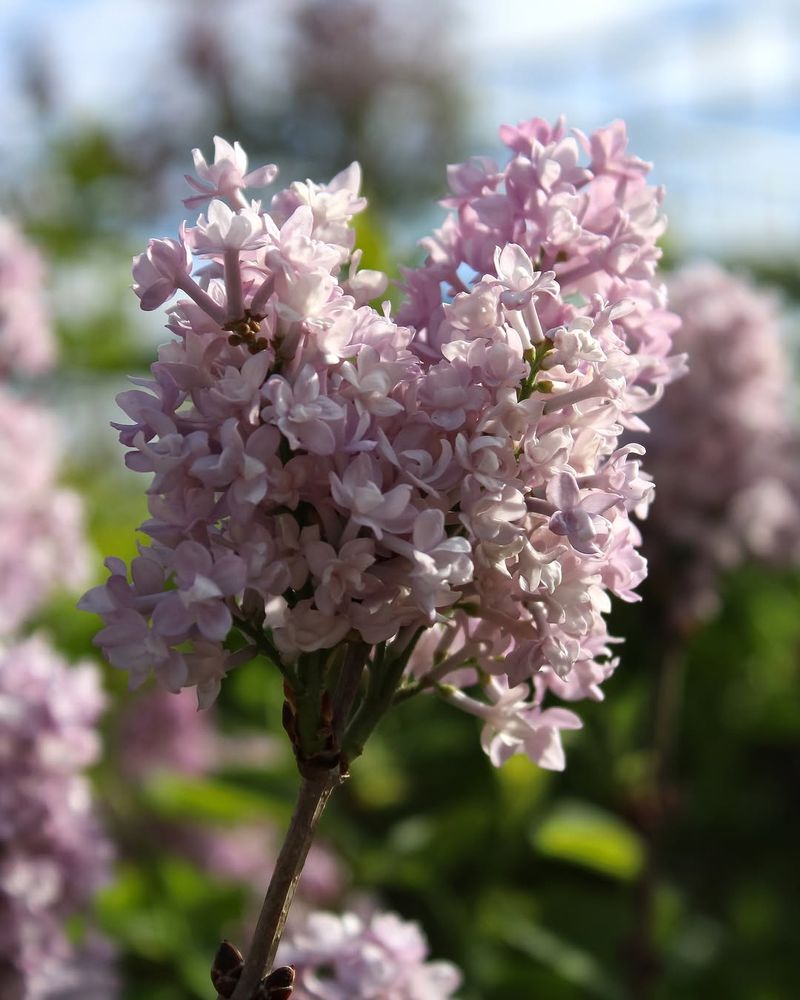
Patience is genuinely one of the most important tools a lilac grower can have, especially in the first few years after planting. Young lilacs often spend two to five years focusing almost entirely on establishing a strong root system before they invest energy in flowering.
This is completely normal plant behavior, not a sign that something is wrong.
Transplant stress plays a big role in this slow start. Moving a lilac, even a healthy one from a nursery container, disrupts the root system and forces the plant to rebuild before it can think about blooming.
In North Carolina, where summer heat arrives quickly and intensely, newly planted lilacs face extra pressure just to survive their first couple of growing seasons. Blooms are simply not a priority for a plant still finding its footing.
The best thing you can do for a young lilac is give it consistent moisture, good sun exposure, and minimal fertilizer during those early years. Avoid pushing it with heavy feeding or unnecessary pruning while it is getting established.
Most gardeners who stick with their young lilacs and give them the right growing conditions are rewarded with increasingly better bloom shows starting around year three or four.
In North Carolina, choosing a variety well-suited to the climate from the very beginning makes that wait much more worthwhile in the long run.
8. Poor Airflow Around Lilacs Invites Disease And Stress

North Carolina’s warm, sticky humidity creates perfect conditions for fungal problems, and lilacs planted in tight, crowded spots suffer the most. Powdery mildew is by far the most common issue, coating leaves with a chalky white film that weakens the plant over time.
While powdery mildew rarely stops a healthy lilac outright, it adds chronic stress that can reduce flowering over multiple seasons.
When shrubs are planted too close together or tucked against fences and walls, moisture lingers on leaves and stems long after rain or morning dew. That persistently wet surface is exactly what fungal spores need to take hold and spread.
In a state like North Carolina where humidity stays high from spring through fall, poor spacing turns a manageable situation into a recurring problem that chips away at the plant’s vitality year after year.
Giving each lilac enough room to breathe makes a real difference. Most varieties need at least five to six feet of open space around them to allow good air movement through the canopy.
Thinning out dense interior branches during the post-bloom pruning window also improves airflow significantly.
If powdery mildew is already a recurring problem on your North Carolina lilac, a neem oil spray applied early in the season can help keep it under control while you work on improving the plant’s overall growing conditions.
9. Choosing The Right Lilac Variety Changes Everything In North Carolina
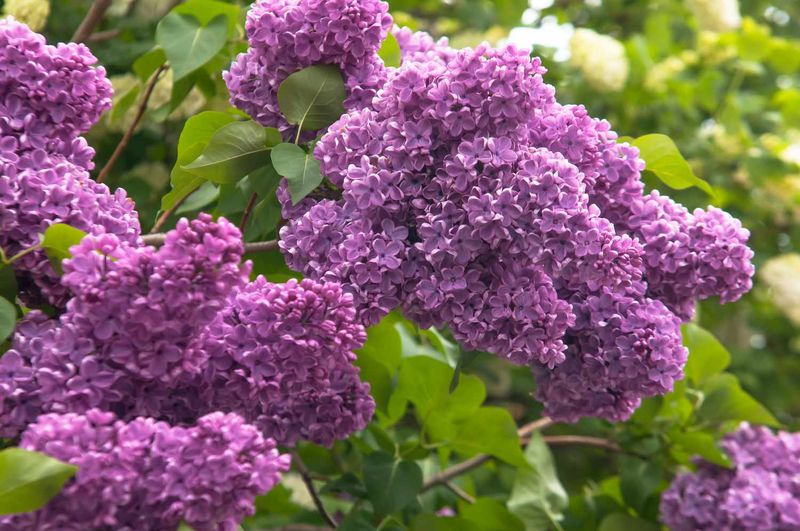
Not all lilacs are created equal, and the variety you choose matters enormously when you garden in a state like North Carolina. Common lilacs, Syringa vulgaris, were bred for northern climates with cold winters and cool summers.
Trying to grow them reliably in the Piedmont or coastal plain is genuinely an uphill battle that most gardeners eventually lose.
Heat-tolerant species and hybrids tell a very different story. Varieties derived from Syringa pubescens, like the popular Miss Kim, handle warmer conditions far better and require fewer winter chill hours to bloom successfully.
Syringa patula hybrids also perform more reliably in the warmer parts of North Carolina, offering fragrant blooms without demanding the extreme cold that common lilacs need to thrive.
Before purchasing any lilac for a North Carolina garden, checking the plant’s chill hour requirement is one of the smartest things you can do.
Look for varieties specifically listed as suitable for USDA Hardiness Zones 7 or 8, which covers most of North Carolina outside the mountains.
Local nurseries in the state often carry regionally appropriate selections and can offer advice tailored to your specific county.
Switching from a common lilac to a heat-tolerant variety might be the single change that finally gives you the fragrant spring display you have been chasing for years.
10. Mountain Areas Of North Carolina Have A Natural Advantage For Lilacs

Western North Carolina is practically lilac paradise compared to the rest of the state, and the reason comes down entirely to elevation and climate.
The mountains around Asheville, Boone, and the surrounding highlands experience cooler winters and milder summers that align much more closely with what lilacs naturally prefer.
Gardeners in these areas often enjoy reliable, fragrant bloom shows that feel more like scenes from New England than the American South.
The Blue Ridge and Smoky Mountain regions regularly see enough winter chill hours to satisfy even traditional common lilacs, making Syringa vulgaris a much more realistic choice at higher elevations.
Summer temperatures in these mountain communities rarely reach the punishing highs that hit the Piedmont and coastal plain, which means lilacs experience far less heat stress during the critical bud-forming period in late summer and early fall.
If you live in the North Carolina mountains and your lilacs are still not blooming, the climate is probably not the issue. Focus instead on pruning timing, sun exposure, and soil fertility as the more likely culprits in your specific situation.
For gardeners in lower parts of the state, a road trip to the mountains in late April or early May offers a beautiful glimpse of what lilacs can achieve under the right conditions, and maybe some inspiration to try a more heat-tolerant variety back home.