Best Herbs To Grow In Florida’s Heat When Parsley And Cilantro Tap Out
You planted cilantro and parsley. You watered them. You did everything correctly. Then, the summer heat in Florida arrived and turned them into a sad, bolted mess almost overnight.
Sound familiar? Here’s the reality that most herb guides won’t share: cilantro and parsley are really just seasonal visitors in Florida. They come, they flourish for a few cool months, and then they disappear as soon as the temperatures rise.
Trying to keep them alive during summer is a losing game. But your herb garden doesn’t have to shut down just because those two gave up. The heat and humidity in Florida that ruin cool-season herbs?
That same weather is a dream come true for a whole bunch of tasty, productive herbs that many gardeners completely ignore. There are nine of them, to be precise. All ready for summer, all worth growing, and all set to make you forget cilantro ever existed.
1. Grow Basil For Big Summer Flavor
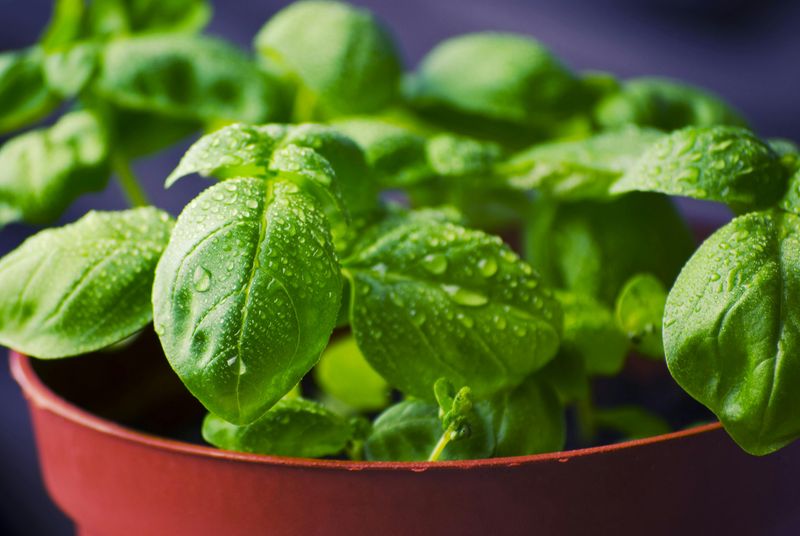
Few herbs are as well-suited for a Florida summer as basil. It thrives in the heat, grows quickly, and gives you plenty of aromatic leaves just when your other herbs are having a tough time.
Basil is a warm-season herb in Florida that flourishes best when the temperatures are consistently warm. This makes it one of the most dependable options for summer planting throughout the state.
Plant basil in a location that receives at least six to eight hours of direct sunlight each day. It requires regular watering, but make sure the soil drains well so the roots don’t sit in waterlogged ground.
Water at the base of the plant instead of from above to help avoid leaf spots and fungal problems, which can be quite bothersome in Florida’s humid climate.
Now for the move that separates confident basil growers from frustrated ones: pinching. As soon as your basil plant begins to flower, pinch those blooms off immediately.
Flowering tells the plant to reduce leaf production, so removing the flower buds keeps it focused on growing the tender, tasty leaves you really want. Pinch from the top down, cutting just above a set of leaves. Harvest often, and the plant will continue to branch out and produce new growth.
Sweet basil is the traditional favorite, but Thai basil and lemon basil also thrive in Florida’s heat and add exciting flavor variety to summer dishes. Growing all three side by side? Now that’s a decision you won’t regret.
2. Let Rosemary Handle The Heat
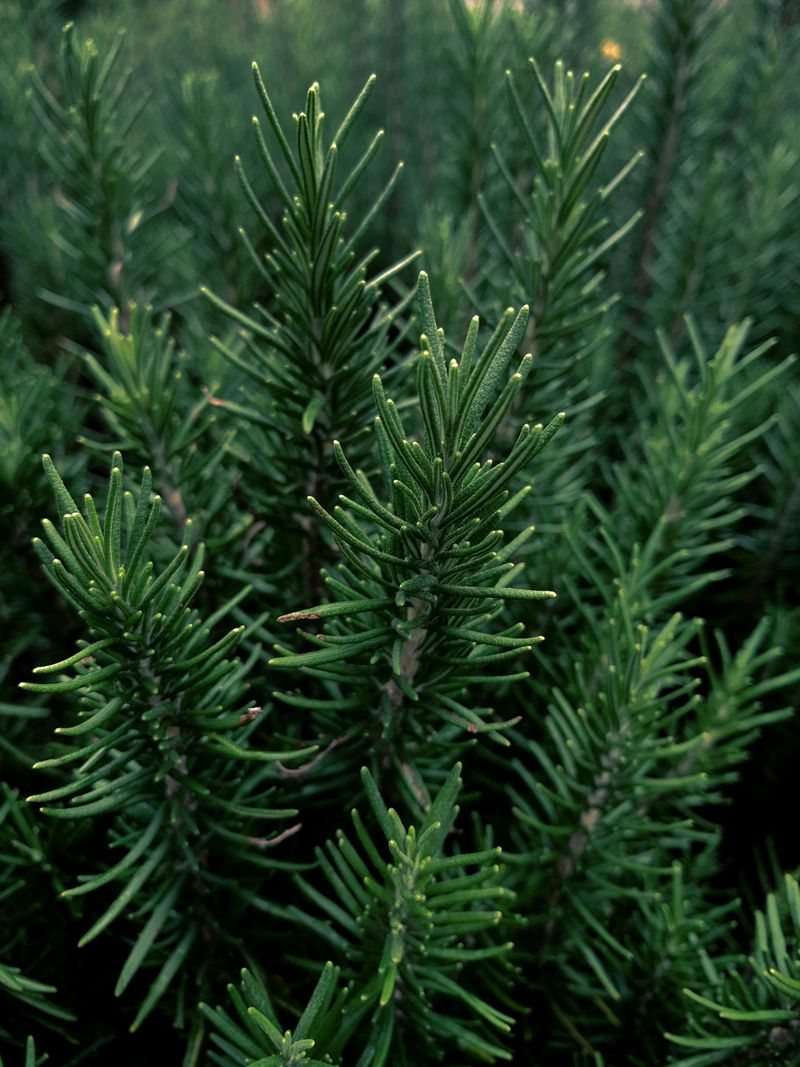
Rosemary didn’t come to Florida to struggle. This herb is resilient, aromatic, and almost defiantly unaffected by heat. Once it establishes its roots, it thrives in the sun and dry spells as if it was made for this environment. Because honestly? It kind of is.
The biggest mistake Florida gardeners make with rosemary is being too generous. Overwatering is the main issue. Rosemary originates from the dry, rocky hills of the Mediterranean, and its roots really don’t like sitting in soggy soil.
Your Florida Garden Changes Every Week. Your Plan Should Too.
Gardening in Florida changes quickly throughout the season. Every Friday you’ll receive a simple weekly plan showing exactly what to plant, prune, fertilize, harvest, and protect so you never miss the right timing.
Florida’s summer rainstorms already test that limit, so it’s best to plant rosemary in raised beds or containers with good drainage. Wet roots can lead to root rot, which is a serious problem to recover from.
After planting, give it a few weeks to adjust and water it regularly during that time. Once it’s settled, cut back on watering significantly. Rosemary remembers drought well and handles it like a pro.
A light trim now and then keeps it looking neat and promotes fresh growth from the base. Rosemary pairs perfectly with roasted veggies, grilled meats, and bread. Its sturdy stems can also be used as skewers for grilling.
Upright types usually grow pretty tall, while creeping rosemary stays low and looks great spilling over the sides of pots or raised beds. No matter what, this herb deserves its spot in the garden all summer long.
3. Plant Oregano For A Reliable Harvest
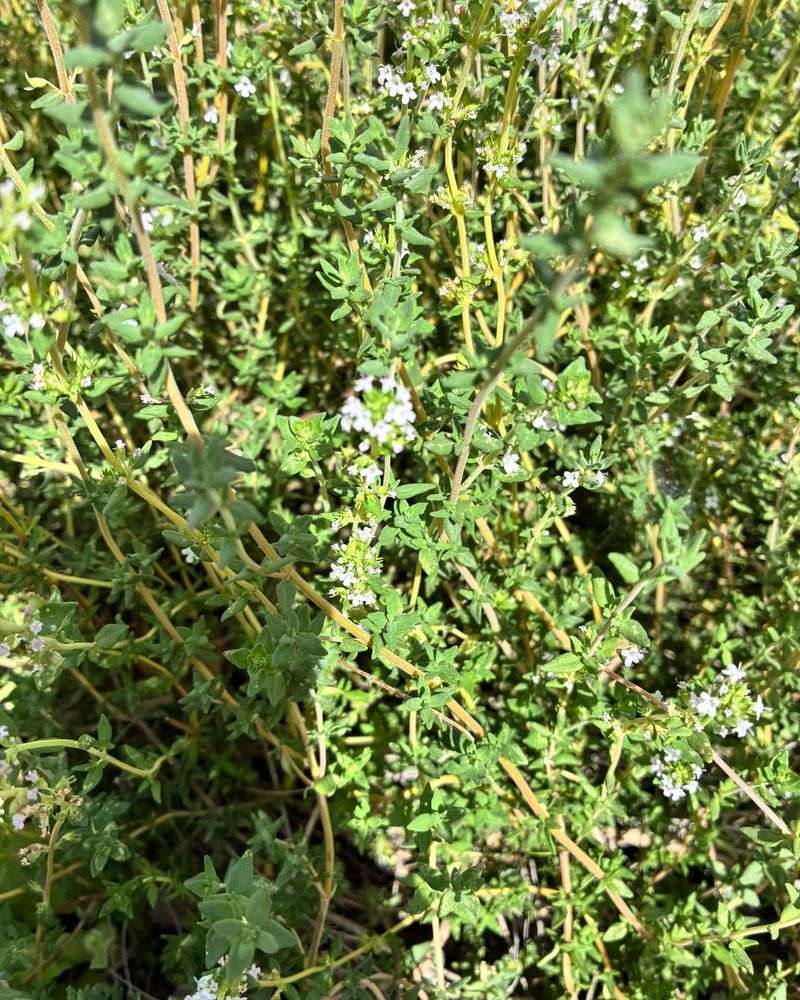
To help oregano thrive during summer, all it really needs is warm soil, bright sunlight, and good drainage. Believe it or not, this herb is more resilient than many gardeners think.
It keeps producing delicious leaves even when it’s hot and humid, as long as it’s planted in the right spot. Get those conditions right, and this herb will keep on giving you flavorful leaves without any trouble at all.
Using containers is a great way to grow oregano in Florida. They allow you to have complete control over the soil mix, and you can easily move the pot to find some afternoon shade if the summer heat gets too intense.
It’s best to use a well-draining potting mix instead of heavy garden soil, which tends to retain too much moisture for oregano. A terracotta pot is particularly beneficial because it helps excess moisture evaporate through its sides.
Make sure to trim oregano regularly to stop it from becoming woody and to promote a steady supply of fresh leaves. You should cut the stems back by about one-third at a time, which will encourage the plant to branch out and fill in nicely.
While letting it flower occasionally is fine, regular trimming is key to maintaining strong flavor production.
Also, Mexican oregano is worth mentioning here. It’s a different species from the common Greek or Italian oregano, but it thrives in Florida’s heat and humidity and offers a bold, slightly citrusy flavor that pairs perfectly with salsas, beans, and grilled dishes.
If you’re looking for top summer performance, Mexican oregano is definitely a strong option to consider adding to your herb collection.
4. Give Sage A Bright Sunny Spot
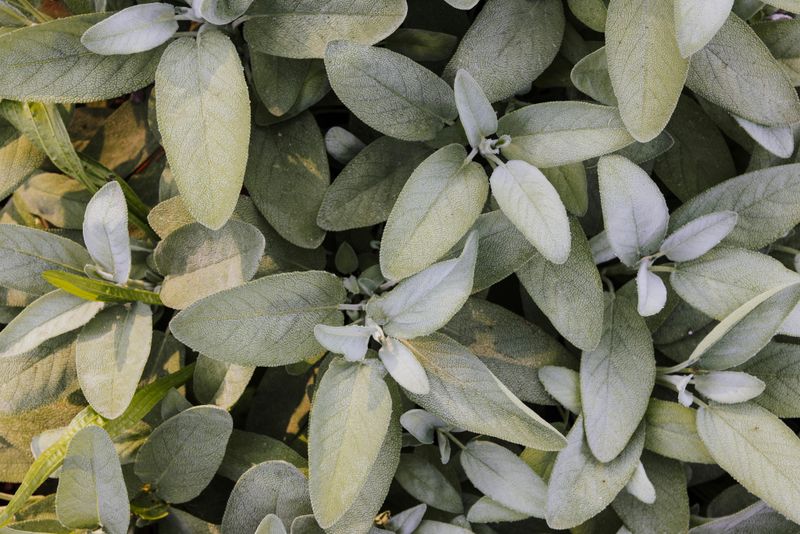
Growing sage in Florida isn’t the easiest task, and it will definitely let you know that. This herb has specific needs when it comes to its environment, and if you overlook them, you’ll end up with a very unhappy plant.
However, the good news is that putting in the effort for sage is totally worth it, and it’s not as tricky as it may seem. There are two must-haves for sage: no shade and no soggy roots. That’s it. And that might be just what you’re after.
Proper drainage is crucial. Florida’s summer storms can be quite generous, and sage roots that sit in overly wet soil will break down quicker than you think. The best setup is raised beds filled with a sandy, well-draining mix. Containers are also a great option.
However, ensure that every pot has drainage holes and isn’t left sitting in a dish of standing water. That little puddle underneath may seem harmless, but it really isn’t.
Airflow is equally important. The humidity in Florida creates ideal conditions for fungal issues, especially on leaves.
Sage thrives the most from fall to spring in Florida, but with good drainage and plenty of sunlight, it can survive the summer well enough to keep its spot in your garden. And honestly? Any herb that tastes this good deserves a chance.
5. Keep Mint In A Pot
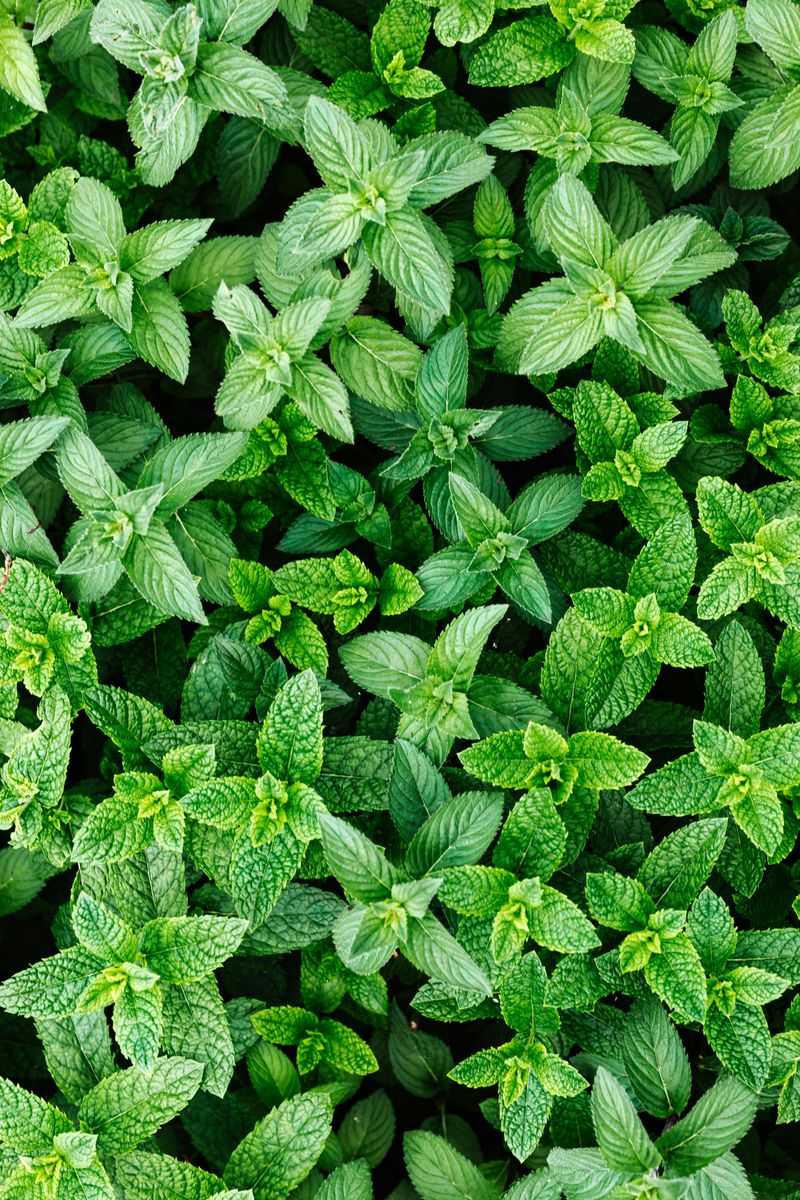
Mint is one of the most beneficial herbs you can cultivate in Florida. It’s also quite ambitious.
If you plant it directly in a garden bed, mint will see that as an open invitation to take over every bit of space. It can overshadow its neighbors and sprout in spots you definitely didn’t intend for it to grow.
The fix is easy: put it in a pot, keep it contained, and allow it to flourish on your terms instead of its own.
Unlike drought-tolerant Mediterranean herbs, mint craves consistent moisture and isn’t shy about showing stress when it doesn’t get it. A pot left in the blazing sun can dry out quickly, and burnt mint leaves are not what anyone wants for a refreshing mojito.
The ideal situation is morning sun with afternoon shade, which keeps the plant hydrated, happy, and producing soft leaves all summer long.
While spearmint and peppermint are the traditional choices, there’s a lot more to explore. Chocolate mint, apple mint, and mojito mint all thrive beautifully in containers and add a fun variety to your summer harvests.
Regularly snipping the tips of the stems helps the plant remain bushy and productive. As you know it, mint is nearly irreplaceable in drinks. Lemonade, iced tea, mojitos, and fruity cocktails all become vibrant with a handful of fresh leaves.
It’s also great in fruit salads, yogurt sauces, and grain dishes. Smart placement, consistent moisture, and a pot with proper drainage. That’s the whole playbook.
6. Use Mexican Tarragon For Fresh Anise Flavor
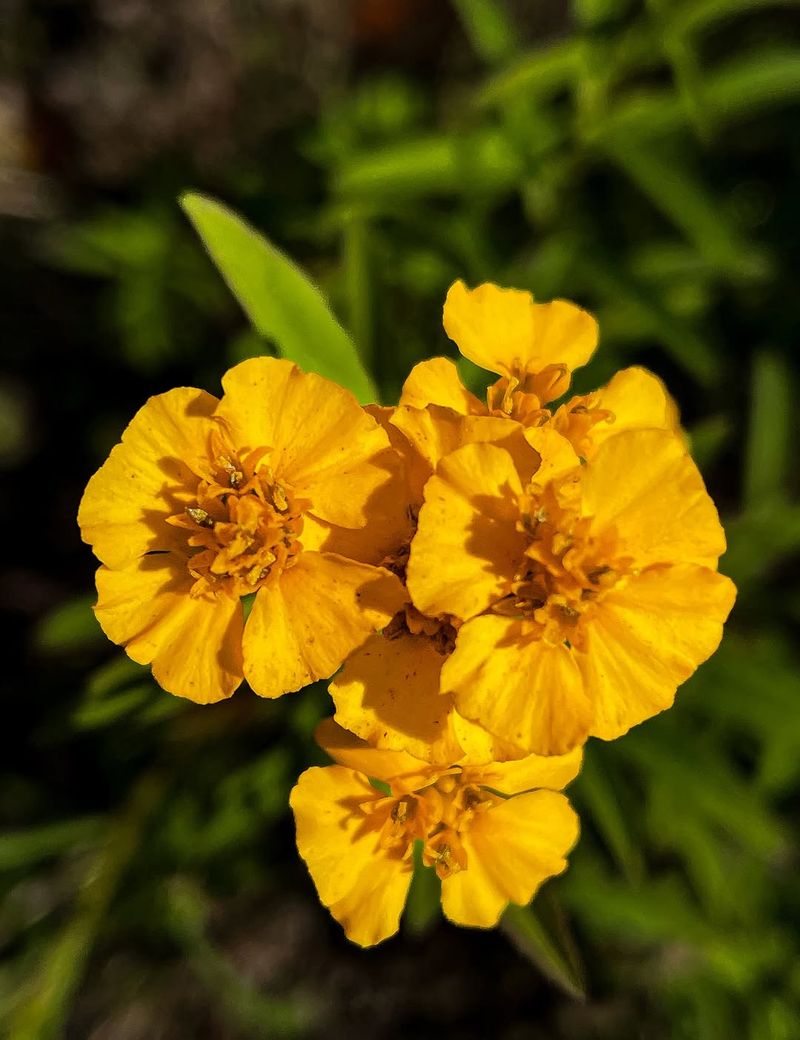
If you’ve ever attempted to grow French tarragon in Florida and felt frustrated as it wilted, Mexican tarragon is the solution you’ve been looking for. Same great anise flavor as French tarragon, but built to handle heat and humidity in a way French tarragon never could.
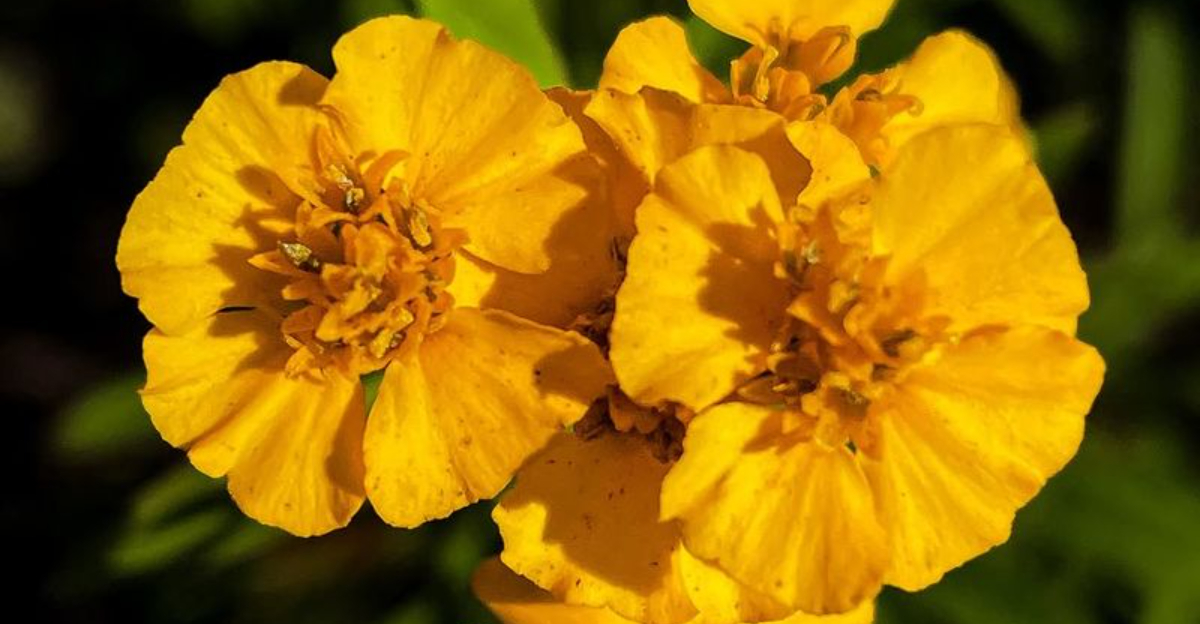
Botanically related to marigolds, it even produces small edible yellow flowers in late summer. But, the real treasure is the fragrant leaves that bring a mellow anise flavor to many souces and chicken dishes. It’s a surprisingly versatile herb for everyday cooking.
Plant it in a sunny area with well-drained soil and make sure to water it regularly during dry periods. While it’s not as drought-resistant as rosemary, it doesn’t require constant care either.
Once it’s established, it grows into a neat, upright plant that looks great in both garden beds and larger pots. Regularly harvest the leaves by snipping the tips of the stems, which encourages the plant to branch out and produce more leaves.
Mexican tarragon is a perennial in most parts of Florida, meaning it returns year after year, making it a smart long-term addition to any herb garden!
7. Tuck Thyme Into Fast-Draining Soil
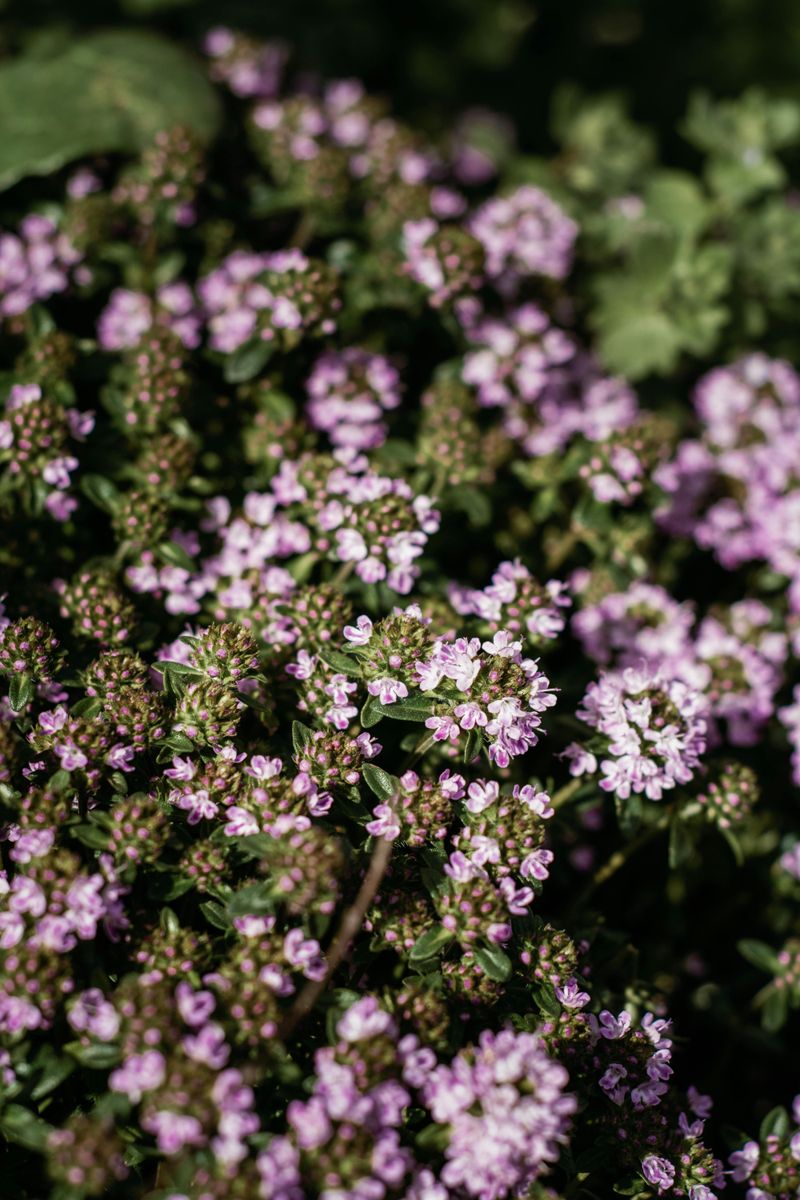
This herb is small but really strong and packed with flavor, way more than you would think just by looking at its size. But there’s one important thing it needs to grow well in a Florida garden: it has to have great drainage.
Thyme roots can’t stand wet soil, and in a place where summer rains can be heavy and frequent, getting the setup right from the start is key to having a thriving plant instead of one that just gives up quietly.
Using sandy soil, raised beds, and containers with a gritty, well-draining mix are all great options. If you’re planting directly in the ground, make sure to add extra sand or perlite before putting the plant in. Smaller pots work best for thyme as they dry out faster, giving roots the breathing space they need.
With thyme, drier conditions are usually preferable. Full sun is essential and not negotiable. Thyme needs at least six hours of direct sunlight each day to produce the essential oils that give it its unique savory and slightly floral flavor.
Plants that are too shaded become leggy and tasteless, which defeats the purpose. Regular trimming helps keep the growth compact and encourages fresh shoots from the base.
Common thyme easily enhances soups, stews, roasted veggies, and marinades. Lemon thyme adds a bright citrusy flavor that works wonderfully in lighter summer meals and thrives in warm conditions.
If you treat thyme the way it prefers instead of how you treat moisture-loving herbs, it will provide a fragrant, tasty harvest all season long. Good things really do come to those who wait, but with thyme, good things come to those who ensure proper drainage.
8. Swap Cilantro For Culantro
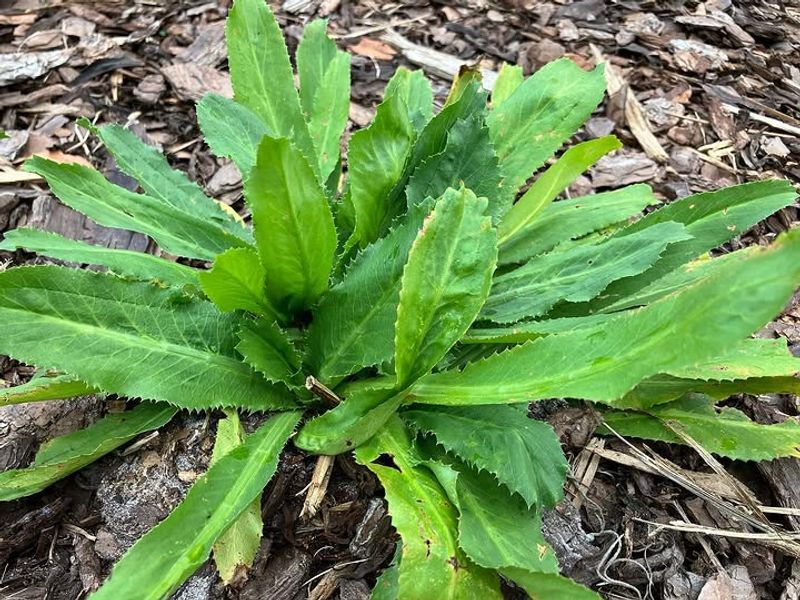
As soon as Florida’s summer heat kicks in, cilantro leaves the scene, it becomes bitter, and completely disappears. But don’t worry, culantro can easily replace it.
It’s bold and well-known to anyone who cooks Latin, Caribbean or Asian dishes. Culantro is the herb that flourishes exactly when cilantro gives up. It thrives in heat and humidity. It looks at a Florida summer and sees perfect growing conditions instead of a reason to freak out.
For those who love to cook and are tired of cilantro vanishing just when they need it, this swap is a total game changer. The flavor is similar to cilantro but much stronger. Just a little bit of culantro can really enhance sofrito, pho, ceviche, and bean stews.
The leaves are long, flat, and serrated, unlike the delicate and rounded leaves of cilantro, so they look quite different, but that familiar herbal kick is definitely there.
One thing that makes culantro unique among other heat-loving herbs is that it actually enjoys some afternoon shade. Partial shade helps keep the leaves tender, so a spot with morning sun and afternoon shade is truly perfect.
Keeping the soil consistently moist is also important, so make sure it doesn’t dry out completely between waterings.
When harvesting, take the outer leaves first and work your way in, which encourages new growth from the center of the plant. Culantro is easy to grow from seeds or transplants and fits nicely into garden beds, containers, or shaded corners of your patio.
9. Add Lemongrass For Tropical Flavor
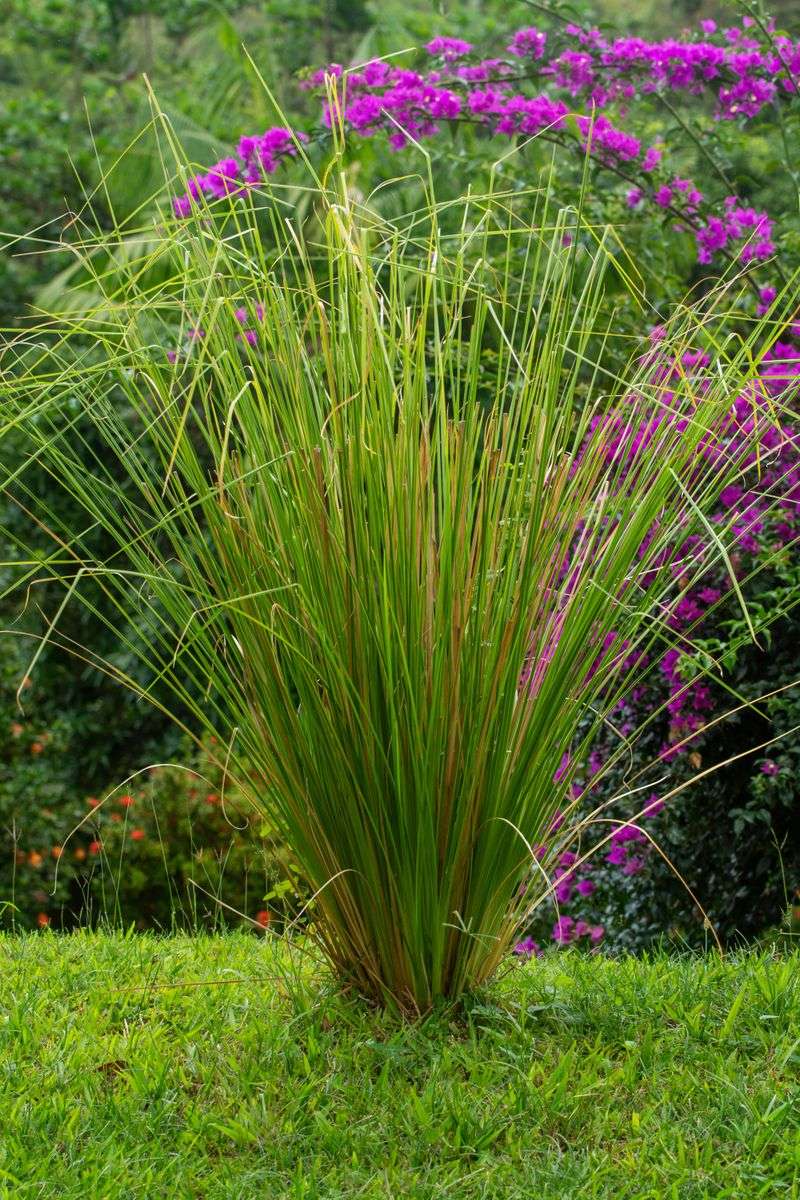
This tall, elegant herb grows like it owns the place, and honestly, it kind of does. The warm weather, rain and sunny days create amazing conditions that lemongrass produces new growth from spring all the way through fall. In South Florida, it barely slows down even in the winter.
Plant it in a spot that gets full sun for most of the day and give it plenty of space to grow. Lemongrass can form impressive clumps that reach three to five feet tall, and it has no intention of staying small.
If you’re short on garden space, a large container works great, plus it has the added perk of being able to move indoors during those rare cold snaps that can surprise Central and North Florida.
Make sure to water it regularly, especially during dry spells. Unlike rosemary and thyme, lemongrass shows signs of drought stress quickly and isn’t shy about letting you know it’s unhappy.
Adding mulch around the base of in-ground plants helps retain moisture between rainfalls and keeps the roots cozy during dry periods.
Growing lemongrass in Florida is truly one of the easiest successes in a summer herb garden. The flavor is amazing, the visual appeal is striking, and the plant pretty much takes care of itself.