The Most Stunning Underrated Florida Perennial That Blooms From Spring Through Fall
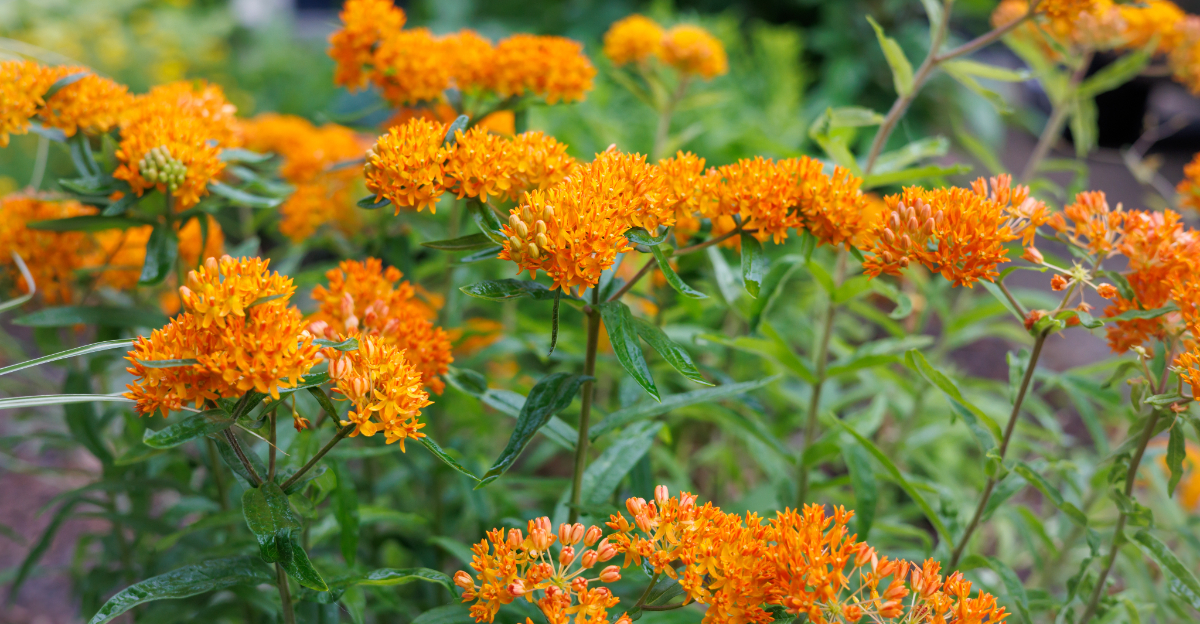
Some summer flowers look bright for a few weeks, then fade into the background just when the garden needs color most. But one Florida native perennial can bring bold orange blooms through much of the warm season when it is planted in the right spot.
It does not need a tropical look to stand out. The color is strong, the flowers are easy to notice, and the plant fits sunny beds where the soil drains fast.
It also brings real value to pollinator gardens without asking for rich soil or constant attention. That is why this plant deserves a closer look.
It is not the same as the tropical milkweed many gardeners see at big-box stores. It is a native option with a different growth habit, a deeper root system, and a more natural place in local landscapes.
The first thing to know is simple. Give it sun, keep it out of soggy soil, and let it settle where it will not need to be moved.
Then it can become one of the most striking native perennials in the garden.
1. Meet Butterfly Weed – The Native Perennial With Fiery Summer Color
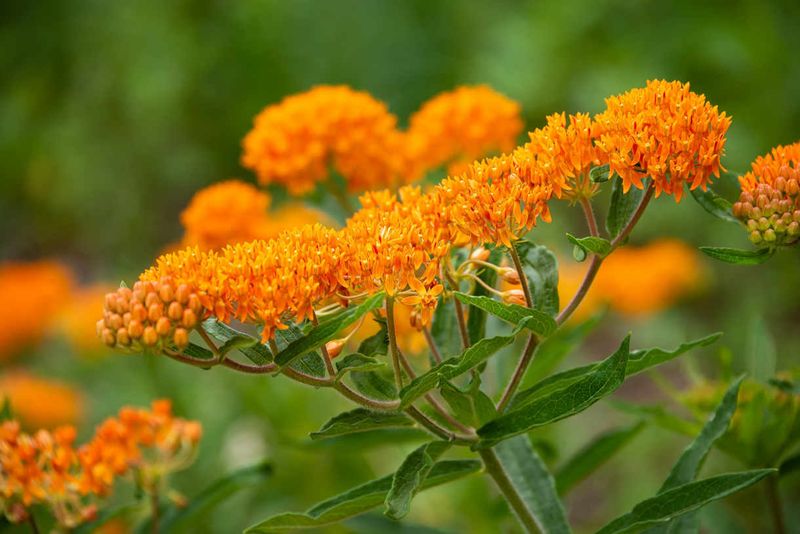
The reveal is worth the wait. Butterfly weed, botanically known as Asclepias tuberosa, is a true Florida native perennial that produces tight clusters of vivid orange flowers on upright stems.
The color is bold, warm, and hard to miss, even from across the yard. It is the kind of plant that makes visitors stop and ask what it is.
Despite its beauty, butterfly weed stays underrated in many home landscapes. Gardeners often reach for non-native annuals or tropical showstoppers that need replacing each season.
Meanwhile, butterfly weed quietly offers something more reliable. It is a perennial, which means it comes back year after year from the same root system without needing to be replanted.
Asclepias tuberosa grows naturally in sandy, well-drained soils across much of the eastern and central United States, including right here in sunny Florida.
According to the Florida Wildflower Foundation, it is one of the most recognizable native wildflowers in the state.
It thrives in open, sunny spots and earns its keep without a lot of fuss from the gardener.
The plant typically reaches about one to two feet tall, forming a tidy clump that fits well in borders, pollinator beds, and naturalized areas.
The flower clusters, called umbels, sit at the top of the stems and face upward, making them easy for visiting insects to land on.
Up close, each tiny flower has a complex, star-like structure that is genuinely beautiful.
Butterfly weed does not just look good. It works hard for the local ecosystem at the same time.
For gardeners who want strong seasonal color combined with real native value, this plant delivers on both without demanding much in return. It is a simple, smart choice for any sunny garden bed.
2. Plant It In Full Sun Where The Soil Drains Fast
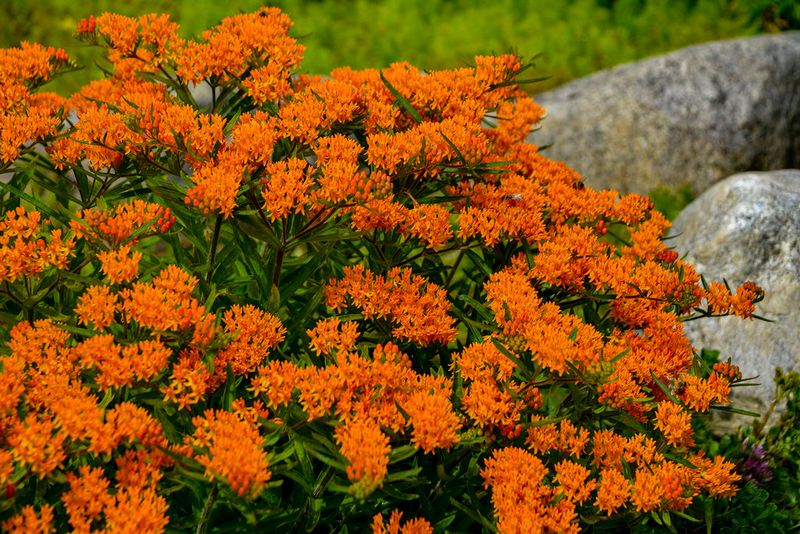
The best place for Butterfly weed is not the richest or wettest bed in the yard. It usually performs better in a bright, open spot where the soil drains quickly after rain.
Your Florida Garden Changes Every Week. Your Plan Should Too.
Gardening in Florida changes quickly throughout the season. Every Friday you’ll receive a simple weekly plan showing exactly what to plant, prune, fertilize, harvest, and protect so you never miss the right timing.
That makes it a strong match for sunny native beds, sandy borders, pollinator gardens, and raised areas. It can handle leaner soil better than many lush bedding plants.
The main thing to avoid is a soggy site. Butterfly weed has a deep root system that needs air around it.
If water sits in the bed after summer storms, the plant may struggle.
Full sun also matters. The plant may survive in light shade, but the strongest bloom show usually comes from a sunny location.
More light helps support sturdier stems and better flowering.
Before planting, watch the spot after a hard rain. If the water drains away and the bed stays bright most of the day, it may be a good fit.
This is also a plant that should not be overpampered. Too much water, too much fertilizer, or heavy soil can work against it.
A simple sunny site with good drainage is often the better choice.
For Florida gardeners, that is part of the appeal. Butterfly weed can fit places where tropical-looking plants may ask for more care.
Give it sun and drainage first, then let the plant settle into its natural rhythm.
3. Expect Blooms From Spring Through Fall With Natural Pauses
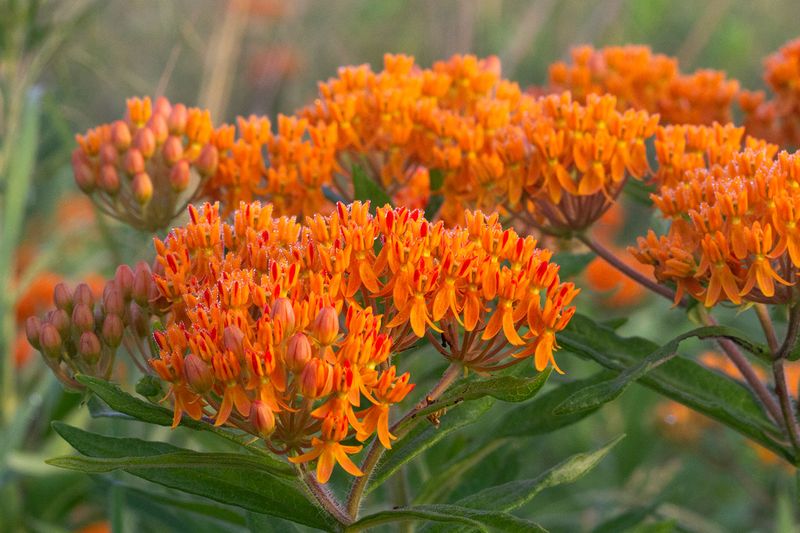
A long bloom window does not mean the plant will be covered in flowers every day. Butterfly weed can bloom from spring through fall, but the show usually comes in waves.
One flush may appear in spring or early summer. Another may follow later if the plant is healthy and the weather cooperates.
Rainfall, heat, plant age, soil drainage, and regional conditions can all change the timing.
That natural pause is not a problem. It is part of how many native perennials behave.
They respond to the season instead of performing like short-term bedding plants.
A young Butterfly weed may also need time before it reaches its best display. The first year can be slower while the plant builds roots.
Once established, it often becomes more reliable.
Trimming old flower clusters can help the plant look cleaner. It may also encourage more flowering growth when conditions are right.
Later in the season, you can leave some pods if you want seed.
The important thing is to set the right expectation. Butterfly weed is not a constant flower machine.
It is a long-season native bloomer with strong peak moments.
That still makes it valuable in a summer garden. The orange flowers can return when other plants are resting, and each new wave feels fresh.
4. Use It To Support Pollinators Without Planting Tropical Milkweed
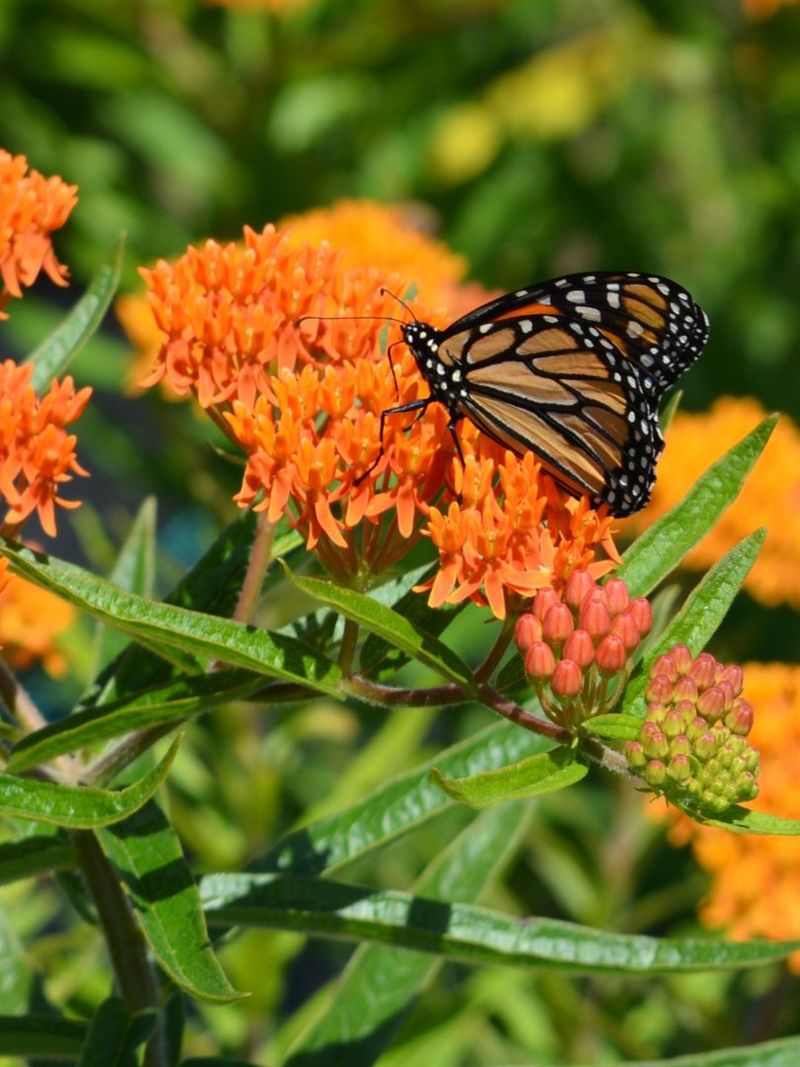
Native milkweed brings more than color to the garden. Butterfly weed is part of the milkweed group, so it can support monarch caterpillars and attract adult butterflies.
Its flowers can also draw bees and other visiting insects. In a sunny pollinator bed, the blooms add both color and movement.
Many gardeners know tropical milkweed because it is easy to find in stores. But tropical milkweed is not the same as Butterfly weed.
It can stay lush for long periods in warm climates, which raises concerns for monarch health.
Butterfly weed gives gardeners a native option. It fits better into native plantings and sunny, well-drained garden designs.
It also has a more natural seasonal rhythm.
That said, one plant is not a full habitat. A stronger pollinator garden includes several native flowers with different bloom times and shapes.
This gives insects more food sources through the year.
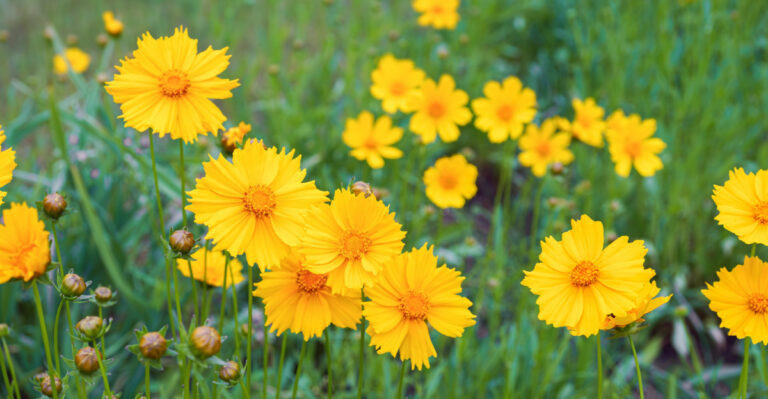
Good companion plants can include coreopsis, blazing star, native salvia, spotted beebalm, and other sun-loving natives. The exact mix depends on your soil, region, and available space.
Butterfly weed earns its spot because it does two jobs well. It looks bold, and it supports wildlife in a way that feels tied to the local landscape.
5. Give The Deep Taproot A Permanent Spot
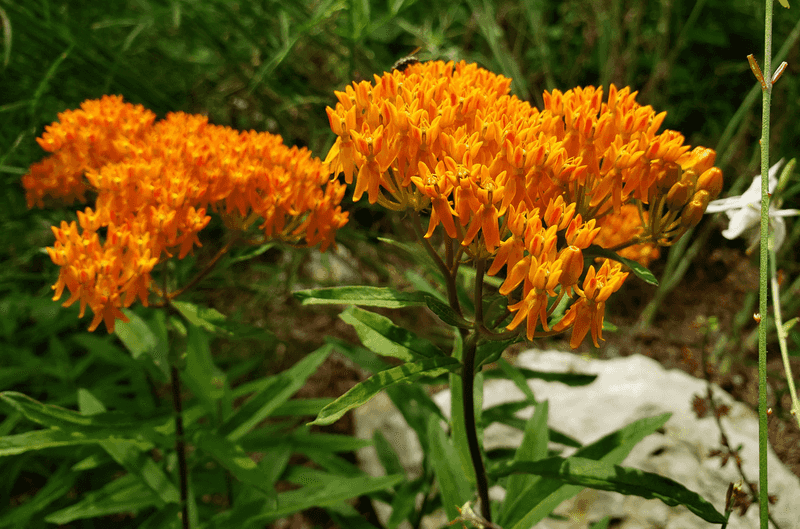
Butterfly weed is not a plant to move around every season. It develops a deep taproot, and that root helps the plant handle dry spells once it is established.
The same taproot also makes transplanting tricky. Once the plant settles in, digging it up can set it back.
That is why the planting spot matters from the beginning.
Choose a place with enough sun, good drainage, and room around nearby plants. Think about how the bed will look in a year or two, not just how it looks today.
Starting with a young plant is often easier than moving an older one. Young plants usually adapt better, especially when planted in a site that matches their needs.
Seeds can also work, but they take patience. Butterfly weed may spend time building roots before it gives a strong flower display.
It helps to mark the planting spot, especially if the plant rests or looks quiet during part of the year. That way, you do not accidentally disturb it during cleanup.
The reward for leaving it alone is a stronger plant over time. Once the roots settle, Butterfly weed can become a steady part of a sunny native bed.
6. Let Seed Pods Form If You Want More Native Milkweed
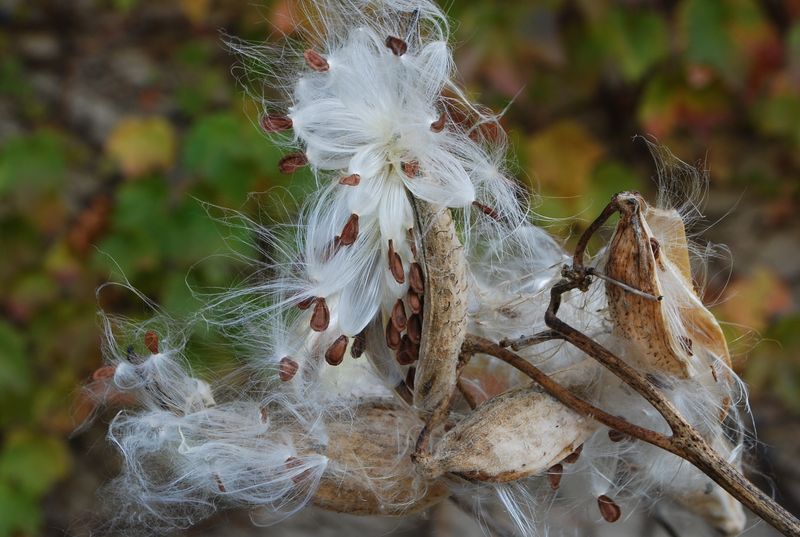
After the flowers fade, Butterfly weed may form narrow seed pods. These pods are not a flaw.
They are part of the plant’s natural cycle.
If you want a tidy look, you can trim some spent flowers before pods form. If you want more native milkweed, leave a few pods on the plant and let them mature.
When the pods are ready, they split and release seeds attached to silky fluff. That fluff helps the seeds move in the breeze.
Reseeding is not always predictable. Mulch, rainfall, soil disturbance, and nearby competition can all affect what happens.
Some gardens may get new seedlings, while others may not.
You can also collect mature pods before they fully open. That gives you more control over where the seeds go.
It is a good option for gardeners who want more plants without letting seeds drift through the whole bed.
Leaving some pods can also add interest after the main flower show slows down. The plant still looks active, even when fewer orange blooms are open.
For a looser native bed, seed pods make sense. For a more formal border, trimming may be better.
Either way, the choice should match the style of your garden.