Bitten by a Copperhead While Raking Leaves in Florida? Here’s What to Do
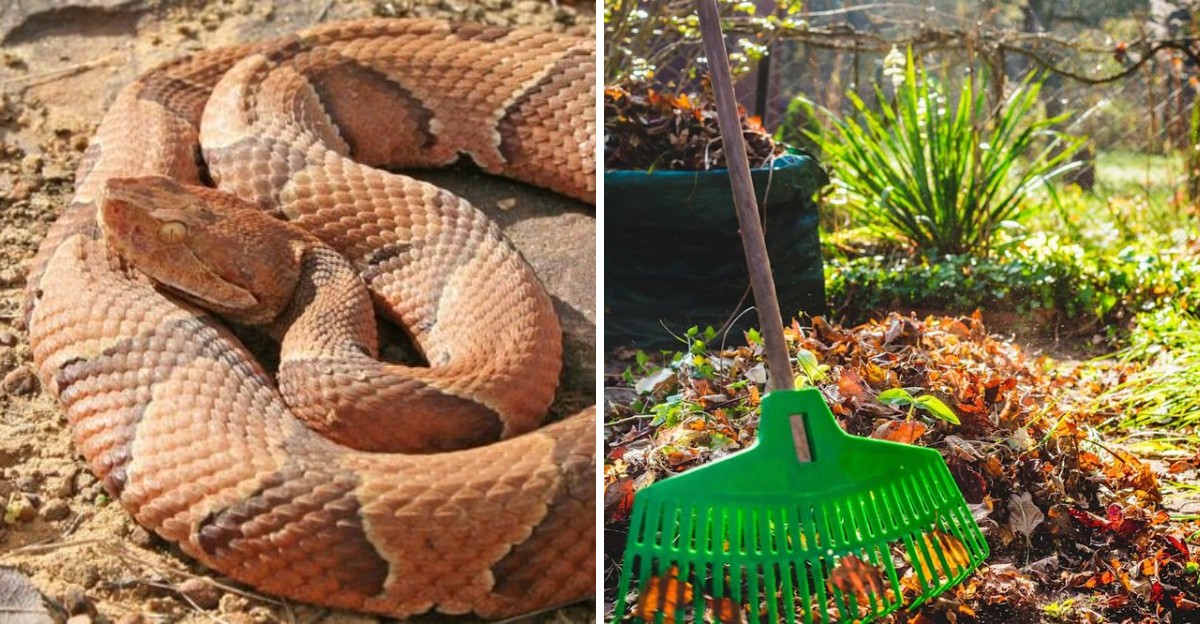
Copperheads in the Sunshine State mostly stick to a small slice of the Panhandle near the Apalachicola River. That surprised me the first time I read it. Most of the state has no copperheads at all.
So who is hiding in your leaf pile? A baby cottonmouth wears similar copper bands and even wiggles a bright yellow tail tip to lure frogs. Personally, I think that little tail trick is both clever and a bit creepy.
Florida has six venomous snake species, and a few of them love the cool, shady cover of raked leaves. You need a plan before your rake ever hits the ground. A bite is scary, but calm steps make a real difference.
I can’t imagine a better time to learn the right moves than before you need them. Do you know which snake shares your backyard?
1. That Copper-Banded Snake in Your Leaf Pile Might Have a Different Name
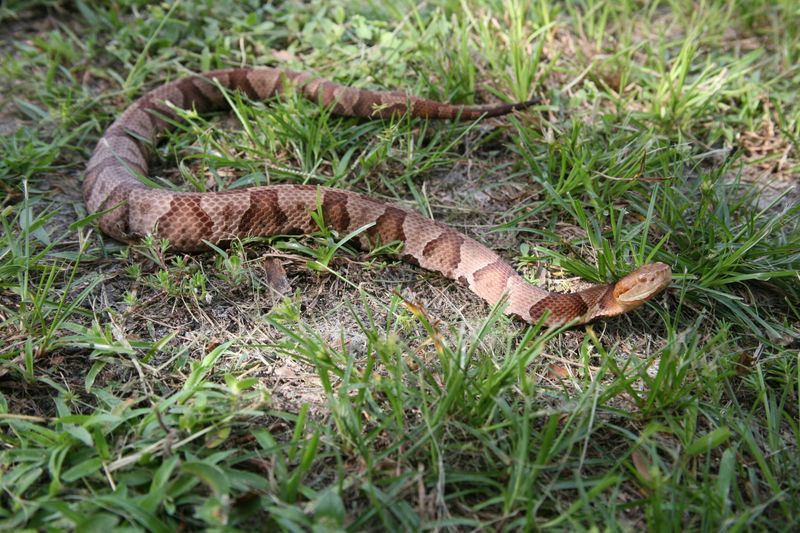
Most bites blamed on copperheads in Florida likely come from a look-alike. Eastern copperheads live mainly in the Panhandle, especially along the Apalachicola River and in a few western counties.
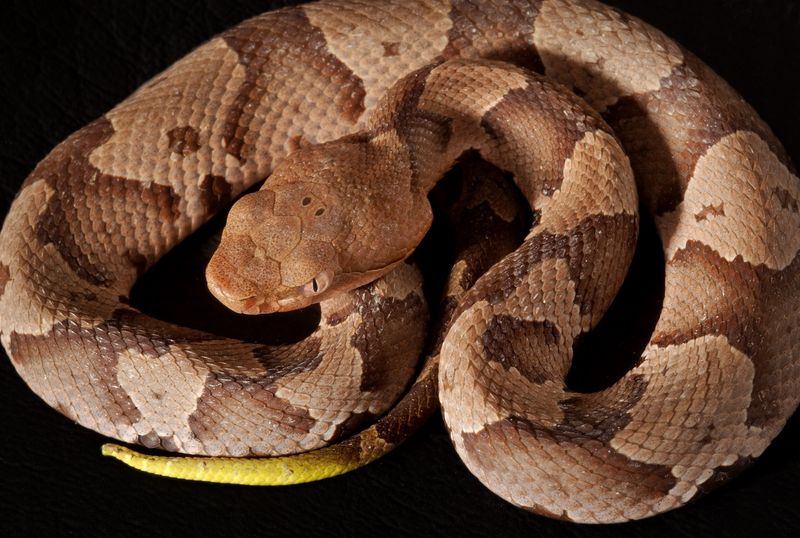
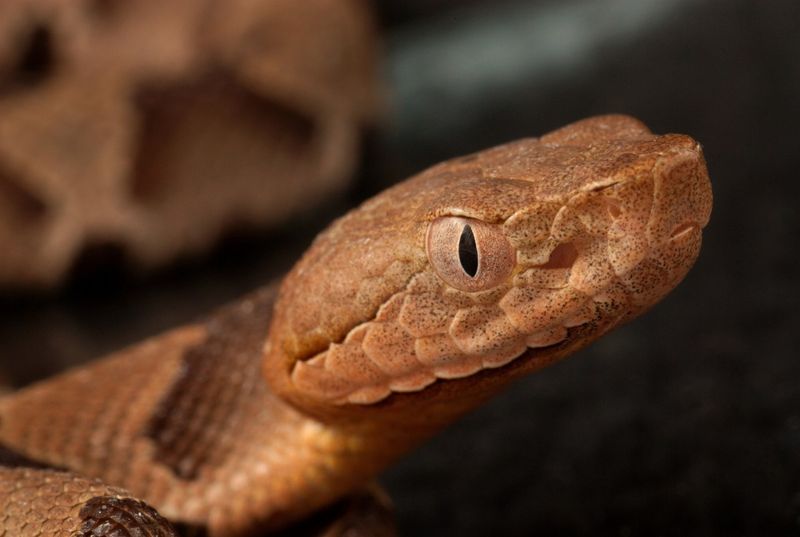
Outside that area, a banded snake with a yellow tail is more often a young cottonmouth. Baby cottonmouths have reddish-brown crossbands and a sulfur-yellow tail tip, just like baby copperheads.
They wave that tail to fool frogs into thinking it is a tasty worm.
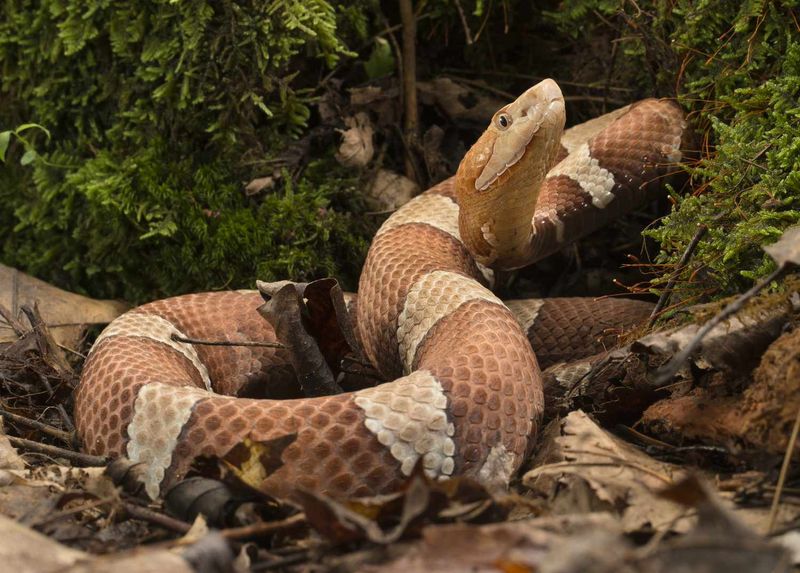
Harmless snakes join the confusion too. Corn snakes and banded water snakes get mistaken for copperheads all the time.
Corn snakes have rusty blotches outlined in black, and they help gardeners by eating rodents.
Why does the name matter? Doctors treat copperhead and cottonmouth bites with the same type of antivenom in most cases.
So your first job is not identifying the snake perfectly.
Your first job is getting care fast. Still, knowing what lives near you helps you stay alert in the right places.
If you live in Miami or Orlando, a copperhead is very unlikely, but a cottonmouth near a pond is quite possible.
Treat any bite from an unknown snake as venomous until a medical professional says otherwise.
2. Drop the Rake and Step Away From the Snake First
Your body will want to panic, and that is normal. Take a breath and slowly back away from the snake, at least several feet.
Snakes rarely chase people, so distance is your friend.
Once you are clear, call 911 right away. You can also reach the Poison Help line at 1-800-222-1222, which connects you to Florida Poison Control experts any time of day.
Please do not try to catch or hit the snake. Many bites happen when people try to handle or attack a snake, and a second bite is the last thing you need.
If you can do it safely, snap a quick photo from a distance with your phone.
Doctors can treat you without that photo, so skip it if the snake has slithered off. Keep yourself as still and calm as you can.
Moving around a lot can speed up how fast venom spreads through your body.
Ask someone else to drive you if help will arrive faster that way. Driving yourself after a venomous bite is a risky idea.
Swelling, dizziness, or nausea can show up quickly and make the road unsafe.
3. Slip Off Rings and Watches Before Your Hand Starts Swelling
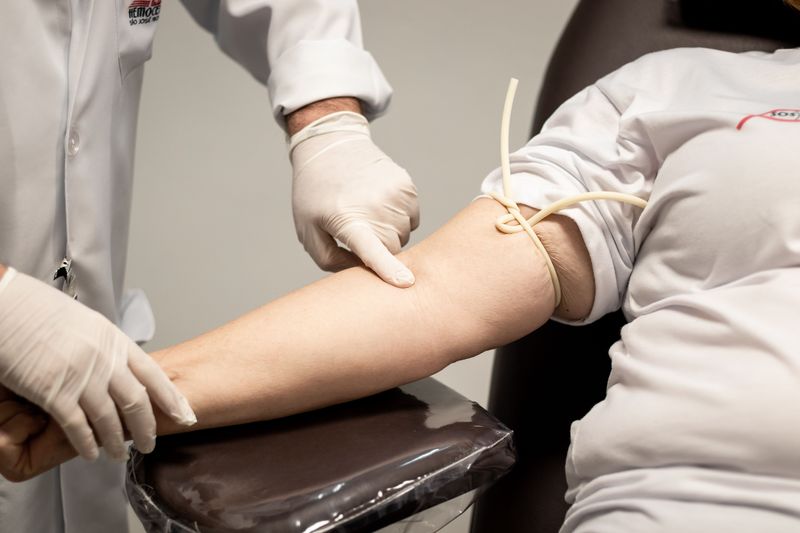
Swelling from a pit viper bite can grow fast, sometimes within minutes. Rings, watches, bracelets, and tight sleeves can cut off blood flow once that puffiness spreads.
Take them off right away, even if your hand looks fine.
Next, keep the bitten arm or leg still. A loose splint or sling can help, much like you would use for a sprain.
Hold the limb at about heart level, not raised high in the air.
Gently wash the bite with soap and water if it is handy. Cover it with a clean, dry bandage.
Then focus on getting to the hospital.
Write down the time of the bite if you can. Doctors like to know when it happened and how symptoms changed.
A quick note on your phone works great.
Some medical teams also trace the edge of the swelling with a pen as it spreads. That simple mark helps them see if the venom is still moving.
Remove your boots too if the bite is on your foot or ankle. A snug boot can squeeze a swelling leg more than you expect.
4. Old Snakebite Tricks Like Tourniquets and Ice Do More Harm
Cowboy movies made snakebite care look dramatic. Someone cuts an X over the bite and sucks out the venom.
Sadly, that scene is pure Hollywood.
Cutting the skin adds infection risk and damages tissue. Sucking does not pull out a useful amount of venom, and suction gadgets sold in stores have not shown real benefit either.
Tourniquets are another big no. They trap venom in one spot and can cause serious damage to the limb. Ice packs can also hurt tissue that is already under attack.
Skip pain pills like aspirin or ibuprofen unless a doctor says they are okay. Some venoms affect blood clotting, and these medicines may add to that problem.
Caffeine drinks are also best avoided.
Did you know? Florida Poison Control reports that most venomous snakebite patients who get antivenom in time recover well.
Modern medicine does the heavy lifting.
So the best first aid kit for a snakebite is surprisingly simple. You need a phone, a calm mind, and a ride to the emergency room.
Everything else can wait until trained hands take over.
5. Burning Pain and Puffy Skin Around Fang Marks Mean Get Moving
Copperhead and cottonmouth bites usually announce themselves loudly. You may feel sharp, burning pain right at the bite.
Two small puncture marks often appear, though sometimes you only see one.
Within a short time, swelling and bruising may spread outward. Some people notice nausea, sweating, a metallic taste, or tingling in the face.
Weakness and dizziness can show up too.
Here is something many folks do not know. Some bites are “dry,” meaning little or no venom gets injected.
That still does not mean you should wait at home and watch.
Symptoms can be delayed for hours, and only a doctor can tell how serious the bite is. Hospitals often keep patients for observation, even when things seem mild at first.
Copperhead venom is usually milder than rattlesnake venom, yet it can still cause lasting pain and tissue trouble. Cottonmouth venom tends to be stronger.
Either way, emergency care is the safe move.
Kids and older adults may react more strongly because of body size and health. Pets also get bitten in leaf piles, so watch your dog for sudden limping or face swelling.
6. Cool Fall Days Bring Snakes Out to Bask Near Raked Leaves
Florida snakes stay busy most of the year, with peak activity from spring through October. In fall, many shift to hunting in the warmer afternoons.
On a sunny November day, they love soaking up heat.
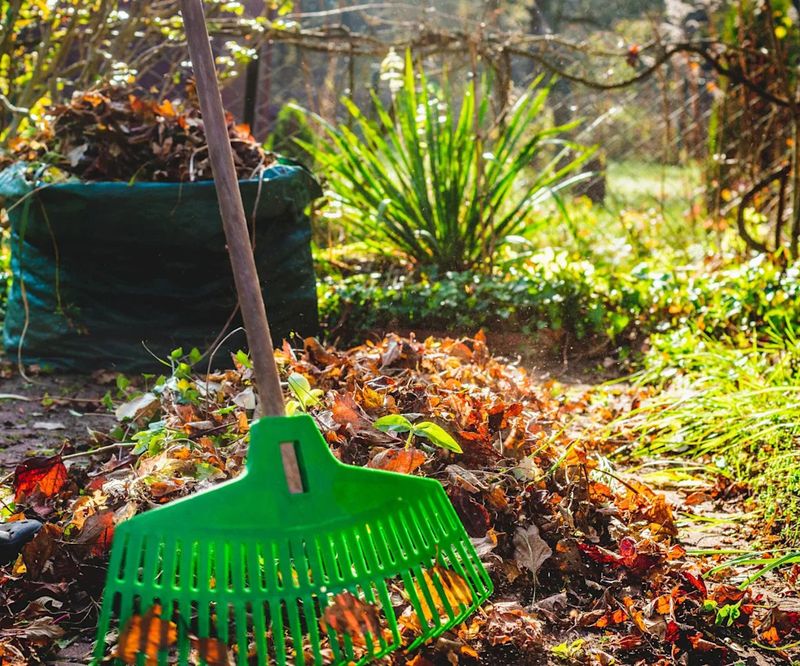
Leaf piles act like cozy hotels. They hold warmth, hide snakes from hawks, and attract the mice, lizards, and frogs snakes eat.
When you rake, you basically knock on the front door.
In the Panhandle, cooler nights push snakes toward sheltered spots like woodpiles and thick leaf litter. Down in South Florida, warm weather keeps snakes moving through winter.
Heavy rain also changes things. Flooded burrows can force snakes into yards, sidewalks, and garages.
After a big storm, take extra care around damp debris.
I like to rake in the cooler morning hours when I can see the ground clearly. Snakes are often less active before the sun warms everything up.
Watch where you put your hands, and move slowly through thick spots. A long-handled rake keeps a little space between you and anything tucked inside the pile.
7. Sturdy Boots and Thick Gloves Make Leaf Raking Much Safer
Most snakebites happen on hands, feet, and ankles. That makes your gear the easiest place to start.
Tall boots and long pants block a lot of potential strikes.
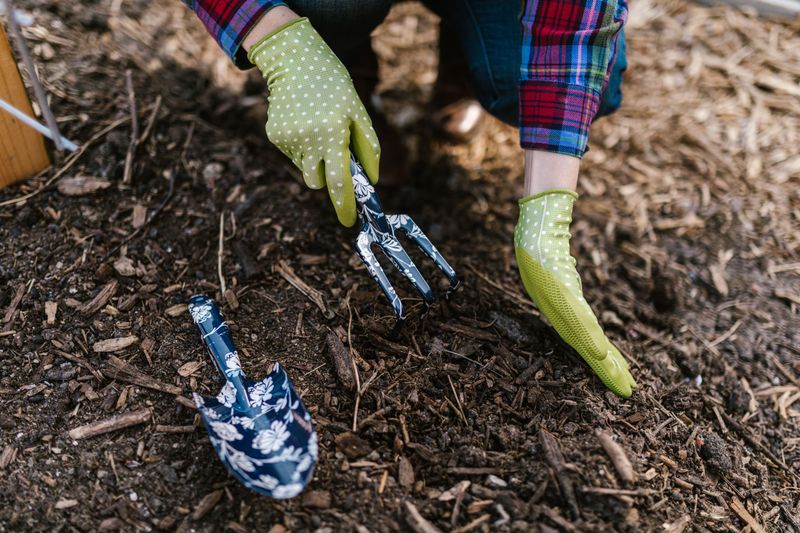
Choose thick leather or heavy-duty garden gloves when you scoop up leaves. Thin cotton gloves look nice, but fangs can poke right through them.
Flip-flops are a fun Florida tradition, though not for yard work.
Use a rake or stick to stir piles before you grab them. That small nudge gives a hidden snake time to slip away.
Snakes usually prefer leaving over fighting.
Bag leaves often instead of letting big piles sit for days. Old piles turn into perfect hideouts.
Also clear brush, stacked boards, and clutter near the house.
Keep the grass short around beds and walkways. Fewer hiding spots means fewer rodents, and fewer rodents means fewer hungry snakes nearby.
Store a flashlight near the back door for evening chores. Many snakes move around at dusk, and a little light helps you spot them before you step close.
8. Most Florida Yard Snakes Are Helpful Neighbors Worth Respecting
After all this bite talk, here is a happy thought. Florida has around 46 native snake species, and only six are venomous.
Most snakes in your garden are harmless and pretty useful.
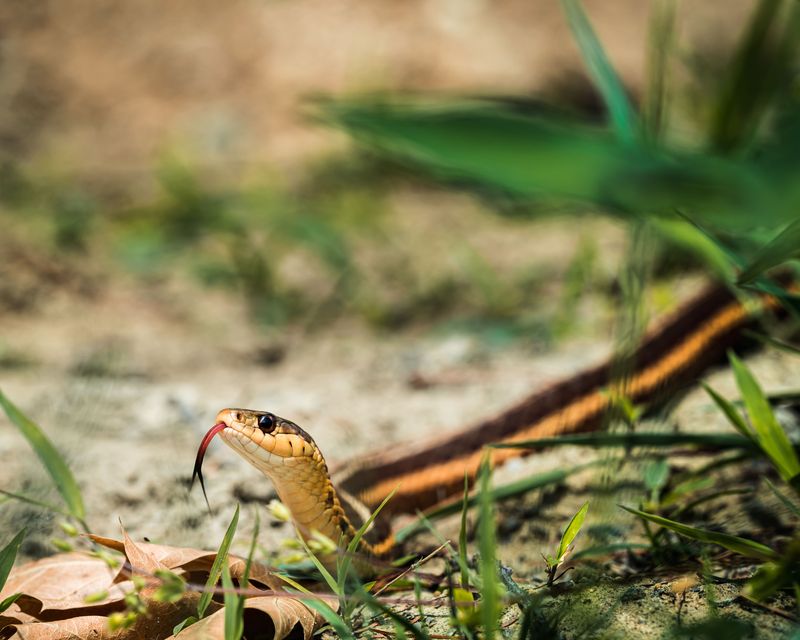
Black racers, rat snakes, and garter snakes eat rodents, slugs, and insects that bother plants. They are like free pest control that never sends a bill.
Snakes are also protected in some cases, such as the eastern indigo snake, a federally threatened species. The Florida Fish and Wildlife Conservation Commission suggests leaving snakes alone and calling a licensed wildlife pro if one moves indoors.
Save important numbers in your phone today. Add Poison Help at 1-800-222-1222, and make sure everyone at home knows to call 911 first.
Know where your closest emergency room is located.
Teach kids to back away from any snake and tell an adult. A quick family chat can prevent a scary day.
Personally, I enjoy my garden more now that I know who lives there. A little knowledge turns fear into respect, and that makes every rake session feel calmer.