Bougainvillea In Georgia Needs A Winter Plan Before The First Frost Damages Its Tender Growth
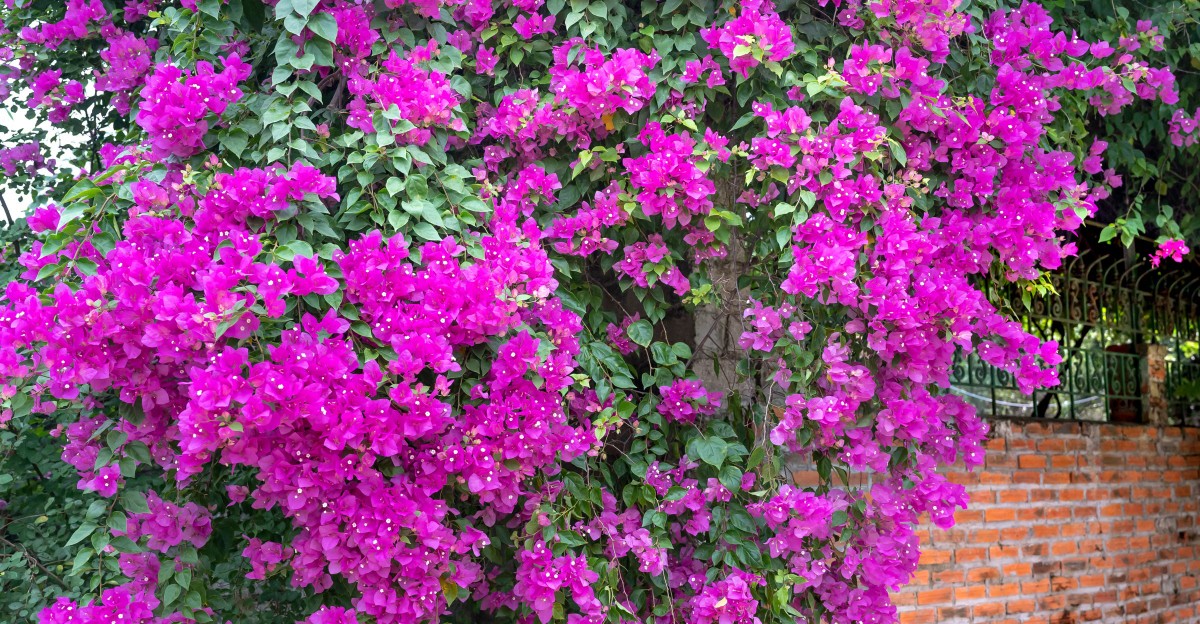
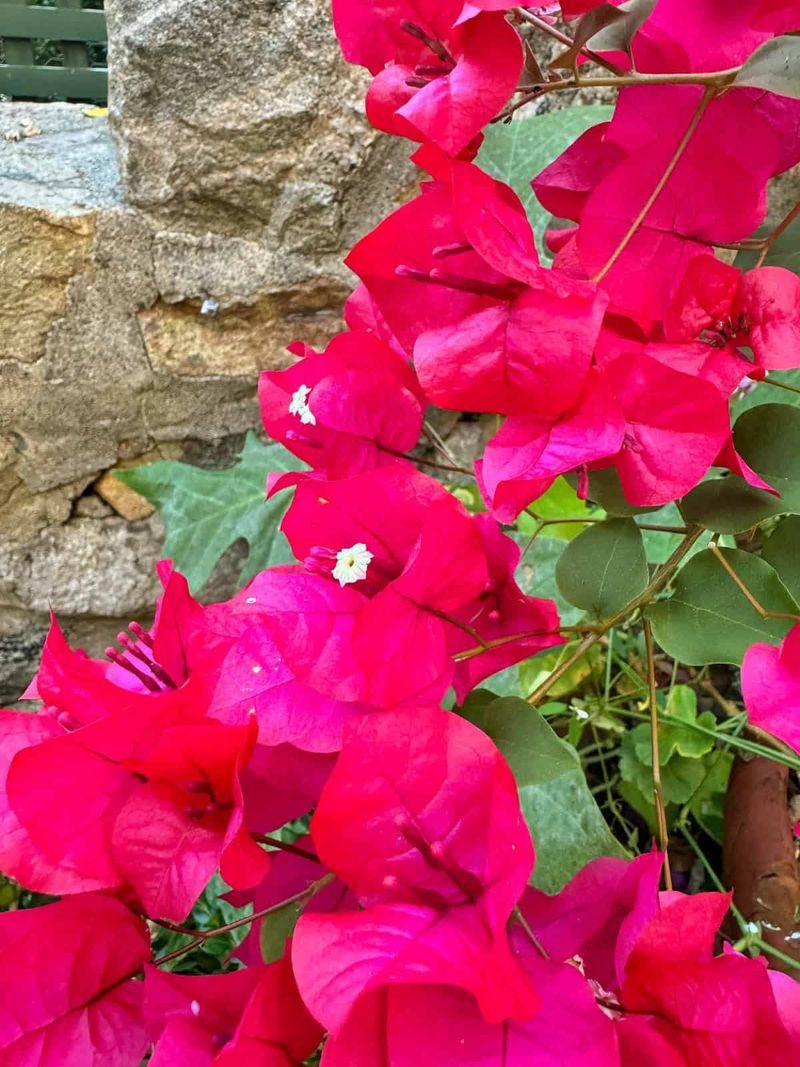
Those hot pink petals everyone raves about are not petals at all. They are papery leaves called bracts, and the real flowers are tiny white tubes hiding in the middle.
I still remember the moment I learned that, and I stared at my patio pot for a solid minute.
This tropical charmer comes from South America, where frost is a stranger. In Georgia, the first frost can show up in the mountains by late October, while coastal yards may wait until December.
That gap matters more than most gardeners realize.
I treat early fall like a quiet countdown. The vine looks happy and full of color right now, which makes it easy to forget how fast one cold night can scorch those soft green tips.
Knowing how much chill this sun lover can handle is the first step toward protecting it before the thermometer drops.
1. Those Papery Bougainvillea Bracts Have A Surprisingly Low Cold Limit
Sunshine and heat are the fuel this vine runs on. Bougainvillea is rated hardy only in USDA zones 9 through 11, and most of Georgia sits in zones 7 and 8.
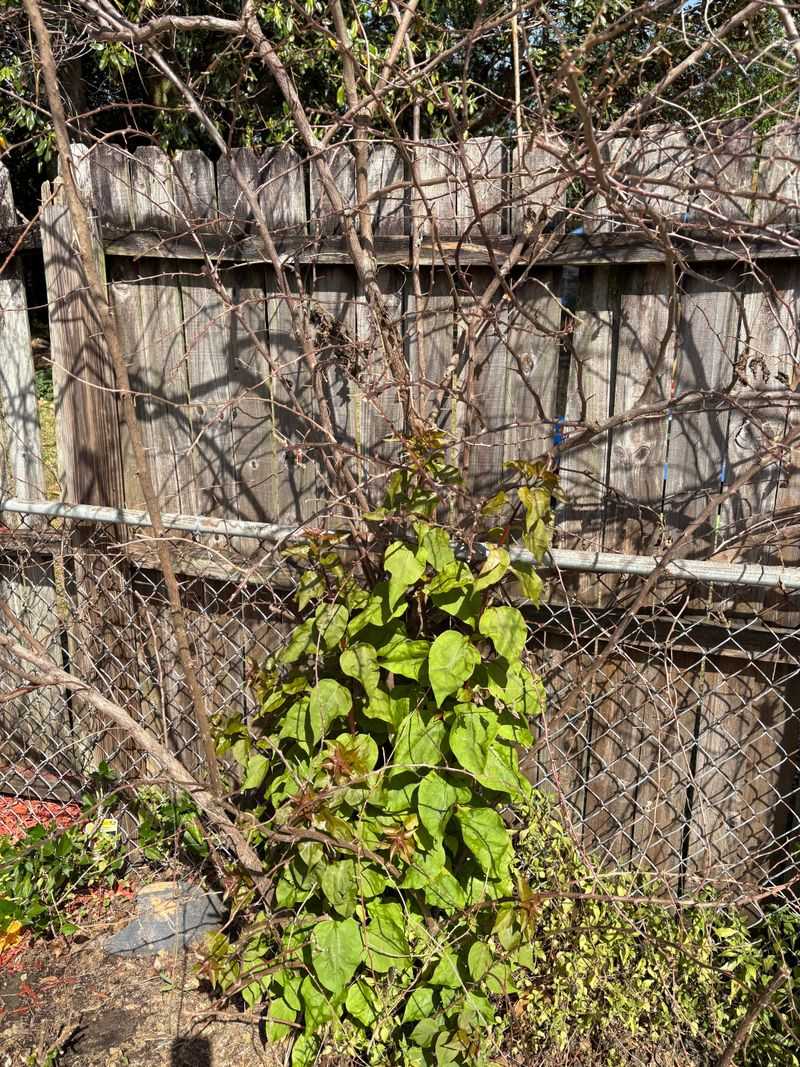
Leaves and soft shoots often show damage once temperatures sink near 32 degrees. A light frost may only scorch the tips, but a hard freeze in the mid to upper 20s can harm the woody stems and roots.
Even nights in the low 40s can slow growth and cause some leaf drop.
I like to think of it as a beach vacationer stuck in a sweater town. The plant simply has no built-in defense against long cold spells.
Geography makes a big difference here. Gardeners in Blue Ridge or Dahlonega may see frost in mid to late October.
Atlanta usually gets its first frost around early November, while Savannah and Brunswick often wait until late November or December.
Knowing your local frost date gives you a head start. Check the National Weather Service forecast or a frost date tool for your zip code, then mark your calendar about two weeks earlier.
That buffer gives you time to prune, inspect, and move plants without a frantic midnight scramble when a surprise cold front rolls through.
2. Potted Bougainvillea Should Head Indoors When Nights Reach The 40s
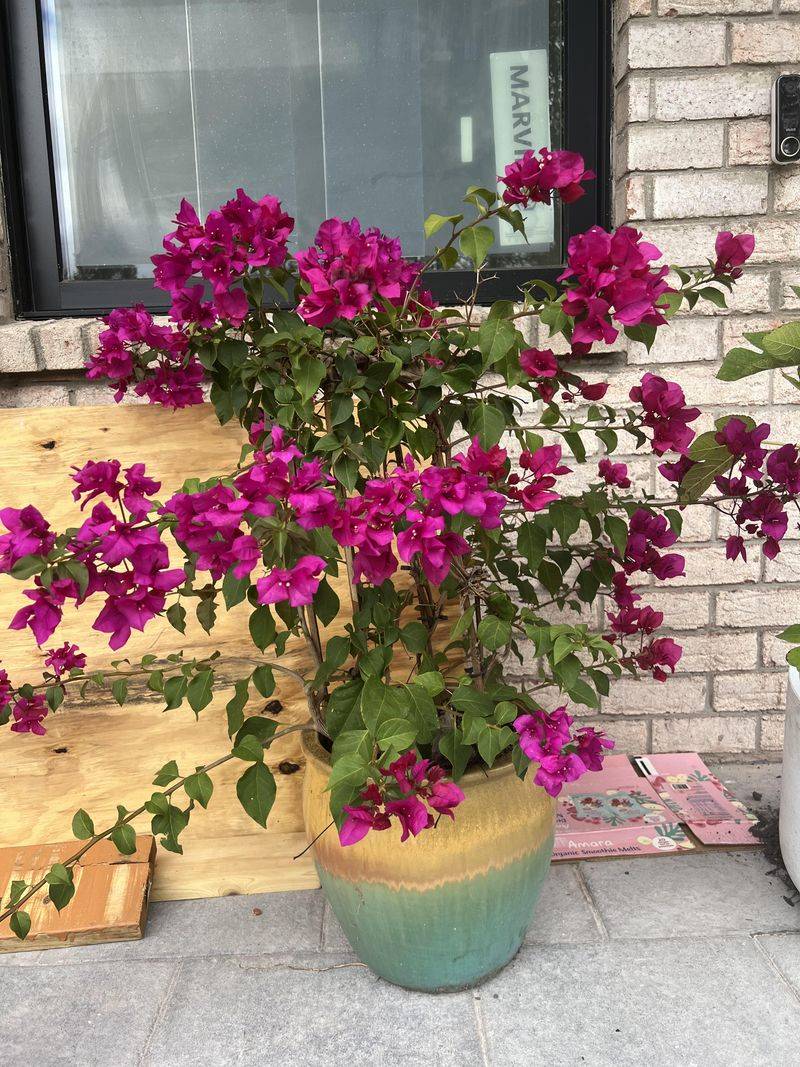
Containers are a Georgia gardener’s secret weapon with this vine. A pot lets you move the plant to safety instead of hoping the weather cooperates.
Aim to bring it inside when nighttime lows start hovering around 40 to 45 degrees. Waiting for the first frost warning cuts it too close, since tender new growth can suffer before the frost even arrives.
Where should it go? A bright, unheated garage with a window, a sunroom, or a cool spare room works well.
Temperatures between about 45 and 60 degrees suit a resting plant nicely.
Big pots get heavy fast. I keep a plant dolly or caddy with wheels nearby, because hauling a soggy clay pot across the patio is no fun for anyone’s back.
Give the plant the sunniest window you have, ideally facing south. Bougainvillea craves light, and a dim corner will cause extra leaf drop.
Keep it away from heater vents and drafty doors, since sudden blasts of hot or cold air add stress.
If you have several plants, start with the smallest ones. They lose heat fastest, and their roots sit closer to the cold pot walls.
3. Trim The Thorny Bougainvillea Stems And Check For Hitchhiking Pests
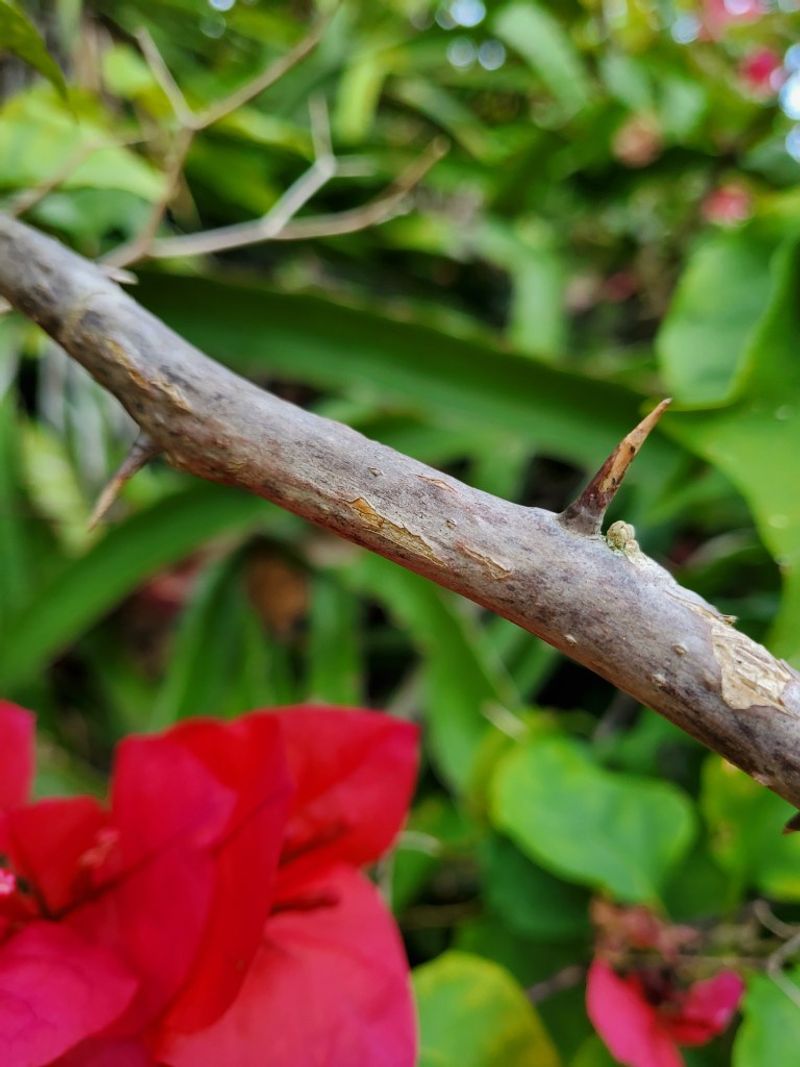
Gloves first, always a smart move here. Those stems carry sharp thorns that love to snag sleeves and skin.
A moderate trim before moving the plant makes it easier to carry and fit through doors. Cut back long, leggy shoots by about a third, or shape the plant to a manageable size of roughly two feet if space is tight.
Save heavy shaping for late winter or early spring, since this vine blooms on new growth.
Next comes the bug patrol. Mealybugs, aphids, and spider mites often ride indoors on outdoor plants, then multiply quickly in warm, dry rooms.
Look under leaves and along stems for white fuzz, sticky residue, or fine webbing. A strong spray of water outside can knock many pests loose.
Insecticidal soap or horticultural oil, used according to the label, can help manage what remains.
Also inspect the soil surface for slugs or ants. Scraping off the top inch and adding fresh potting mix is an easy fix.
Expect some yellow leaves and dropped bracts after the move. That reaction is normal as the plant adjusts to lower indoor light, so try not to panic.
4. Your Resting Bougainvillea Wants Far Less Water Than You Expect
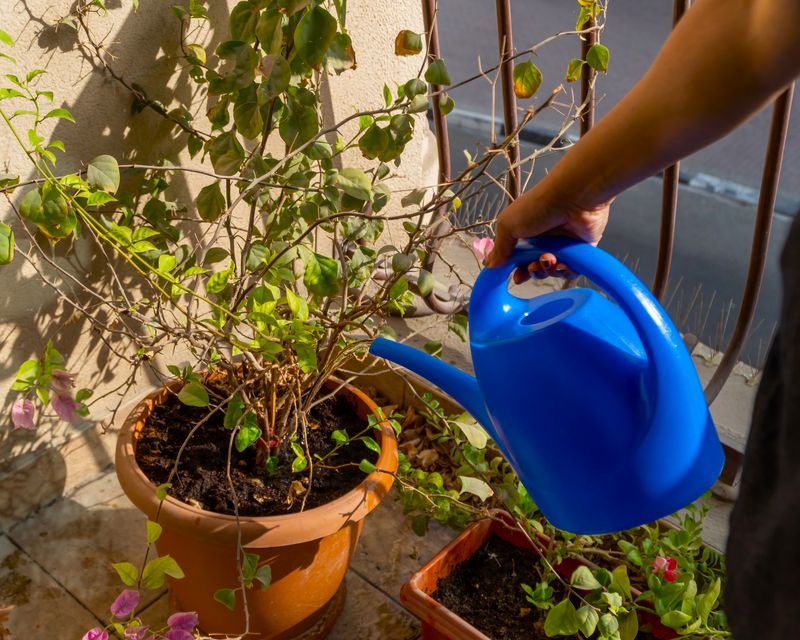
Overwatering causes more winter trouble than cold ever does indoors. A semi-dormant bougainvillea uses very little moisture, and soggy soil invites root rot.
Let the soil dry out well between drinks. For many plants, that means watering every two to three weeks, but the real test is your finger.
Push it a couple of inches into the soil, and water only if it feels dry.
When you do water, soak the pot until water drains from the bottom. Then empty the saucer so roots are not sitting in a puddle.
Skip fertilizer completely through the cool months. Feeding a resting plant pushes weak growth that struggles in low light.
Wait until spring, when fresh shoots appear, before offering a balanced or bloom-boosting fertilizer.
I honestly find this the easiest part of the whole plan. The vine asks to be mostly left alone, which suits busy holiday schedules perfectly.
Drainage matters too. Pots should have holes at the bottom, and a gritty potting mix helps water move through quickly.
If your plant sits in a decorative pot with no holes, slip it into a nursery pot inside instead.
5. In-Ground Bougainvillea On The Georgia Coast Needs Mulch And Frost Cloth
Coastal gardeners sometimes gamble with planting this vine in the ground. Mild winters near Savannah and St. Simons Island make it possible, though not guaranteed.
Pick a south-facing wall if you try it. Brick and stone soak up daytime heat and release it at night, creating a slightly warmer pocket.
Before cold weather settles in, spread three to four inches of pine straw or shredded bark around the base. Keep mulch a few inches away from the trunk so moisture does not rot the bark.
That layer helps protect roots, which can often push new growth even if top stems get nipped.
On freeze nights, cover the plant with frost cloth or an old sheet that reaches the ground. Stakes or a simple frame keep the fabric off the foliage.
Remove covers the next morning so the plant does not overheat.
Plastic sheeting is a poor choice. It touches leaves and transfers cold right through.
Watering dry soil a day before a freeze helps too, since moist soil holds heat better than dry ground. Even with every trick, a hard winter may knock the plant back to its roots.
6. Frost-Nipped Bougainvillea Branches Deserve Patience Before Pruning
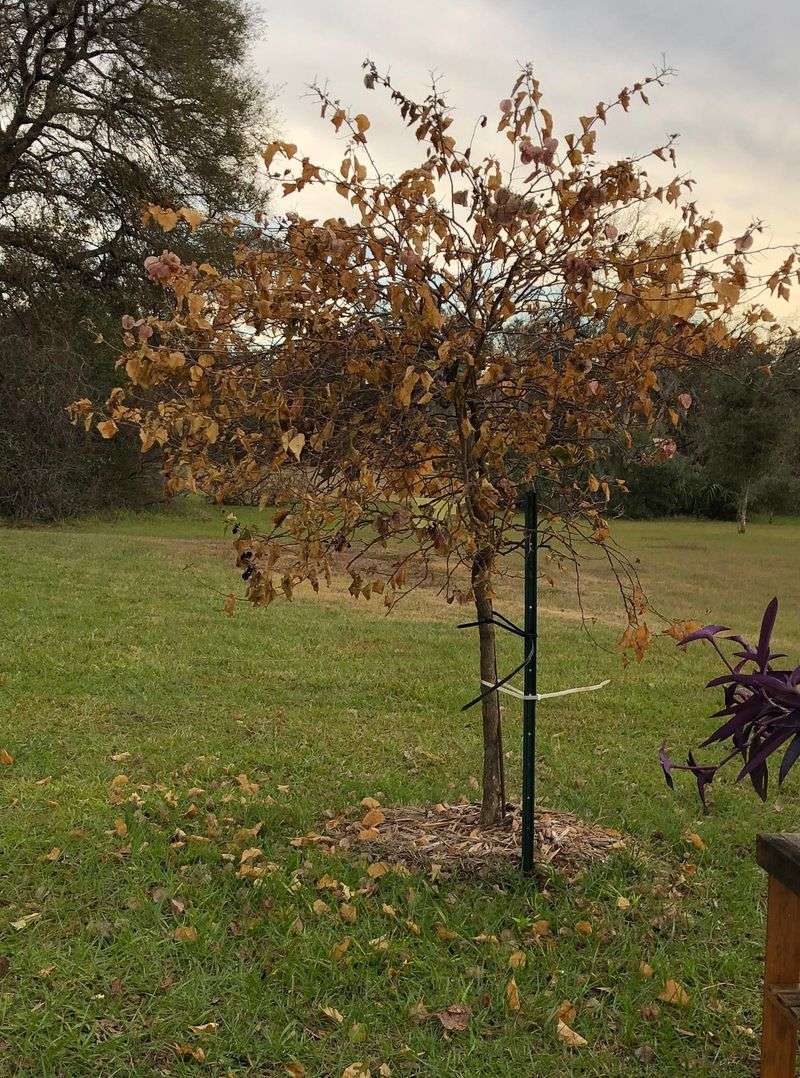
Brown, crispy leaves after a cold snap look alarming. Grab your coffee instead of your pruners, though, because waiting is the wiser move.
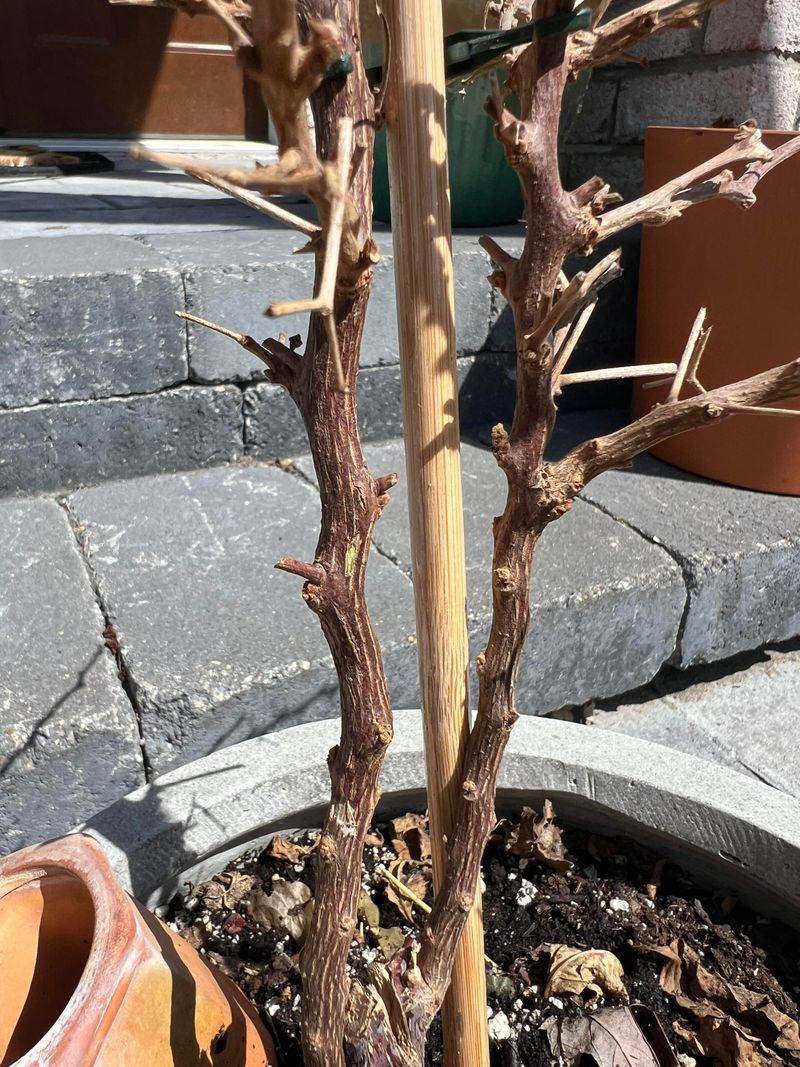
Damaged branches act like a blanket for healthier wood below. Cutting them in midwinter can expose live tissue to the next freeze and encourage tender new shoots that get hit again.
Hold off until late winter or early spring, once the danger of frost has passed in your area. In much of Georgia, that lands sometime between mid-March and mid-April.
To find living wood, gently scratch a stem with your fingernail. Green under the bark means it is still alive, while brown and brittle means that section can go.
Cut back to just above a healthy bud or side shoot.
Roots can surprise you. Plants that look bare in February sometimes sprout from the base by late spring, especially when roots stayed protected under mulch.
Give a struggling plant until early summer before giving up. Once it bounces back, a light feeding and plenty of sun will help it rebuild strength and color for the season ahead.
7. Easing Your Bougainvillea Back Into Spring Sunshine Prevents Leaf Scorch
Months indoors leave leaves soft and unprepared for full Georgia sun. Rushing the plant outside can cause bleached, scorched foliage within a day or two.
Wait until nighttime temperatures stay above 50 degrees and frost risk has passed. For metro Atlanta, that often means mid-April, while southern Georgia may be ready a few weeks earlier.
Start with a shady or partly shaded spot for about a week. Then move it into morning sun for several more days before giving it a full-sun position.
This gradual shift is called hardening off. It sounds fussy, but it truly makes a visible difference.
Resume regular watering as growth picks up, letting the top inch or two dry between drinks. Begin feeding with a balanced fertilizer, or one lower in nitrogen, since too much nitrogen gives lots of leaves and few bracts.
Fun fact for your next garden chat: the plant was named after French navigator Louis Antoine de Bougainville. A botanist on his 1760s voyage spotted it in Brazil.
Now that vine travels from your sunroom to your porch every spring, which feels like a tiny voyage of its own.
8. A Simple Fall Checklist Keeps Bougainvillea Blooming For Years
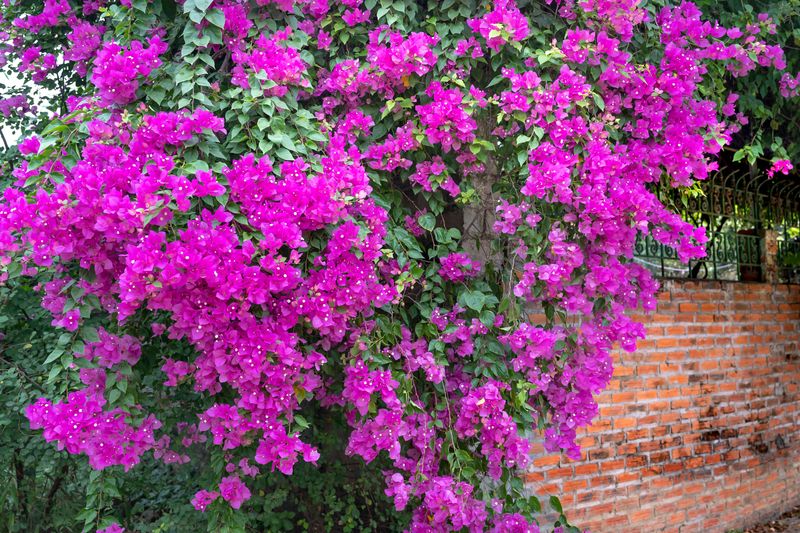
Planning ahead turns winter from a worry into a routine. Once you do it a couple of times, the whole process takes an afternoon.
Here is my quick plan for fall. Look up your local first frost date, then aim to act about two weeks earlier.
Trim long shoots, inspect for pests, and move potted plants inside when nights approach the 40s.
For ground plants, stock frost cloth, stakes, and pine straw before you need them. Stores often run low the moment a freeze shows up in the forecast.
Choosing the right pot helps too. Lightweight resin or fabric containers with drainage holes make yearly moves much easier than heavy ceramic.
Consider growing a compact variety if space indoors is tight. Dwarf types like Helen Johnson stay smaller and still deliver bright color.
Overwintered plants tend to grow larger and bloom more heavily each year, since they skip starting over. That reward is worth a little hauling.
Keep notes on dates and results in a garden journal, and your plan will get smarter every season. Before long, your bougainvillea becomes a long-term patio companion instead of a summer fling.