The Most Underrated Georgia Patio Plant That Deters Both Ticks And Mosquitoes
Some patio plants do much more than brighten an outdoor space. The right choice can make relaxing outside feel far more enjoyable during the warmest months.
Most homeowners pick plants for their flowers, fragrance, or colorful leaves. Few realize one popular herb offers another helpful benefit at the same time.
A well-placed container can have a bigger impact than you might expect. Small planting decisions often change how comfortable a favorite sitting area feels.
One easy-to-grow plant deserves far more attention on Georgia patios. It has become a favorite for reasons that go well beyond its appearance.
Your patio should be a place you enjoy spending time.
One overlooked plant keeps proving it can add beauty while helping make outdoor spaces feel a little more comfortable throughout the season.
1. Lemon Balm Brings A Strong Citrus Scent To Patios
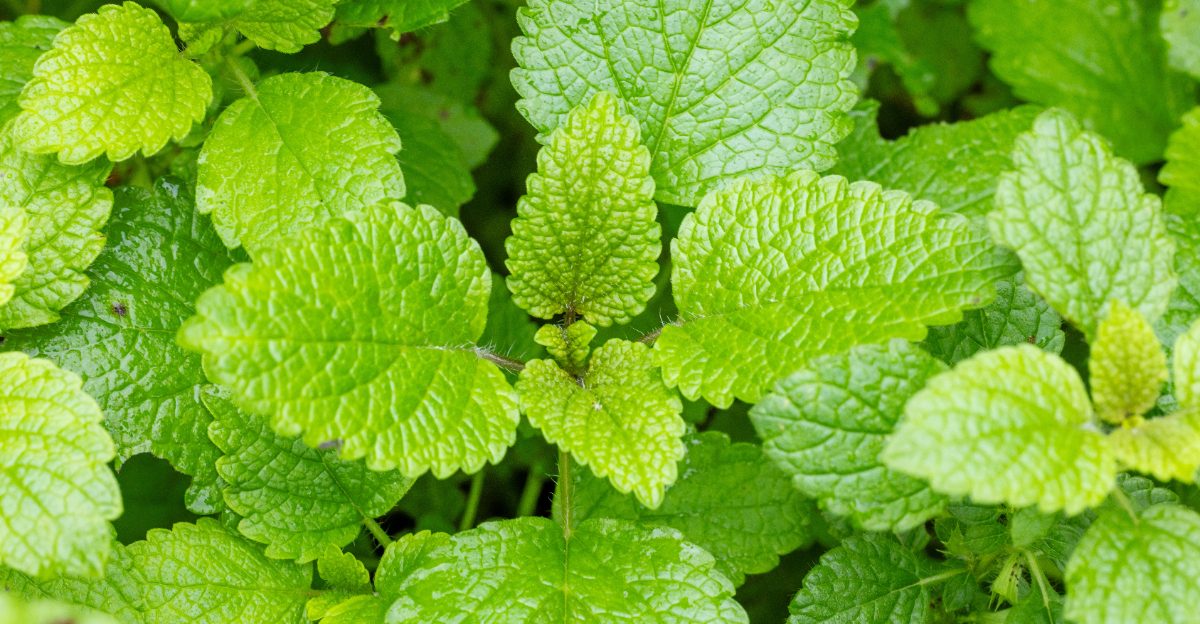
Brush your hand across a lemon balm leaf and the scent hits you immediately. It is sharp, citrusy, and surprisingly strong for such a soft-looking plant.
That fragrance is not just pleasant for people sitting outside.
Lemon balm contains a natural compound called citronellal. That same compound is found in citronella grass, which is widely used in insect-repelling candles and sprays.
When the leaves release their oils into the air, the scent may make the area less attractive to mosquitoes and ticks looking for a host.
Placing a few pots near your seating area is a simple way to put that scent to work. Crushing a few leaves before you sit down can boost the release of those oils.
The effect is not a guarantee, but it adds a layer of natural deterrence without any sprays or chemicals.
On a warm Georgia evening, the smell alone makes the patio feel fresher. It blends well with other herbs like rosemary and lavender, so you can build a fragrant container garden that looks good and pulls some pest-deterring weight.
2. Its Natural Oils May Help With Mosquito Concerns
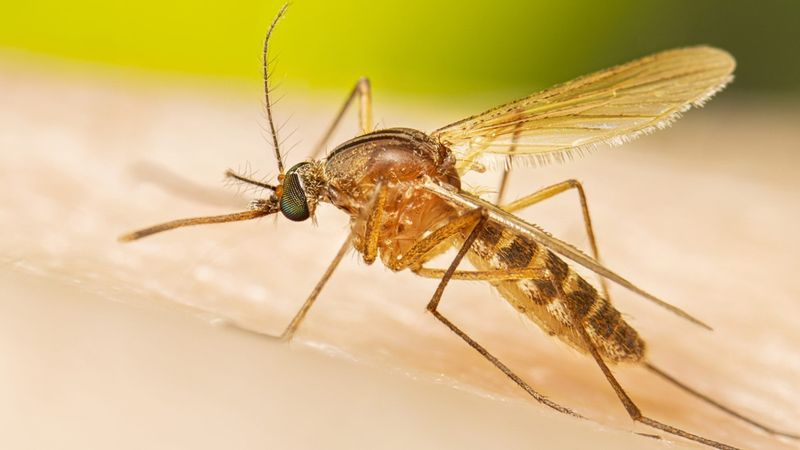
Not every pest-repelling plant earns that reputation fairly. Lemon balm, though, has a real chemical reason behind the claim.
Its leaves produce volatile oils, including citronellal and rosmarinic acid, that give off a strong scent when disturbed.
Mosquitoes rely heavily on scent to find their targets. Strong competing smells can interfere with that process, at least partially.
Lemon balm is not a replacement for bug spray when you are spending hours outside, but it can contribute to a less mosquito-friendly environment around your seating area.
Rubbing a fresh leaf directly on exposed skin is something some gardeners do before sitting outside. The oils transfer and linger on the skin for a short time.
Results vary depending on the individual, the mosquito species in your area, and how much oil the plant is currently producing.
Ticks are more of a contact pest, so a scented plant offers less direct protection against them compared to mosquitoes. Even so, creating a yard environment that discourages pests broadly is worth pursuing.
Lemon balm is one piece of that effort.
Your Georgia Garden Changes Every Week. Your Plan Should Too.
Gardening in Georgia changes quickly throughout the season. Every Friday you’ll receive a simple weekly plan showing exactly what to plant, prune, fertilize, harvest, and protect so you never miss the right timing.
3. Containers Keep Lemon Balm Easy To Grow
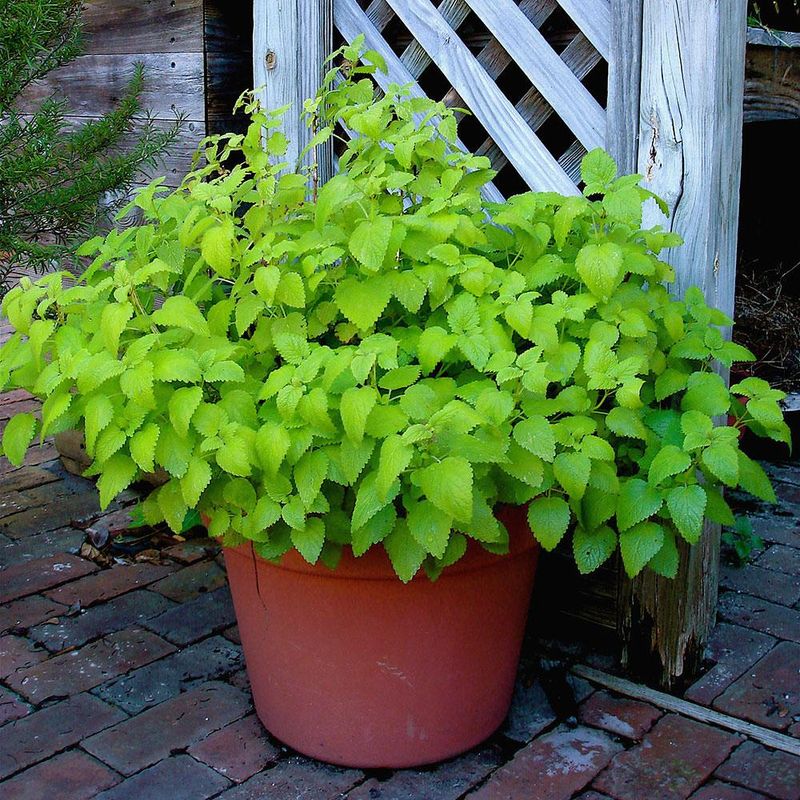
Lemon balm spreads aggressively when planted directly in the ground. Left unchecked, it can take over a garden bed within a single growing season.
Containers solve that problem entirely.
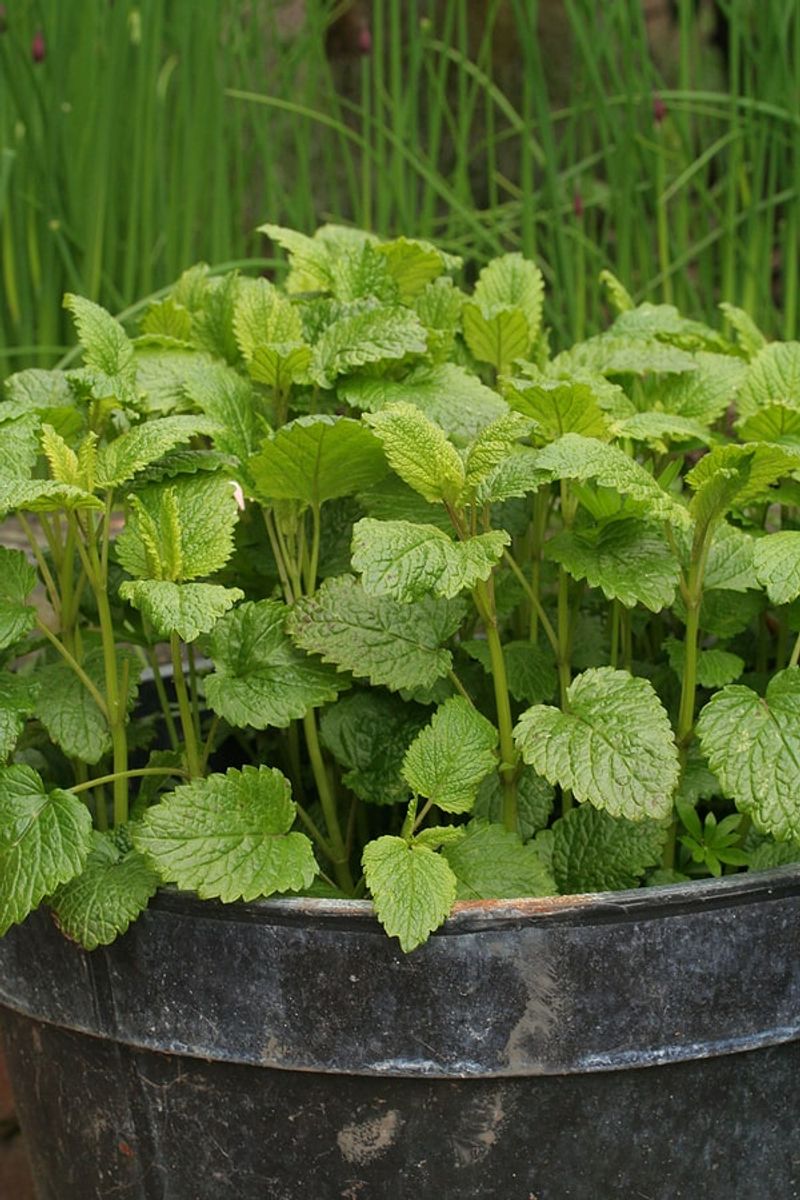
Growing lemon balm in pots gives you full control over where it goes and how big it gets. A pot that is at least 12 inches wide and deep gives the roots enough room to establish without crowding.
Use a well-draining potting mix rather than straight garden soil, which tends to compact and hold too much moisture in containers.
One of the best things about container growing is portability. You can move the pots closer to where people are sitting during outdoor gatherings and tuck them back near the door when you want them nearby.
On a covered porch or screened patio in Georgia, this flexibility is genuinely useful.
Repotting once a year keeps the plant from getting root-bound and slowing down. When roots start poking out of the drainage holes, that is a clear sign it needs more space.
Lemon balm in containers also tends to stay a manageable size, usually between one and two feet tall, which fits neatly on most patios without overwhelming the space.
4. Fresh Leaves Add More Value To Outdoor Spaces
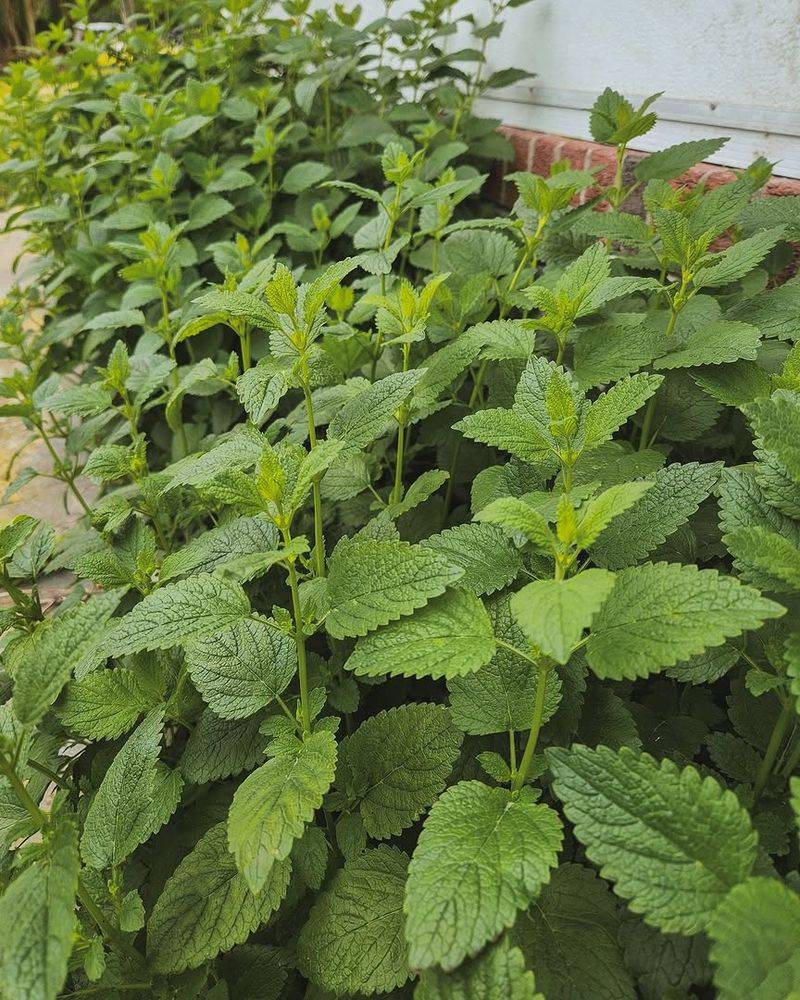
Growing something you can actually use feels different from growing something purely decorative. Lemon balm earns its spot on the patio in more ways than one.
Fresh leaves are edible, aromatic, and genuinely useful around the home.
Steep a handful of leaves in hot water for a calming herbal tea. Add chopped leaves to fruit salads or cold drinks for a mild lemon flavor without the acidity of actual citrus.
Some people use them in homemade sachets placed near doorways or windows to keep the scent going indoors as well.
Regular harvesting actually benefits the plant. Cutting stems back encourages bushier growth and keeps the plant producing fresh leaves rather than going to flower too quickly.
Once lemon balm flowers, the leaf flavor tends to become milder, so frequent trimming helps maintain that strong citrus punch.
Having a plant on your patio that doubles as a kitchen herb changes how you interact with your outdoor space. It gives you a reason to step outside, tend to something living, and walk away with something useful.
That kind of practical beauty is easy to overlook at the garden center but hard to replace once you have experienced it.
5. Sunny Spots Help Lemon Balm Grow Well
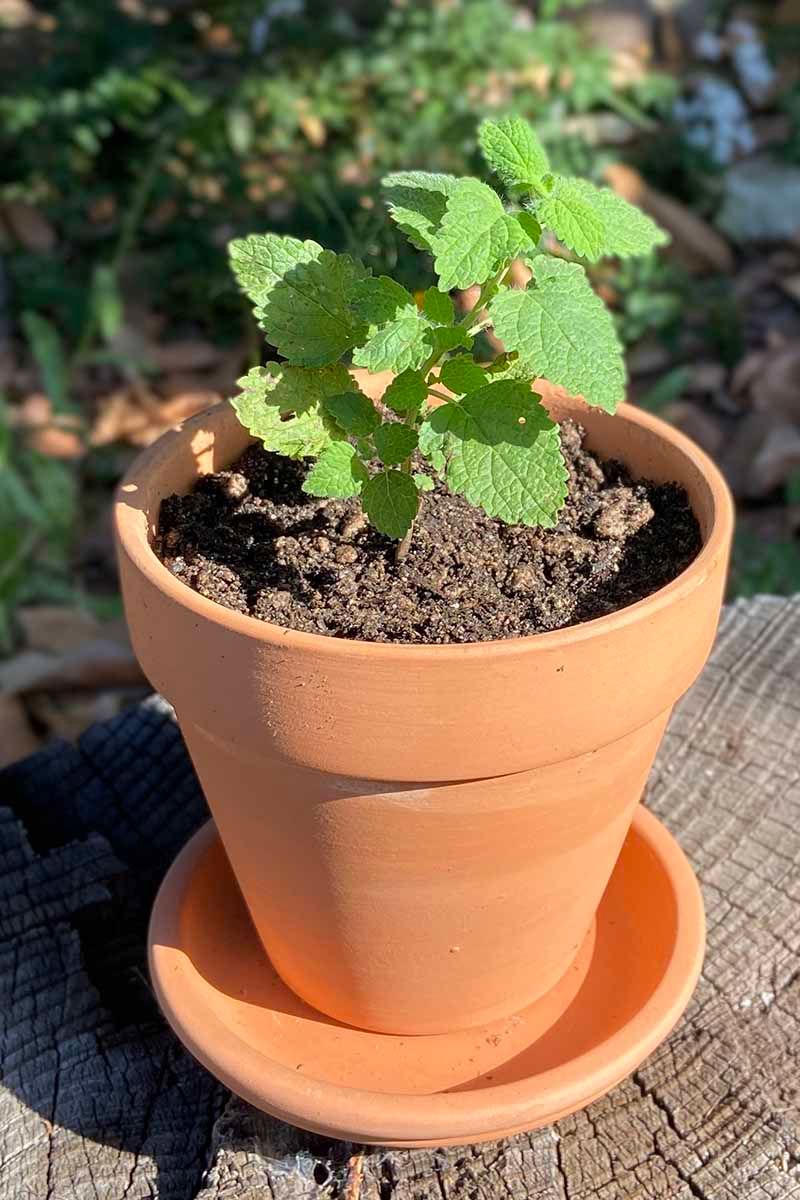
Placement matters more than most people realize when growing herbs in containers. Lemon balm does best with at least four to six hours of direct sunlight each day.
Without enough light, the plant grows leggy, pale, and produces fewer of the aromatic oils that make it useful.
A south or east-facing patio is usually a strong choice. Morning sun is gentler and helps the plant dry off after overnight humidity, which reduces the chance of fungal issues.
Afternoon shade during the hottest part of the day can actually help lemon balm avoid stress during peak summer heat in the South.
Watch the plant for signs it needs more light. Stems that stretch toward the sun, sparse leaf growth, or a faded green color often mean the spot is too shady.
Moving the pot a few feet can make a noticeable difference within a week or two.
Lemon balm is forgiving compared to some herbs, but it still has preferences. A bright spot near a patio railing or along a sunny wall tends to work well in most Georgia yards.
Avoid placing it directly under a roof overhang where it would miss rainfall and be shaded for most of the day.
6. Good Drainage Keeps Roots Healthy
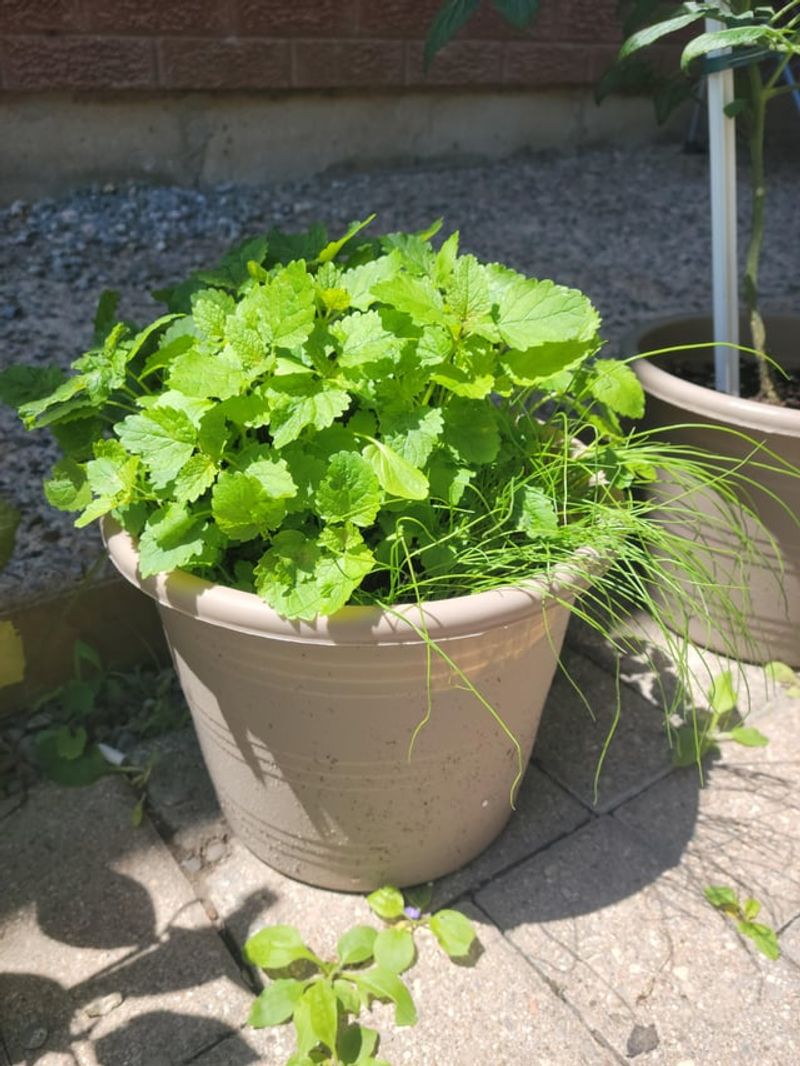
Soggy roots are one of the fastest ways to lose a container herb. Lemon balm tolerates a range of conditions, but standing water around its roots causes rot that can weaken or end the plant.
Good drainage is non-negotiable.
Always use a pot with drainage holes at the bottom. If you love the look of a decorative pot without holes, place the lemon balm in a plain nursery pot inside it, and empty the outer pot after heavy rain or watering.
That extra step takes about thirty seconds and protects the roots.
A quality potting mix with perlite or coarse sand added helps water move through quickly. Avoid dense, heavy mixes that stay wet for days.
Lemon balm prefers soil that dries slightly between waterings rather than staying consistently moist.
During Georgia summers, rainfall can be unpredictable. Some weeks bring daily afternoon storms while others stay dry for stretches at a time.
Check the soil by pressing a finger about an inch deep. If it feels damp, skip watering.
If it feels dry, water thoroughly until it drains from the bottom. Consistent but not excessive moisture keeps the plant vigorous and producing those aromatic leaves.
7. Mosquito And Tick Control Needs More Than One Step
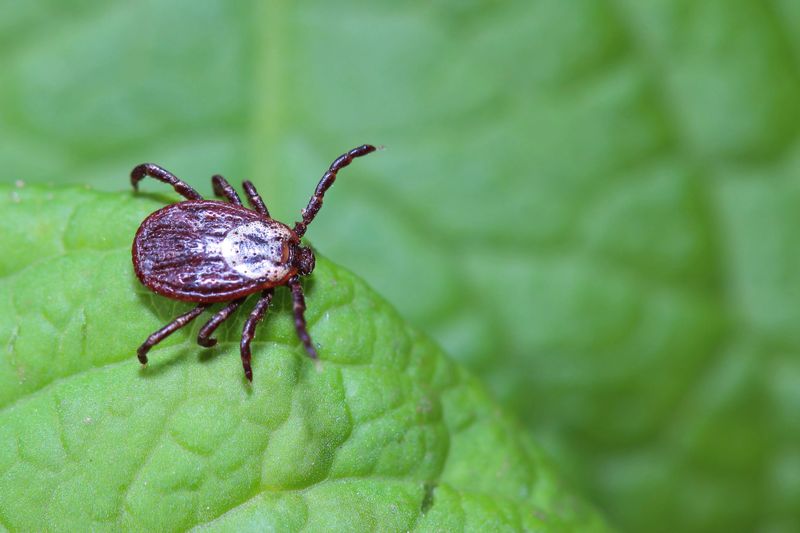
No single plant clears a yard of mosquitoes or ticks on its own. Lemon balm contributes to a less inviting environment, but treating it as a complete solution sets unrealistic expectations.
Pest control works best as a layered approach.
Start with the basics. Remove standing water from pots, gutters, buckets, and birdbaths regularly.
Mosquitoes breed in still water, and even a small amount left for several days can produce a noticeable number of them. Cutting grass short and trimming back dense vegetation reduces tick habitat near your patio.
Add lemon balm and other fragrant herbs like rosemary, basil, and catnip to your container garden. Each brings its own scent profile that may add to the overall deterrence around your seating area.
None of them replace personal protection when you are in tick-heavy areas like wooded trails or tall grass.
Personal repellents, tick checks after outdoor time, and proper clothing in high-risk areas remain the most reliable tools for tick prevention. Lemon balm fits into a broader strategy rather than standing alone as the answer.
Used alongside smart yard habits, it adds real value to your outdoor setup.