Plant These 8 Georgia Perennials Now For Bigger Blooms Next Spring
Late summer is a surprisingly good time to think about next spring’s flowers. While many plants are winding down, others are getting ready to settle in before cooler weather arrives.
Planting perennials now gives their roots time to establish while the soil is still warm. That extra growth below ground often leads to stronger plants and a much better floral display once spring returns.
You do not need a complete garden makeover to notice the difference. Adding a few dependable varieties this season can reward you for years with very little extra effort.
Gardeners throughout Georgia have a long growing season that gives newly planted perennials an excellent head start before winter.
Choosing the right plants now means less waiting, healthier growth, and bigger, more colorful blooms when the next spring gardening season begins.
1. Fill Sunny Borders With Bearded Iris
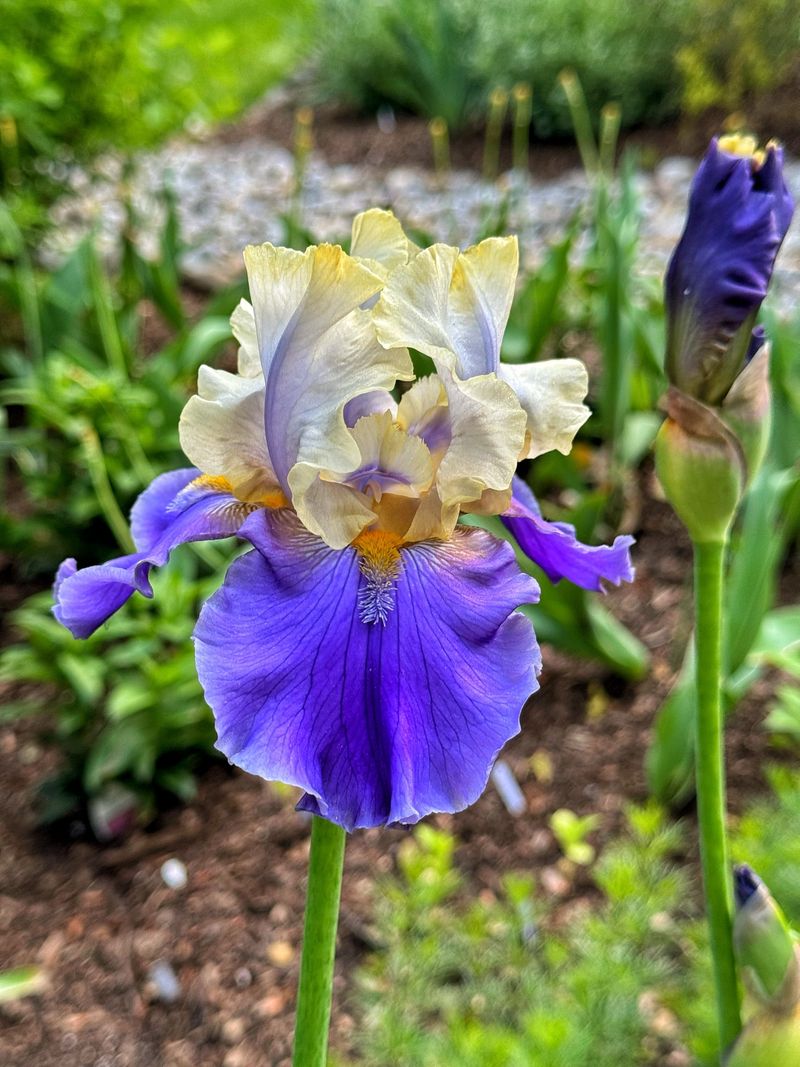
Few flowers stop people in their tracks quite like bearded iris. Those ruffled, layered petals in shades of purple, white, yellow, and deep violet look almost unreal when they open up in spring.
Planting the rhizomes now gives them enough time to anchor before cold weather sets in.
Bearded iris needs full sun, at least six hours a day. Partial shade tends to reduce blooming noticeably.
Sandy or well-draining soil works best, since sitting in wet ground can cause rhizomes to rot over winter.
When planting, set rhizomes just at the soil surface. Burying them too deep is one of the most common mistakes.
You want the top of the rhizome slightly exposed to sunlight. Space them about 12 to 18 inches apart to allow airflow and prevent fungal issues.
Dividing clumps every three to four years helps keep blooms full and healthy. Overcrowded rhizomes tend to produce fewer flowers over time.
Fall is a great moment to divide and replant while conditions are cooler.
Bearded iris is drought-tolerant once established, which makes it a solid choice for Georgia summers. Water regularly after planting to help roots settle in, then ease back as temperatures drop.
A light layer of mulch around the base, not over the rhizome, can help protect against hard freezes in northern parts of the state.
2. Plant Garden Phlox For Fuller Flower Clusters
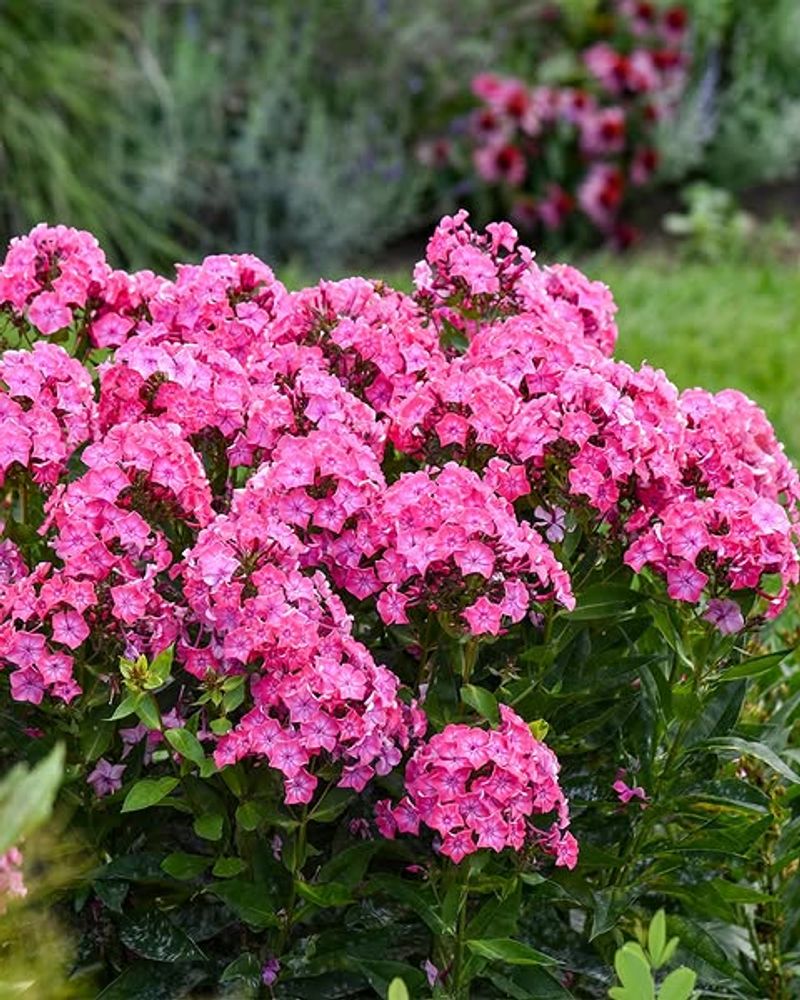
Garden phlox delivers one of the most impressive flower shows in any perennial bed. Clusters of small blooms pack together into large, rounded heads that can span several inches across.
Colors range from soft white to deep magenta, and many varieties carry a light, pleasant fragrance.
Planting in fall gives phlox roots time to spread before the ground freezes. Established plants tend to produce significantly more flower clusters the following season compared to spring-planted ones.
That head start makes a real difference in bloom size and quantity.
Full sun is ideal, though phlox can handle light afternoon shade in hotter climates. Good airflow around plants helps reduce powdery mildew, which is a common issue in humid conditions.
Spacing plants 18 to 24 inches apart improves circulation considerably.
Mildew-resistant varieties like David, Robert Poore, or Jeana are worth seeking out. Older varieties tend to be more susceptible.
Your Georgia Garden Changes Every Week. Your Plan Should Too.
Gardening in Georgia changes quickly throughout the season. Every Friday you’ll receive a simple weekly plan showing exactly what to plant, prune, fertilize, harvest, and protect so you never miss the right timing.
Choosing a resistant cultivar saves a lot of headaches later in the season when humidity climbs.
Soil preparation matters more than most people expect. Mixing compost into the planting area before setting plants in improves drainage and adds nutrients.
Water consistently after planting until the first frost, then let the plant rest. Come spring, fresh growth emerges quickly, and by early summer, those flower clusters will be at their fullest and most impressive.
3. Count On Daylilies For Stronger Growth Next Season
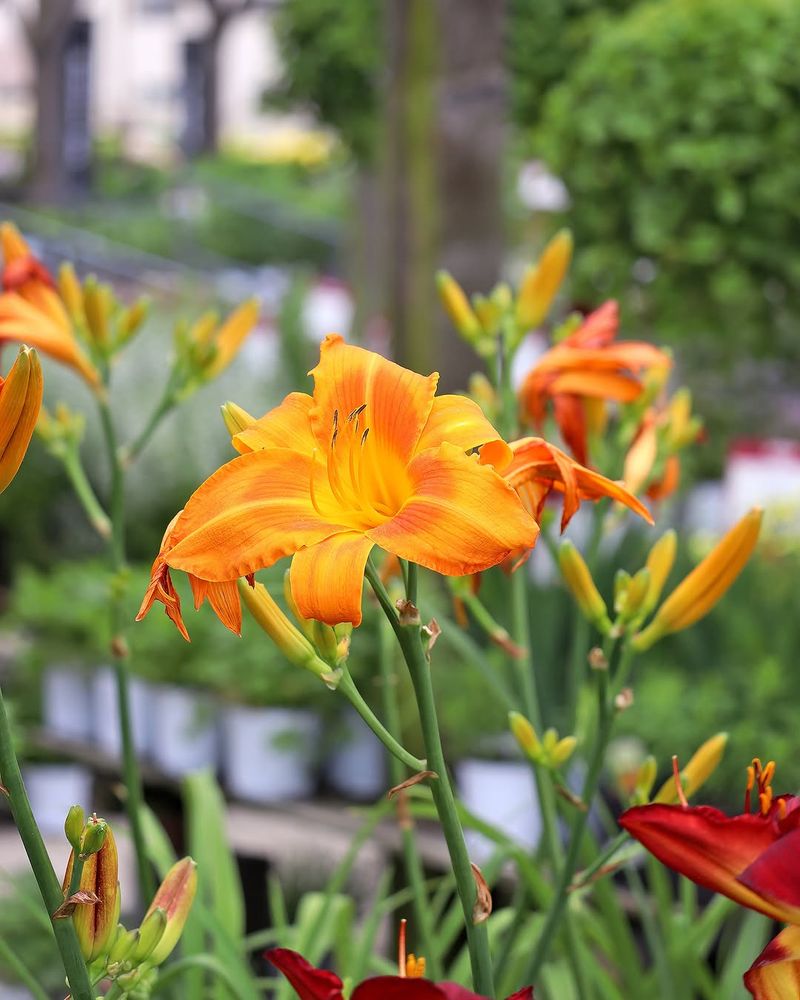
Daylilies are some of the toughest perennials you can put in the ground. Established clumps push through heavy clay, poor soil, and summer drought with surprisingly little complaint.
Fall planting gives the roots extra months to spread before heat arrives, and that payoff shows up clearly in bloom count the following year.
Each flower lasts only one day, but each stem carries multiple buds that open in sequence over several weeks. A well-established clump can produce dozens of blooms across a single season.
Planting multiple varieties with staggered bloom times stretches that color through summer.
Daylilies adapt to a wide range of soil types, but they prefer well-drained ground with moderate fertility. Avoid low spots where water pools after rain.
Soggy roots through winter can weaken plants significantly by spring.
Full sun produces the most blooms. Partial shade is tolerable, but expect fewer flowers and slightly weaker stems in lower light.
At least six hours of direct sun is a reasonable target for solid performance.
Dividing clumps every four to five years keeps growth vigorous. Overcrowded plants tend to produce smaller blooms and fewer of them.
Fall is a practical time to divide, since cooler temperatures reduce transplant stress. Set divisions about 18 inches apart, water thoroughly, and let them settle in before winter arrives.
Minimal care through the cold months is usually all they need.
4. Brighten Partly Shaded Beds With Coral Bells
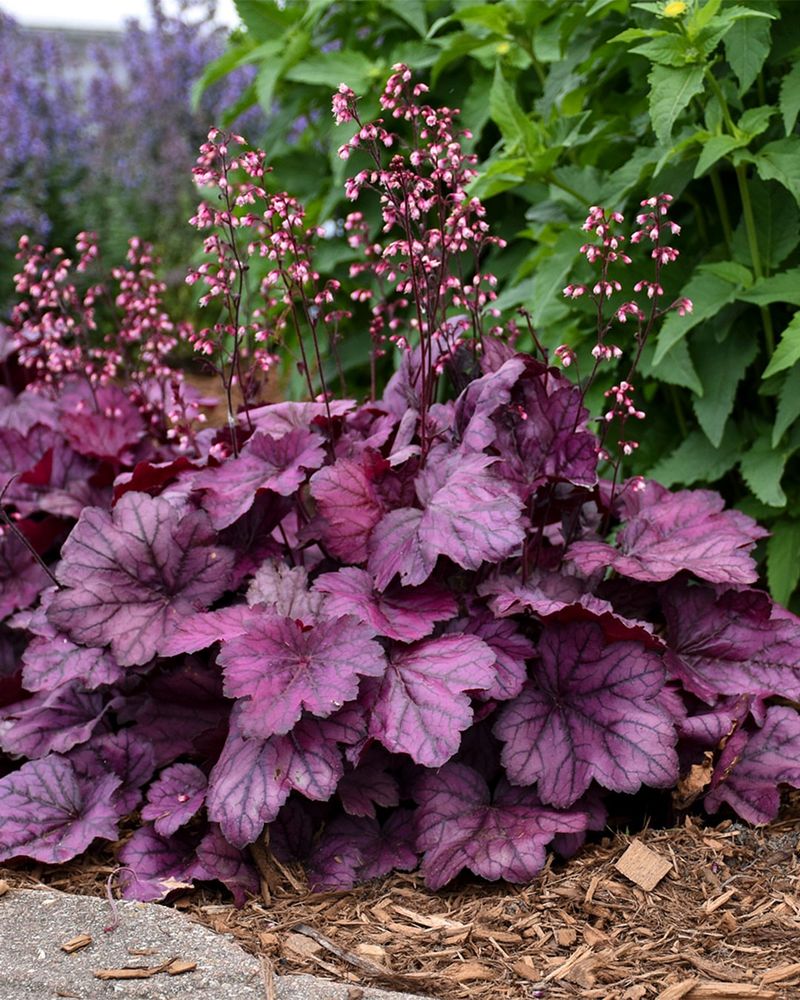
Coral bells bring color to spots where most plants struggle. Partly shaded beds that feel dull for most of the year come alive with the bold, richly colored foliage these plants produce.
Leaf colors range from deep burgundy and chocolate to bright lime green and silver, depending on the variety.
Planting in fall gives coral bells time to establish a solid root system before cold sets in. Come spring, new leaves emerge early and the plant hits the ground running.
Flower spikes appear by late spring, adding another layer of interest above the foliage.
Moisture-retentive soil with good drainage suits coral bells well. Amending heavy clay with compost before planting improves both drainage and aeration.
Avoid spots where water sits after heavy rain, since prolonged wet conditions can cause crown rot.
Partial shade is ideal in warmer parts of the South. In hot climates, afternoon shade protects leaves from scorching and helps colors stay vibrant through summer.
Morning sun with afternoon shade is a reliable combination.
Mulching around the base after planting helps retain moisture and moderate soil temperature through winter. Keep mulch a few inches away from the crown to prevent moisture buildup against the stem.
Heuchera varieties bred for heat tolerance, like Southern Comfort or Caramel, tend to perform better in Georgia’s humid summers than older cultivars. Refresh mulch each spring to maintain consistent moisture levels.
5. Give Shady Areas A Lush Look With Hostas
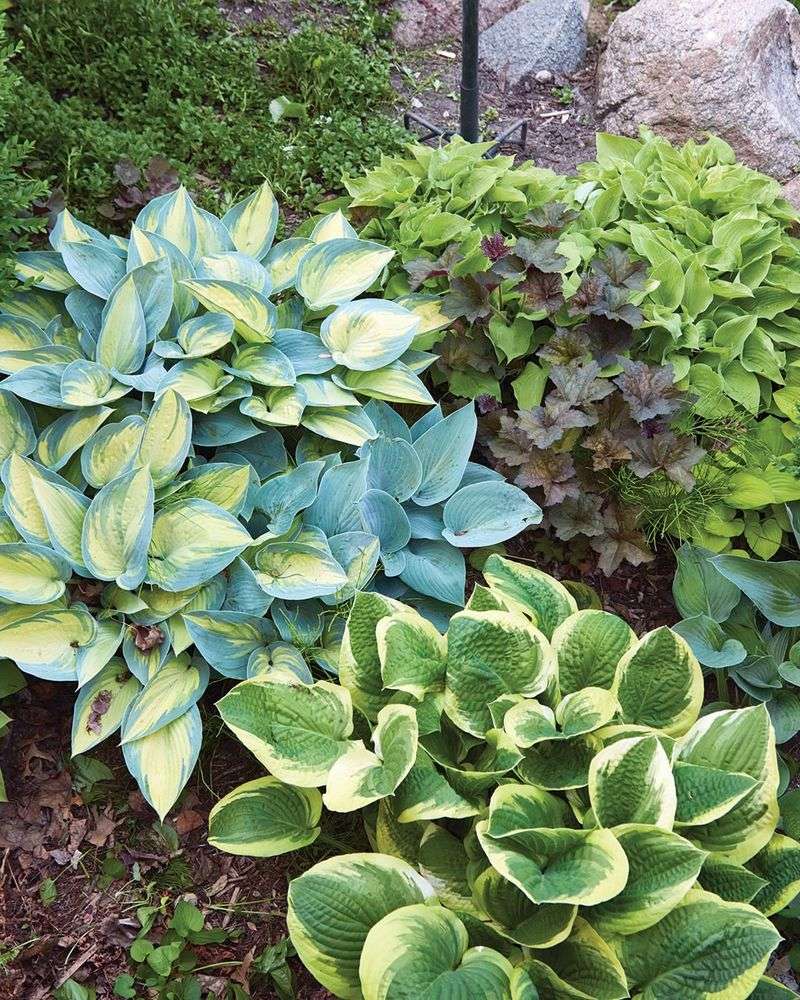
Hostas are the workhorses of the shade garden. Few plants fill a dim, awkward corner as quickly or as reliably.
Bold, broad leaves in shades of blue-green, chartreuse, and variegated white and green create texture that most flowering plants simply cannot match.
Fall planting gives hostas a solid advantage. Roots spread through the cooler months, and by spring, new growth emerges faster and fuller than it would from a spring-planted division.
That early establishment can mean noticeably larger clumps by midsummer.
Consistent moisture is important, especially during establishment. Hostas tolerate dry shade once mature, but they perform much better with regular watering.
Mulching the bed after planting helps retain moisture and keeps soil temperatures stable through winter.
Slug damage is the most common frustration with hostas. Coarser-textured, thicker-leaved varieties tend to be less appealing to slugs than thin-leaved types.
Varieties like Sum and Substance, Halcyon, and Empress Wu are popular choices that hold up reasonably well in humid Southern summers.
Hostas spread gradually over time, and clumps can be divided every few years to multiply plants across the garden. Fall is a practical time to divide since cooler temperatures reduce transplant stress.
Space divisions according to the mature size of the variety, since hostas range from miniature to enormous. Planting a mix of sizes and leaf colors creates a layered, visually interesting shade bed that looks intentional and full.
6. Grow Black-Eyed Susans For Bigger Displays Next Season
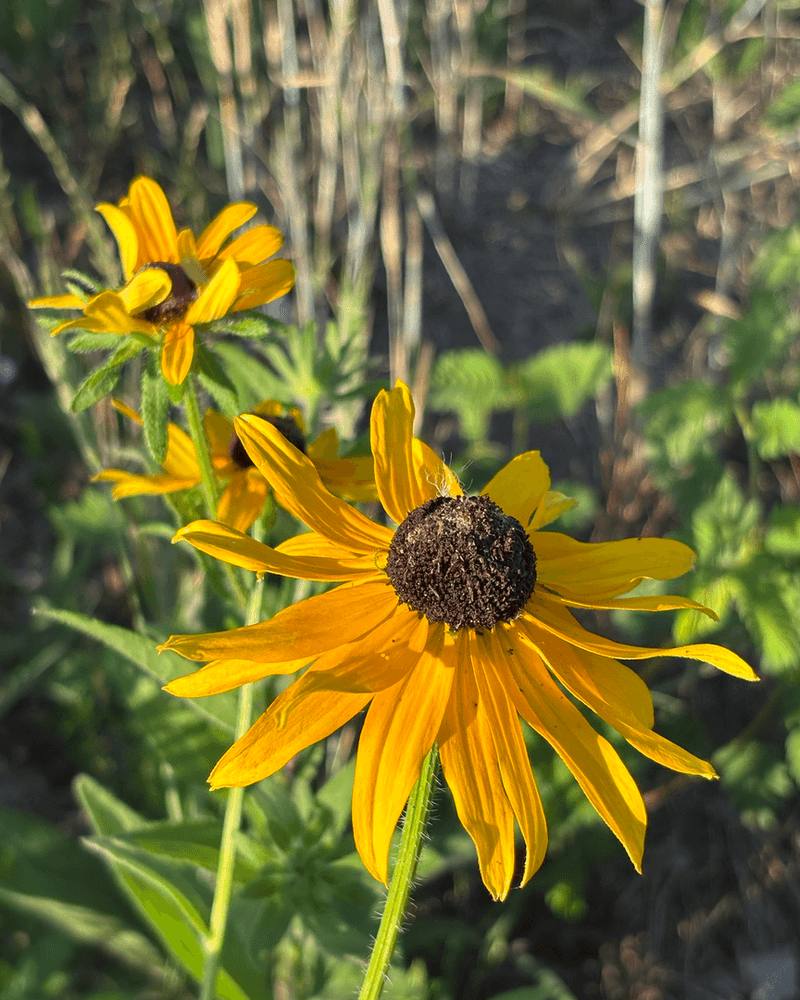
Black-eyed Susans are one of the most recognizable wildflowers in North America, but they perform just as well in a formal garden bed as they do along a roadside.
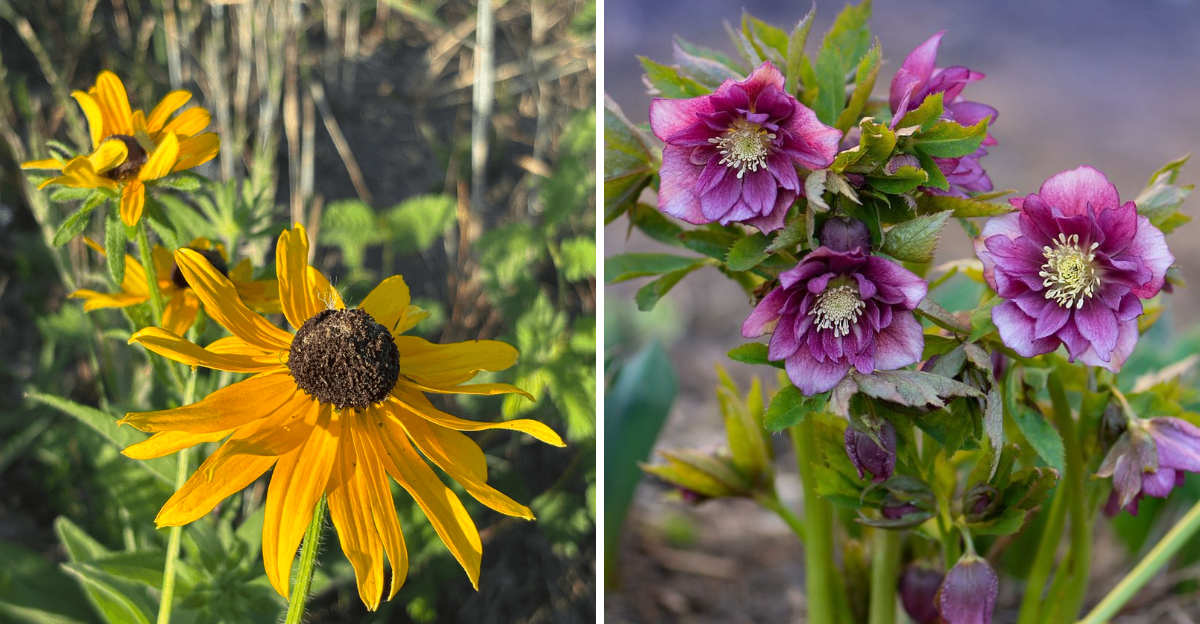
Golden yellow petals surrounding a dark brown center create a bold, cheerful look that carries through late summer and into fall.
Planting in fall gives roots time to anchor before winter, which leads to stronger stems and more flowers the following season.
Spring-planted black-eyed Susans often spend their first year mostly establishing, with bloom count picking up significantly in year two.
Fall planting essentially skips that slow first-year phase.
Full sun is non-negotiable for solid performance. Partial shade reduces flower production and can cause stems to lean and flop.
At least six hours of direct sun produces the upright, sturdy plants most gardeners want.
Rudbeckia hirta is the most common species, but Rudbeckia fulgida, particularly the variety Goldsturm, is a longer-lived perennial that spreads steadily over time. Both are excellent choices for Georgia gardens.
Goldsturm tends to be more reliably perennial in the Southeast than some other cultivars.
Deadheading spent flowers through the season encourages more blooms. Leaving seed heads intact in fall and winter feeds birds and adds visual interest when the rest of the garden goes quiet.
Clumps benefit from division every three to four years to maintain vigor and prevent overcrowding at the center.
7. Choose Coreopsis For Months Of Bright Flowers
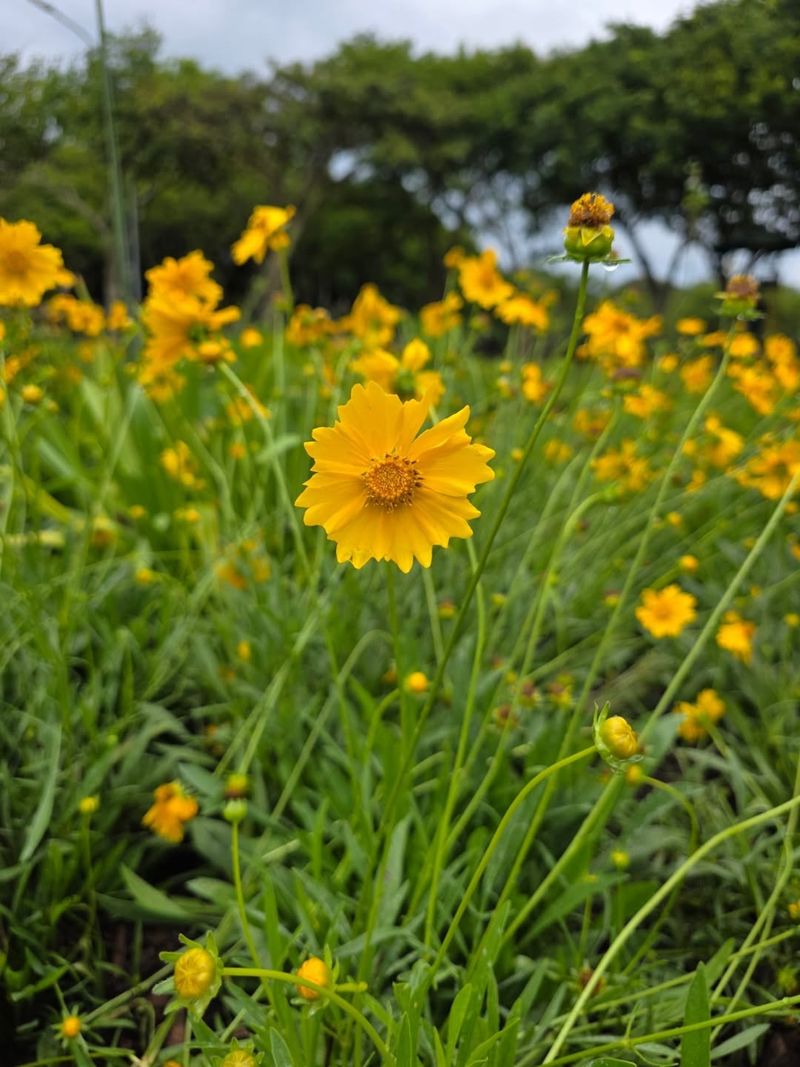
Coreopsis earns its nickname as threadleaf gold for good reason. Bright yellow, daisy-like flowers bloom in waves from late spring through early fall, covering the plant almost continuously when conditions are right.
Few perennials deliver that much color for that long with so little effort.
Planting in fall sets coreopsis up for an outstanding first full season. Roots spread through winter, and by spring the plant is already prepared to push out its first flush of blooms.
First-year plants that went in the previous fall tend to bloom earlier and more heavily than those planted in spring.
Drainage is the single most important factor for coreopsis. Wet, heavy soil through winter weakens plants considerably.
Raised beds, amended soil, or naturally sandy ground all suit this plant well. Avoid low spots that collect rainwater.
Full sun is essential. Coreopsis planted in shade tends to produce sparse blooms and leggy growth.
In Georgia’s climate, a sunny, open spot with good air circulation gives the plant everything it needs to thrive.
Cutting plants back by about one-third after the first big flush of blooms encourages a strong rebloom cycle. Without that trim, flowering can slow noticeably by midsummer.
Native species like Coreopsis lanceolata and Coreopsis verticillata are especially well-adapted to Southern conditions and tend to be more durable over time than some hybrid varieties.
Minimal fertilizing keeps plants compact and floriferous without excessive leafy growth.
8. Enjoy Earlier Spring Flowers With Hellebores
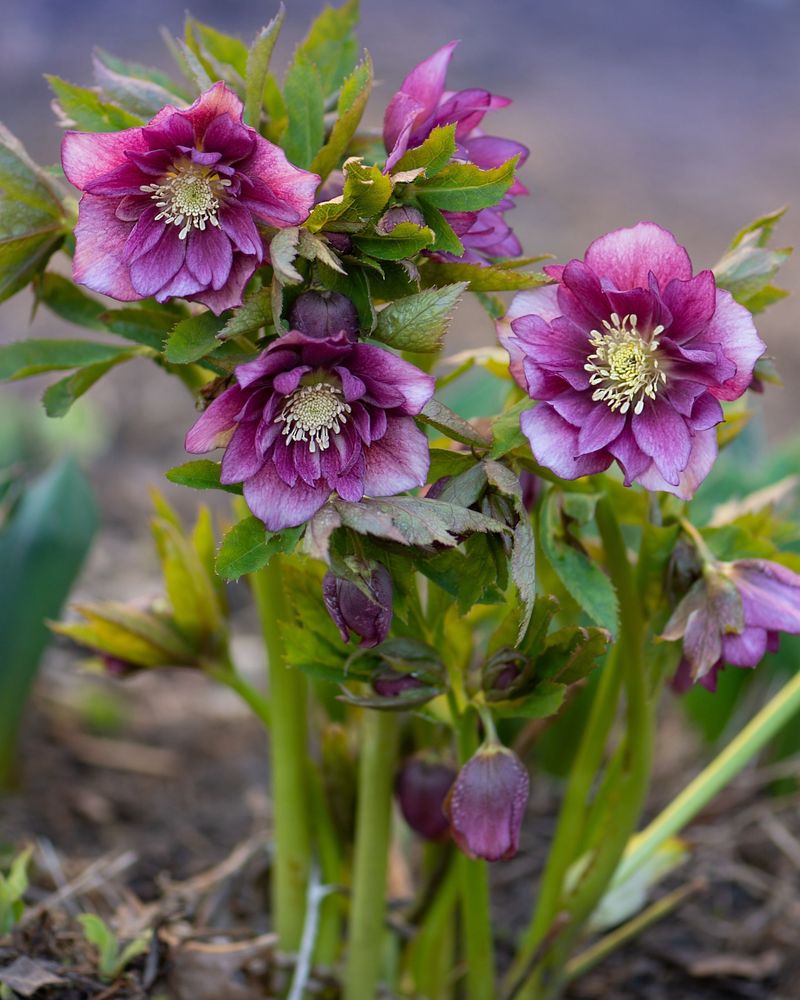
Hellebores bloom when almost nothing else will. Late winter through early spring, these plants open their nodding flowers while the rest of the garden is still dormant.
Planting them in fall lets roots establish fully so blooms appear right on schedule, sometimes as early as February in warmer areas.
Shade is where hellebores shine. Spots under deciduous trees work especially well, since the canopy is open during winter and early spring when the plants are actively blooming.
Dappled light through summer keeps foliage healthy without scorching the leaves.
Soil preparation makes a big difference. Hellebores prefer slightly alkaline, well-draining soil with plenty of organic matter.
Working in compost before planting improves moisture retention and soil structure, which helps roots establish faster through fall and winter.
Once established, hellebores are remarkably low-maintenance. Clumps expand slowly over several years without becoming invasive.
Removing old or damaged foliage in late winter before new growth emerges keeps plants looking tidy and allows fresh leaves and blooms to show clearly.
Varieties from the Helleborus orientalis group, often called Lenten roses, are well-suited to the Southeast. Flower colors include white, cream, pink, deep plum, and nearly black.
Some newer varieties hold their flowers more upright, making them easier to appreciate without bending down. Hellebores rarely need dividing and can live in the same spot for many years with minimal intervention.