The Bermuda Grass Mowing Mistake Every California Homeowner Makes In Summer Heat
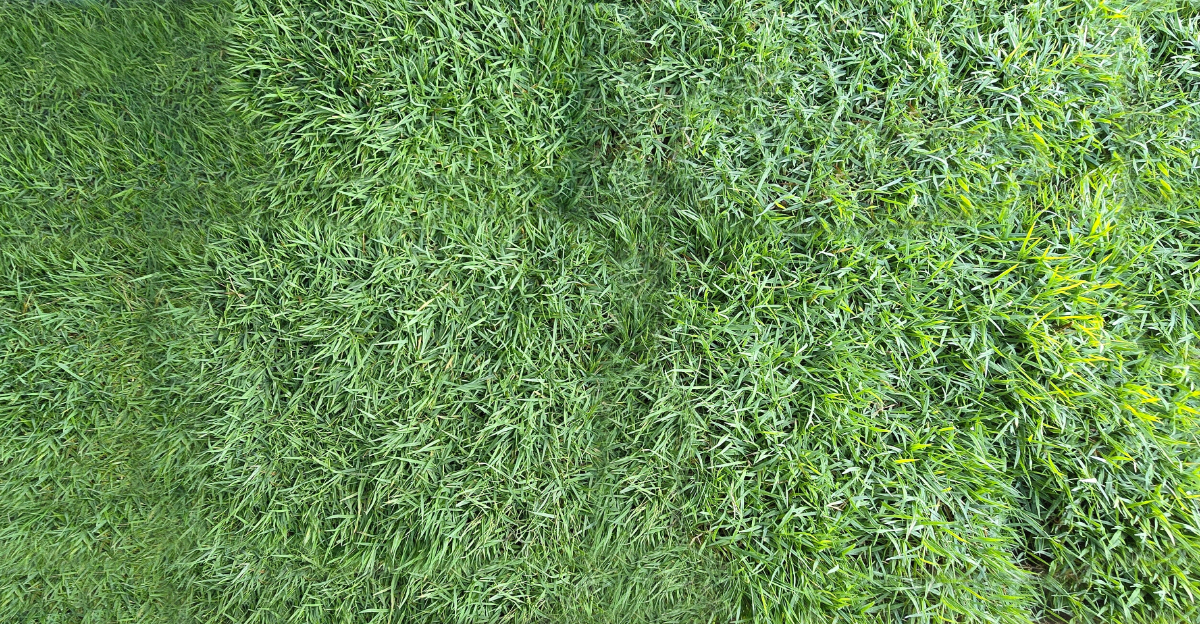
California summers put ordinary lawns to the test, and Bermuda grass owners often fall behind without realizing it. One routine habit might be quietly working against them all season long.
Neighbors compare lawns without saying a word, and the difference often traces back to something nobody thinks twice about. It’s rarely the watering schedule or the fertilizer brand getting blamed.
Bermuda grass has its own rules for surviving extreme heat, and those rules don’t always match what feels intuitive. Ignoring them can turn a promising spring lawn into a stressed, patchy mess by midsummer.
Mowing Height Set Too Low For Summer Conditions
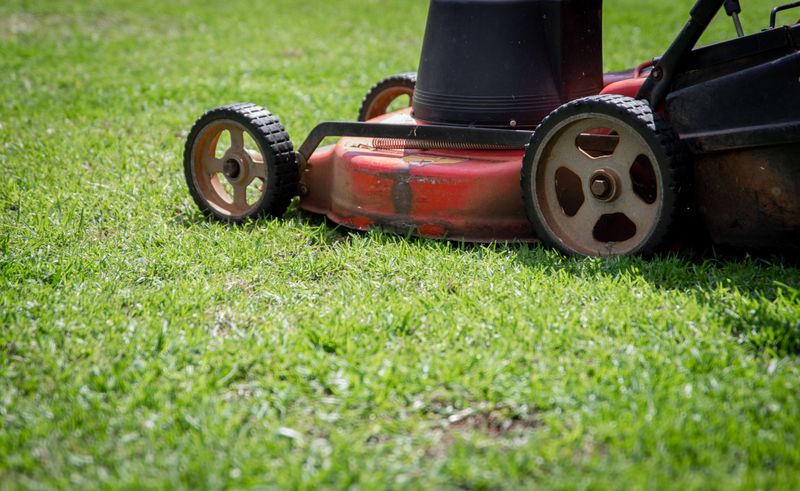
Scalping your California lawn feels satisfying in the moment. You get that clean, golf-course look and think you nailed it.
This is exactly where the trouble usually starts for California lawns. Cutting grass too short removes the protective leaf blade that shields roots from scorching sun.
Bermuda grass handles heat well, but only when mowed at the correct height. Go too low, and you strip away the plant’s ability to feed itself through photosynthesis.
Recovery from scalping rarely happens overnight, especially once July temperatures set in. Stressed grass can take weeks to bounce back, and by then the heat has already done its damage.
Roots sitting just below the soil surface get exposed to extreme ground temperatures. Soil in a California summer can climb well above 120 degrees Fahrenheit on bare ground.
Grass blades act like tiny umbrellas for the soil beneath them. Remove those umbrellas and the soil dries out noticeably faster without that coverage.
Many homeowners cut at half an inch or lower because they saw it on a golf course. Professional turf managers use specialized equipment and irrigation systems that most backyards simply do not have.
Matching your neighbor’s mowing height is another common trap. What works on a shaded yard often falls short on a south-facing lawn baking in full afternoon sun.
The fix is surprisingly simple once you understand the problem. Raise your mower deck and let those blades breathe a little more during peak summer months.
Signs Your Lawn Is Suffering From Improper Mowing
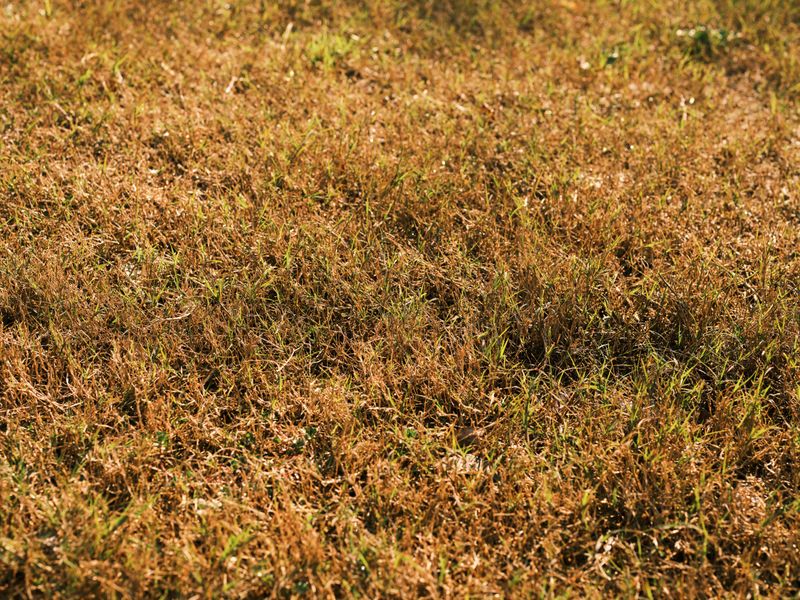
Your lawn is talking to you, and the message is not subtle. Brown patches, thin spots, and a crunchy texture underfoot are clear distress signals.
Stressed Bermuda grass often turns a dull yellowish-green before going fully brown. That color shift is the grass pulling nutrients inward to protect its crown and roots.
Bare patches that appear suddenly after mowing are a major red flag. These spots happen when the mower scalps low areas where the soil surface is uneven.
Thatch buildup increases when grass is cut too aggressively. Dry organic material piles up faster than the soil can break it down, blocking water and air from reaching roots.
Foot traffic on a stressed lawn leaves lasting impressions. Grass blades that do not spring back within a few minutes are telling you the plant is dehydrated and weakened.
Your California Garden Changes Every Week. Your Plan Should Too.
Gardening in California changes quickly throughout the season. Every Friday you’ll receive a simple weekly plan showing exactly what to plant, prune, fertilize, harvest, and protect so you never miss the right timing.
Weeds love a weakened Bermuda lawn. Crabgrass and spurge move in quickly when turf density drops, because thin grass cannot compete for sunlight and soil nutrients.
Insect pressure also increases on improperly mowed lawns. Chinch bugs and sod webworms target heat-stressed grass because it offers less resistance to feeding damage.
Catching these signs early saves you months of recovery time. A healthy Bermuda lawn bounces back fast when you correct the mowing habits before the damage gets too deep.
Ideal Mowing Height For Bermuda Grass In Summer
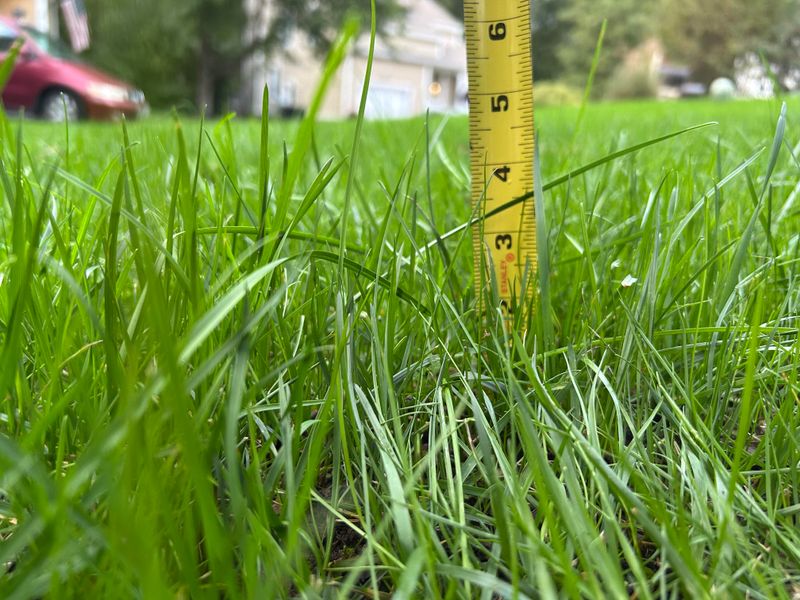
Getting the height right changes everything about how your California lawn handles summer stress. Bermuda grass thrives when mowed between one and two inches during hot months.
Common hybrid varieties like Tifway 419 perform best around one and a half inches in peak heat. Taller blades shade the soil, hold moisture longer, and keep root temperatures manageable.
The one-third rule is your best friend here. Avoid removing more than one-third of the grass blade in a single mowing session, even if it has grown tall.
Skipping a week and then cutting aggressively does more harm than mowing on a consistent schedule. Irregular mowing shocks the plant and slows its recovery time significantly.
A good way to check your mowing height is with a simple ruler. Place it on the soil surface next to a freshly cut blade and measure straight up.
Mower deck settings vary between brands, so it’s worth verifying with a physical measurement. Many homeowners assume their deck setting is accurate and end up cutting lower than intended.
Raising the deck just a quarter inch can make a noticeable difference in how green your lawn stays. That small adjustment reduces sun exposure to the soil and slows moisture loss considerably.
Proper height also encourages deeper root growth. Deeper roots access water stored lower in the soil profile, making your lawn more drought-tolerant through the hottest weeks of the year.
Mowing Frequency During Peak Heat
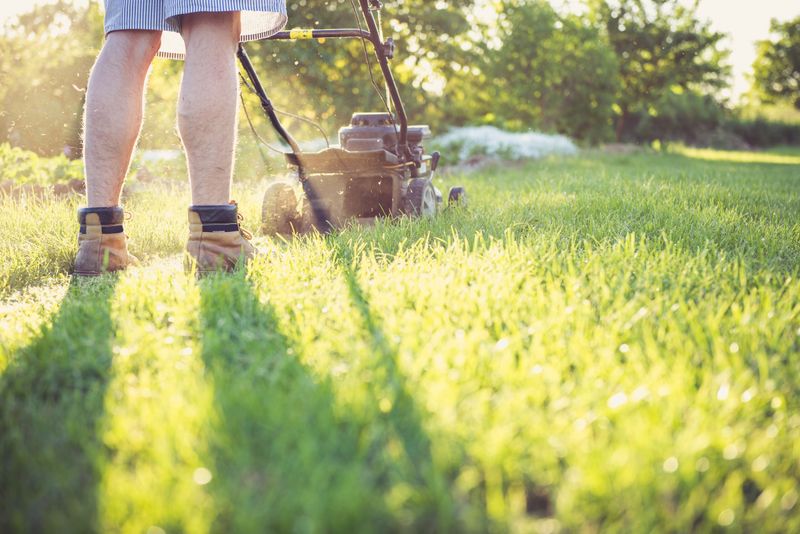
Mowing frequency in summer is a game most homeowners get wrong right away. Cutting too often stresses the grass, but waiting too long creates its own set of problems.
During peak growing season, Bermuda grass can grow up to an inch per week. That growth rate means mowing every five to seven days is usually the right rhythm.
When temperatures push past 100 degrees Fahrenheit, growth slows down naturally. Adjust your schedule accordingly and avoid mowing just because it is your usual lawn day.
Timing within the day matters just as much as timing within the week. Mowing in the early morning lets cut grass recover before afternoon heat arrives.
Mowing in the midday heat stresses both you and the grass. Freshly cut blades lose moisture rapidly when exposed to direct sun at peak temperature hours.
Evening mowing is a popular choice but carries its own risk. Grass clippings left overnight in cooler, humid air can encourage fungal growth on already stressed turf.
Watch the lawn, not the calendar, to find your best mowing schedule. If the grass looks shaggy and dense, it is time regardless of what day it is.
Consistent mowing at the right frequency builds a thicker, stronger turf over time. A dense lawn naturally crowds out weeds and handles heat with far more resilience.
Mower Blade Sharpness And Its Impact On Grass Health
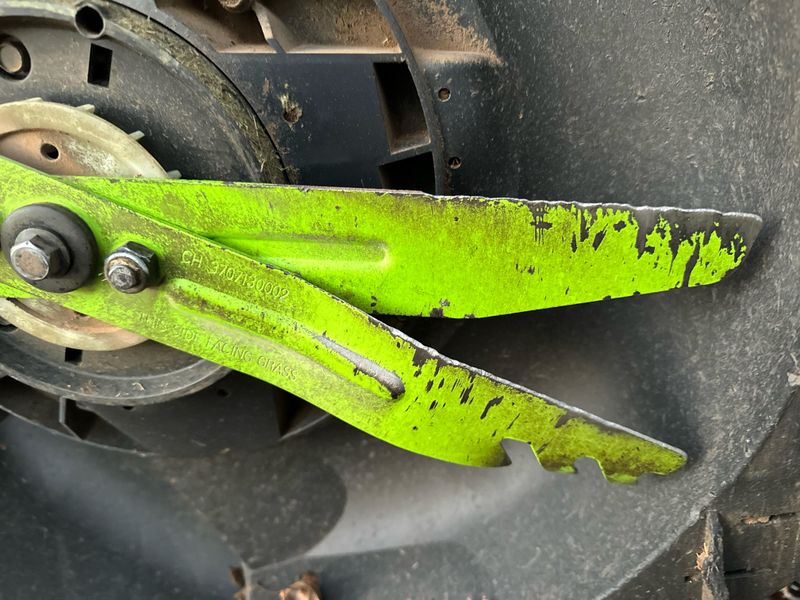
A dull blade quietly works against lawn health. Most homeowners never think about blade sharpness until the damage is already done.
Sharp blades cut grass cleanly, leaving a smooth edge that seals quickly. Dull blades tear and shred the grass tip, leaving ragged edges that turn brown within a day.
Those brown tips are not just ugly. Those torn tips act like entry points for fungal infections and increase water loss from each individual blade.
Turf management guidelines recommend sharpening blades every 20 to 25 hours of mowing time. For most homeowners mowing weekly, that means sharpening at least twice during the summer season.
Checking blade sharpness takes about 30 seconds. Run your finger carefully along the edge – a sharp blade has a consistent, smooth feel without nicks or flat spots.
Replacing a blade entirely costs less than most people expect. A quality replacement blade for a standard push mower often runs between 10 and 25 dollars at a hardware store.
Unbalanced blades cause vibration that wears down mower bearings and shafts over time. Be sure to balance a blade after sharpening by checking that both ends weigh the same amount.
Sharp blades make the entire mowing process faster and more efficient. Your California lawn looks cleaner, heals faster, and handles summer heat with noticeably more strength and color.
Watering And Care After Correcting Mowing Habits
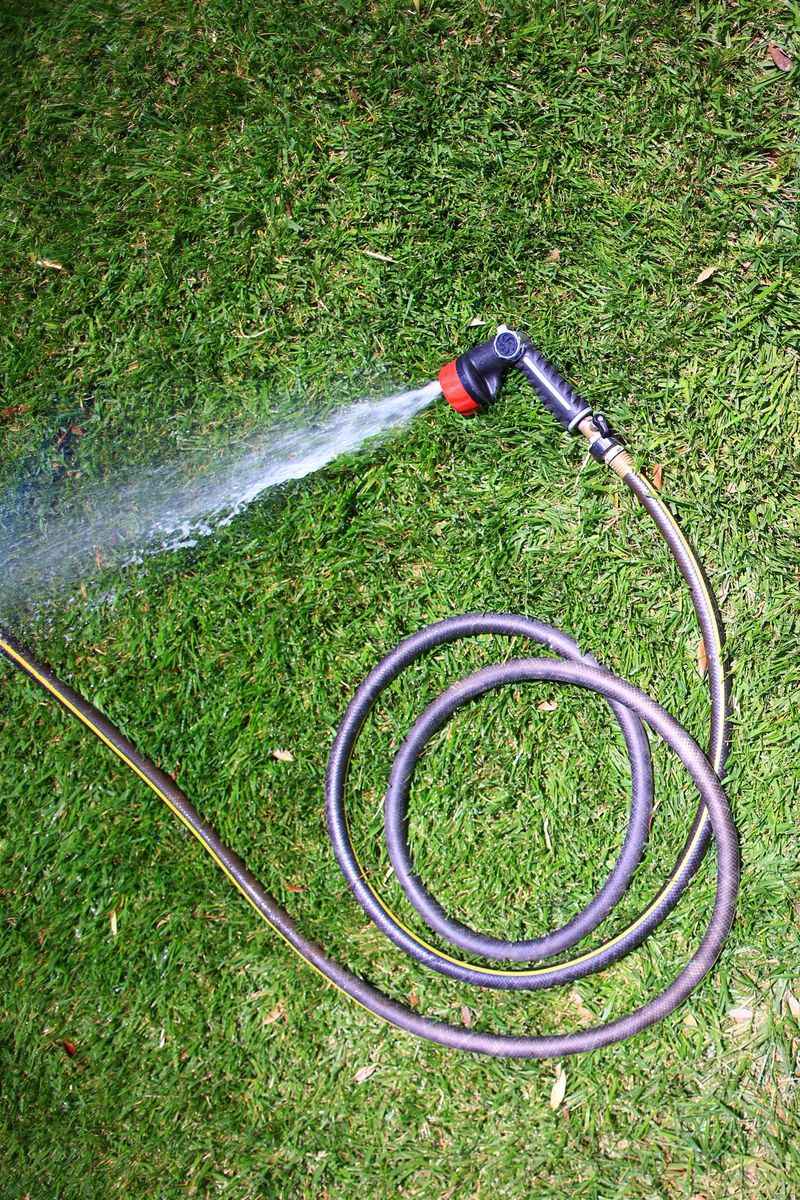
Fixing your mowing habits is only half the equation for a healthy Bermuda lawn. Proper watering after each mow helps the grass recover and push new growth quickly.
Water deeply and infrequently rather than giving the lawn a light daily sprinkle. Deep watering trains roots to grow downward, where soil temperatures stay cooler and moisture lasts longer.
Bermuda grass needs about one inch of water per week during summer. Sandy soils in many California regions may require slightly more to compensate for faster drainage.
Water in the early morning, ideally between 4 and 8 a.m. This timing reduces evaporation and gives blades time to dry before evening, lowering fungal risk.
After a mowing correction, the lawn may look rough for the first week. Give it time and consistent care before assuming something is wrong with the grass itself.
A light fertilizer application in early summer supports recovery from past mowing damage. Use a slow-release nitrogen fertilizer designed specifically for warm-season grasses like Bermuda.
Avoid heavy fertilizing during the hottest weeks of summer. Pushing rapid growth during extreme heat forces the grass to work harder than its root system can handle.
This common mowing mistake is usually easy to fix with the right follow-through. Pair smarter mowing with smart watering, and your lawn will reward you with thick, green turf all season long.