Boxelder Bugs Everywhere? Here’s How To Keep Them Out
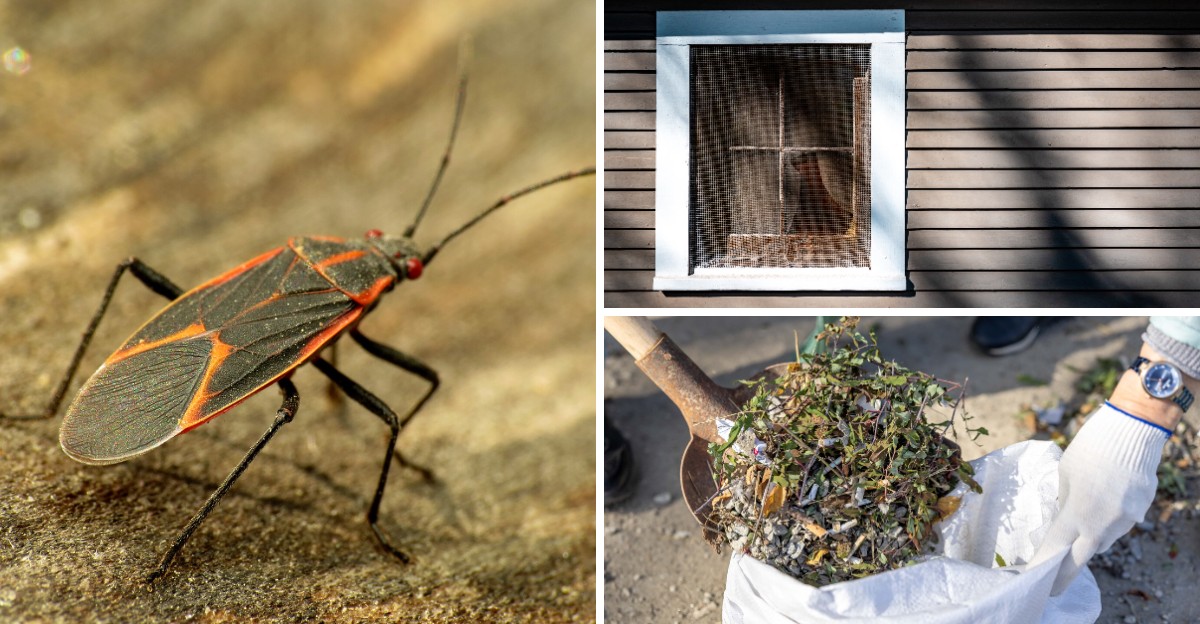
Those red and black specks on your siding are scouting your house. Heated walls act as their launchpad, and your window frames offer the entrance.
Gaps only a few millimeters wide let them slip inside. Startle a bug and you release a sharp, musty odor that lingers.
Curtains, wall voids, and attic corners become their winter dorm. They skip your pantry and ignore your wiring, yet they still rattle your calm.
Warm afternoons in late autumn trigger a noticeable indoor surge. Crowds can gather on your sunniest wall within hours.
Vacuuming works fast, yet your seals decide whether they return. Inspect your siding seams and window trim before the next warm afternoon.
Weather stripping, caulk, and fine mesh screens close those hidden doorways in minutes. Yet a single missed seam on your sunniest wall can host a crowd by dusk.
1. Seal Every Crack And Gap Around The House

Picture your house as a castle with many tiny secret doors hidden in the walls. Boxelder bugs find many of them, especially when October nights start turning chilly.
These bugs slip through openings only a few millimeters wide. They crawl into gaps around window frames, siding, pipes, and the edges of your roof.
Grab a tube of exterior caulk and walk slowly around your home on a sunny afternoon. Look closely at spots where two materials meet, like wood touching brick or stone.
Fill cracks around window and door trim with a steady bead of caulk. Smooth it with a damp finger so it seals tightly and looks neat.
Bigger holes need a different fix, such as expanding foam or copper mesh. Use these around pipes, cables, and dryer vents that poke through your outside walls.
Pay special attention to the south and west sides of your house. Those walls soak up the most afternoon sun, so bugs gather there first.
Weather stripping along the bottoms of exterior doors helps a lot, too. If you can see daylight under a closed door, a bug can squeeze through that space.
Try to finish sealing before cool fall weather arrives. Once the bugs move inside your walls, they stay snug until spring, though warm winter days may wake a few.
Sealing also keeps out spiders, stink bugs, and cold drafts that raise your heating bill. One weekend of caulking can help cut drafts and bugs all winter long.
2. Repair Torn Screens On Windows And Doors
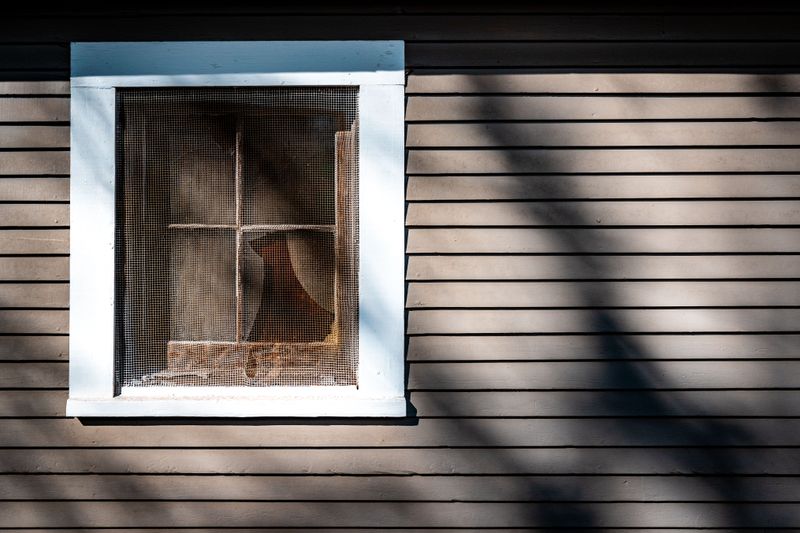
A tiny rip in a window screen looks harmless, like a small hole in your favorite sweater. To a boxelder bug, though, it is a wide-open welcome sign.
Walk around your home and check every screen on windows, doors, and porches. Hold each one up to the light so small tears and loose corners pop out.
Small holes are easy to patch with a screen repair kit from any hardware store. Most kits use sticky patches that press on in seconds, no tools required.
Larger tears call for replacing the whole screen panel. Rolling new mesh into a frame takes patience, but kids and adults can tackle it together.
Fine mesh works best because boxelder bugs are only about half an inch long. Look for screens labeled 18 by 16 mesh or tighter for solid protection.
Do not forget the sneaky spots that people often overlook. Attic vents, crawl space openings, and chimney caps need screens just as much as windows.
Check that screens fit snugly inside their frames with no gaps along the edges. A bent frame can leave a slim gap that bugs happily march through.
Sliding doors deserve a quick look as well, since their screens slip off tracks easily. A little adjustment keeps the door sealed tight and gliding smoothly.
On warm October days, it is tempting to throw every window wide open. Keeping screens in top shape lets you enjoy the breeze without extra roommates.
3. Vacuum Up Indoor Bugs The Smart Way
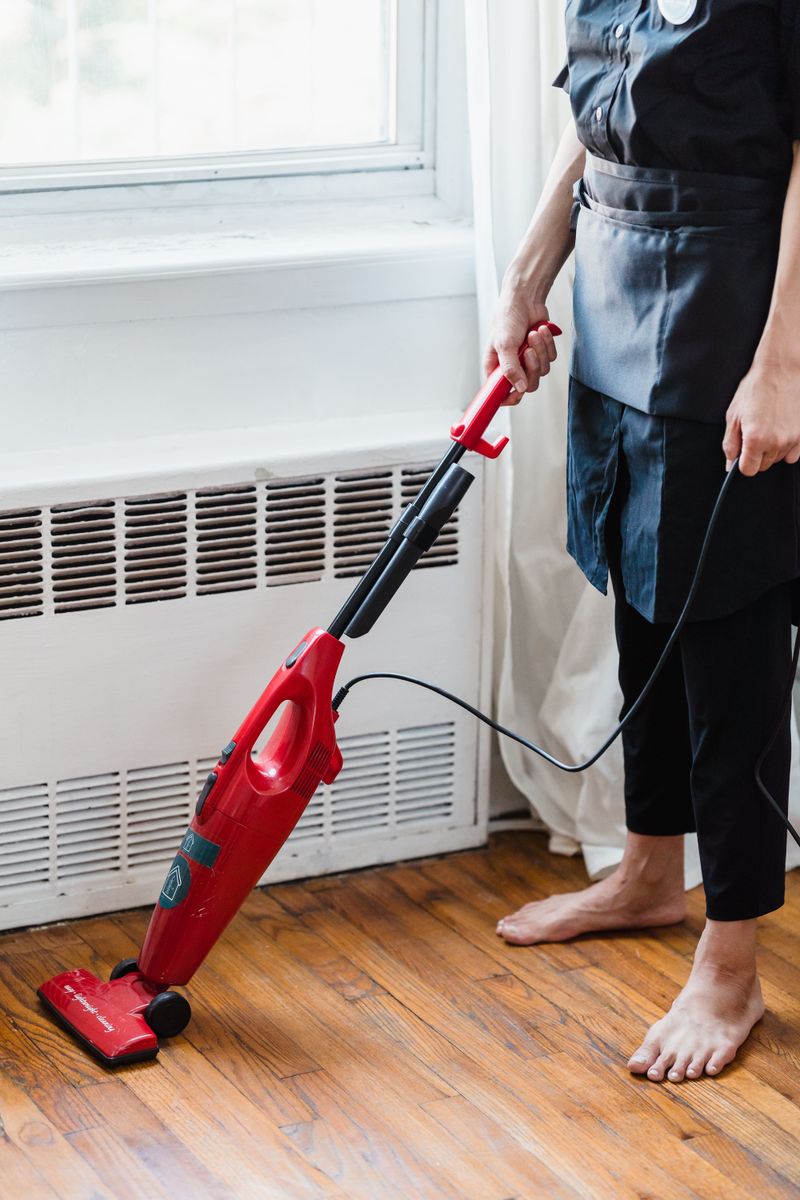
Swatting a boxelder bug with a tissue seems quick until the smell hits your nose. Crushed bugs also leave orange stains on walls, curtains, and carpet.
A vacuum cleaner is a great tool for bugs that already made it inside. The hose attachment pulls them off ceilings and window frames without any mess.
Many people prefer a handheld or shop vacuum for this job. Shop vacuums let you add soapy water to the tank, which stops bugs from crawling back out.
If you use a regular bag vacuum, empty it right away after cleaning. Seal the bag inside a plastic trash bag and take it straight outside.
Another clever trick involves a knee-high nylon stocking. Stretch it over the end of the hose and secure it with a rubber band.
Bugs get trapped inside the stocking instead of the vacuum bag. When you finish, pull the stocking off, tie it shut, and toss it in the outdoor bin.
Focus on sunny windowsills, light fixtures, and corners near ceilings. Bugs crowd toward warmth and light, so those spots fill up fast on bright days.
You might see a few stragglers all winter as warm afternoons wake them up. A quick daily sweep keeps their numbers low and your rooms looking tidy.
Skip bug sprays indoors, since they add chemicals to your living space without much benefit. Vacuuming is affordable and safe for pets.
Keep the vacuum near the window you check most often during October and November. Having it handy turns a bug hunt into a quick, two-minute chore.
4. Spray Them With Simple Soapy Water
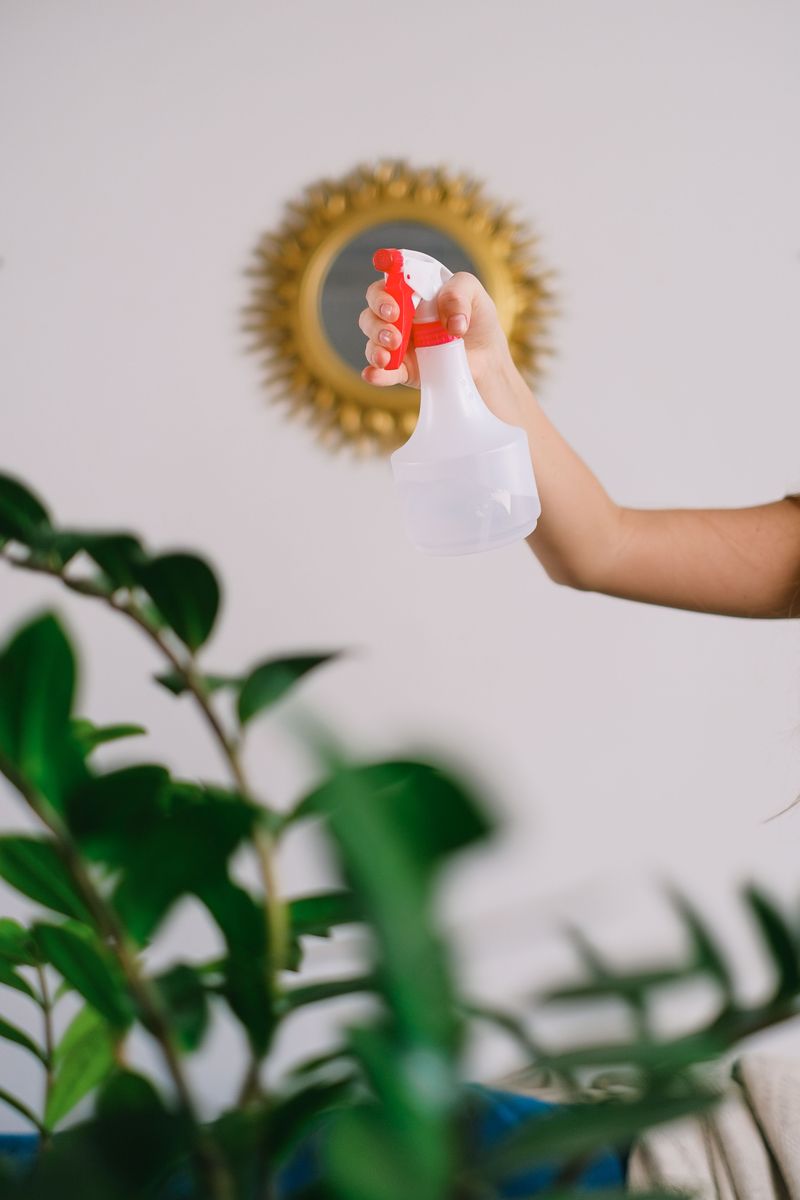
Some of the best pest fixes are hiding under your kitchen sink right now. Plain dish soap mixed with water works well on clustering boxelder bugs.
Mix about two teaspoons of liquid dish soap into a quart of warm water. Pour the mixture into a clean spray bottle and give it a gentle shake for easy mixing.
Soap breaks down the waxy coating that protects a bug’s body. Without that coating, the insect cannot hold onto moisture and quickly stops moving.
Spray clusters directly on outside walls, tree trunks, and porch railings. The mixture only works on contact, so aim for the bugs themselves.
Early morning is a smart time to spray because bugs move slowly in the cool air. Later in the day, warm sunshine makes them much quicker to scatter.
For large groups, try a garden hose sprayer filled with soapy water instead. It covers big patches of siding faster than a small hand bottle.
Test the spray on a hidden spot of painted siding first, just to be safe. Most soaps rinse off easily, but some strong brands can dull certain finishes.
Soapy water is gentler than chemical sprays, but keep it off garden plants, since it can burn leaves. It costs only pennies and leaves no lasting residue.
Repeat the treatment every few days while bugs keep gathering in October. Steady spraying breaks up their meeting spots before they find a way inside.
5. Clear Away Seeds And Yard Debris
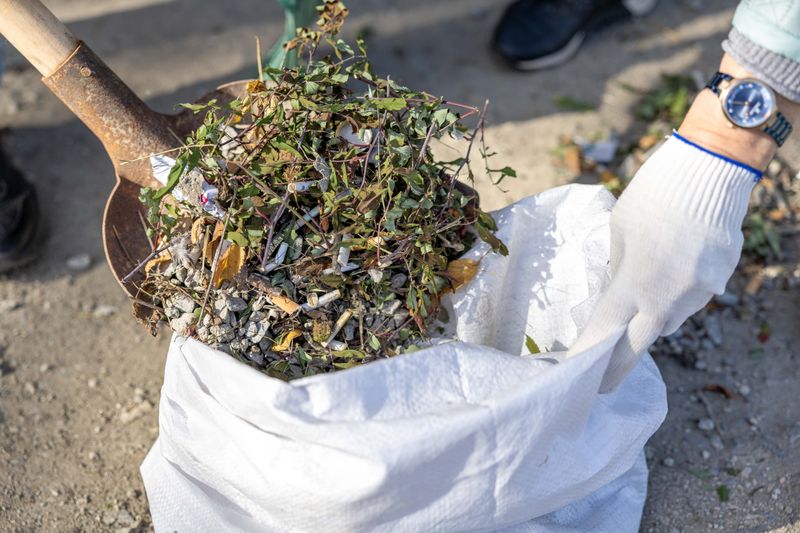
Boxelder bugs have a strong preference for seeds. Their favorite meal comes from the winged seeds of boxelder and some maple trees.
Those seeds, often called helicopters, twirl down in large numbers each fall. Young bugs feed on fallen seeds, so a messy lawn becomes a buffet.
Raking up seed pods regularly cuts off their food supply right at the source. Bag the seeds and toss them out instead of piling them near your house.
Leaf piles, firewood stacks, and old boards also make cozy hiding spots. Bugs tuck themselves under these items to stay warm on chilly nights.
Move firewood at least 20 feet away from your home and raise it off the ground. Check each log before carrying it inside to your fireplace.
Rocks piled against your foundation soak up heat during sunny afternoons, which bugs adore. Keeping a clear, open strip around the house makes it less inviting.
Trim shrubs and vines so they do not touch your siding or roof. Branches act like bridges that let bugs stroll right up to your windows.
Clean gutters deserve a spot on your fall list, too. Clogged gutters can hold damp seeds and leaves that may attract bugs and other pests.
Get the whole family involved with a Saturday cleanup and a reward afterward. Hot cider and cookies make raking feel a lot less like a chore.
Think of yard cleanup as taking away the welcome mat. When food and shelter disappear, the bugs often wander off to bother someone else’s garden.
6. Remove Or Manage Female Boxelder Trees

Here is a quick riddle for you: what grows in your yard and attracts large numbers of bugs? The answer might be a female boxelder tree.
Boxelder trees come in male and female versions, and only females produce seeds. Since the bugs feed and lay eggs on seed-bearing trees, females attract the biggest crowds.
Spotting a female tree is easy in late summer and fall. Look for hanging clusters of winged seeds dangling from the branches.
Removing a female tree can shrink bug numbers around your house in following years. Talk with a certified arborist before cutting anything down, especially large trees.
Taking out a big tree is a major decision because it provides shade and beauty. Some homeowners choose to keep the tree and manage the problem instead.
Picking up seeds quickly after they fall is one helpful way to manage it. Spraying the trunk with soapy water when bugs gather there is another option.
Planting a new tree soon? Choose a male boxelder or a different species, such as oak, linden, or serviceberry, for peace of mind.
Boxelder trees grow fast and spread easily, so young seedlings often pop up in flower beds. Pull these sprouts early before they grow into tomorrow’s bug hotels.
Keep in mind that bugs can fly some distance to find a good tree. Your neighbor’s yard may still send visitors, even if your own trees are seedless.
Even so, removing your own seed source makes a real difference over time. Pair it with sealing and cleanup for the strongest results next fall.
7. Treat Sunny Walls With Barrier Sprays

Late summer and early fall are the best window for outdoor barrier treatments. Hitting walls before bugs start gathering gives you a strong head start.
Barrier sprays are insecticides applied to the outside of your home. They leave a thin layer that bugs touch as they crawl across treated surfaces.
Look for products labeled for boxelder bugs or general perimeter control. Ingredients like bifenthrin or cyfluthrin are common in hardware store options.
Spray the sunny south and west walls, plus areas around windows, doors, and eaves. Also treat the foundation and a few feet of ground beside it.
Read the label carefully before you begin, and follow every direction exactly. Wear gloves, long sleeves, and eye protection while mixing or spraying.
Kids and pets should stay inside until the treated areas dry fully. Keep sprays away from vegetable gardens, birdbaths, ponds, and blooming flowers, since these products are toxic to fish and bees.
If you are under 18, ask a parent or guardian to handle the spraying. Helping with label reading and cleanup is still a big contribution.
Pick a calm, dry day for the job, since wind and rain reduce results. A forecast with no rain for at least a day works best.
Natural options exist too, such as sprays made with plant oils. They break down faster, so you may need to reapply more often.
Barrier sprays work best as backup, not as your only plan. Combine them with sealing gaps and yard cleanup to keep bugs truly outside.
8. Call A Professional When Bugs Keep Coming Back
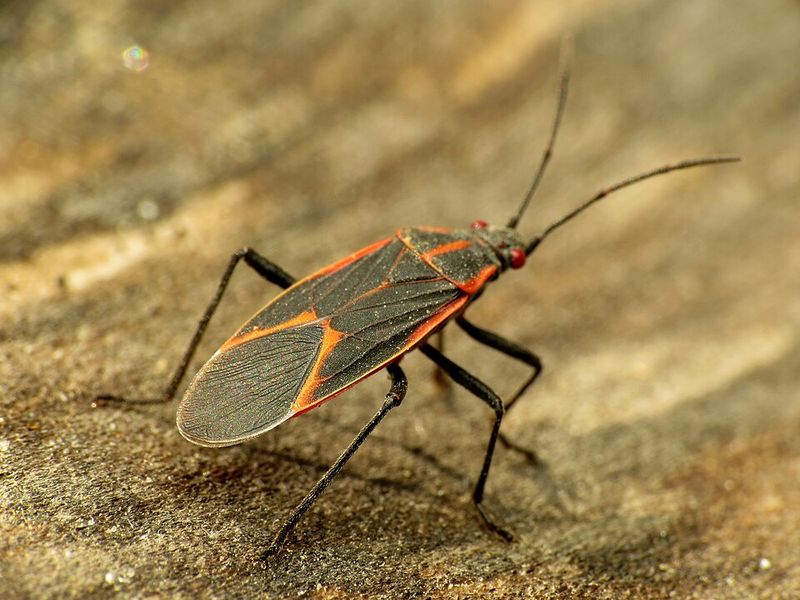
In heavy years, homeowners can find hundreds of bugs on a single sunny wall. That is the moment many people decide to call in backup.
Professional pest control experts know where boxelder bugs tend to hide and how they enter. They spot entry points that many homeowners miss, like gaps under roof shingles.
A pro usually starts with a full inspection of your home’s outside. Then they create a plan that might include sealing, spraying, and yard advice.
Professionals use commercial-grade products and special equipment for tall walls and high eaves. Ladders and long-reach sprayers let them treat areas you cannot safely reach.
Ask a few questions before hiring anyone for the job. Find out if they are licensed, what products they use, and whether follow-up visits are included.
Prices vary by location and house size, so get two or three quotes. Many companies offer seasonal plans that cover fall bugs plus spring ants and spiders.
Calling a pro makes the most sense when bugs keep entering despite your best efforts. It also helps if someone in your home has allergies or asthma.
Timing matters here, just like with do-it-yourself fixes. Book your appointment in late summer or early fall, before the busiest season fills their schedules.
Hiring help is a practical way to protect your home. Think of it like calling a plumber when a leak gets bigger than a bucket.
Keep up your own habits, such as vacuuming and raking, even after a pro visit. Teamwork between you and the expert brings the best long-lasting results.