What To Do If You Spot A Late Hummingbird At Your Feeder This Fall
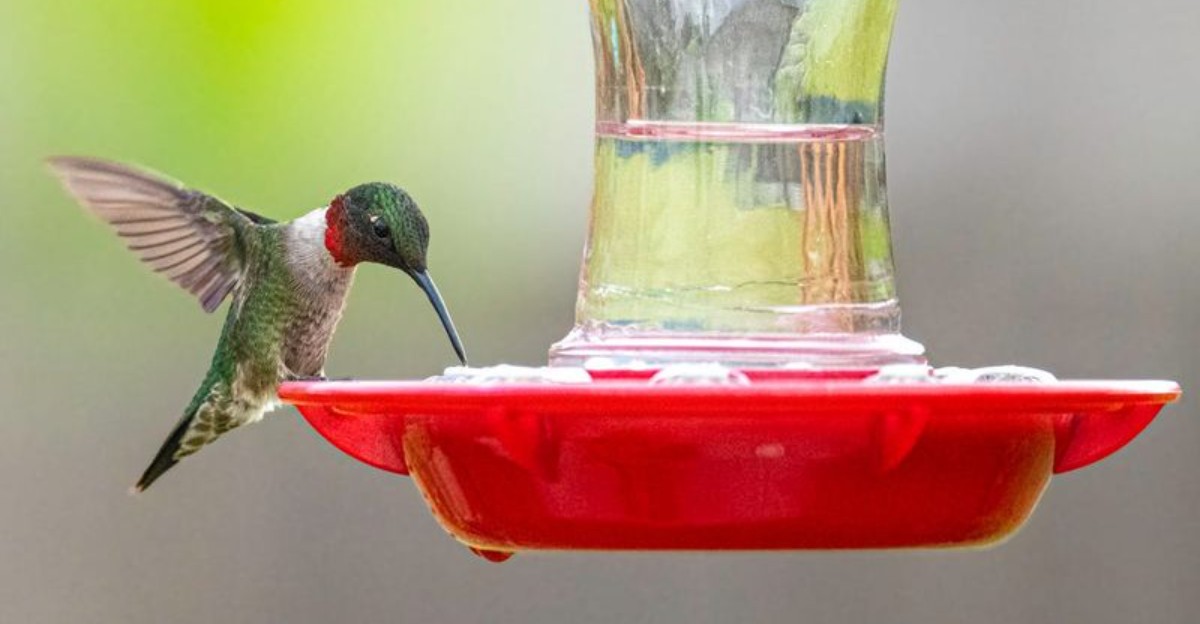
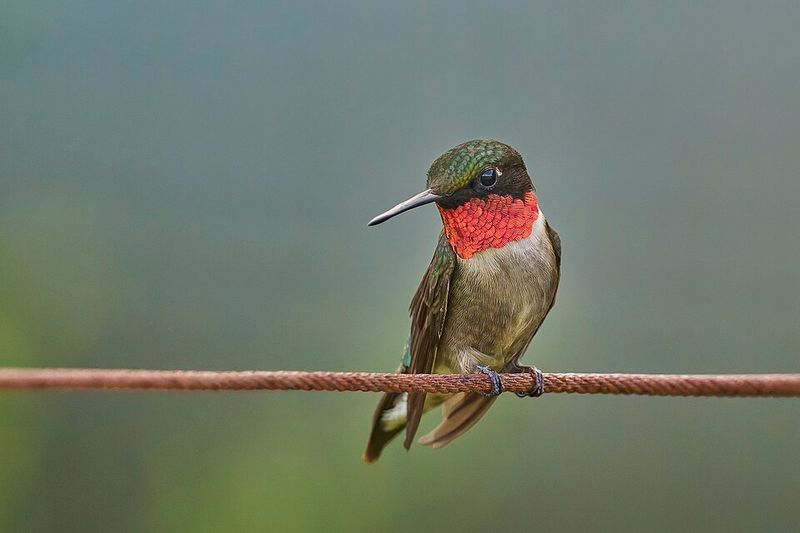
A green streak just zipped past your ear in late October. You pause mid-step and watch. Northern hummingbirds should be gone by now, tracking warmth south. Yet this tiny traveler hovers inches from you, wings blurring.
Cold is manageable for it. Overnight, it can power down into torpor, lowering its metabolism to handle frosty hours.
Watching it, you see an athlete lighter than a nickel. Some stragglers are western species that wandered far off their usual flight route.
Rufous hummingbirds, for instance, turn up in eastern backyards after wandering across a continent. Feeders you leave out can decide whether that visitor stays or leaves.
Your timing matters more than you think. Take that feeder down early and you may cost a traveler fuel.
Colder nights are approaching in many areas. Later, a simple rule tells you when to stop feeding.
Keep Your Feeder Up For A Few More Weeks
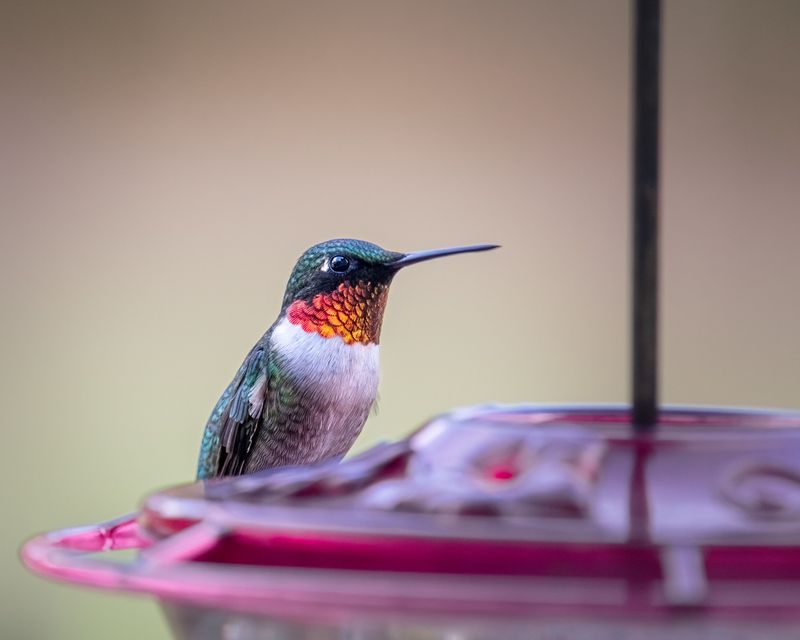
Old advice says removing feeders in fall pushes birds to migrate, but that idea is a myth. Hummingbirds leave based on shorter days and inner body signals, not snack supply.
Shorter days flip a switch inside their brains that says it is time to go. A full feeder will not trick migrants into staying through a snowy winter.
Late visitors are often young birds on their first trip south, or travelers passing through from farther north. They need plenty of steady energy to keep going along the way.
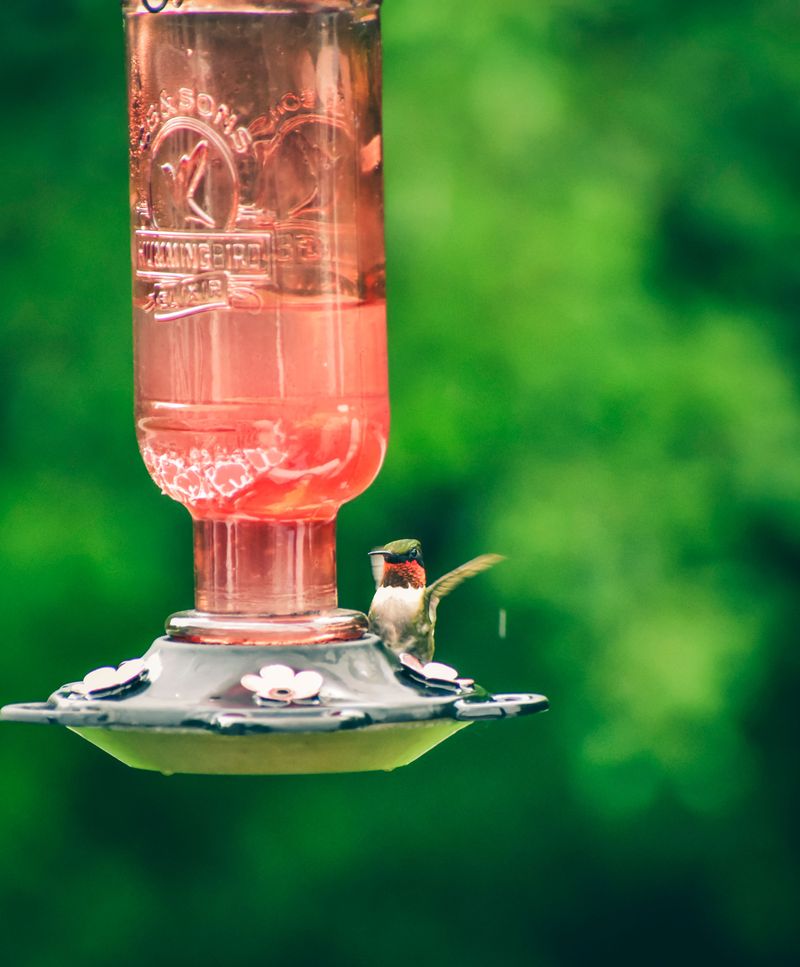
A hummingbird can burn through its fuel in just a few hours. Your feeder works like a roadside gas station for a tiny, very hungry traveler.
Most experts suggest leaving feeders up for about two weeks after your last sighting. That gives stragglers a safe place to refuel before the next long stretch.
If you live in the southern United States, you might keep yours up all winter. Some areas, like the Gulf Coast, get regular winter visitors in most years.
Keep the feeder in the same spot so returning birds can find it easily. These little fliers have sharp memories and often check old food stops again.
Hang a second feeder if you notice more than one bird competing over it. Late-season visitors can get territorial when food sources become much scarcer.
Think of it as leaving the porch light on for a friend coming home late. A small effort from you could make a real difference for one tired bird.
Make Fresh Nectar With The Right Recipe
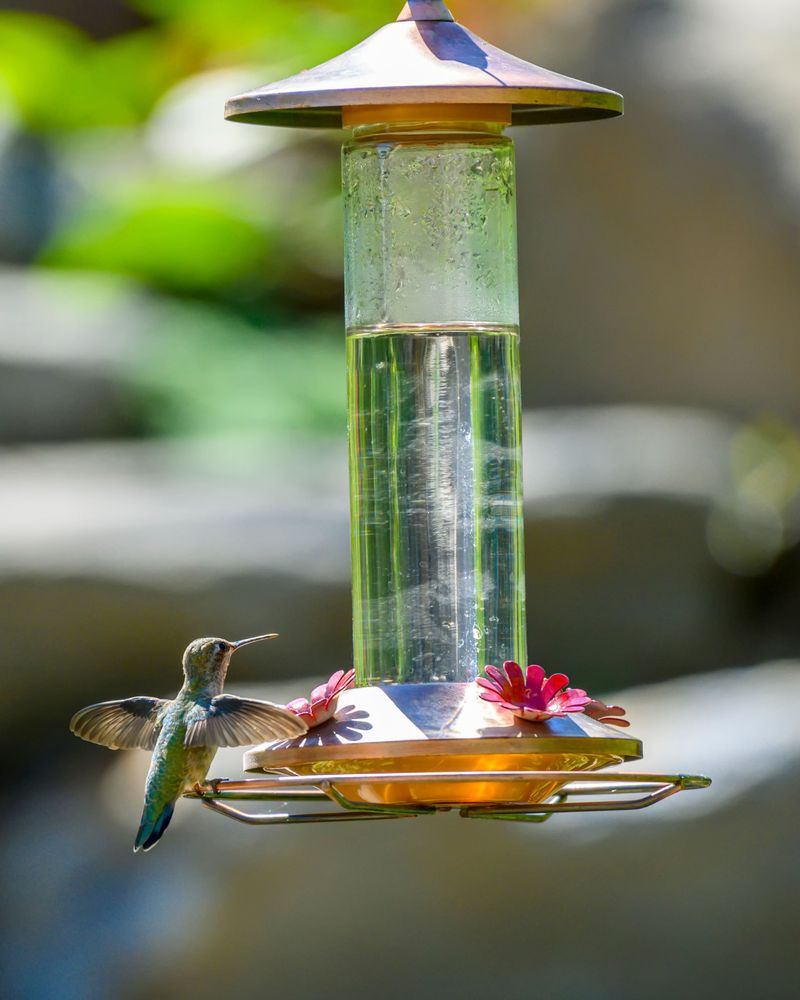
A simple home recipe is a great choice for hummingbird food. Mix one part plain white sugar with four parts water, and you are done.
Boil the water briefly, or use very hot tap water, then stir in sugar until it dissolves. Let the mix cool down fully before filling the feeder.
Skip the red dye, even though store shelves are packed with bright red nectar. Birds do not need it, and some experts advise avoiding it as a simple precaution.
Red parts on the feeder itself already grab their attention from far away. Many flowers they visit are bright red, so feeders copy that same trick.
Honey, brown sugar, and fake sweeteners are all bad choices for these birds. Honey can grow harmful fungus, and sweeteners have no real energy at all.
Stick with one part sugar to four parts water all season long, even when fall nights turn cold. Stronger mixes are not recommended, since one to four is closest to natural nectar.
Make small batches so nothing goes to waste in your fridge. Extra nectar keeps for about a week if you store it in a clean, covered jar.
Kids can help with this step, since it is like a simple science project. Measuring, stirring, and watching the sugar dissolve is surprisingly satisfying.
Clear nectar looks boring to us, but it is exactly what birds would find in a real flower. Simple mixes work well here.
Best of all, the whole recipe costs just pennies a batch. Your guest gets a good meal, and your wallet stays happy.
Change The Nectar Every Few Days
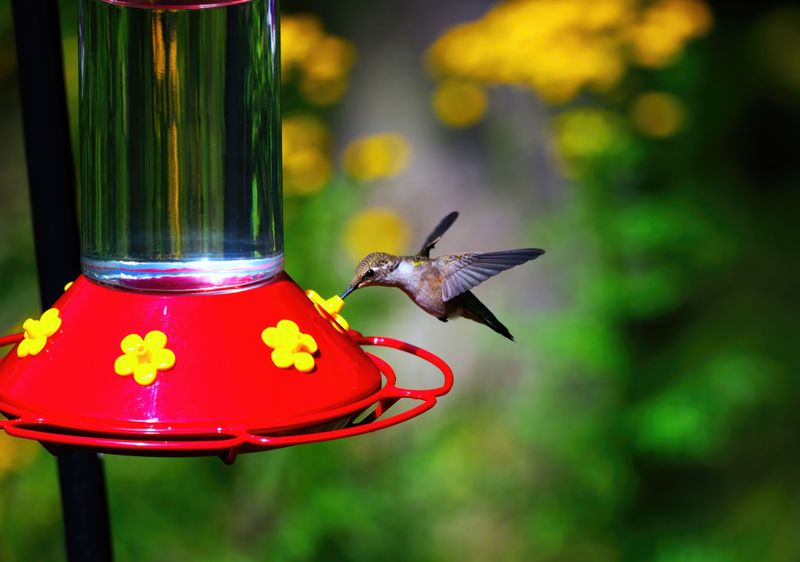
Nobody wants to drink spoiled lemonade, and hummingbirds feel the same way about old nectar. Sugar water goes bad faster than most people expect.
In hot weather, nectar can turn cloudy in just one or two days. Cooler October temperatures slow things down, so changing it every three to five days usually works.
Watch for warning signs like cloudy liquid, black specks, or a sour smell. Any of these mean it is time to pour it out and start fresh.
Spoiled nectar can grow fungus that may affect health and make eating hard. For a creature that feeds many times an hour, that matters greatly.
Cleaning the feeder matters just as much as swapping the liquid. Use hot water and a small bottle brush to scrub every corner and feeding port.
Skip strong soaps, since they can leave a taste behind that birds dislike. A mix of one part white vinegar and four parts water works great instead.
Rinse everything well and let it air dry before refilling. Pipe cleaners are handy for reaching inside those tiny flower-shaped holes.
Only fill the feeder halfway if you have just one visitor. Less nectar means less waste, and you will not feel bad pouring out leftovers.
Try setting a reminder on a family calendar or phone so nobody forgets. Some families even make feeder duty a weekly chore that rotates between siblings.
A clean feeder is like a clean restaurant, and birds can tell the difference. Keep yours spotless, and your late guest will keep coming back for seconds.
Stop Feeders From Freezing On Cold Nights
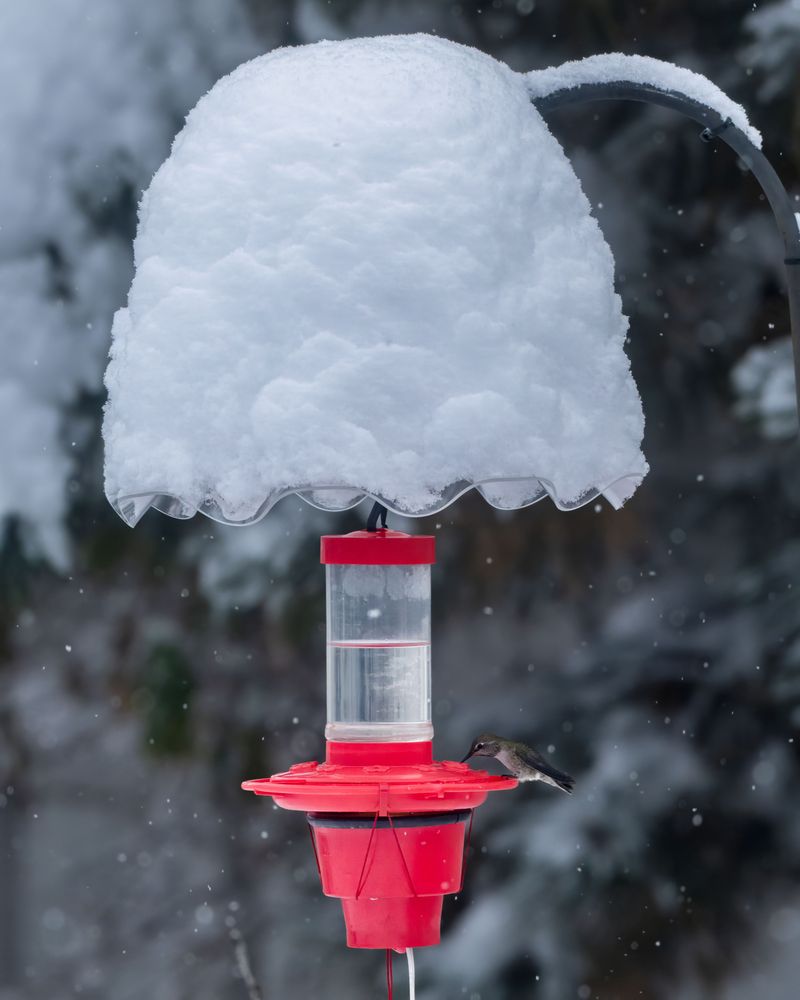
Frosty mornings can turn your feeder into a sugary popsicle overnight. That can make mornings harder for a bird waking up needing fuel.
Hummingbirds can drop into a sleep state called torpor on cold nights to save energy. Their heart rate slows way down, and their body temperature falls a lot.
When they wake, they need food fast to warm back up. A frozen feeder at dawn is like an empty fridge when you are famished.
Sugar water freezes at a lower temperature than plain water, which helps a little. Still, once nights dip well below freezing, you will need a backup plan.
One easy trick is to bring the feeder inside at night and hang it back out early. Just make sure it goes up before sunrise, since birds feed at first light.
Owning two feeders makes this even easier. Keep one warm indoors and swap them out each morning when the outdoor one starts to freeze.
Some people wrap a strand of old-style holiday lights around the feeder for gentle heat. The small bulbs give off just enough warmth to keep nectar flowing.
You can also buy heaters made just for feeders, which clip on underneath. Hang the feeder near your house, out of the wind, for extra protection.
Avoid anything that gets too hot to touch or could spark near wet surfaces. Safety comes first for both you and your feathered friend.
With a little effort, your feeder can stay open for business through chilly fall nights. Your tiny visitor may keep returning for a sunrise flyby.
Leave Late Blooms And Bugs In Your Yard
Messy gardens may not suit every neighbor’s taste, but birds benefit from them. A slightly wild yard in October is a rich food source for late travelers.
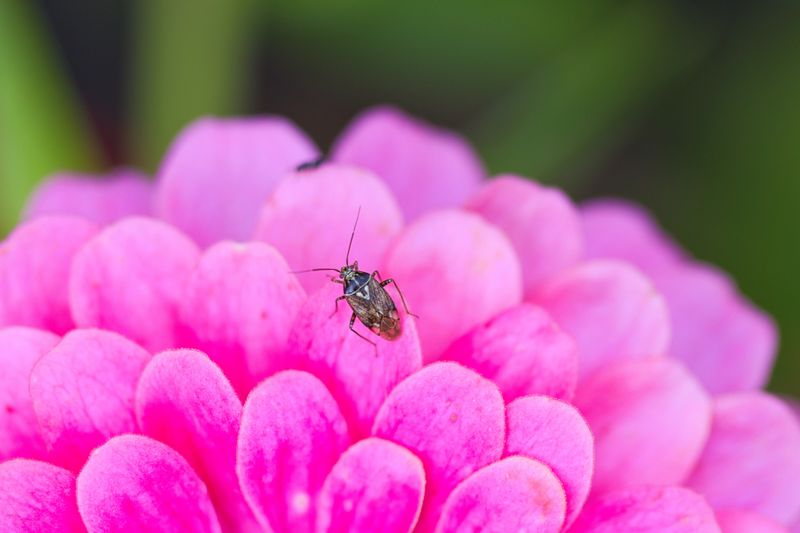
Hummingbirds do not live on sugar alone. They eat plenty of small insects and spiders, which give them the protein they need to fly far.
Hold off on cutting back plants and raking every leaf right now. Bugs hide in old stems and leaf piles, waiting to become a hummingbird snack.
Skip bug sprays and lawn chemicals this time of year. Those products sharply reduce the very insects that hungry birds are hunting for.
Some flowers keep blooming well into fall and make great natural feeders. Salvia, fuchsia, pineapple sage, and cuphea often hold their color until the first hard frost.
Pineapple sage is a late-season star in many gardens, with bright red tube-shaped flowers. Hummingbirds can reach deep inside with their long, thin beaks.
Potted plants are another smart move if frost is on the way. You can bring them onto a porch at night and set them out again in the morning.
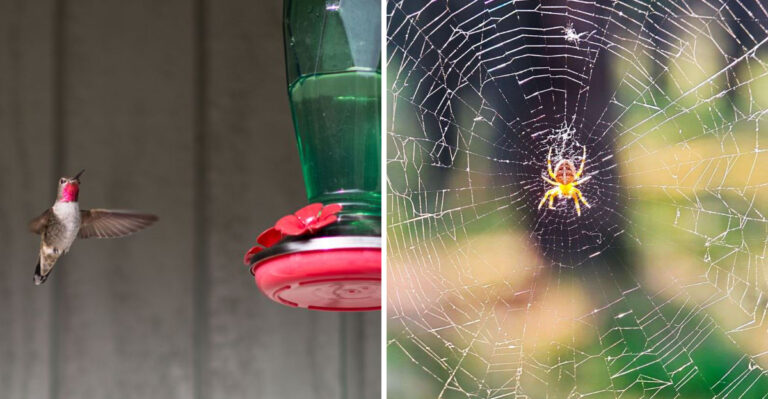
Spider webs matter too, believe it or not. Female hummingbirds use spider silk to build stretchy nests, and they snatch trapped bugs from webs.
Next spring, think about planting more fall bloomers to help future late visitors. A mix of colors and bloom times keeps your yard busy for months.
Letting your yard stay a little wild might be the easiest way to help. Think of it as a permission slip to skip some raking this weekend.
Figure Out Which Species Is Visiting
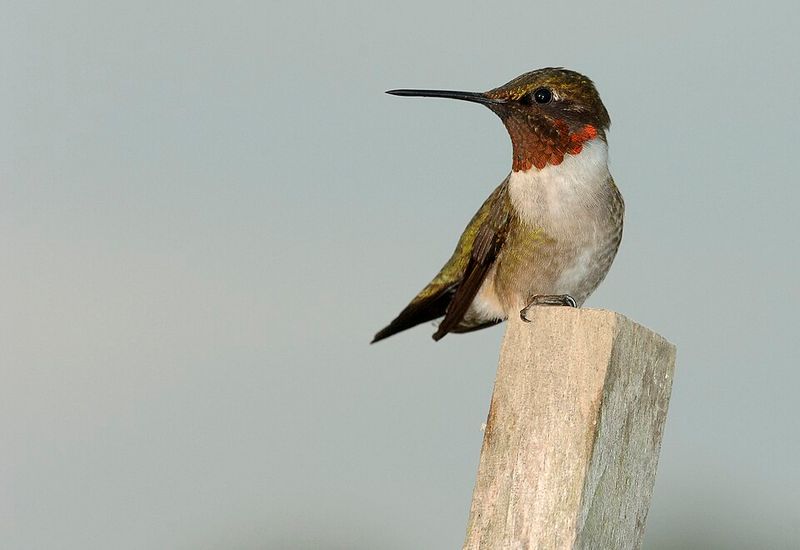
Plenty of backyard watchers in the eastern United States get fooled every fall. That late October bird might not be a ruby-throated hummingbird at all.
Ruby-throats are the most common species in the East, and most leave by early October. A bird hanging around later could be a rare western visitor.
Rufous hummingbirds are the usual suspects in late fall. They are bright orange-brown, feisty, and famous for chasing other birds away from feeders.
Some western birds now spend winter along the Gulf Coast. Some have even shown up as far north as New England in November.
Other surprise guests include Allen’s, black-chinned, and Calliope hummingbirds. Calliopes are the smallest birds in the United States, weighing about as much as a ping-pong ball.
Grab your phone or camera and try to snap a few clear photos. Shots of the tail, throat, and back help experts tell similar species apart.
Free apps like Merlin Bird ID can help you narrow down choices. You answer simple questions about size, color, and location, and the app suggests matches.
Females and young birds can be tricky, even for experts, because they look so alike. Do not worry if you cannot name yours right away.
Keep a little notebook near the window to track dates, times, and behaviors. Patterns you notice could help solve the mystery of your visitor.
Turning into a bird detective is a fun way to learn while you watch. Who knows, you might have a celebrity bird sipping from your feeder.
Report Your Sighting To Bird Scientists
Regular people have helped scientists make some truly important discoveries about wild birds. Your October sighting could add a real piece to that puzzle.
Scientists cannot be everywhere at once, so they count on backyard watchers. Reports also help them track where birds go and when they travel.
eBird is a free website and app run by the Cornell Lab of Ornithology. You simply log what you saw, where, and when, and the data goes into a large database.
Journey North is another great option, and it is very kid-friendly. It maps hummingbird sightings during both spring and fall migration.
Late-season reports are especially valuable because they are less common. They help researchers see whether climate changes are shifting migration timing over the years.
If you think you have a rare species, contact a local bird club or Audubon chapter. Some areas have permitted bird banders who might visit to identify your guest.
Banders catch birds safely, measure them, and attach a tiny numbered band to one leg. It may sound odd, but the birds usually fly off within minutes.
Some banded hummingbirds have been found thousands of miles from where they were first tagged. Rufous hummingbirds are known for some of the longest migrations relative to their body size.
Including a photo with your report makes it much more useful. Even a fuzzy phone picture can help an expert confirm what you spotted.
Feeling like a real scientist is a pretty great reward for a few minutes of typing. Your sighting joins a real research dataset.
Know When It Is Time To Take The Feeder Down
Saying goodbye to a feathered friend can feel a little bittersweet. Still, knowing the right moment to pack up keeps things simple and safe.
The two-week rule is the easiest guide to follow. Once you go fourteen days without seeing any hummingbirds, you can take the feeder down.
Watch closely during those last weeks, since late visitors can be quick and quiet. A short glance out the window each morning and afternoon usually does the trick.
Folks in warmer southern states might keep feeders up all winter long. Check with a local bird group to learn what is normal in your area.
Before storing it, give the feeder one last deep clean with hot water and vinegar. Dry every part well so mold does not grow while it sits.
Keep all the pieces together in a labeled bag or box. Next spring, you will thank yourself when you are not hunting for missing ports.
Mark your calendar for early spring, since the first travelers return sooner than many people think. In southern states, some arrive as early as late February.
Write down the date of your last sighting this year in a notebook. Comparing dates year after year turns into a neat family tradition.
Some people miss the buzzing so much that they start a countdown to spring. Others put up a seed feeder to keep winter birds like chickadees nearby.
Taking the feeder down is simply a short break between seasons. Think of it as hitting pause until your favorite tiny jet pilots zoom back home.