Native Florida Perennials That Hit Their Stride In April
April is easily one of the most exciting months for a Florida garden. As temperatures climb and the days stretch longer, our native perennials finally get the signal they need to wake up, spread out, and start showing off.
Florida gardeners have a massive advantage when they lean into plants already adapted to our unique soil, rainfall, and humidity.
These eight native perennials are hitting their stride right now, making April the perfect window to appreciate the beauty of Florida’s natural landscape.
Whether you’re looking to support local wildlife or just want a resilient yard, these picks are the stars of the season.
1. Coreopsis Brings Bright Yellow Blooms Across Florida
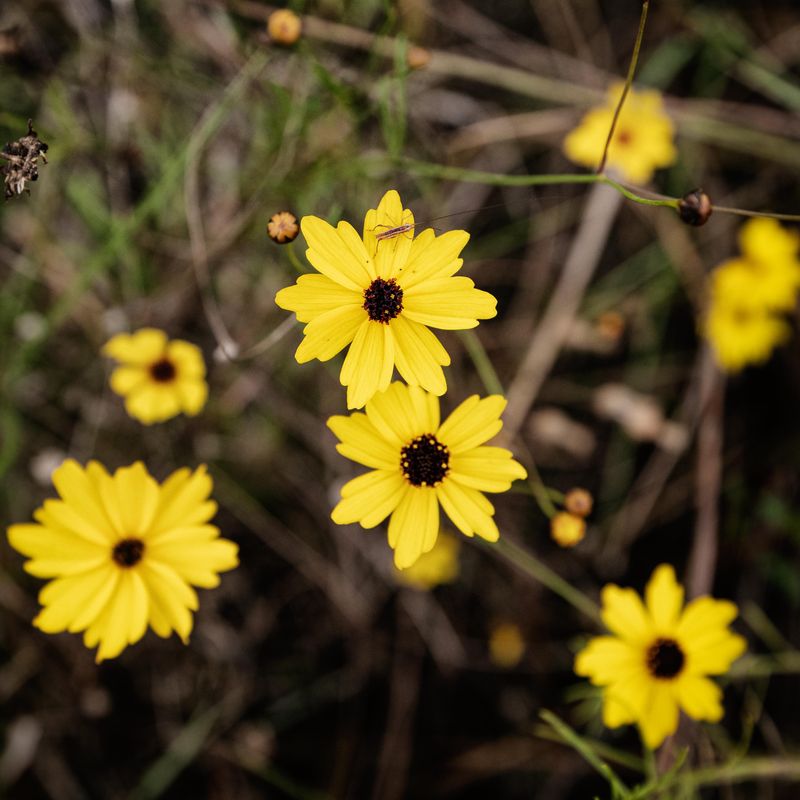
Florida’s official state wildflower earns that title every spring, and April is when you really start to see why.
Coreopsis, often called tickseed, lights up roadsides, meadows, and home gardens across Florida with cheerful yellow blooms that seem almost too bright to be real.
The flowers have a daisy-like shape with golden petals surrounding a warm center, and they appear in clusters that can cover an entire plant when conditions are right.
In Florida, Coreopsis tends to thrive in full sun with well-drained soil. Sandy soils that frustrate other plants are actually well-suited for this species, which appreciates good drainage and does not need rich or heavily amended ground.
Once established, it handles Florida’s dry spells with ease, making it a low-maintenance option for gardeners who want consistent color without a lot of effort.
Deadheading spent blooms encourages the plant to keep producing new flowers through the season. Bees and butterflies visit regularly, so placing Coreopsis near other pollinator-friendly plants can turn a corner of the yard into a buzzing habitat.
It naturalizes well and can spread gradually over time, filling gaps in garden beds with welcome color.
2. Blanket Flower Thrives In Sandy Soil With Bold Color
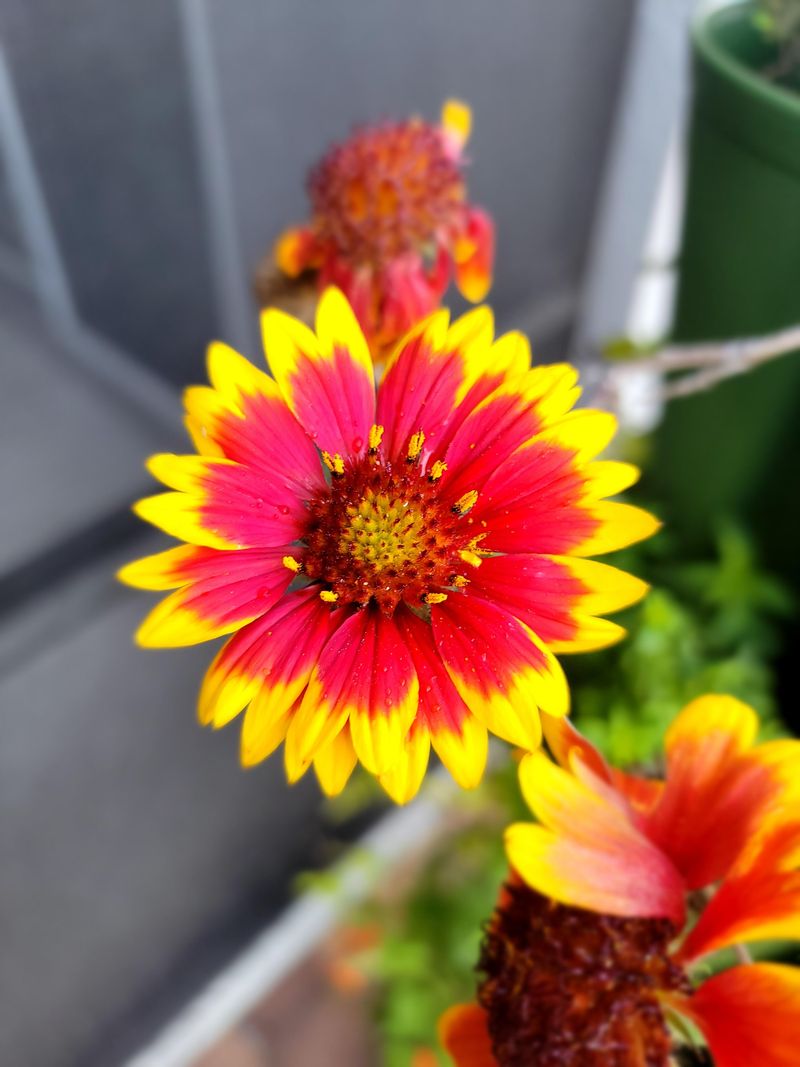
Walk along a Florida beach access path or drive through a coastal neighborhood in April, and you might spot clusters of bold red and yellow flowers pushing up through sandy ground.
That striking plant is Blanket Flower, known botanically as Gaillardia pulchella, and it handles Florida’s gritty, nutrient-poor soils better than almost any other flowering perennial.
The blooms look almost hand-painted, with warm red centers that fade into yellow tips along each petal.
Blanket Flower genuinely loves full sun and asks very little in return. Sandy, well-drained soil suits it well, and it tends to struggle in spots that stay wet or compacted for long periods.
Florida’s coastal regions are especially good growing environments because the plant tolerates salt spray and wind without losing much of its vigor or bloom production.
Pollinators respond enthusiastically to Blanket Flower throughout the season. Bees and butterflies visit the blooms regularly, and the plant continues producing flowers from spring well into fall across much of Florida.
Cutting back spent flower heads helps maintain a tidy appearance and encourages fresh blooms to follow. For gardeners working with difficult sandy areas, this native perennial offers reliable color and real ecological value.
Your Florida Garden Changes Every Week. Your Plan Should Too.
Gardening in Florida changes quickly throughout the season. Every Friday you’ll receive a simple weekly plan showing exactly what to plant, prune, fertilize, harvest, and protect so you never miss the right timing.
3. Beach Sunflower Spreads Fast With Sunny Yellow Flowers
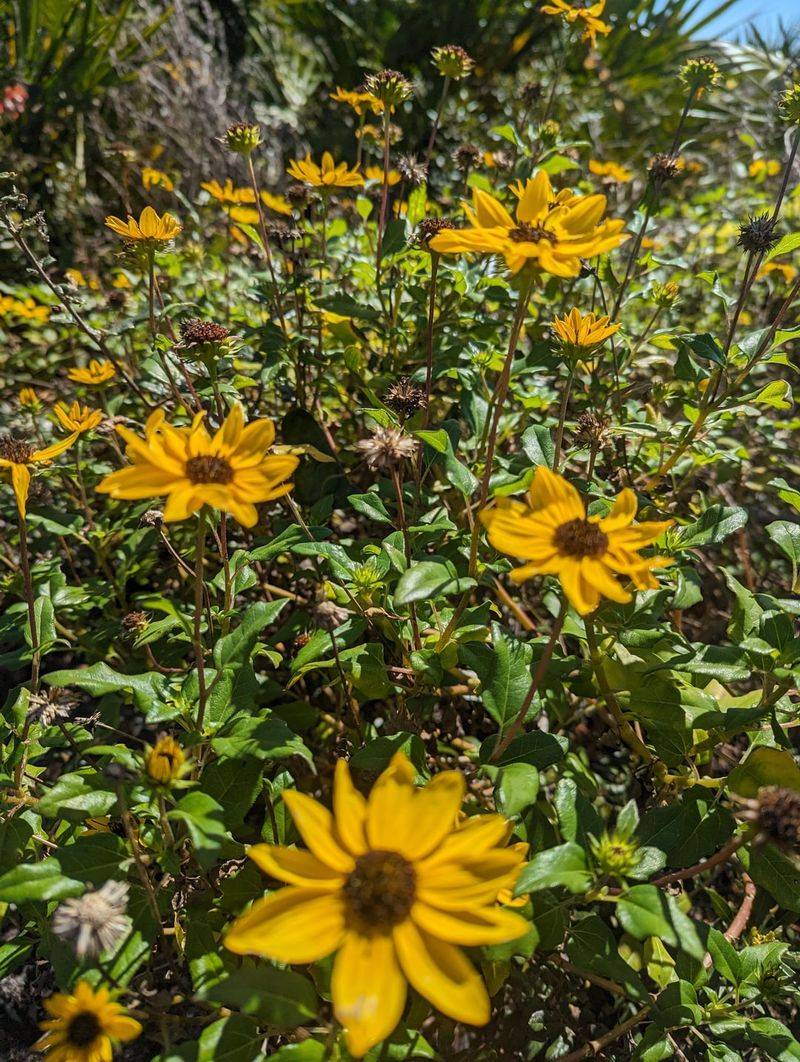
Few native plants cover ground as enthusiastically as Beach Sunflower, and by April, it is already on the move.
Helianthus debilis spreads along the ground with long stems that root as they go, creating a low, spreading mat of cheerful golden-yellow flowers that blooms from late winter through late fall across Florida.
The flowers look like small sunflowers, which makes sense given the family connection, and they attract a steady stream of pollinators throughout the season.
Beach Sunflower thrives in full sun and handles sandy, dry soils without complaint. It is especially well-suited for Florida’s coastal landscapes, where it can help stabilize dunes and reduce erosion while still providing visual interest.
The plant is not considered invasive in Florida and fills in bare areas quickly, which makes it useful in spots where other plants struggle to establish.
Maintenance needs are minimal once Beach Sunflower is established. Occasional trimming keeps the spread in check if space is limited, but in open areas it can be allowed to roam freely.
Florida gardeners who want fast coverage with consistent blooms and genuine wildlife value will find this native perennial to be one of the most rewarding choices available for sunny, sandy spots.
4. Scarlet Sage Adds Red Blooms That Attract Pollinators
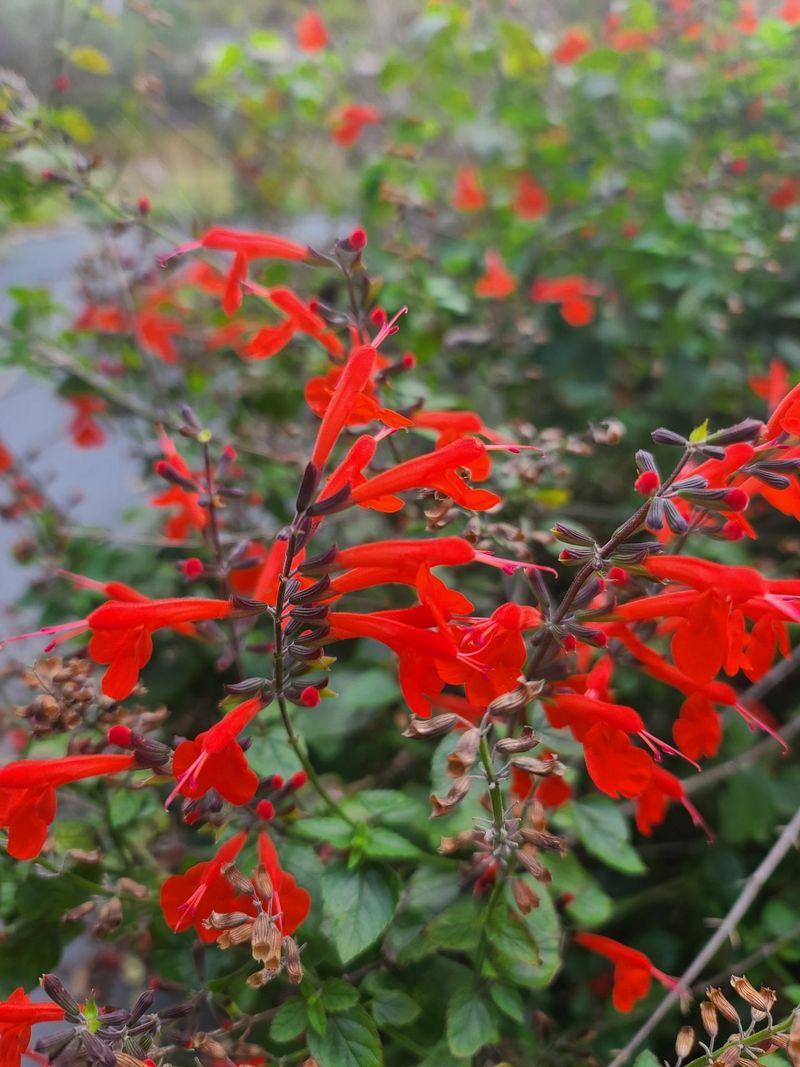
Hummingbirds have a well-known preference for red tubular flowers, and Scarlet Sage delivers exactly that.
Salvia coccinea is a Florida native that produces tall spikes of vivid red blooms starting in spring and continuing through most of the year when conditions are favorable.
By April, plants that overwintered or reseeded from the previous season are often already producing their first flush of flowers, drawing hummingbirds and butterflies to the garden with reliable frequency.
Scarlet Sage adapts to a range of conditions found across Florida. It performs well in full sun but tolerates partial shade better than many other flowering natives, which makes it useful in spots that get afternoon shadow.
Soil does not need to be particularly rich, and the plant manages dry periods reasonably well once it has had time to establish a root system.
One of the most appealing traits of Scarlet Sage is how freely it reseeds. Plants that finish blooming drop seeds that germinate the following season, so a single planting can populate a bed over time without much intervention.
Leaving a few spent stalks in place at the end of the season gives seeds a chance to fall naturally and take hold. For Florida gardeners who want low-effort color and high pollinator activity, Scarlet Sage is a strong choice.
5. Blue Mistflower Fills Beds With Soft Blue Color
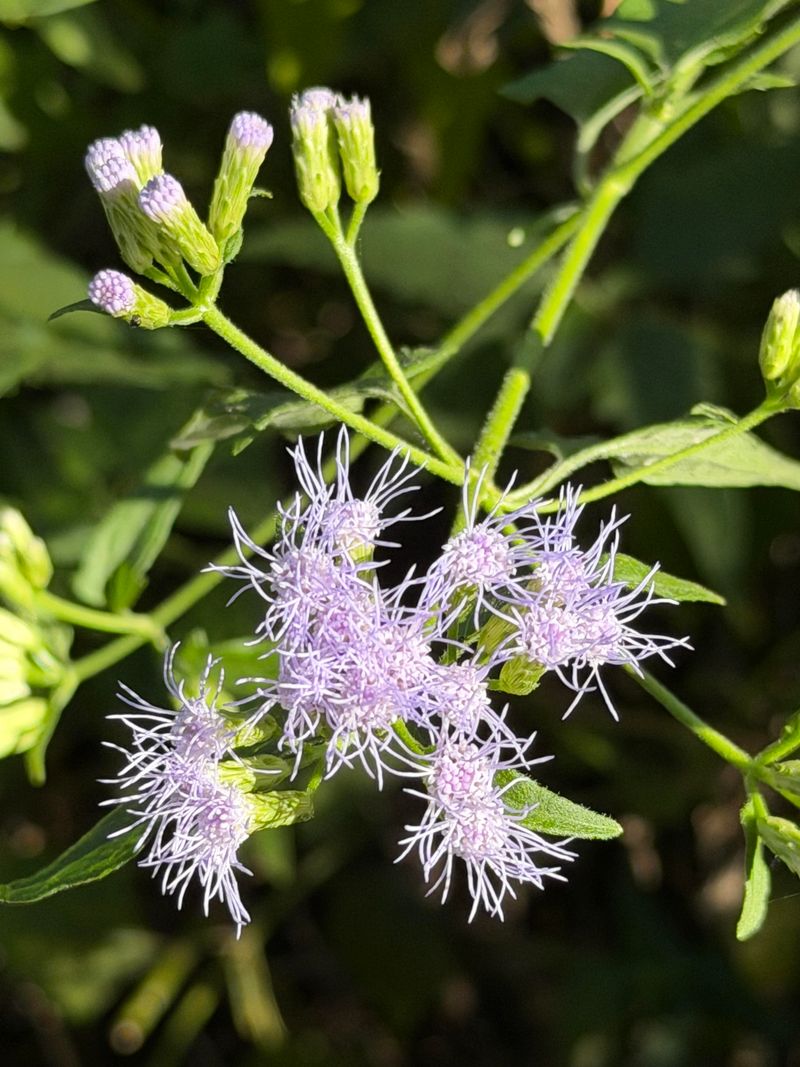
Soft blue is not a color you encounter often in Florida’s native plant palette, which makes Blue Mistflower stand out in a meaningful way.
Conoclinium coelestinum, sometimes listed under the older name Eupatorium coelestinum, produces fluffy clusters of lavender-blue flowers that add a cool, airy quality to garden beds.
By April, the plant is building strong stem and leaf growth that sets the stage for its most active blooming period as the season progresses.
Blue Mistflower is one of the more shade-tolerant native perennials available to Florida gardeners. While it can handle full sun with adequate moisture, it often performs best in partially shaded spots where afternoon heat is reduced.
Moist soils suit it well, and it naturally grows near streams, pond edges, and low-lying areas across Florida where moisture is more consistent throughout the growing season.
Pollinators, especially butterflies, are drawn to Blue Mistflower in large numbers when it reaches peak bloom. The plant spreads gradually through rhizomes and can fill in a bed over several seasons, creating a dense, weed-suppressing ground layer.
Florida gardeners who want something a little different from the typical yellow and orange native palette will appreciate the calm, distinctive color that Blue Mistflower contributes to the landscape.
6. Swamp Milkweed Supports Pollinators As Growth Picks Up
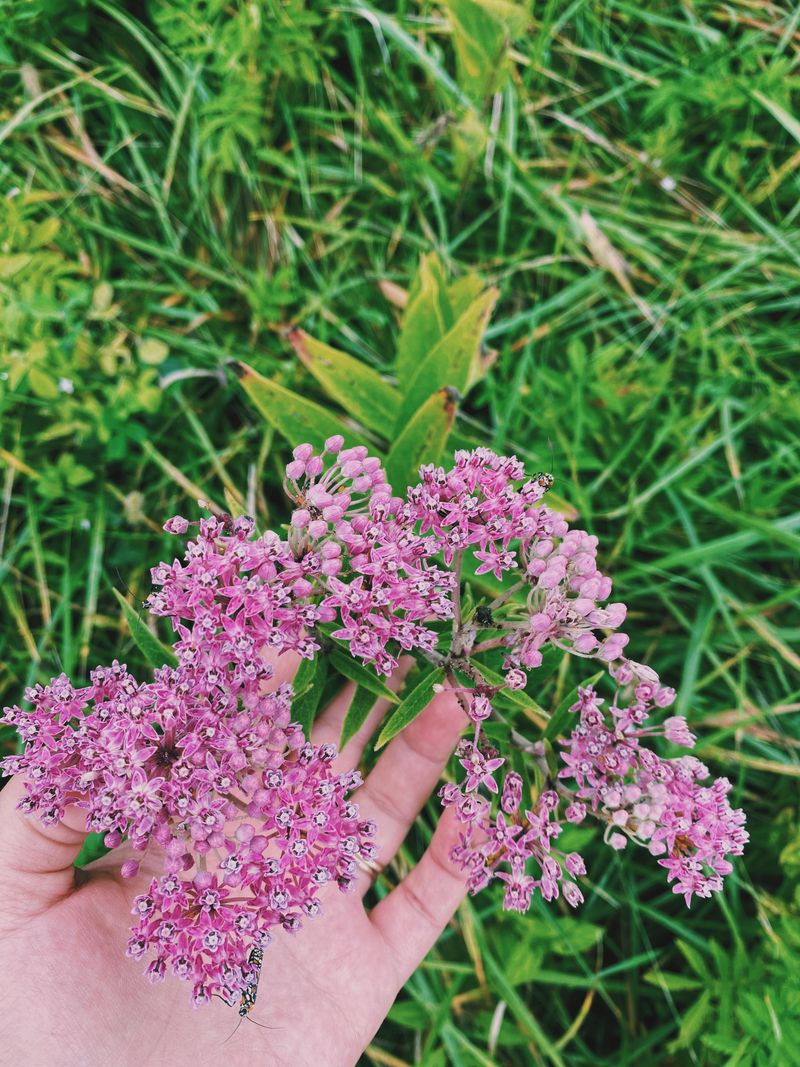
Monarch butterflies need milkweed, and Florida’s native Swamp Milkweed is one of the most reliable sources available in the state.
Asclepias incarnata produces clusters of pink to mauve flowers that bloom from late spring through summer, and by April the plant is putting on noticeable new growth that signals a strong season ahead.
Unlike tropical milkweed, which can interfere with monarch migration patterns when left standing year-round, native species like Swamp Milkweed follow natural seasonal cycles that align with butterfly behavior.
As the name suggests, Swamp Milkweed handles wet conditions that would stress most other perennials. It grows naturally along Florida pond edges, stream banks, and low-lying areas where water collects seasonally.
In the garden, it performs well in consistently moist soil and full to partial sun, making it a good choice for rain gardens or spots near irrigation drainage areas.
Beyond monarchs, Swamp Milkweed attracts a wide range of native bees, swallowtail butterflies, and other beneficial insects.
The seed pods that form after blooming split open in fall to release seeds attached to silky fibers, which can be left to disperse naturally.
Florida gardeners who want to actively support pollinator populations will find Swamp Milkweed to be a genuinely impactful addition to the landscape.
7. Butterfly Milkweed Adds Bright Orange Spring Blooms
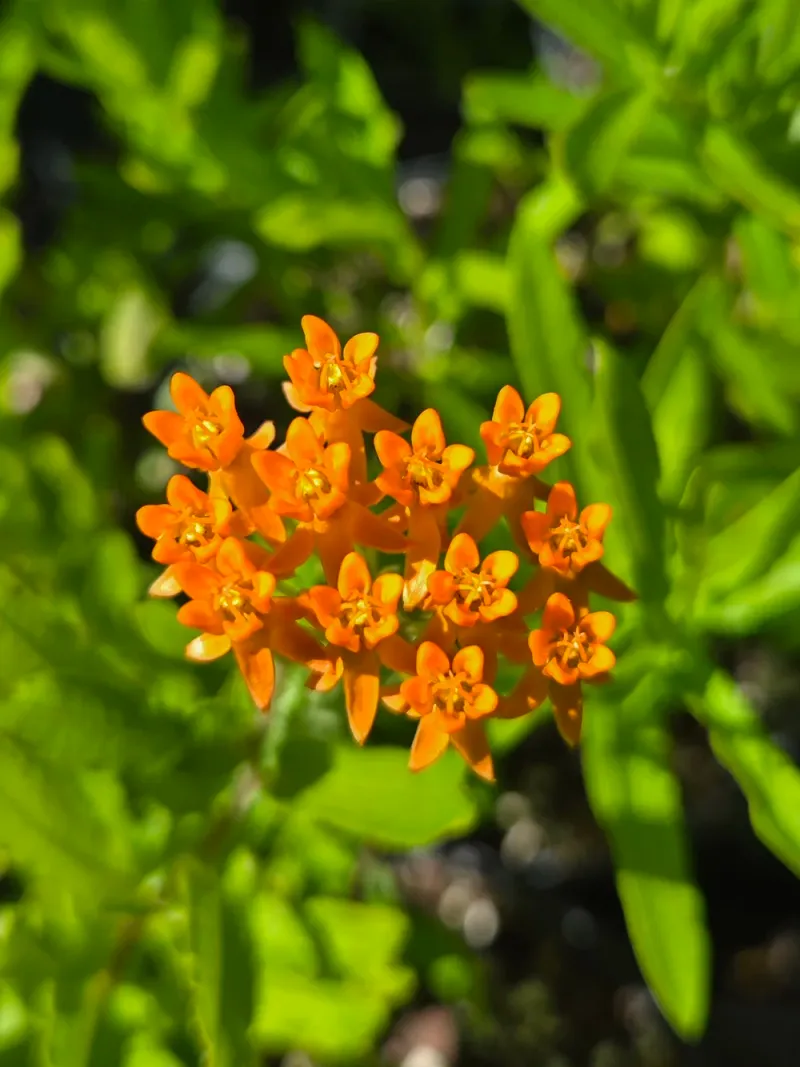
Bright orange flower clusters rising above narrow green leaves make Butterfly Milkweed one of the most visually striking native perennials growing across Florida in spring.
Asclepias tuberosa starts pushing up new growth in early spring, and by April it is often already producing its first blooms.
The color is intense and warm, standing out against green foliage and drawing attention from both gardeners and pollinators from a noticeable distance.
Unlike Swamp Milkweed, this species prefers dry, well-drained soil and full sun. It is well-adapted to Florida’s sandier upland habitats and handles drought conditions better than most milkweed species once its deep taproot is established.
That taproot is worth noting because it also means the plant does not transplant easily after it has settled in, so choosing a permanent location before planting is a good idea.
Monarchs, swallowtails, and native bees all visit Butterfly Milkweed regularly throughout its blooming season, which can extend from spring into fall with periodic repeat blooms.
The plant supports monarch caterpillars as a host species, which adds ecological value beyond just nectar provision.
Florida gardeners who want a native perennial that earns its spot through both beauty and habitat contribution will find Butterfly Milkweed to be a consistently rewarding choice.
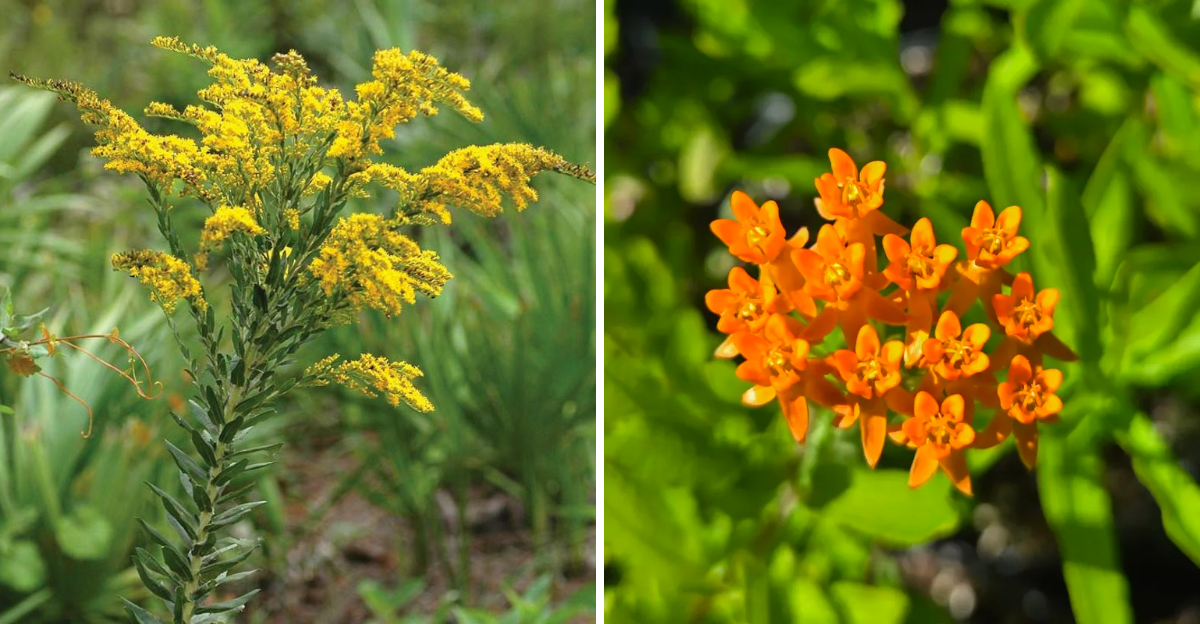
8. Goldenrod Builds Strong Growth Ahead Of Fall Color
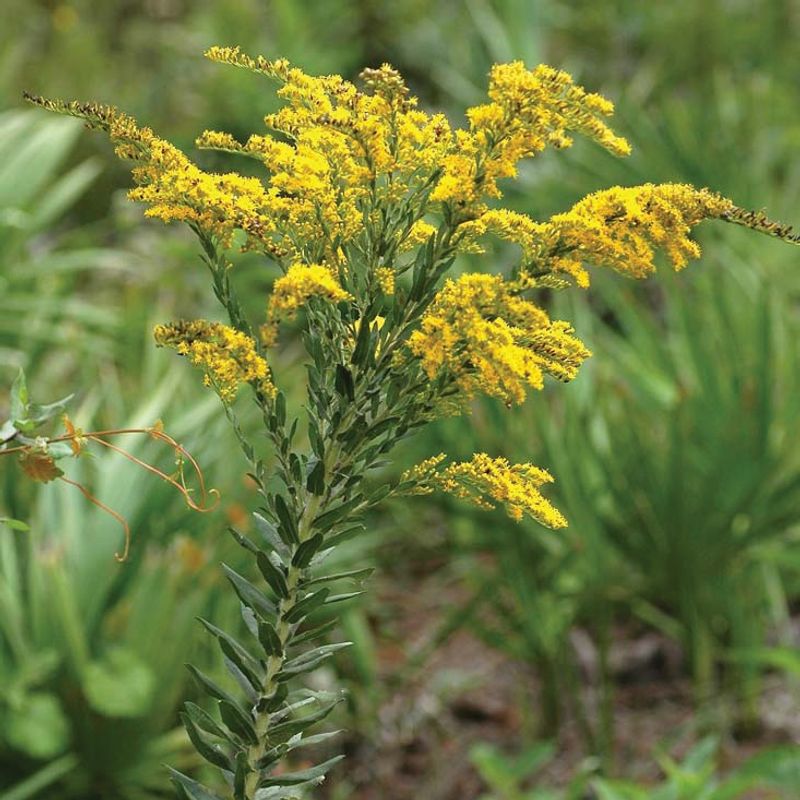
Goldenrod sometimes gets overlooked in spring because its most dramatic display comes in fall, but April is actually when Florida’s native Goldenrod species are laying the groundwork for that seasonal payoff.
Solidago fistulosa and other Florida-native goldenrods are producing sturdy new stems and broad basal leaf growth during April, building the energy reserves that will fuel their late-season flowering.
Watching that growth emerge is a reminder that great gardens reward patient observation.
Florida’s native goldenrods are different from the more aggressive non-native varieties that gardeners sometimes worry about.
They spread at a reasonable pace and fit naturally into meadow plantings, cottage gardens, and naturalized areas without overwhelming neighboring plants.
Full sun and well-drained soil suit them well, and they are notably drought-tolerant once established, which aligns well with Florida’s variable summer rainfall patterns.
When fall arrives and the bright yellow flower plumes open, goldenrod becomes one of the most important late-season nectar sources available to migrating and overwintering pollinators across Florida.
Bees and butterflies rely on it heavily before cooler temperatures arrive.
Starting with healthy spring growth gives each plant the best opportunity to produce a full and showy display when the season turns. Florida gardeners who think long-term will appreciate everything this native perennial brings to the landscape.