Bright Red Nandina Berries In Georgia Yards Can Spell Trouble For Hungry Birds
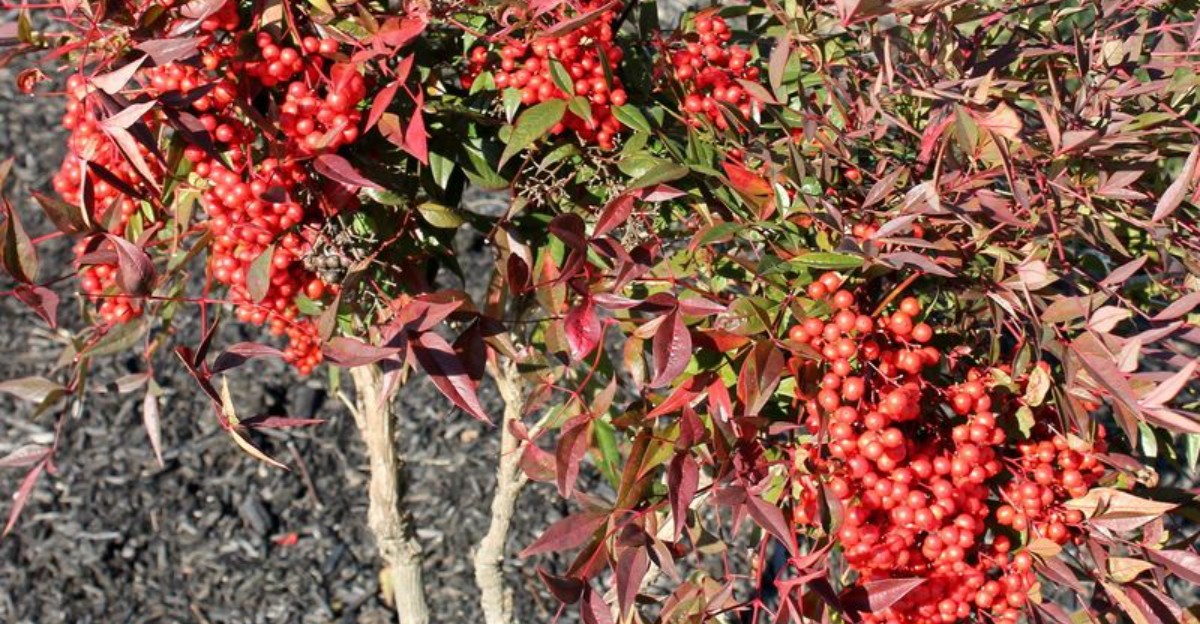
Clusters of bright red nandina berries can brighten a gray winter yard for months. They also tend to stay on the shrub long after other fruit is gone.
Such lasting fruit can draw hungry birds once their usual food sources run low across Georgia.
Nandina berries contain compounds that can be toxic when eaten in large amounts. Birds that feed heavily on them, especially cedar waxwings, have been found sickened after eating too many.
Most birds take only a few berries, but flocks that gorge at once face the greatest risk.
Nandina is also known to spread into nearby woods in parts of the Southeast, crowding out native shrubs.
Clipping off the berry clusters before winter sets in is one simple way to protect the birds that visit your yard.
1. Glossy Red Clusters Look Like A Winter Feast For Birds
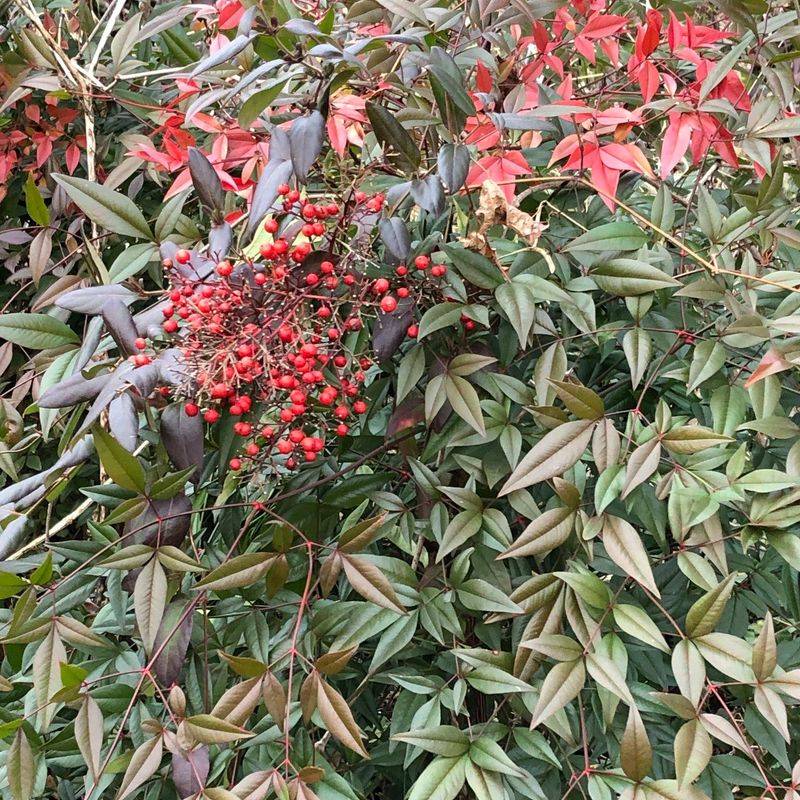
Few shrubs put on a winter show quite like nandina. Just as lawns fade and oaks drop their leaves, its berries turn a shiny, eye-catching red.
Birds notice that color too, especially when other food grows scarce.
Berries usually ripen in fall and often hang on the plant well into winter. In many yards, they stay put for months because birds tend to pass them by early in the season.
Later in winter, food supplies shrink as native fruits get eaten up. A hungry bird may then turn to whatever is left, and nandina berries are often still waiting.
That timing is part of the concern. A plant that offers food when little else is around can attract more feeding than it would in a season of plenty.
Nandina is planted widely in foundation beds, along driveways, and near patios. You can find it in older Georgia neighborhoods and brand-new subdivisions alike.
Take a quick look around your property this season. If you see heavy clusters of berries, make a note of where those shrubs grow.
Knowing what you have is the first useful step. From there, you can decide whether to trim the berries, swap the plants, or simply keep an eye on them through the colder months.
2. The Berries Contain Compounds That Can Release Cyanide
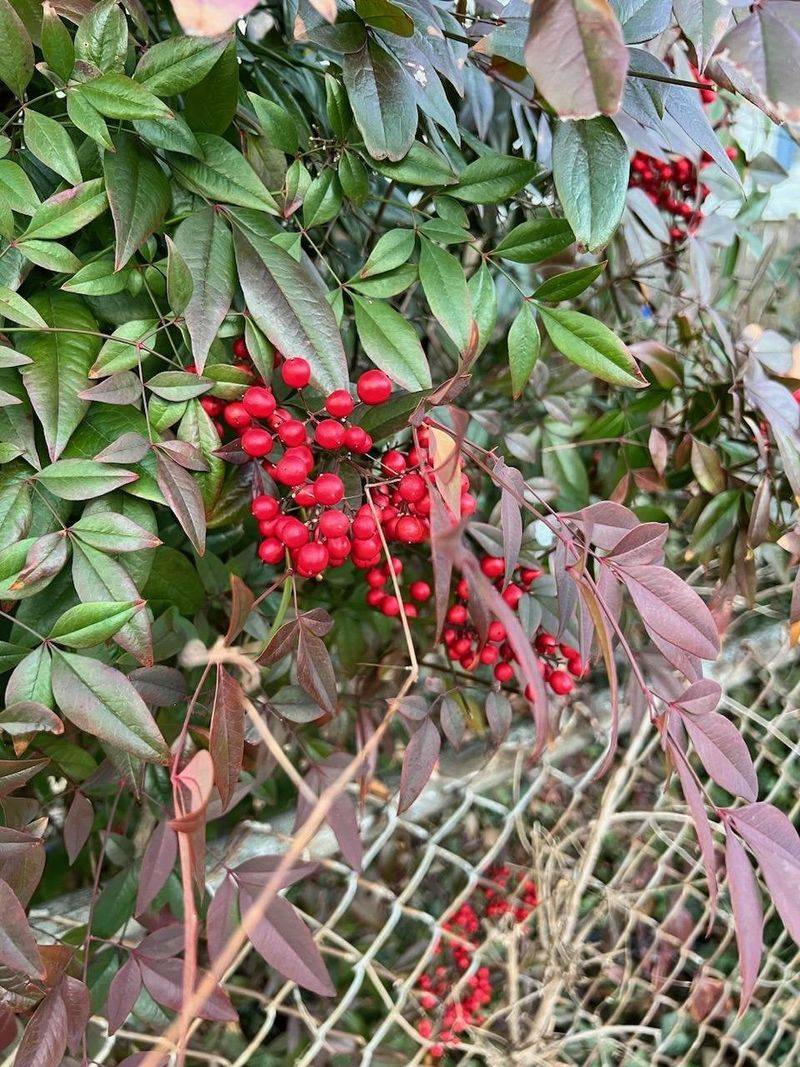
Pretty does not mean harmless. Nandina carries natural chemicals called cyanogenic glycosides, which can produce hydrogen cyanide when the plant tissue is broken down.
Every part of the plant contains these compounds, though the berries get the most attention because animals eat them.
A single berry is not likely to cause trouble for a healthy adult bird. Problems seem to show up when an animal eats a large number of berries in a short span.
Amounts can vary from plant to plant. Growing conditions, ripeness, and the time of year may all play a part, so there is no exact safe number to rely on.
Gardeners in Georgia sometimes hear that nandina is completely harmless or poses a serious threat to wildlife. The truth is more nuanced, and understanding the actual risks can help you make better choices.
Wash your hands after handling the plant, especially if you have been crushing leaves or berries. Gloves are a smart choice during heavy pruning.
Your Georgia Garden Changes Every Week. Your Plan Should Too.
Gardening in Georgia changes quickly throughout the season. Every Friday you’ll receive a simple weekly plan showing exactly what to plant, prune, fertilize, harvest, and protect so you never miss the right timing.
People are rarely affected, since few would eat enough of the bitter berries to matter. Still, it makes sense to teach young children not to put any yard berries in their mouths.
Understanding the chemistry helps you make calm, sensible choices instead of reacting out of fear.
3. Cedar Waxwings Feeding In Large Flocks Have Been Poisoned
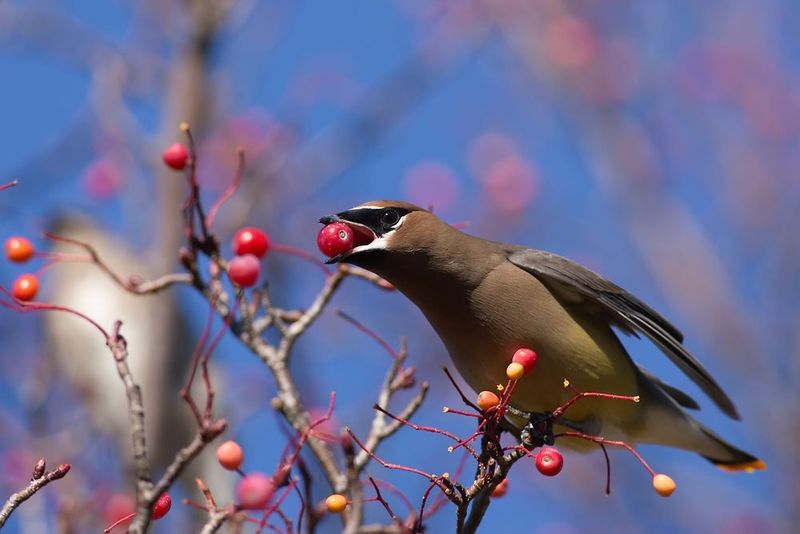
Picture a flock of sleek, crested birds dropping into a shrub all at once. Cedar waxwings feed like that, often in groups, and they can strip a bush of fruit quickly.
Their eating style is exactly what puts them at higher risk.
Waxwings live largely on fruit, and they tend to gulp berries whole and in big numbers. One bird might swallow many berries during a single feeding session.
Back in 2009, a cluster of waxwings was found sick and lifeless in Thomasville, Georgia. Testing linked the event to heavy feeding on nandina berries.
That case got wide attention, but it does not mean every flock that visits nandina will be harmed. Reports like this appear to be occasional rather than routine.
Robins and mockingbirds also eat berries. Because they usually eat fewer at a time, their risk seems lower, though less is known about them.
Watch for waxwings in late winter and early spring, when they often pass through in large numbers. Their soft, high whistles can tip you off before you even see them.
If they keep returning to your nandina, that is a good signal to remove the remaining berries soon.
4. Pets Nibbling On The Plant Can Also Be Affected
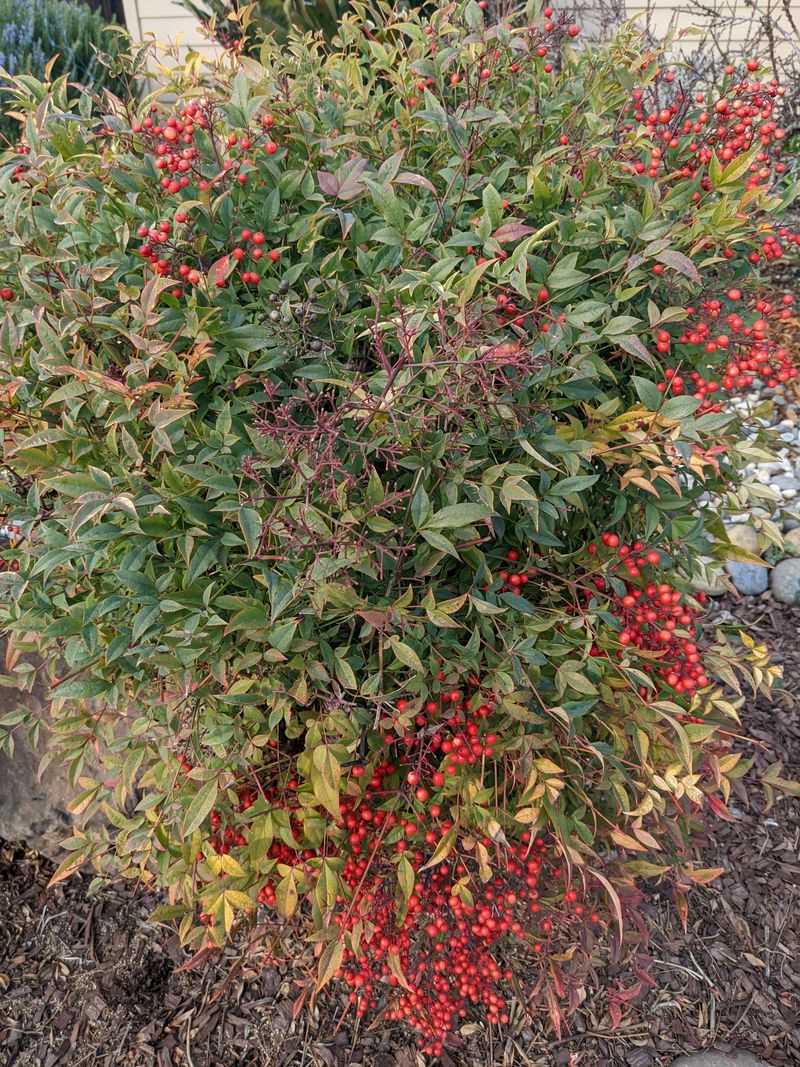
Dogs explore with their mouths, and cats sometimes chew on leaves out of boredom. That habit can lead them straight to a nandina shrub planted near the back door.
Nandina appears on the ASPCA list of plants toxic to dogs, cats, and horses.
Signs reported by veterinary sources may include weakness, trouble breathing, drooling, or an upset stomach. Severe cases seem uncommon, since a pet would usually need to eat quite a bit.
Puppies and young dogs deserve extra attention. They tend to chew on almost anything, including fallen berries and pruned stems left on the ground.
Clean up clippings right after you trim the shrub.
If your pet spends lots of time unsupervised in a fenced yard, think about where nandina grows. Moving it away from favorite play spots can lower the chance of a problem.
Horse owners in rural Georgia should also check pasture edges and fence lines. Nandina sometimes pops up where birds have dropped seeds.
Suspect your pet ate part of the plant? Call your veterinarian or a pet poison helpline right away, even if symptoms have not shown up yet.
Quick advice from a professional is far better than waiting to see what happens.
5. Seeds Spread By Birds Have Pushed It Into Nearby Woods
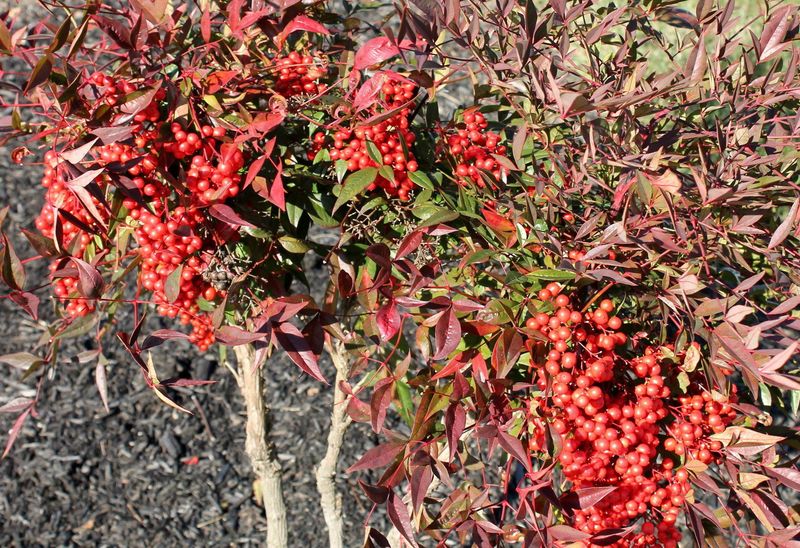
Your shrub may not stay in your yard. Birds that eat the berries can carry the seeds away and drop them in nearby forests, creek banks, and fencerows.
Over time, those seeds can grow into new plants far from any garden.
Nandina is native to eastern Asia, not North America. In Georgia, it is listed as an invasive plant concern by the Georgia Invasive Species Task Force and related groups.
Wild patches tend to show up in shady woods where the shrub can handle low light. Once settled, it may crowd out native seedlings and wildflowers.
Spread seems strongest in warmer parts of the Southeast. How fast it moves depends on local bird activity, soil, and how many fruiting shrubs grow nearby.
Walk the edges of your property and look for young plants with lacy, bamboo-like leaves. Seedlings are easiest to pull while small and the soil is moist.
Older wild plants have tough roots that can resprout after cutting. Digging out as much root as possible gives better results.
Some dwarf cultivars, such as certain compact types, produce few or no berries. Choosing one of those can cut down on seed spread if you want to keep the look.
6. Clipping Berry Clusters Before Winter Reduces The Risk
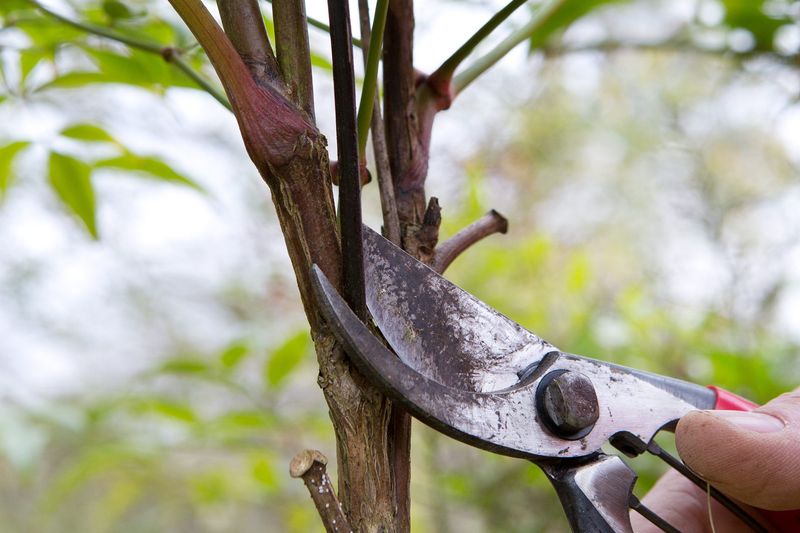
Grab a pair of pruners and you can solve much of the problem in an afternoon. Removing berry clusters keeps birds from feeding on them and stops seeds from spreading.
You do not need to remove the whole shrub to make a real difference.
Aim to cut clusters as they ripen in fall, before late winter when birds get hungrier. Snip each stem just below the cluster so the plant still looks tidy.
Bag the berries and put them in the trash instead of the compost pile. Composted seeds may still sprout later, and loose berries can tempt pets.
Some folks prefer to cut flower stalks in late spring or early summer, before berries even form. Doing so takes away the fruit while keeping the colorful foliage.
Wear gloves while you work, and wash your hands when you finish.
Plenty of Georgia homeowners have large hedges of nandina, which can make clipping feel like a big chore. Try tackling one section at a time over a few weekends.
Keep in mind that new clusters will likely form again next year. Clipping is a yearly task, not a single fix.
If that sounds like too much work, replacing the shrub may be the easier long-term choice.
7. Native Yaupon And Winterberry Offer Safer Red Berries
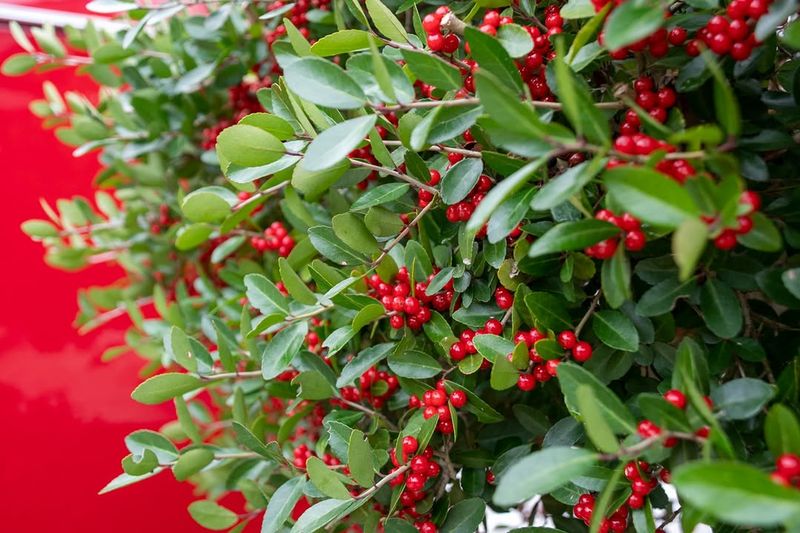
Love red berries but want fewer worries? Two native hollies, yaupon and winterberry, can give your yard bright winter color that local birds have eaten for ages.
Both plants evolved alongside native wildlife in the Southeast.
Yaupon holly is evergreen and handles heat, drought, and sandy soil well. It works in hedges or as a small tree, and dwarf forms fit into tight foundation beds.
Winterberry drops its leaves in fall, which makes its berries pop on bare branches. It prefers moist soil and often does best in wetter spots or rain gardens.
Keep one detail in mind before you shop. Hollies need both a female plant for berries and a male plant nearby for pollination.
Many dwarf yaupon types are males or rarely fruit, so check plant tags or ask nursery staff.
Holly berries are not meant for people or pets, and they can cause stomach upset if eaten. Still, they do not carry the cyanide-related concern tied to nandina.
Fall is a great time to plant shrubs in Georgia, since cooler weather helps roots settle in. Local nurseries and your county Extension office can suggest varieties that fit your region and soil.