Houseplants That Struggle in Arizona’s Dry Indoor Air and the Ones That Thrive
Arizona homes can feel as dry as the desert outside, especially when the air conditioner runs from May to September. Some houseplants hate that dry air and quickly show crispy brown leaf tips, while others barely notice it.
Knowing which is which can save you money, water, and plenty of frustration. Here are five plants that tend to struggle indoors in the low desert and five tough picks that handle it with ease.
1. Boston Fern
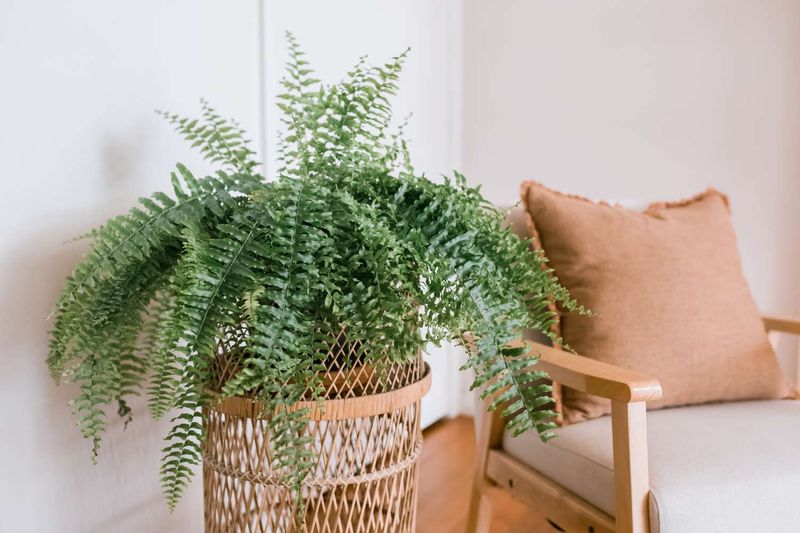
Picture a fern that looks lush on the nursery shelf, then starts dropping tiny leaflets all over your floor within two weeks. Many Phoenix and Tucson plant owners have lived that exact story with the Boston fern.
Native to humid forests and swamps, this plant expects moist air around its fronds all day long. Arizona homes often sit well below the humidity it prefers, and air conditioning pulls even more moisture from the room.
The result is usually crisp, brown fronds and a steady shower of little leaflets that never seems to stop.
Many people try to fix the problem by watering more, but soggy soil can lead to root rot without solving the dry air issue. Hard tap water from places like the East Valley can also leave salty buildup in the pot, which stresses the roots further.
If you truly love ferns, a bathroom with a window may be your best shot, since showers add moisture to the air. Grouping plants together and setting the pot on a pebble tray filled with water can help a little.
Still, for most desert households, this classic beauty demands more daily attention than it gives back, so it lands firmly on the struggle side.
2. Calathea
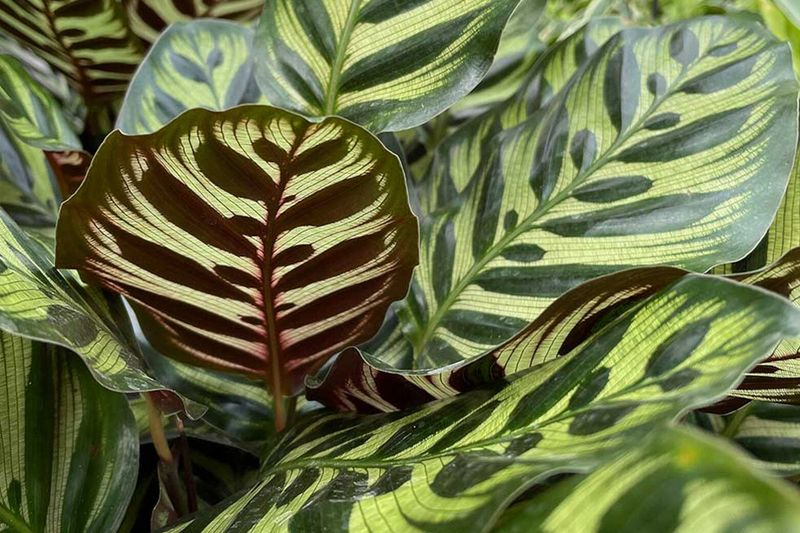
Gorgeous, dramatic, and a little bit fussy. Calatheas are famous for leaves painted with stripes, swirls, and purple undersides, and they even fold upward at night like hands in prayer.
Sadly, that showy personality comes with high expectations. Calatheas grow on rainforest floors where the air stays damp and the light stays soft.
Drop one into a Scottsdale living room with the AC humming, and the leaf edges often turn brown and curl within days.
Water quality adds another headache. Arizona tap water is loaded with minerals, and calatheas are known for reacting badly to them, showing burned tips even when everything else seems right.
Some owners switch to reverse osmosis or distilled water to give the plant a fighting chance.
Keeping the soil evenly moist but never soggy is a balancing act in a dry home, where pots can dry out faster than you expect. Placing the plant far from air vents and sunny west windows helps too.
Calatheas are not impossible here, but they behave like divas. If you want bold patterns with fewer tantrums, consider a Chinese evergreen or snake plant instead.
Save the calathea for when you feel ready for a hands-on project with daily checkups.
3. Nerve Plant
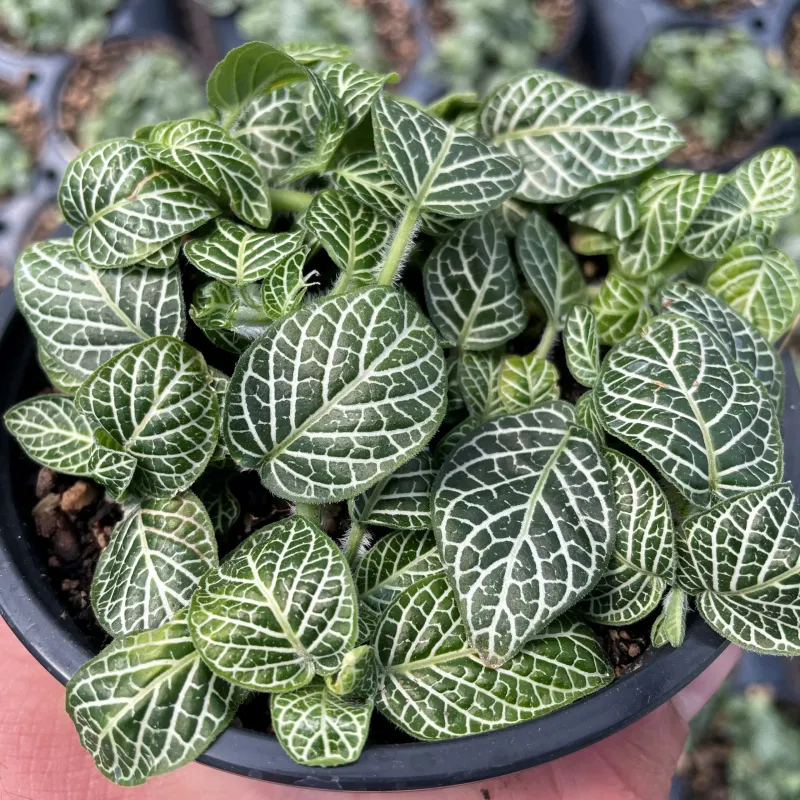
Fainting is the nerve plant’s favorite party trick. Let the soil dry for even a day, and the whole thing flops over like it just ran a marathon in July.
Your Arizona Garden Changes Every Week. Your Plan Should Too.
Gardening in Arizona changes quickly throughout the season. Every Friday you’ll receive a simple weekly plan showing exactly what to plant, prune, fertilize, harvest, and protect so you never miss the right timing.
Fittonia comes from the damp tropical forests of South America, where it creeps along the shady ground in constant humidity. Its thin leaves, decorated with bright white, pink, or red veins, lose moisture quickly.
In an Arizona house, that means fast wilting, crispy leaves, and a plant that needs water far more often than most people expect.
The good news is that it usually perks back up after a drink. The bad news is that repeated wilting episodes wear it down, and the leaves eventually turn brown and papery.
Here is a smart workaround many desert growers use. Nerve plants are small enough to live inside a closed glass terrarium, which traps moisture and creates its own little rainforest.
Inside that jar, fittonia can stay happy for a long time with very little effort.
Out in the open air of a Tucson home, though, this pretty little plant is a tough match. Unless you have a terrarium ready, it belongs on the list of houseplants that struggle.
4. African Violet
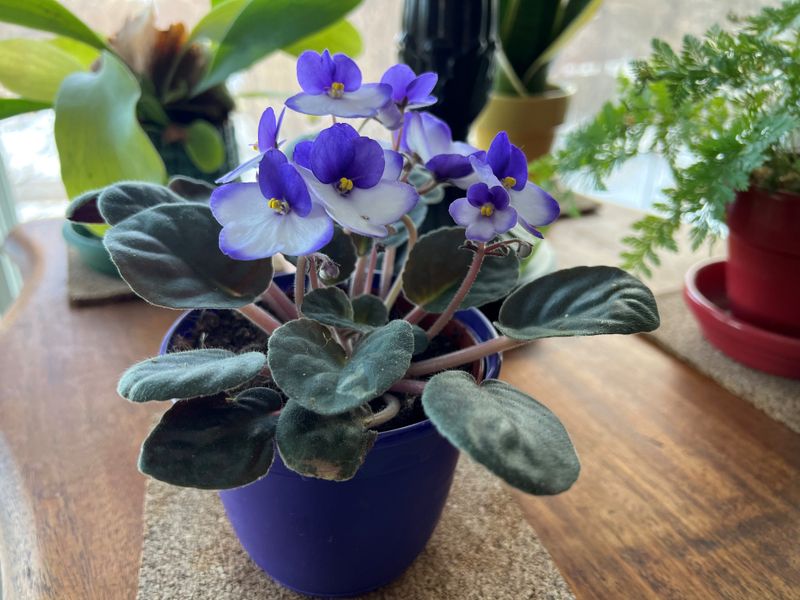
Grandma’s windowsill probably held a row of African violets bursting with purple blooms. Recreating that cheerful scene in Mesa or Glendale is harder than it looks.
These fuzzy little plants come from humid mountain forests in East Africa. They like moist air, steady temperatures, and soft, gentle light.
Arizona homes offer the opposite: dry air, strong sunshine pouring through windows, and mineral-heavy tap water.
When humidity drops too low, African violets often stop blooming and their buds can dry up before opening. Bright afternoon sun from a west or south window may scorch the fuzzy leaves.
Splashing cold tap water on those leaves can also leave pale spots.
Their watering needs make things tricky too. They want soil that stays lightly moist, yet the crown rots easily if it stays wet.
Many growers use self-watering pots or bottom watering to keep moisture steady without drowning the plant.
Some Arizona fans do succeed by keeping violets on pebble trays under grow lights, using filtered water, and placing them in an east-facing window. It takes dedication, though.
For a flowering plant that handles desert air better, the kalanchoe is a sturdier and more forgiving choice.
5. Large-Leaf Philodendrons
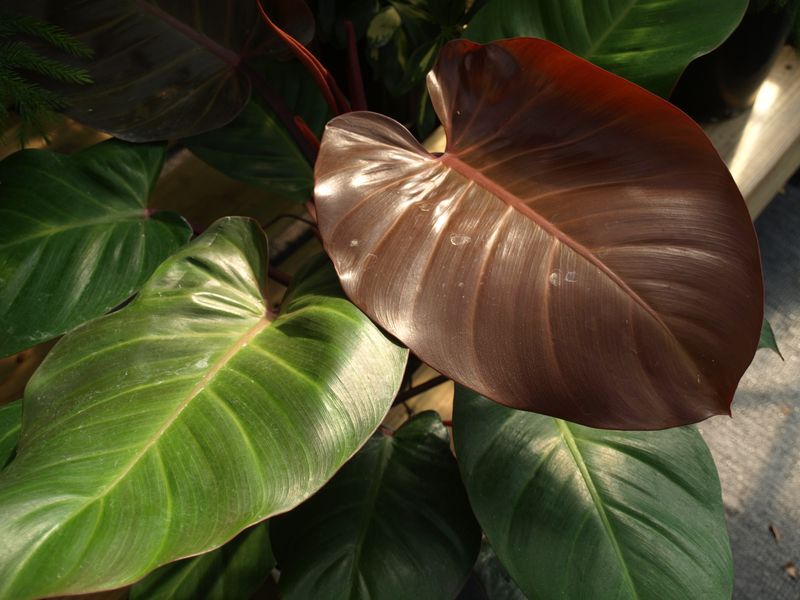
Not every philodendron belongs on this list, and that detail matters. The heartleaf type is tough as nails, but many big, fancy varieties with huge or velvety leaves have a harder time in desert homes.
Plants like velvet-leaf philodendrons and some large tree types grow in steamy jungles where moisture hangs in the air. Their wide leaves lose water fast in dry rooms.
In Arizona, that can show up as brown edges, new leaves that get stuck while unfurling, or leaves that tear as they open.
Those rare collector varieties are often pricey, so watching one decline can sting. Overwatering to make up for low humidity is a common mistake that may lead to yellow leaves and rotting roots.
If you have your heart set on a big-leaf philodendron, place it in bright, indirect light away from vents. Run a small humidifier nearby, especially during summer when the AC works overtime.
Wiping the leaves with a damp cloth also keeps dust from blocking light.
Think of this group as a maybe rather than a no. With a humidifier and patience, they can survive, but they rarely look their best without that extra help in a dry house.
6. Snake Plant
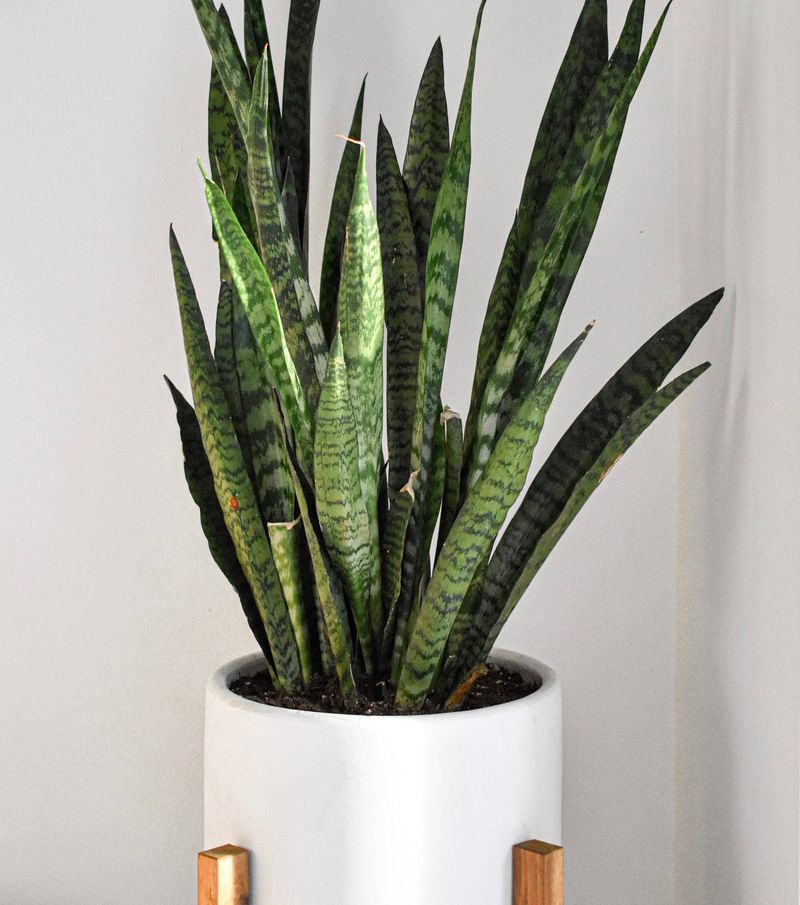
Forget to water for a month? The snake plant will likely just shrug.
Few houseplants match its calm, unbothered attitude in a bone-dry Phoenix living room.
Its stiff, upright leaves store water, much like a succulent. That built-in reserve means it often needs a drink only every two to six weeks, depending on light and season.
Dry air simply does not faze it, which makes it a natural fit for homes where the AC runs nonstop.
Fun fact: botanists now group the snake plant with dracaenas, so you may see it labeled Dracaena trifasciata at the nursery. Same plant, new name.
To keep it happy, use a pot with a drainage hole and a cactus mix blended with perlite or coarse sand. Native Arizona soil is too alkaline and heavy for containers.
Too much water is really the only thing that tends to cause trouble.
Keep it out of harsh afternoon sun from west or south windows to help prevent scorched leaves. Medium or low light works fine.
Every few months, flush the pot with plenty of water to rinse out mineral buildup from hard tap water, and this sturdy plant may keep going for years.
7. ZZ Plant
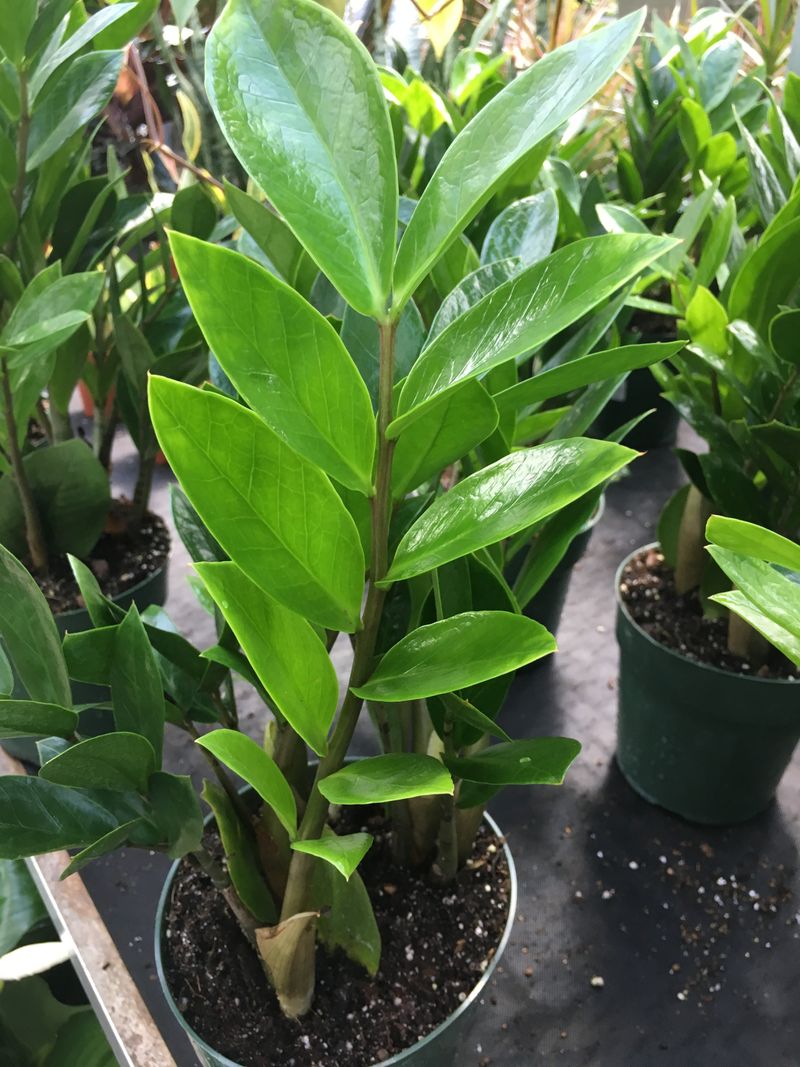
Shiny enough that guests sometimes ask if it is fake, the ZZ plant is the ultimate low-effort green friend for desert dwellers.
Under the soil, this plant hides thick, potato-like rhizomes that hold water for tough times. Above ground, its glossy, waxy leaves act like a protective coat that slows moisture loss.
Together, those traits help it shrug off the dry indoor air that sends ferns into a tailspin.
ZZ plants come from parts of eastern Africa that go through long dry seasons, so a little neglect feels familiar. Many Arizona owners water theirs only every two to three weeks in summer and even less in winter.
When in doubt, wait another week.
Low light is no problem either, so a dim hallway, office corner, or north-facing room can work nicely. It grows slowly, which means less repotting and fewer chores.
A few tips help it shine. Use a fast-draining cactus mix, choose a pot with a drainage hole, and keep it away from blazing afternoon windows.
The plant is mildly toxic if chewed, so place it out of reach of curious pets and kids. Otherwise, it asks for almost nothing.
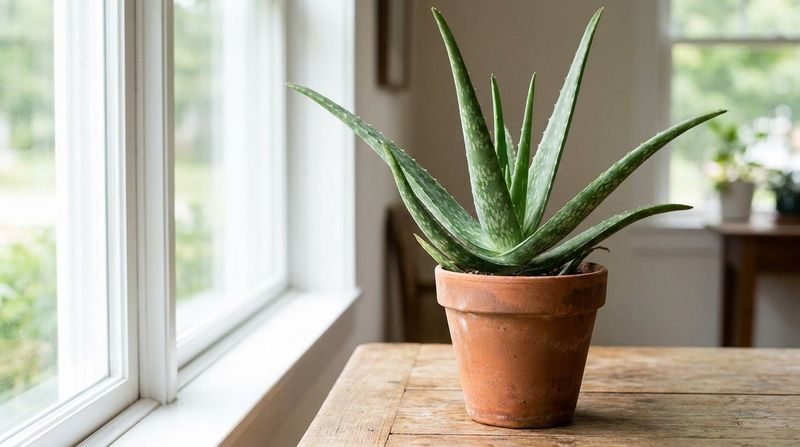
8. Aloe Vera
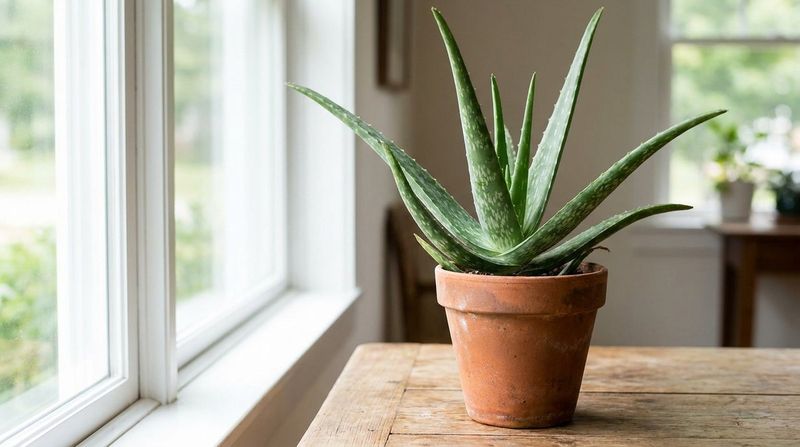
Sunburn after a day at Saguaro Lake? Many Arizona families keep an aloe on the kitchen windowsill for exactly that reason, and the plant seems more than happy to live there.
Aloe vera is a true succulent, built for dry, desert-like places. Its fat leaves are packed with a cool gel that stores water, so dry indoor air is basically home sweet home.
It often needs water only about every three weeks, and even less in cooler months.
Bright light keeps aloe compact and healthy. An east-facing window is ideal, giving it gentle morning sun.
Strong afternoon rays through west glass can turn leaves reddish or brown, so a sheer curtain may help in summer.
Drainage is everything. Plant it in a terracotta pot with a hole at the bottom, filled with cactus mix and a handful of perlite.
Terracotta breathes and lets soil dry faster, which aloe loves.
Bonus: aloe produces little baby plants, called pups, around its base. Gently pull them free and pot them up to share with friends.
Just remember aloe is not safe for pets to munch, so keep it on a high shelf if your cat is nosy.
9. Spider Plant
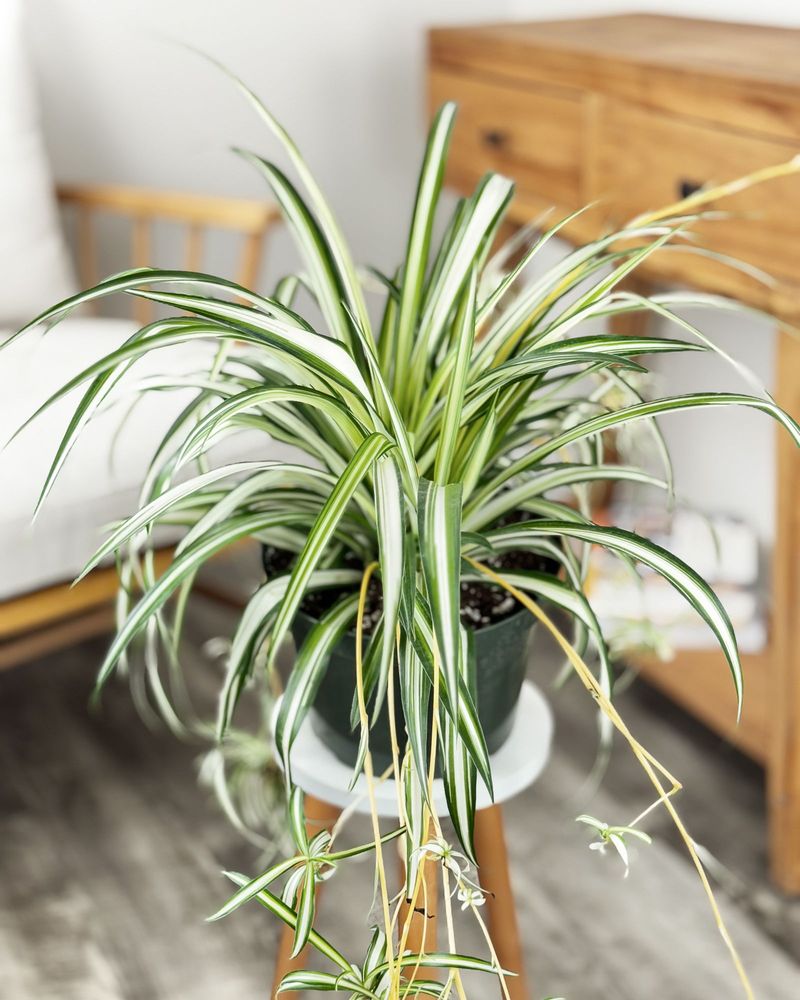
Long, arching leaves and dangling babies give the spider plant a playful, fountain-like look, and it brings that easygoing spirit right into dry Arizona homes.
Thick, fleshy roots let this plant store water between drinks, which helps it handle low humidity better than most leafy tropicals. Let the top inch or two of soil dry out before watering, then give it a good soak and let the extra drain away.
Pet owners, take note. Spider plants are considered non-toxic to cats and dogs, making them one of the safest green choices for homes with furry family members.
Cats do love to bat at the hanging leaves, so a high hook is a smart idea.
One honest warning: brown leaf tips can show up, especially with Arizona’s mineral-heavy tap water. Flushing the pot every few months or using filtered water often helps.
Snipping off brown tips with clean scissors keeps it looking tidy.
Bright, indirect light suits it best, so try a spot near an east window or a few feet back from a sunnier one. Those little plantlets root easily in water or soil, so one spider plant can quickly become a whole family to share around the neighborhood.
10. Ponytail Palm
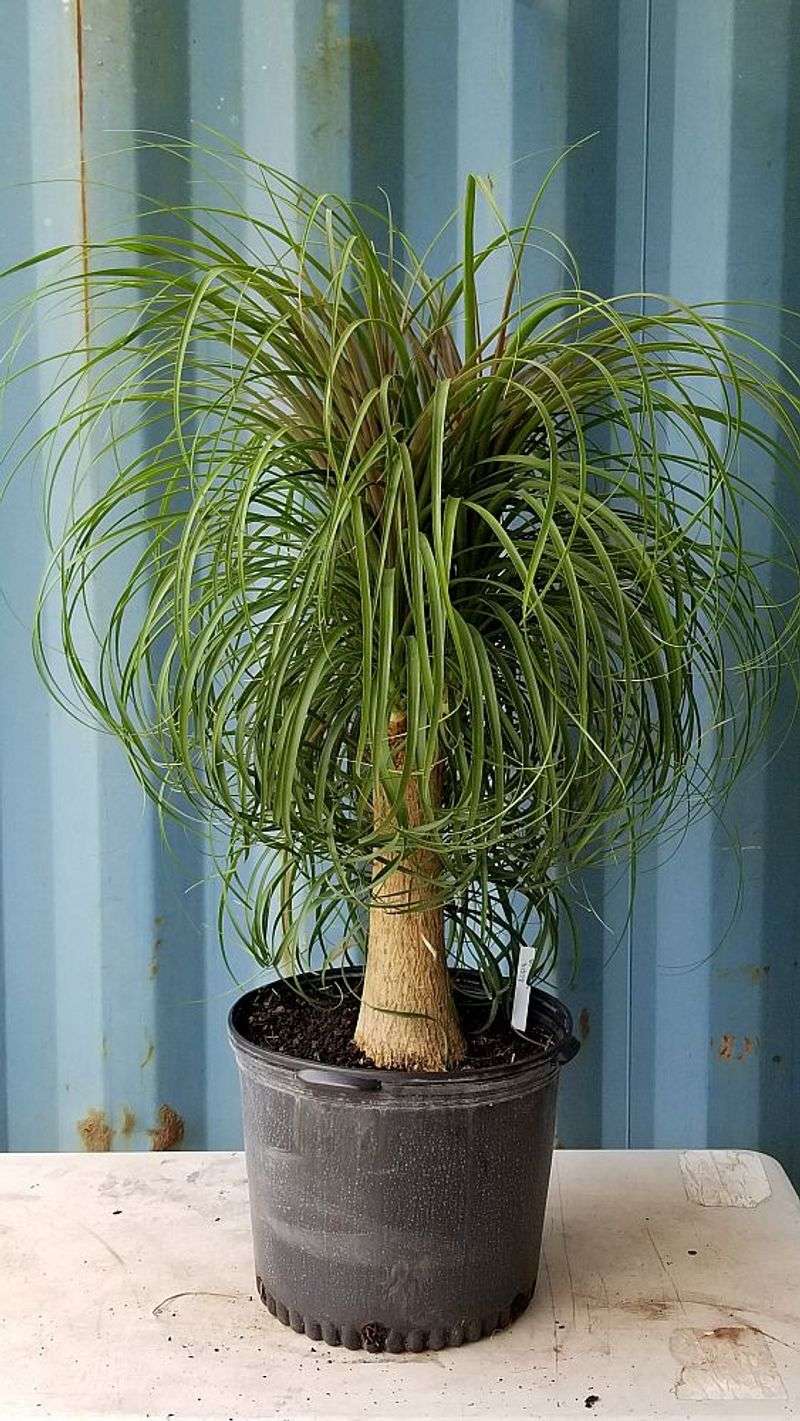
Despite the name, the ponytail palm is not a palm at all. It is actually a desert plant related to agaves, and that family tie explains why it feels so at home in Arizona.
Look at the base and you will spot a swollen, bulb-like trunk. That bulge works like a water tank, letting the plant ride out long dry stretches.
Above it, a spray of thin, curly leaves flows out like a ponytail, adding a fun, whimsical touch to any room.
Dry air rarely bothers it. Water deeply, then wait until the soil is completely dry, which may mean every two to four weeks in summer and less in winter.
Overwatering is the most common way people get into trouble with it.
It enjoys plenty of bright light, so a sunny room works well, though harsh west window sun in July may be too intense right up against the glass. Use a cactus mix and a pot with drainage.
Growth is slow, so it can stay in the same pot for years. Non-toxic to pets and nearly carefree, it is a charming way to bring a bit of desert style indoors without any fuss.