The One Thing You Must Do To Ohio Tomatoes In July When Fruit Starts Setting
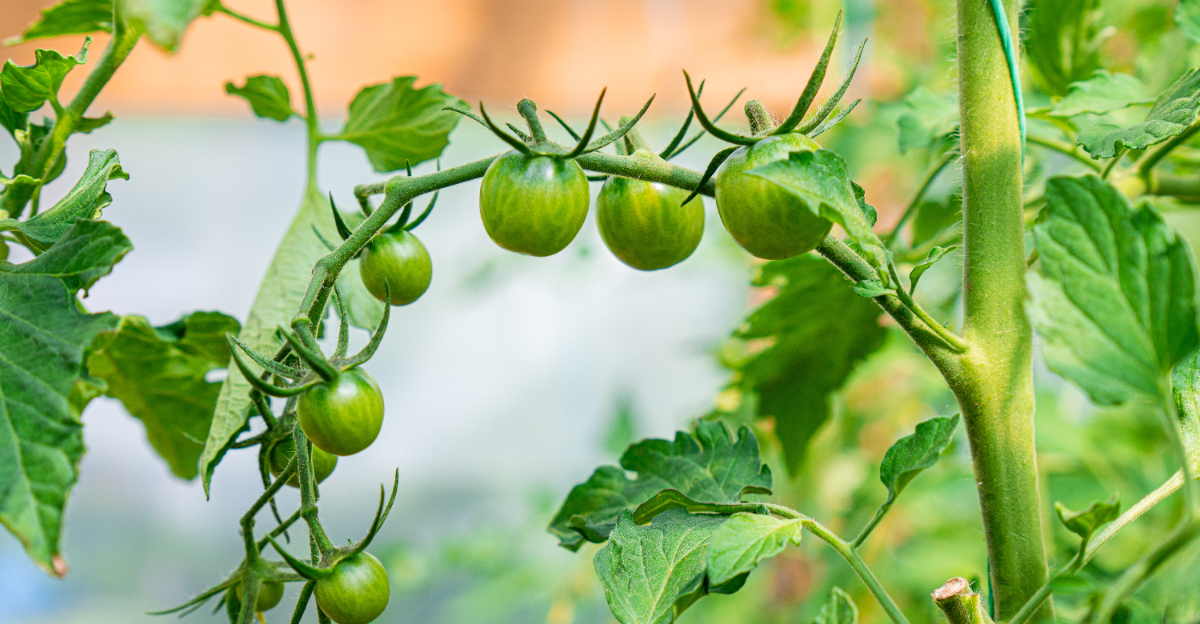
Ohio tomato plants in July with fruit setting look like everything is going according to plan. The season is working, the garden is producing, and the instinct is to stay out of the way and let it finish.
That instinct is where a surprising amount of yield gets left on the table. The moment fruit starts setting is not the moment to step back.
It is the moment one specific task becomes more important than anything else the plant needs. Miss it now and the tomatoes that follow are smaller, slower, and fewer than what the plant was actually capable of producing.
Most Ohio gardeners focus heavily on getting tomatoes to set fruit and then relax once they see it happening. The window right after setting is where the real opportunity sits, and it closes faster than most people realize.
One task. Done now.
The difference shows up clearly at harvest.
1. Water Consistently Once Fruit Starts Setting
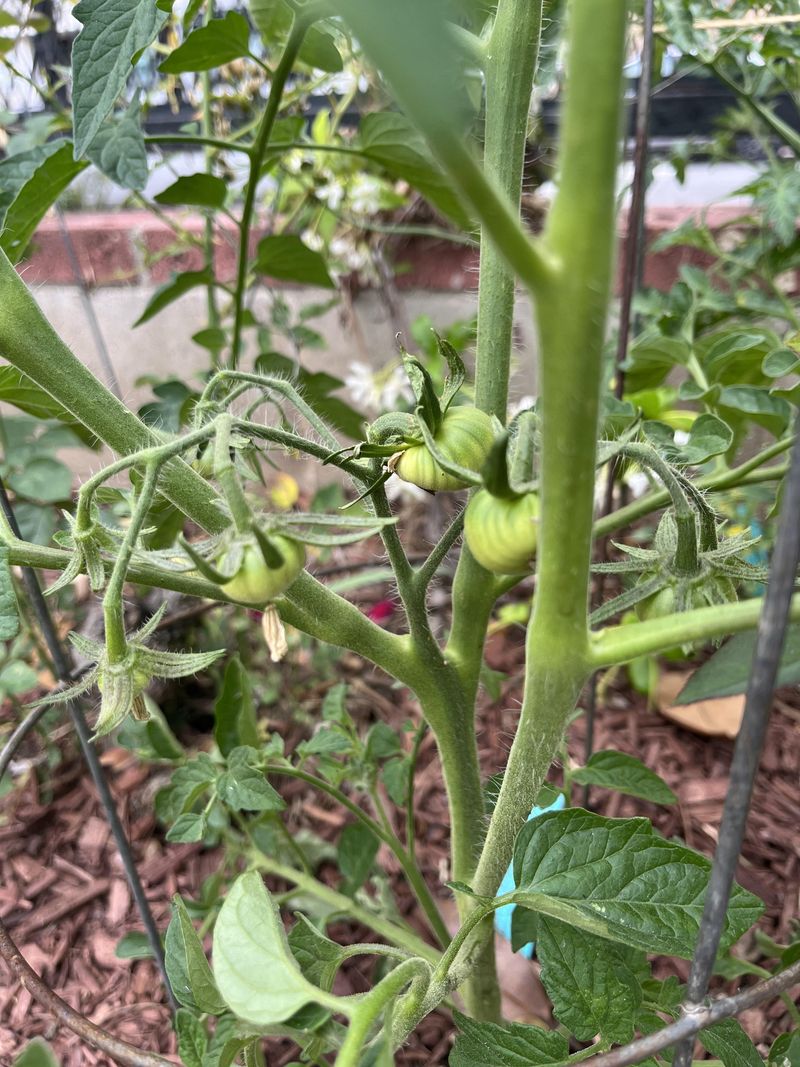
Small green tomatoes are forming on the vine, and right now, the most useful thing you can do is water consistently and deeply. OSU Extension guidance explains that steady soil moisture is especially important once fruit begins to develop.
Water stress at this stage can affect fruit quality and plant health. The goal is evenly moist soil, not soil that swings from bone-dry to waterlogged.
Before you water, check the soil a few inches down with your finger. If it feels dry at two to three inches, it is time to water.
If it still feels cool and slightly damp, you may be able to wait. Watering deeply encourages roots to grow downward, which helps plants handle heat and short dry spells better than shallow, frequent sprinkles do.
Aim to wet the soil several inches deep during each watering session. A slow, steady flow at the base of the plant works better than a quick spray across the top.
Avoid the dry-soak cycle where soil dries out completely before getting a heavy flood. That kind of swing stresses the plant, and stressed plants during fruit set are more likely to drop flowers or develop problems.
Consistent water does not guarantee perfect fruit, but it gives each tomato the best chance to develop well.
2. Keep Soil Moisture Steady Through July Heat
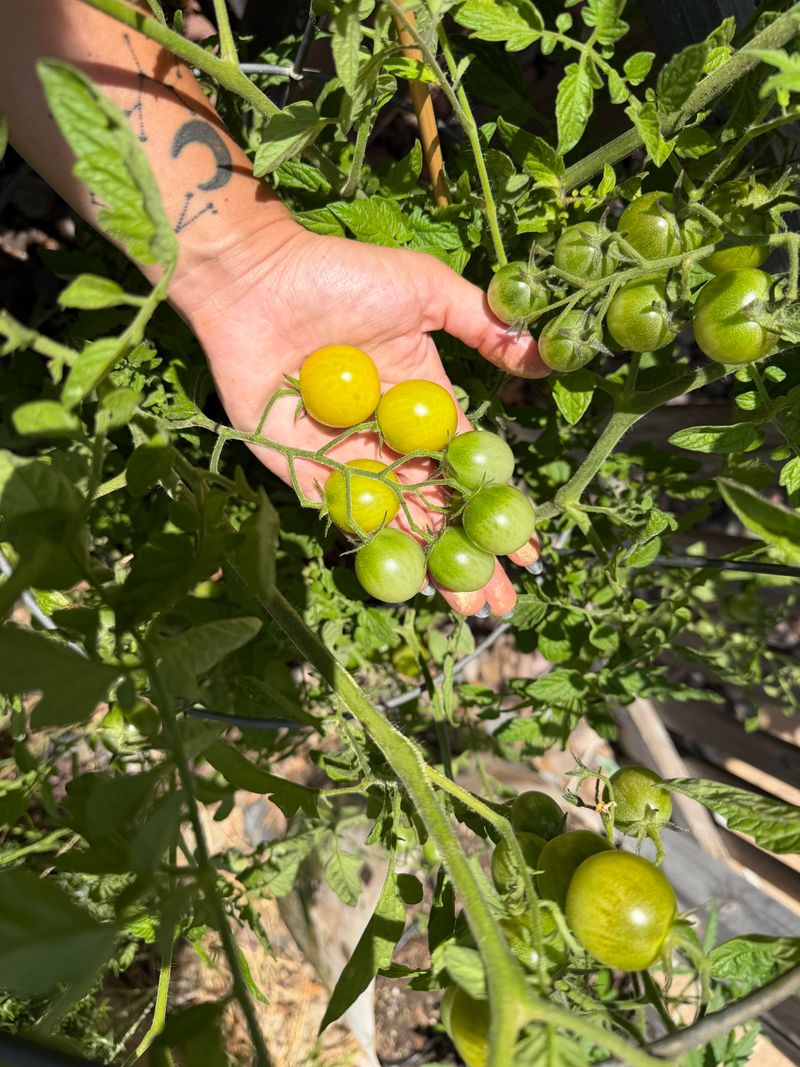
July heat in Ohio can dry out garden soil faster than most Ohio gardeners expect. Hot afternoons, warm nights, and drying winds pull moisture out of the ground quickly.
Plants growing in raised beds or containers are especially vulnerable because smaller soil volumes lose moisture much faster than in-ground plots with deeper soil.
Horticulture experts advise checking soil several inches below the surface rather than judging by how the top looks. Surface soil can feel dry and crusty while the root zone still holds some moisture.
The opposite is also true. Soil in sandy ground or a raised bed can look fine on top but be nearly dry a few inches down.
Always check before you water.
During a heat wave, you may need to water more often than usual. During a cooler, cloudy stretch, you may need to water less.
Your Ohio Garden Changes Every Week. Your Plan Should Too.
Gardening in Ohio changes quickly throughout the season. Every Friday you’ll receive a simple weekly plan showing exactly what to plant, prune, fertilize, harvest, and protect so you never miss the right timing.
There is no single daily rule that works for every garden, soil type, plant size, or week in July. What matters is observing your plants and responding to what the soil and leaves are telling you.
Wilting in the early morning, before the sun gets hot, is a reliable signal that the plant needs water. Wilting only in the afternoon heat is normal and less urgent.
Steady moisture matters far more than sticking to a rigid calendar.
3. Mulch Before Dry Spells Stress The Roots
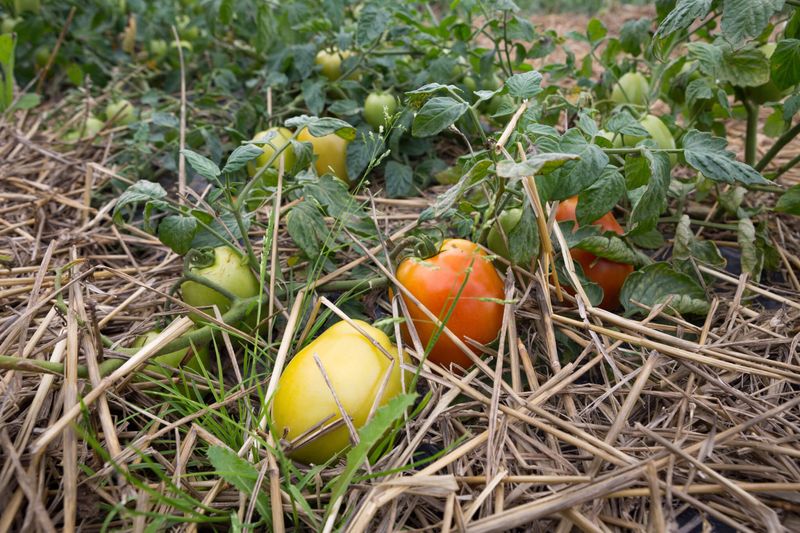
A two-to-three inch layer of organic mulch around your tomato plants can do a lot of quiet work during July. OSU Extension recommends mulching vegetable gardens to help conserve soil moisture and reduce evaporation.
That directly supports your watering efforts during hot, dry stretches. Mulch also helps moderate soil temperature, keeping roots from baking in extreme heat.
Straw is a popular and well-supported choice for tomato beds. Shredded leaves work well too when they are applied correctly.
The key detail is to keep mulch a few inches away from the main stem of the plant. Piling mulch directly against the stem can trap moisture near the base and create conditions that encourage rot and disease.
Pull it back slightly and let the stem breathe.
Mulch also reduces soil splash during heavy rains and irrigation. When soil splashes onto lower leaves, it can carry soilborne pathogens upward.
Reducing that splash is a simple way to support plant health without adding any extra products to your routine. Keep in mind that mulch is a support tool, not a replacement for watering.
During a long dry spell, even well-mulched soil will dry out and need attention. Apply mulch after the soil has warmed and before the next dry spell hits, and let it work alongside your watering routine rather than instead of it.
4. Avoid Calcium Myths Around Blossom End Rot
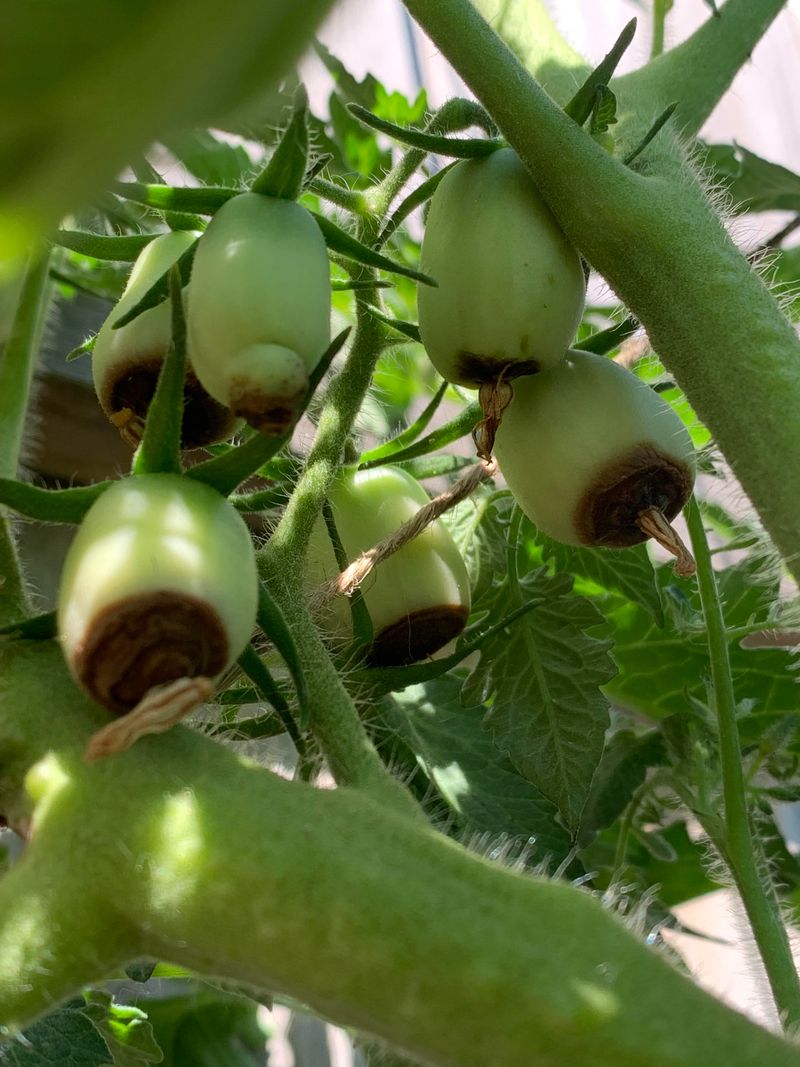
That dark, sunken spot on the bottom of a tomato is blossom-end rot, and it shows up right when fruit is developing. OSU Extension explains that blossom-end rot is linked to a disruption in calcium movement within the plant.
Moisture stress is one of the most common causes of that disruption. When soil moisture swings sharply, roots struggle to absorb and move calcium efficiently, even when calcium is present in the soil.
Many gardeners reach for eggshells, milk sprays, or calcium supplements at the first sign of blossom-end rot. University extension guidance suggests that most Ohio garden soils already contain adequate calcium.
Adding more calcium without a soil test is often unnecessary and may not address the real problem. The more reliable response is to focus on keeping soil moisture steady so roots can do their job.
Soil pH also plays a role in nutrient availability. If pH is too low or too high, plants may struggle to absorb calcium even when it is present.
A soil test through your local OSU Extension office can give you accurate information rather than guesswork. Avoid root damage from deep cultivation near the plant, since injured roots cannot move calcium effectively.
Blossom-end rot typically appears on the first fruits of the season. Keeping moisture consistent may reduce its frequency, though it cannot guarantee elimination in every case.
5. Skip Big Nitrogen Feeds During Fruit Set
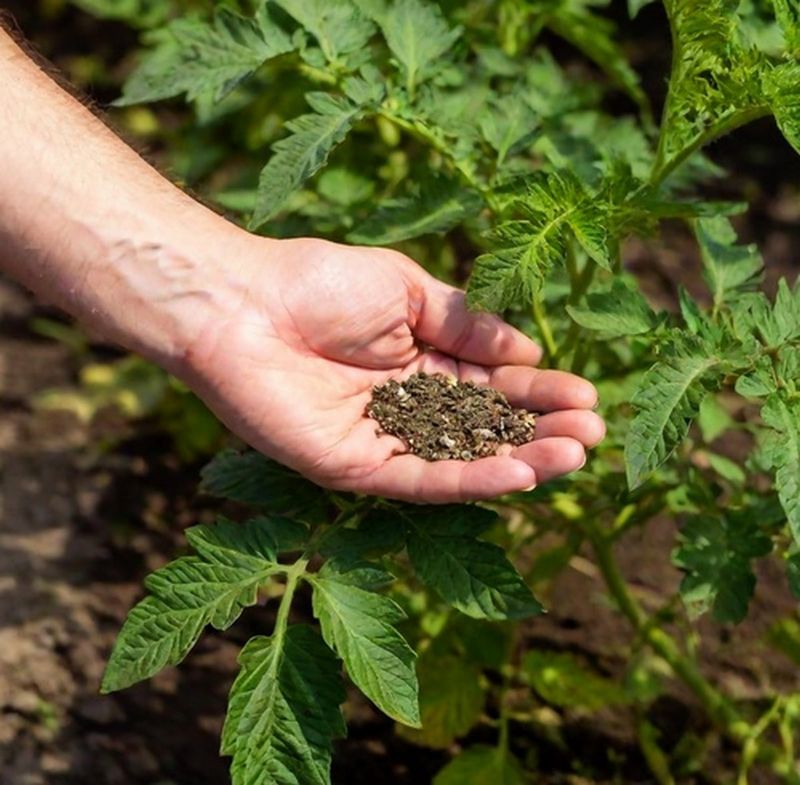
Once small tomatoes start forming on the vine, the plant has shifted its energy toward fruit development. Pouring on a heavy nitrogen fertilizer at this stage can push the plant back toward lush, leafy growth instead of supporting the fruit it is already working to fill out.
Vegetable gardening guidance notes that too much nitrogen during fruit set can result in vigorous foliage at the expense of fruit quality and yield.
Read fertilizer labels before applying anything. Many all-purpose fertilizers are high in nitrogen, which is useful earlier in the season when you want the plant to grow strong and leafy.
By July, when fruit is setting, a more balanced or lower-nitrogen product is generally a better fit. If you have not done a soil test, guessing at fertilizer needs can do more harm than good.
Tomatoes still need nutrients throughout the season. The point is not to stop feeding entirely but to be thoughtful about timing and amounts.
A soil test from OSU Extension can tell you what your specific garden actually needs rather than what a label suggests. If your plants look healthy, are flowering well, and have good color, they may not need any additional feeding right now.
Steady, consistent watering is often more urgent than another heavy feeding during this stage. Focus on moisture first, and then reassess whether fertilizer is truly needed.
6. Water The Root Zone Not The Leaves
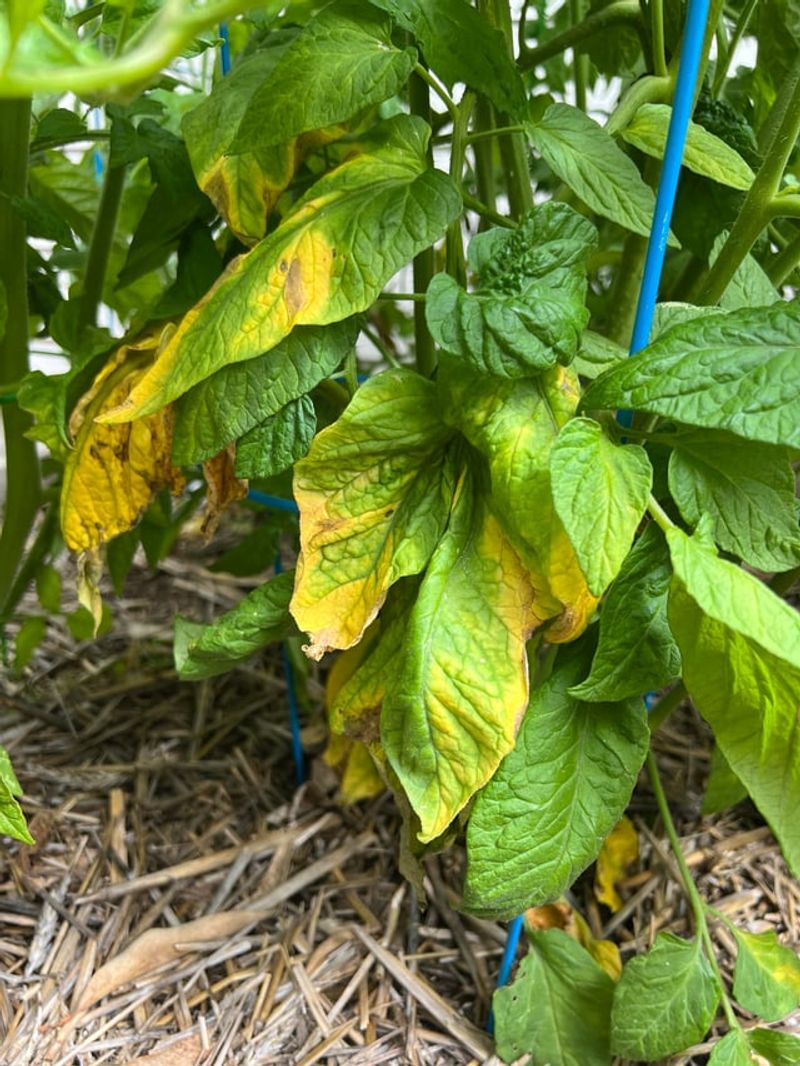
Roots are the part of the plant that actually uses water, so that is exactly where your water should go. Aiming a hose or sprinkler at the foliage sends water to the wrong place and can leave the root zone drier than it looks.
Plant disease guidance notes that foliage that stays wet for extended periods can contribute to certain fungal diseases. Early blight is one common concern in local Ohio gardens during warm, humid summers.
A soaker hose, drip irrigation line, or a slow trickle from a regular hose at the base of the plant all deliver water directly to the soil where roots can reach it.
A watering wand with a gentle head is also a good option for hand-watering because it lets you aim low without splashing soil onto leaves.
These methods are more efficient than overhead watering and keep foliage drier.
Morning is generally the best time to water when your schedule allows. Watering early gives any moisture that does land on leaves time to dry before evening.
Wet leaves overnight create conditions that some foliar diseases prefer. Rain happens, and you cannot control that, so there is no need to panic if leaves get wet during a storm.
The goal is to avoid adding extra moisture to foliage through your own watering habits. Keep water at the root zone, and your plants will use it far more effectively.
7. Watch Cracking As A Moisture Warning
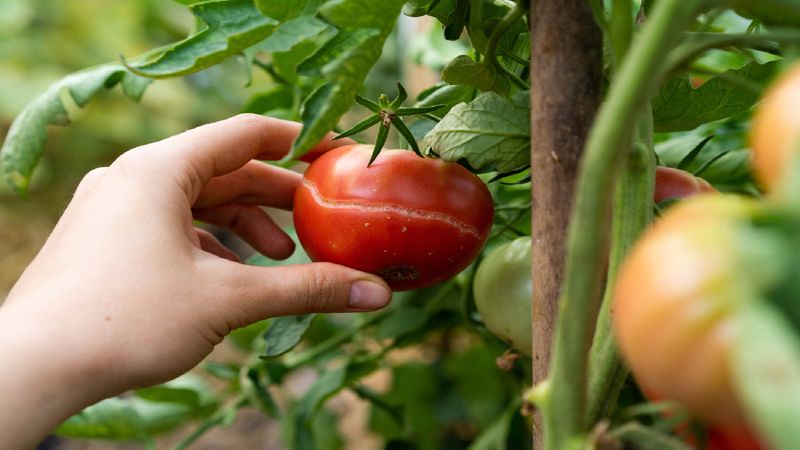
A cracked tomato after a heavy rain is one of the most recognizable signs that soil moisture has been uneven. University extension sources explain that rapid changes in water availability can cause the fruit to expand quickly from the inside.
That can split the skin before it can stretch to keep up. Radial cracks run from the stem downward, while concentric cracks circle the shoulder of the fruit.
Both are connected to moisture swings.
Keeping soil moisture more even throughout July is the most practical way to reduce cracking. When the soil goes very dry and then receives a sudden soaking from a storm or heavy irrigation, the fruit absorbs a rush of water and expands fast.
That expansion is what causes the split. Mulch helps buffer those swings by slowing evaporation between waterings and slowing absorption after heavy rain.
After a significant storm, check your plants and harvest any tomatoes that are fully ripe or nearly ripe. Fruit that is already close to maturity is more likely to crack when it absorbs a large amount of water quickly.
Variety also matters. Some tomato types have thicker or more elastic skin and are less prone to cracking.
Weather and fruit maturity play roles too, so not every cracked tomato reflects a watering mistake on your part. Steady watering reduces the sharp moisture swings that stress developing fruit, and that is the most useful thing you can control.
8. Build A Routine That Carries Tomatoes To Harvest
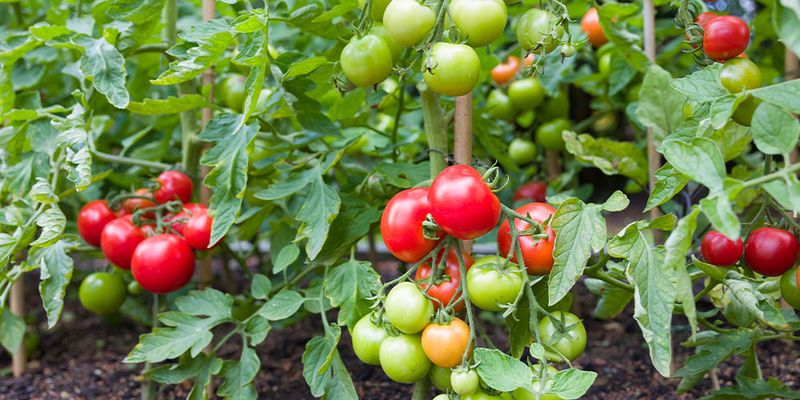
Pulling all of July’s advice together into a simple daily or every-other-day check makes the whole season more manageable. Start by checking soil moisture a few inches below the surface before you do anything else.
If it is dry, water slowly and deeply at the base of the plant. If it still feels slightly cool and damp, give it another day.
That one habit alone supports almost everything else covered here.
Keep mulch in place and refreshed if it thins out. Avoid high-nitrogen feeding unless a soil test tells you the plant genuinely needs it.
Water at the root zone, aim low, and try to water in the morning when possible. After a heavy storm, walk the garden and check for cracking, disease spots, or soil washout around the base of plants.
Containers and raised beds need closer attention during hot weeks because they dry out faster than in-ground soil.
Keeping a simple log during July helps you notice patterns. Note when you watered, how much rain fell, and how the plants looked.
Over time, that record helps you adjust before problems develop rather than reacting after they appear. Tomato fruit set depends on heat, pollination, variety, and plant health, but steady moisture ties all of those factors together.
Once fruit starts setting, consistent deep watering does more than refresh the plant. It helps carry each small green tomato all the way to a ripe, ready-to-pick harvest.