Brown Pine Needles Piling Up On Your Pennsylvania Lawn? Here’s What To Do
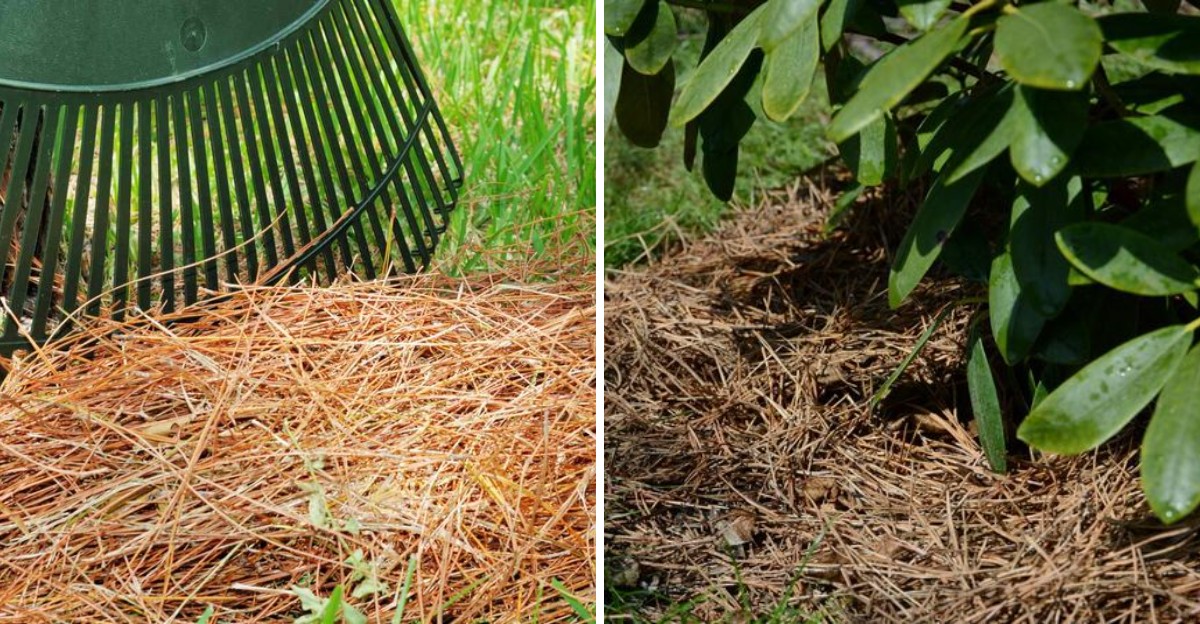
Evergreen trees drop their needles every single year. Nobody warned me about that when I bought a house shaded by a towering pine. My first fall there, the lawn turned rusty orange underneath it, and I panicked.
Believe it or not, some pines shed needles that are two, three, or even four years old. White pines, a common sight across Pennsylvania, can look like they are fading fast in autumn. Then spring arrives, and they are green and perfectly fine.
Still, not every brown needle is innocent. Some patterns point to fungus, drought stress, or pests that deserve a closer look. Knowing the difference saves you worry, money, and maybe a beloved tree.
Then there is the lawn itself. Grass under a thick needle blanket can struggle more than you would guess. What should you rake, what should you keep, and when should you call for help?
1. Those Brown Needles Inside Your Pine Might Be Right On Schedule

Evergreen does not mean every needle stays forever. Pines keep each needle for a few years, then let the oldest ones go, much like a maple drops its leaves.
Penn State Extension and the Morton Arboretum both describe this as seasonal needle drop. It usually shows up from late summer into fall. The needles that turn yellow, then brown, are the older ones growing closest to the trunk.
Eastern white pine puts on the biggest show in Pennsylvania. Its two- and three-year-old needles can turn bright yellow almost at once. From the road, the whole tree may look sick for a week or two.
Walk up close and check the branch tips. If the newest needles at the ends are green and healthy, your tree is fine. The browning stays tucked inside the canopy, not out at the edges.
A dry summer can make the drop heavier than usual. That is a sign of stress, not a crisis, and the tree usually recovers once rain returns.
So take a breath before you call anyone. Most fall needle piles under Pennsylvania pines come from this normal yearly cleanup. Your job is mostly to deal with what lands on the grass.
2. Rake Those Pine Needles Off Your Grass Before Winter Settles In
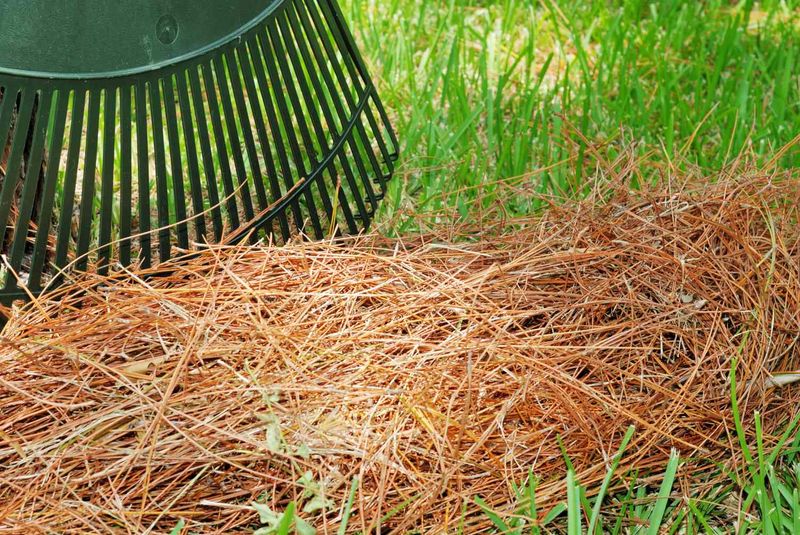
Grass needs sunlight, air, and water to stay strong. A thick mat of pine needles blocks all three. Leave it too long, and you will find thin, yellow patches come spring.
A light sprinkle of needles will not hurt anything. Trouble starts when the layer gets deep enough that you cannot see blades poking through. At that point, it is time to clear the turf.
A leaf rake with flexible tines works well because it grabs needles without tearing up the grass. A leaf blower is faster for big yards. Some folks use a mulching mower on light layers, though thick piles tend to clog the deck.
Timing matters too. Once most needles have dropped in late fall, one good cleanup before snow often does the job. If you have several big pines, a quick pass every few weeks keeps things manageable.
Try to rake on a dry day. Wet needles clump together and get heavy fast, which makes the chore feel twice as long.
Do not haul them all to the curb just yet. Those needles have a second career waiting in your flower beds, and you will want to save them.
3. Pine Needles Rarely Turn Your Lawn Soil Sour
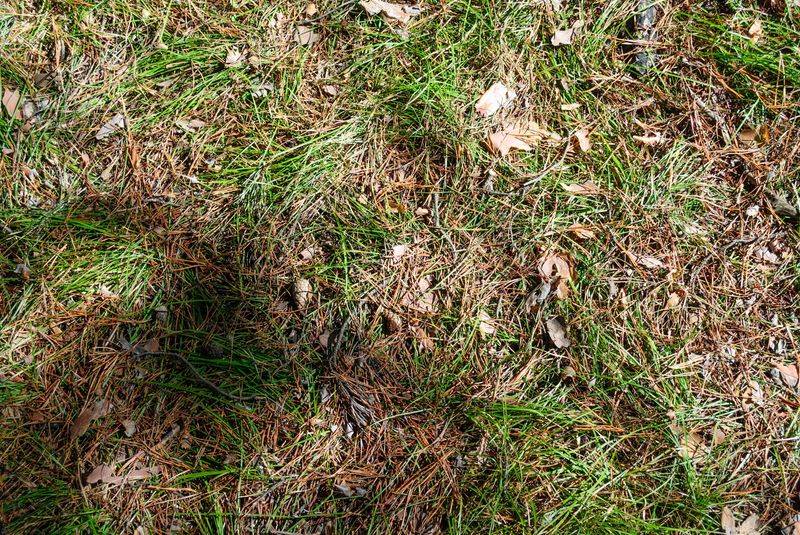
Ask ten neighbors, and at least a few will say pine needles make soil too acidic for grass. It is one of the most common yard myths around.
Fresh needles are acidic, that part is true. As they break down, though, research shared by university extensions shows they barely change the pH of the soil underneath. Pines often grow in acidic soil to begin with, which is likely where the myth started.
So why does grass struggle under pines? Shade is a big reason. Pine roots also soak up a lot of water, and the needle layer smothers the turf from above.
If you truly wonder about your soil, test it. Penn State Extension sells affordable soil test kits through county offices, and the results tell you exactly what lime or nutrients your lawn needs.
Skip dumping lime on the yard just because a pine is nearby. Adding lime without a test can push pH too high and cause new problems.
Knowing the real cause helps you fix it. Clear the needles, test the soil, and consider shade-tolerant fine fescue near the trunk. Your grass will thank you.
4. Brown Tips On New Pine Shoots Tell A Different Story
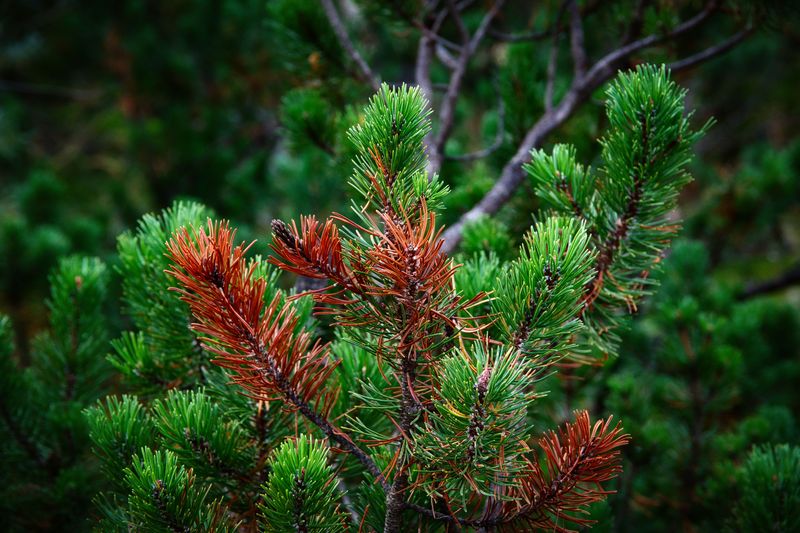
Here is where your detective skills come in handy. Normal shedding hits old needles inside the tree. When the newest growth at the branch tips turns brown, something else is going on.
One frequent cause in Pennsylvania is Diplodia tip blight, a fungal disease. It mostly bothers Austrian, Scots, red, and mugo pines, especially older trees. White pine is rarely affected.
Infected spring shoots stay short and stunted. Their needles turn tan or straw-colored and often stay stuck to the branch. You might spot sticky resin on the shoots too.
Grab a magnifying glass and look at the base of the needles or on second-year cones. Tiny black dots are fungal fruiting bodies, and they are a strong clue.
Diplodia often hits trees already under stress from drought or poor sites. Penn State Extension notes that well-timed fungicide sprays in spring can protect new growth, but they work best as prevention.
Prune out infected branches during dry weather to lower spread. Clean your pruners between cuts with rubbing alcohol or a bleach mix. Rake up fallen cones too, since they can hold the fungus for years.
5. A Whole Pine Turning Reddish Brown Fast Needs An Arborist
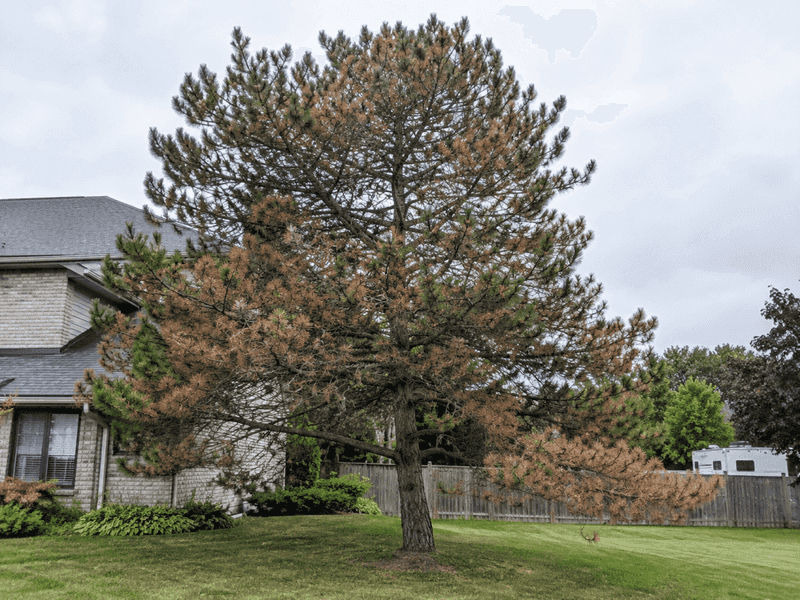
Some browning creeps along slowly. Other times, a whole tree changes color within weeks. That speed is your signal to get expert help.
Pine wilt disease is one possible cause. Tiny worms called pinewood nematodes are spread by pine sawyer beetles. They clog the tree’s water system, and needles turn yellow, then reddish brown.
A telltale sign is that the brown needles stay on the branches rather than falling. Scots pine is especially prone to it in Pennsylvania, while native white pine usually holds up better.
Sadly, there is no cure once a tree is infected. Removal and proper disposal help protect nearby pines, since beetles can breed in the leftover wood.
Other problems can look similar, such as root damage from construction, severe drought, or bark beetles. Only a lab test or trained eye can sort them out.
Contact a certified arborist, or send a sample through your Penn State Extension county office. Early answers help you protect the rest of your trees. Do not save the wood for firewood until you know what you are dealing with.
6. Turn That Pile Of Pine Straw Into Free Garden Mulch
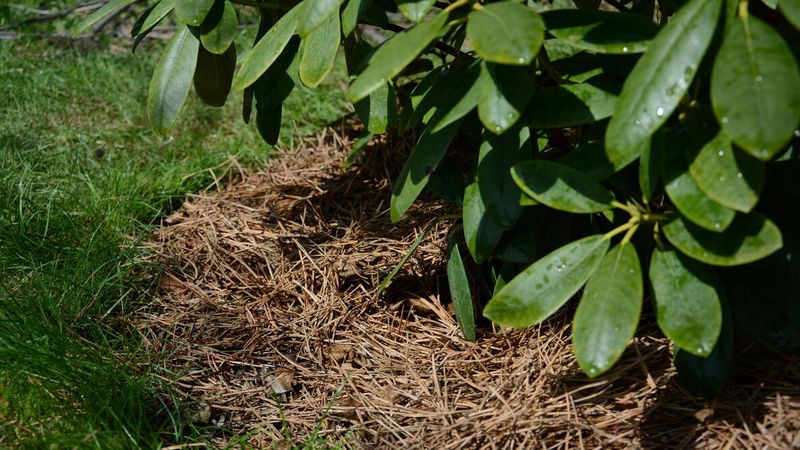
I love a free garden supply, and pine needles might be the best one in your yard. In the South, people pay good money for bales of pine straw.
Needles make light, airy mulch that lets water soak through easily. They hold moisture, keep roots cooler in summer and warmer in winter, and slowly add organic matter to your beds.
Their shape helps too. Needles knit together, so they stay put on slopes better than chunky bark mulch, which can wash away in heavy rain.
Spread them about two to four inches deep. Keep the layer a few inches away from stems and trunks, since mulch piled against bark invites rot and critters.
Shrubs like rhododendrons, azaleas, and blueberries look right at home with pine straw. Just remember, the needles will not drastically change soil pH, so they will not fix a pH problem on their own.
Vegetable gardens, pathways, and strawberry beds work nicely as well. Needles stay loose and clean underfoot.
Got extra? Toss some into your compost pile. They break down slowly, so mix them with grass clippings and kitchen scraps for better results.
7. Watch For Sawfly Larvae Munching On Older Pine Needles

Not every needle problem comes from fungus or weather. Sometimes a crowd of hungry larvae is to blame.
European pine sawfly larvae are common in Pennsylvania. They look like small gray-green caterpillars with black heads, and they feed in tight groups during spring. When you get close, they often rear up together in a funny defensive pose.
They mostly eat last year’s needles, leaving straw-like stubs behind. New growth usually survives, so trees look ragged but rarely suffer lasting harm.
Mugo, Scots, red, and Austrian pines are favorite targets. Check lower branches from April through May, since that is when larvae are most active.
Small groups are easy to handle. Knock them into a bucket of soapy water or prune off the infested twig. Because they are not true caterpillars, Bt sprays do not work on them.
For heavy infestations, insecticidal soap or horticultural oil can help when larvae are young. Read every label before spraying.
Birds also enjoy these snacks. A yard with native shrubs and a bird bath brings in helpers that keep sawfly numbers lower.
8. Healthy Pennsylvania Pines Start With Deep Watering And Smart Care
A strong tree handles stress much better than a struggling one. Most of what keeps your pines happy is simple, everyday care.
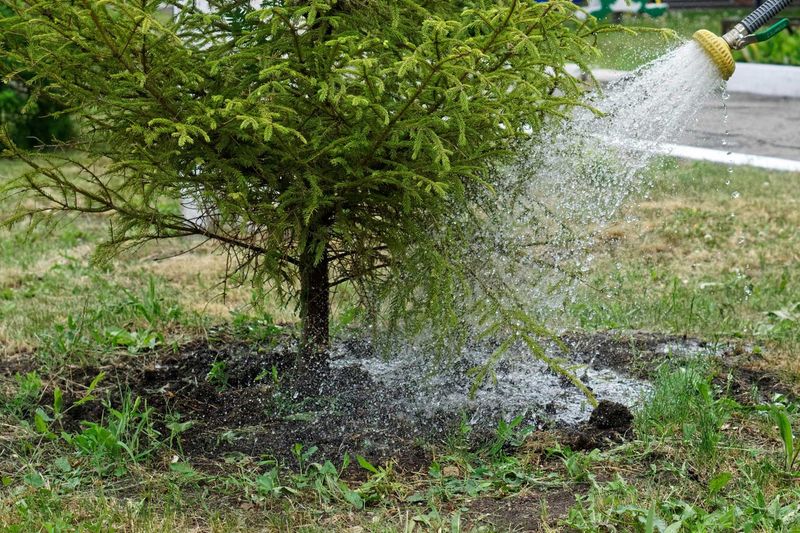
Water deeply during dry spells, especially in late summer and fall before the ground freezes. A soaker hose running slowly under the drip line for an hour or two works well. Young trees need this most.
Go easy on fertilizer. Heavy nitrogen pushes soft new growth that can invite problems like Diplodia tip blight. If your soil test shows a need, use only what it recommends.
Spread a ring of mulch, maybe some of those recycled needles, around the base. Keep it wide and shallow, not heaped against the trunk.
Protect the roots too. Avoid parking cars, piling soil, or digging trenches under the canopy. Pine roots spread far wider than most people expect.
Finally, take a quick walk around your trees each season. Notice where browning appears, whether inside or at tips, and jot it down with a photo.
That small habit turns worry into knowledge. Next fall, when the needles start piling up, you will know exactly what your pine is telling you.