Plant These Pennsylvania Native Perennials In July Near Your Foundation And Never Replace Them Again
Foundation planting is one of those garden decisions that most homeowners make once and then revisit far more often than they expected. Plants that looked great at the nursery struggle in the microclimate right up against the house.
They need replacing after a tough winter, a dry summer, or just a few seasons of conditions they simply weren’t built to handle. Native Pennsylvania perennials solve that problem in a way that most ornamental plants simply cannot.
These are plants that evolved in this climate, in these soils, through these winters. Plant them near your foundation and they quietly get on with the job without demanding constant attention or replacement every few seasons.
Come back in five years and they’ll look better than the day you put them in, spreading naturally and filling the space exactly the way you hoped something would. July is actually a smart time to get them established before the growing season winds down.
Here are the native Pennsylvania perennials worth planting near your foundation right now.
1. American Alumroot
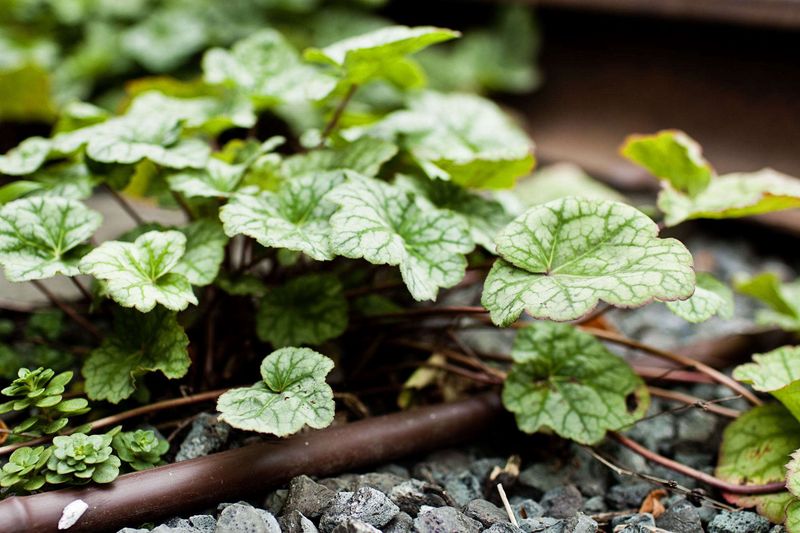
Not every plant can pull off looking elegant without any fuss, but American Alumroot manages it effortlessly. This compact native perennial grows in neat, low mounds, making it one of the tidiest options you can place near a foundation.
The leaves are deeply lobed and often have interesting mottled patterns in shades of green, burgundy, and bronze, depending on the variety.
In late spring and early summer, thin wiry stems shoot up above the foliage and carry tiny bell-shaped flowers. The flowers are small but airy and add a soft, delicate look to shaded spots.
Hummingbirds and small native bees visit these blooms regularly, so you get a little wildlife action right outside your door.
American Alumroot handles part shade to full shade without complaint, which makes it ideal for the north or east side of a house where sunlight is limited.
It also tolerates dry soil once established, so even if your foundation bed dries out in summer, this plant keeps going strong.
Planting in July works well because the roots have time to establish before winter arrives. Dig a hole about twice as wide as the root ball and mix in a little compost if your soil is very poor. Water it regularly for the first few weeks, and then you can mostly leave it alone.
Over time, clumps slowly expand and fill in gaps along walkways, porches, and shaded walls. You rarely need to divide it, and it almost never needs fertilizer. Few plants reward you with so little effort asked in return.
2. Wild Columbine
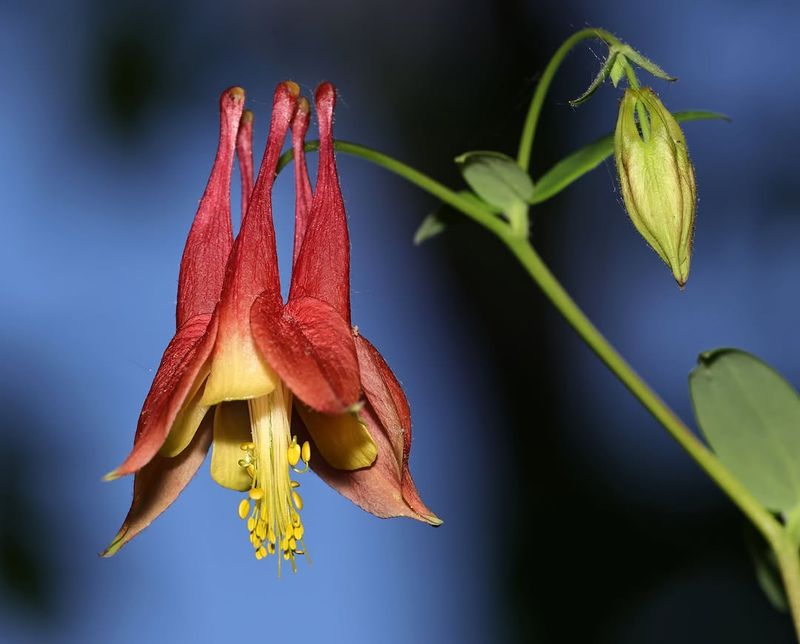
There is something almost magical about watching a hummingbird hover in front of a Wild Columbine flower.
The blooms are unlike anything else in the spring garden, with red spurs curling backward and bright yellow petals dangling below. This native perennial brings a sense of wildness and charm to any foundation bed.
Wild Columbine does best in well-drained soil, making it a smart pick for foundation areas where water tends to run off quickly.
Your Pennsylvania Garden Changes Every Week. Your Plan Should Too.
Gardening in Pennsylvania changes quickly throughout the season. Every Friday you’ll receive a simple weekly plan showing exactly what to plant, prune, fertilize, harvest, and protect so you never miss the right timing.
It prefers morning sun with light afternoon shade, which is exactly the kind of light many east or southeast-facing foundation beds receive. Too much harsh afternoon sun can stress the plant, but a little protection goes a long way.
One of the best things about Wild Columbine is that it self-seeds lightly. After the flowers fade, small seed pods form and drop seeds nearby.
You might find a few new seedlings popping up in the coming years, slowly naturalizing the area without becoming invasive or overwhelming.
Planting in July gives the roots a chance to anchor before cooler weather arrives. Choose a spot where the soil drains well and does not stay soggy after rain.
Loosen the soil, set the plant at the same depth it was growing in the pot, and water it in well.
The foliage is also attractive, with soft blue-green leaves that look almost like a fern. Even when the plant is not blooming, it adds texture and interest to the bed.
Wild Columbine is truly a plant that earns its place every single season without demanding anything extra from you.
3. Wild Geranium
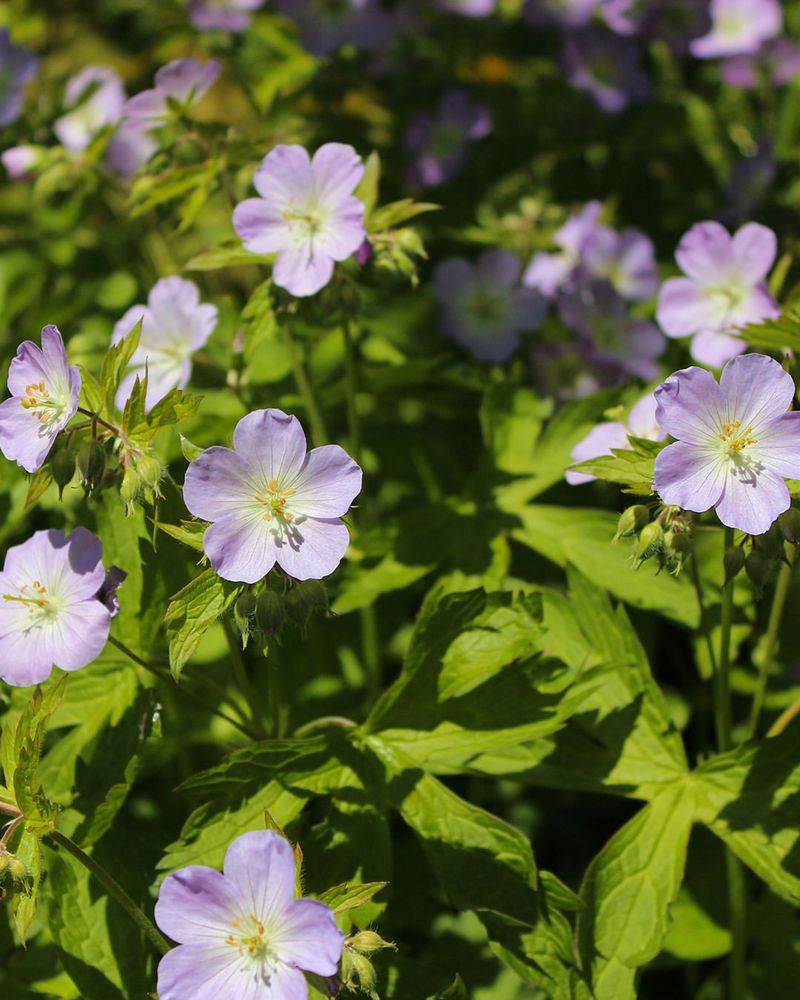
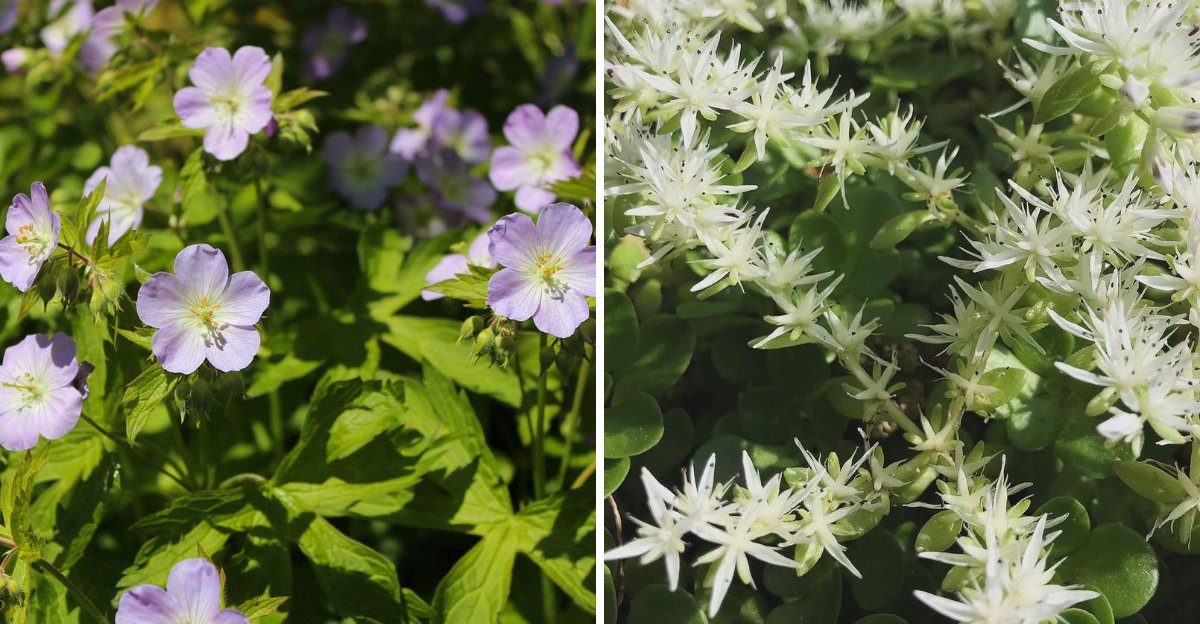
Some plants just feel like they belong in a Pennsylvania garden, and Wild Geranium is one of them. It has been growing in local woodlands for thousands of years, so it knows exactly what to do when you plant it near your home.
The soft pink-lavender flowers appear in spring and early summer, creating a cheerful, natural-looking display that never looks overdone.
The leaves are rounded and deeply cut, almost like an open hand with five to seven lobes. They stay attractive throughout the growing season and even take on reddish tones in fall before the plant goes dormant.
This seasonal interest makes Wild Geranium a reliable performer from spring all the way through autumn.
Part shade is where Wild Geranium truly shines. The north or east side of a house, under the overhang of a porch, or along a shaded wall are all great spots.
It can handle more sun if the soil stays reasonably moist, but it will look its best with some protection from intense afternoon light.
Planting in July is straightforward. Prepare the soil by loosening it and adding compost if needed.
Set the plant at the correct depth, water it thoroughly, and apply a light layer of mulch to help retain moisture during the remaining hot weeks of summer.
Wild Geranium spreads slowly by rhizomes, gradually filling in a natural-looking patch over a few years. It never gets weedy or out of control.
You get a plant that looks like it has always been there, which is exactly the kind of effortless beauty a foundation bed needs.
4. Foamflower
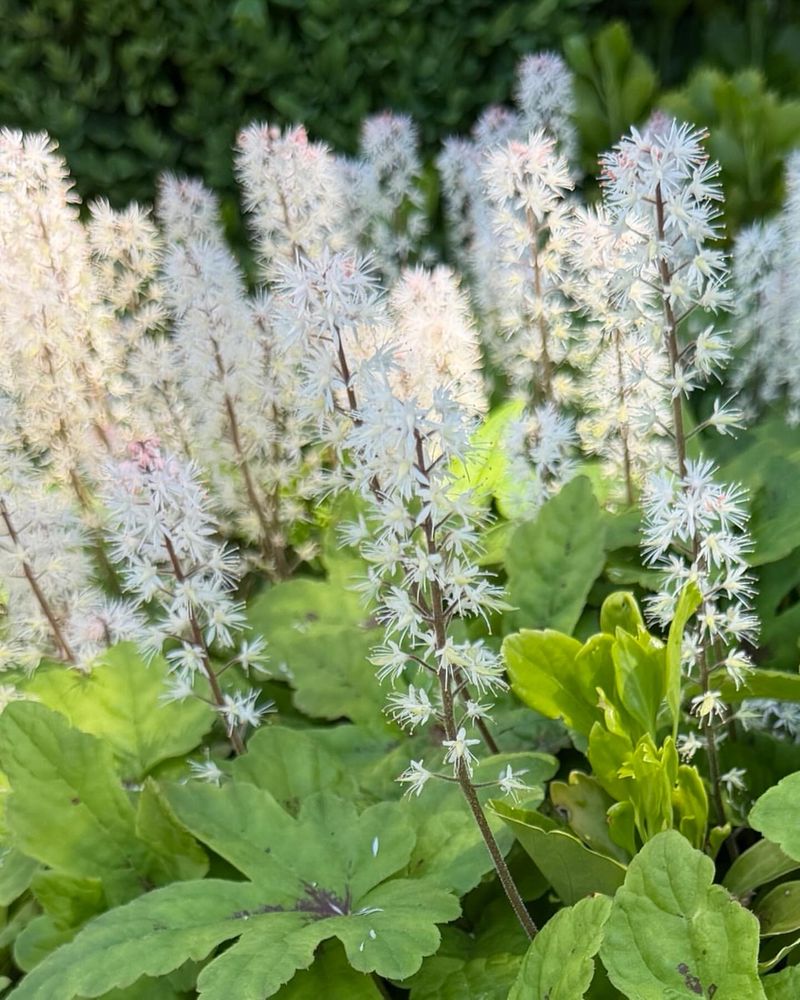
Walk past a patch of Foamflower in full bloom and you will understand immediately how it got its name. The flower spikes are covered in tiny, feathery white blooms that look like a cloud of foam floating just above the foliage.
It is one of the most charming native perennials Pennsylvania has to offer, and it fits perfectly along the cooler, shadier side of a house.
The leaves are heart-shaped with interesting markings, often showing dark burgundy veining or central patches that deepen in color as the season progresses. Even when the flowers are gone, the foliage keeps the bed looking attractive.
Some varieties hold their leaves well into winter, giving you color even on grey November days.
Foamflower spreads slowly by runners, similar to strawberries. Over a few seasons, it forms a soft, dense mat that covers bare soil beautifully.
This spreading habit is actually helpful near foundations because it fills gaps, reduces weed pressure, and keeps the soil from washing away during heavy rain.
When planting in July, pick the shadiest spot available along your foundation. Foamflower does not like hot, dry conditions, so morning shade or full shade is best.
Amend the soil with compost to improve moisture retention, and water the plant consistently for the first month while the roots establish.
Once settled in, Foamflower is remarkably low-maintenance. It rarely needs dividing unless the clump gets very large.
Native bees visit the spring flowers regularly, adding ecological value to your yard. Few plants manage to be this pretty, this useful, and this easy all at once.
5. Barren Strawberry
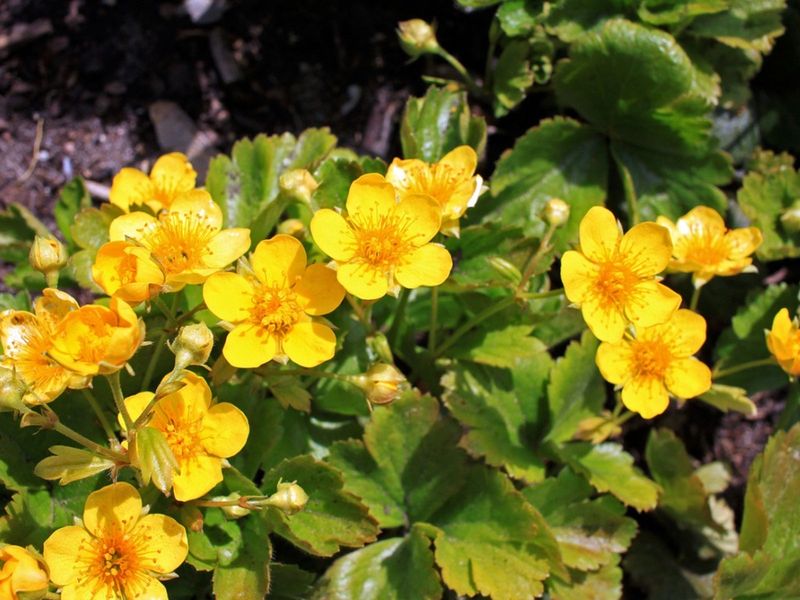
Anyone who has fought a losing battle against weeds along the front edge of a foundation bed will appreciate Barren Strawberry immediately.
This low-growing native ground cover stays just a few inches tall and spreads steadily, forming a dense mat that leaves almost no room for weeds to sneak through. It is a practical plant with genuine staying power.
The leaves look remarkably like strawberry leaves, which is exactly where the name comes from. They are bright green, slightly glossy, and stay attractive through most of the year.
In early spring, small cheerful yellow flowers appear, giving the bed a pop of color before most other plants have even woken up from winter.
Despite resembling a strawberry plant, Barren Strawberry does not produce edible fruit. What it does produce is reliable, attractive ground coverage that keeps improving year after year.
It handles part shade to full sun, tolerates moderate drought once established, and grows in average Pennsylvania soils without needing amendments or fertilizers.
Planting in July is easy because the plant is small and has a manageable root system. Space plants about twelve inches apart to allow them to fill in within a season or two. Water them regularly for the first few weeks, then ease back as the roots take hold.
The front edge of a foundation bed is the perfect spot because the plant stays tidy, never flops over onto walkways, and does not need trimming to look neat.
It is the kind of plant that makes your landscaping look intentional and polished with almost zero ongoing effort required from you.
6. Woodland Stonecrop
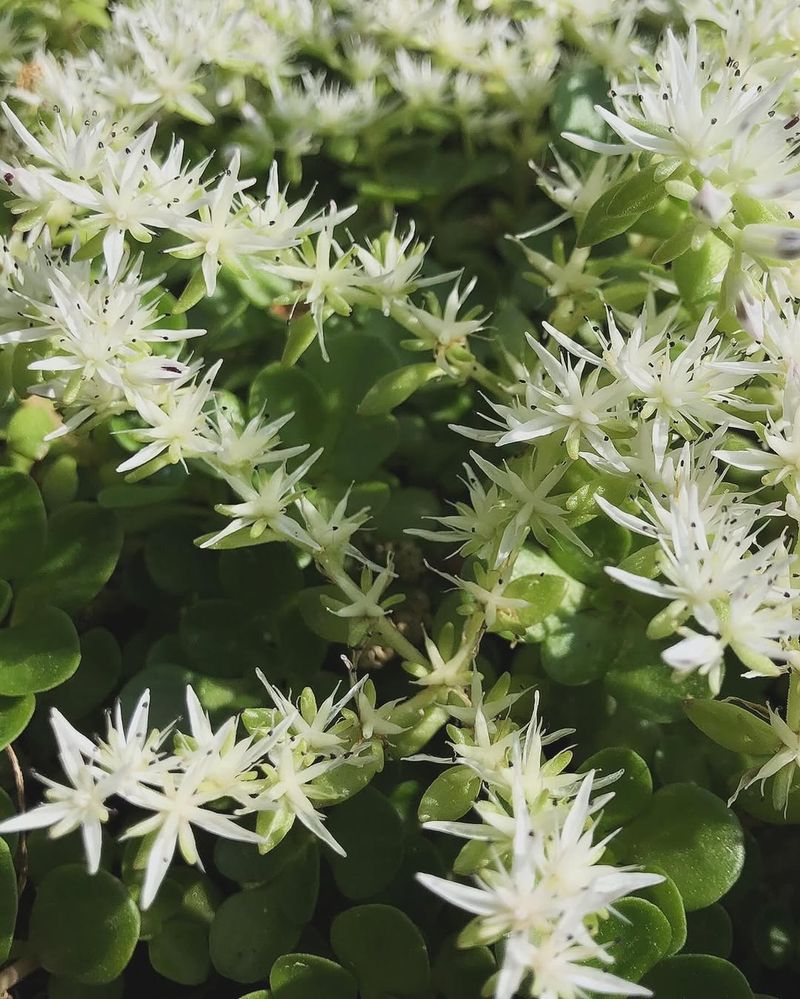
Rocky edges, dry pockets, and tight spaces near stone steps or borders can be nearly impossible to plant. Most perennials give up in those conditions.
Woodland Stonecrop, however, looks at a rocky, dry foundation edge and decides it is home. This small native sedum thrives exactly where other plants struggle, making it one of the most useful natives you can add to a tough spot.
The leaves are small, rounded, and slightly fleshy, arranged in whorls along delicate stems. In spring, clusters of tiny white star-shaped flowers cover the plant, creating a delicate display that looks surprisingly showy for such a small plant.
After blooming, the foliage stays green and tidy, holding its good looks through summer and into fall.
Woodland Stonecrop handles shade better than most sedums, which is a big advantage near foundations where overhangs or walls block direct sun.
It grows naturally in rocky woodlands, so it is completely at home in the gritty, lean soil that often exists near concrete or stone foundations.
When planting in July, loosen the soil as much as possible and improve drainage by mixing in coarse sand or small gravel if the area tends to stay wet. Set the plants about eight to ten inches apart and water them in well.
After that, they need very little irrigation because they store moisture in their fleshy leaves.
Over time, Woodland Stonecrop spreads gently to fill cracks and gaps in rocky areas. It never becomes aggressive or takes over neighboring plants.
You simply plant it once, admire it each spring, and let it quietly do its job season after season without any intervention needed.
7. Butterfly Weed
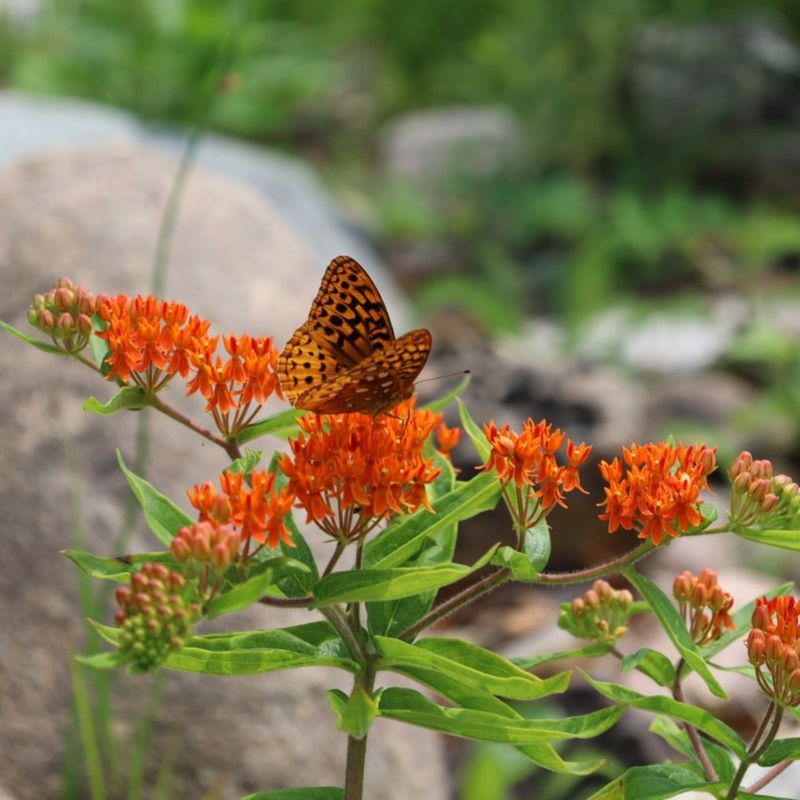
Bright, bold, and absolutely unapologetic about its color, Butterfly Weed is the showstopper of the sunny foundation bed. The clusters of vivid orange flowers are some of the most striking blooms you will find in any Pennsylvania garden during summer.
Monarchs, swallowtails, and a dozen other butterfly species flock to it, turning your foundation bed into a living wildlife display.
Unlike many milkweeds, Butterfly Weed does not have milky sap, and it stays compact enough to fit neatly near a house without looking overgrown.
It grows one to two feet tall with upright stems, making it a great mid-height choice for the sunny south or west side of a foundation where heat bounces off the wall all afternoon.
Dry, well-drained soil is exactly what Butterfly Weed wants. Clay soil that stays wet is the one thing that can really set it back, so if your foundation bed has poor drainage, amend it with coarse sand or gravel before planting.
Once the roots go deep, which usually takes a full season, the plant handles summer heat and drought with remarkable ease.
Planting in July requires a little patience because Butterfly Weed has a deep taproot that takes time to establish.
Water it regularly for the first four to six weeks, and do not be surprised if the top growth looks slow at first. The plant is busy putting energy underground where the real work happens.
By the second year, it comes back stronger and fuller, blooming reliably every summer without any replanting needed. It is the kind of native perennial that rewards your patience generously and keeps giving back season after season for many years to come.