What Oregon Gardeners Should Do To Hydrangeas In July When Leaves Start Wilting
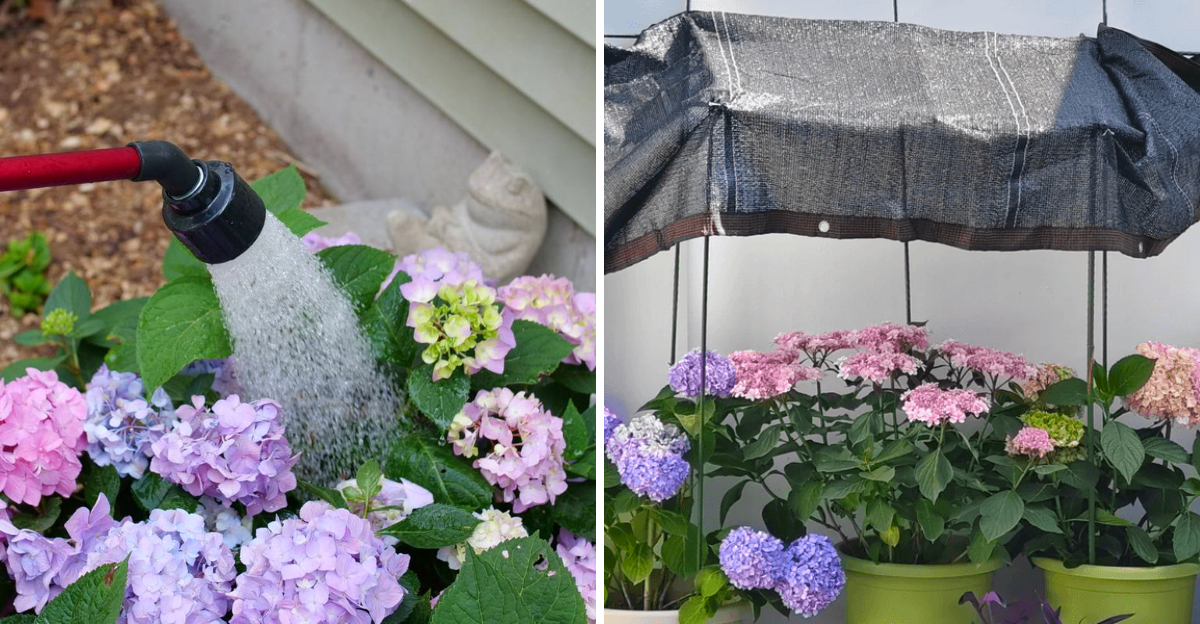
July arrives in Oregon and suddenly hydrangeas everywhere start putting on a very convincing distress performance right around mid-afternoon. Leaves flopping, stems looking defeated, the whole dramatic display.
And almost every gardener’s first instinct is to grab the hose immediately. Totally understandable, but not always the right call.
Here is something worth knowing: a hydrangea wilting in afternoon heat is not automatically a hydrangea that needs more water.
Sometimes it is just a big-leafed shrub doing its best on a warm day, and it will perk right back up once temperatures cool down in the evening.
Oregon’s dry summers do create real moisture stress for hydrangeas, but knowing the difference between genuine drought stress and temporary afternoon wilt changes everything about how you respond.
Less panic, better decisions, healthier plants.
1. Check The Soil Before You Water
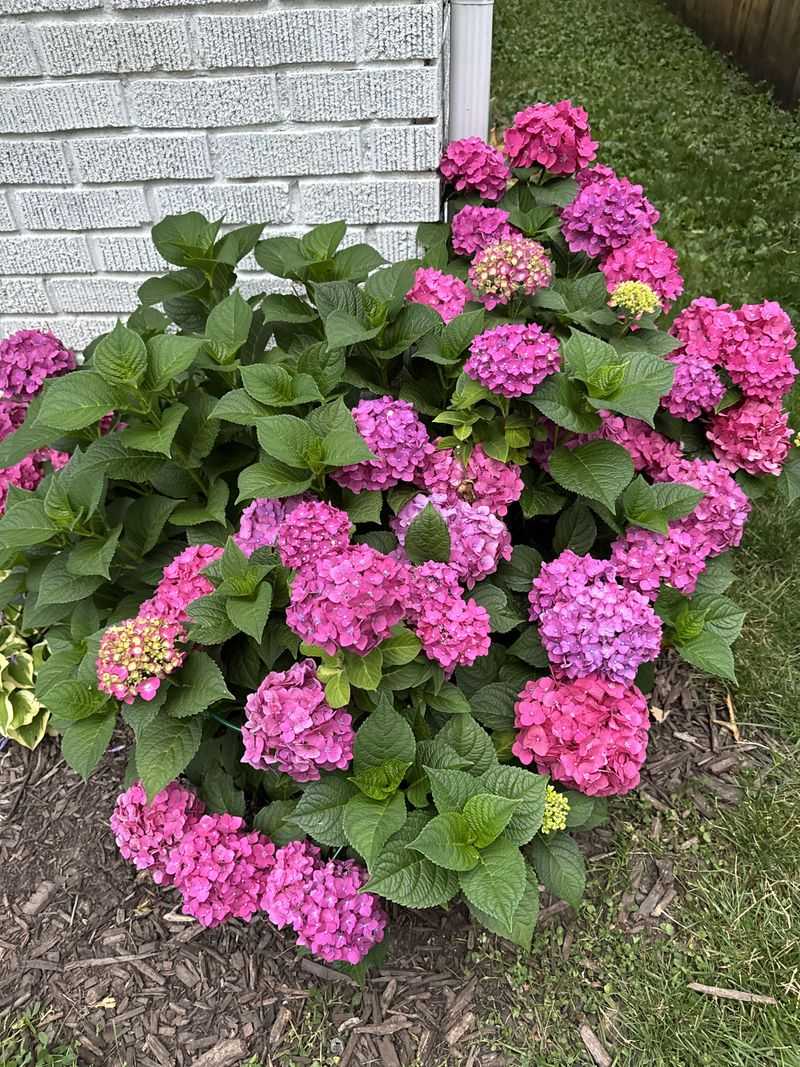
Drooping leaves on a hot July afternoon can send any gardener straight for the hose, but reaching for water before checking the soil is one of the most common mistakes made in Oregon gardens.
The leaves may look stressed, yet the soil around the roots could still hold plenty of moisture from a recent watering or even an early morning fog.
Push a finger about two inches into the soil near the base of the plant. If it feels cool and damp, the hydrangea likely does not need more water right now.
Bigleaf hydrangeas, which are very common in Oregon landscapes, have large leaves that lose moisture quickly in the heat, making them look wilted even when the soil is fine.
Oakleaf and panicle hydrangeas are a bit more heat-tolerant, but they still benefit from a quick soil check before watering. In shaded foundation beds or mixed shrub borders, soil tends to hold moisture longer than in sunny spots.
A simple finger test or an inexpensive soil moisture meter can save both water and plant health during Oregon’s dry summer weeks.
2. Water Deeply At The Base
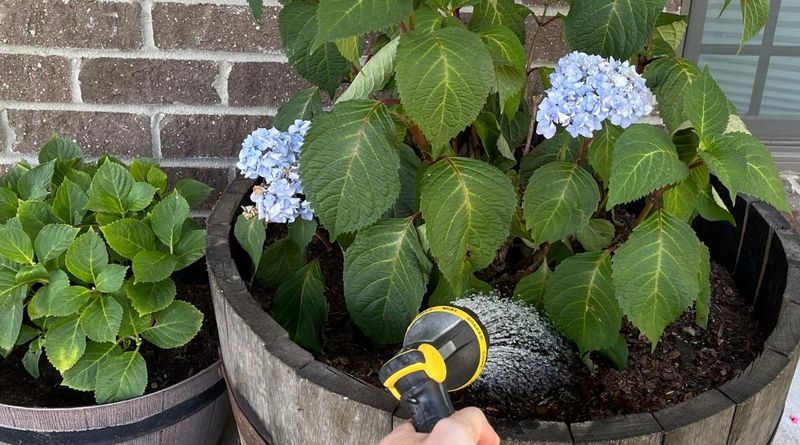
Shallow watering is one of the quieter reasons hydrangeas struggle in Oregon’s dry summer months.
When water only wets the top inch or two of soil, roots stay near the surface and become more vulnerable to heat and drying out quickly between watering sessions.
Deep watering encourages roots to grow further down into the soil, where moisture tends to stay cooler and more consistent. To water deeply, let the hose run slowly at the base of the plant for several minutes rather than giving a quick sprinkle across the top.
This approach helps the water reach the root zone rather than just coating the surface and evaporating in the afternoon heat.
For bigleaf hydrangeas growing in sunny Oregon beds, deep watering once or twice a week during dry spells can make a noticeable difference in how well the plant holds up.
Panicle hydrangeas and oakleaf hydrangeas can handle slightly drier conditions, but they still respond well to thorough root-zone watering.
Adjust the frequency based on recent rainfall, soil type, and whether the plant is in a shaded or sunny spot in your Oregon landscape.
Your Oregon Garden Changes Every Week. Your Plan Should Too.
Gardening in Oregon changes quickly throughout the season. Every Friday you’ll receive a simple weekly plan showing exactly what to plant, prune, fertilize, harvest, and protect so you never miss the right timing.
3. Use Drip Irrigation Or A Soaker Hose
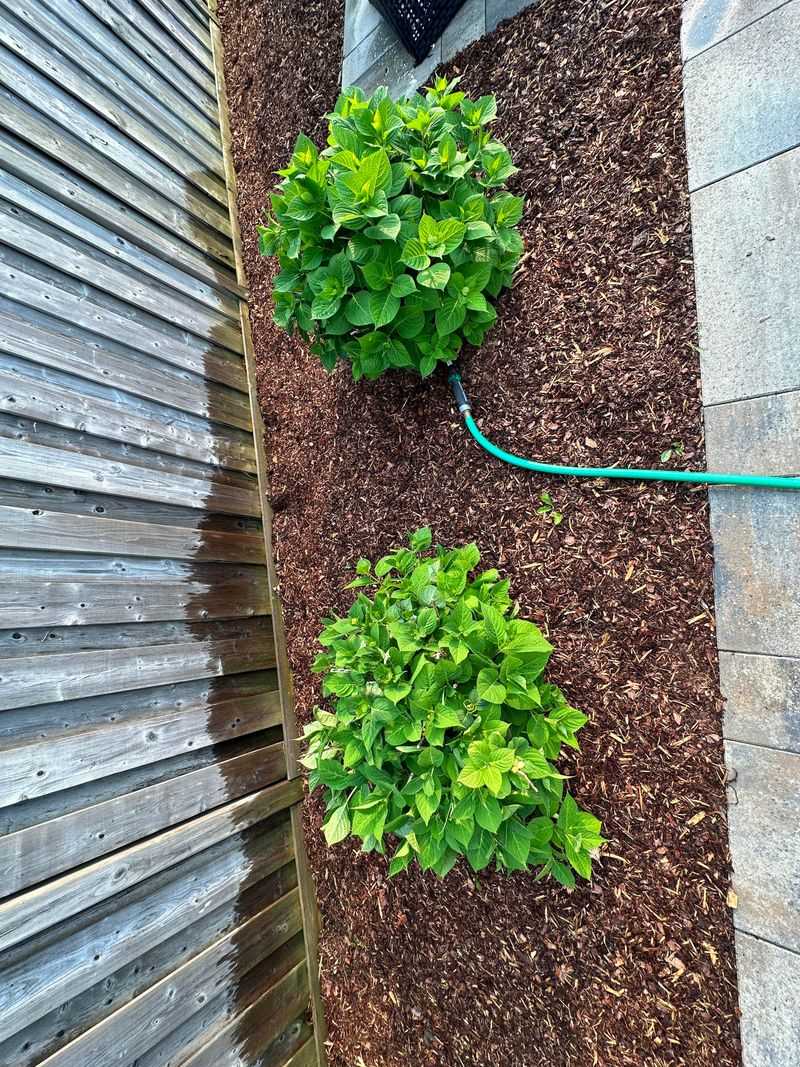
Soaker hoses and drip irrigation systems are among the most practical tools Oregon gardeners can use during July’s dry weeks.
Rather than spraying water across leaves and stems, these systems deliver moisture slowly and directly to the root zone, which is exactly where hydrangeas need it most.
Overhead watering can wet foliage and contribute to leaf diseases, especially in the Pacific Northwest where certain fungal issues can already be a concern. Keeping water at the base of the plant reduces that risk while also making irrigation more efficient.
During a dry Oregon summer, less water is lost to evaporation when it is delivered close to the soil rather than sprayed through warm afternoon air.
Setting up a simple soaker hose loop around a hydrangea takes only a few minutes and can be connected to a basic timer for consistent watering without daily attention.
Drip emitters work well in mixed shrub beds or along foundation plantings where multiple plants share irrigation.
Both options can be adjusted based on plant size, sun exposure, and how quickly the soil in your particular Oregon garden tends to dry out between watering cycles.
4. Water Early Before The Day Heats Up
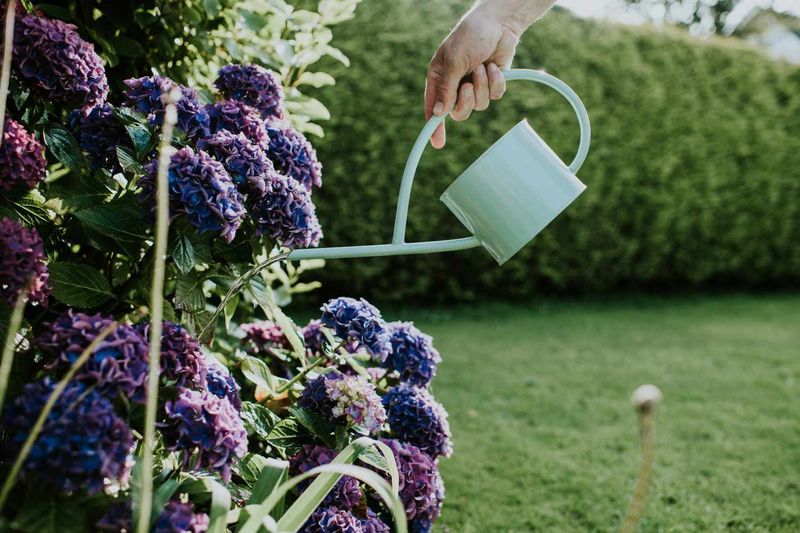
Morning watering gives hydrangeas the best chance to absorb moisture before the warmest part of the day arrives.
During Oregon’s July heat, afternoon temperatures can climb quickly, and plants that go into the heat of the day with dry soil at the root zone tend to show stress much faster than those that were watered in the early hours.
Watering in the morning also gives any moisture that splashes onto leaves time to dry off before evening, which can help reduce the chance of fungal issues.
Evening watering is less ideal because leaves and soil surfaces may stay damp overnight, especially in cooler Oregon nights, which can encourage mildew or other moisture-related problems over time.
Even a simple habit of checking and watering hydrangeas between six and nine in the morning can make a meaningful difference in how the plants look and feel by mid-afternoon.
Bigleaf hydrangeas in full sun or partial sun spots are especially responsive to early watering.
Panicle hydrangeas in sunnier Oregon borders also benefit from this routine during extended dry periods. The goal is to give roots a good supply of moisture before the day’s heat begins pulling it away.
5. Add Mulch To Slow Evaporation
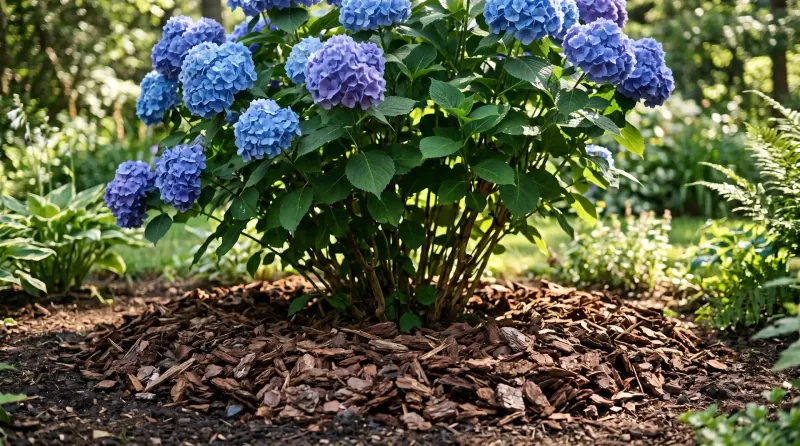
A layer of mulch around hydrangeas is one of the simplest and most effective ways to hold soil moisture during Oregon’s dry July weeks.
Without mulch, bare soil loses water quickly to sun and warm air, and the root zone can dry out much faster than gardeners expect between watering sessions.
Wood chips, shredded bark, or compost spread two to three inches deep around the base of a hydrangea can slow that evaporation significantly.
Mulch also moderates soil temperature, keeping roots a bit cooler during afternoon heat spikes, which is a real benefit for bigleaf hydrangeas growing in Oregon’s sunnier garden spots.
Oakleaf hydrangeas in drier, partly shaded borders also respond well to a fresh layer of mulch in early summer.
One detail worth keeping in mind is to pull the mulch back a few inches from the main stem of the plant. Mulch pressed right against the stem can hold too much moisture against the wood, which may cause rot or invite pests over time.
Keeping a small gap between the mulch and the stem lets air circulate while still protecting the root zone. Refresh mulch layers as needed throughout the Oregon summer to maintain even coverage.
6. Keep Roots Moist But Not Soggy
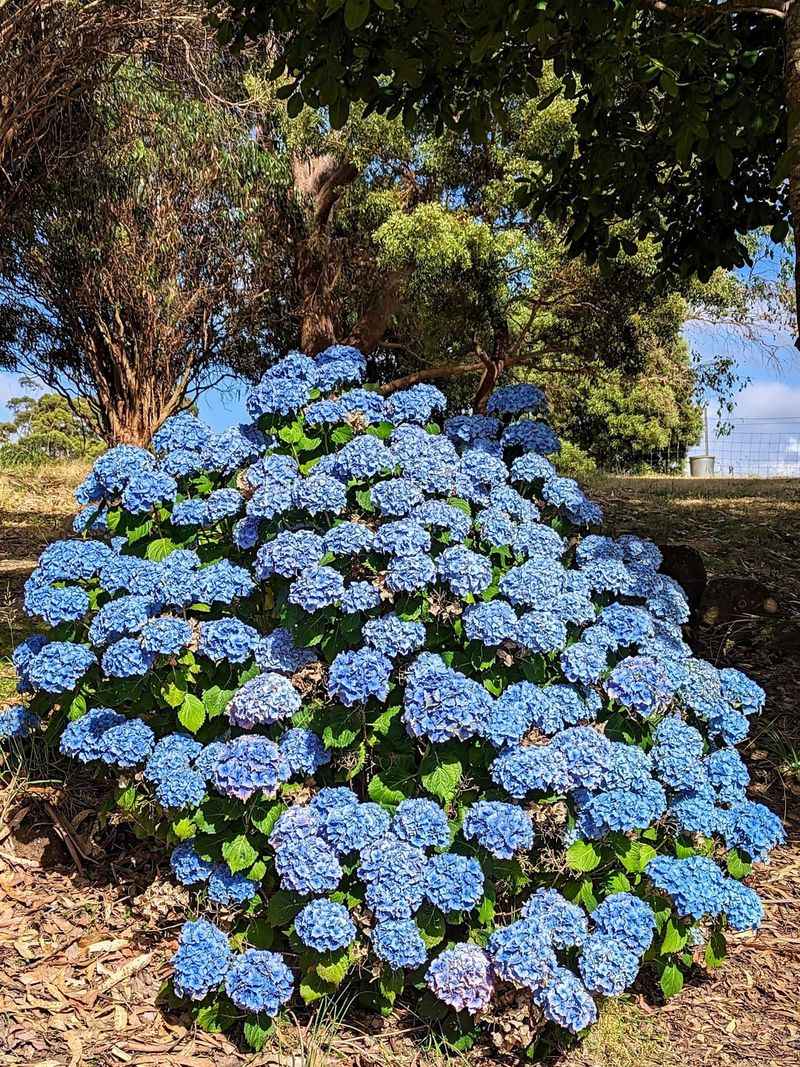
Hydrangeas need consistent moisture to thrive, but too much water sitting around the roots can create its own set of problems.
In Oregon gardens with heavy clay soil or low-lying areas that drain slowly, overwatering can be just as stressful for hydrangeas as drought.
Roots that sit in soggy soil for extended periods can develop root rot, which limits the plant’s ability to take up water and nutrients.
Ironically, a plant with damaged roots from overwatering can show the same wilted leaves as one that is too dry, which is why checking drainage matters just as much as checking moisture.
If water pools around a hydrangea for more than an hour after irrigation, the drainage in that spot may need attention.
Improving soil with compost or organic matter can help in both directions, making sandy soil hold a bit more moisture while helping clay soil drain a little better.
Raised beds and mounded planting areas can also improve drainage for hydrangeas in wetter parts of an Oregon yard.
The goal is to keep the root zone consistently moist, meaning the soil feels damp when you press it but does not feel wet or muddy. That balance supports healthy roots through the long Oregon summer.
7. Watch If Leaves Perk Up After Watering
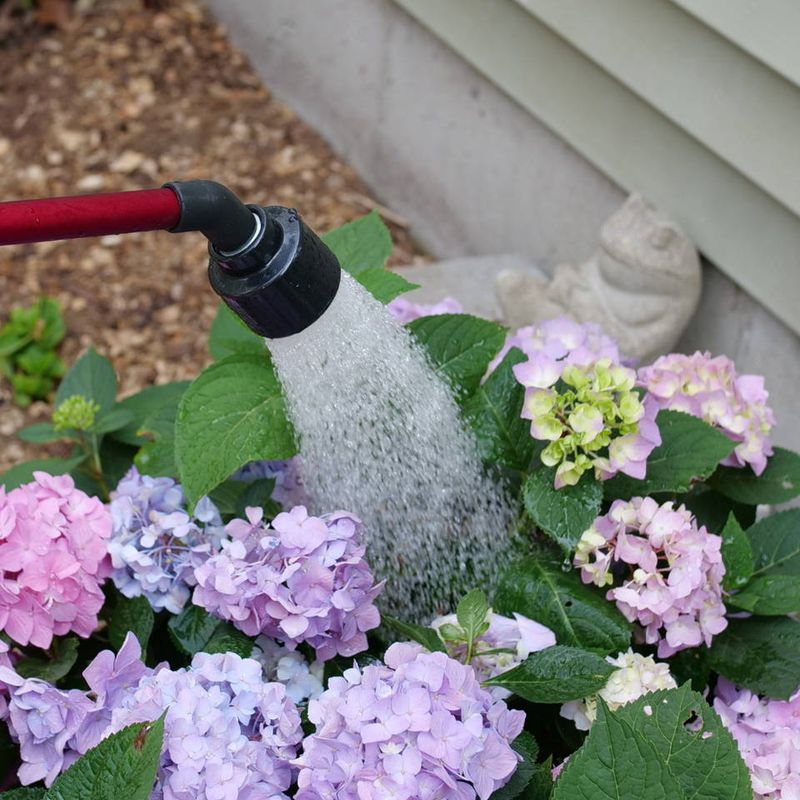
One of the most useful clues about what your hydrangea actually needs comes from watching how the plant responds after watering.
Leaves that droop in the afternoon heat but recover and stand upright again by evening or the next morning are often just experiencing temporary wilt rather than a serious moisture problem.
Temporary afternoon wilt is common with bigleaf hydrangeas in Oregon during July because their large leaves lose water through transpiration faster than roots can replace it on a hot day. This kind of wilt does not always mean the soil is dry.
If you water the plant and the leaves perk up within a few hours, that is a good sign that moisture was the issue and the plant is responding well.
If the leaves stay limp even after a thorough watering and into the cooler evening hours, that could point to something else, such as root stress from poor drainage, compacted soil, or a pest or disease issue.
Checking the soil, the drainage, and the overall condition of the stems and leaves can help narrow down the cause.
Paying attention to how your hydrangeas behave in the Oregon summer heat over a few days gives you much better information than any single afternoon observation.
8. Check Potted Hydrangeas More Often
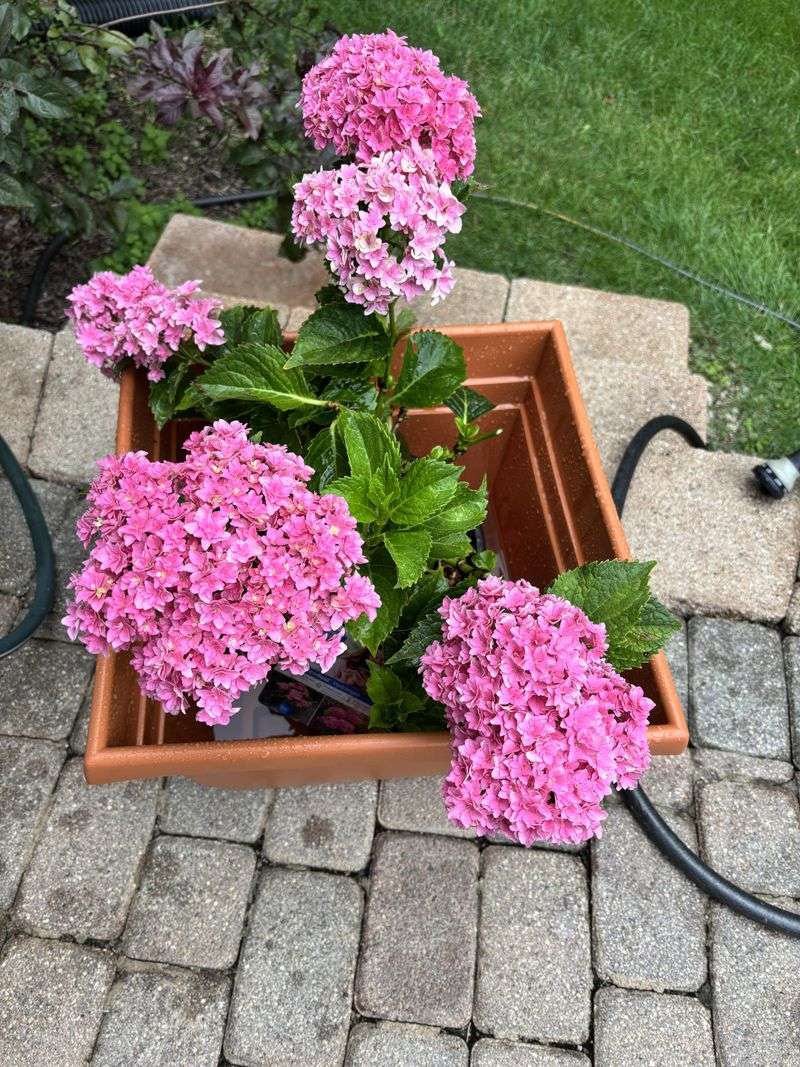
Container hydrangeas face a different challenge than those planted in the ground, and Oregon gardeners who keep potted hydrangeas on patios or decks know how quickly things can change in July.
Pots dry out much faster than garden beds because the volume of soil is limited and heat can radiate through the sides of the container as well as from the surface.
A potted hydrangea that was fine yesterday morning can be seriously stressed by afternoon the next day during a warm Oregon stretch. Checking container soil at least once a day during July heat waves is a reasonable approach.
Lift the pot if you can since a very light pot almost always means the soil has dried out significantly.
When watering a container hydrangea, water until it runs freely from the drainage holes at the bottom. This ensures the entire root ball is getting moisture rather than just the top layer.
Pots with good drainage holes are important because, just like in-ground plants, hydrangeas in containers do not thrive in standing water.
Moving containers to a spot with afternoon shade during Oregon’s hottest weeks can also reduce how quickly they dry out and how much stress the plant experiences between waterings.
9. Give Afternoon Shade During Heat Waves
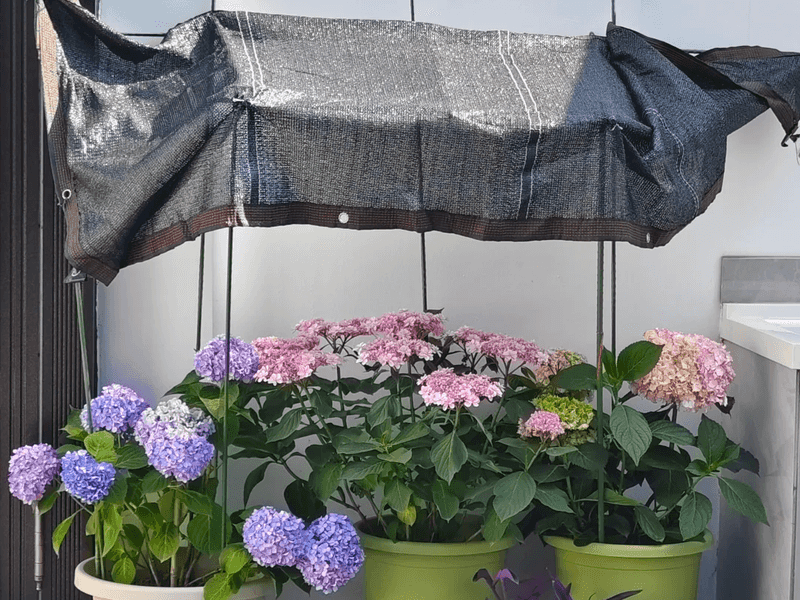
Oregon heat waves in July can push temperatures well beyond what hydrangeas, especially bigleaf types, handle comfortably.
When temperatures climb into the upper eighties or nineties for several days in a row, even well-watered plants can struggle to keep up with the pace of moisture loss through their large leaves.
Temporary shade cloth, the kind sold at garden centers in various densities, can provide meaningful relief during these stretches.
A thirty to forty percent shade cloth draped over or propped around a stressed hydrangea can lower leaf temperature and reduce the rate of transpiration without blocking all light.
Good airflow under the cloth matters too, as trapping heat under a dense covering can sometimes make things worse.
Shade cloth is not meant to be a permanent solution, just a short-term measure during the worst of an Oregon heat wave. Once temperatures drop back to more typical July ranges, the cloth can be removed.
For gardeners who have planted hydrangeas in particularly sunny spots, this is also a good reminder that these plants generally prefer morning sun with some afternoon shade, especially in warmer Oregon microclimates.
Thoughtful placement during future plantings can reduce the need for emergency shade measures down the road.
10. Avoid Pruning Or Feeding In Extreme Heat
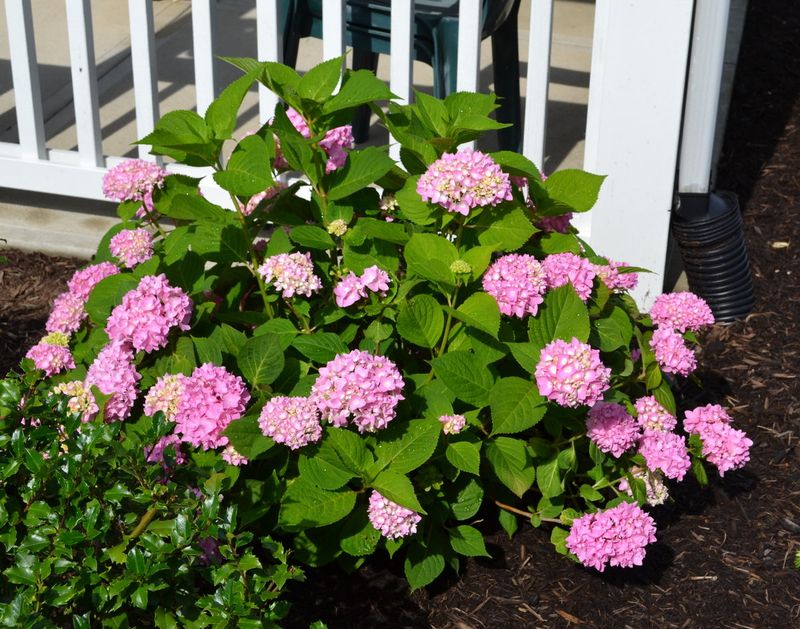
Hot July days are not the right time to prune hydrangeas or apply fertilizer, even if the plant looks like it could use some attention.
Both pruning and fertilizing create a form of demand on the plant, and adding that kind of stress during extreme heat can make things harder for a hydrangea that is already working to stay hydrated.
Pruning removes foliage and stems, which triggers the plant to put energy into healing and new growth. During a heat wave, that extra energy demand competes with what the plant needs to manage heat and moisture loss.
Fertilizer, especially high-nitrogen products, can push new tender growth that wilts easily and is more vulnerable to sun and heat damage. Slow-release fertilizers applied earlier in the season are a safer approach than feeding during a July warm spell.
If a hydrangea has damaged or deteriorating stems that need to come off, a small amount of careful trimming is generally less disruptive than heavy pruning.
Waiting until temperatures moderate and the plant shows signs of recovery before doing any significant pruning or feeding is the more cautious path.
Oregon summers can shift quickly, and a cooler stretch may arrive sooner than expected, giving the plant and the gardener a better window for that kind of work.