California Garden Choices That Can Cost More Water Than You Think
Some California garden choices look harmless at first. A lush plant here, a thirsty patch there, a few extras added because they seem too pretty to skip.
Then summer rolls in, the watering starts ramping up, and suddenly the yard is asking for a lot more than expected. That is where things get interesting, because the biggest water users are not always the ones people see coming.
A garden can look smart, polished, and perfectly suited to California while quietly using far more water behind the scenes.
Sometimes it comes down to plant choice, sometimes layout, and sometimes it is the little design decisions that seem innocent until the weather turns hot and dry.
That is why this topic catches so many people off guard. A few common choices can change the whole water picture of a yard.
Spot them early, and it gets much easier to build a garden that still looks beautiful without becoming a surprisingly thirsty one.
1. Some Plants Drink More Than They Look
Looks can be deceiving, especially in the garden. Some plants seem small and manageable but are secretly demanding huge amounts of water just to stay alive.
In California’s warm, dry climate, these plants can push your water bill higher than you ever expected.
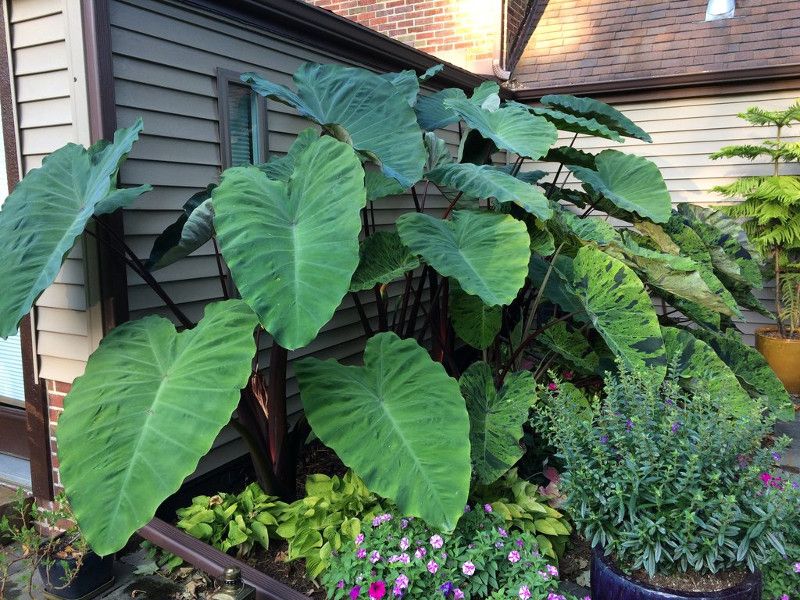
Elephant ears, impatiens, and certain ferns are popular picks at garden centers, but they thrive in humid environments, not in the dry heat that covers much of California. Planting them means fighting against nature every single day.
You end up watering more often just to keep them from wilting.
A good rule of thumb is to research a plant’s native habitat before buying it. If it naturally grows in a rainforest or a swamp, it probably does not belong in your California garden.
Local nurseries that specialize in California native plants are a great place to start. They can help you find beautiful options that are already adapted to the local rainfall patterns.
Choosing the right plant from the start saves water, saves money, and saves you a lot of frustration down the road.
2. Big Leaves Often Mean Big Thirst
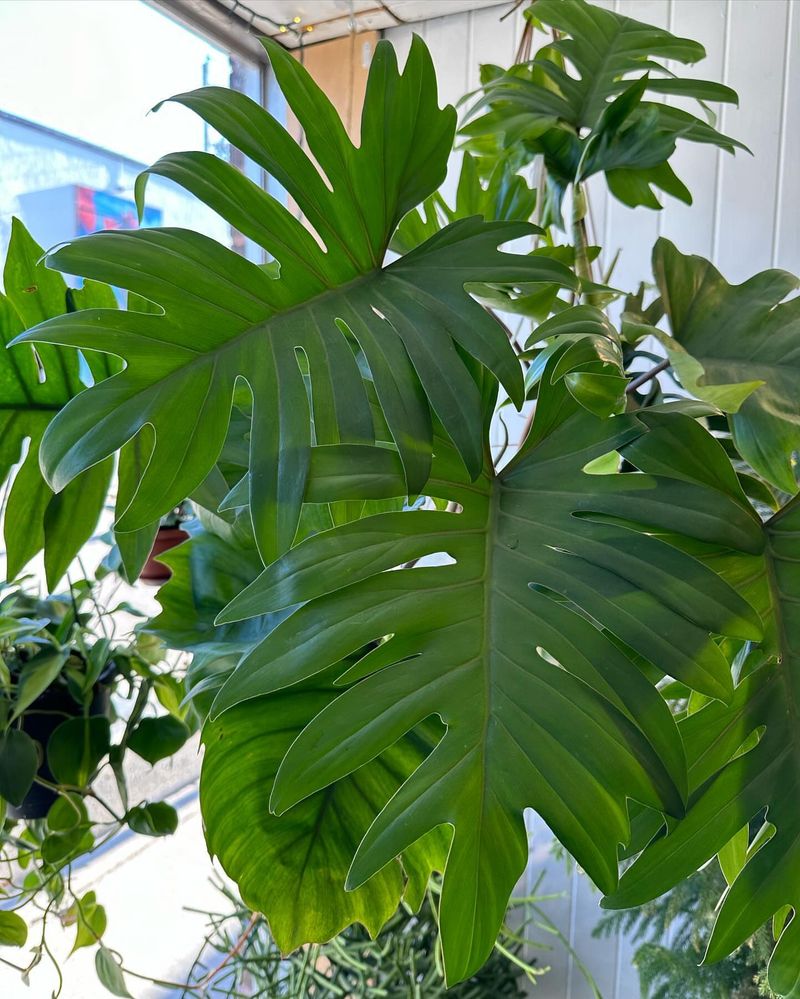
There is something undeniably eye-catching about a plant with giant, dramatic leaves. Many California gardeners love the bold, tropical look that big-leafed plants bring to a yard.
But those oversized leaves come with a hidden cost that shows up on your water bill every month.
Large leaves have a much bigger surface area, which means they lose more water through a process called transpiration. Think of it like sweating.
The bigger the leaf, the more moisture escapes into the air. In California’s dry summer heat, that lost moisture needs to be constantly replaced through watering.
Banana plants, cannas, and giant hostas are popular examples. They look stunning but can demand water every single day during a hot California summer.
Mulching around the base of these plants can help slow down water loss from the soil, but it does not fix the problem entirely. A smarter approach is to mix in a few statement plants with large leaves among mostly drought-tolerant species.
Your California Garden Changes Every Week. Your Plan Should Too.
Gardening in California changes quickly throughout the season. Every Friday you’ll receive a simple weekly plan showing exactly what to plant, prune, fertilize, harvest, and protect so you never miss the right timing.
That way, you still get a bold garden look without your entire yard becoming a water hog. Balance is the key to a beautiful and water-wise California landscape.
3. Fast Growth Comes At A Price
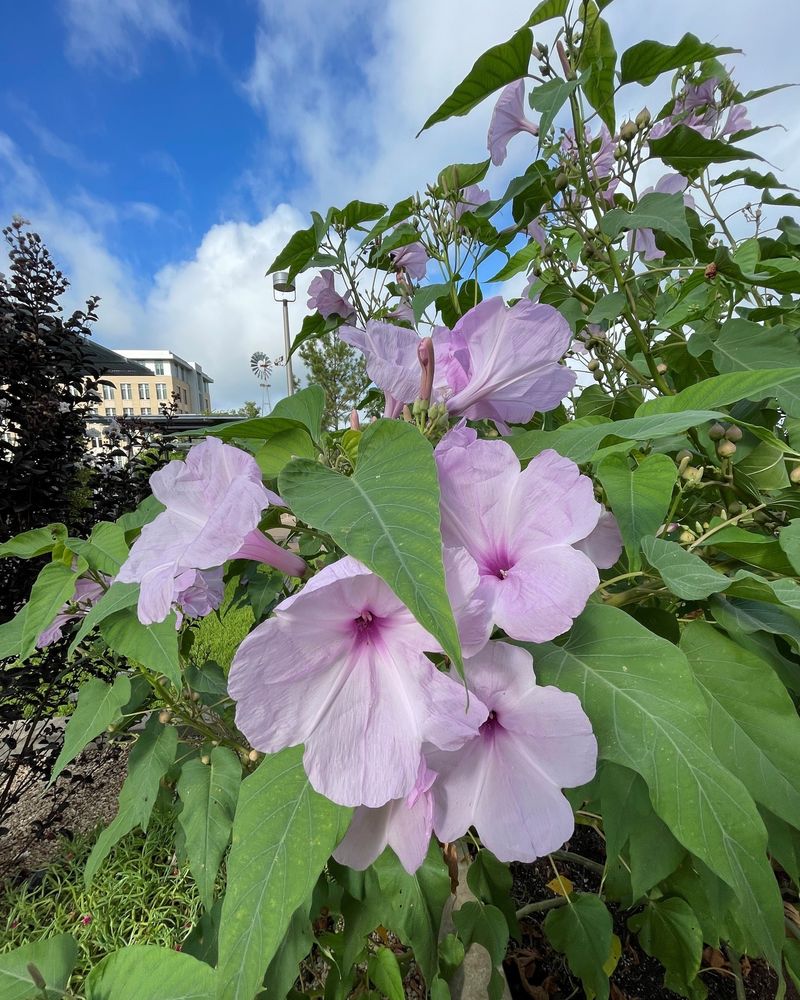
Fast-growing plants feel like a great deal at first. You plant something small, and within a few weeks, you have impressive coverage, shade, or greenery filling your yard.
In California, where people want quick results, fast growers are incredibly popular. But speed in the plant world usually means one thing: high water demand.
Plants that grow quickly need a lot of energy, and that energy comes from water and nutrients. Bamboo, certain vines, and fast-growing shrubs can consume enormous amounts of water each week.
During California’s dry season, keeping these plants satisfied can feel like a full-time job.
Beyond water use, fast growers can also become invasive, spreading into areas where you do not want them. Some species have even been flagged by California environmental agencies as problematic for local ecosystems.
Before planting anything labeled as fast-growing, check whether it is recommended for your specific region of California. Slower-growing native plants may take a bit more patience, but they are far better suited to the local climate.
They also require far less water once they are established, making them a much smarter long-term investment for your garden and for water conservation across the state.
4. Containers Can Be Water Traps
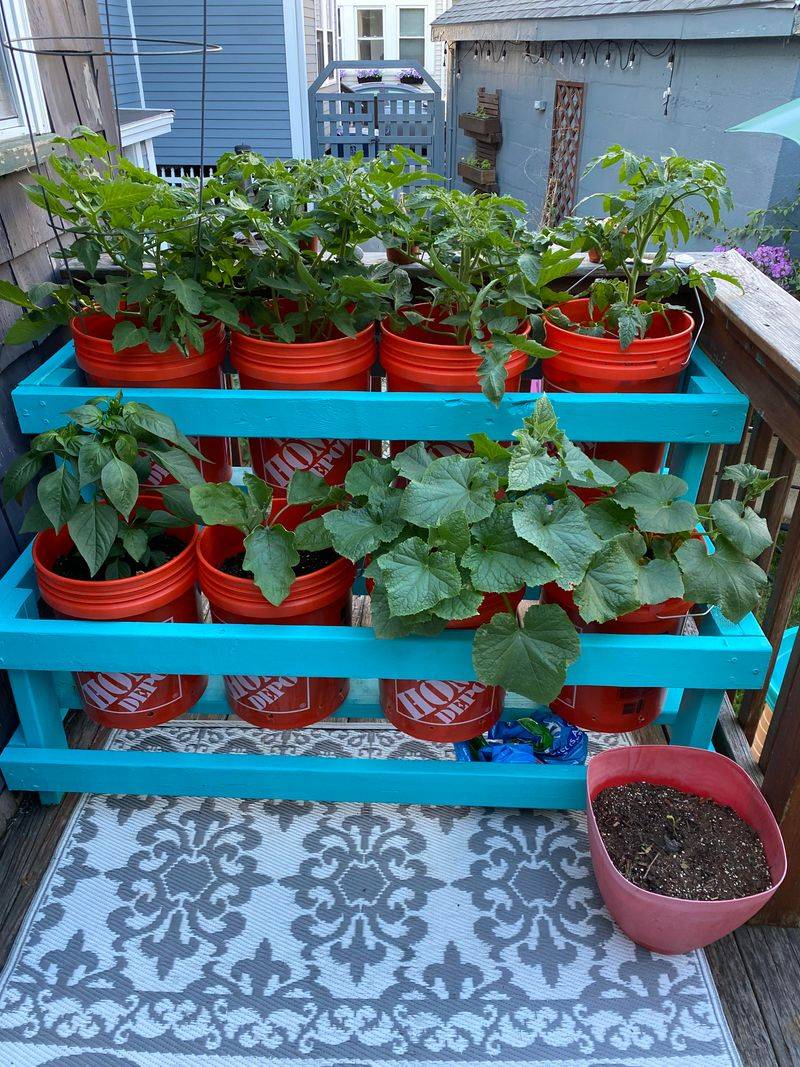
Container gardening is everywhere in California, especially in smaller yards, patios, and apartment balconies. Pots and planters let you grow almost anything, almost anywhere.
But here is something most gardeners do not realize: containers dry out much faster than garden beds, and that means you end up watering them far more often than you might expect.
Soil in a pot has no connection to the ground, so it cannot draw on any natural moisture reserves. On a hot California afternoon, a pot sitting in direct sunlight can dry out completely within just a few hours.
Terracotta pots, while beautiful, are especially porous and lose moisture even faster through their walls.
The size of the container also matters a lot. Small pots dry out faster than large ones, so plants in tiny containers may need water twice a day during summer heat waves.
Grouping containers together can help reduce moisture loss by creating a bit of shade and humidity among the plants. Choosing self-watering containers or adding a layer of mulch on top of the soil can also make a real difference.
With a few smart adjustments, container gardening in California can still be water-efficient and enjoyable without constant trips to the hose.
5. Lawns Still Soak Up Plenty
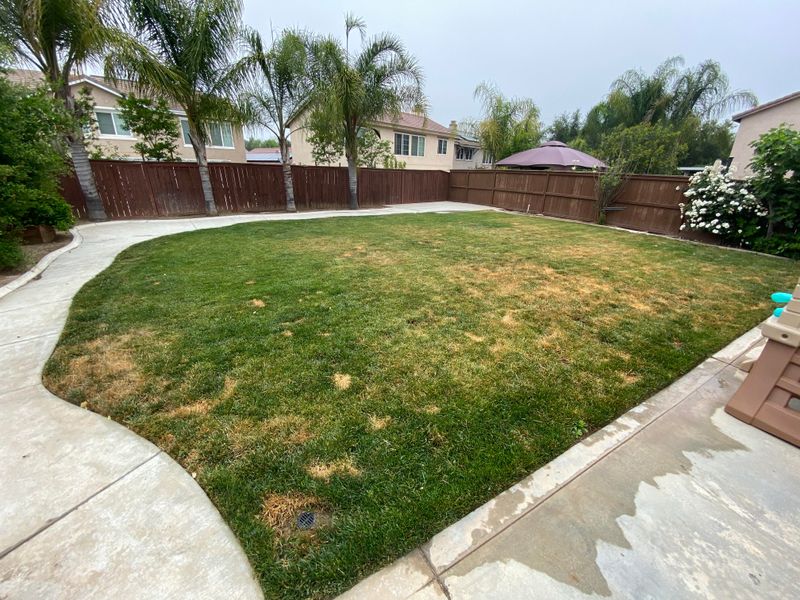
Even with all the talk about removing lawns in California, millions of homes still have them. And there is a reason water agencies across the state keep encouraging people to make a change.
A traditional grass lawn is one of the thirstiest features you can have in your yard, using thousands of gallons of water every single year.
Cool-season grasses like Kentucky bluegrass are especially water-hungry. They were developed for regions with regular rainfall and simply do not belong in a California climate.
Even warm-season grasses, which are a bit more tolerant, still need consistent irrigation to stay green through the long, hot summers that California is known for.
Many cities and water districts in California now offer rebates to homeowners who replace their lawn with drought-tolerant landscaping. This is called a turf replacement program, and it can actually save you money upfront while cutting your water use dramatically.
Alternatives like decomposed granite, native ground covers, or artificial turf can give your yard a clean, attractive look without the constant watering. If you are not ready to remove your whole lawn, even shrinking the lawn area and replacing sections with drought-tolerant plants can make a meaningful difference in your total water use.
6. The Wrong Spot Wastes Water
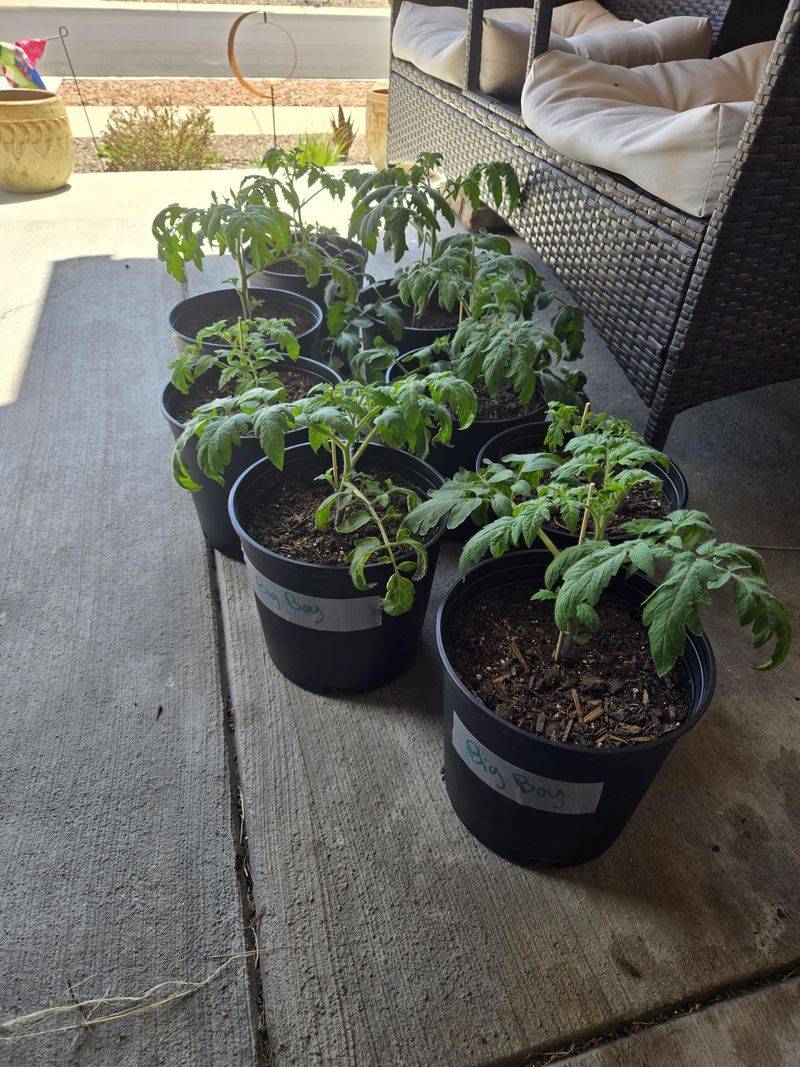
Where you plant something matters just as much as what you plant. A shade-loving plant stuck in full afternoon sun will struggle constantly, wilting and drying out no matter how much water you give it.
In California, where summer sun is intense, putting the wrong plant in the wrong spot is one of the fastest ways to waste water.
South-facing walls and pavement-heavy areas can get extremely hot in California’s summer months. Plants placed near these surfaces absorb extra heat, which causes the soil to dry out much faster.
You end up watering more frequently just to compensate for that extra heat stress, even if the plant itself does not normally need that much water.
Before you plant anything new, spend a day observing how sunlight moves across your yard. Notice which spots get full sun, partial shade, or deep shade throughout the day.
Then match your plants to those conditions as closely as possible. This simple step can dramatically reduce how much water your garden needs.
Many California native plants are specifically adapted to certain sun and soil conditions in the region, so choosing them for the right spot means they can thrive with minimal extra watering. Placement is one of the easiest and most overlooked water-saving tools available to any gardener.
7. Showy Blooms Can Be Sneaky
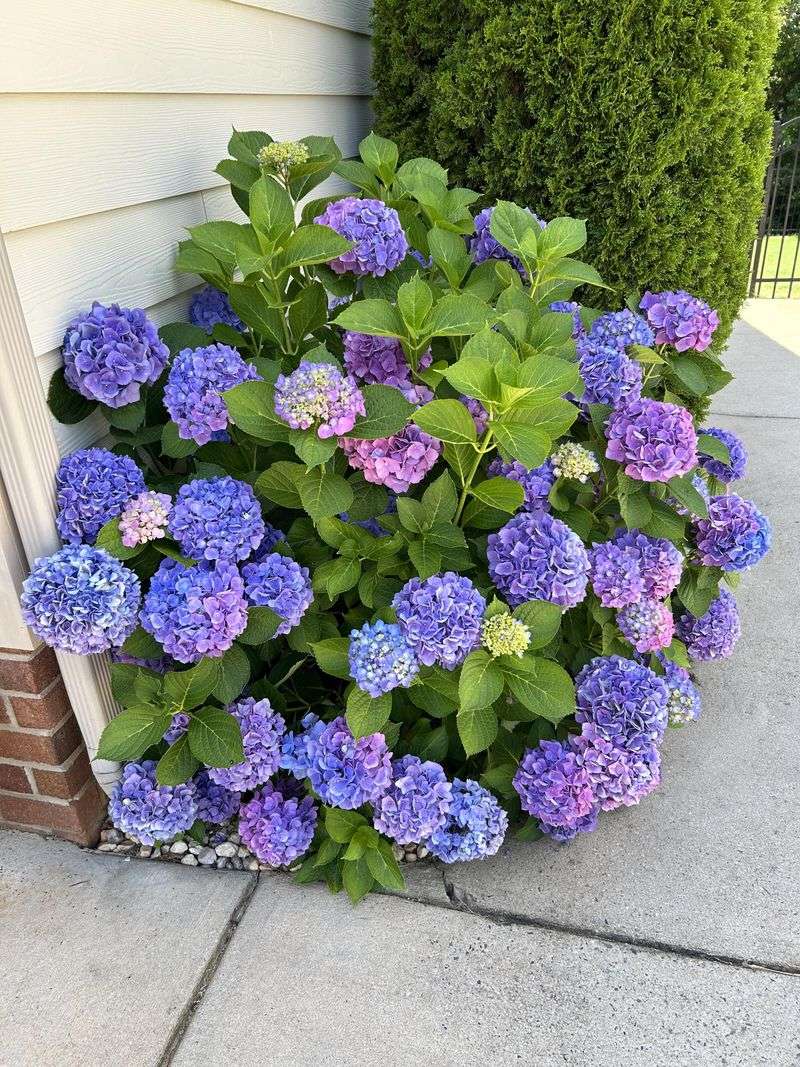
Bright, colorful flowers are the heart of many California gardens. There is nothing like a yard full of blooms to make a home feel welcoming and alive.
But some of the showiest flowering plants are quietly using far more water than their delicate petals might suggest.
Hydrangeas are a perfect example. They are gorgeous, they are popular, and they are also incredibly thirsty.
In California’s dry heat, hydrangeas can wilt dramatically if they miss even a day of watering. Tuberous begonias, bird of paradise, and some varieties of roses also fall into this category of high-maintenance, high-water bloomers.
The good news is that California has plenty of native wildflowers and drought-tolerant blooms that are just as beautiful without the water demands. California poppies, which are the state flower, are a stunning example.
They thrive on natural rainfall and practically take care of themselves once established. Salvia, agapanthus, and matilija poppy are other showy options that do well with very little irrigation.
Swapping even a portion of your water-hungry flowers for these alternatives can make a noticeable dent in your garden’s overall water use. Beautiful blooms and water conservation are not mutually exclusive in California.
You just have to know which flowers to choose.
8. A Simple Swap Saves More
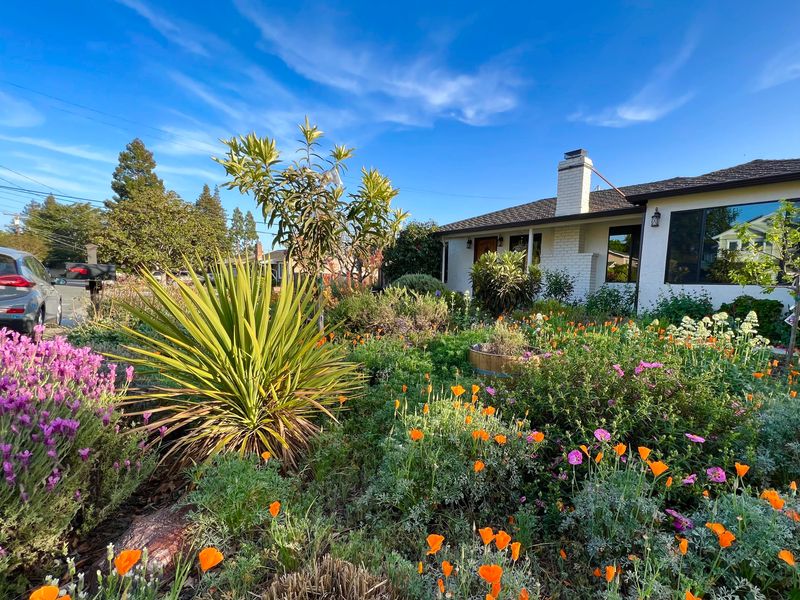
Sometimes the biggest changes come from the smallest decisions. Swapping out just one or two water-hungry plants for drought-tolerant alternatives can have a surprisingly big impact on how much water your California garden uses each week.
You do not have to overhaul your entire yard to make a real difference.
Start with the plants that need the most attention. If you find yourself watering something every single day just to keep it alive, that is a clear sign it does not belong in your California landscape.
Replace it with something native or drought-adapted, and watch how much easier your garden becomes to maintain.
Succulents, lavender, rosemary, and native grasses are all excellent choices for California gardens. They are low-maintenance, attractive, and designed to handle dry conditions with grace.
Adding a drip irrigation system instead of overhead sprinklers can also reduce water waste significantly, since water goes directly to the roots where plants actually need it. Layering mulch a few inches deep around your plants helps the soil hold onto moisture much longer between waterings.
These are small, affordable changes that add up to big water savings over a California growing season. Making one smart swap at a time is a practical and achievable way to build a more sustainable garden.