The September Pruning Tasks California Gardeners Shouldn’t Skip
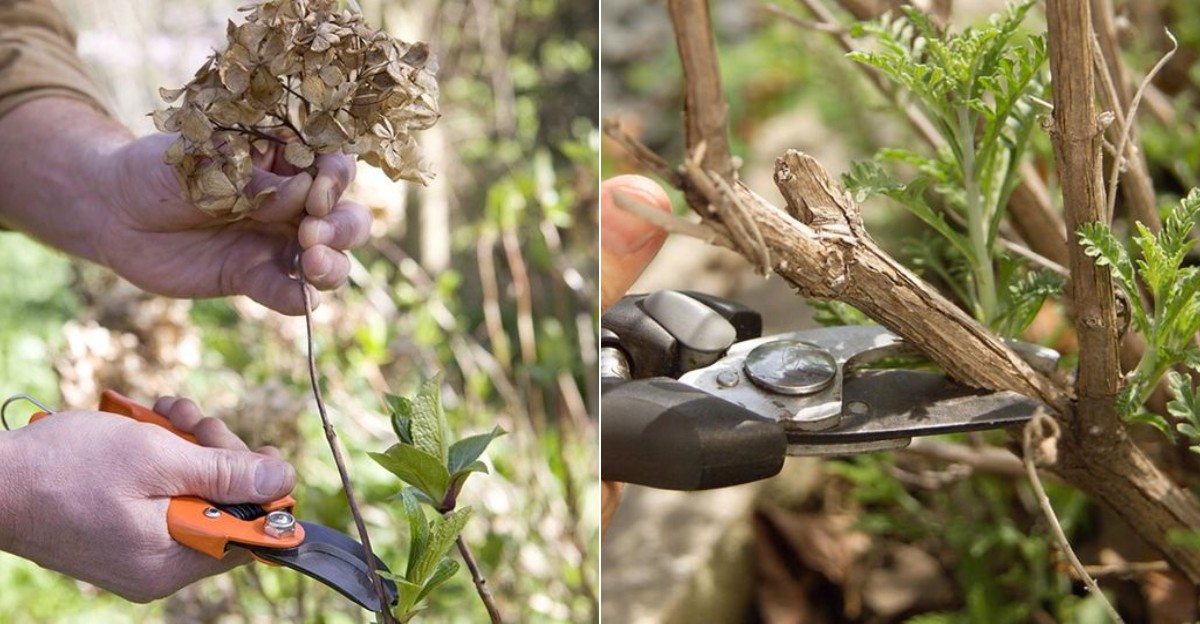
Pruning can feel like the perfect way to freshen up a California garden when plants start looking a little untidy. A few overgrown branches, faded blooms, or awkward stems can make the clippers feel impossible to resist.
But timing matters more than many people realize. The end of the growing season is a transition point, and some cuts can influence what happens in the months ahead.
A quick cleanup may seem harmless, yet plants have their own schedules that do not always match ours.
Your garden may still look full and active, but behind the scenes, plants are preparing for their next stage of growth. That makes the choice of what to trim, what to leave alone, and when to make the cut especially important.
A thoughtful pruning routine can help keep your landscape healthy, balanced, and ready for what comes next. The key is knowing which jobs deserve attention now instead of waiting until the timing has passed.
1. Trim Back Spent Lavender Flowers
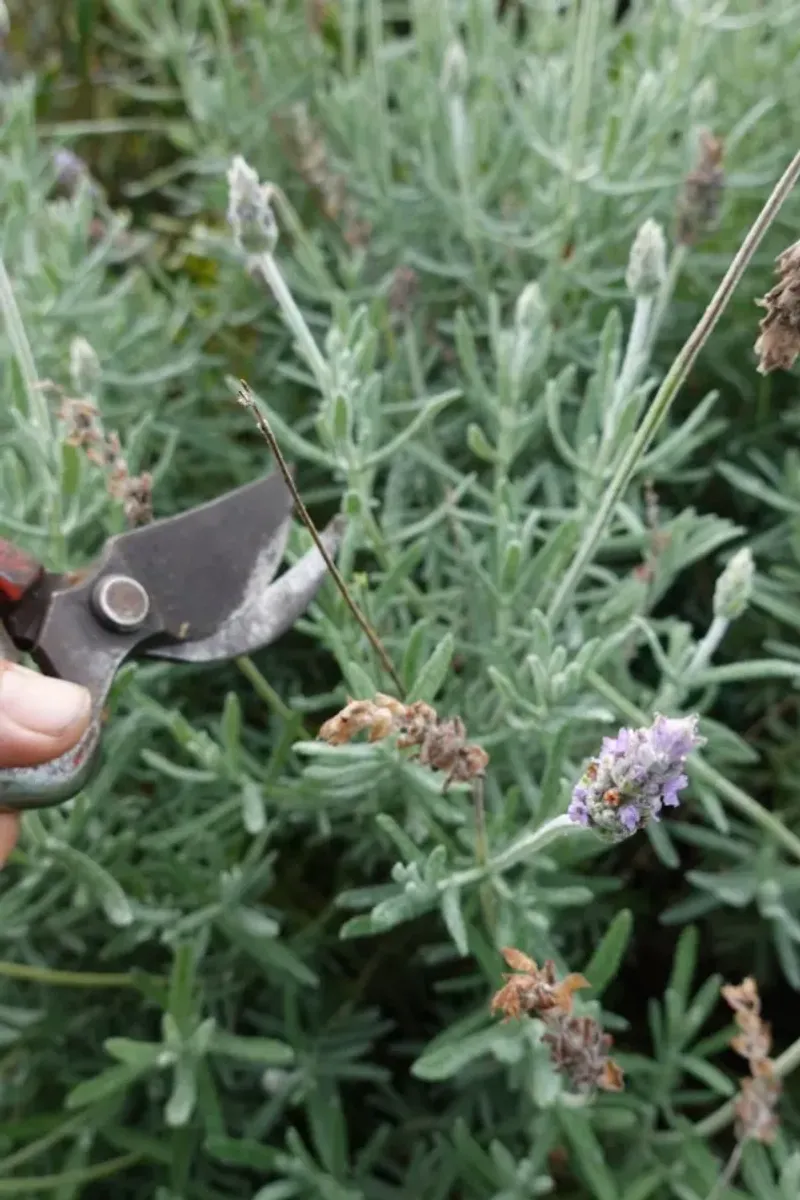
Faded lavender blooms can make a whole plant look tired and messy. Once those purple spikes turn brown, it is time to snip them off. A quick trim keeps your lavender looking neat and tidy.
Grab a pair of clean, sharp shears for the job. Cut just above the green leaves, right where the flower stem begins.
Never cut deep into the woody part at the base. That old wood does not grow back well, and the plant may struggle.
Removing spent flowers does more than tidy things up. It tells the plant to rest and store energy for next year.
Some types may even push out a small second flush of blooms. Try to do this on a dry, sunny day. Dry weather helps the cuts heal fast and keeps mold away.
Toss the trimmings into your compost pile if they are healthy.
Lavender loves a light shaping, not a heavy chop. Think of it like a gentle haircut, not a buzz cut.
Keep the round, mounded shape as you work.
After trimming, your plant will look fresh and full again. The bees may still visit any leftover blooms too.
A little effort now means stronger, bushier lavender come spring.
2. Remove Citrus Suckers From The Base
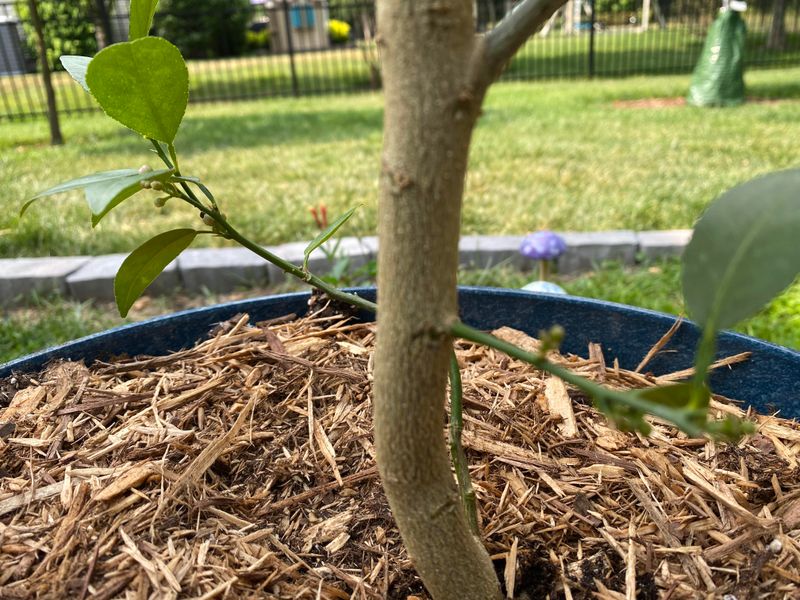
Ever notice skinny shoots popping up around the bottom of your lemon or orange tree? Those are called suckers, and they steal energy from the main plant.
Getting rid of them helps your tree stay strong.
Suckers usually grow below the graft line, which is that bumpy spot near the base. They rarely make good fruit.
Instead, they pull water and food away from the branches you actually want.
Look for these shoots low on the trunk or coming out of the ground nearby. Snip them off right where they start.
Use clean pruners and make a smooth, close cut.
September in California is a great time to check for suckers. The tree is winding down from summer growth.
Removing them now lets your citrus focus on ripening its fruit.
Your California Garden Changes Every Week. Your Plan Should Too.
Gardening in California changes quickly throughout the season. Every Friday you’ll receive a simple weekly plan showing exactly what to plant, prune, fertilize, harvest, and protect so you never miss the right timing.
Try to catch suckers while they are small and soft. They are much easier to remove then. If you wait too long, they turn woody and tougher to cut.
Make it a habit to peek at the base every few weeks. A quick glance can save you trouble later. Pulling small ones by hand often works too.
Keeping the base clean also helps air flow around the trunk. That means fewer pests and less disease. Your citrus will reward you with sweeter, juicier fruit.
3. Cut Out Damaged Rose Canes
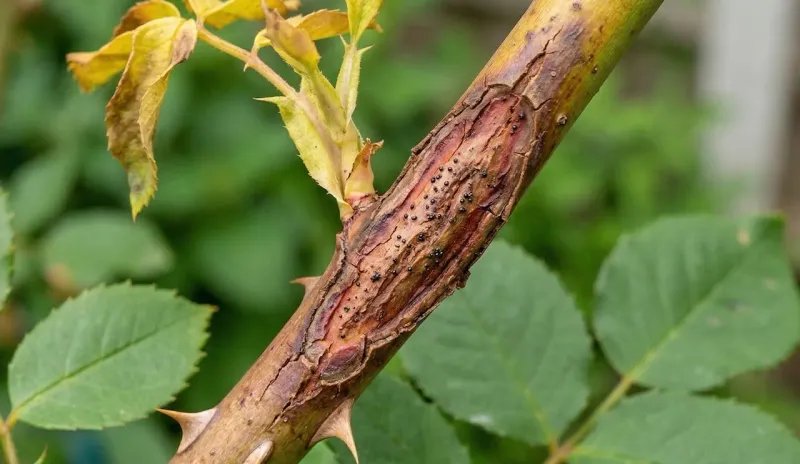
Roses take a beating during hot summers. By September, you might spot canes that look brown, cracked, or dried out.
Cutting these away helps your bush breathe and grow better. Start by looking closely at each stem. Healthy canes are green or reddish and feel firm.
Damaged ones are brittle, dark, or spotty. Make your cut a few inches below the bad spot. Aim for a clean slice at a slight angle.
Cut just above a healthy outward-facing bud.
Always use sharp, clean pruners for roses. Wipe the blades with rubbing alcohol between cuts.
This stops any disease from spreading around the plant. Wear thick gloves to protect your hands from thorns. Long sleeves help too.
Roses can scratch you fast if you are not careful.
Removing weak wood lets sunlight reach the center of the bush. Better airflow means fewer fungus problems.
Your rose can then send energy to the parts that matter. This is not a hard chop, just a cleanup. Save the big shaping for late winter.
Right now, focus only on the parts that are clearly hurt.
Toss any diseased trimmings in the trash, not the compost. That keeps problems from coming back. A tidy rose bush heads into fall looking healthy and ready.
4. Shape Rosemary Without Cutting Into Old Wood
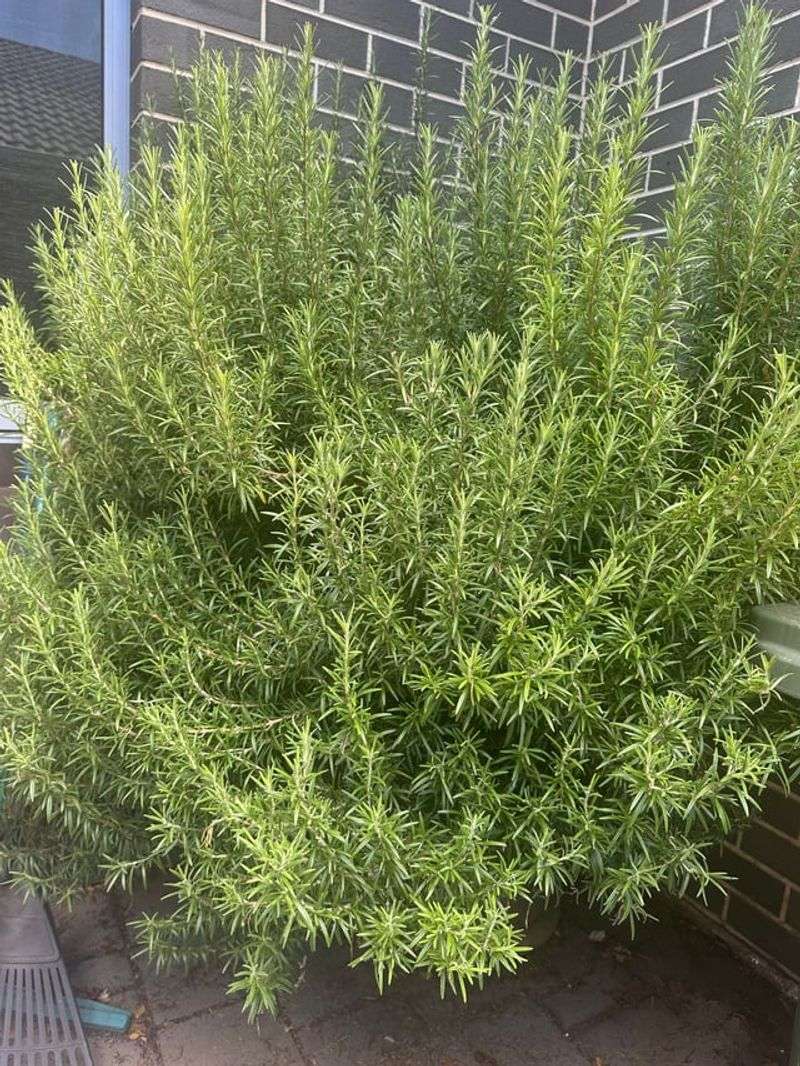
Rosemary grows into a bushy, fragrant plant that many cooks adore. Over summer it can get shaggy and wild.
A gentle shaping keeps it looking sharp and smelling great. Here is the golden rule with this herb: only trim the green, soft parts. The woody brown stems near the base do not grow back if cut.
Slice too deep and you may leave a bare gap. Snip the tips and outer growth to shape the plant. Follow the natural rounded form as you go.
Small, light cuts work best. Use clean scissors or pruners for tidy results. Save the fresh clippings for your kitchen.
Dried rosemary flavors soups, breads, and roasted veggies wonderfully.
Trimming in fall keeps the plant compact through winter. It also lets air move through the leaves.
Good airflow helps prevent mildew.
Avoid a heavy chop this time of year. Rosemary likes slow, steady grooming. Big cuts are better saved for spring growth.
Step back often to check the shape. It helps you keep things even. Rotating the plant as you trim makes this easier.
A well-shaped rosemary bush looks great in any garden bed. It smells amazing when you brush past it too. Just remember to keep those blades above the old wood.
5. Remove Weak Hydrangea Stems Only
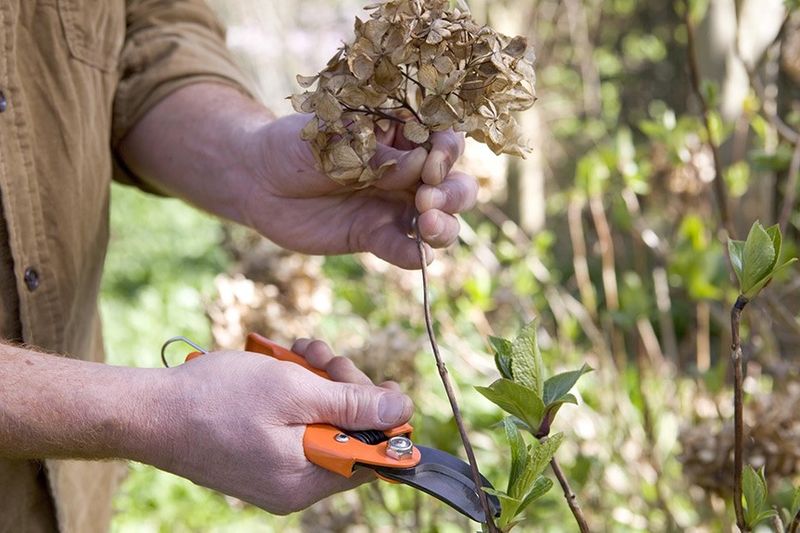
Hydrangeas put on a big show with their round, fluffy blooms. After a long summer, some stems look thin and floppy.
Taking out just those weak ones helps the whole plant stay strong.
Be careful here, because hydrangeas can be tricky. Many types set next year’s flowers on old wood. Cut too much and you might lose spring blooms.
The goal is simple: remove only the skinny, sad-looking stems. Leave the thick, healthy ones alone.
Those strong canes will carry your future flowers.
Find stems that are pale, weak, or bending over. Follow them down to the base.
Snip them off cleanly at the bottom. This light thinning opens up the plant. More sunlight and air can reach the middle.
That keeps the bush healthy and full. Save your big pruning for the right season, which depends on your variety. In fall, keep it minimal.
A gentle touch is all you need now. Use clean, sharp tools and make smooth cuts. Ragged edges can invite trouble.
Wipe your blades before moving to another plant.
Removing weak growth also lets the plant focus energy where it counts. Stronger stems mean bigger, brighter blooms next year.
A little thinning goes a long way with these beauties.
6. Thin Crowded Bougainvillea Growth
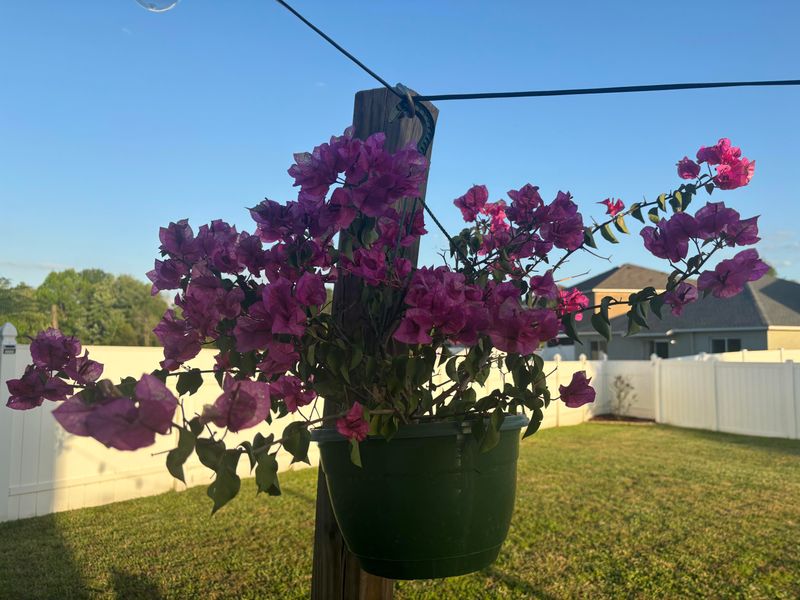
Bougainvillea grows fast and fills space with brilliant color. By late summer it can turn into a tangled mess.
Thinning out the crowded parts keeps it healthy and controlled.
These plants love to climb and sprawl everywhere. Too many vines packed together block light and air.
That can lead to fewer blooms and more pests.
Look for spots where branches cross and rub. Remove some of the inner, tangled growth.
Aim to open up the center of the plant. Wear thick gloves and long sleeves before you start. Bougainvillea has sharp thorns that can poke you.
Safety first with this feisty plant. Cut back long, wandering vines to a neat length. Follow the shape you want it to keep.
Little trims guide it in the right direction. Thinning helps sunlight reach the whole plant. More light means more of those colorful bracts.
Better airflow keeps mildew away too. Do not go overboard with the cutting. A light thinning is plenty for fall.
You can shape it more in spring if needed. Toss the thorny trimmings carefully to avoid scratches. Bag them up for safe disposal.
A well-thinned bougainvillea looks lush and shows off its bright colors beautifully all season long.
7. Take Out Broken Fruit Tree Branches
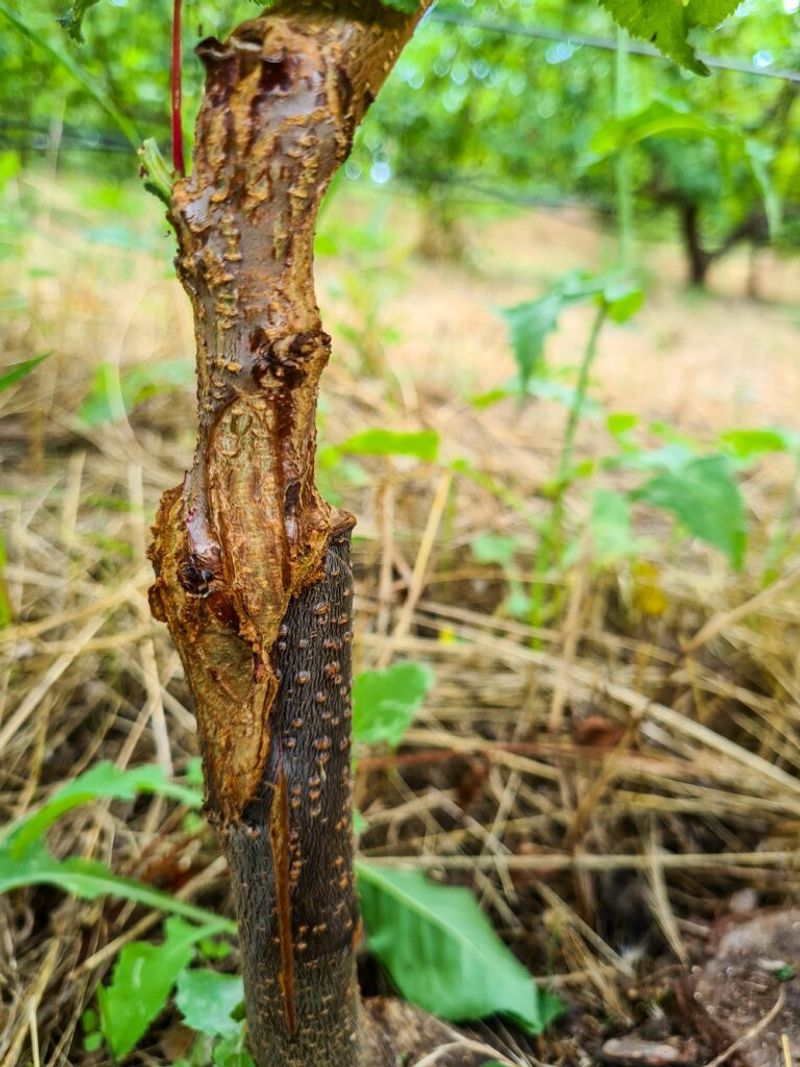
Fruit trees work hard all summer to grow their crop. Sometimes the weight of fruit or a strong wind snaps a branch.
Removing broken limbs keeps your tree safe and healthy. Broken branches are more than just ugly. They can invite bugs and disease into the tree.
Open wounds are a doorway for trouble. Walk around your tree and look up. Check for limbs that are cracked, hanging, or split.
Those are the ones to deal with first. Cut back to healthy wood or the nearest strong branch. Make a clean cut just outside the branch collar.
That is the swollen ring where the branch meets the trunk. Use loppers for thicker limbs and pruners for smaller ones. Keep your tools clean and sharp.
Smooth cuts heal faster than jagged ones. For heavy branches, cut in a few steps. This stops the bark from tearing as it falls.
A little planning saves the tree from extra damage.
Fall is a good time to tidy up storm damage. The tree is slowing down for the season. Cleaning it up now sets it up for spring.
Clear away the fallen wood and old fruit below. That keeps pests from settling in. A well-kept fruit tree gives better harvests year after year.
8. Cut Back Heat-Damaged Sage Growth
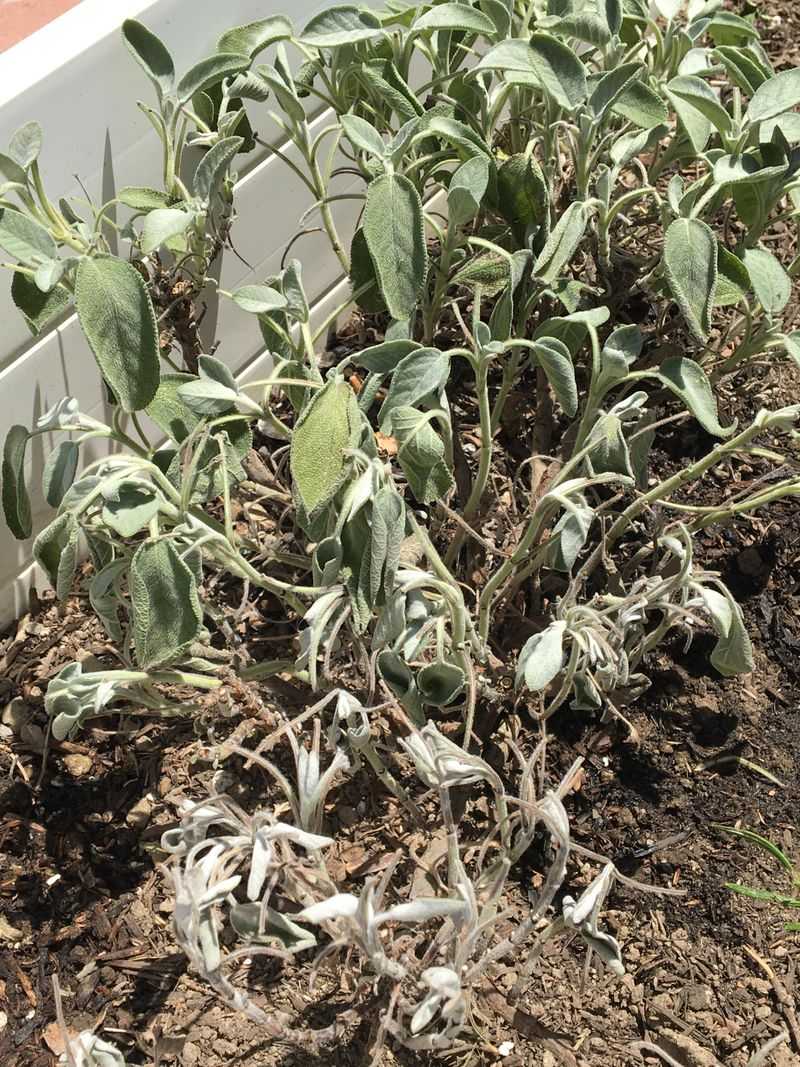
Sage is a tough herb, but even it can suffer in blazing heat. By September in California you might see crispy, brown patches.
Trimming that tired growth helps the plant bounce back. Sun-scorched leaves turn dull and dry at the edges. They will not perk up again.
Removing them lets fresh growth take over. Snip away the damaged tips and leaves. Cut back to a healthy set of green leaves.
Small, careful cuts keep the plant looking full. Steer clear of the thick, woody base. Like rosemary, sage does not grow well from old wood.
Keep your blades in the soft green zone. Cooler fall weather is a gift for this herb. With the heat easing off, sage can recover fast.
A light trim gives it a helpful nudge. Use clean scissors and save the good leaves. Fresh sage is wonderful in the kitchen.
It adds warm flavor to stuffing, soups, and roasts. Trimming also improves airflow around the plant. That helps prevent mildew as nights get damp.
Healthy air means healthy leaves. Give your sage a little water after trimming if the soil is dry. Just do not overdo it.
These plants like their roots on the drier side, and they will thank you with tasty new leaves.
9. Clean Up Weak Or Crossing Shrub Branches
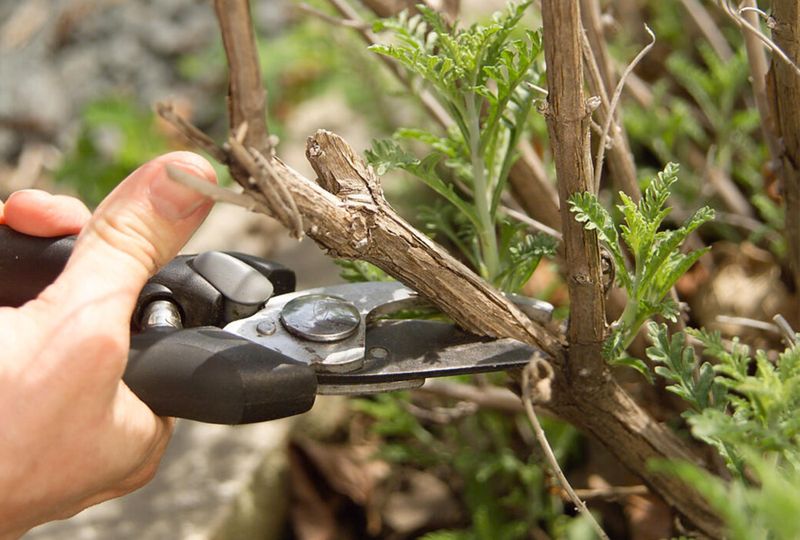
Shrubs form the backbone of many yards across California. Over time their branches can grow into a jumble.
Cleaning up weak or crossing limbs keeps them healthy and neat. When branches rub together, they wear away the bark. Those open spots let in pests and disease.
Removing one of the crossing limbs solves the problem.
Start by studying the shape of your shrub. Spot any thin, weak, or withered-looking branches.
Those are the first ones to go. Then look for branches that cross or touch each other. Pick the weaker one to remove.
Keep the stronger branch to carry on growing. Make your cuts back at the base or a main branch. Clean edges heal better than torn ones.
Sharp tools make this easy. Opening up the middle helps air and light flow. That keeps the whole shrub healthier.
It also gives the plant a tidy, pleasing shape. Do not strip away too much at once. A light cleanup is enough for fall.
Save heavy shaping for the plant’s proper season. Wipe your pruners between shrubs to stop spreading germs. Clear away all the trimmings when you finish.
A well-groomed shrub looks great and stays strong through the cooler months ahead in your garden.