How To Tell Scale Insects From Harmless Bumps On California Plant Stems
Some of the sneakiest bugs in your garden have no visible legs, no head, and barely move after their first few days of life.
As adults, many of them glue themselves to a twig and simply stay put. They sip sap, hide under a waxy shell, and look more like bark than like insects.
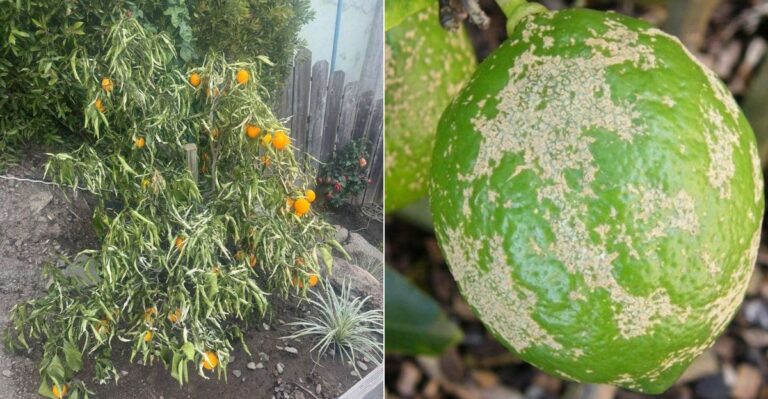
I have stared at a lemon branch for a solid minute, wondering if I was looking at a bug or just a bump. I’ll be honest, that’s both unsettling and amazing. In California, these tiny squatters settle on citrus, oleander, bay laurel, roses, and even houseplants.
You can usually tell the difference in seconds with a fingernail and a good look. So what is really sitting on those stems in your yard, and should it stay or go?
That Little Brown Bump On Your Citrus Twig Might Be Breathing
Plenty of gardeners walk right past a full colony of pests because the bugs look like part of the plant. Adult scale insects mostly lose their legs or stop using them, then settle into one spot for life.
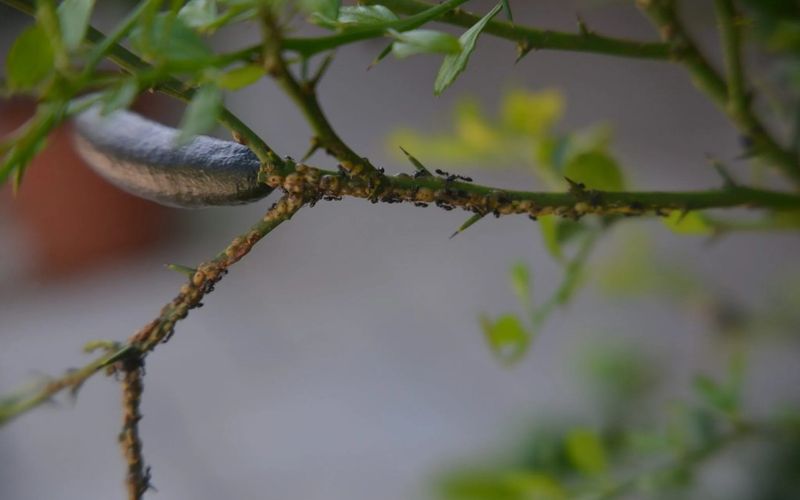
UC Integrated Pest Management describes them as round, oval, or long bumps that can be white, yellow, gray, brown, or black. Most are tiny, often under a quarter inch, and many are smaller than a sesame seed.
Look closely and you will notice a few patterns. Real scale bumps often appear in groups instead of alone, and they tend to line up along twigs, leaf veins, and branch joints.
Natural plant features usually look more random or evenly spaced. Scale clusters, on the other hand, seem to crowd together like tiny barnacles on a boat.
Another clue is change over time. If the bumps were not there last month, or seem to be multiplying, take that as a strong hint something alive moved in.
Grab a magnifying glass or use the zoom on your phone camera. A sharp photo often shows distinct edges or a slightly shiny shell that bark does not have. That quick look can save your plant a lot of stress later.
Your Fingernail Is The Fastest Scale Insect Detector You Own
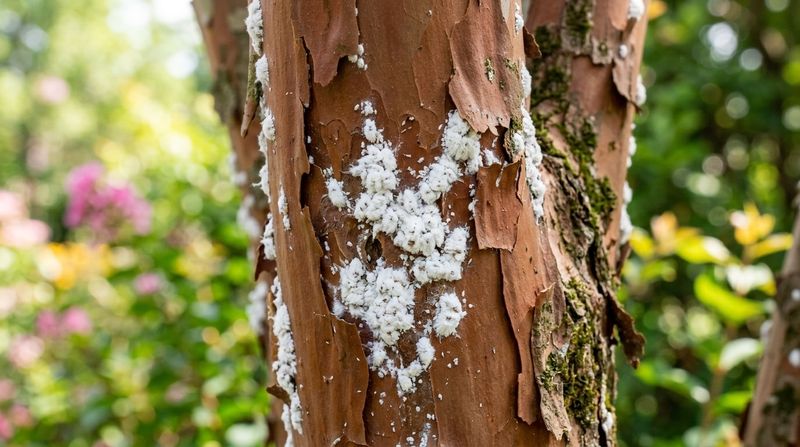
Forget fancy tools for a moment. The simplest test experts at UC Master Gardener programs recommend is a gentle scrape with your fingernail or a toothpick.
Press lightly against the edge of the bump and push. A scale insect will usually pop loose or slide off, leaving a small pale mark on the stem.
Sometimes you will see a soft body, a smear of fluid, or a cluster of tiny eggs underneath. Each of those means you found an insect, not plant tissue.
A harmless bump behaves differently. Lenticels, buds, and natural ridges stay firmly attached because they are part of the stem itself, and scraping them may tear the bark slightly.
Try the test on several bumps instead of just one. Older empty shells can also come off, so seeing fresh, moist bodies tells you the colony is still active.
Your California Garden Changes Every Week. Your Plan Should Too.
Gardening in California changes quickly throughout the season. Every Friday you’ll receive a simple weekly plan showing exactly what to plant, prune, fertilize, harvest, and protect so you never miss the right timing.
I like doing this on a cool morning when the plant is not stressed by heat. Wash your hands afterward, especially if sticky residue gets on your fingers.
If you still cannot tell, snap a clear photo and contact your local UC Master Gardener office. Volunteers there help identify mystery bumps for free.
Armored Scales And Soft Scales Behave Very Differently Under Pressure
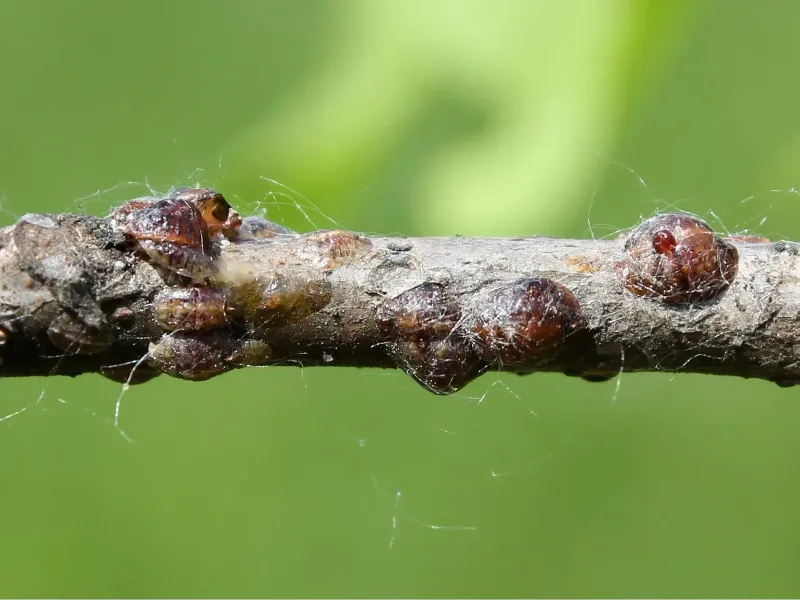
Scale insects come in two main families, and knowing which one you have changes how you handle it. The difference shows up right under your fingernail.
Armored scales are usually small and flat, like tiny fish scales. Their cover is a separate shield made of wax and shed skins, so you can often flip it off and find the insect hiding underneath.
California red scale on citrus, oleander scale, and San Jose scale on fruit trees all belong to this group. They do not make honeydew, so you will rarely see sticky leaves with them.
Soft scales tend to be bigger, puffier, and rounder. Their covering is part of their body, so scraping usually creates a smear instead of a clean lift.
Black scale, brown soft scale, and European fruit lecanium are common soft types in the state. Black scale often shows a raised H shape on its back, which is a fun detail to spot with a magnifier.
Soft scales usually drip sticky honeydew, while armored ones stay dry. That one clue alone can point you toward the right group within seconds, even before you reach for any spray.
Sticky Leaves, Sooty Mold, And Busy Ants Are Big Red Flags
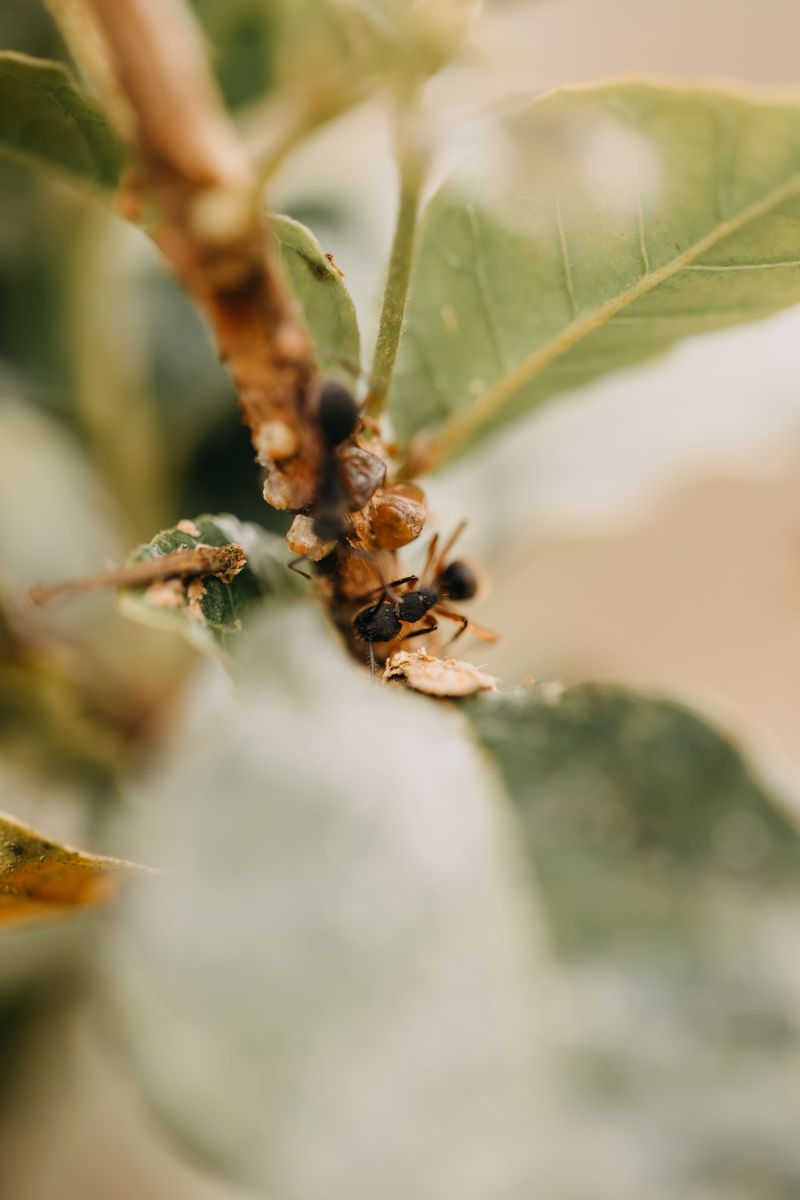
Sometimes the bugs hide well, but the mess they leave behind does not. Soft scales feed on sap and release extra sugar as a sticky liquid called honeydew.
You might notice shiny, tacky leaves or sticky spots on a patio, car, or bench under the plant. Running a finger across a leaf and feeling a sugary film is a classic sign.
Black sooty mold often follows. This dark, powdery fungus grows on the honeydew and can coat leaves, blocking some sunlight, although it does not infect the plant directly.
Then come the ants. Argentine ants, very common across California, protect soft scales and other honeydew makers from beneficial insects so they can keep collecting the sweet reward.
Trails of ants marching up a trunk are worth following. They often lead straight to a hidden scale colony on a twig or leaf vein.
Other warning signs include yellowing leaves, early leaf drop, weak new growth, and twig dieback on heavily infested branches. Harmless stem bumps cause none of these problems, which makes the overall health of the plant a helpful tiebreaker when the bumps themselves are confusing.
Lenticels And Leaf Buds Are Perfectly Normal Stem Bumps
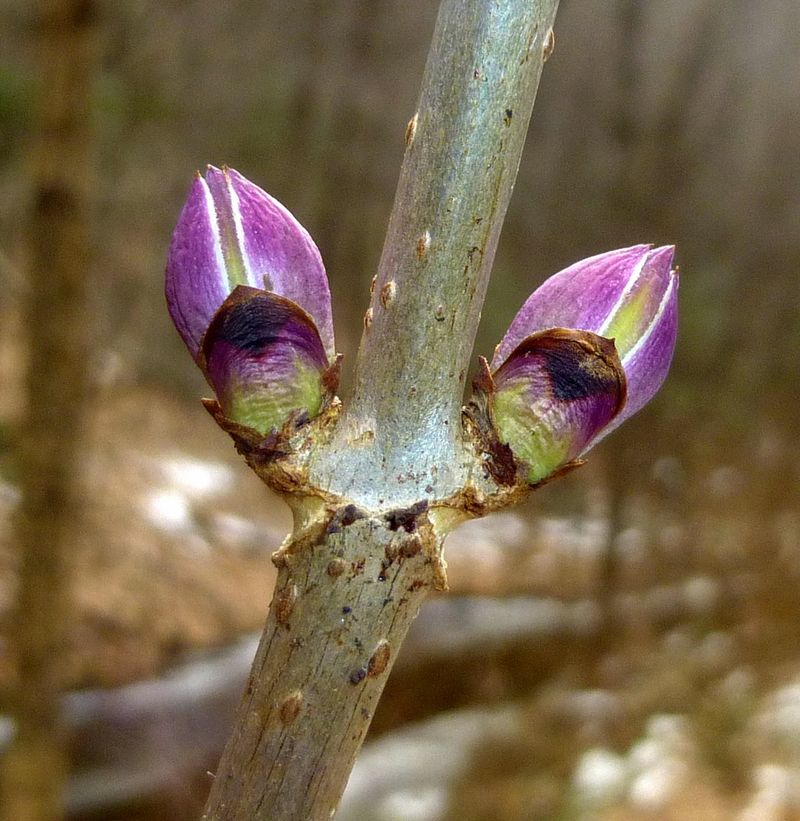
Plants breathe, and those little raised dots on bark help them do it. Lenticels are tiny pores that let air move in and out of woody stems.
They show up as small dashes, dots, or lines, often lighter in color than the bark around them. Cherry, plum, birch, and many young fig and avocado branches show them clearly.
Lenticels are spread across the stem in a fairly even pattern. They feel like part of the bark and will not budge when you scrape them.
Leaf buds are another common false alarm. Dormant buds sit at nodes, usually right above where a leaf attaches or once attached, and they appear in regular spacing along the stem.
Leaf scars, those small marks left after leaves fall, can also look bumpy. On deciduous trees in winter, they become easier to see and easier to mistake for pests.
Honestly, I think learning these normal features is half the fun of gardening. Once you know what healthy bark looks like on your favorite plants, anything unusual jumps out at you much faster and with far less worry.
Oak Galls And Other Odd Growths Usually Leave Your Trees Alone
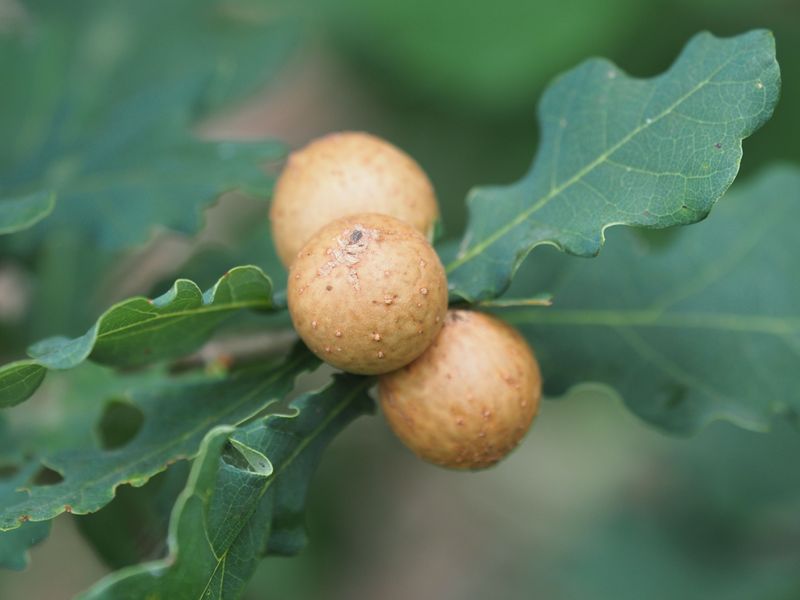
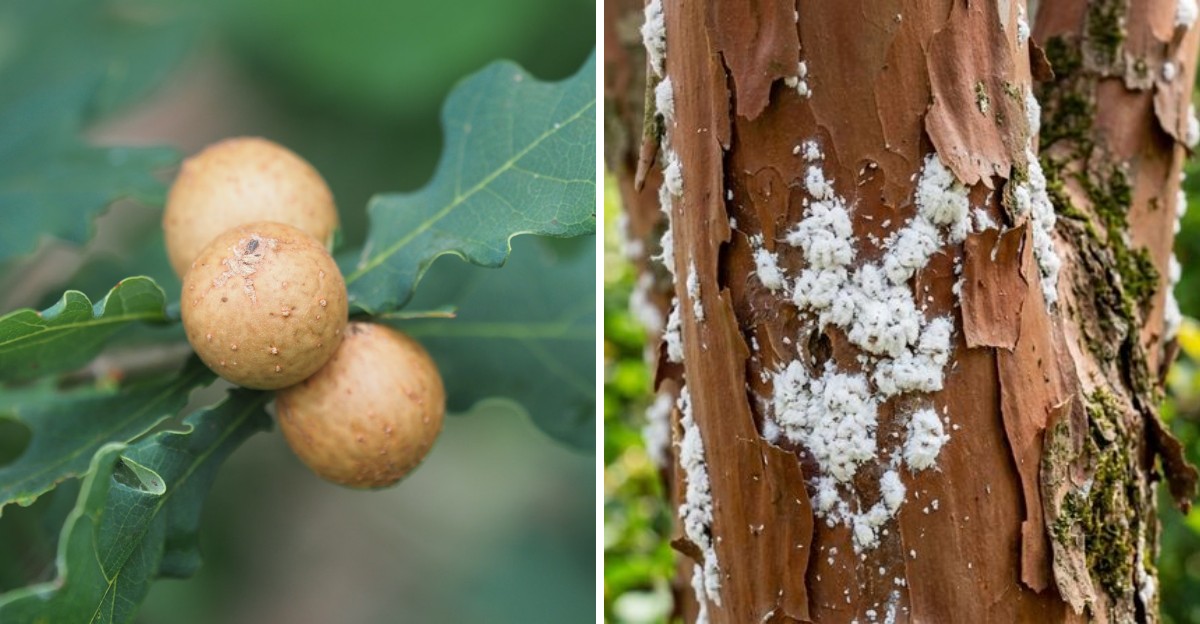
Walk under a valley oak or coast live oak in summer and you may spot round, papery balls hanging from the twigs. Those are galls, and California oaks host an impressive variety of them.
Galls form when a plant reacts to tiny wasps, mites, aphids, fungi, or bacteria. The plant builds swollen tissue around the intruder, creating spheres, spikes, fuzzy patches, or spindle shapes.
UC IPM notes that most oak galls caused by small cynipid wasps do not seriously harm tree health. Some, like the large oak apple gall, look dramatic but rarely need treatment.
So how do you tell a gall from scale? Galls grow out of the plant tissue and stay firmly attached, while scale sits on the surface and lifts off.
Galls are also often larger and more uniform in shape. Cutting one open may reveal a tiny chamber or larva inside.
Not every gall is harmless. Crown gall, a bacterial disease near the base of roses and fruit trees, can weaken plants, so lumps at the soil line deserve a closer look from an expert. Most twig galls, though, are simply a curious part of nature.
Check Branch Crotches And Leaf Undersides Where Scale Loves To Hide
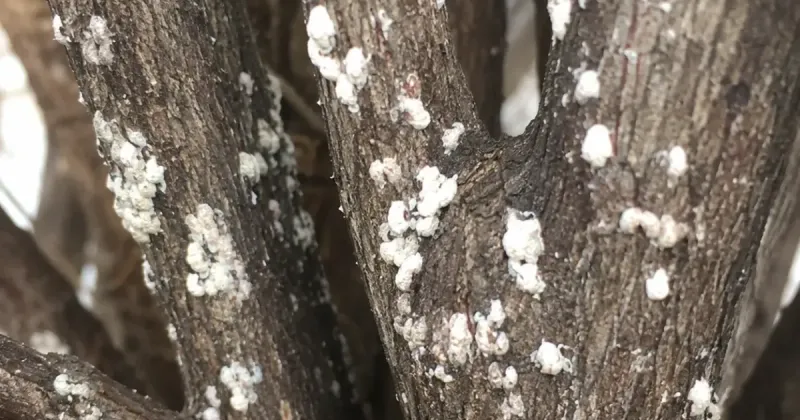
Scale insects are picky about real estate. They prefer sheltered spots where they can feed quietly and avoid sun, wind, and hungry predators.
Start at the joints where small branches meet larger stems. These crotches offer cozy crevices, and colonies often build up there first.
Next, flip leaves over and follow the central vein on the underside. Many species, including brown soft scale and cottony cushion scale, line up along that midrib.
Do not skip the bark on older wood either. Some armored scales blend in with gray or brown bark so well that you need to tilt the branch toward the light to see them.
Timing helps too. Young crawlers hatch and move around mostly in spring and early summer across much of California, and they look like tiny yellow or orange specks.
Wrapping a piece of double-sided sticky tape around a twig can catch crawlers so you know when they are active. That window is when gentle treatments like horticultural oil work best.
I try to check my citrus and roses about once a month. A five-minute walk with a magnifier catches most problems while they are small.
A Few Scale Bumps Rarely Mean Your Shrub Is Doomed
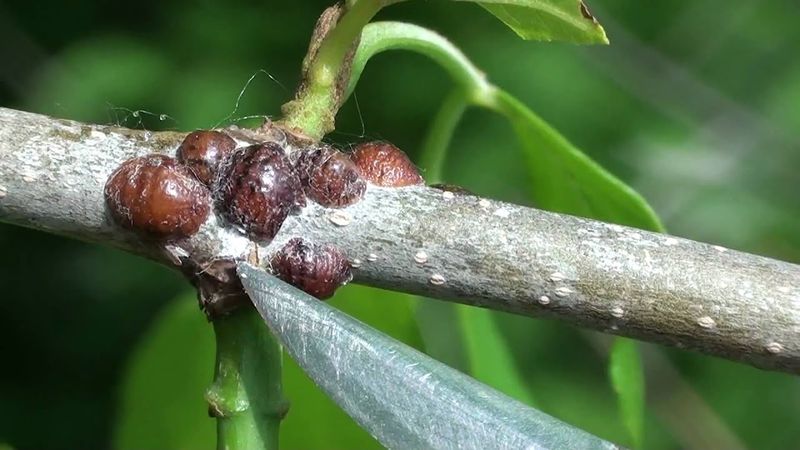
Finding scale on a favorite plant feels alarming, but a handful of insects is usually manageable. Healthy plants can tolerate light populations with little trouble.
Nature often lends a hand. Tiny parasitic wasps, lady beetles like the vedalia beetle, and lacewing larvae eat or parasitize scale across California gardens.
Look for small round exit holes in old scale shells. Those holes mean a beneficial wasp already did its job, so that bump is just an empty house.
For light infestations, prune out heavily covered twigs and toss them in the green waste bin. You can also rub scales off by hand or with a soft brush.
Controlling ants with bait stations helps a lot, since ants chase away the predators that keep scale in check. Avoid broad-spectrum sprays that harm those helpful insects.
When numbers stay high, UC IPM suggests horticultural oil, applied when crawlers are active or during dormancy on deciduous trees. Follow the label and skip oils during hot weather.
Keep plants watered properly and avoid heavy nitrogen fertilizer, which can boost pest numbers. A steady, observant approach keeps your garden thriving without overreacting.