Can A California City Require You To Remove A Tree That’s Lifting A Sidewalk?
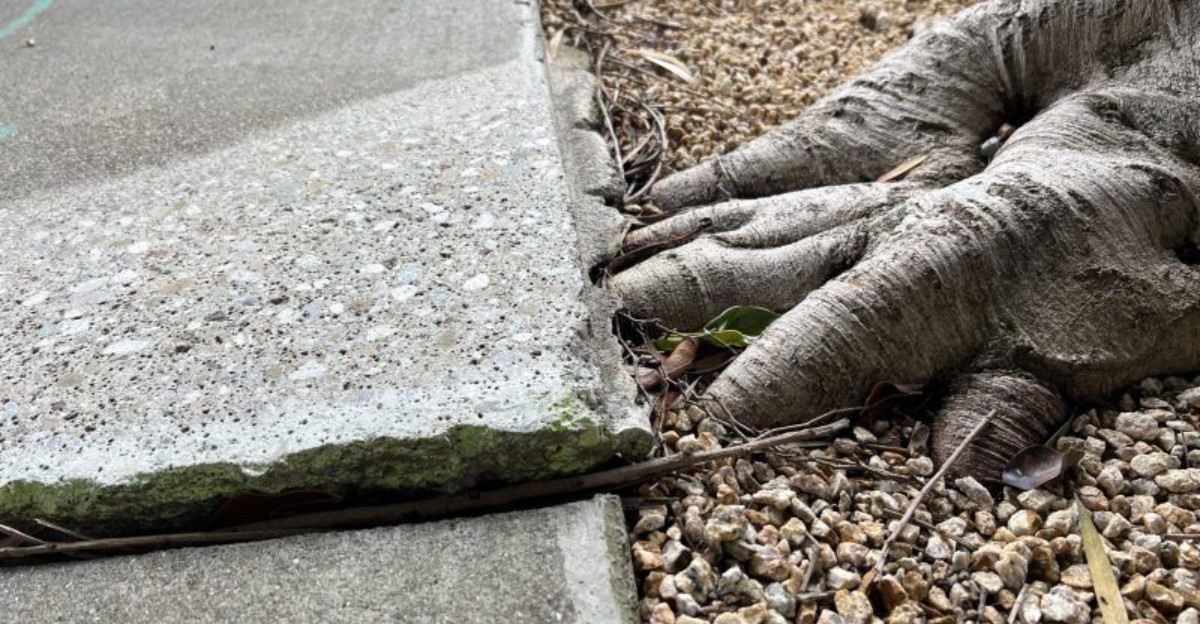
That tree lifting the sidewalk outside your California home can create a tricky situation. You may be dealing with cracked concrete, a growing trip hazard, and pressure to fix the problem, but that does not always mean the city can simply order you to cut down the tree.
California law gives cities authority to require property owners to maintain sidewalks in many situations, even though sidewalks generally sit within the public right-of-way.
Local rules can also determine who pays for repairs and what happens when tree roots are responsible.
The tree itself is a separate question. Some cities treat removal as a last resort, while others have specific rules for trees causing sidewalk damage.
Before agreeing to removal, check your city’s sidewalk and tree ordinances, find out who owns the tree, and ask what alternatives are available.
A repair, root-management plan, or other solution may be possible depending on your location.
1. The Sidewalk Problem Does Not Always Mean Tree Removal
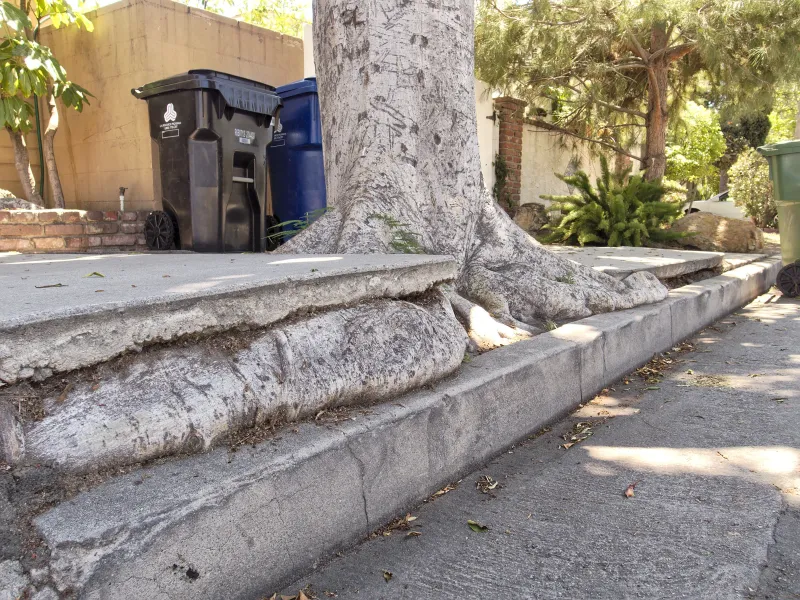
Cracked concrete does look alarming, but it rarely spells the end for a healthy tree. Cities usually care more about fixing the danger than about erasing the plant that caused it.
A lifted slab can often be ground down, replaced, or shifted around the roots. Contractors sometimes pour a new section that curves gently over the growth. These repairs solve the tripping hazard while the tree keeps standing tall.
Removal is normally treated as a last choice. Officials know that mature trees add shade, boost home value, and cool the street during hot summers. They would rather explore other repairs before losing all those benefits.
You may be asked to fix the walkway even when the tree stays. That fix could mean patching the concrete or installing rubber sidewalk panels that flex with roots.
The key takeaway is simple. A raised sidewalk is a repair problem first, not automatically a removal order. Ask your city what fixes they accept before assuming the tree must go.
Talk to a local public works office early. They can explain which repair methods pass inspection in your area. Getting answers up front saves money and often saves your beloved shade tree from an unnecessary chainsaw.
2. Cities Often Have Their Own Tree Rules
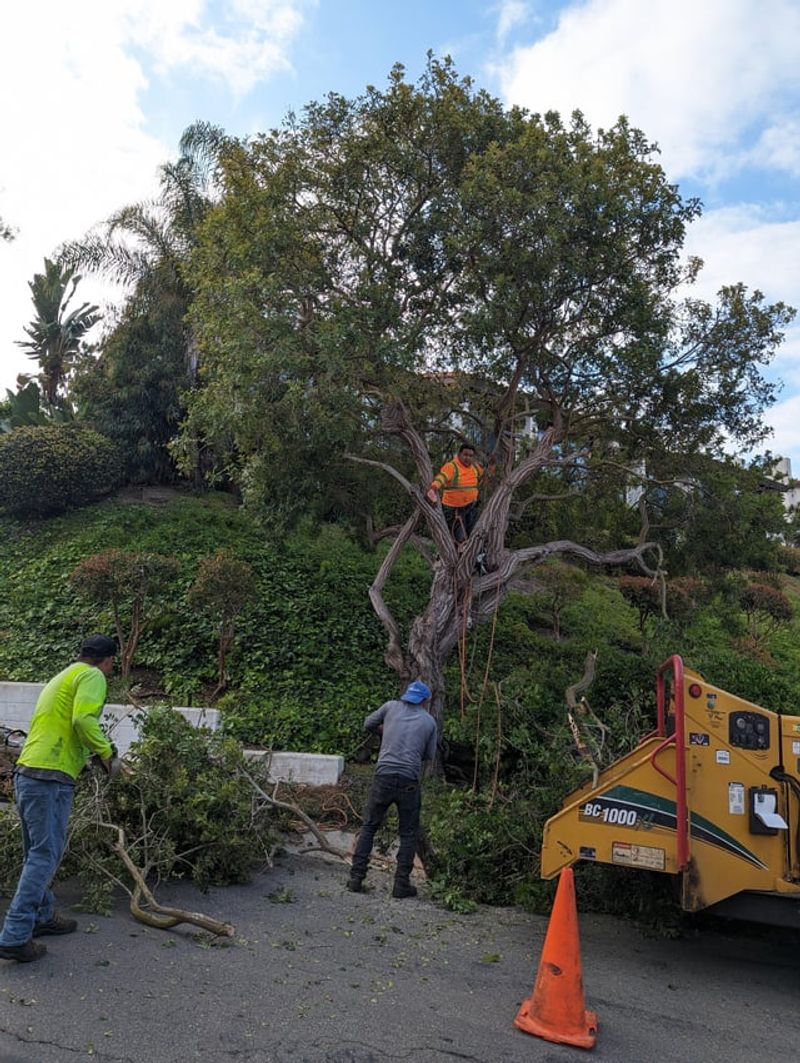
Every California city writes its own playbook when it comes to trees. What is required in Sacramento might be totally different from the rules in San Diego.
Local ordinances spell out who handles sidewalk damage and when a tree can be touched. Some cities require permits before any pruning or cutting happens. Others share the repair cost with homeowners under special programs.
Because the rules change from town to town, guessing is risky. A neighbor two cities over might have removed a tree easily, while your city protects the very same species.
Checking the municipal code is the smart move. Most cities post their tree rules online, and the public works or urban forestry department can walk you through them.
Pay attention to permit requirements especially. Cutting a tree without approval can lead to fines that cost far more than the repair itself.
Your California Garden Changes Every Week. Your Plan Should Too.
Gardening in California changes quickly throughout the season. Every Friday you’ll receive a simple weekly plan showing exactly what to plant, prune, fertilize, harvest, and protect so you never miss the right timing.
Some cities even offer free inspections or grants to help fix root-related sidewalk issues. Taking advantage of those programs can lighten your wallet’s load.
The bottom line here is that local rules control the whole process. Learn your city’s specific policy first, then decide your next steps with confidence instead of confusion.
3. Street Trees May Belong To The City
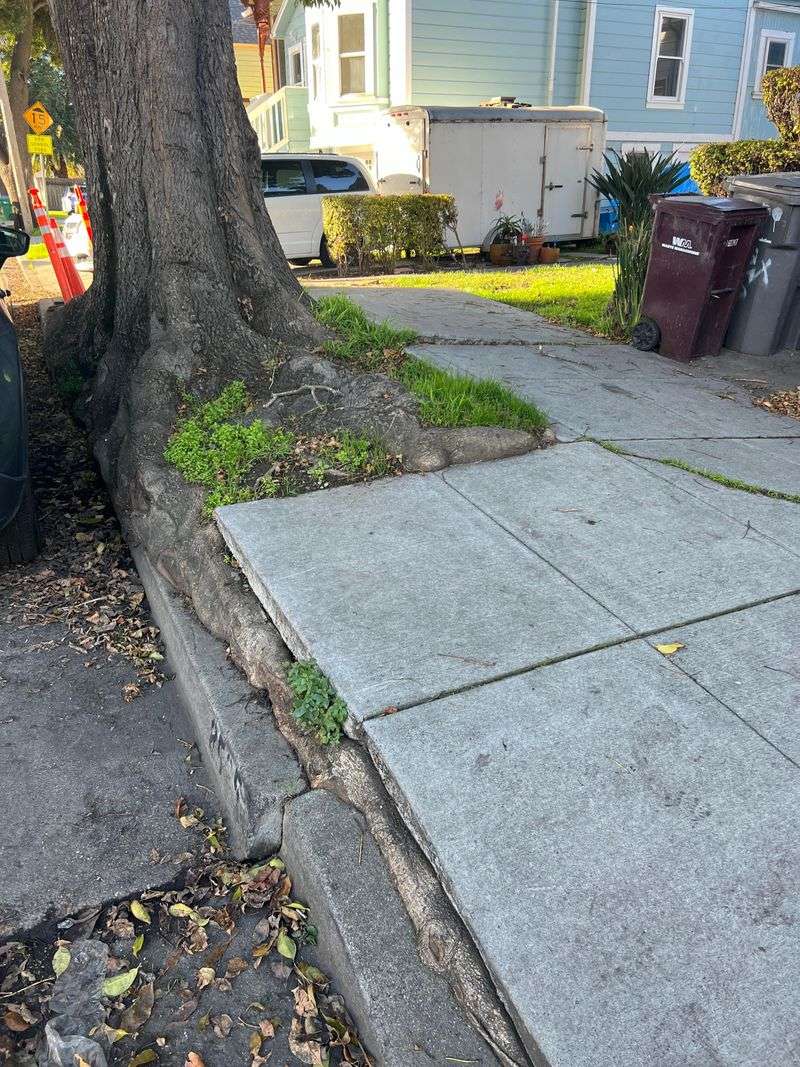
That tree near the curb might not even be yours. Trees planted in the strip between the sidewalk and the street are often owned by the city itself.
This planting area is called the parkway or the right-of-way. Even though it sits in front of your house, the local government usually controls the trees growing there.
When a city tree lifts the sidewalk, the city commonly handles the repair or removal. You may not be allowed to touch it at all without permission.
Trying to cut a street tree on your own can bring serious penalties. Homeowners have faced steep fines for removing what turned out to be public property.
The right move is to report the problem to the city. Submit a request and let their crews assess whether repair or removal makes sense.
Keep in mind that responsibility can be shared in some towns. Certain cities ask homeowners to maintain the sidewalk while the city cares for the tree above it.
Before you do anything, find out exactly who owns the tree. A quick call to public works clears up the mystery and protects you from an expensive mistake down the road.
4. Private Trees Can Still Be Subject To Local Rules
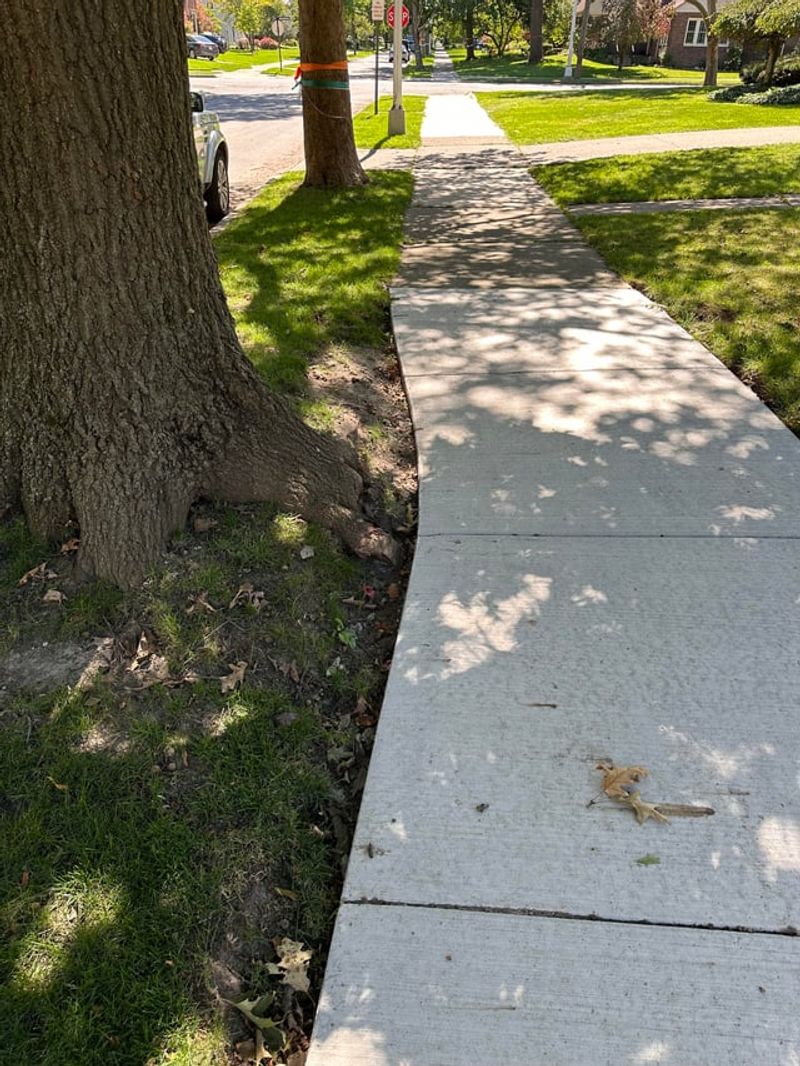
Owning a tree on your own property does not give you total freedom. California cities can still set rules about how you care for or remove it.
Even a tree well inside your yard may be covered by local codes if its roots damage public sidewalks. The city has an interest in keeping walkways safe for everyone.
Permits are often required before you cut down a large private tree. Skipping that step can trigger fines, even when the tree stands on land you clearly own.
Some neighborhoods add another layer through homeowner associations. Those groups may have their own tree rules on top of the city’s regulations.
The point is that private ownership and total control are not the same thing. Your rights come with responsibilities tied to public safety.
A good habit is checking both city codes and any HOA guidelines first. Knowing all the rules prevents surprise penalties later.
If the city says a private tree must be addressed, you usually pay for the work. Still, you often get to choose the contractor and the repair method.
Understanding these boundaries helps you plan smartly. You keep your options open while staying on the right side of the law.
5. Root Pruning May Be Considered Before Removal
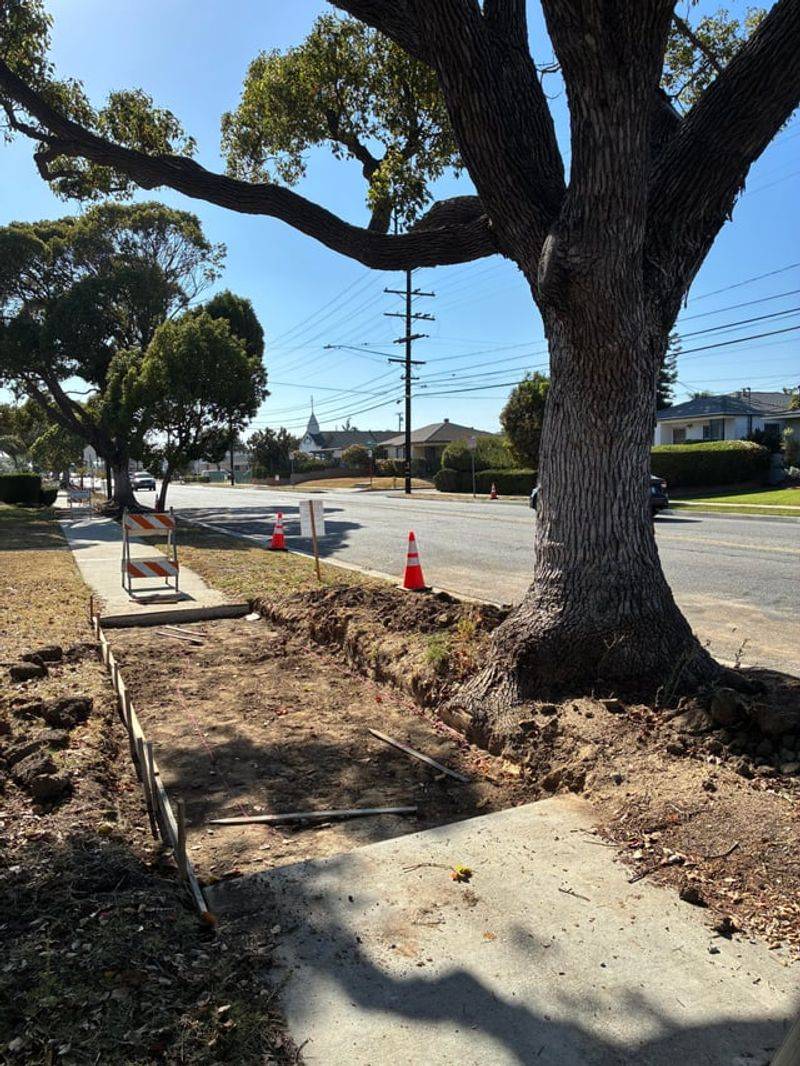
Before anyone reaches for a saw, root pruning often gets a look. Trimming the roots can relieve pressure on the sidewalk without losing the whole tree.
This method removes just the problem roots that push against the concrete. A trained worker cuts them cleanly so the tree can stay healthy and standing.
Timing and technique matter a lot here. Cutting too many roots at once can weaken a tree and make it unstable in wind.
That is why root pruning should be done by professionals. They know how much to remove safely and how to protect the tree’s balance.
Cities sometimes prefer this gentler fix because it keeps shade and beauty in the neighborhood. It can also cost less than full removal and concrete replacement.
Root barriers may follow the pruning. These plastic or metal panels guide future roots downward and away from the walkway.
Keep expectations realistic, though. Root pruning does not always work for very large or aggressive trees, so it might only buy a few years.
Asking about this option early is worth your while. If the city allows it, you could solve the sidewalk problem and still enjoy your tree for many seasons to come.
6. An Arborist May Need To Inspect The Tree
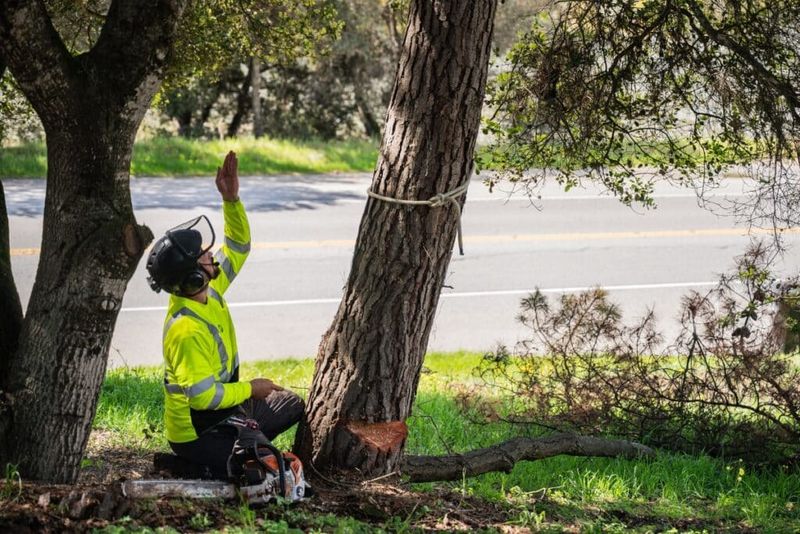
Guessing about a tree’s health can lead to bad choices. That is where a certified arborist steps in with expert eyes and real training.
An arborist studies the tree’s roots, trunk, and overall condition. Their report tells the city whether the tree can be saved or must be removed.
Many California cities require this inspection before approving removal. The professional opinion protects both the homeowner and the public.
These experts can also suggest fixes you might not know about. Options like cabling, pruning, or barriers may keep the tree in place safely.
Hiring one usually costs money, but the advice is valuable. You avoid removing a tree that could have stayed with a simple repair.
Look for someone certified by the International Society of Arboriculture. That credential means they meet trusted standards in tree care.
The arborist’s written report often becomes part of your permit paperwork. Cities trust these documents when deciding what action to allow.
Getting an inspection early gives you clear facts instead of worry. You learn the true condition of your tree and the safest path forward.
With solid expert guidance, your decision feels far less stressful. You can act knowing the choice is backed by science, not just a hunch about the tree.
7. Some Trees Have Special Local Protections
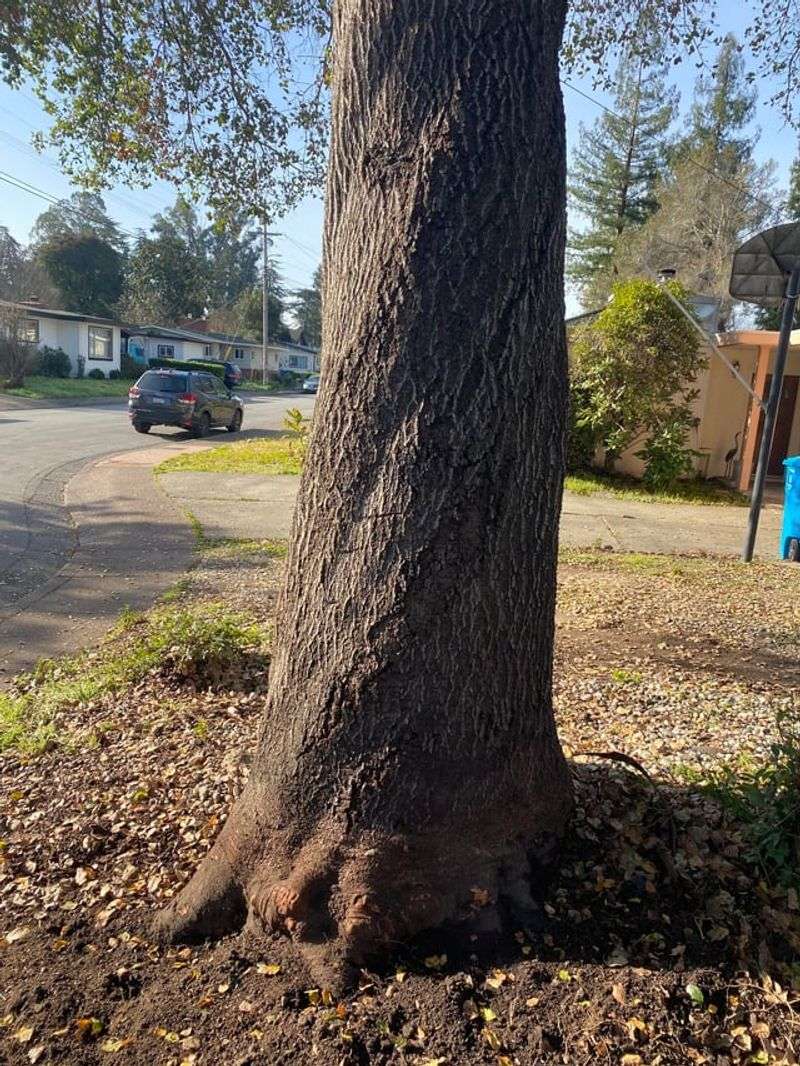
Not every tree can be cut down just because it lifts concrete. Some enjoy special protection under California’s local heritage and landmark tree laws.
Many cities keep lists of protected species and heritage trees. These are often old, large, or rare trees that carry historic or environmental value.
Protected status usually means extra permits and public review before removal. A city may deny the request even if roots are causing damage.
Oaks are a common example in California. Certain oak trees receive strict safeguards because they support wildlife and take generations to grow.
If your tree falls under these rules, removal becomes much harder. The city will likely push for repairs that preserve the trunk and canopy.
Finding out your tree’s status is an important early step. City records or an arborist can tell you if it holds protected standing.
Removing a protected tree without approval can bring heavy fines. Some penalties even require planting several new trees as replacement.
These protections exist for good reasons. Mature trees clean the air, cool streets, and give neighborhoods a sense of history and beauty.
Knowing whether your tree is protected shapes every choice you make. It could mean the difference between a repair project and a long permit battle.
8. Property Owners May Receive A Repair Notice
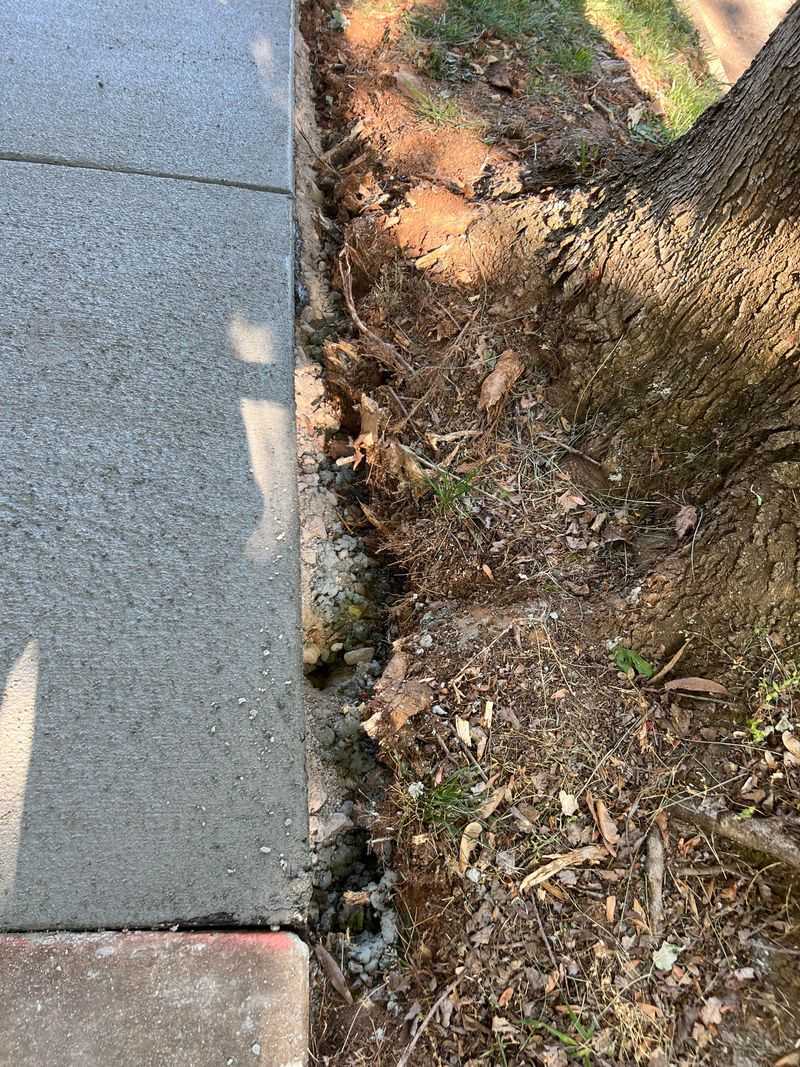
One day you might find an official letter about your sidewalk. Cities send repair notices when a walkway becomes unsafe for people passing by.
The notice usually explains the problem and gives you a due date. It may ask you to fix the concrete, prune roots, or address the tree involved.
Ignoring the letter is not a smart idea. Cities can fine you or do the work themselves and send you the bill.
California’s sidewalk laws sometimes place repair duty on the homeowner. That can be true even when a city-owned tree caused the damage.
Reading the notice carefully is your first task. Note the due date, the required work, and any contact person listed for questions.
Calling the city right away helps a lot. You can ask about repair programs, cost sharing, or extra time to complete the job.
Some cities split the cost of these fixes with residents. Others offer grants that lower your out-of-pocket expense.
Keep copies of every letter and permit you receive. Good records protect you if any dispute pops up later.
Responding quickly and politely usually leads to the best outcome. Cities tend to work with owners who show they want to solve the sidewalk problem right.