Something Is Moving Into Louisiana’s Backyard Ponds This Month
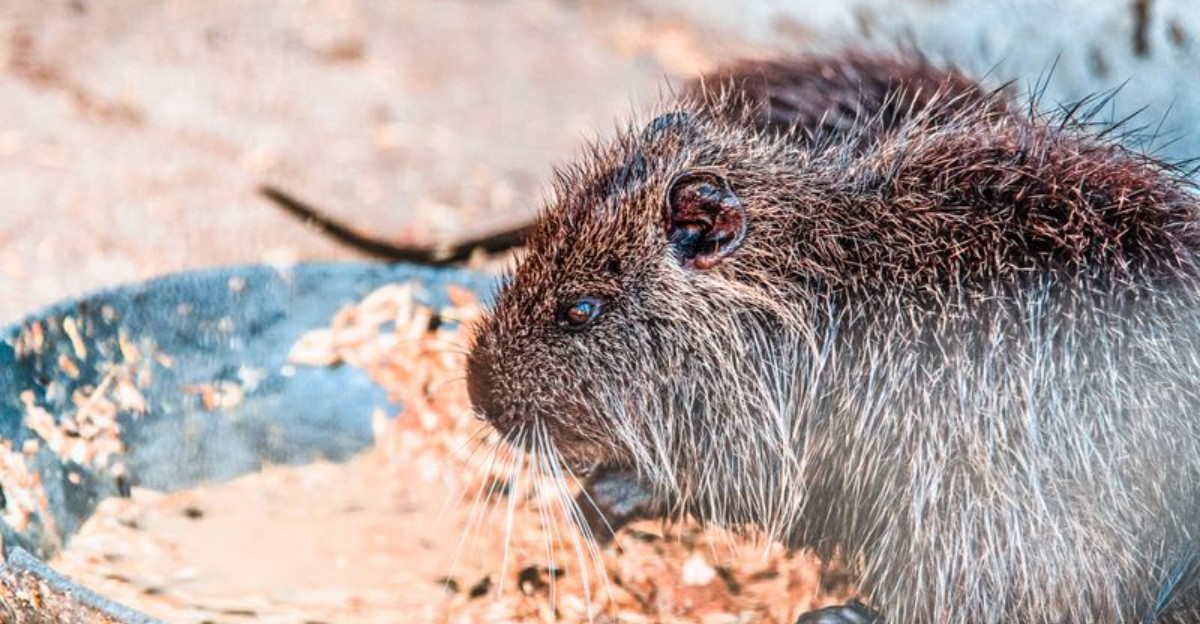
September evenings in Louisiana hide a secret near your pond. Fresh trails now cut across your yard sometime after midnight. Something moved through your water without being seen.
Bite marks cover your water lilies near the muddy bank. Cooler nights pull this visitor closer toward your calm pond. Webbed prints press deeper into your muddy bank tonight again.
Orange stains cling tightly near your water’s edge after dark. Residents have started reporting new activity in Louisiana yards. Wildlife officials are tracking a species reshaping backyard ponds.TR
Populations grow fast once this visitor settles near your water. Damage spreads quickly through your roots, banks, and favorite plants. Ignoring these signs invites far costlier repairs across your yard.
Understanding this visitor now spares you serious trouble later on. Watching your pond closely tonight reveals more than expected here. What you uncover next changes how you see this pond.
Orange Teeth And A Rat-Like Tail Give It Away
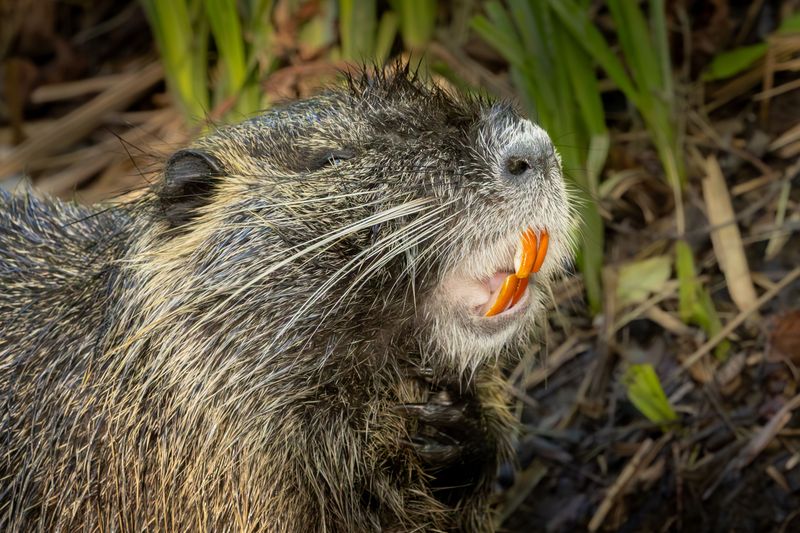
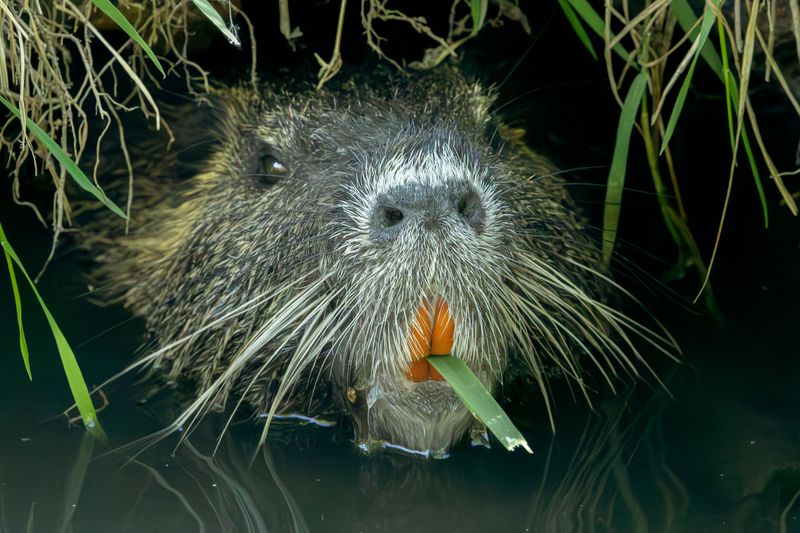
Bright orange front teeth are the giveaway. Nutria carry that rusty color thanks to iron in their tooth enamel, which makes their chompers tough enough to slice through thick marsh roots.
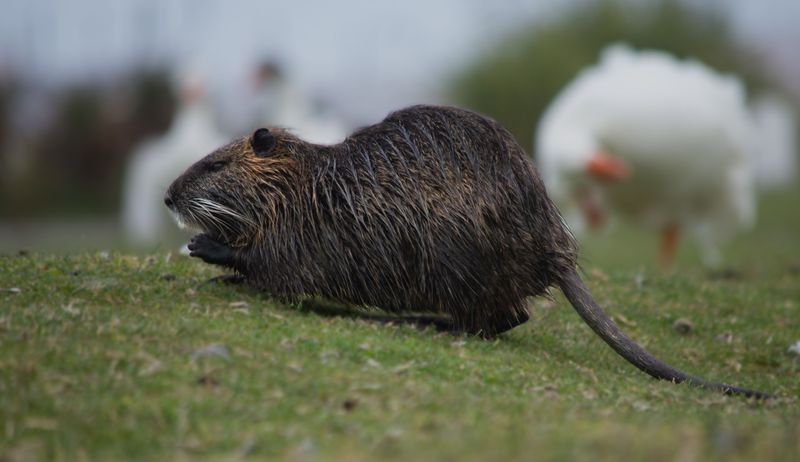
From a distance, folks mix them up with beavers or muskrats all the time. The tail settles the argument, though: a beaver’s tail is flat and paddle-shaped, while a nutria drags a long, round, nearly hairless tail behind it like a rope.
Size-wise, a grown nutria runs about 15 to 20 pounds and stretches roughly two feet from nose to rump. Add another foot or more for that tail.
Their back feet are webbed for swimming, and their nostrils and eyes sit high on the head so they can cruise with just a sliver of face above the waterline.
Fur color ranges from dark brown to a faded reddish tan, and the muzzle usually shows a patch of white whiskers. Young ones look almost cute, bobbing along behind their mother in a little row.
Here is a quirky bit of history: nutria arrived in Louisiana in the 1930s tied to the fur trade, and some escaped into the marshes. From that small start, they spread across the coast and eventually into neighborhoods.
Knowing what you are looking at matters, because the management rules and the damage patterns differ between species. Snap a photo if you can, and compare that tail.
Why September Nudges Them Toward Your Pond
Late summer in Louisiana does strange things to water levels. Marshes and bayous dry back, salt creeps inland after storm surges, and the buffet in the wild gets thinner than it was in June.
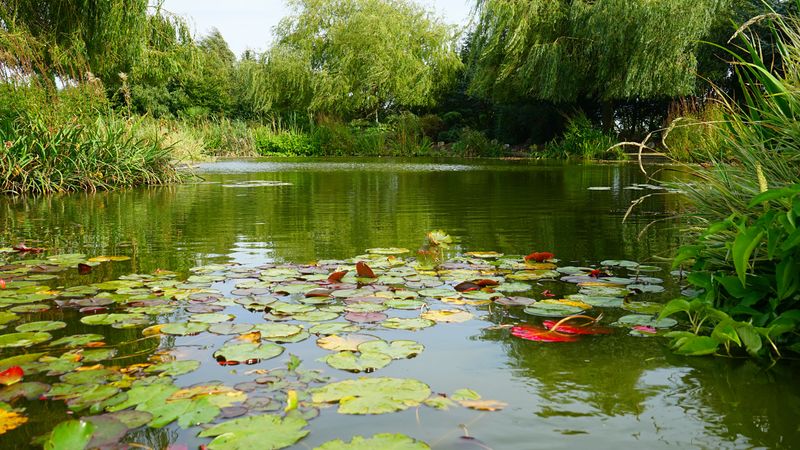
Backyard ponds, meanwhile, stay steady. Homeowners top them off, run aerators, and plant soft green things along the edges.
To a nutria paddling through the neighborhood drainage ditch, that looks like a five-star setup.
September also falls in the middle of a busy breeding stretch. Females can produce two or three litters a year, with litter sizes that vary and can sometimes be considerably larger than four to six young.
Your Louisiana Garden Changes Every Week. Your Plan Should Too.
Gardening in Louisiana changes quickly throughout the season. Every Friday you’ll receive a simple weekly plan showing exactly what to plant, prune, fertilize, harvest, and protect so you never miss the right timing.
Older animals push youngsters out of crowded territory, and those wandering juveniles go looking for quieter real estate.
Hurricane season plays a role too. Heavy rain floods low spots and lets nutria travel through culverts and swollen ditches into places they could not reach in drier weeks.
Then the nights cool off. Nutria feed more actively in comfortable temperatures, and a mild September evening is about perfect for a long grazing session on pond-edge grass.
All of that lines up into one simple pattern: more animals, more water highways, and better food in your yard than in the marsh down the road.
Walk your pond edge this month and look for fresh slides, flattened grass paths, and floating clipped vegetation. Catching the arrival early gives you far more options than discovering a whole family in November.
Chewed Banks And Hollow Ground Under Your Feet

Step near the water and feel the ground give a little. That soft, hollow sensation often means burrows run beneath your boots.
Nutria dig tunnels into banks and levees, sometimes stretching 20 feet back into the soil with several chambers. The openings usually sit right at or just below the waterline, which makes them easy to miss until the bank starts sagging.
Over a season, that tunneling turns a firm shoreline into crumbly, collapsing dirt. Rain finishes the job, washing soil into the pond and leaving muddy water and shallow, silted edges.
The damage rarely stops at the pond. Nutria burrow into garden beds, drainage berms, and the earth around retaining walls, and in coastal Louisiana, nutria burrowing has been linked to weakened levees and flood-control structures.
This is a regional issue, distinct from typical backyard pond damage.
Watch for a few clear signs. Slick mud slides leading from water to lawn, trails of clipped plants, scattered droppings that look like short dark tubes with fine grooves, and five-toed tracks with webbing showing between the back toes.
You may also spot bare patches where marsh grass used to grow thick. Nutria pull up roots rather than just nibbling tops, so the plants have trouble growing back on their own.
If you notice bank slumping near a dock, shed, or fence post, take it seriously. Repairing a caved-in shoreline costs far more than adding protection before the tunnels spread further.
Your Water Plants Are On The Menu
A hungry nutria can put away roughly a quarter of its body weight in plants daily. For a 16-pound animal, that is around four pounds of greenery gone before breakfast is even over.
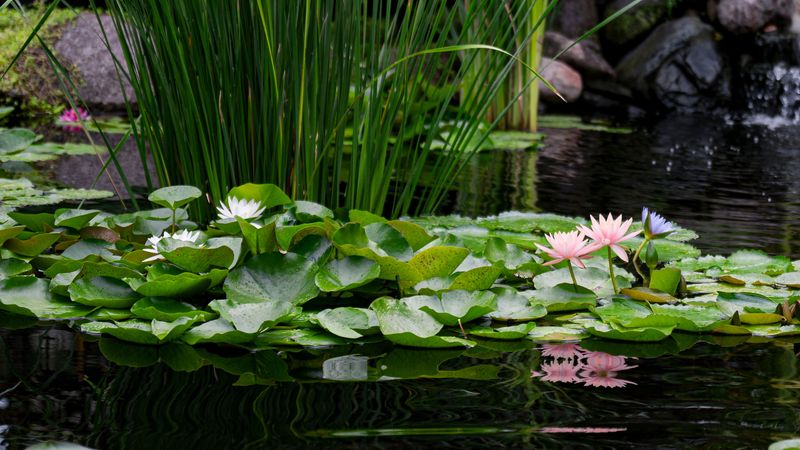
Water lilies, pickerelweed, cattails, arrowhead, and soft young shoots vanish first. Nutria also wade into lawns, dig into vegetable gardens, and gnaw the bark off young ornamental trees near the water.
The frustrating part is how they feed. Instead of trimming the leafy tops like a deer might, they dig up and eat the roots and rhizomes, which stops regrowth for a long stretch.
Gardeners near the coast know the result as eat-outs. What starts as scattered bare spots spreads into wide patches of naked mud where a green edge used to be.
That plant loss hurts the pond itself. Shoreline plants filter runoff, shade the shallows, hold soil in place, and give dragonflies, frogs, and small fish somewhere to hide.
Protecting favorite plantings works better than replanting repeatedly. Wire cages around young trees, hardware cloth collars, and low fencing set a few inches into the soil give tender growth a fighting chance.
Choosing tougher native plants along the bank helps too, especially species with deep, fibrous root systems.
Keep an eye on which plants disappear first. That pattern tells you where the animals enter the pond, and where your defenses matter most.
Health Concerns Worth Taking Seriously
Cute from a distance does not mean safe up close. Nutria can carry parasites and bacteria that pass into pond water, including organisms linked to skin rashes sometimes called swimmer’s itch.
Leptospirosis is another concern. The bacteria spread through urine into water and wet soil, and dogs that swim or drink from an infested pond face real exposure risk.
Roundworms, tapeworms, and blood flukes show up in nutria populations as well. Ticks and other hitchhikers ride along on their fur and drop off in your yard.
Practical habits go a long way. Keep children and pets from wading in water where nutria are active, rinse off after any contact, and wear gloves if you handle traps, droppings, or damaged soil.
Talk with your vet about leptospirosis vaccination for dogs, especially if you live near bayous, drainage canals, or a pond that stays wet year-round.
Nutria also act defensively when cornered. Those long orange incisors and sharp claws can leave a serious wound, so give any animal on land a wide path to the water.
Do not hand-feed them, ever. Fed animals lose their wariness, hang around longer, and bring family members along.
Report unusual behavior, such as an animal stumbling in daylight, to Louisiana Wildlife and Fisheries rather than approaching it yourself.
A little caution keeps pond time pleasant for everyone in the household, including the four-legged swimmers.
Smart, Legal Ways To Make Your Pond Less Inviting
Good news for frustrated pond owners: Louisiana classifies nutria as an outlaw quadruped, which allows landowners to remove them from their property year-round.
Local ordinances, firearm laws, and trapping regulations still apply, so a quick call to your parish office is smart before you act.
Start with habitat changes, since those last longer than any single removal. Clear brush piles, trim thick bank vegetation, and remove the low cover that makes a shoreline feel safe to a shy rodent.
Fencing helps a lot. Wire mesh buried six to twelve inches deep and standing about three feet tall blocks both digging and climbing along key stretches.
Sloped rock riprap along the bank discourages burrowing because loose stone makes poor tunnel walls. It also slows erosion that is already underway.
Cut off easy food. Secure pet dishes, clean up fallen fruit and spilled birdseed, and skip tossing bread or corn into the water.
The state runs the Coastwide Nutria Control Program, which pays registered participants per tail during a designated season. Check current LDWF guidelines for exact dates and rates.
Licensed trappers in your area often handle backyard situations for a reasonable fee. For stubborn problems, a nuisance wildlife control operator brings the right traps and knows the handling rules.
Act while the trails are fresh. A pond that feels exposed and offers thin pickings usually loses its appeal before winter arrives.