Can An Oregon Neighbor Ask You To Remove Plants Growing Through A Shared Fence?
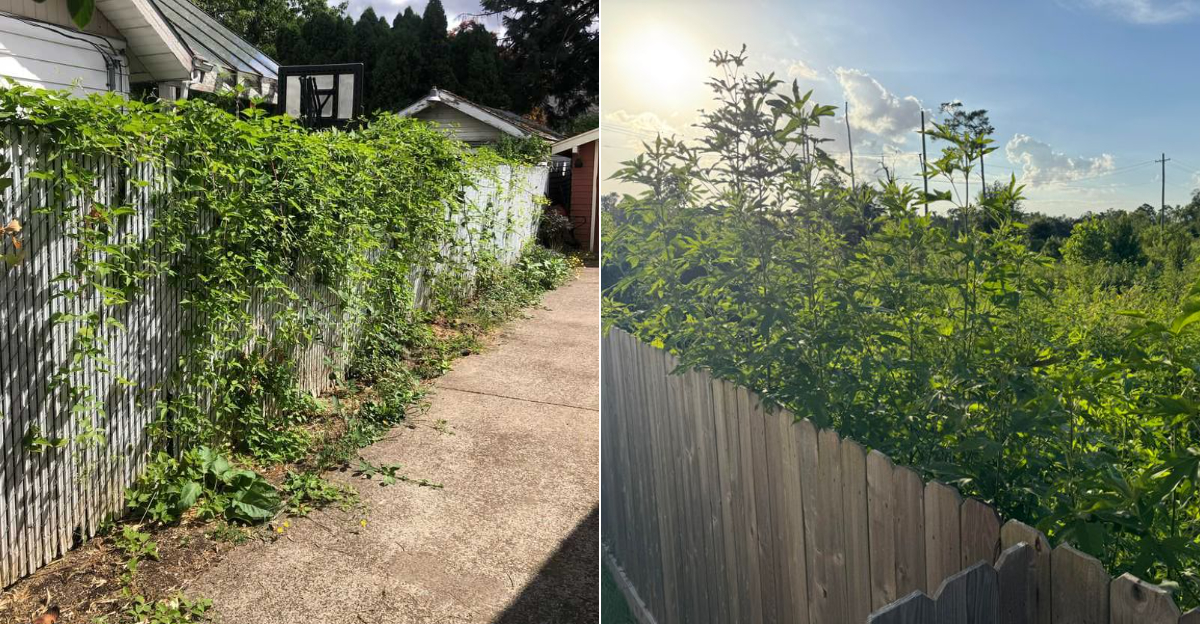
A shared fence can keep the peace until one ambitious vine decides property lines are merely a suggestion.
Soon, leaves are poking through the slats, branches are leaning into the neighbor’s yard, and a friendly conversation starts feeling slightly less friendly.
The tricky part is that plants do not care who paid for the fence. They grow toward light, follow open space, and create awkward questions nobody planned to answer on a Saturday morning. Garden drama rarely sends a warning.
A neighbor may see the greenery as invasive or damaging, while the person who planted it may see a harmless bit of overflow.
That difference can quickly turn a simple trimming request into a tense boundary issue.
Knowing how to handle the situation matters just as much as knowing who is responsible. A calm response can prevent a small plant problem from growing into a much bigger dispute.
1. Asking Does Not Always Mean You Must Remove Them
A neighbor knocking on your door about plants growing through the fence can feel alarming at first. But here is the truth: just because someone asks does not mean you are legally required to act right away.
Requests between neighbors are often informal, and there is no automatic legal obligation tied to a simple conversation.
Oregon property law generally allows homeowners to grow plants on their own land. As long as your plants are rooted on your side of the fence, you have the right to grow them.
The request from your neighbor is a starting point, not a legal order.
That said, being a good neighbor still matters. Refusing to talk or being dismissive can turn a small issue into a much bigger one.
A friendly response goes a long way. You might not have to remove anything, but showing you care about the relationship helps keep things civil.
Sometimes a neighbor just wants to feel heard. They may not even know what their legal rights are either.
Taking the time to have a calm, respectful conversation can prevent things from escalating to complaints, mediation, or even court. You can listen without agreeing to anything.
Stay calm, ask questions, and take notes if needed.
2. Shared Fence Damage Changes The Conversation
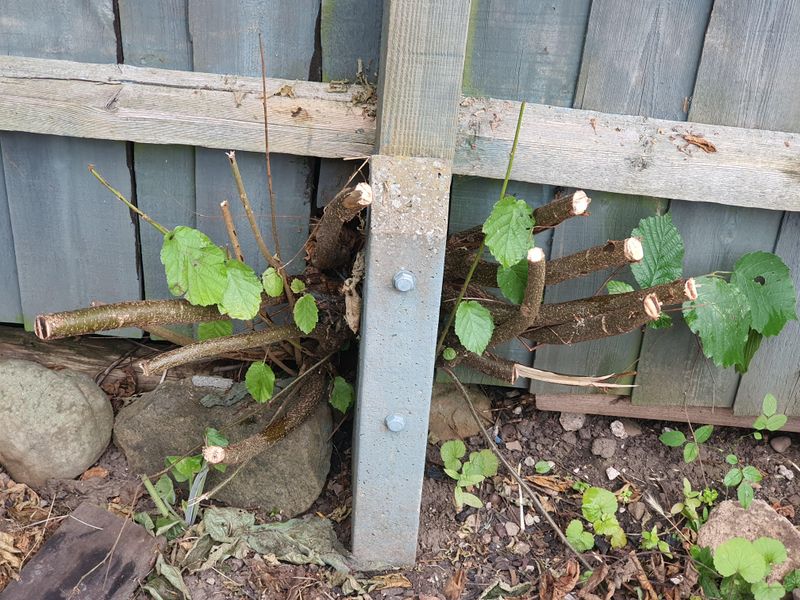
When plants are simply peeking through a fence, it is one thing. When those same plants are actually causing damage to the fence structure, the situation becomes more serious.
Cracked boards, bent posts, and broken slats are real problems that can lead to real costs.
Shared fences in Oregon are often considered joint property. That means both neighbors share the responsibility of maintaining them.
If your plants are causing the fence to break down, your neighbor has a much stronger argument for asking you to do something about it.
Oregon law does allow a neighbor to seek compensation for damage caused by plants growing from your property.
If roots or thick vines have cracked fence panels, you could potentially be held responsible for repair costs. That changes the conversation from a friendly request to a legal one.
Your Oregon Garden Changes Every Week. Your Plan Should Too.
Gardening in Oregon changes quickly throughout the season. Every Friday you’ll receive a simple weekly plan showing exactly what to plant, prune, fertilize, harvest, and protect so you never miss the right timing.
The best move is to inspect the fence regularly. Look for signs that your plants are pushing through boards or putting pressure on posts.
Catching the problem early makes it easier and cheaper to fix. If you notice damage, address it before your neighbor has to bring it up.
Proactive care protects your plants, your fence, and your relationship with the people living next door. Do not wait for things to get worse before taking action.
3. Overgrowth Onto Their Side Can Be Trimmed
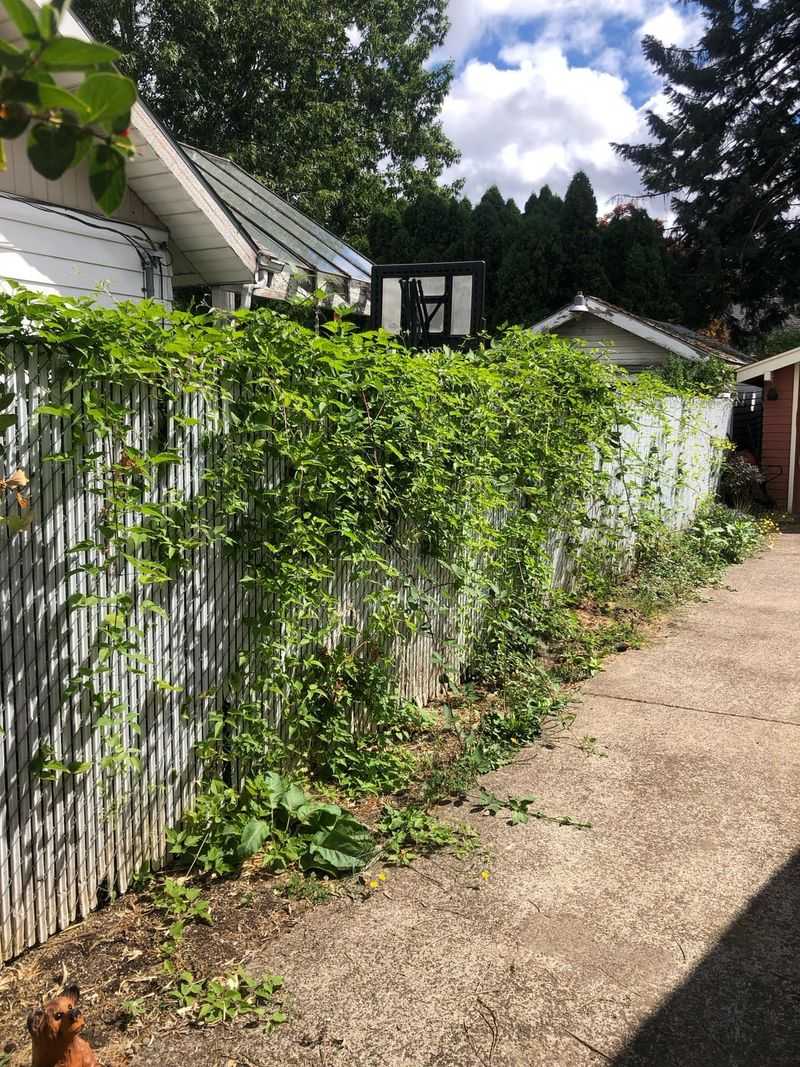
Here is something many homeowners do not realize: your neighbor already has the legal right to trim anything that crosses the property line.
Branches, vines, and stems that hang or grow onto their side of the fence are fair game. They do not need your permission to cut them back.
This is a widely accepted principle in property law across the country, including Oregon. Your neighbor can trim overgrowth back to the property line, but they cannot go further than that.
They also cannot come onto your property to do the trimming without your approval.
What they cannot do is purposely harm the plant at its root or core. Trimming is acceptable, but anything that goes beyond that could be considered property damage.
So while they have trimming rights, those rights have limits too.
Knowing this ahead of time can actually be a relief. If your neighbor is bothered by vines creeping over the fence, they can handle that part themselves without needing to involve you at all.
You might want to agree on how much trimming is reasonable so neither side feels surprised. Setting expectations early avoids misunderstandings.
A quick chat about trimming preferences can go a long way toward keeping both yards looking good and both neighbors feeling respected.
4. Roots And Vines Can Create Bigger Problems
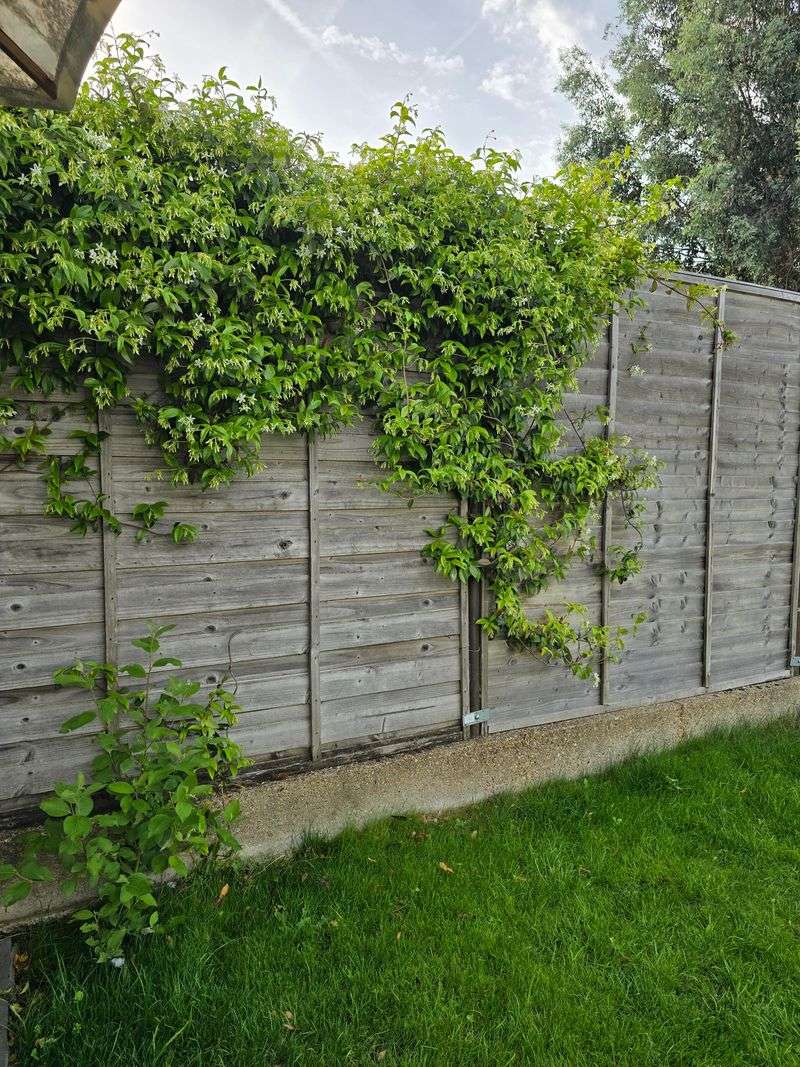
Not all plant problems are visible at first glance. Sometimes the biggest issues are hiding underground.
Roots from trees, shrubs, and fast-growing vines can travel far and cause damage that neither neighbor notices until it is too late.
Roots that push under a fence can lift or tilt fence posts over time. They can also crack concrete footings, damage underground utilities, or spread into a neighbor’s garden beds.
Vines that weave through fence boards can eventually pull them apart as the plant grows thicker each season.
In Oregon, if your plant’s roots damage your neighbor’s property, you could be held liable. That includes damage to their garden, their structures, or even their utility lines.
The fact that the plant is rooted on your land does not fully protect you from responsibility for where those roots travel.
Checking on your plants each spring and fall is a smart habit. Look at the base of the fence for signs of root pressure.
If a plant is growing unusually fast, it might be worth researching how far its roots typically spread. Some plants are known to have aggressive root systems that travel much farther than expected.
Choosing plants with less invasive root behavior near shared fences is a simple way to prevent these kinds of issues before they start. Prevention is always easier than repair.
5. Fence Ownership Matters More Than Most People Think
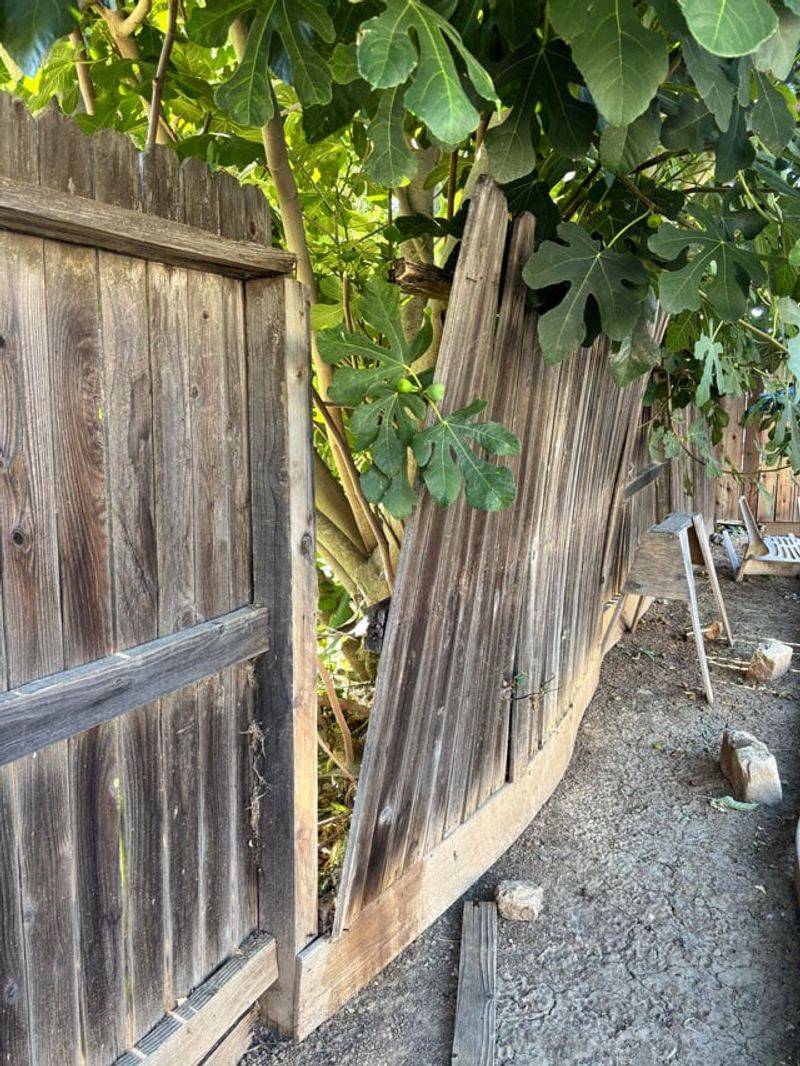
Before any plant dispute can be fully resolved, it helps to know who actually owns the fence. Fence ownership is not always split evenly between neighbors.
In many cases, a fence belongs entirely to one person, and that changes the rules significantly.
Oregon fence ownership is often determined by where the fence is built. If the fence sits entirely on your property, you own it.
If it sits on the property line, it is typically considered shared. But assumptions can lead to big mistakes, so checking is always worth the effort.
When you own the fence, you have more control over what happens to it. Your neighbor cannot demand changes to a fence that is entirely on your land.
But if they own the fence, they may have the right to ask you to remove plants that are damaging their structure.
Many homeowners have never looked into fence ownership because it never came up before. A plant dispute is often the first time the question gets asked.
The answer can shift the entire conversation. Knowing who owns the fence helps both sides understand their rights and responsibilities clearly.
You can check property records, review old permits, or hire a surveyor if needed. Getting this information early in a dispute prevents a lot of back-and-forth and helps move toward a fair resolution faster.
6. Property Lines Should Be Confirmed First
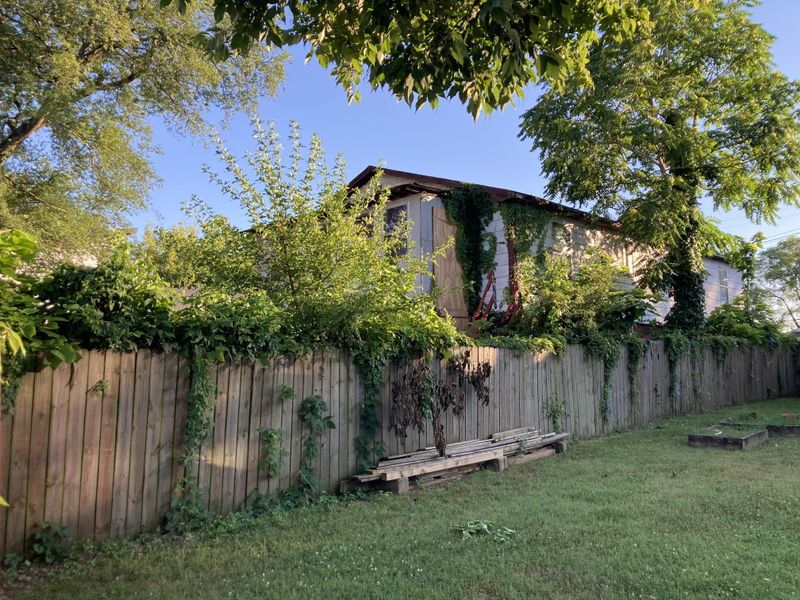
One of the most common mistakes in neighbor disputes is assuming where the property line actually is. Fences do not always follow property lines exactly.
Over the years, fences get replaced, moved, or installed slightly off course, and most homeowners never notice.
If your neighbor claims your plants are growing onto their property, the first smart step is to confirm the actual boundary. A licensed surveyor can do this accurately.
Property records from the county are also a helpful starting point and are often available online.
You might discover that the fence is not on the property line at all. In some cases, the fence sits a foot or two inside one neighbor’s yard.
That small difference can completely change who has the right to ask for what. It can also affect who is responsible for fence maintenance and repairs.
Getting a survey done is not cheap, but it is much cheaper than a legal dispute. If both neighbors agree to split the cost, it becomes even more affordable.
The results give both sides a clear, documented answer to work from. Once the property line is confirmed, conversations about plant removal, trimming, or damage become much more straightforward.
Guessing or going off old memories is not a reliable way to settle boundary questions. Solid documentation always wins in these situations, and it protects both parties from future disagreements too.
7. A Written Request Helps Avoid Confusion
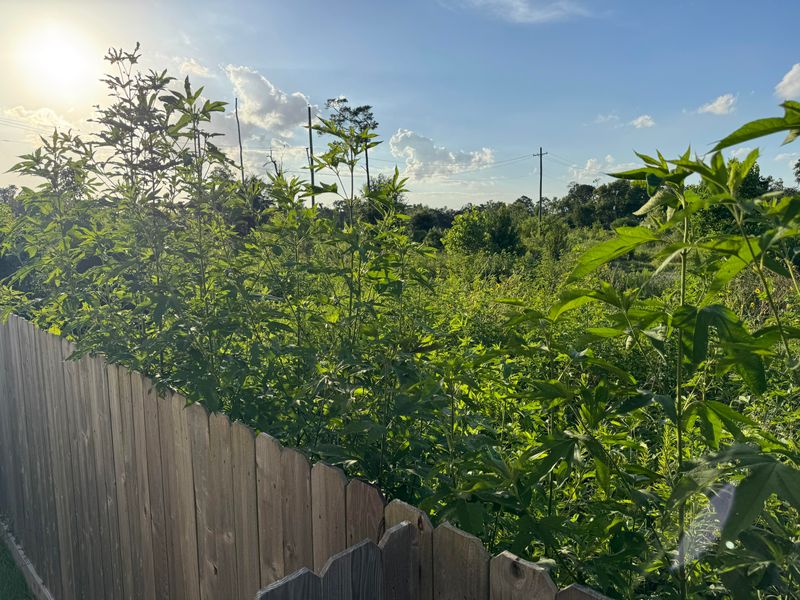
Verbal conversations can be easy to misremember. One neighbor says one thing, the other hears something different, and suddenly there is a disagreement about what was even agreed to.
Putting things in writing removes that uncertainty from the start.
If your neighbor has asked you to remove plants verbally, following up with a written message is a smart move for both sides. It does not have to be a formal legal letter.
A simple email or note that outlines what was discussed is enough to create a clear record of communication.
For the neighbor making the request, a written note creates documentation. If the situation ever moves toward mediation or small claims court, having a paper trail matters.
For the homeowner receiving the request, a written response gives them time to think and respond thoughtfully rather than reacting in the moment.
Keeping things polite and factual in writing is key. Avoid emotional language or accusations.
Stick to the facts: what the plants are doing, where they are growing, and what outcome you are hoping for. Written communication also gives both sides a chance to look up relevant laws before responding.
Many disputes get resolved simply because writing things down forces people to be clear and specific.
A short, respectful written exchange can prevent a lot of frustration and help both neighbors move toward a fair solution without involving lawyers or courts.
8. Invasive Plants Make The Issue More Serious
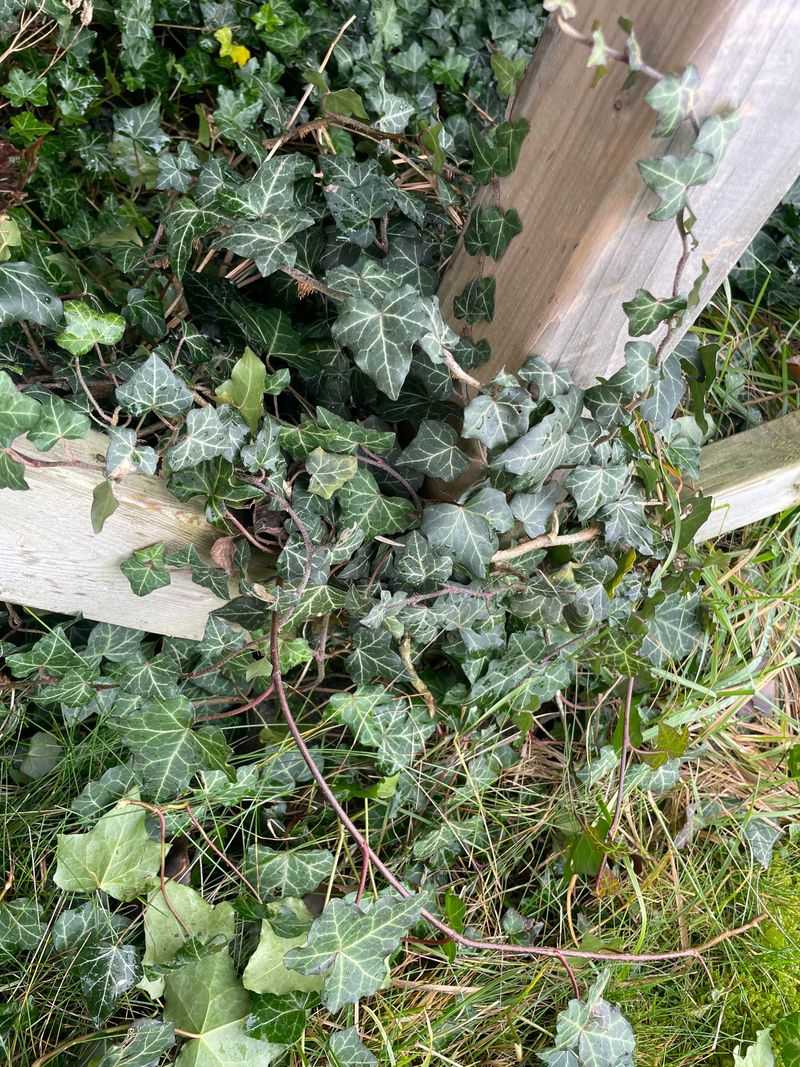
Not all plants are treated equally under the law. Some species are classified as invasive, and that classification comes with real legal weight.
Invasive plants spread aggressively, harm native ecosystems, and can be very difficult to remove once established.
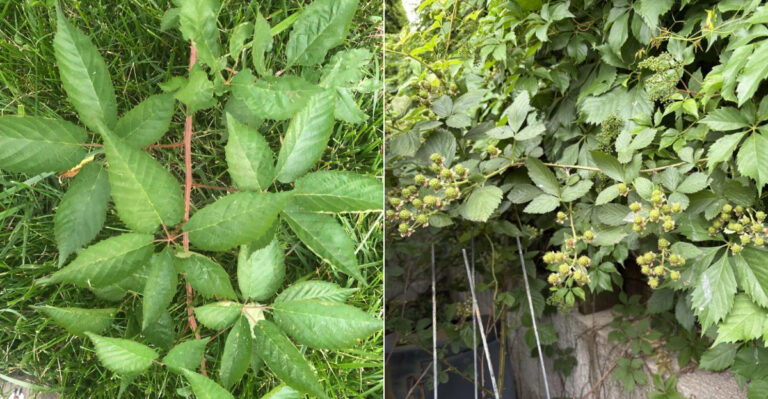
In Oregon, certain plants like English ivy, Himalayan blackberry, and Japanese knotweed are considered serious invasive species.
If you are growing one of these near a shared fence, your neighbor may have a stronger legal argument for asking you to remove or control it.
Oregon has regulations around invasive species, and some counties have specific rules about allowing them to spread onto neighboring properties.
If an invasive plant from your yard crosses into your neighbor’s yard, you could face more than just a neighbor complaint. Local authorities may also have a say.
Even if you did not plant it on purpose, you are still responsible for what grows on your property. Many invasive plants spread on their own through birds, wind, or underground runners.
Checking your yard for known invasive species is a responsible thing to do. If you find one near the fence, taking action early is much easier than dealing with a full infestation later.
Removing or controlling invasive plants also protects your own garden and helps preserve the local environment that everyone in the neighborhood shares.
It is one of those situations where doing the right thing also happens to be the smart thing.