Maryland Trees That Can Handle This Heat Dome, And The Trees That Cannot
Maryland’s thermometer keeps climbing past triple digits, and your trees are already sorting themselves into two camps.
Some species shrug off a heat dome the way a duck shrugs off rain, canopy staying green and unbothered. Others start failing within days, curling at the edges, browning along the veins.
Most homeowners walk right past these signals, chalking up early leaf drop to ordinary summer wear and tear. The species you planted, and where you planted it, decide who survives this stretch of triple-digit afternoons.
Catching the early signs now, before bark splits or entire limbs give out, is what separates a scare from serious decline.
Kentucky Coffeetree
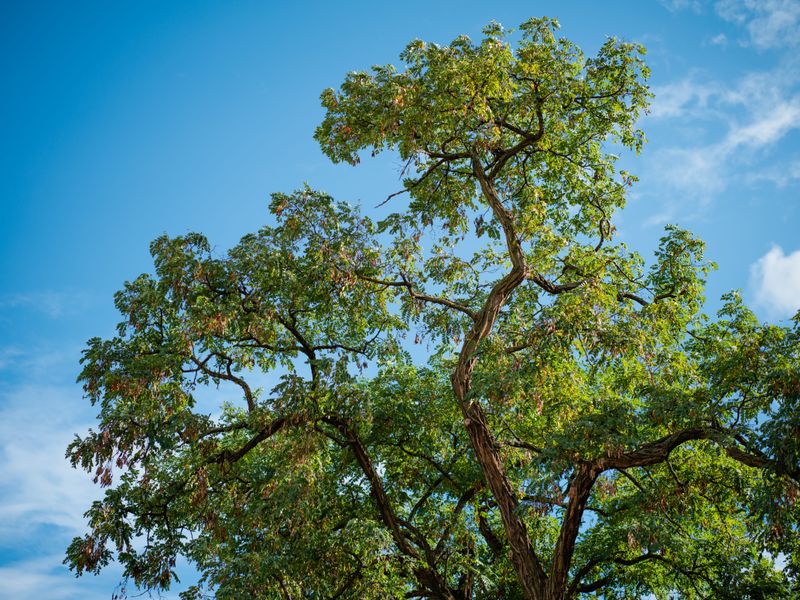
Tough as old boots and twice as reliable, the Kentucky Coffeetree laughs at heat domes. This native powerhouse holds up well through extended stretches of extreme heat, making it one of the best trees for Maryland landscapes right now.
Its thick, leathery leaves resist moisture loss better than most species on the block. The waxy coating on each leaflet acts like a natural sunscreen, bouncing back intense solar radiation without flinching.
Coffeetrees are famously adaptable, tolerating compacted urban soil and drought once established. That adaptability lets them perform well under sustained heat pressure even in less-than-ideal planting sites.
Stressed trees typically turn into magnets for opportunistic pests and disease, but Kentucky Coffeetree rarely gives insects or fungus a foothold. That natural resistance means less monitoring and fewer emergency treatments right when your schedule is already stretched thin from the heat.
Homeowners who planted one a few years ago are watching it sail through this summer unbothered. Meanwhile, neighboring trees are wilting dramatically by mid-afternoon every single day.
The tree also has an interesting quirk: its seeds were once roasted and brewed like coffee by early settlers. That historical toughness is baked right into its DNA, and your yard gets to benefit from every bit of it.
If you want a shade tree that earns its keep during a heat dome, this one belongs at the top of your list. Plant it, water it once to establish, and then step back and let it work.
Eastern Redcedar
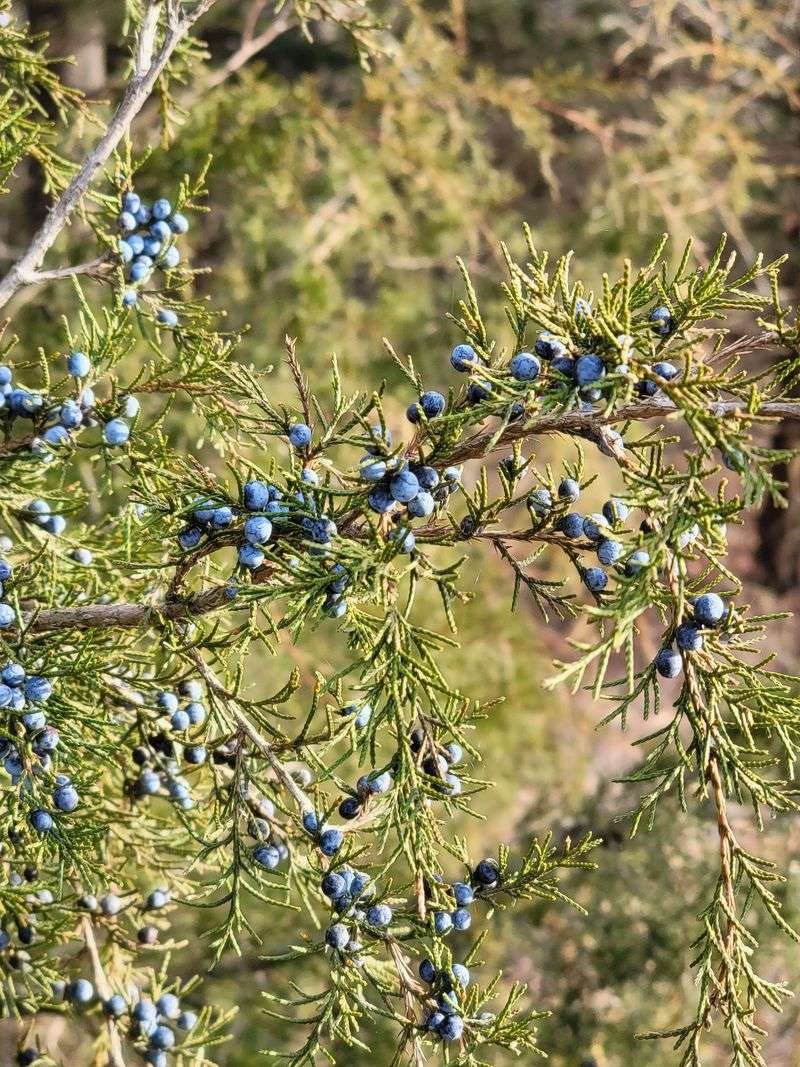
Walk past an Eastern Redcedar in August and you will notice something remarkable: it looks nearly identical to how it did in April. This evergreen warrior does not budge when heat domes roll through Maryland.
Its needle-like foliage is engineered to minimize water loss during extreme conditions. Each tiny leaf surface reduces the amount of moisture escaping into that scorching, dry air overhead.
Eastern Redcedars grow naturally on dry ridges, roadsides, and abandoned fields across the Mid-Atlantic. Those are not cushy environments, and that gritty origin story explains the tree’s legendary resilience.
During this current heat event, redcedars are holding their blue-green color without irrigation. That is a serious flex when every other plant in the yard looks slightly defeated by noon.
Birds absolutely love this tree, especially in summer when berries ripen into a dusty blue. Cedar waxwings will show up like tiny, crested houseguests who never announce their arrival in advance.
Your Maryland Garden Changes Every Week. Your Plan Should Too.
Gardening in Maryland changes quickly throughout the season. Every Friday you’ll receive a simple weekly plan showing exactly what to plant, prune, fertilize, harvest, and protect so you never miss the right timing.
One caution worth mentioning: Eastern Redcedar can spread aggressively in open fields. Managing its spread keeps it a landscape asset rather than an uninvited takeover artist eating your property line.
For a low-maintenance, heat-proof, wildlife-friendly tree, nothing beats this native gem. Plant it in full sun, ignore it completely, and watch it outlast every heat dome that dares to show up.
White Oak
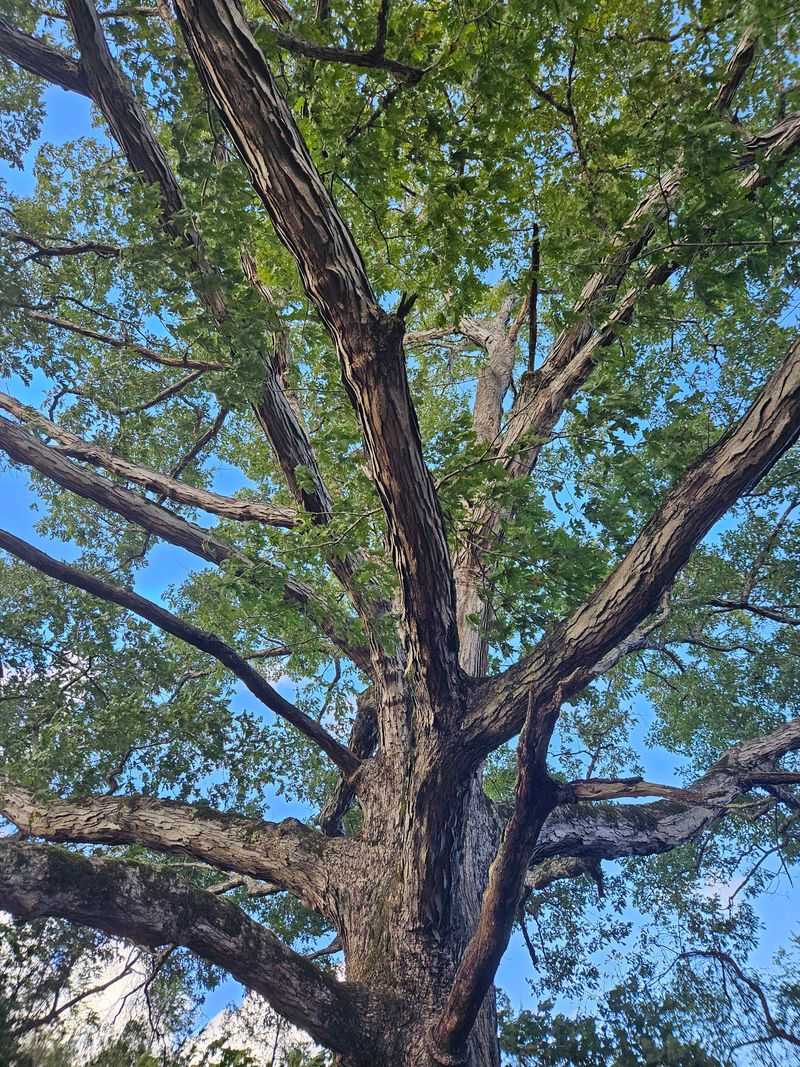
Few trees command respect the way a White Oak does. These giants have survived centuries of Maryland summers, droughts, and storms, and a modern heat dome is not going to change that track record.
White Oaks develop extraordinarily deep root systems that tap into moisture far below the surface. While shallow-rooted trees gasp for water up top, this oak is sipping quietly from underground reserves nobody else can reach.
Their thick, corky bark acts like natural insulation against heat stress. Surface temperatures on that bark can stay significantly cooler than the surrounding air during peak afternoon hours.
Young White Oaks do need some support during their first two summers of establishment. After that initial period, they shift into a mode of self-sufficiency that few other species can match.
An established White Oak can live for 500 years or more under the right conditions. You are not just planting a tree for your yard; you are planting one for your grandchildren’s grandchildren to sit under.
Wildlife value is off the charts, with acorns feeding deer, squirrels, turkeys, and dozens of bird species. A single mature White Oak supports more biodiversity than almost any other tree in the eastern United States.
Maryland trees that can handle this heat dome rarely come more proven than the White Oak. Planting one is one of the smartest long-term investments a homeowner can make.
Bald Cypress
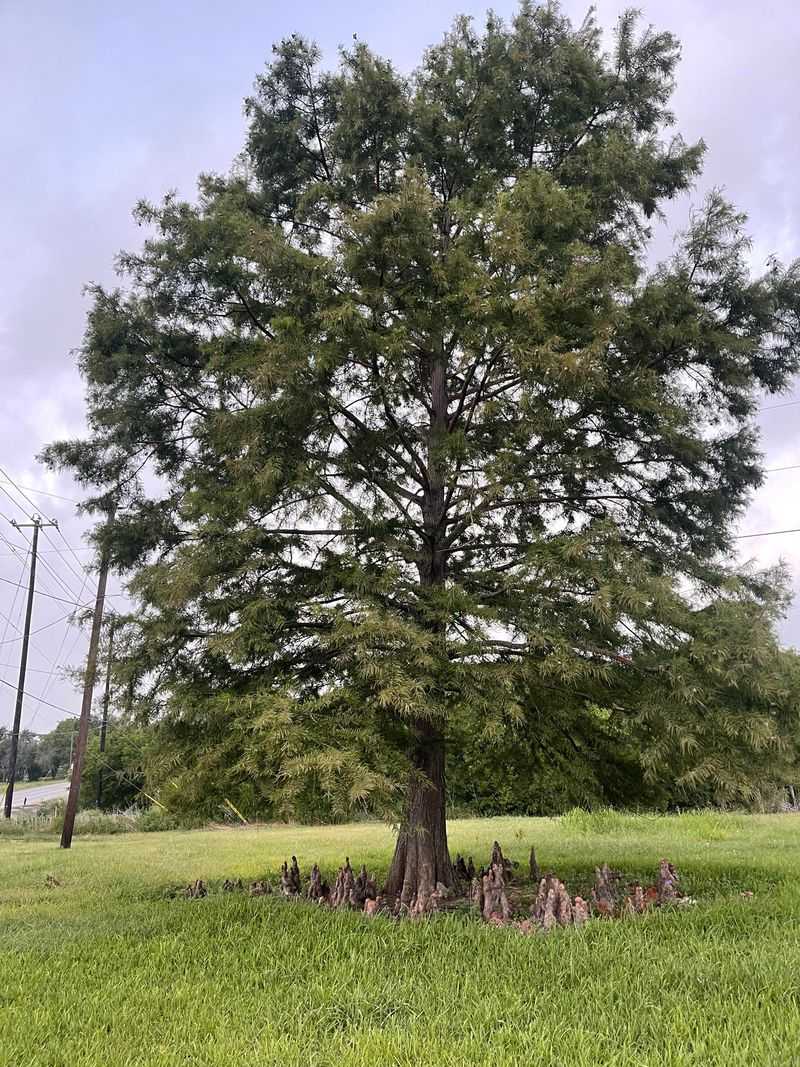
Bald Cypress sounds like a tree that belongs in a swamp, and you would be right. But here is the twist: it handles brutal summer heat just as impressively as it handles standing water.
This adaptable native can swing between wet feet and dry soil with surprising ease. During a heat dome, its fine, feathery foliage stays remarkably cool even when the thermometer refuses to drop after sundown.
The tree’s metabolism seems almost custom-built for hot, humid summers like the ones Maryland keeps serving up lately. It grows steadily through peak heat without the leaf scorch that plagues less-adapted species nearby.
Bald Cypress develops those famous woody knobs called knees around its base in wet sites. In drier landscape settings, the knees stay modest, keeping the tree looking tidy rather than swampy and dramatic.
Fall color is a genuine bonus with this species, turning a warm rusty-orange before the needles drop. Most people are surprised to learn it is actually a deciduous conifer, not a broadleaf tree at all.
Mature specimens can reach 70 feet tall with graceful, pyramidal shapes that age into broad, irregular crowns. That eventual size means smart placement matters more with Bald Cypress than with smaller ornamental choices.
For homeowners who want something unique and heat-tough, this tree delivers on both counts beautifully. It handles the pressure and still manages to look effortlessly elegant doing it.
Silver Maple
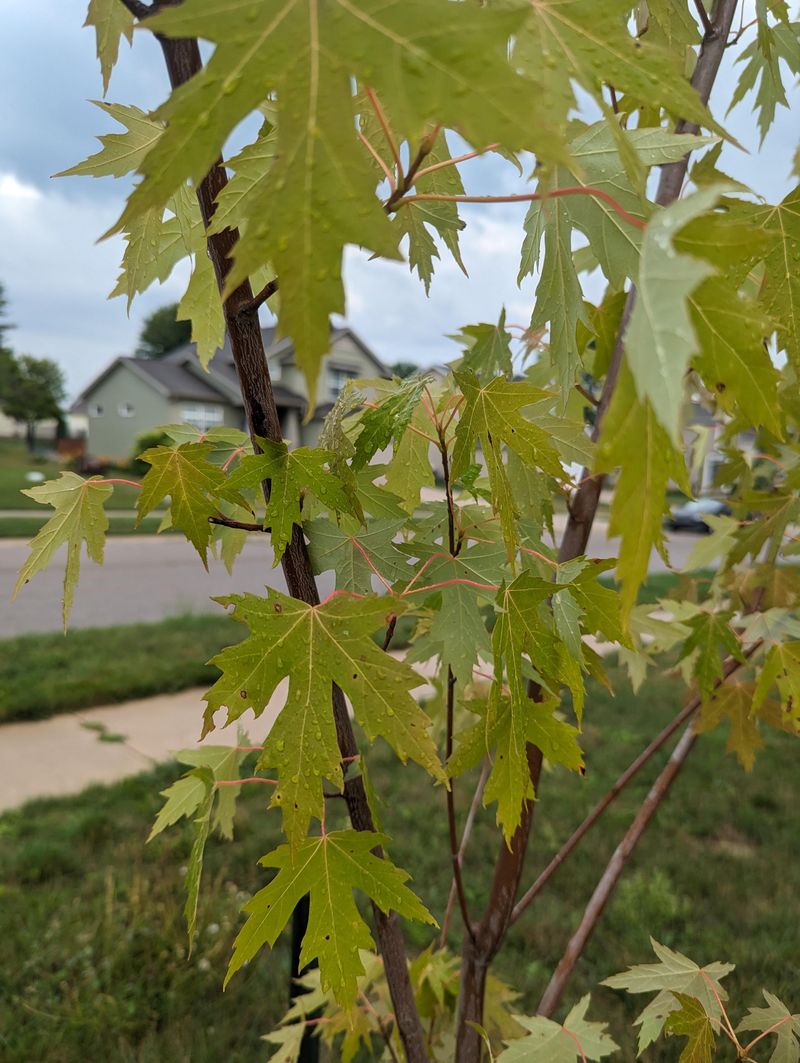
Silver Maple is one of those trees that looks great in a nursery catalog and causes headaches during heat domes. Its rapid growth rate is genuinely impressive, but speed comes at a cost when temperatures spike hard.
The wide, shallow root system that makes Silver Maple grow so fast also makes it vulnerable during dry heat events. Roots near the surface dry out quickly, and the tree responds by dropping leaves prematurely in protest.
Leaf scorch is common on Silver Maples during intense summer stretches, turning leaf edges crispy brown. It looks alarming to homeowners, though the tree usually survives and rebounds once conditions cool down again.
Watering deeply and infrequently during heat events gives Silver Maple its best shot at pulling through. A slow drip at the drip line for several hours beats a quick surface splash every single time.
Branch failure is another real concern with this species when heat stress combines with summer storms. Silver Maple wood is notoriously brittle, and a weakened, heat-stressed tree is more prone to dropping limbs unexpectedly.
If you have one in your yard, now is the time to mulch heavily around the base. A thick ring of wood chip mulch keeps soil moisture locked in and root temperatures noticeably lower during peak heat.
Silver Maple is not a candidate for Maryland trees that handle this heat dome gracefully. Manage it carefully, or consider replacing it with a more resilient native species over time.
Flowering Dogwood
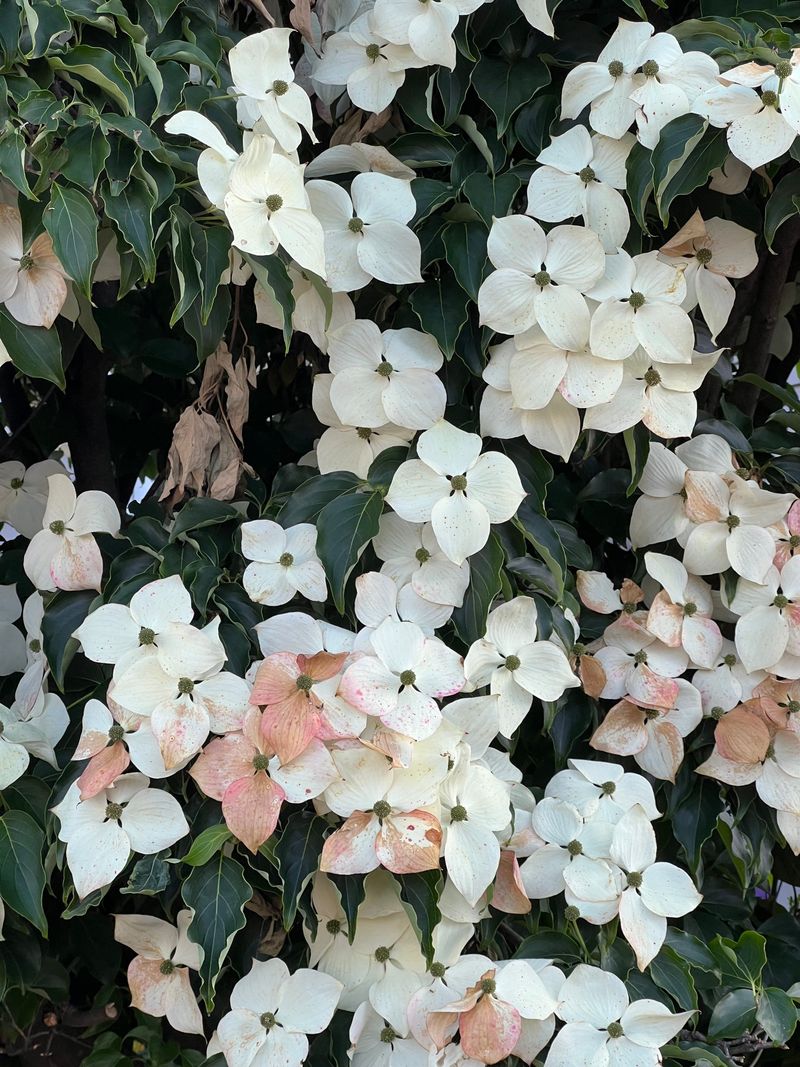
Flowering Dogwood is the beloved beauty queen of Maryland springs, but summer heat domes expose a serious vulnerability in this iconic native. When temperatures stay above 90 degrees for days on end, dogwoods struggle visibly and often dramatically.
Their shallow roots and thin bark make them particularly sensitive to soil temperature spikes. Mulching is essential for dogwoods during a heat event; it is the difference between survival and serious decline.
Leaf scorch shows up fast on Flowering Dogwoods, starting at the margins and creeping inward across the blade. Once that browning starts during a heat dome, it typically does not reverse until fall brings relief.
Dogwoods naturally grow as understory trees beneath a taller forest canopy. Planting them in full sun without overhead protection is essentially setting them up to fail when brutal heat arrives uninvited.
Afternoon shade from a nearby structure or larger tree can genuinely save a dogwood’s season. Even two to three hours of shade during peak afternoon heat cuts stress dramatically for this sensitive species.
Powdery mildew and anthracnose already weaken many dogwoods before summer peaks. A heat-stressed tree fighting those fungal issues simultaneously is burning the candle from both ends at once.
Dogwoods deserve every bit of love Maryland gardeners give them, but they need protection during extreme heat. Give yours the shade, mulch, and deep watering it needs, and it will reward you for years to come.
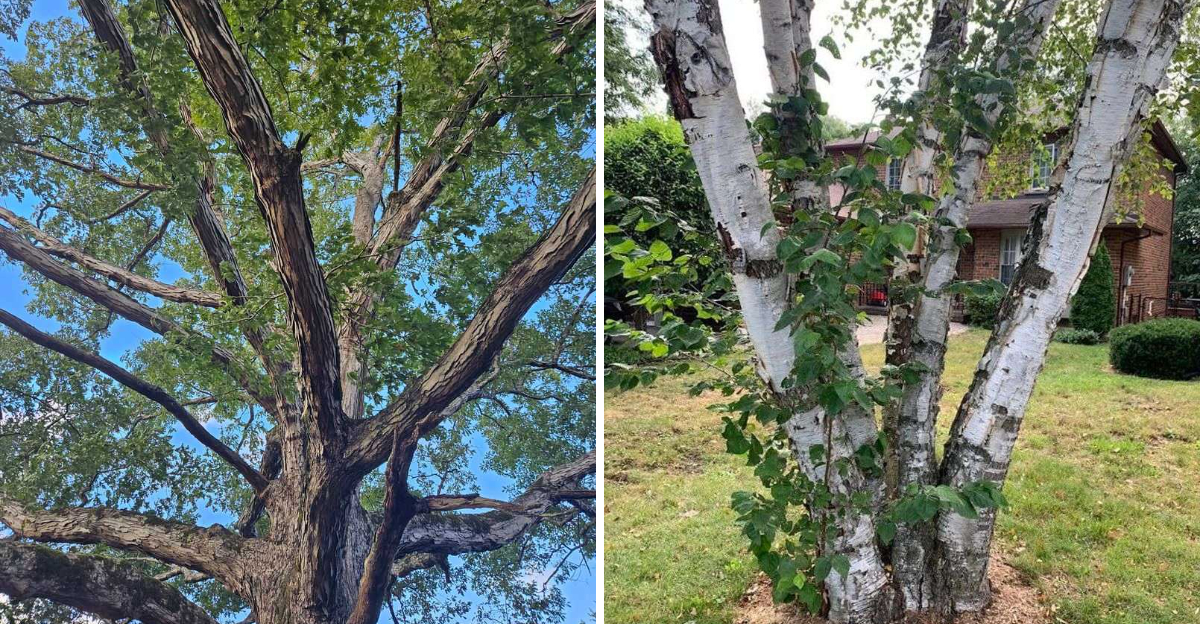
Paper Birch
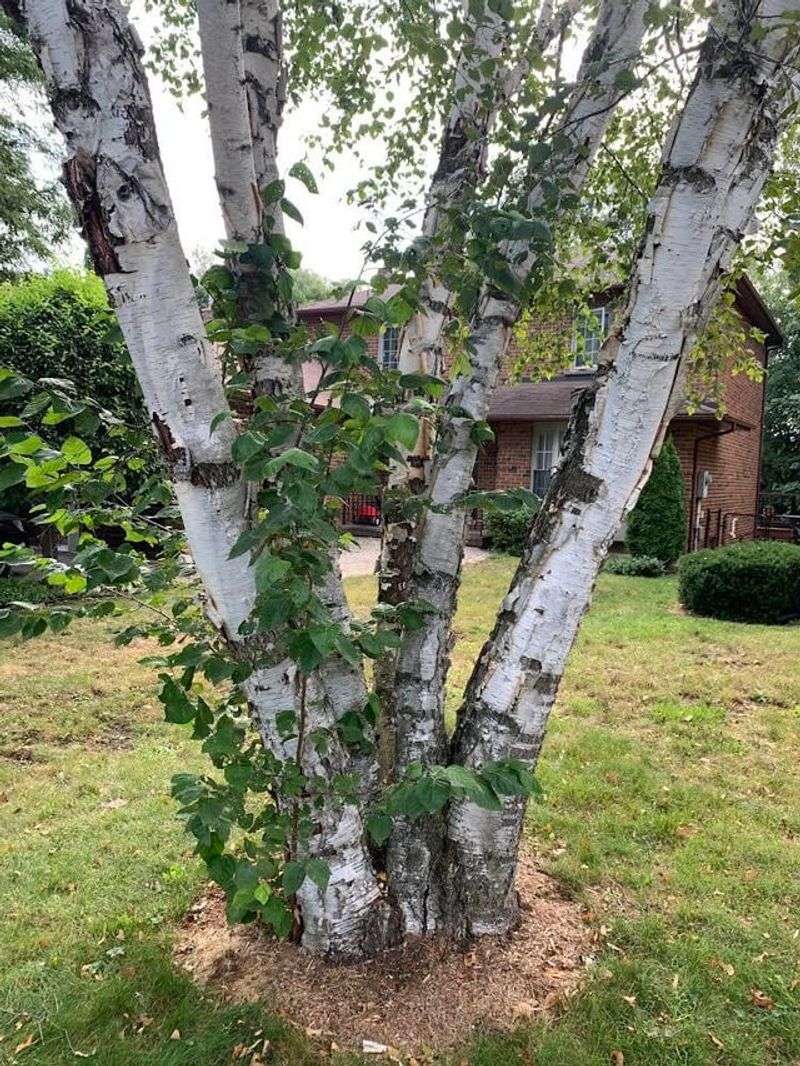
Paper Birch is absolutely stunning in a New England forest, but Maryland summers are a different conversation entirely. This cold-climate native sits well outside its comfort zone here, and heat domes push it even further past its limits.
Bronze birch borers are the real threat here, targeting heat-stressed Paper Birches with ruthless efficiency. A tree weakened by days of extreme heat becomes an easy mark for these wood-boring insects to exploit.
Yellowing leaves in midsummer are often the first visible sign that a Paper Birch is in serious trouble. By the time that symptom appears, the root system and vascular tissue may already be compromised beneath the surface.
Watering a Paper Birch during a heat dome helps, but it rarely solves the underlying problem in Maryland’s climate. The tree evolved for cool, moist soils and short summers, not the humid, extended heat that defines the region’s recent patterns.
Planting Paper Birch on a north-facing slope with consistent moisture gives it the best possible chance of survival. Without that specific microclimate, the tree often declines steadily over several hot summers in a row.
Heritage Birch or River Birch are far better alternatives for Maryland landscapes wanting that signature white bark aesthetic. River Birch in particular handles heat, humidity, and even wet soils with effortless grace by comparison.
Paper Birch is a tree worth admiring in cooler climates, but it cannot handle this heat dome. Choose a tougher substitute and save yourself the heartbreak of watching a beautiful tree decline.
Japanese Maple
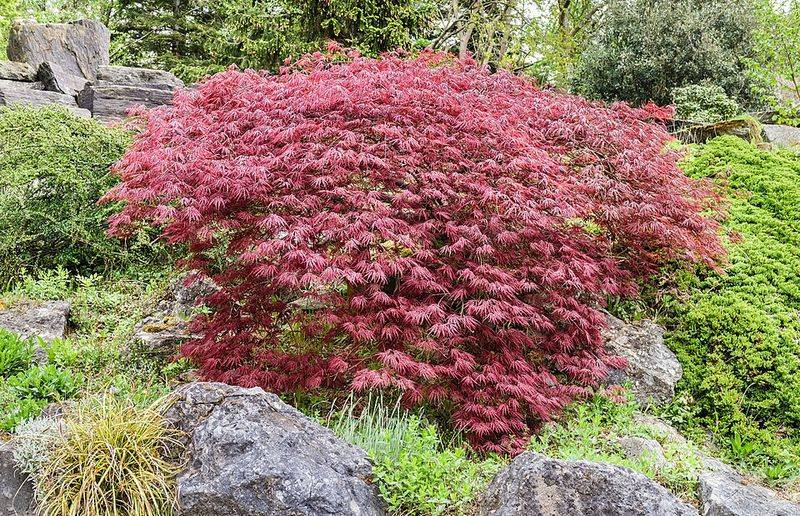
Japanese Maples are the crown jewels of ornamental landscaping, and homeowners adore them for good reason. But during a Maryland heat dome, those delicate, lacy leaves turn into a liability that demands serious attention and fast action.
Leaf scorch hits Japanese Maples hard and fast when temperatures spike above 90 degrees. The fine-textured foliage that makes them so beautiful is also exactly what makes them so vulnerable to intense sun and heat.
Afternoon shade is non-negotiable for Japanese Maples during extreme heat events in this region. Even varieties marketed as full-sun tolerant will show burning and curling when a heat dome parks itself overhead for days.
Container-grown Japanese Maples face even higher risk because pot temperatures can soar well above ambient air temperature. Moving potted specimens to a shaded, sheltered spot during peak heat is a simple move that prevents major damage.
Deep watering every two to three days keeps the root zone from drying out completely during a heat event. Letting the soil dry out fully even once during a heat dome can trigger branch decline that takes years to recover from.
Mulching six to eight inches deep around the base insulates roots and keeps soil moisture from evaporating too quickly. Keep the mulch pulled back slightly from the trunk itself to prevent moisture-related rot issues at the base.
Japanese Maple cannot handle this heat dome without a helping hand from a caring gardener. Protect yours now, and it will return to its breathtaking glory once cooler weather finally arrives.