Florida Patio Plants You Can Safely Prune This July And Which To Leave Alone
July is not exactly a forgiving month for patio plants, and containers near concrete, sunny railings, or south-facing walls know it better than anyone.
The heat climbs fast, rainy season humidity settles in for the long haul, and plants that looked perfectly happy in June can start showing signs of stress before the month is even halfway through.
The good news is that some patio favorites, lantana, mandevilla, star jasmine, bougainvillea, and pentas among them, can actually handle light shaping, tip pinching, or careful training right now without missing a beat.
Others, like palms, desert rose, aloe, and succulents, are genuinely better off being left alone unless something is broken or clearly causing a problem.
Knowing which category your plants fall into is really what keeps a Florida patio garden looking great all the way through summer.
1. Lantana Can Be Trimmed Lightly
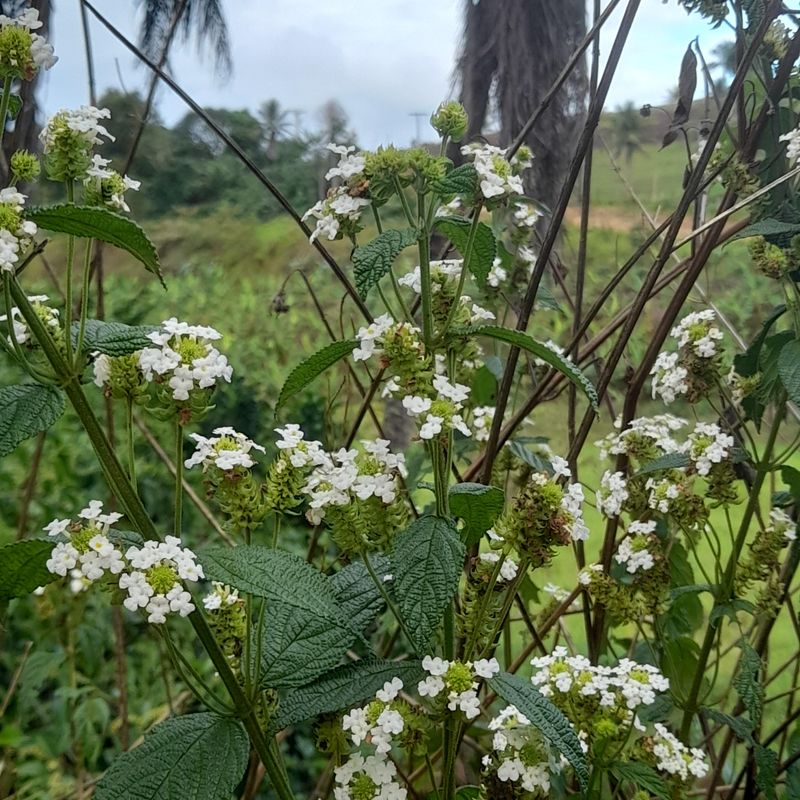
Leggy stems and faded flower clusters are a common sight on lantana growing in Florida patio pots by mid-July. This cheerful, heat-tolerant plant tends to stretch out quickly during the rainy season, and that sprawling growth can make a container look untidy.
The good news is that lantana handles light trimming reasonably well, even during summer.
When pruning lantana in July, focus on small, careful cuts rather than a heavy shearing session. Snipping back the longest, leggiest stems by a few inches can help the plant look more compact without putting it under serious stress.
Cutting too far back during active summer growth can slow blooming and leave the plant struggling to recover in the heat.
Check the container and soil before picking up the pruners. If the pot is sitting in a spot that gets intense afternoon sun and the soil feels very dry, give the plant a good drink first and let it settle before trimming.
Healthy, well-watered lantana bounces back from light pruning much more smoothly than a thirsty, heat-stressed one does. Look for stems that are clearly overgrown or bending under their own weight, and focus cuts there.
Avoid removing healthy green foliage that the plant is using to fuel its summer growth. A tidy, modest trim is all lantana really needs in a Florida July.
2. Mandevilla Can Be Pinched And Trained
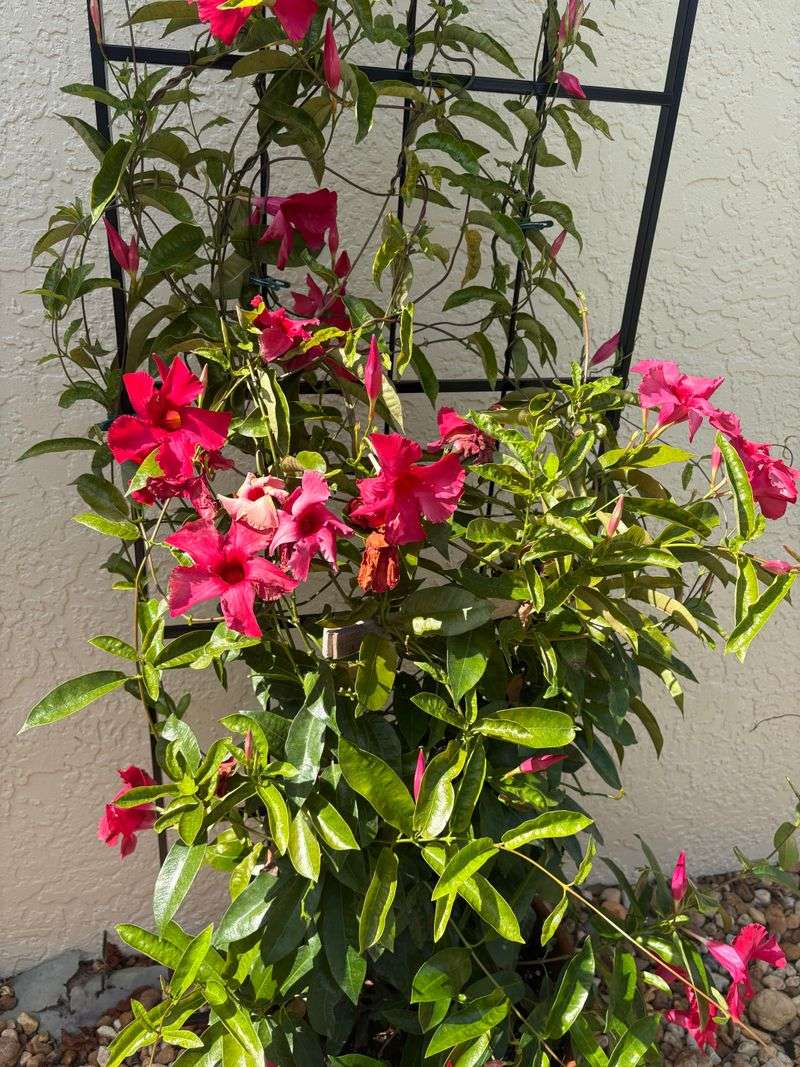
Vines reaching across railings and tangling into neighboring pots are a familiar July scene for anyone growing mandevilla on a Florida porch or balcony.
This tropical climber puts on impressive growth during the warm, humid months, and that enthusiasm sometimes needs a little guidance to stay manageable and attractive.
Pinching the tips of new shoots is one of the most effective and low-stress ways to work with mandevilla in July. Removing just the very tip of a young stem encourages the vine to branch rather than keep reaching outward in one long, thin direction.
This tip-pinching approach works well for shaping the plant around a trellis or training it to fill a support more evenly without cutting into older, established wood.
One thing worth keeping in mind is that mandevilla produces a milky sap when stems are cut. This sap can irritate skin and may cause problems if it gets near the eyes or mouth, so wearing gloves and washing hands after handling cut stems is a smart habit.
Your Florida Garden Changes Every Week. Your Plan Should Too.
Gardening in Florida changes quickly throughout the season. Every Friday you’ll receive a simple weekly plan showing exactly what to plant, prune, fertilize, harvest, and protect so you never miss the right timing.
Children and pets should be kept away from freshly cut stems as well. Beyond that safety note, mandevilla is a rewarding patio vine to work with in Florida’s summer.
Light pinching and thoughtful training, rather than hard cutting, keep it looking full and flowering without adding unnecessary stress during the hottest part of the year.
3. Star Jasmine Can Be Tidied After Growth Flushes
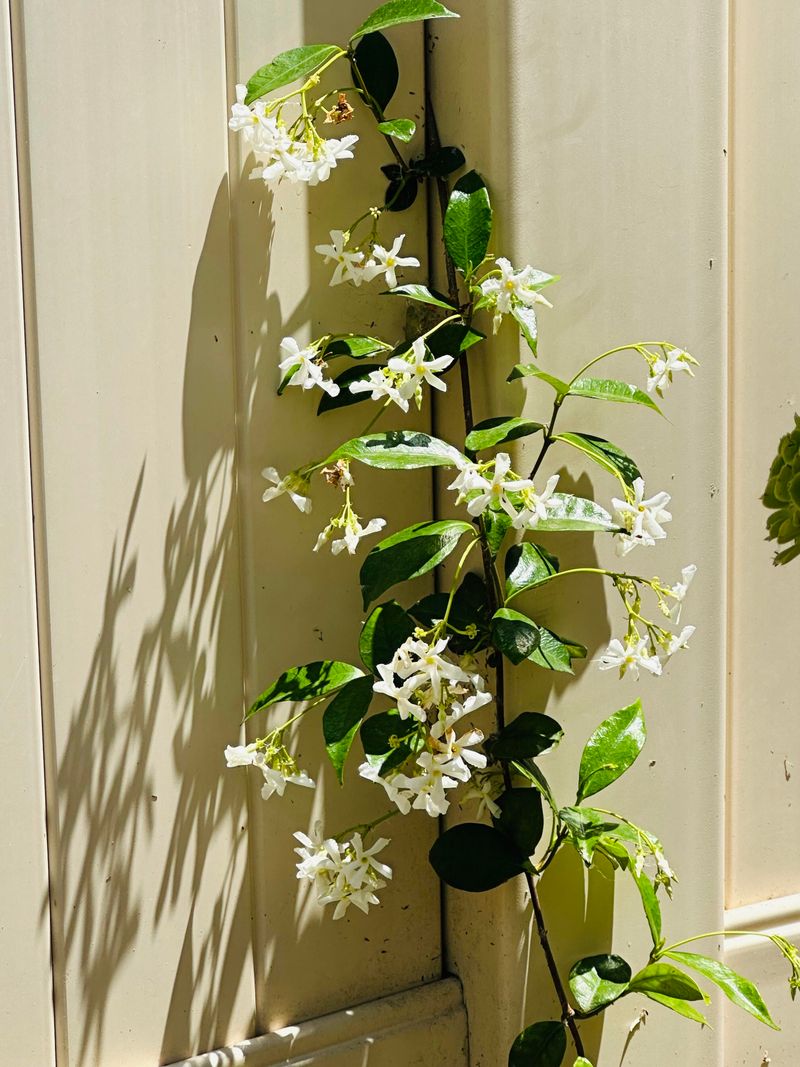
After a good rainy-season flush, star jasmine can send out a surprising number of new stems in a short amount of time.
Those fresh shoots sometimes wander past their intended support, loop around other plants, or create a tangled mass that looks messier than it needs to be on an otherwise tidy Florida porch or courtyard garden.
Tidying star jasmine after one of these growth flushes is a reasonable July task, as long as the approach stays controlled. Pinching vine tips encourages the plant to branch and fill in more densely rather than continuing to stretch in one long direction.
Trimming stems that have grown well beyond the trellis or railing keeps the vine looking intentional and well-maintained without requiring a dramatic cutback.
July trimming on star jasmine should still be neat and measured rather than a hard reset.
Cutting back into older, woody stems during peak summer heat can slow the plant’s recovery and reduce its ability to handle the stress that Florida’s humid conditions already create.
Focus instead on the fresh, soft new growth at the ends of shoots, and make clean cuts just above a leaf node. This approach keeps the vine tidy, encourages healthy branching, and avoids pushing the plant into recovery mode when temperatures are at their highest.
Star jasmine is a resilient Florida patio plant, but it still benefits from thoughtful, light-handed pruning in summer.
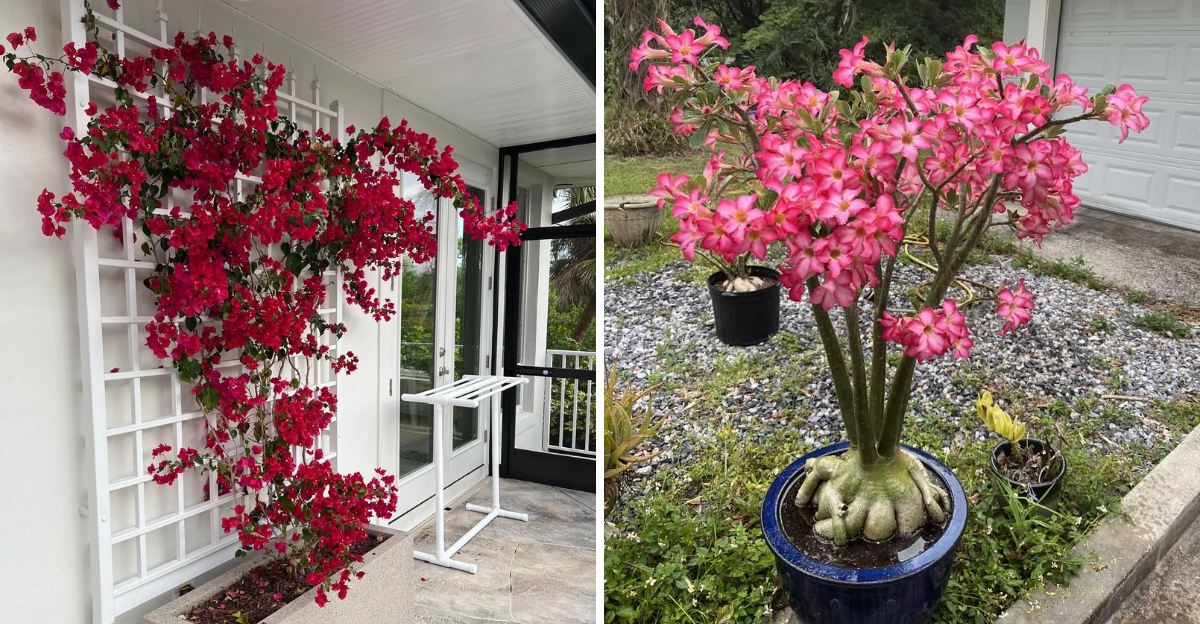
4. Bougainvillea Can Handle Careful Shaping
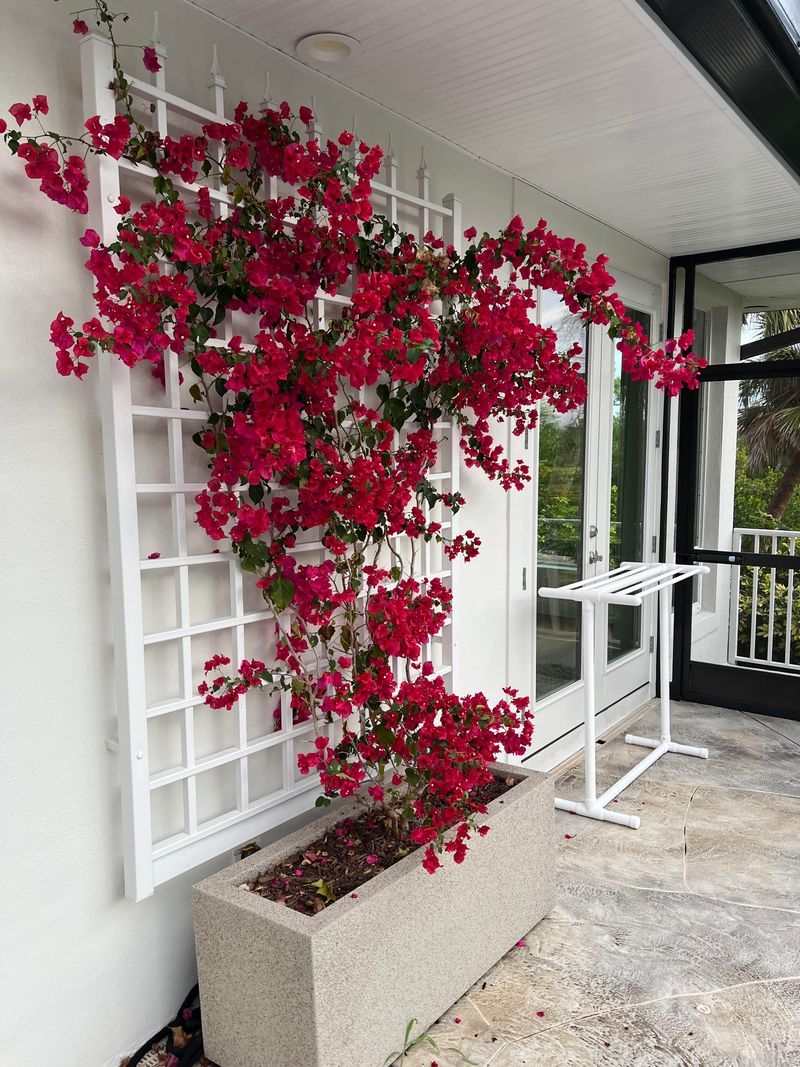
Bougainvillea growing in a patio container or along a courtyard wall has a way of sending out long, arching branches that seem to appear overnight during Florida’s summer rainy season.
A few of those branches might poke into walkways, catch on furniture, or stretch well past the spot where you actually want the plant to grow.
Careful shaping of these errant branches is reasonable in July, as long as the plant looks healthy overall. Bougainvillea is a tough, vigorous plant that can handle selective trimming when it is actively growing and not under obvious stress.
The key word here is careful, not aggressive. Removing a few wayward stems that are clearly out of place is very different from cutting the whole plant back hard just because it looks a bit wild.
Thorns are a real consideration when working with bougainvillea. Thick gloves are not optional, and long sleeves help protect arms from scratches while reaching into the plant.
Make clean cuts on the stems you are removing, and avoid tearing or breaking branches, which can leave ragged wounds that are harder for the plant to manage in summer heat.
Bougainvillea that is stressed from root-bound containers, poor drainage, or extreme heat is not a good candidate for heavy pruning in July.
A healthy plant in a well-draining pot, however, can handle a tidy shaping session without much trouble at all.
5. Pentas Need Only Light Cleanup
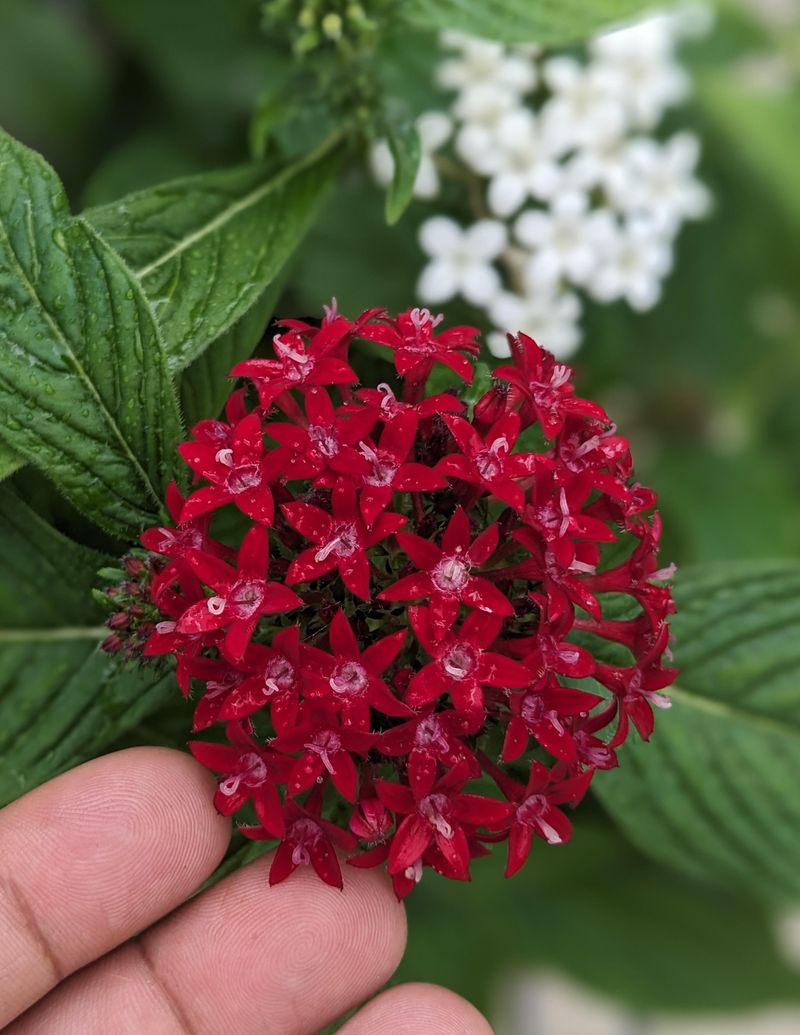
Tired-looking pentas blooms and a few ragged stems are easy to spot on patio pots that have been sitting in Florida’s July heat for a while.
Pentas is a reliable summer flowering plant, but like anything growing in a container during the hottest months, it can start to look a little worn around the edges without some attention.
Light cleanup is usually all that pentas needs in July. Removing spent flower clusters, snipping off clearly tired or damaged stems, and tidying up ragged edges can freshen the plant’s appearance without asking too much of it during a stressful time of year.
Pentas tends to rebloom fairly consistently through summer, so keeping the spent flowers removed helps redirect the plant’s energy toward new growth rather than seed production.
Aggressive pruning is not usually necessary or helpful for pentas in July, especially when plants are already dealing with container heat or reduced watering consistency.
Cutting back hard can slow regrowth and leave the plant looking bare at exactly the time when you want it to be performing.
Check the soil moisture and drainage before doing any trimming, since a pentas sitting in soggy or bone-dry mix is already under enough pressure without adding pruning stress on top.
A light, selective cleanup every couple of weeks through summer keeps Florida patio pentas looking fresh and blooming consistently without pushing the plant beyond what it can comfortably handle.
6. Palms Should Keep Green Fronds
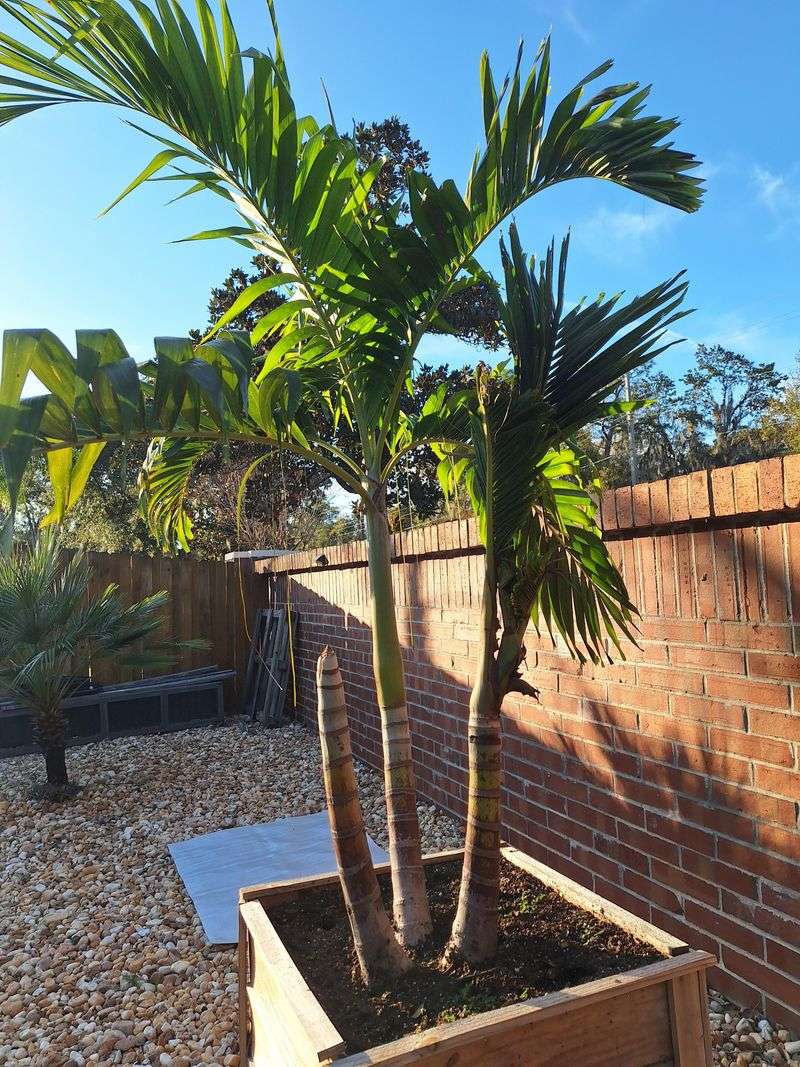
Poolside pots and sunny balconies in Florida often feature small palms that add a tropical feel to the space.
By July, some of those palms may have a few lower fronds that have turned brown or yellow naturally, and the temptation to tidy them up can lead to removing more than the plant actually needs to lose.
Healthy green fronds are doing real work for a palm, even the ones that look a little worn or slightly less vibrant than the newer growth at the top. These fronds are still photosynthesizing and helping the plant support itself through the demands of summer.
Removing too many at once, especially in July heat, can weaken a palm’s ability to recover and maintain its overall structure.
Hurricane-style pruning, where fronds are cut back dramatically to leave only a small tuft at the top, is one of the more damaging things that can happen to a container palm.
This approach removes the plant’s ability to generate energy and can make it more vulnerable to stress and slow decline over time.
In July, the right move is to remove only fronds that are fully brown, dry, and hanging down on their own. Leave anything that still shows green, even partially.
A palm with a full, healthy canopy going into the back half of Florida’s summer season is in a much stronger position than one that has been over-pruned in the name of neatness.
7. Desert Rose Needs Drainage Checks First
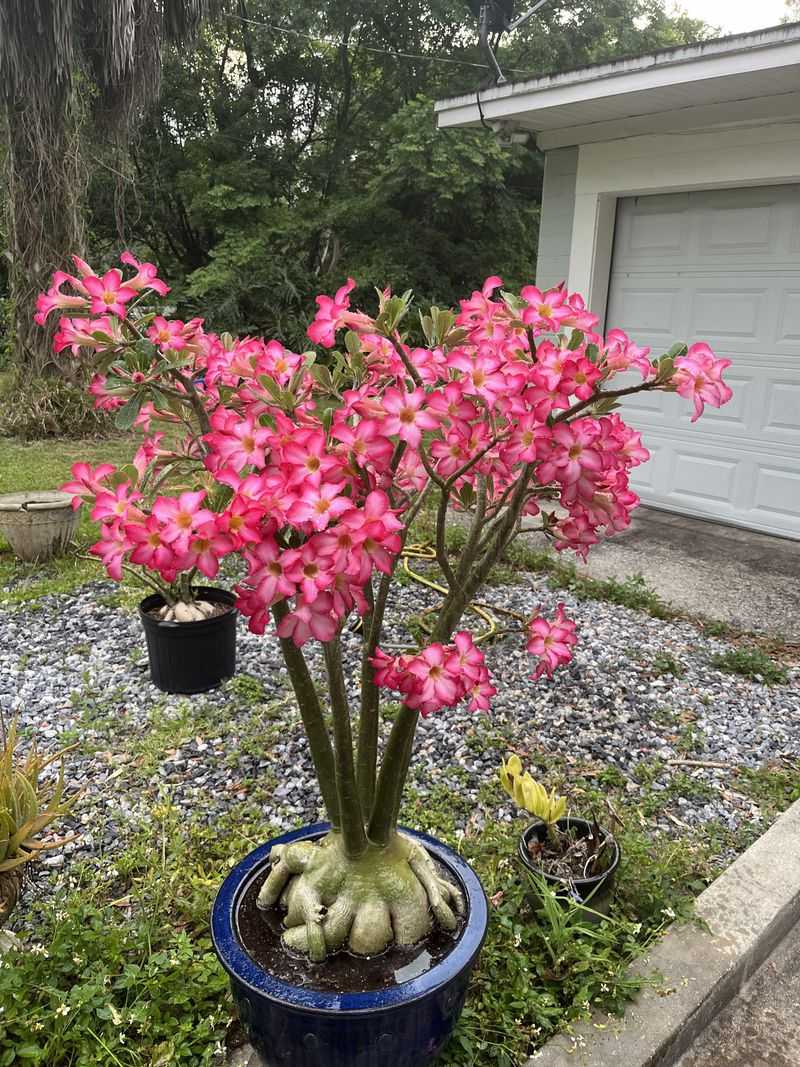
Hot containers near concrete patios and south-facing walls can create challenging conditions for desert rose in Florida’s July weather.
This striking succulent-like plant is beloved for its dramatic flowers and swollen base, but it is surprisingly sensitive to soggy soil, and the rainy season creates real drainage risks for pots that do not drain freely.
Before making any pruning decision on a desert rose in July, checking the drainage situation is the more important first step. Lift the pot and look at the drainage holes.
If they are blocked or the soil feels consistently wet and heavy, that is a more urgent issue than any pruning need. A desert rose sitting in poorly draining mix during Florida’s rainy season can develop root problems that no amount of trimming will fix.
A stressed desert rose, one that looks limp, has yellowing leaves, or feels soft near the base, needs moisture and drainage correction more than it needs cutting.
Once drainage is confirmed to be working properly and the plant looks stable and healthy, very light trimming of overly long or crossing stems can be done carefully.
Avoid heavy pruning during peak summer heat, since desert rose recovers more slowly when temperatures are extreme and humidity is high. July is a month for observation and care with this plant, not a major reshaping session.
Keep the focus on healthy roots and good drainage first, and let the plant guide the rest.
8. Aloe And Succulents Need Minimal Cutting
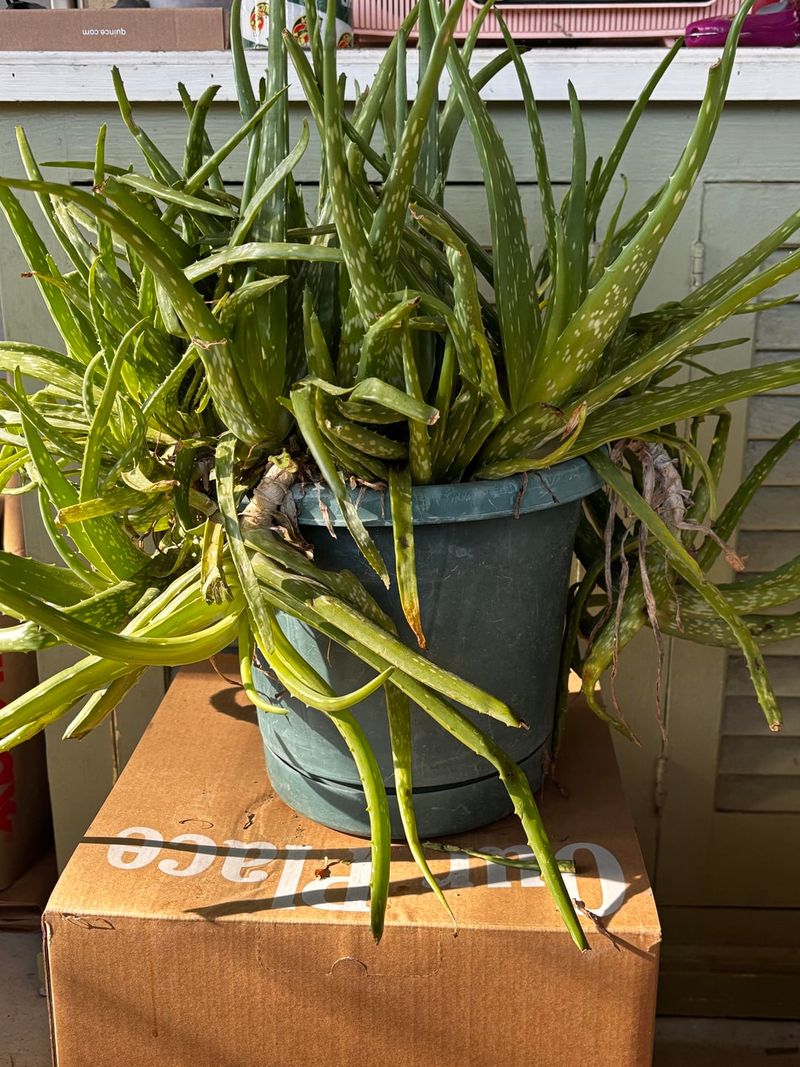
Succulent leaves packed with stored moisture look sturdy, but they do not respond to pruning the same way a leafy shrub or flowering vine does.
Aloe and other succulents growing in Florida patio pots in July are essentially managing their own hydration through their thick, water-storing leaves, and cutting into that system unnecessarily can do more harm than good.
Minimal cutting is the right approach for aloe and succulents in July. If a leaf is clearly damaged, has turned mushy, or has collapsed entirely, removing it is a reasonable and helpful step.
Spent flower stalks on aloe can also be removed cleanly once blooming has finished. Beyond that kind of targeted cleanup, there is usually very little that needs to be cut on a healthy succulent in summer.
Drainage is the real priority for these plants during Florida’s rainy season.
Succulents sitting in containers without adequate drainage holes, or in heavy potting mix that holds too much moisture, are far more vulnerable to problems than ones that are pruned or not pruned.
Check that pots are draining freely after summer rain events, and avoid adding water on top of soil that is still wet from the last shower. Bright light with some protection from the most intense midday sun helps Florida patio succulents stay comfortable through July.
Keep the cutting minimal, focus on the growing conditions, and these plants will generally manage summer on their own terms.