8 Herb Varieties That Were Practically Made For California Container Gardens
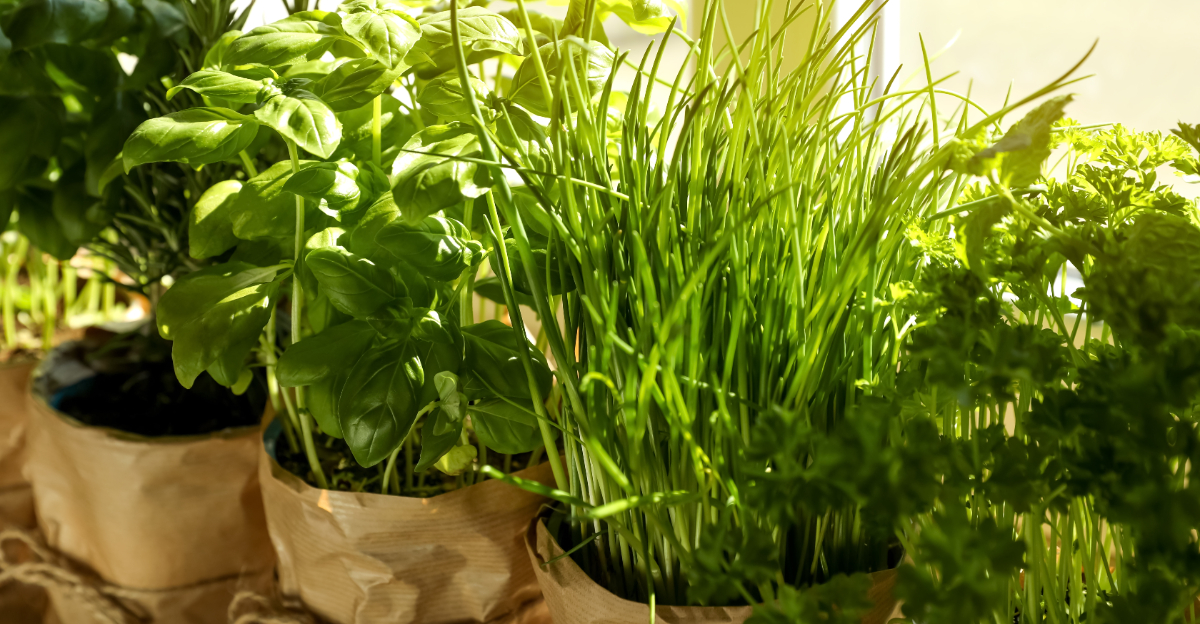
The gap between a grocery store herb and a fresh one from your own container is large. The difference between success and frustration in container herb gardening comes down to variety selection more than anything else.
Do you know which herbs actually belong in a California container garden versus which ones are fighting the climate from day one?
Some herbs perform here like they were designed for this state. They handle the heat, the dry stretches, and the long sunny days without complaint. Others struggle from the start and never quite deliver what the label promised.
These herbs belong firmly in the first category. All eight fit comfortably in a pot on a patio, balcony, or doorstep.
1. Rosemary Survives Heat With Minimal Water
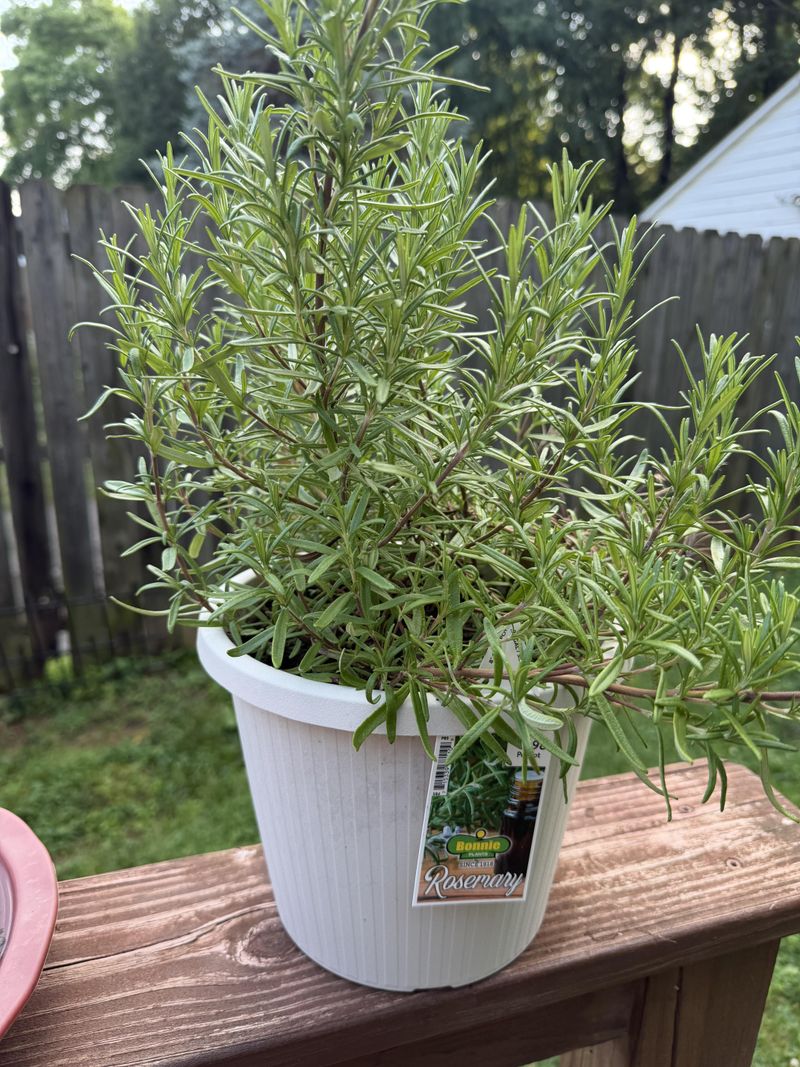
Rosemary is built for California in a way that feels almost deliberate.
The same hot, dry summers that stress other herbs are essentially the conditions rosemary evolved to handle. Mediterranean native, California climate. The match is almost suspicious.
In a container, rosemary needs one thing above all others: excellent drainage. A sandy or well-draining potting mix in a pot with functional holes keeps the root zone dry between waterings.
Soggy roots are the one consistent weakness this plant has, and in California’s warm, fast-drying conditions, that weakness rarely comes up.
Full sun is non-negotiable. Six to eight hours of direct sunlight daily produces the most aromatic, flavorful leaves. Coastal positions with morning sun work. Inland spots with all-day exposure work even better.
Regular harvest counts as pruning, which is a convenient arrangement for anyone who cooks. Snip from the tips rather than cutting deep into old wood. That habit keeps growth full and bushy rather than sparse and woody over time.
Repot every two to three years when roots begin circling the bottom. A six to eight inch pot suits younger plants. Mature rosemary benefits from moving up to a twelve inch container with room to settle properly.
Rosemary pairs well with thyme and oregano in a single Mediterranean herb display.
A pot that smells incredible, requires minimal attention, and improves your cooking simultaneously. Is there a more efficient use of patio space? Probably not.
2. Thyme Adds Fragrance And Flavor
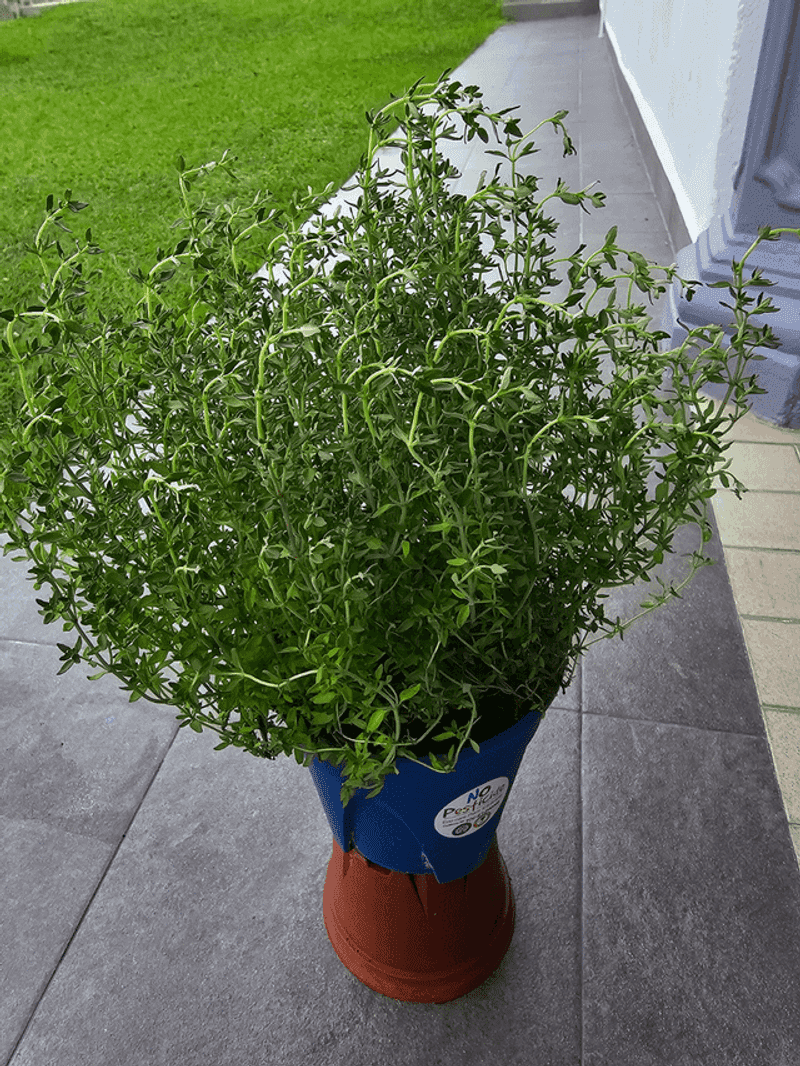
Few herbs pack this much personality into this small a package. Thyme is compact, fragrant, and genuinely resilient in the right conditions. For a California patio or kitchen windowsill, it earns its space without asking for much in return.
Drought tolerance is one of thyme’s most practical qualities for California gardeners. Once established in a container, it needs water only when the top inch of soil feels dry.
Overwatering is a more consistent problem than underwatering with this herb. Err toward dry and the plant performs better for it.
A well-draining potting mix is essential. Standing moisture in the root zone invites problems that consistent dryness prevents.
Terracotta pots help by wicking excess moisture through the walls, which suits thyme’s preferences naturally.
Full sun produces the most flavorful, aromatic leaves. Six or more hours of direct sunlight daily is the target. In cooler coastal California, a south-facing position maximizes warmth and extends the productive window through the year.
Your California Garden Changes Every Week. Your Plan Should Too.
Gardening in California changes quickly throughout the season. Every Friday you’ll receive a simple weekly plan showing exactly what to plant, prune, fertilize, harvest, and protect so you never miss the right timing.
Have you ever tasted fresh thyme from a pot versus the dried version from a grocery store jar? The difference is difficult to explain and very easy to taste. Fresh thyme carries a brightness that dried thyme simply cannot replicate.
Harvest regularly by snipping the top few inches of each stem. That consistent trimming encourages bushier, more productive growth and keeps the plant looking intentional rather than overgrown.
Thyme started as temple incense in ancient Greece and worked its way into roasted chicken. That is a meaningful career arc for one small herb.
3. Oregano Handles Summer Sunshine Easily
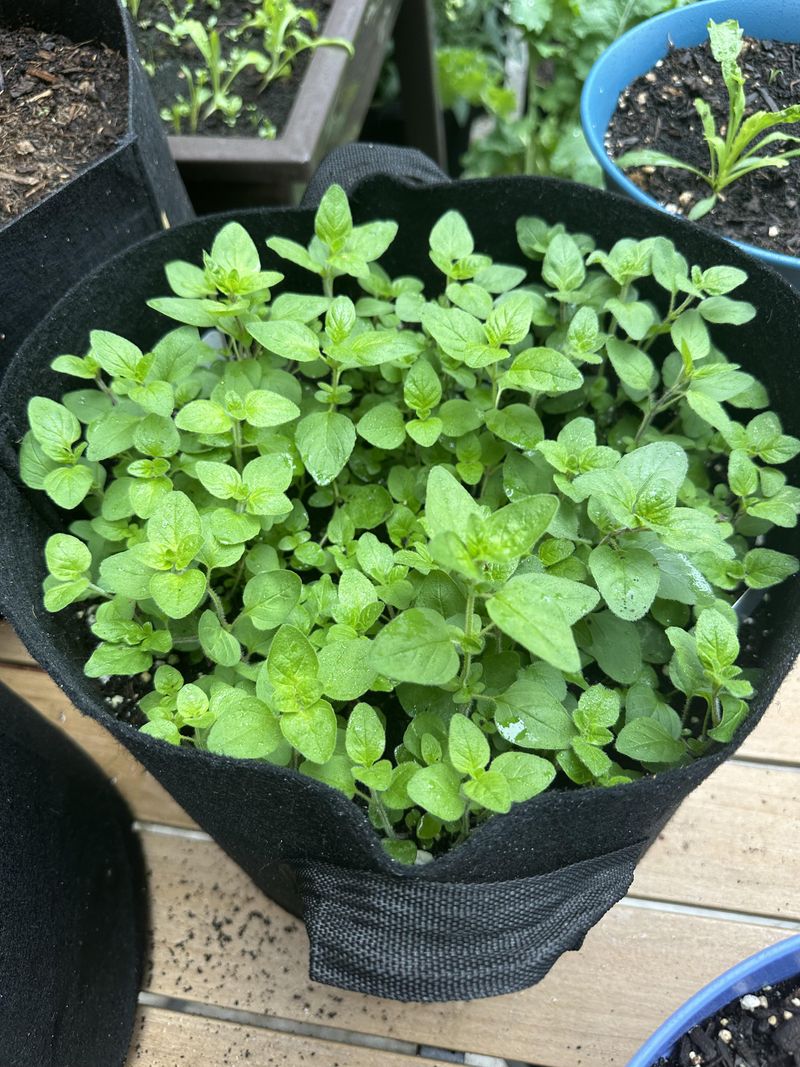
Oregano does not just tolerate California summers. It uses them.
This robust Mediterranean herb grows densely and vigorously, often spilling over container edges in a cascade of fragrant green leaves that looks as good as it smells.
For anyone who wants a herb that practically runs itself, oregano makes a compelling argument.
Plant in a container at least eight inches deep. The roots appreciate room to spread, and a crowded root system eventually limits the growth above it. A well-draining potting mix and full sun position cover the primary requirements.
In California’s hottest inland valleys, some afternoon shade prevents leaf scorch during peak summer heat. Along the coast, all-day sun suits it well.
Water moderately and allow the soil to dry between sessions. Here is something worth knowing about oregano: its flavor actually intensifies slightly when the plant experiences mild drought stress.
Holding back on water a little during summer produces a more flavorful harvest. The plant is essentially telling you that less intervention means better results.
Harvest stems before the plant flowers for the strongest flavor. Once oregano blooms, leaf potency shifts slightly. Pinching off flower buds as they appear extends the harvest window by several weeks.
Do you know what dried oregano from your own container tastes like compared to the jar from the grocery store? There is no contest. One smells like something. The other smells like a memory of something.
Grow your own and retire the jar.
4. Basil Grows Quick In Containers
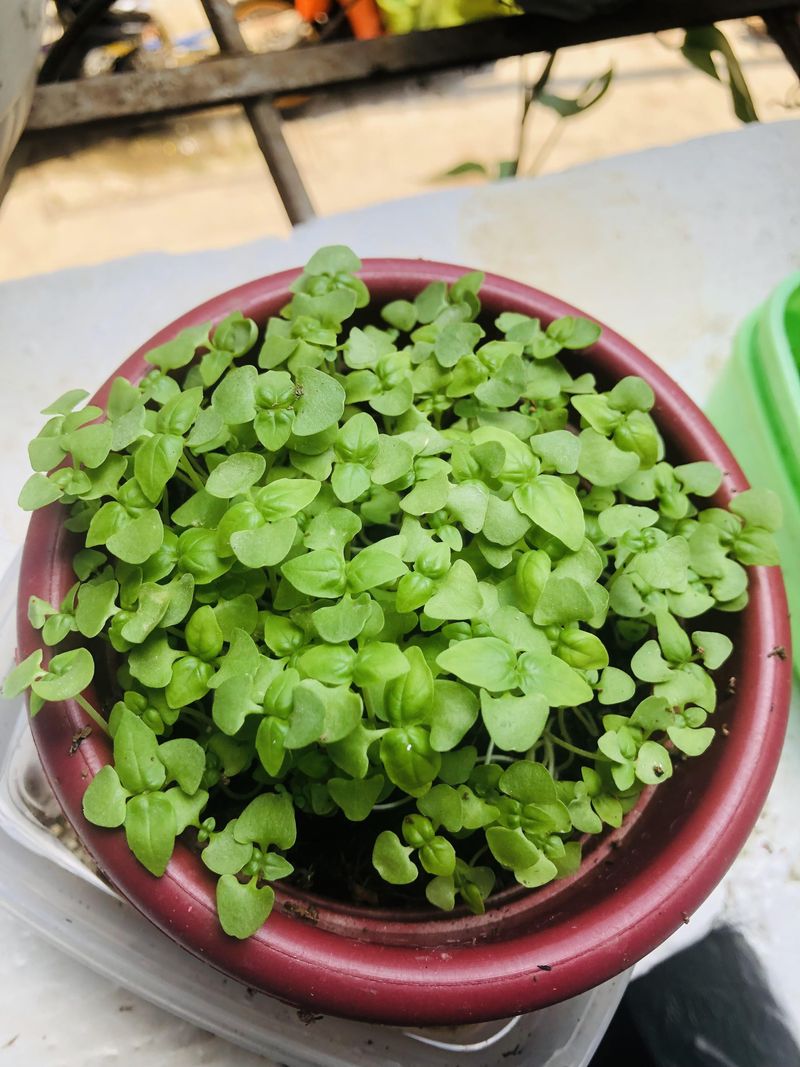
Basil is the overachiever of the herb world, and California gives it exactly the conditions it needs to perform at its best.
Plant a seedling in a warm, sunny position and it practically sprints toward harvest. In California’s growing season from spring through early fall, a container basil can go from transplant to kitchen-ready in a few weeks. The pace is genuinely impressive.
Warmth is the most critical factor. Basil prefers soil temperatures above 60 degrees Fahrenheit and air temperatures between 70 and 90 degrees.
Wait until nighttime temperatures are reliably above 50 degrees before setting it outside. Basil exposed to cold turns dark and sulky very quickly, and it does not recover from that mood gracefully.
Choose a container at least eight to ten inches wide. The root system benefits from space, and a crowded pot limits the above-ground production.
Full sun combined with consistent moisture keeps growth rapid and lush. The soil should stay moist but never waterlogged. That distinction matters more with basil than with most herbs.
Pinch off flower stalks the moment they appear. Once basil bolts, leaf production slows and flavor shifts toward something more bitter. Regular pinching keeps the plant productive for months.
Have you considered growing several varieties in separate pots? Sweet basil, Thai basil, and lemon basil together cover everything from pizza to cocktails to Southeast Asian cooking.
Three pots of basil. Zero trips to the store for fresh herbs. That math works out very well for the gardener.
5. Chives Stay Compact And Hardy
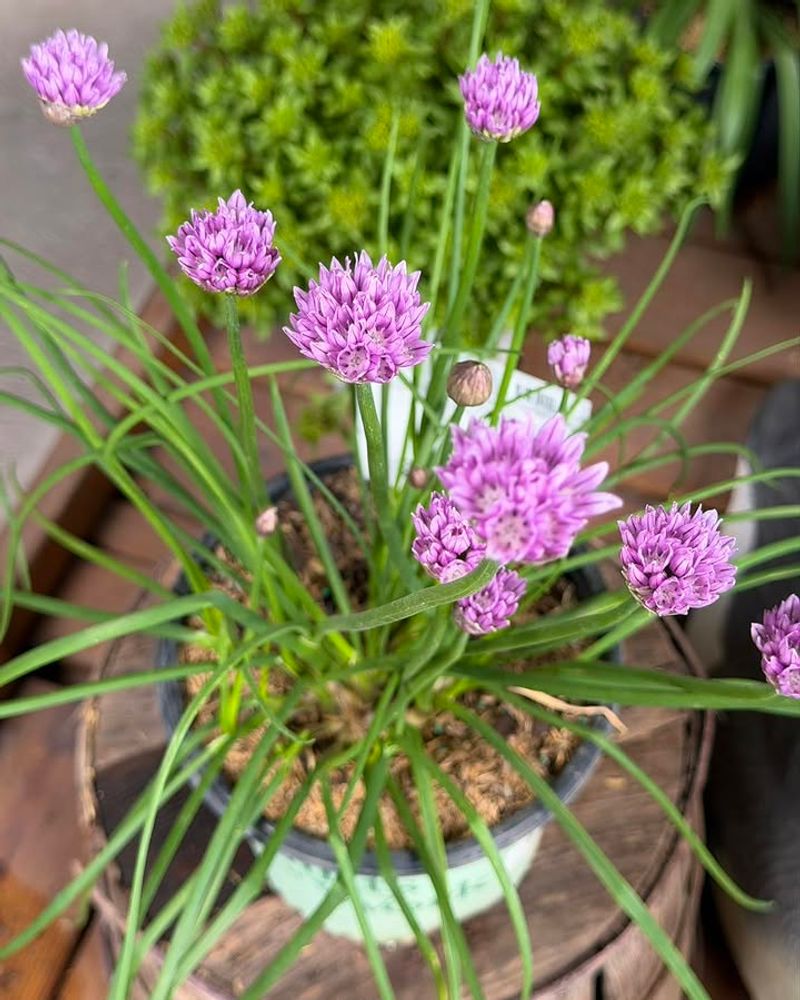
Chives are the quiet achievers of the container herb world. No drama, no spreading, no excessive demands.
They produce fresh green shoots season after season with almost no fuss, and they fit into spaces that other herbs would find limiting.
A pot as small as six inches wide works well for a healthy clump. They prefer full sun but tolerate partial shade better than most Mediterranean herbs, which makes them genuinely flexible for spots that do not get all-day exposure.
In California’s cooler coastal zones, chives stay green and productive through much of the year. That extended productivity is one of their most practical qualities in a state with a long growing season.
Water when the top inch of soil feels dry. Chives handle short dry spells without visible stress, though consistent moisture keeps growth steady.
A standard potting mix with good drainage and a light balanced fertilizer once a month during the growing season covers everything the plant needs nutritionally.
Here is the bonus feature that makes chives genuinely satisfying to grow. Late spring brings purple globe-shaped flowers that are fully edible, visually beautiful, and excellent as a garnish on anything that could use a mild onion note alongside some color.
Let a few flowers open for the display, then snip them before seed sets to keep the plant focused on leaf production.
A herb that also flowers and looks beautiful doing it. Does any other patio plant multitask this effectively? Chives would like to know.
6. Mint Thrives In Contained Spaces
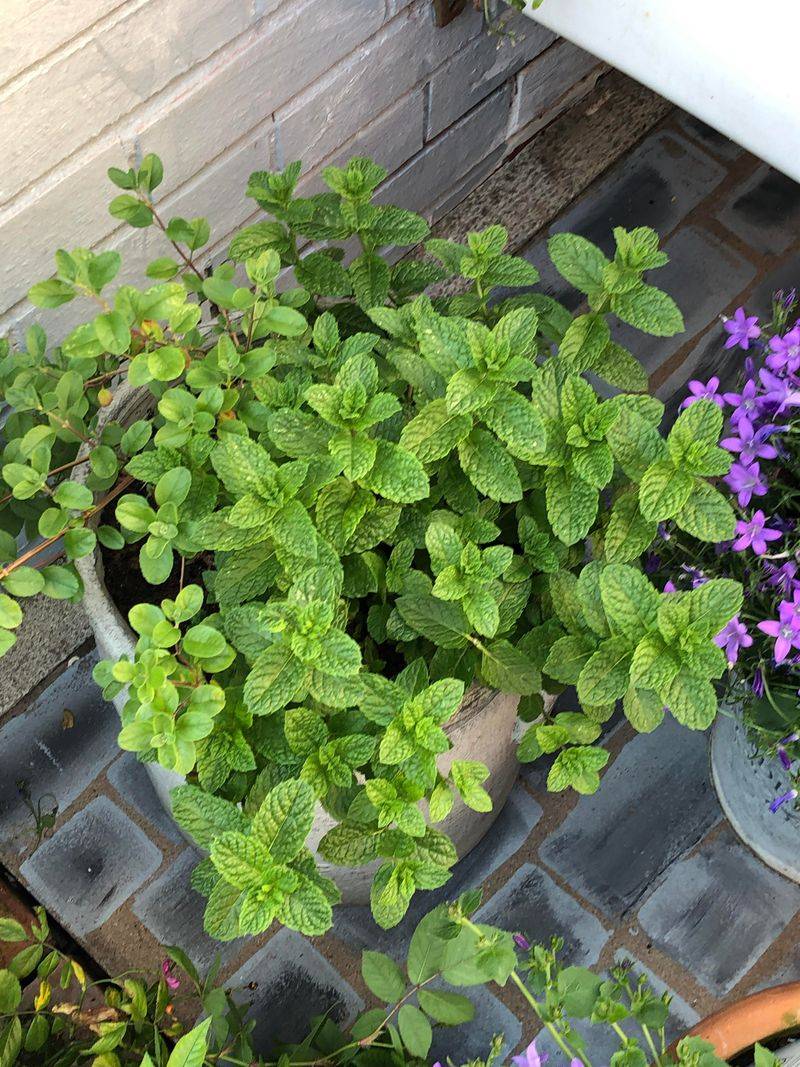
Mint has a reputation, and that reputation is earned. In the ground, it spreads through underground runners with genuine enthusiasm and establishes itself as a permanent fixture whether or not anyone invited it to stay.
In a container, that same energy becomes your best asset.
Confined to a pot, mint stays completely manageable while still producing generous, fragrant harvests throughout the season.
Choose a wide, deep container, at least ten inches across, since mint spreads laterally and performs better with room.
Keep it in its own dedicated pot rather than sharing space with other herbs. Those underground runners will find drainage holes and attempt an escape given any opportunity.
Mint prefers consistently moist soil and tolerates partial shade better than most culinary herbs.
In California’s hot inland areas, afternoon shade prevents leaf scorch and keeps the plant looking lush through summer. Along the coast, morning sun with some afternoon protection works well.
Spearmint, peppermint, and chocolate mint all perform well in California containers. Each carries a different flavor profile and fragrance. Growing two or three varieties side by side is a genuinely interesting experiment.
Harvest by snipping stems just above a leaf node. Regular cutting encourages fuller growth rather than slowing the plant down.
Fresh mint transforms ordinary things into noticeably better versions of themselves. Lemonade, iced tea, fruit salad, cocktails.
Has anyone ever been disappointed by the addition of fresh mint to something? The record suggests no.
7. Parsley Provides Leafy Color Year Round
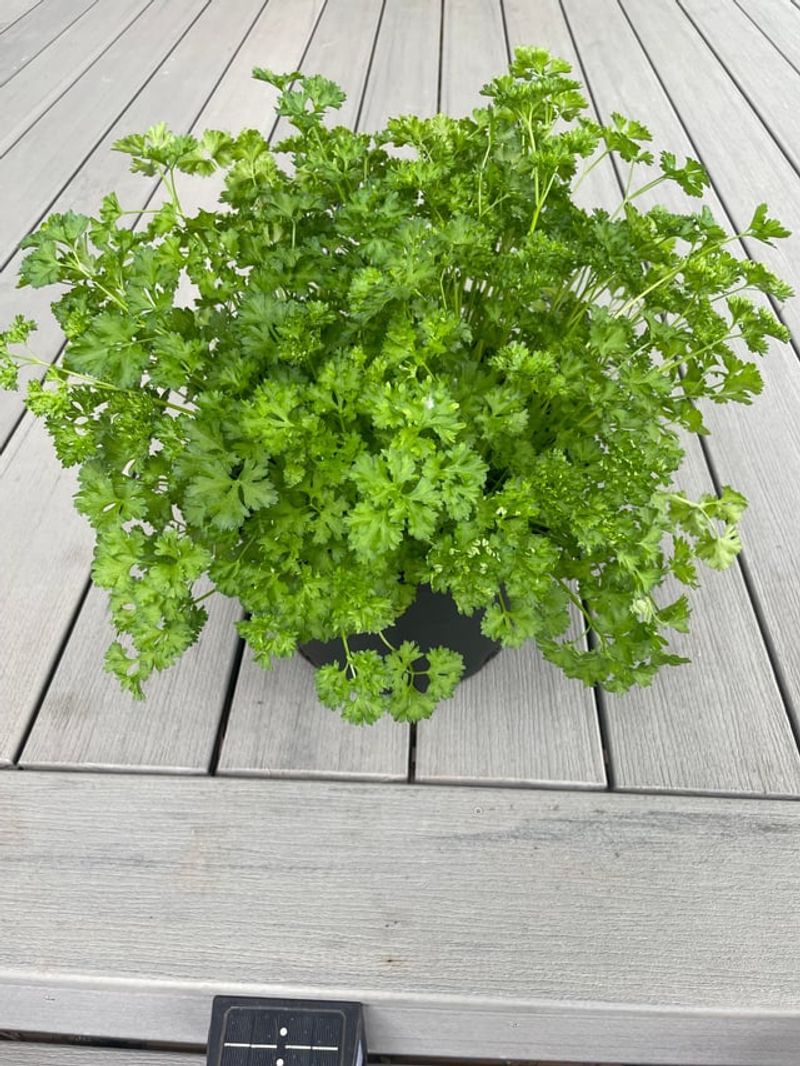
Parsley gets treated as a garnish. A small green afterthought pushed to the side of the plate while the main event gets the attention.
Grown fresh in a California container garden, it stops being an afterthought and becomes something genuinely useful.
One of parsley’s most practical qualities for California gardeners is cold tolerance. Unlike basil, which turns dark at the first hint of chill, parsley handles California’s mild winters without slowing significantly.
In most parts of the state, year-round production is realistic, which makes it one of the most consistently productive herbs for a container setup.
It is technically a biennial, meaning it lives for two growing seasons before setting seed. That longer lifespan means less frequent replanting compared to annual herbs.
Parsley prefers full sun to partial shade and consistent moisture. Soil should stay evenly moist but never waterlogged. A rich, well-draining potting mix with monthly balanced fertilizer keeps the leaves lush and deeply colored.
Curly and flat-leaf parsley both grow well in containers. Flat-leaf, also called Italian parsley, tends to carry a stronger, more complex flavor that holds up better in cooked dishes.
Harvest outer stems first and leave the inner growth to continue developing. New production follows quickly.
Have you ever tasted parsley fresh from a pot compared to the bunch from the grocery store? The difference makes a strong case for growing your own.
The side dish is quietly becoming the main event.
8. Sage Produces Fragrant Leaves With Little Fuss
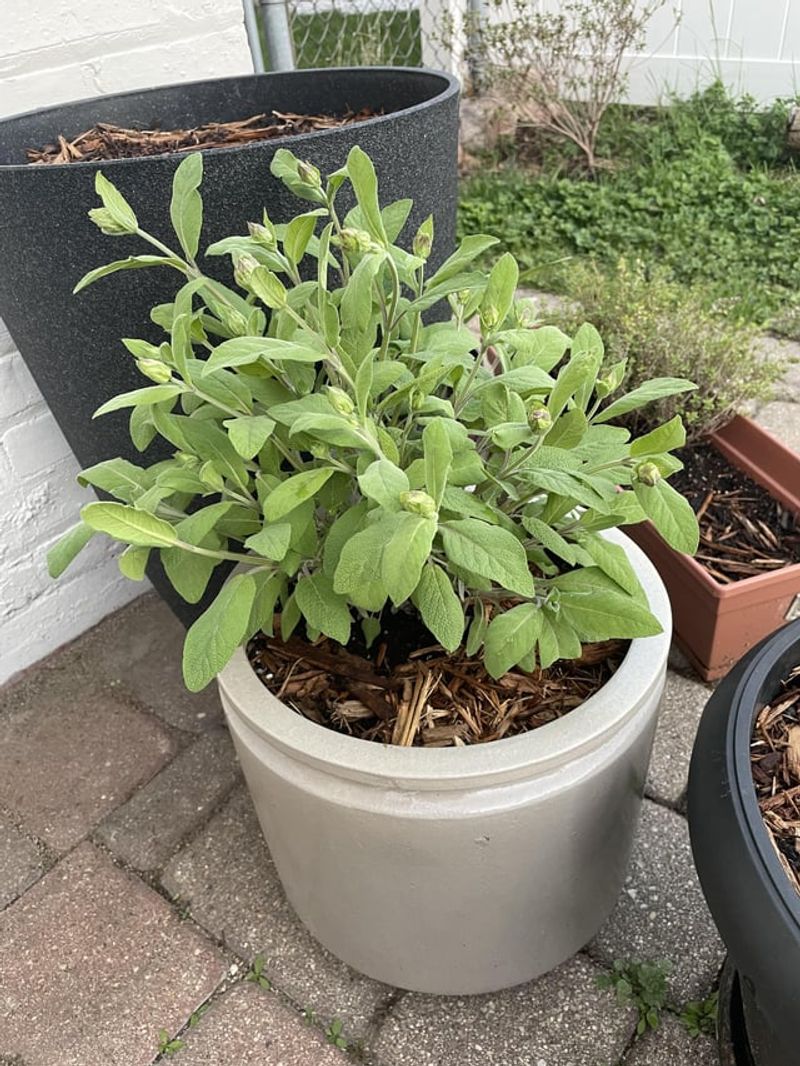
Sage has a confidence that other herbs occasionally lack.
The silvery-green velvety leaves, the woodsy camphor-like fragrance, the way a well-established pot looks intentional and beautiful after weeks of minimal attention. This is an herb that rewards patience and low maintenance in equal measure.
Garden sage is drought-tolerant once established and genuinely thrives in full sun with well-draining soil. It prefers lean conditions.
Heavy fertilizing pushes lush but flavor-poor leaves, which defeats the purpose of growing your own. A sandy or gritty potting mix suits it well. A terracotta pot helps by wicking excess moisture from the root zone, which sage actively appreciates.
In California’s warm inland areas, sage grows vigorously from spring through fall. Along the coast, cooler temperatures slow growth slightly but the plant stays productive and visually attractive through most of the year.
Harvest throughout the growing season by snipping individual leaves or small sprigs. Avoid removing more than one-third of the plant at any session to keep growth healthy and productive.
Sage pairs beautifully with roasted poultry, butternut squash, brown butter pasta, and savory stuffing. It also dries exceptionally well.
A small bunch hung upside down in a warm, airy spot produces fragrant dried sage that outperforms anything from a grocery store jar for months.
Growing sage is one of those small investments that pays back in the kitchen far beyond what the effort involved would suggest.
Is there a more reliable herb in a California container garden? The competition is strong, but sage makes a very compelling case.