Can California Gardeners Still Plant Strawberries In September?
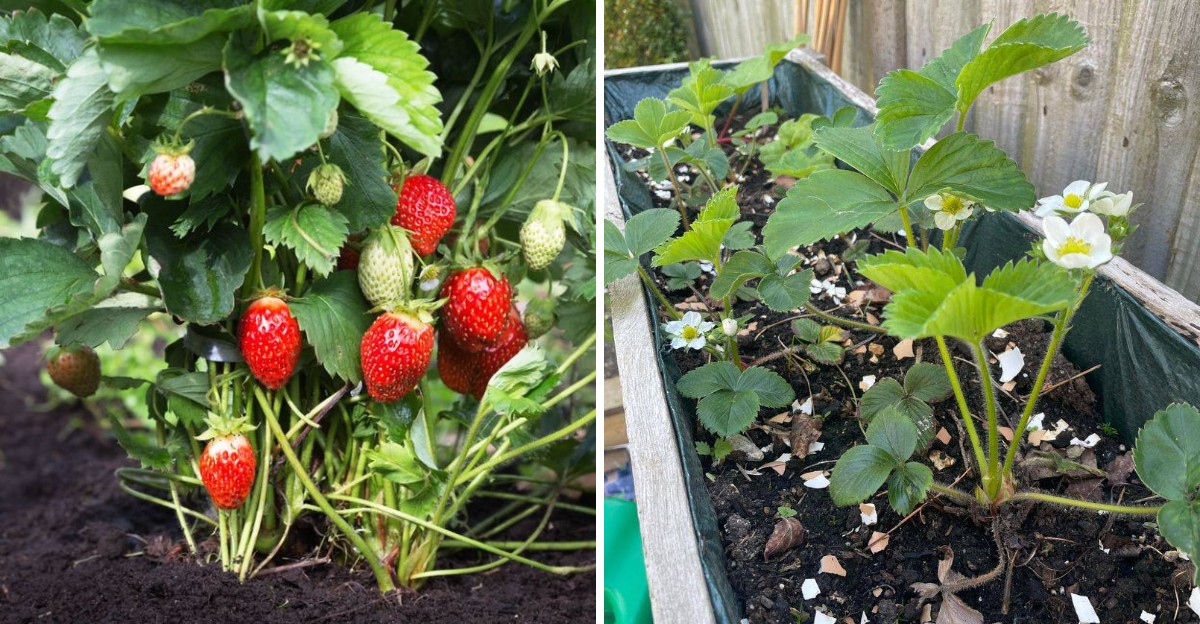
September feels late for planting strawberries, and plenty of California gardeners assume the window already closed back in August.
That assumption isn’t quite right.
Fall is actually one of the best times to get strawberries into the ground here, and September still has real options on the table, depending on what you’re growing and where.
Here’s the part that trips people up, though. Not every variety plays by the same rules. Some barely notice a late start at all. Others need much more careful timing tied to your exact region and climate.
Seven facts explain exactly what a September planting looks like, who benefits most from starting now, and what adjustments might save your patch if you’re already past the ideal window.
Curious which variety forgives a delay and which one doesn’t? It starts with a question about daylight itself.
1. Late August Is Usually The Ideal Window
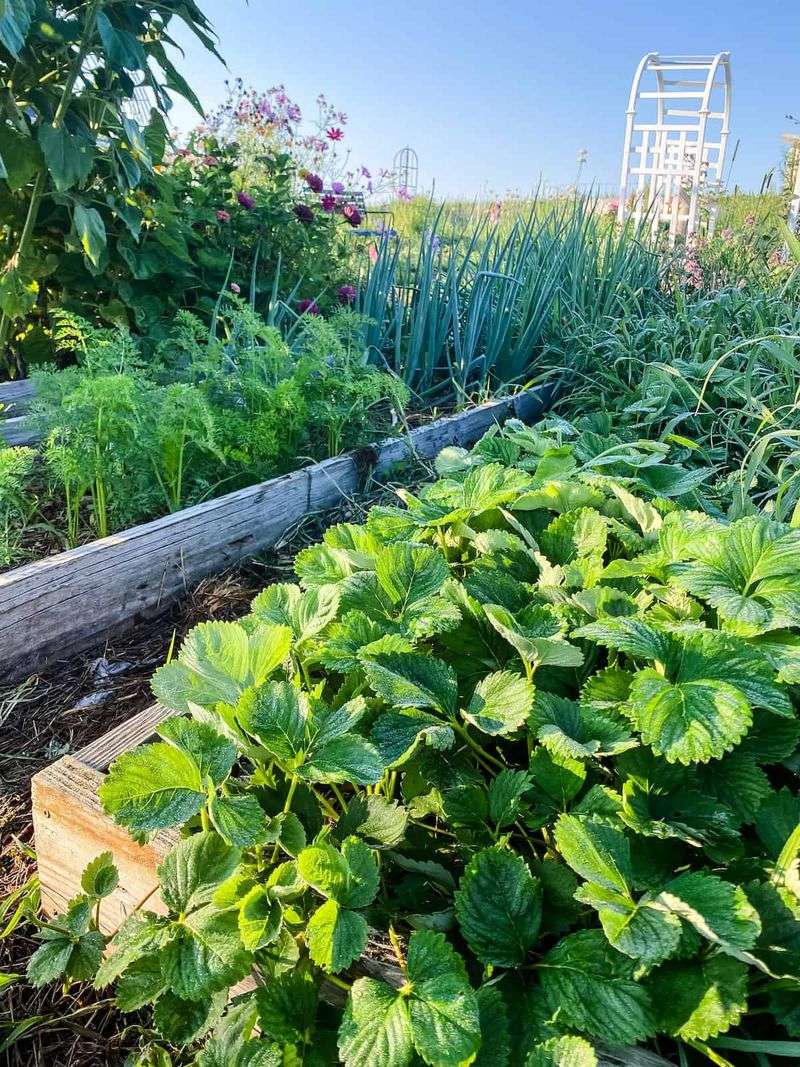
Late summer works like a relay race, and that’s where the baton gets passed to your strawberry patch.
Mid-to-late August is generally the best time to plant strawberries across all California locations.
That advice covers everywhere from San Diego to Redding, which is pretty unusual for a single planting tip to apply so broadly.
So why August specifically? The soil is still warm, which helps new roots spread out quickly. Days are starting to shorten, yet there’s plenty of sunlight left for young plants to settle in before cooler weather arrives.
Planting at this time also gives strawberries a long runway ahead. They have several months to build strong roots and healthy crowns before spring. That head start usually means more flowers and more berries later on down the line.
Here’s the catch, though. Life gets busy, nurseries sell out, and vacations happen at the worst possible moment. Plenty of gardeners look up in early September and realize August slipped right past them entirely.
Missing the ideal window does not mean missing the season altogether. Generally best is not the same as only option. Some strawberry types can go in during fall just fine, and certain areas have even more wiggle room than others.
Treat August as the gold standard rather than a hard deadline. Knowing it’s the target helps you understand why September can still work, and what you might need to adjust to make it succeed.
2. September Still Works For Day Neutral Types
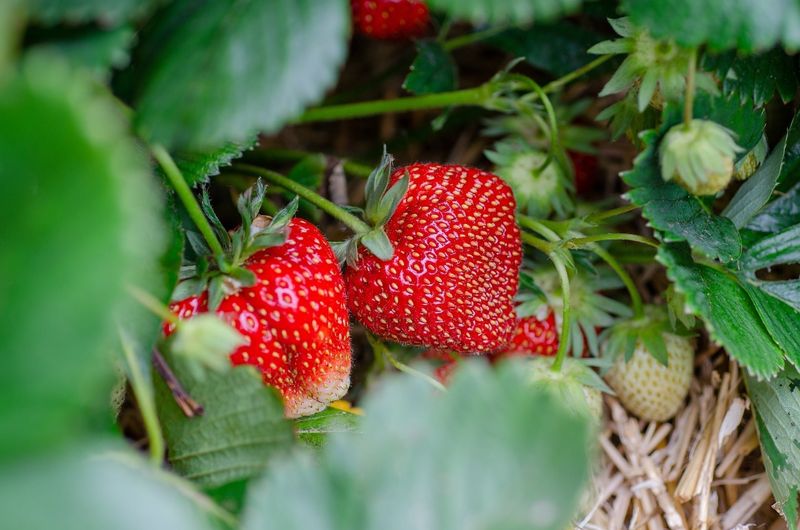
Good news first. If you have your eye on day-neutral strawberries, September is a perfectly solid time to plant them. Day-neutral varieties can also be planted in fall, which makes them the most forgiving choice for late starters.
What does day-neutral even mean? Most plants pay close attention to how long the days are, and they flower when the light feels right for them.
Day-neutral strawberries mostly ignore day length entirely, so they keep making flowers as long as temperatures stay comfortable, roughly between 35 and 85 degrees.
That quirk gives them a flexible personality overall. They don’t need a specific light signal to get going, so a few weeks of delay rarely throws them off course.
Your California Garden Changes Every Week. Your Plan Should Too.
Gardening in California changes quickly throughout the season. Every Friday you’ll receive a simple weekly plan showing exactly what to plant, prune, fertilize, harvest, and protect so you never miss the right timing.
Popular day-neutral picks in California include Albion, Seascape, San Andreas, and Monterey, many of which were bred by the University of California.
Here’s a fun fact worth knowing. UC Davis has run one of the most famous strawberry breeding programs in the world for decades. A huge share of the strawberries grown across the globe trace back to its work.
For a September planting, choose healthy plants with firm crowns and bright green leaves. Put them in a sunny spot that gets at least six to eight hours of light, and use loose soil that drains well.
Keep the soil evenly moist while the plants settle in. Warm September afternoons can dry things out fast.
3. Short-Day Varieties Need More Specific Timing
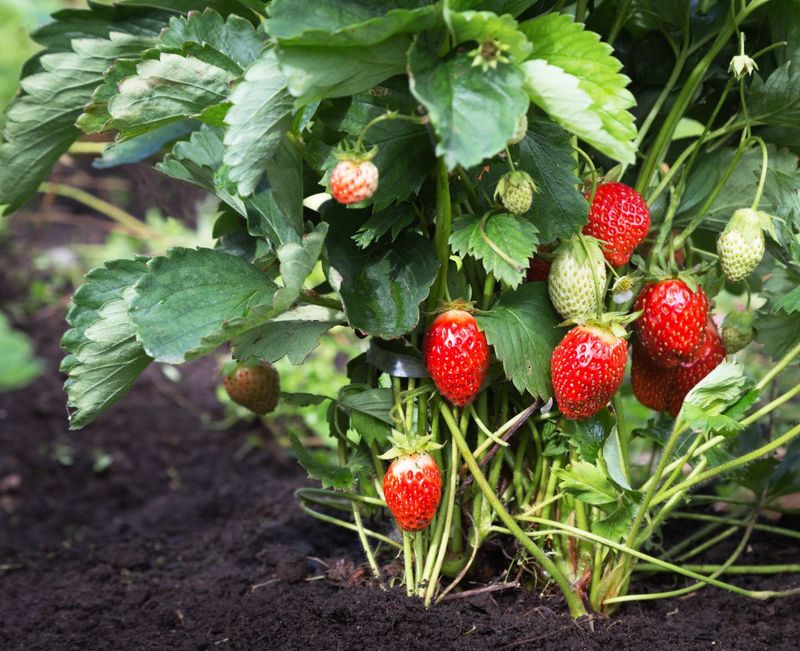
Short-day strawberries are the planners of the berry world, in a sense. They wait for shorter days and cooler nights in fall to set their flower buds, then deliver one big crop in spring.
Because of that built-in clock, their planting date matters more than it does for day-neutral types.
Chandler and Camarosa are two well-known short-day varieties often grown in California. Home gardeners like them because they produce a large, concentrated harvest, which is handy if you want to make jam or freeze berries all at once.
The tricky part is that the best timing for short-day plants depends a lot on where you live.
August works as the general statewide target, and fall flexibility for short-day types is tied closely to local climate. A gardener in Fresno faces different conditions than one in Santa Cruz.
Inland valleys can get chilly nights and occasional frost by late fall. Planting short-day strawberries too late in those spots may leave them without enough time to grow strong before winter slows them down. Earlier is usually safer inland.
If you’re unsure about your area, check with your county extension office or local Master Gardener program. They often publish planting calendars built for your exact region.
Treat the plant tag as a clue. If it says short-day or June-bearing, give its timing a little extra thought.
4. Coastal Mild Winters Extend Your Options
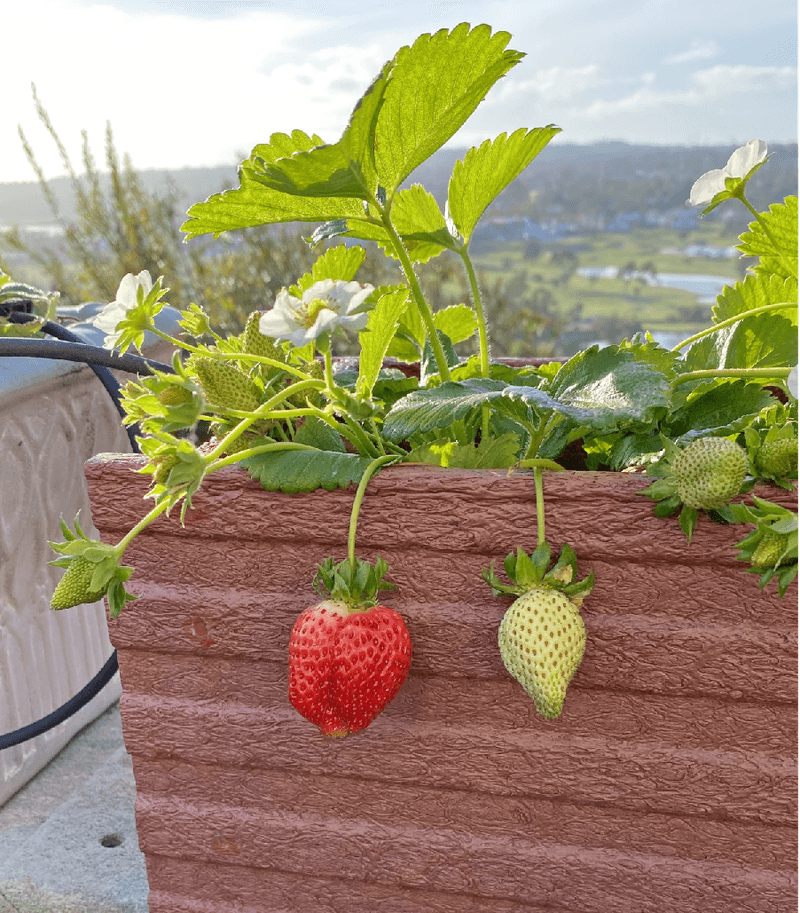
Ask a gardener in Santa Barbara or Monterey about strawberries, and you may hear a surprisingly relaxed answer.
Along the California coast, cool summers and mild winters create a long, gentle growing season. That steady weather gives coastal gardeners extra breathing room with planting dates.
Short-day varieties can be planted as late as November in coastal areas with mild winters, as long as you use green plants. So if you live near the ocean, September is not late at all. You actually have a couple of months to spare.
What are green plants, exactly? They’re strawberry plants sold with their leaves still attached and actively growing, rather than dormant bare-root plants that have been chilled and stored.
Green plants are ready to grow right away, which suits a late fall start, though availability varies by nursery.
Commercial growers take advantage of this too. Much of the big California strawberry crop comes from coastal counties like Monterey, Santa Cruz, and Ventura, where fall planting is standard practice.
Inland gardeners should not assume the same rules apply to them. Hot summers and colder winter nights in places like the Central Valley or high desert shrink that window considerably.
If you garden near the coast, relax a little and plan your September bed with confidence. Just keep an eye on local frost dates for peace of mind.
5. Fall Planted Roots Set Up Spring Fruit
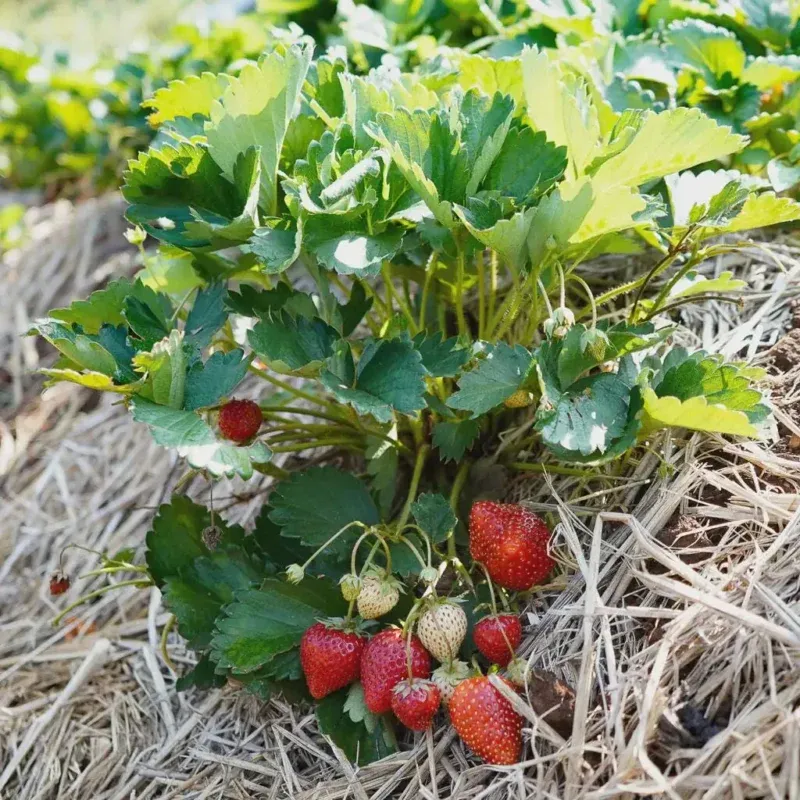
Underground, a lot happens while your garden looks sleepy on the surface. When you plant strawberries in fall, the leaves may not seem busy, but the roots are hard at work spreading through the soil. That hidden effort pays off once spring arrives.
Cooler temperatures in fall and winter are easier on young plants than summer heat. The plants use less water, feel less stress, and can focus on building a strong root system and sturdy crowns instead.
The crown is the short, thick center where leaves, flowers, and runners grow from.
By the time spring warms up, a well-rooted plant is ready to push out flowers quickly. More established roots mean the plant can pull up water and nutrients easily, which supports bigger, sweeter berries.
Many California gardeners pick their first fall-planted berries in early to mid spring.
To help this process along, mulch around your plants with straw or pine needles. Mulch keeps soil moisture steady, blocks weeds, and keeps berries off the dirt later in the season.
Water deeply but not constantly during fall. Winter rains may handle some of the work, but dry spells happen, especially in Southern California. Check the soil with your finger, and if the top inch is dry, it’s time to water.
Patience is the secret ingredient here. A quiet winter bed is a busy one below the surface.
6. Bare Root Plants Need A Quick Soak First
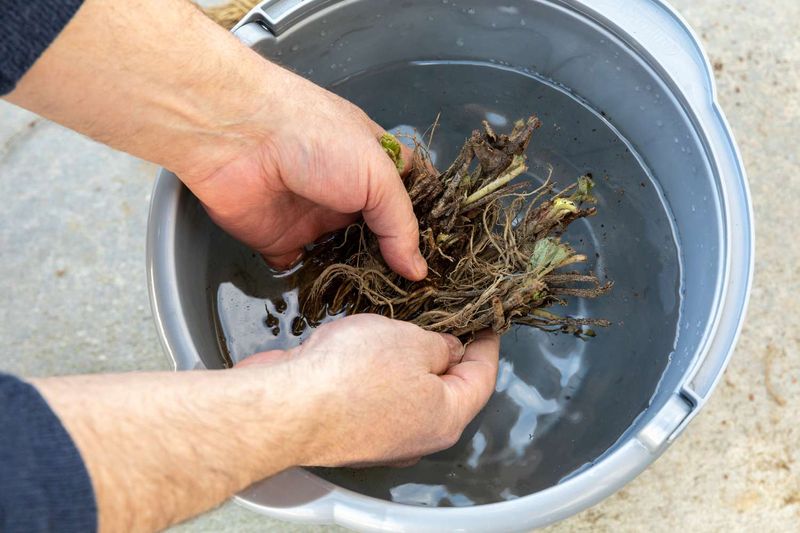
Bare-root strawberries look a little sad when they arrive, like a bundle of dry roots with a few crinkled leaves attached. Don’t worry, that’s completely normal. The plants were dug up while dormant, and they just need a drink before going into the ground.
Soaking the roots in a bucket of plain water for about 20 minutes to an hour helps rehydrate them properly. Many nurseries and extension guides suggest a short soak like this, though exact times vary by source. Avoid leaving them submerged overnight, since roots need oxygen too.
While they soak, get your planting spot ready. Loosen the soil, mix in some compost, and dig holes deep and wide enough for the roots to hang straight down without bending awkwardly.
Planting depth matters more than most people expect going in. Set each plant so the crown sits right at soil level. Too deep and the crown can rot, too shallow and the roots dry out fast.
After planting, water gently to settle the soil around the roots. Space plants about 12 inches apart so they have room to grow and air can flow between them properly.
Green plants, by contrast, usually skip the soak because they’re already growing. Handle them like any potted transplant and water them in well. Either way, the first few weeks of steady moisture set the tone for the whole season.
7. Timing Still Beats Planting On A Whim
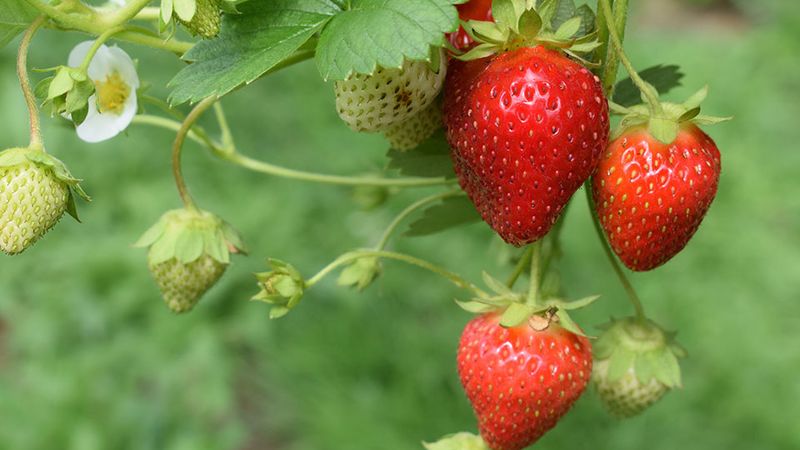
Grabbing a six-pack of strawberries at the store and tossing them in the ground can work out fine. Still, a little planning turns a so-so patch into one that keeps you picking all spring long.
September planting is possible, but matching your variety and region to the right window gives you the best shot.
Start by asking two simple questions. Are you growing day-neutral or short-day plants? Do you live near the coast, or somewhere inland with hotter summers and colder winters?
Day-neutral types are the easygoing choice for a September start almost anywhere in the state. Short-day varieties want more careful timing, especially inland, while coastal gardeners with mild winters can plant them as late as November using green plants.
Next, look at the calendar with honesty. If you can still get plants in during early September, go for it without hesitation. If you’re pushing into October or later inland, think about choosing day-neutral types instead or checking your local extension office for advice.
A quick checklist can help here. Pick the right type, prep loose soil with compost, soak bare roots, plant with the crown at soil level, and mulch well. Small steps like these add up to a much better harvest.
Short answer to the big question? Yes, California gardeners can still plant strawberries in September, and many will do just fine. The gardeners who plan a little are usually the ones sharing extra berries with the neighbors come spring.
8. Local Nursery Stock Often Signals The Right Time
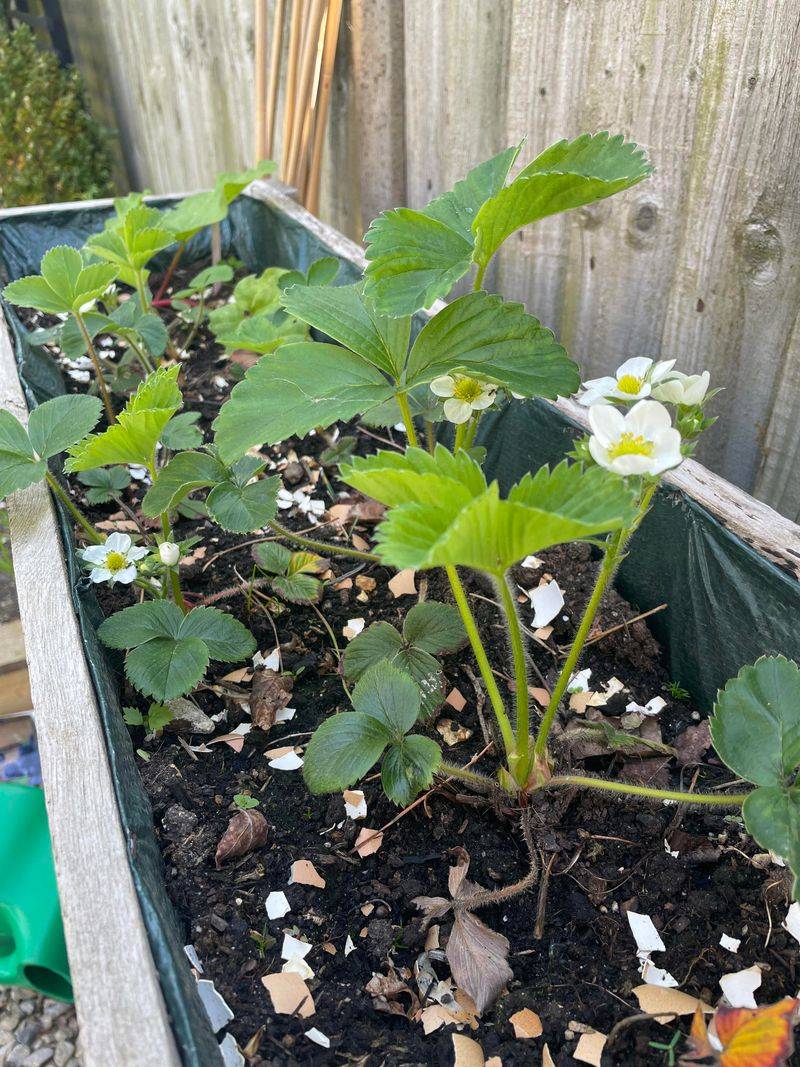
A nursery’s shelves can act as a pretty reliable calendar, whether or not that’s the intention.
When strawberry starts show up in local garden centers, that timing usually reflects what actually grows well in your specific area right now, not some generic statewide average.
Nurseries stock what sells and what survives, and they adjust their timing region by region based on years of local experience.
If a nursery near the coast is still selling green plants in October, that’s a strong signal the local climate supports a later planting than most inland guides would suggest.
If inland nurseries have already cleared their strawberry section by mid-September, that’s worth paying attention to as well.
Independent, locally owned nurseries tend to be more reliable messengers here than big box stores.
Staff at smaller operations often grow up gardening in the same climate they’re selling for, and they can usually tell you straight up whether a September planting still makes sense for your exact neighborhood.
Ask specific questions when you’re there. Which variety performs best locally, and has that particular nursery seen fall-planted strawberries succeed in most years or only in the mildest ones?
Timing questions get easier when you’re standing in front of actual healthy plants rather than reading a generalized calendar online.
A firm crown, bright green leaves, and no yellowing are good signs no matter what the calendar says.
Combine that firsthand nursery insight with what you’ve learned about your own variety and region, and a September planting stops feeling like a gamble.
It starts feeling like a plan built on real, local information.