What It Really Means When Grackles Flock To Your Texas Yard This Fall
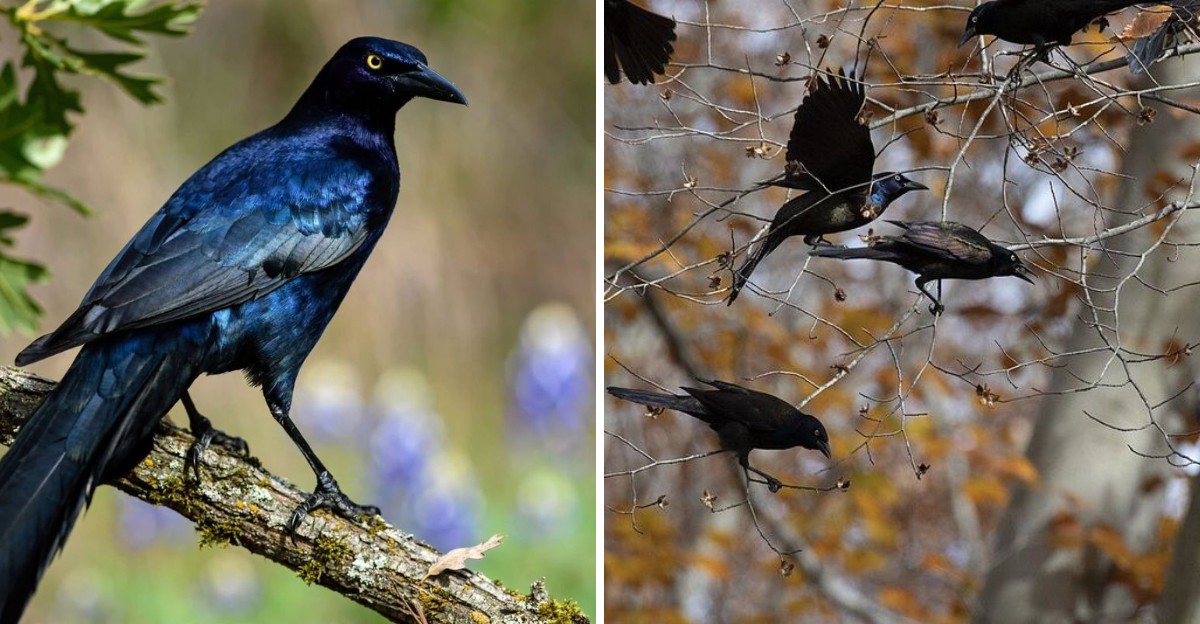
Grackles are not subtle visitors. When a flock decides your Texas yard is worth their attention in fall, you know about it immediately. The noise, the sheer numbers, the bold indifference to anything else sharing the space.
Most Texas homeowners who experience a large grackle gathering have one reaction before any other. Why here?
Grackle flocks descending on a yard in fall are not making random choices. These are highly intelligent, highly social birds, and the locations they concentrate in reflect very specific conditions those areas are providing.
Understanding what’s drawing them to your yard in particular tells you something real about your property and what’s available in it right now.
Here’s what a grackle flock in your Texas yard this fall is really telling you and how to interpret what you’re seeing.
1. Your Yard Has An Abundant Food Supply
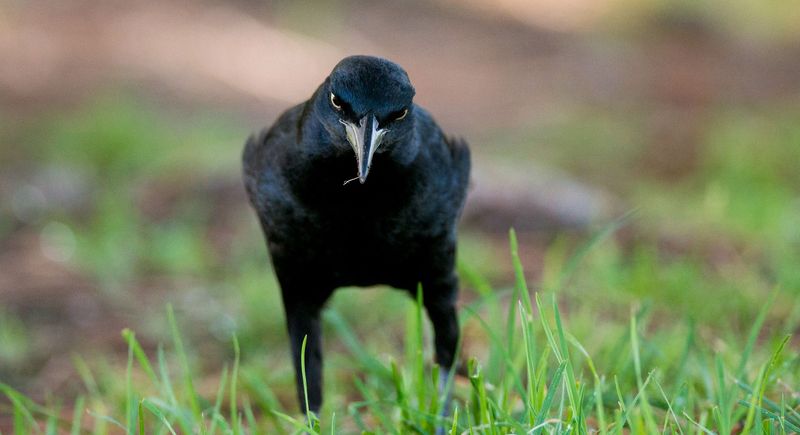
Picture this. You fill the bird feeder on Saturday morning, and by noon it is totally empty. A noisy gang of shiny black birds has cleaned it out.
Great-tailed grackles are some of the smartest food hunters in Texas. They travel in groups and share information by watching each other. When one bird finds a good meal, the rest of the flock follows fast.
So if your yard is packed with grackles, it usually means you are offering a buffet. Bird feeders, pet food bowls, open trash cans, and even crumbs from a backyard cookout can all count. Grackles are not picky eaters at all.
They will happily munch on corn, bread, dog kibble, french fries, and just about anything else they can grab.
Cheap seed mixes with lots of cracked corn and millet are especially tempting. Once they learn your yard is a reliable snack stop, they will keep coming back.
Want fewer grackles? Try switching to safflower seed or nyjer seed, since grackles usually do not enjoy them. Tube feeders with short perches or cage feeders also make it harder for big birds to eat.
Bring pet food bowls inside after meals, and keep trash cans closed with tight lids. Sweep up spilled seed under feeders every few days. Small changes like these can make your yard far less exciting to a hungry flock.
On the other hand, some people actually enjoy the show. Grackles are clever, bold, and full of personality.
If you do not mind sharing, you might just sit back and watch these feathered troublemakers work together like a tiny, noisy team.
2. Fallen Fruit And Seeds Are Drawing Them In
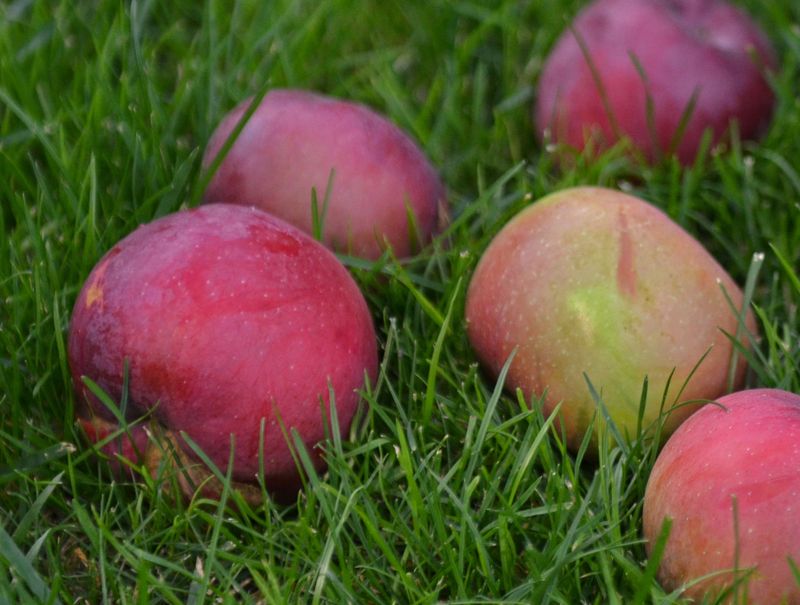
Texas falls are famous for pecans, and grackles know it just as well as any grandma baking a pie. When nuts, berries, and seeds start dropping to the ground, these birds treat your lawn like a free farmers market.
Many Texas yards have pecan, live oak, hackberry, or yaupon trees. Oaks drop acorns, hackberries leave tiny sweet berries, and pecans crack open on sidewalks.
Grackles love all of these treats, especially when the shells are already broken.
Your Texas Garden Changes Every Week. Your Plan Should Too.
Gardening in Texas changes quickly throughout the season. Every Friday you’ll receive a simple weekly plan showing exactly what to plant, prune, fertilize, harvest, and protect so you never miss the right timing.
Here is a fun fact. Grackles sometimes use their strong beaks to crack acorns open, a bit like using a built-in nutcracker. They have a special ridge inside their bill that helps them saw through hard shells.
Garden plants matter too. Sunflowers that went to seed, ripe tomatoes left on the vine, and overripe figs can all pull a flock into your yard. Even grass seeds in an unmowed corner can be a snack.
If you want to keep grackles from gathering, raking is your best friend. Pick up fallen fruit and nuts every few days, especially under big trees. You can even save the good pecans for yourself and your family.
Harvest garden crops as soon as they are ripe, and pull out spent plants. Composting is great, but keep your pile covered so birds cannot pick through it.
Of course, some families like seeing their yard full of life in autumn. If you feel that way, leaving a few seeds behind is perfectly fine.
Just remember that a small snack can quickly turn into a big crowd, since grackles rarely show up alone or quietly.
3. They’re Searching For Insects In The Soil
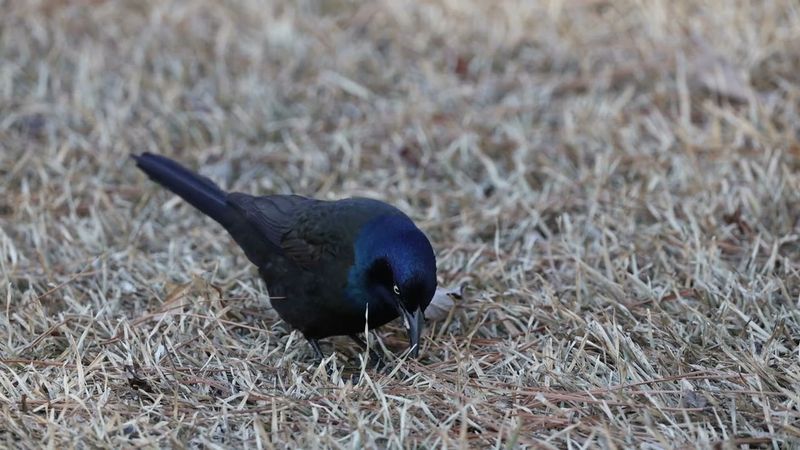
Ever watched a grackle strut across your lawn like it owns the place? That confident walk is not just for show. The bird is actually hunting, and your grass might be hiding a feast.
Grackles eat lots of bugs, including grubs, beetles, crickets, grasshoppers, and caterpillars. In fall, many insects are busy in the soil or tucked under dry leaves. Grackles poke their beaks into the dirt and pull them right out.
Now for the surprising part. A flock digging in your yard could be doing you a favor. Lawn grubs, which are baby beetles, chew on grass roots and can leave ugly brown patches.
Grackles gobble up those grubs, which means fewer pests for you to fight. Some gardeners in Texas even call them free pest control. That sounds a lot better than spraying chemicals, right?
Still, a big flock can leave small holes in the lawn. If you see lots of pecking in one spot, try a simple test. Cut a one-foot square of grass, peel it back, and count the grubs underneath.
Finding more than ten might mean you have a grub problem worth treating. A local garden center or your county extension office can suggest safe options. Fewer grubs usually means fewer grackles digging around.
Watering habits play a role too. Freshly watered soil is soft, and bugs move closer to the surface, making them easy to grab. Try watering early in the morning, and avoid soaking the lawn more than it needs.
Next time you spot grackles marching through the grass, give them a little credit. They might be the hardest working bug hunters on your block.
4. Your Yard Offers Safe Roosting Or Resting Spots
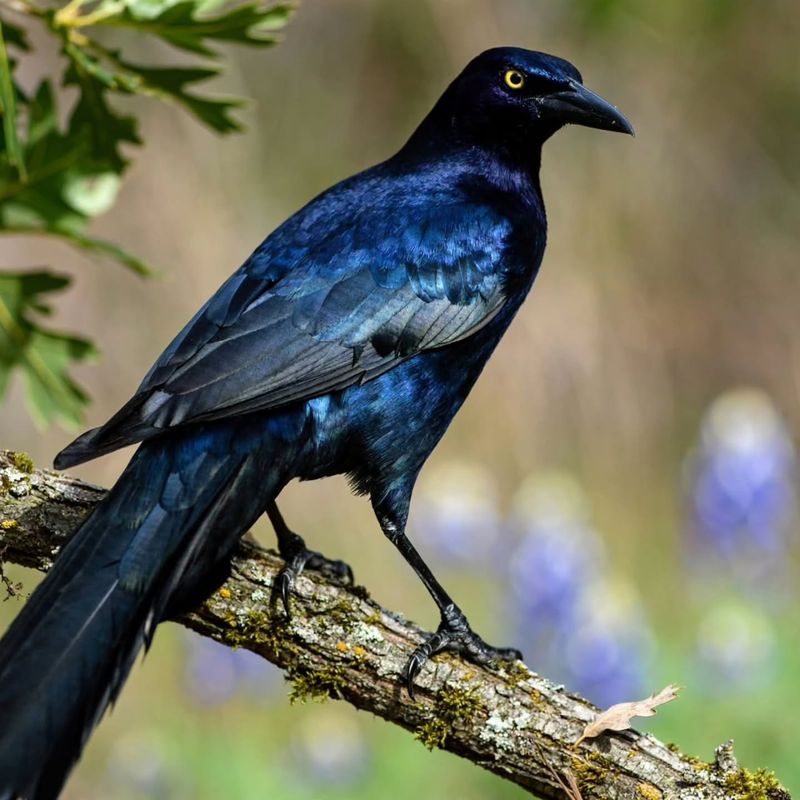
Just as the sun starts to set, the trees outside your window come alive with whistles, clicks, and squeaky calls.
It almost sounds like a rusty gate orchestra. That noisy racket often means grackles have picked your yard as a place to rest.
Grackles like to sleep in big groups, called roosts. Being together helps them stay safe from owls, hawks, and other predators. More eyes mean more warnings when danger is near.
The best roosting spots are tall, thick trees with lots of leaves. Live oaks are a favorite in Texas because they stay green all year. Dense shrubs, tall hedges, and even palm trees can also work.
Light matters, too. Grackles often roost near parking lots, stores, and streetlights because bright areas make it harder for predators to sneak up. If your yard sits near a well-lit road, that might be part of the appeal.
During the day, flocks may simply stop by to rest between meals. Fences, power lines, and rooftops give them a good view of the neighborhood. From up high, they can spot food and keep watch at the same time.
Roosting birds can leave a big mess of droppings on cars, patios, and sidewalks. To make your trees less cozy, you can have them thinned by a tree trimmer so there is more open space. Shiny reflective tape or a hanging owl decoy may also help for a while.
Keep in mind that grackles are covered by federal bird protection laws, so it is best never to harm them or their nests. Move decoys around every few days so the birds do not figure out the trick.
5. Nearby Water Is Attracting Them
Texas summers can push temperatures past 100 degrees, and even early fall stays hot in many places.
Birds get thirsty just like we do. A reliable splash of water can be as attractive to grackles as a full feeder.
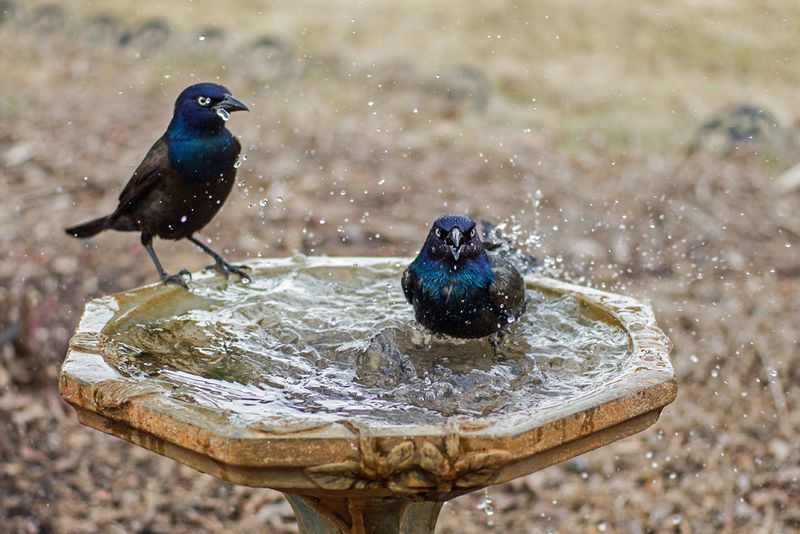
Birdbaths, fountains, pet water bowls, and even puddles from sprinklers can all catch their attention. Grackles do not just drink. They also love to bathe, fluffing their feathers and flapping around until they are soaked.
Did you know that grackles sometimes dunk their food in water before eating it? Scientists have watched them soften hard bread or wash off bugs in birdbaths. It is a clever trick, but it can leave your birdbath looking pretty gross.
Living near a pond, creek, lake, or drainage ditch makes your yard even more appealing. Great-tailed grackles naturally hang around wet areas, where they can snag small fish, frogs, and crawfish. Your yard might just be a handy stop on the way.
Want to share water without inviting the whole flock? Choose a shallow birdbath that is about one inch deep. Smaller songbirds like that depth, while bigger grackles find it less useful for dunking and splashing.
Scrub and refill your birdbath every two or three days to keep it clean and mosquito free. Fix leaky hoses and drippy faucets, since small puddles add up. Try to empty pet bowls when your furry friends are finished.
If you enjoy watching birds, water is one of the best ways to bring them close. Just expect grackles to join the pool party now and then. They are loud guests, but they sure know how to make a splash.
6. Seasonal Changes Are Altering Their Feeding Patterns
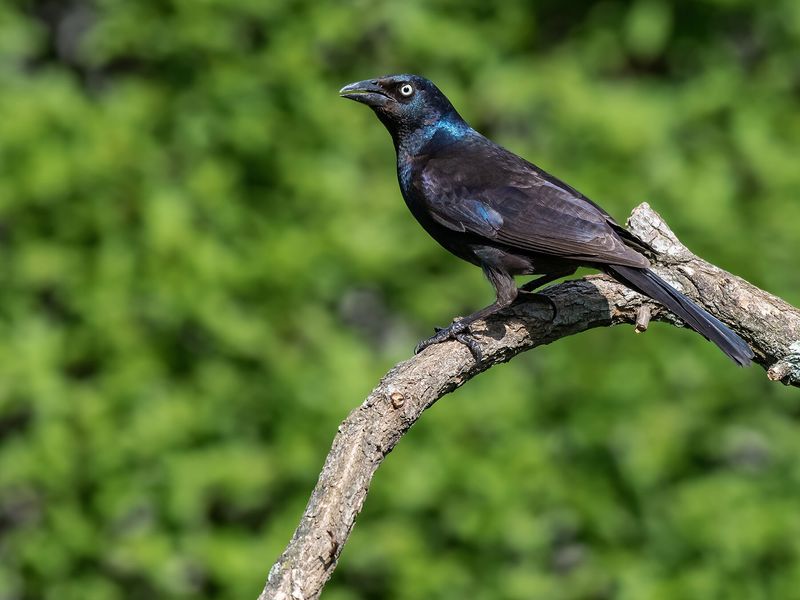
Old-timers in Texas like to say that the birds always know the weather before the weatherman does.
There is some truth to that. As fall arrives, grackles notice shorter days and cooler nights, and their habits shift in response.
During spring and summer, grackles spend a lot of energy raising chicks. They spread out around nesting colonies and focus on feeding their young.
Once the babies can fly, the family pressure is over, and eating becomes the top priority.
In fall, their diet slowly changes. Summer is full of juicy insects, but as bugs become harder to find, grackles eat more grains, seeds, nuts, and human food. That shift can send them straight to backyards, farm fields, and restaurant parking lots.
Shorter days also mean less time to eat. Grackles often feed hard in the early morning and late afternoon, filling up before heading to their roost. So you may notice your yard gets busy at certain times, then goes quiet.
Some grackles that live farther north travel south into Texas for the winter. That means the local crowd can grow larger as the season goes on. More birds competing for food pushes them to explore new yards, including yours.
A smart move is to keep a simple bird journal. Write down the time, weather, and number of grackles you see each day. After a few weeks, you will likely spot a pattern that helps you plan feeder refills or cleanups.
Kids especially love this kind of project. It turns a noisy flock into a fun backyard science lesson that the whole family can share.
7. You’re Seeing Normal Fall Flocking Behavior
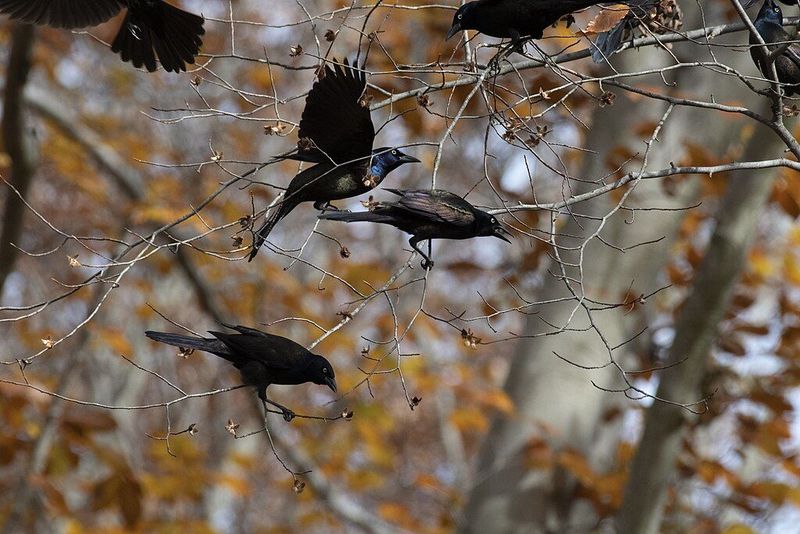
Relax, nothing strange is going on. If hundreds of grackles suddenly swoop into your neighborhood this fall, you are witnessing one of the most common bird events in Texas. It happens every year, like clockwork.
After nesting season ends, grackles gather into huge flocks that can number in the thousands.
Sometimes they even mix with other blackbirds, cowbirds, and starlings. Traveling together makes finding food easier and keeps each bird safer.
Some people worry that a big flock means something is wrong with their yard or the environment. Usually, that is not the case. Grackles are simply social birds, and fall is their time to hang out in large crowds.
A quirky bit of history helps explain the crowds. Great-tailed grackles were once found mostly in South Texas and Mexico.
Over the last hundred years or so, they spread across the state and beyond, thanks to cities, farms, and all the food people leave around.
You might also notice the males showing off. They puff up their feathers, point their beaks to the sky, and make wild calls. Even outside of nesting season, these displays help them keep their place in the group.
So what should you do? Enjoy the spectacle if you can, and manage the mess if you must. Keep food sources tidy, rinse droppings off outdoor furniture, and park your car away from favorite roosting trees.
By late winter, the giant flocks start to break up as spring nesting season gets closer. Your yard will calm down again.
Until then, grab a cup of cocoa, step outside at sunset, and enjoy one of nature’s loudest shows.