Can Faded Mums Survive a New York Winter? 8 Things to Do Now to Find Out

The emperor of Japan sits on a throne named after a flower that probably sits on your porch right now. That same bloom has been treasured in Asian gardens for thousands of years, according to plant historians.
Most of us buy a few pots each fall and then toss them by Thanksgiving once the color fades. Truth be told, I treated mine like disposable decorations until one stubborn plant came back on its own.
That surprise sent me reading extension guides and testing tricks across a few chilly New York seasons. You might notice that a few faded pots bounce back while their twins quietly vanish after a hard freeze.
The difference often comes down to a handful of small choices you make in November, not luck. So which of your tired autumn beauties has what it takes to greet a spring?
1. Check The Tag For A Hardy Garden Mum Label

Plant tags rarely get much love, but that tiny plastic stake might be the most valuable clue in your yard. Mine usually end up in a drawer, and I have learned to fish them out every November.
Garden mums and florist mums look nearly identical in a grocery store bucket, yet they behave very differently outdoors. Florist types are bred for a short indoor show, and they often struggle to survive cold northern winters.
Hardy garden mums are perennials, and many varieties are rated for USDA zones 5 through 9 on their labels. Some tougher selections handle zone 4, which helps gardeners in the colder upstate valleys and mountain towns.
Most of the state falls between zones 4 and 7, so checking that number really matters for your plants. Long Island and New York City sit in milder zones, while the Adirondacks can dip far colder.
Look for words like hardy mum or garden mum, plus a clear zone rating printed somewhere on the tag. If the label only mentions indoor care or gift use, your plant is probably a florist type.
If the tag went missing, check whether small new shoots are forming around the base of the stems. Those little basal shoots often signal a plant with enough energy and roots to attempt a comeback next year.
Honestly, knowing what you have saves a lot of heartbreak and wasted effort before the real cold arrives. A florist mum can still brighten your kitchen windowsill for a few extra weeks of cheerful color.
2. Get Potted Mums Into Garden Soil Before It Freezes
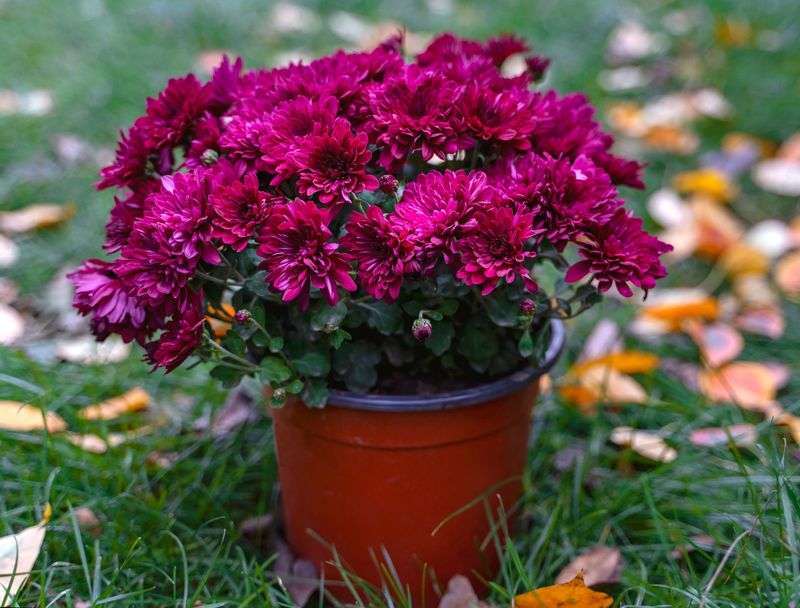
Roots in a plastic pot feel the cold from every side, a bit like standing outside without a coat. Garden soil wraps those roots in steady warmth, and that buffer can make all the difference by January.
Fall-planted mums have less time to settle in than spring-planted ones, so speed matters right now. Many extension guides suggest planting several weeks before the ground freezes so roots can reach into native soil.
In my own yard, the November plantings that survived went in quickly, while the procrastinated ones rarely returned. If your soil is still workable with a shovel, you still have a chance to give them a home.
Choose a spot with full sun and soil that drains well after a heavy rain or snowmelt. Soggy, cold soil invites root rot, which often finishes off mums faster than freezing temperatures ever could.
Loosen the root ball gently with your fingers, because store mums are often packed tightly in their pots. Set the plant at the same depth it grew before, then firm the soil and water it well.
Heavy clay benefits from a few handfuls of compost mixed into the planting hole for better drainage. A slightly raised mound also helps water drain away from the crown during messy freeze and thaw cycles.
Already frozen ground does not mean you are out of options for those leftover pots on the steps. Sinking the pot into a sheltered garden bed or moving it indoors are both worth trying this season.
3. Leave Those Brown Mum Stems Standing All Winter

Those crispy brown stems might look messy, but they are quietly working as a winter coat for the crown. I used to chop everything to the ground in November, and my survival rate was pretty disappointing.
Research and extension advice often point out that mums left unpruned until spring tend to overwinter better. The old stems trap snow and fallen leaves, creating a natural insulating layer right over the sensitive crown.
Snow itself is a surprisingly good insulator, holding soil temperatures steadier than bare ground scoured by wind. That matters in upstate areas where January nights can drop well below zero for days at a stretch.
Some gardeners prefer cutting stems back to a few inches after a hard frost, and plenty succeed. If you ask me, waiting until spring is the gentler choice, especially for plants added this fall.
Just snip off any moldy foliage or obvious disease spots so problems do not linger around the plant. Clear away soggy leaf piles that sit directly on the crown, since trapped moisture can encourage rot.
The brown stems also make it easy to remember where each mum lives once snow covers the beds. More than once, I nearly dug into a sleeping plant while planting spring bulbs in an unmarked spot.
Truth be told, this is the easiest tip in the whole list because it asks you to do less. Grab a cup of tea, admire the frosty seed heads, and let those stems handle the heavy lifting.
4. Tuck Straw Mulch Around Mums After The Ground Freezes

Frost heave sounds like a weather report, yet it is one of the sneakiest winter threats to shallow-rooted mums. Repeated freezing and thawing makes soil expand and shrink, slowly pushing plants upward until their roots sit exposed.
A loose layer of mulch keeps soil temperatures steadier, which reduces those damaging up and down swings. Straw and shredded leaves work beautifully because they trap air without packing into a soggy, heavy mat.
Evergreen boughs are another favorite of mine, especially after the holidays when spare branches seem to pile up everywhere. Laying them over mums adds insulation and helps catch snow, which works as a free bonus blanket.
Timing matters more than most people expect when it comes to winter mulching around perennial garden plants. Wait until the ground has frozen an inch or so, usually after several hard frosts in late fall.
Mulching too early keeps the soil warm, which can tempt mice to nest and plants to stay active. Applying it later locks in the cold, so the ground stays frozen instead of bouncing through warm spells.
Aim for roughly three to six inches of loose material spread around and gently over each crown. Avoid heavy wet clumps of whole maple leaves, since they can smother plants and hold too much moisture.
Come spring, pull the mulch back gradually as new shoots appear and the soil begins warming up again. Mine get uncovered over a week or two, so tender growth is not shocked by a sudden cold snap.
5. Give Garden Mums A Deep Drink Before The Freeze

Winter burn is not just an evergreen problem, because dry roots can leave perennials weak when the cold arrives. A thirsty mum heading into frozen months has fewer reserves to protect its crown and fragile root hairs.
Late autumn rainfall often looks plentiful, yet a dry stretch can leave soil surprisingly parched a few inches down. I like testing with my finger, pushing it two inches into the soil near the base of each plant.
If the soil feels dry, give each mum a slow, deep watering that soaks the root zone thoroughly. A watering can or soaker hose works better than a quick spray, which mostly wets the surface.
Do this before the ground freezes solid, ideally on a mild afternoon when water can soak in properly. Morning or midday watering gives excess moisture time to drain before temperatures drop again during the night.
Balance matters, though, because waterlogged soil in cold weather is a fast track to root rot problems. Once the ground freezes, in-ground mums usually need no extra water until spring wakes them back up.
Newly planted fall mums deserve extra attention, since their small root systems dry out faster than established clumps. Check them weekly until freeze-up, especially if a windy, sunny stretch pulls moisture from the soil surface.
My garden taught me that a good soak in November is cheap insurance against a disappointing spring. Those few minutes with the hose might decide whether your mum returns or quietly fades from the bed.
6. Move Container Mums Into A Cool Unheated Garage

Your garage might be the coziest winter retreat a potted mum could ask for, cobwebs and all. Pots left outside often freeze solid, and container roots simply lack the hardiness of roots tucked into earth.
An unheated garage or cool basement works well when temperatures stay roughly between 32 and 50 degrees. That chilly range lets plants rest in dormancy without freezing hard or waking up too early in midwinter.
Before moving them, trim stems back to about four to six inches so the plants take up less space. Check for aphids or other hitchhikers too, since pests can multiply quietly in a sheltered spot over winter.
Light is not a big concern during dormancy, though a dim window nearby certainly does not hurt anything. Water sparingly, about once a month, just enough to keep the soil from drying out to dust.
If your garage occasionally dips below freezing, wrap the pots in burlap or old blankets for extra protection. Grouping containers together against an inside wall also helps them share a little warmth on frigid nights.
In my experience, the hardest part is remembering they are there, so I set a monthly phone reminder. Skip fertilizer during this resting period indoors, since feeding a sleeping plant only encourages weak, pale growth.
Once spring frosts pass, bring pots outside gradually over a week so leaves can adjust to stronger sunlight. After that, plant them in the garden where they can finally build the deep roots they need.
7. Hold Off On Fertilizing Mums Until Spring

Feeding a plant in November is a bit like handing a sleepy toddler a candy bar at bedtime. That burst of energy goes into soft new growth, which cold weather can damage within a single frosty night.
Many growers recommend stopping fertilizer for garden mums by midsummer, often somewhere around early to mid August. After that point, plants shift their energy toward flowering and then toward storing reserves in their roots for winter.
Tender shoots formed late in the season rarely harden off before freezing temperatures arrive in the northern garden. Damaged growth then drains energy the plant would rather save for pushing new shoots up next spring.
Here in the Northeast, that hardening process matters a lot because winter can arrive with very little warning. In New York, an early November cold snap can follow a week of surprisingly mild sweater weather.
Slow-release granules applied in summer can keep feeding plants into fall, so check your product labels carefully. Lawn fertilizer drifting into flower beds is another sneaky source of late nitrogen I have learned to watch.
Instead of fertilizer, a thin layer of compost around the plants adds organic matter without forcing quick growth. It slowly improves soil structure, which helps drainage and gives roots a healthier home over the long term.
Save your balanced fertilizer for spring, once fresh green shoots are several inches tall and growing steadily. Funny thing is, the less I fuss with my mums in fall, the happier they seem in May.
8. Watch For Green Mum Shoots Pushing Up In Spring
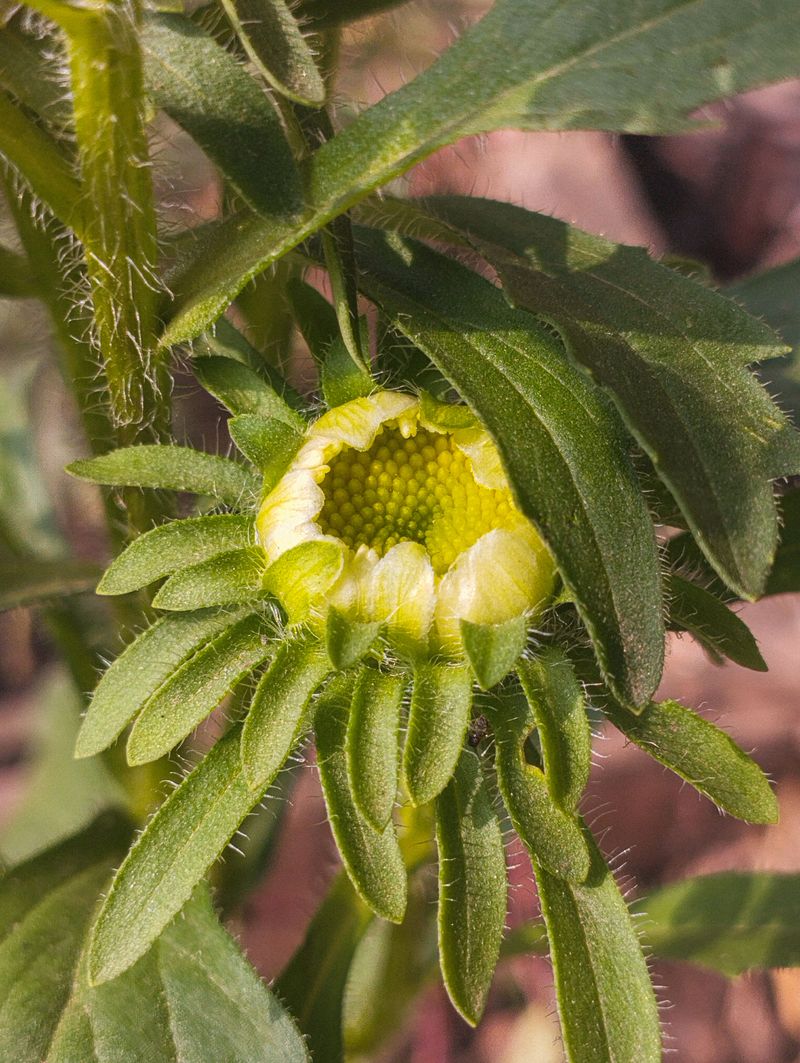
The real answer to whether your mum survived arrives quietly in April, usually as tiny green rosettes near the soil. I still get a little thrill kneeling in cold mud and spotting those first fuzzy, gray-green leaves.
Mums often regrow from the base rather than from last year’s old stems, so look low for signs. New shoots may appear a bit later than tulips, so patience pays off before you decide anything.
Gently scratch a stem near the crown with your fingernail if you see no shoots by late spring. Green tissue underneath suggests the plant is still alive, while brown and brittle wood signals a struggling crown.
Once healthy shoots reach a few inches, cut the old brown stems down to the ground with clean pruners. This tidies the clump and lets sunlight reach the fresh growth that will carry next autumn’s flowers.
Mature clumps often benefit from division every two or three years, ideally in spring as growth begins. Dig up the clump, then replant the vigorous outer pieces and discard the woody, tired center portion.
Pinching stem tips through early summer keeps plants bushy and helps prevent floppy stems later in the season. Many gardeners stop pinching around early July so flower buds have enough time to form before fall.
If a mum does not return, treat it as a lesson rather than a failure on your part. Next time, try planting garden mums in spring, giving them a full season to settle into your yard.