Why Michigan Gardeners Leave Carrots and Parsnips in the Ground Until After the First Snow
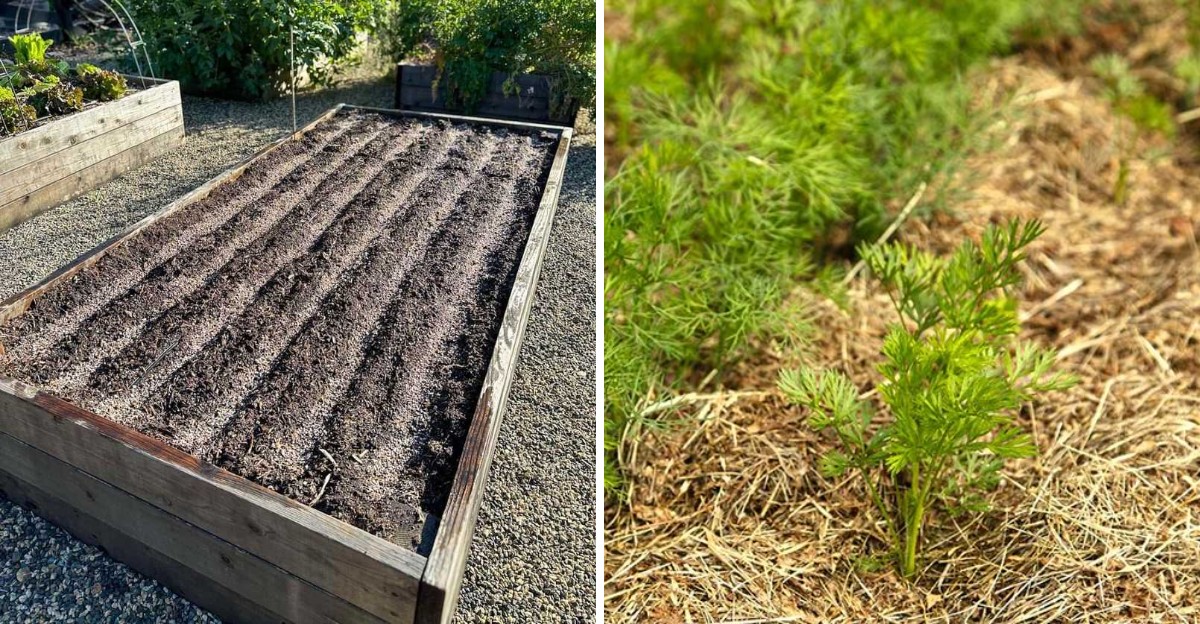
Freezing nights can push the sugar content of certain buried roots noticeably higher in just a few weeks. Farmers in cold northern regions have proudly sold these frost-kissed harvests as sweeter treats for generations.
Inside each root, stored starch slowly turns into sugar as the soil drifts toward freezing each night. That extra sugar works like a natural antifreeze, protecting tender cells from sharp ice crystals all winter.
In my Michigan garden, I wait for the first snowfall before I even think about grabbing the fork. You may be surprised how much better a late harvest tastes compared with the same row dug in September.
Plenty of Michigan growers swear by this patient habit, and the science behind it holds up quite well. So why would anyone rush to pull up a crop that keeps getting sweeter under the cold?
1. Frosty Soil Turns Carrot Starch Into Sugar
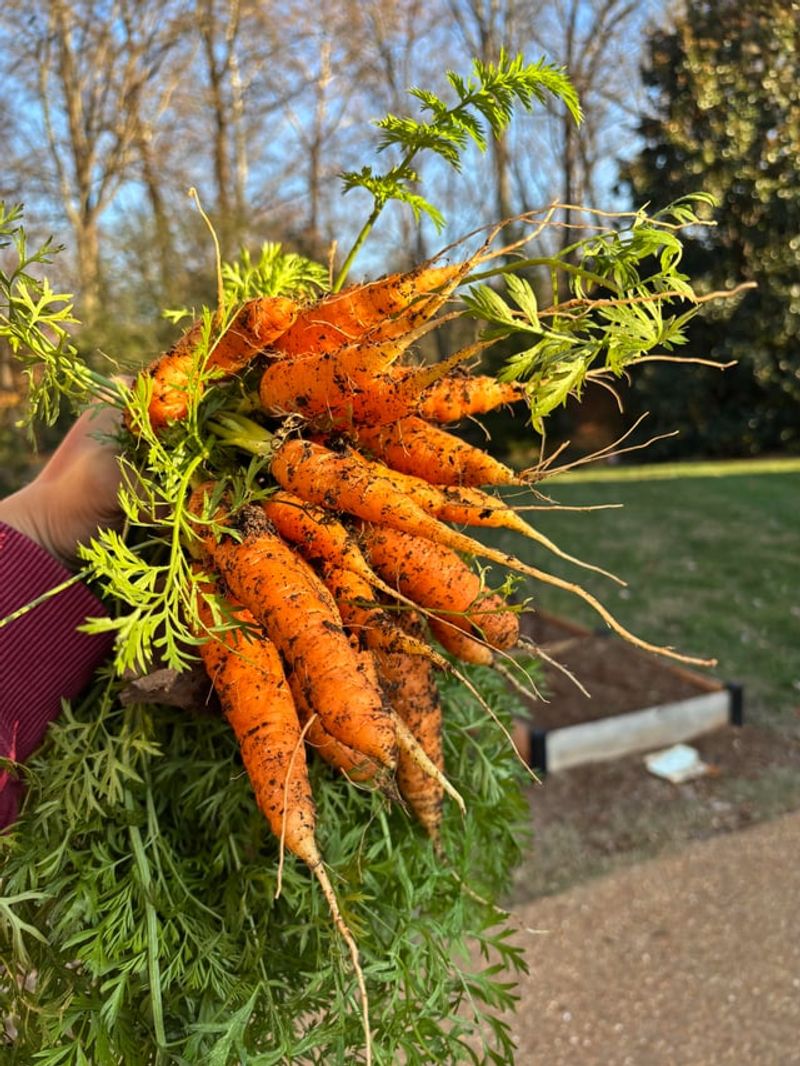
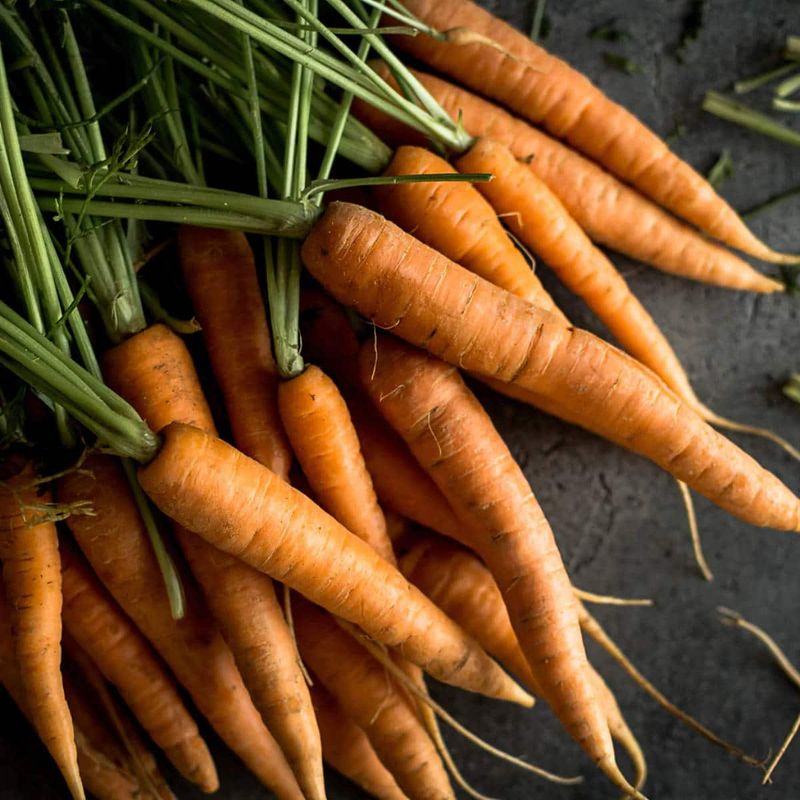
The first time I tasted a carrot pulled from frosty November soil, I honestly thought it was candy. That crunchy sweetness comes from real chemistry happening underground while the leafy tops sag in the cold.
Carrots store energy as starch during the warm growing months, much like a squirrel tucks away acorns. When soil temperatures drop close to freezing, enzymes inside the root start breaking that starch into simple sugars.
Those sugars mostly show up as sucrose and glucose, which our taste buds happily notice at the dinner table. Gardeners call this process cold sweetening, and it is the main reason so many folks wait patiently.
A few light frosts are enough to start the change, though deeper cold usually brings stronger flavor. In much of Michigan, those frosty nights arrive somewhere between late September and late October, depending on location.
Summer carrots are still tasty, so please do not feel bad about pulling a few for August salads. Just save a decent row for fall, because the difference in sweetness can surprise even picky eaters.
My favorite test involves digging one carrot in early October and another after the first snow falls. Slice them side by side, and your family will likely vote for the snowy one without much debate.
Patience costs nothing here, and the soil does all the hard work while you sip something warm indoors. That kind of easy reward is exactly why this old habit keeps getting passed down through gardening families.
2. Sweet Sugars Act Like Antifreeze Inside Each Root
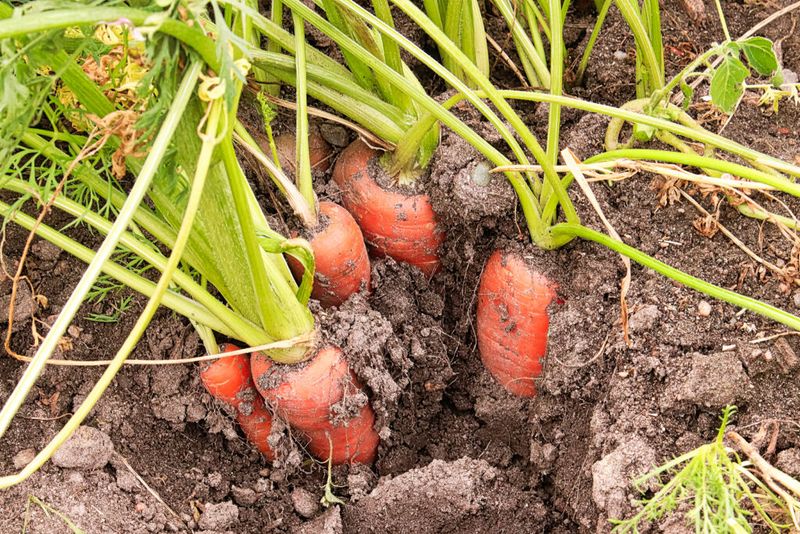
Plants cannot grab a winter coat, so carrots and parsnips build their own protection from the inside out. Their best defense is sugar, and it does a surprisingly clever job against the bitter cold.
Water freezes at 32 degrees Fahrenheit, but water loaded with dissolved sugar freezes at a lower temperature. That simple fact lets root cells stay soft and working when the soil around them turns frosty.
Ice crystals are the real trouble, because their sharp edges can rupture cell walls and turn roots mushy. Extra sugar inside the cells lowers that risk, so the root stays crisp instead of collapsing after a thaw.
I like to think of it as the plant making its own syrup to survive a long northern winter. Lucky for us, that syrup ends up in our soups and roasting pans later in the season.
Still, this natural antifreeze has limits, and a deep hard freeze can harm roots left fully exposed. Shoulders poking above the soil line are the most vulnerable, so hill a little soil over them in autumn.
A layer of mulch adds even more insurance, which we will talk about a bit later in this list. For now, just remember that cold is a helper here, not an enemy, as long as you plan ahead.
Few vegetables handle the cold this gracefully, which makes these two roots perfect partners for snowy gardens. They reward a little planning with crunchy, sweet harvests long after the tomatoes have faded away.
3. Cold Weather Tames The Bitter Bite Of Carrots
Ever bitten into a summer carrot that tasted strangely like pine needles or even a little bit soapy? Blame a group of natural compounds called terpenes, which give carrots their earthy and sometimes harsh flavor.
Terpenes are volatile, meaning they easily turn into vapor and drift up toward your nose as you chew. Hot weather tends to boost these compounds, which explains why midsummer carrots can taste sharp or slightly bitter.
Cooler fall temperatures help calm that harshness, so the natural sweetness has a chance to shine through. Researchers have found that sugar levels and terpene levels together shape how sweet a carrot actually seems.
In my garden, I notice the difference most in raw carrots, since cooking can hide some bitter notes. A fall carrot dipped in hummus tastes clean and bright, without that lingering soapy aftertaste on the tongue.
Variety choice matters too, because some carrots are bred for sweetness while others are grown mainly for storage. Nantes types such as Bolero or Scarlet Nantes are popular choices for fall harvests in colder northern gardens.
Stress also plays a role, so keep the soil evenly moist during dry spells to avoid extra bitterness. Carrots that struggle through drought often develop tougher texture and stronger flavors that kids quickly push aside.
Give your fall crop steady water and plenty of cool nights, and the flavor usually takes care of itself. Honestly, a snowy harvest might be the easiest way to convert a carrot skeptic at your table.
4. Parsnips Need Weeks Of Near Freezing Soil To Shine
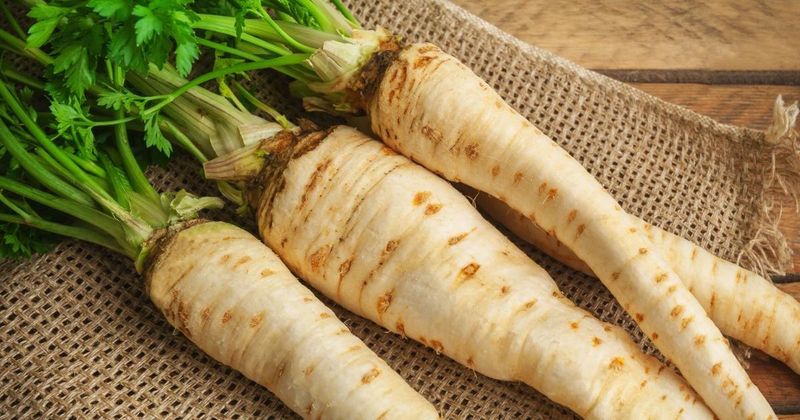
Parsnips are the true snow lovers of the vegetable world, and they practically sulk if you harvest them early. A September parsnip often tastes starchy and flat, almost like a pale, stringy potato with no personality.
Give that same root two to four weeks of near-freezing soil, and it transforms into something nutty and sweet. Many growers describe the flavor as rich and complex, with hints of honey once roasted in the oven.
Parsnips, known to botanists as Pastinaca sativa, need a long season, often 100 to 120 days or more. Spring sowing in Michigan gives them plenty of time to size up before autumn frosts start working their magic.
Germination can be painfully slow, sometimes taking three weeks, so fresh seed each year makes a real difference. I soak mine overnight and keep the bed moist, which seems to help those stubborn seeds wake up.
One caution worth knowing involves the leaves, because parsnip sap can irritate skin when combined with bright sunlight. Wear gloves and long sleeves while weeding or trimming foliage on sunny days to keep your arms comfortable.
Wild parsnip, the same species gone feral, grows along many roadsides, and its sap can cause painful skin blisters. Harvesting garden parsnips before they bolt and flower keeps them from escaping and adding to that problem.
With proper timing, these pale roots become the cozy stars of winter stews and roasted vegetable trays. Once you taste a snow-sweetened parsnip, store-bought versions may seem pretty dull and bland by comparison.
5. A Thick Straw Mulch Blanket Keeps Roots Diggable
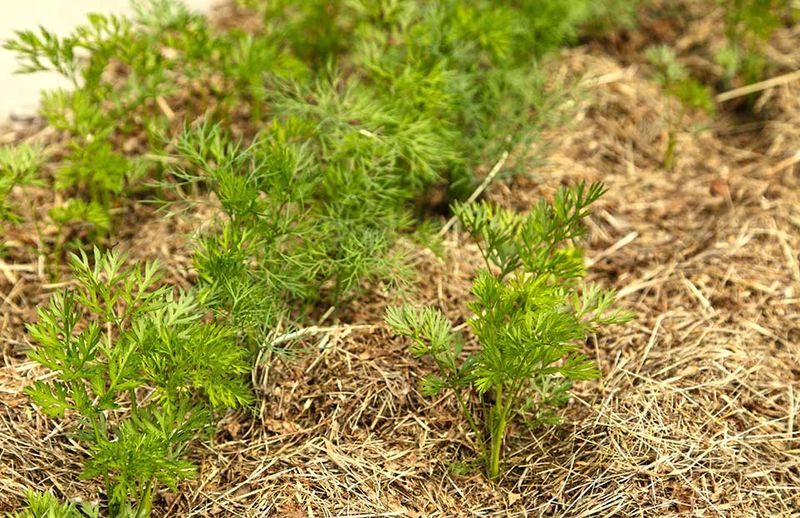
Snow on the ground is lovely, but frozen soil as hard as a parking lot makes digging nearly impossible. A fluffy, generous blanket of mulch solves that problem and keeps your winter harvest within easy reach.
Most extension experts suggest piling 6 to 12 inches of straw or shredded leaves over the rows. Wait until after a few hard frosts so the soil has cooled and the roots have started sweetening.
Mulching too early can trap warmth and moisture, which may invite rot or encourage hungry rodents to move in. Cold soil under the mulch is the goal, not warm soil, so timing really matters here.
I love using shredded maple and oak leaves from my own yard, since they cost nothing and break down nicely. Straw works beautifully too, but choose straw instead of hay, which often carries weed seeds into your beds.
Some gardeners add a layer of floating row cover or an old blanket under the straw for extra warmth. Weigh everything down with boards or bricks, because November winds can scatter loose leaves across the neighborhood.
Snow itself becomes part of the insulation, so a deep drift over your mulch is actually welcome news. Soil beneath a thick mulch and snow layer often stays workable even during bitter January cold snaps.
When a craving hits, just pull back a section of mulch and dig what you need for dinner. Tuck the cover back in place afterward, and the rest of the row keeps waiting quietly for you.
6. Trimming Carrot Tops Short Helps Prevent Rot
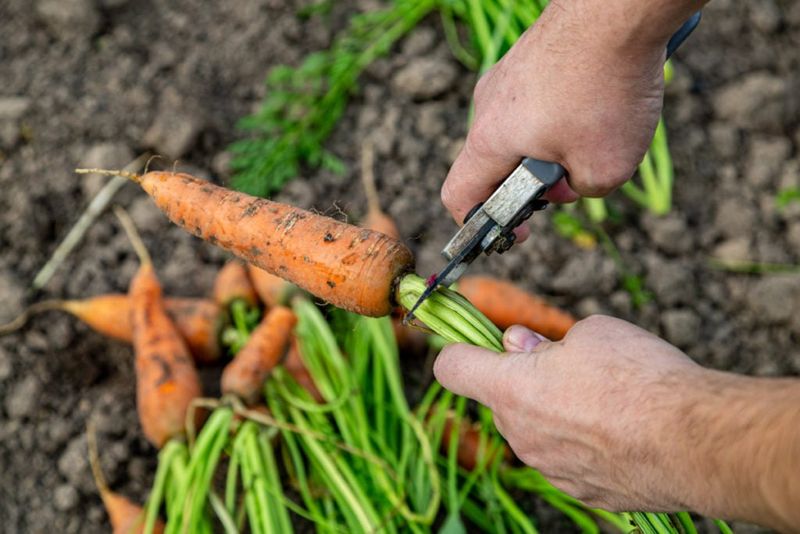
Those feathery carrot greens look pretty in summer, but by late fall they mostly become a soggy liability. Leafy tops can keep pulling moisture from the root, and they tend to rot once buried under mulch.
After the first few hard frosts, snip the greens down to about one inch above the root crown. A clean pair of garden scissors works well, and the job takes only minutes for a typical home row.
Rotting foliage under a wet layer of straw can spread decay down into the shoulders of the roots. Trimming early reduces that risk and keeps your hidden harvest firm and much easier to store later.
Parsnip tops deserve the same treatment, though gloves are smart because the sap can irritate sunny skin. Cutting them on a cloudy day adds extra protection, since sunlight is what triggers the reaction.
Leftover carrot greens do not have to go to waste, either, and they make a surprisingly tasty pesto. I blend mine with garlic and toasted walnuts for a bright sauce that tastes a bit like parsley.
Any greens you skip eating can head straight to the compost pile, where they break down quickly over winter. Avoid composting tops that show signs of disease, since some pathogens can linger and return next season.
A neat trim also makes the rows easier to cover evenly, so mulch settles snugly against the soil. Small chores like this one feel minor now, yet they pay off nicely when January dinners roll around.
7. Tall Garden Stakes Mark Carrot Rows Under The Snow
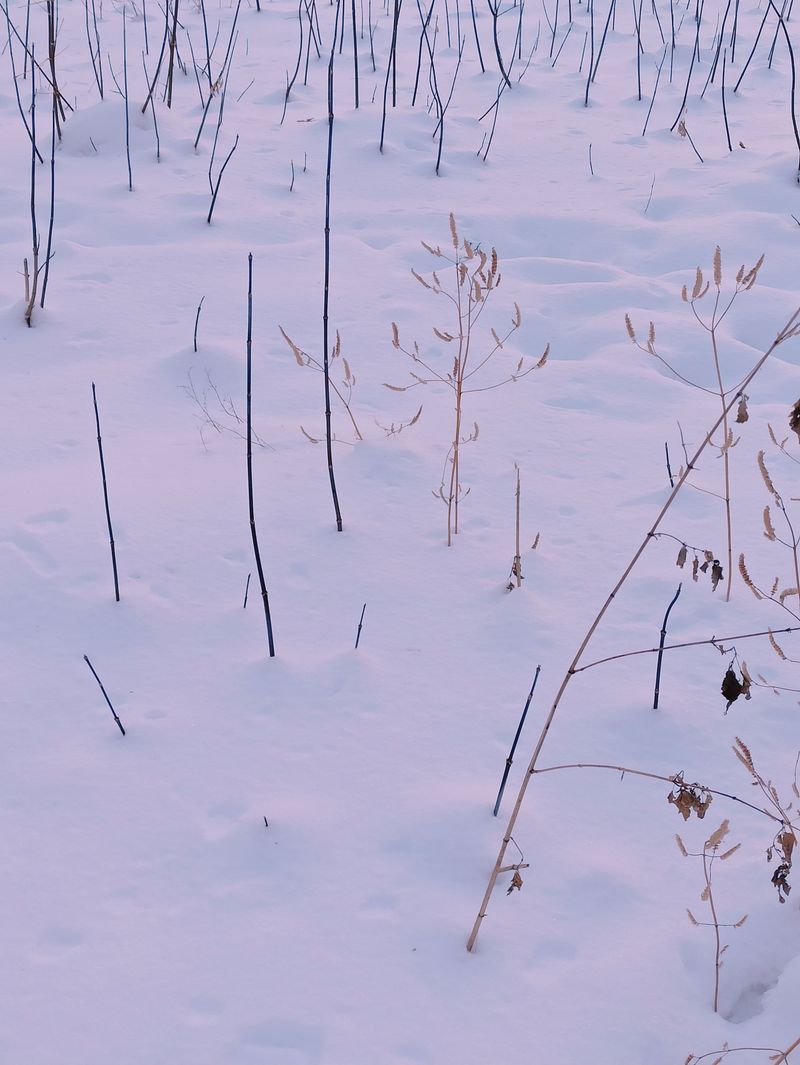
Once a foot of snow blankets the garden, every bed looks like the same smooth white cake frosting. Without markers, you could spend a chilly afternoon poking around blindly for a row of hidden roots.
Tall stakes at both ends of each row save you from that frustrating guessing game all winter long. Choose markers at least three or four feet tall, since lake-effect snow can pile up fast in some areas.
Bamboo poles or sturdy wooden lath both work nicely, and they cost very little at most garden centers. I tie bright orange flagging tape to the top of mine so they pop against the snow.
Write the crop name on each stake with a paint marker, because carrots and parsnips look identical under mulch. That tiny step prevents digging up parsnips when you really wanted sweet carrots for a quick snack.
Some gardeners also sketch a simple map in a notebook or snap a phone photo before the snow arrives. Having a backup record helps if a stake tips over during a windy storm or gets buried by plows.
Lake-effect snow belts along western Michigan can drop surprising totals, so plan for deeper drifts there. Gardeners in those areas often use extra tall markers and check them after every big storm.
Stakes also remind visitors and pets to avoid trampling the area, which helps protect the soil structure underneath. It feels a little silly at first, but you will thank yourself on that first snowy harvest day.
8. Well Drained Raised Beds Keep Buried Roots Firm
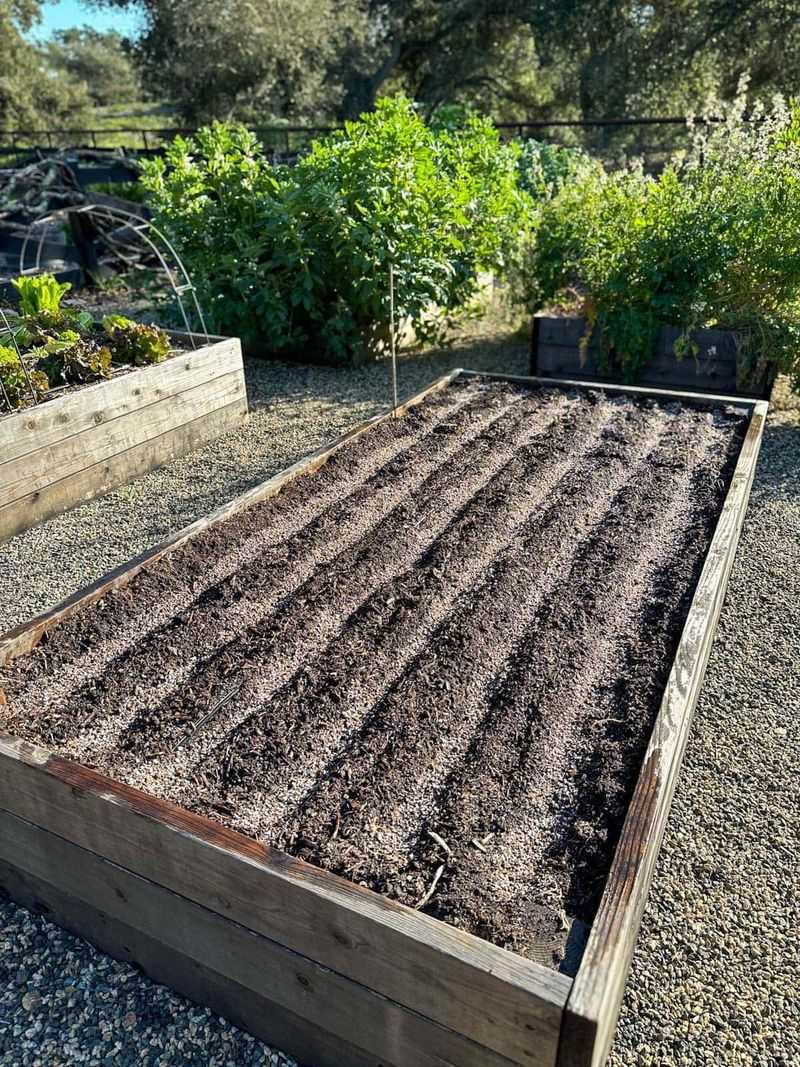
Waterlogged soil is a much bigger threat to buried roots than cold temperatures are during a typical winter. Roots sitting in soggy ground can rot quickly, turning a sweet harvest into a slimy disappointment.
Well-drained soil lets extra water move away from the roots, so they stay firm through freezing and thawing cycles. Sandy loam is ideal, while heavy clay often holds too much moisture for safe winter storage.
Plenty of Michigan yards sit on clay, so raised beds can be a smart choice for overwintering root crops. Raised soil drains faster and warms a little sooner in spring, which helps with digging at either end of winter.
Adding compost each year improves both clay and sandy soils, giving roots loose ground to grow straight and long. Loose soil also makes harvest easier, since you can slide a fork under the roots without snapping them.
Watch for low spots where snowmelt collects in early spring, because those puddles can sit for days. Plan your fall carrot and parsnip rows on higher ground that sheds water instead of soaking it up.
Moist soil is still fine, and roots actually keep better when the ground is damp rather than bone dry. The real goal is balance, with enough moisture to keep roots crisp but not so much that they sit in standing water.
If your beds stayed puddled during autumn rains, consider harvesting everything before winter and storing it indoors. Being honest about your soil saves you from disappointment and keeps those carefully grown roots in good shape.
9. The Garden Bed Becomes A Free Root Cellar
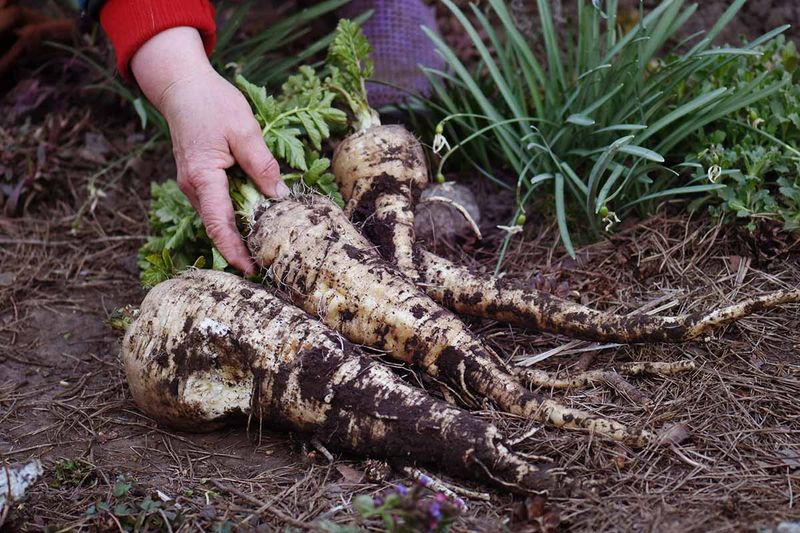
Grandparents used chilly basements and sand boxes to store roots, but the garden bed works almost as well. Leaving carrots and parsnips in place saves precious refrigerator space and spares you hours of washing and packing.
Ideal storage for these roots calls for temperatures near 32 degrees Fahrenheit along with very high humidity levels. Mulched garden soil comes surprisingly close to those conditions, which is why the method has lasted for generations.
Kitchen refrigerators tend to be drier, so carrots stored there can turn limp and rubbery after a few weeks. Roots resting in cool, damp soil usually stay crunchy, and you dig them fresh whenever dinner calls.
I love that a midwinter harvest feels like a treasure hunt, especially when the kids help brush away the snow. Fresh carrots dug in February taste worlds better than the bagged ones shipped from warmer states far away.
Pick milder days for digging, ideally when temperatures rise above freezing and the soil loosens slightly. Harvest only what you can use within a week or two, then cover the remaining row again.
Rodents such as voles sometimes find this underground pantry too, so watch for chewed roots and tunnels. Hardware cloth laid beneath the mulch or around raised beds can help keep those nibbling visitors away.
Not every winter cooperates, and extreme cold without snow cover can still freeze the ground hard. In those years, a mix of in-ground storage and indoor storage gives you the most reliable backup plan.
10. Spring Parsnips Must Come Up Before New Leaves Sprout
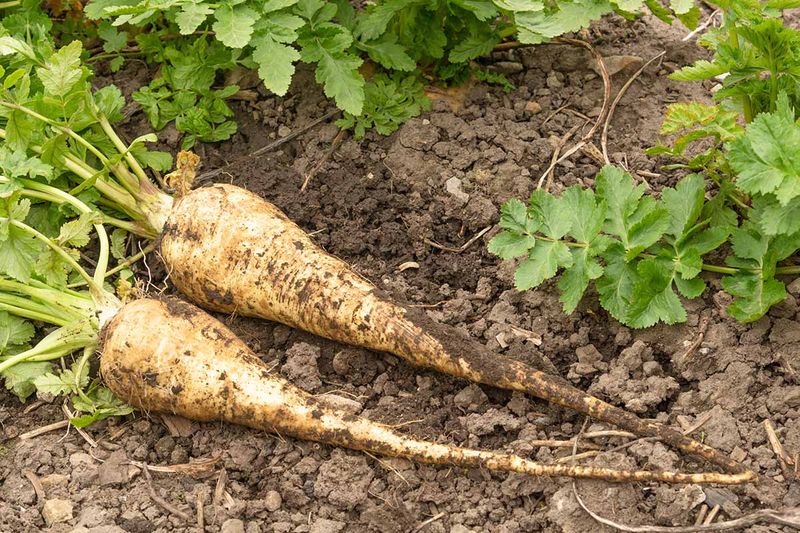
Spring parsnips are a classic northern treat, dug as soon as the frozen ground softens in March or April. Many old-timers claim these roots taste even sweeter than fall ones after months of steady winter cold.
Parsnips are biennials, which means they spend their first year growing roots and their second year making flowers. As soon as spring warmth arrives, the plant begins sending up fresh leaves and pulling stored sugar from the root.
That new growth quickly turns the root woody and fibrous, making it much less pleasant on the plate. Watch for the first green sprouts at the crown, and harvest the whole row before they get going.
Carrots follow a similar biennial pattern, though most gardeners finish digging them earlier than their sturdier parsnip cousins. In southern Michigan, early spring thaws can arrive fast, so check your rows during any warm spell.
Once harvested, spring roots store well in the refrigerator for a few weeks inside perforated plastic bags. Trim the tops and brush off loose soil, but skip washing until you are ready to cook them.
Clearing the bed early also frees up space for peas and spinach, which love cool spring weather. Your winter root patch then transitions smoothly into the next season without wasting a single square foot.
The way I see it, few garden crops stretch the harvest from summer through spring quite like these roots. A little patience and a thick layer of mulch can turn snow into one of your best gardening partners.