Can Kitchen Cupboard Essentials Really Keep Moles Out Of Your New York Yard?

One morning your lawn looks fine, and the next it looks like a tiny bulldozer threw a party. Raised ridges squish under your sneakers, and fresh dirt mounds pop up like little volcanoes.
Plenty of New York homeowners reach for the pantry first, grabbing castor oil, coffee grounds, garlic, or cayenne. It feels clever, cheap, and kind of satisfying to fight back with items you already own.
But do those kitchen staples actually send moles packing, or do they just make your yard smell like a pizza shop? The answer is more interesting than you might expect.
Some remedies have a little science behind them, while others lean mostly on hope and backyard folklore. Knowing the difference can save you money, time, and plenty of frustration.
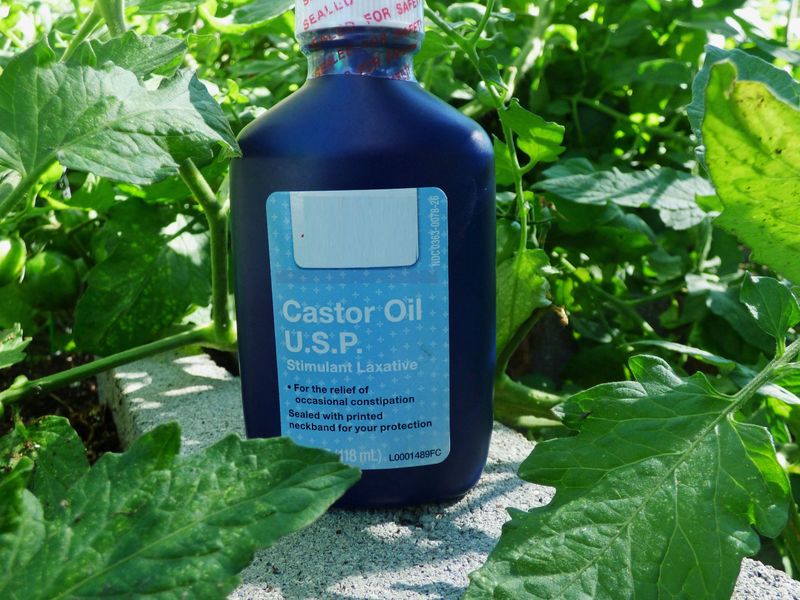
Castor Oil Mixes Are The Most Popular Home Remedy
Ask ten neighbors about moles, and at least half will mention castor oil. It shows up in garden forums, hardware store aisles, and plenty of grandparents’ advice.
Most homemade recipes keep things simple and cheap. People blend castor oil with a squirt of dish soap and some water.
Next comes the fun part, which involves a garden sprayer or a watering can. The mix gets sprayed over the lawn or poured straight into mole tunnels.
Here is the idea behind it all. Castor oil supposedly makes the soil taste and smell nasty to moles.
Some folks believe it also coats earthworms, the main snack moles hunt. If dinner tastes bad, the mole may wander somewhere else.
A typical starter recipe uses about three ounces of castor oil per gallon of water. Many people add roughly one tablespoon of dish soap to help everything blend.
Before mixing anything, read the label on any store-bought castor oil product. Bagged granules and hose-end bottles often list their own mixing and coverage directions.
Watering the lawn first can help the mix soak deeper into the soil. Dry, hard ground tends to let the liquid run off instead of sinking in.
Across New York, castor oil remains a go-to because it feels gentle and pet-friendly. It also costs far less than calling a professional for every bump in the grass.
Popular, though, does not mean proven. The next section looks closely at what researchers have actually found.
Evidence For Castor Oil Is Mixed
Picture a scientist kneeling in a muddy field, counting mole ridges with a clipboard. University teams have run trials like that, and the results are messy.
Some studies found castor oil cut mole activity for a short stretch. That break usually lasted anywhere from a few days to a few weeks.
Other trials told a very different story. Researchers saw no change at all in where moles dug or how much.
So why the split results? Soil type, weather, and how hungry the moles are can all shift the outcome.
Remember that castor oil is a repellent, not a removal tool. It only nudges moles to dig elsewhere, often just next door or a few feet over.
Your New York Garden Changes Every Week. Your Plan Should Too.
Gardening in New York changes quickly throughout the season. Every Friday you’ll receive a simple weekly plan showing exactly what to plant, prune, fertilize, harvest, and protect so you never miss the right timing.
Moles are also stubborn little diggers. Once the oil breaks down, or they simply get used to it, they often return.
Rain makes the problem worse by washing the product deeper and away. Any helpful effect fades quickly after a good soaking.
Keeping results going means reapplying on a schedule. Many labels suggest repeat treatments every few weeks and after heavy storms.
Spring in upstate New York brings plenty of rain, which can mean lots of refills. Those costs and hours add up faster than most people expect.
Think of castor oil as a maybe, not a promise. Use it if you like, but keep a backup plan ready.
Coffee Grounds And Garlic Rarely Help
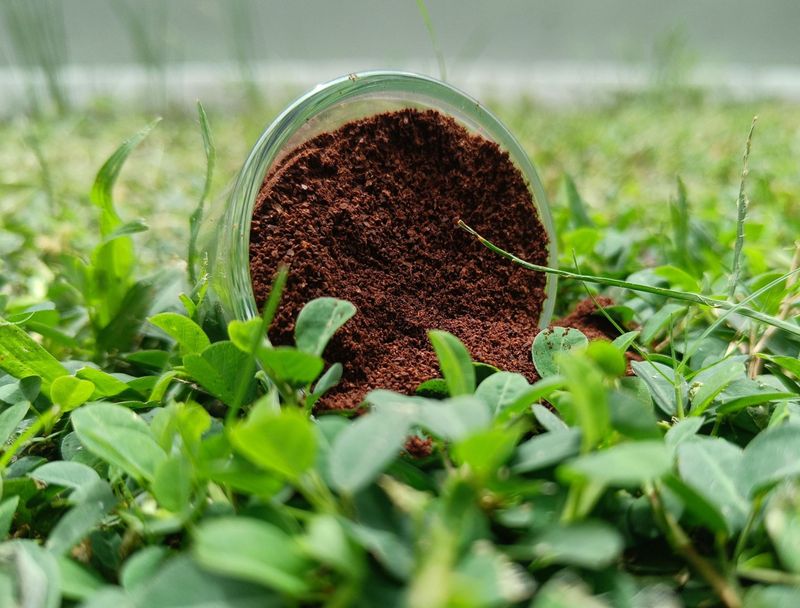
Your morning brew leaves behind a soggy pile of grounds. Tossing them on the lawn feels thrifty, eco-friendly, and a little bit sneaky.
The theory says moles hate that strong coffee smell. Sadly, no solid science shows coffee grounds push moles out of a yard.
Most support comes from stories shared online. One person swears it worked, while three others report zero change.
Even believers admit the scent fades fast. Grounds need frequent refreshing, especially after rain.
Some claim grounds chase off insects and shrink the mole buffet. That idea sounds neat, but nobody has really proven it.
Garlic gets a similar reputation thanks to its powerful odor. People drop crushed cloves into tunnels or spray garlic water around the lawn.
Powders and granules are also sold for the job. Results with plant-based repellents tend to be spotty and short-lived.
Some gardeners plant garlic along beds as a living barrier. It makes a tasty harvest, though it is no guaranteed mole fence.
Want a better use for those leftovers? Add coffee grounds to your compost pile, where they truly shine.
Garlic belongs in your pasta sauce more than your tunnels. Your yard may not change much, but dinner will taste great.
Hot Pepper Sprays Wash Away After Rain
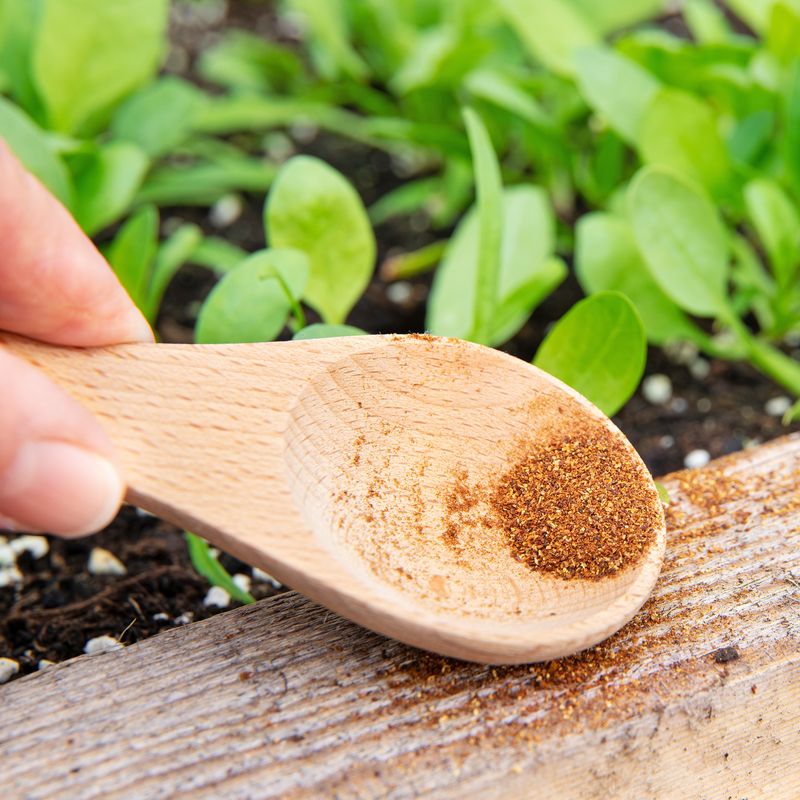
Spicy food lovers might think moles would flee from a cayenne kick. Plenty of homemade sprays include chili powder or cayenne for exactly that reason.
The goal is to irritate a mole’s senses. A harsh, fiery environment should, in theory, make the tunnels less inviting.
Real-world results, however, bounce all over the place. Any benefit tends to be short and unpredictable.
The biggest problem is how these sprays get applied. Sitting on or near the surface, they wash off easily.
One good rainstorm can dilute the mix in minutes. Castor oil has the same weakness, but pepper may fade even faster.
New York weather rarely stays dry for long. Summer thunderstorms and autumn soakers can erase your hard work overnight.
Safety matters with hot pepper too. Wear gloves and eyewear, because capsaicin stings badly if it reaches your eyes.
Pets and kids who play in the grass may also get a nasty surprise. Rubbing an itchy nose after rolling around can turn into tears quickly.
Spraying on a calm day helps keep the mist off your face. Wind tends to carry pepper dust right back toward you.
If you still want to experiment, keep expectations low. Track the spot for a few days and note any changes after rain.
Spice belongs on wings and tacos more than lawns. Save the cayenne for your next game night.
Dish Soap Adds Little To Any Mix
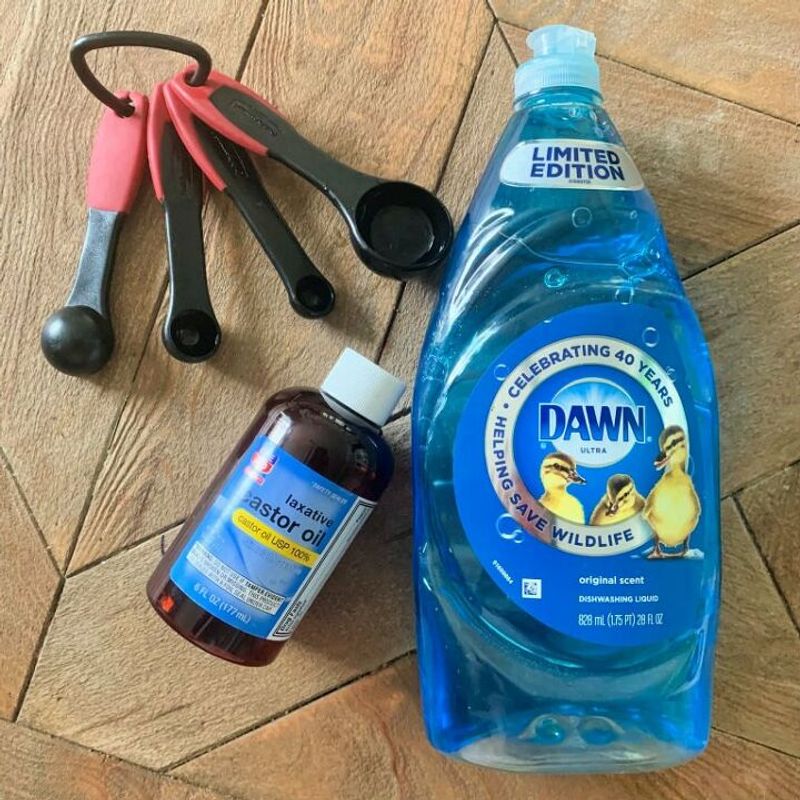
Dish soap is the quiet sidekick in many mole recipes. It rarely gets credit, and honestly, it does not deserve much.
Its real job is pretty basic chemistry. Oil and water refuse to mix, so soap acts as an emulsifier that helps them blend.
Without it, castor oil floats on top like salad dressing. Your sprayer would shoot uneven blobs instead of a smooth mist.
So soap helps with application, not with scaring moles. Any repelling power comes from the castor oil itself.
Some people add extra soap thinking more equals stronger. Doubling the squirt will not make moles any more nervous.
Too much soap can cause problems for your lawn. Heavy amounts may stress grass blades or leave sudsy residue behind.
Many gardeners prefer a plain, unscented brand. Strong degreasers and bleach blends are best left in the kitchen.
A tablespoon or so per gallon usually does the trick. Shake the container well before each use to keep things mixed.
Fun fact: commercial castor oil repellents use their own emulsifiers too. Labels list them because the oil still needs help dissolving.
Bottom line, think of soap as a mixing tool. Never count on it as a secret weapon against tunneling troublemakers.
Keep that bottle near the sink, where it earns its keep. Your yard needs smarter strategies, which are coming up next.
Grubs And Earthworms Are What Moles Are After
Imagine eating most of your body weight every single day. Moles do something close, chowing down on 70 to 80 percent of their weight daily.
That huge appetite drives nearly all their digging. A mole tunnels for food, not to annoy you personally.
Moles are insectivores, which means they eat critters living in soil. They do not munch on your flower bulbs or veggie roots.
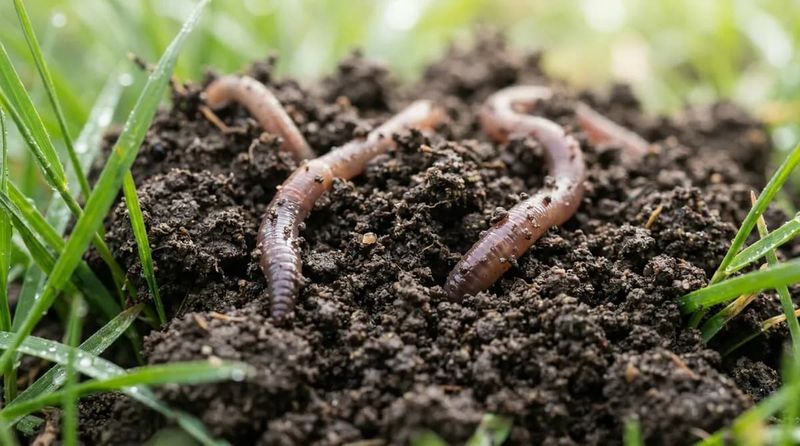
Earthworms make up the biggest share of their menu. Studies put worms at roughly 55 to 93 percent of what moles eat.
Grubs come in a distant second. They usually account for only about 5 to 20 percent of the diet.
Moles also snack on beetles, ant larvae, and other small soil insects. Basically, if it wiggles underground, it might become lunch.
Here’s the funny part about mole damage. A mole-filled yard often signals rich, healthy soil packed with worms.
Moist, loamy lawns can feel like an all-you-can-eat buffet. Damp spring soil makes hunting even easier.
Knowing their diet explains why smelly kitchen remedies struggle. Hunger is a powerful motivator, and a little scent rarely beats it.
Digging a small test hole can show what lives in your soil. Count worms and grubs in a square foot to understand the attraction.
Understanding the menu sets you up for smarter choices. Next, we’ll see what happens when you change it.
Reducing Grubs May Shift Their Menu
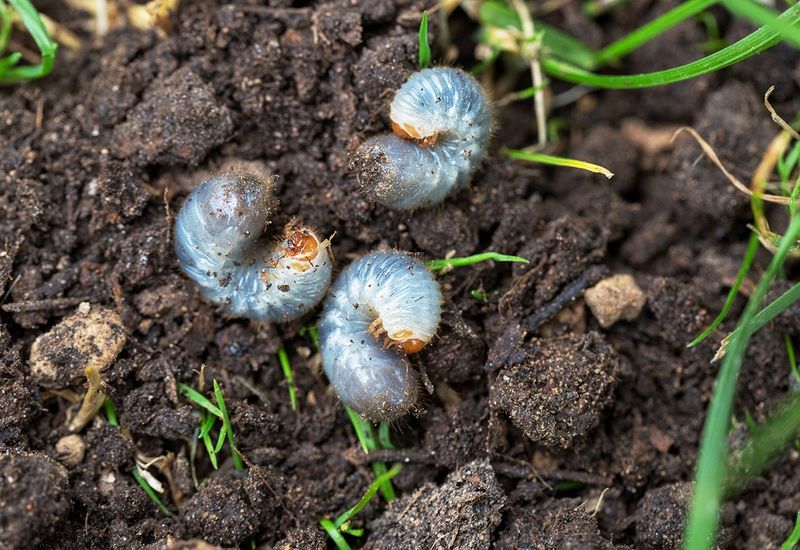
Plenty of lawn signs promise that clearing out grubs ends mole trouble. It sounds logical, but the real story gets a bit more complicated.
Remember those diet numbers from earlier? Grubs are only a small slice of what moles eat.
Wiping them out leaves the main course untouched. Earthworms stay plentiful in healthy lawns, so moles keep feasting.
Grub control products can also be pricey. Treating a whole yard each season can drain your wallet without solving the issue.
Here’s a surprise many homeowners face. Moles may dig even harder after grubs vanish, searching for missing meals.
That extra tunneling can make your lawn look worse at first. Eventually some moles may move on, but nobody can promise a timeline.
Grub treatments still have value, just for different reasons. Grubs chew grass roots and can leave brown, peeling patches.
If you can roll back turf like a carpet, grubs may be the culprit. Treating them protects your grass, even if moles stick around.
Timing helps a lot here. In much of the state, late summer applications target young grubs when they’re most vulnerable.
Read every label carefully before spreading anything. Some products affect helpful insects and pollinators too.
Treat grub control as lawn care, not mole control. Keeping those goals separate saves money and disappointment.
Pressing Tunnels Flat Shows Whether They’re Still Active
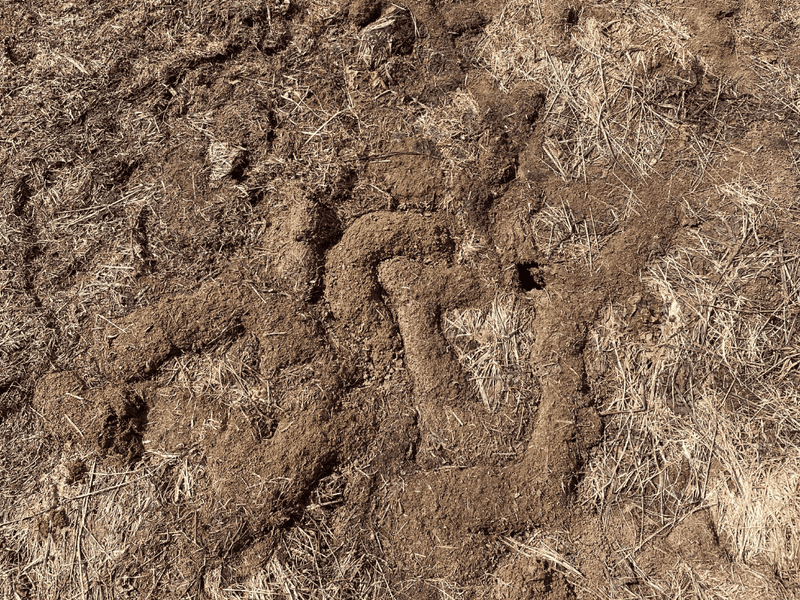
Here’s a detective trick that costs nothing at all. Your own foot becomes the best tool for spotting busy mole highways.
Many raised ridges are old, abandoned paths. Moles explore once, then never use some routes again.
Wasting effort on empty tunnels gets frustrating fast. Testing first helps you focus on the right spots.
Start by gently stepping down on a short section of a ridge. Press it flat, but avoid stomping the whole tunnel.
Mark the spot with a small flag, a craft stick, or a golf tee. Bright colors make it easier to find later.
Now wait about 24 to 48 hours. Patience matters, because moles keep their own schedules.
Come back and take a look. If the ridge has popped back up, a mole is actively using that run.
Still flat? That tunnel is likely abandoned and not worth your attention.
Try testing several ridges at once across the yard. You’ll quickly build a map of the main travel lanes.
Straight tunnels running along fences, sidewalks, or driveways are often favorites. Moles love edges that feel sturdy and protected.
Kids usually enjoy helping with this step. It turns a lawn problem into a fun backyard science project.
Knowing which tunnels are active makes every next move smarter. Traps work far better in busy runs than in forgotten ones.
Trapping Is The Most Reliable Fix
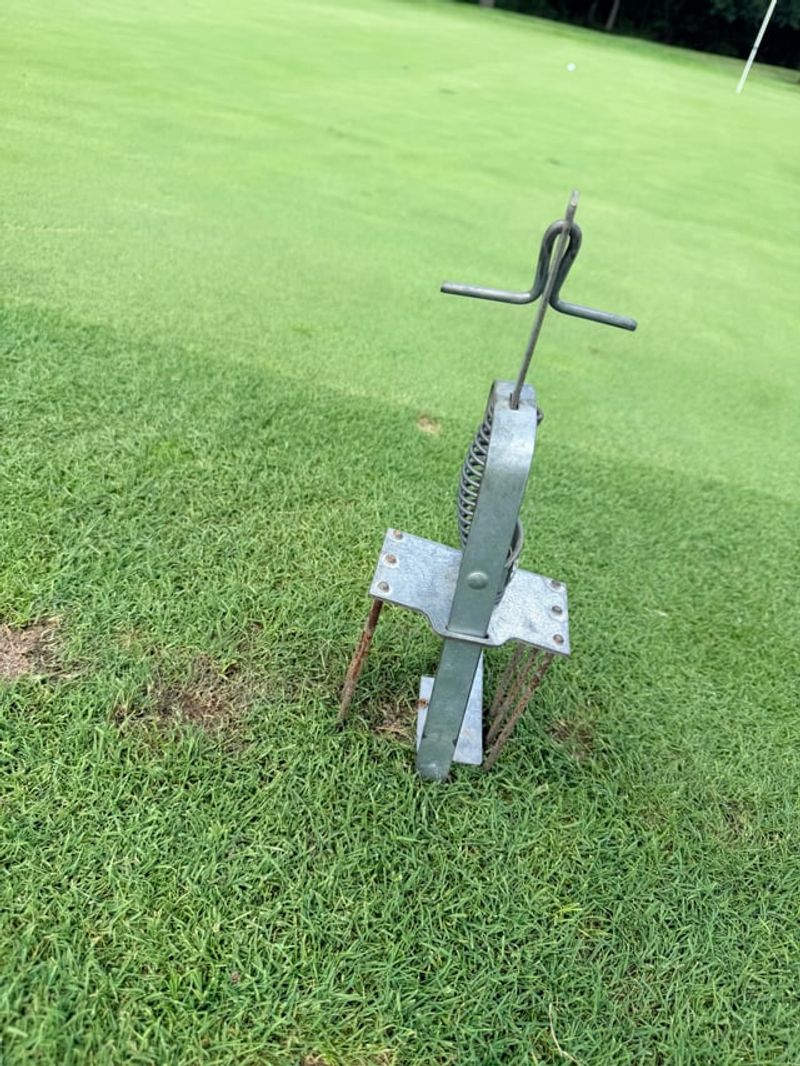
After all the pantry experiments, many experts land on one answer. Trapping is widely seen as the most effective way to handle moles.
Repellents only push moles around. Traps actually remove the animal causing the damage.
Several trap styles work well when set properly. Common types include harpoon, scissor-jaw, and choker-loop designs.
Fancy gear matters less than smart placement. A cheap trap in a busy tunnel beats a pricey one.
Use your pressed-tunnel test results to choose spots. Straight, active runs are the sweet spot for setting traps.
Timing gives you a real advantage. Spring and fall usually bring the best results, especially right after rain.
Moist soil makes moles busier near the surface. Across New York, those seasons often line up with active feeding.
Wear gloves when handling traps to reduce human scent. Follow the instructions closely, because these devices snap with serious force.
Check traps daily so you know what’s happening. If nothing changes after a few days, move the trap to another active run.
Many homeowners catch a mole within a week or two. Others prefer hiring a pest pro for quicker, hands-off results.
Keep children and pets away from set traps. Marking each location with a flag helps everyone remember where they are.
Check Local Rules Before You Trap Or Use Any Product
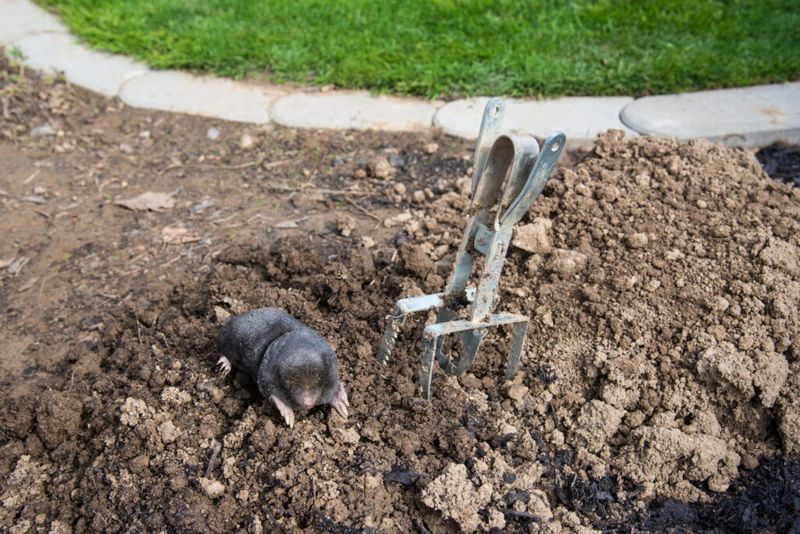
Before setting a single trap, do a little homework. Pest control rules can vary a lot from place to place.
Some states limit certain trap types or methods. Massachusetts and Washington State, for example, have notable rules about traps.
Laws can change, so checking current guidance matters. What a neighbor did years ago might not be allowed today.
Here in New York, start with your county Cornell Cooperative Extension office or the state Department of Environmental Conservation, which sets the wildlife rules.
Town or village codes may add their own twists. A quick call to your local office can clear up confusion.
Product labels deserve careful attention too. The directions and warnings on pesticide labels are legally binding.
Using a product in a way the label forbids can break the law. It may also harm pets, kids, or nearby wildlife.
Keep receipts and labels for anything you buy. They make it easy to double-check instructions later.
Renters should talk with landlords before trapping or spraying. Shared yards and HOA rules can add another layer.
Hiring a licensed professional is another smart option. They should know the rules and handle everything properly.
A little caution keeps your yard safe and legal. Better still, you can tackle moles with total peace of mind.