Why New York Homeowners Are Sprinkling Baking Soda On Fall Lawns Before First Frost
Wood smoke is in the air, the leaves are crunching, and your lawn is giving off major tired-and-fuzzy energy.
Naturally, the internet has opinions about how to fix it.
You may have seen a tip floating around online that involves a box from the pantry. It costs about a dollar, lives next to the flour, and supposedly gets shaken over grass like seasoning on a giant salad.
Yes, baking soda.
So does it actually help a New York lawn before the first frost? The research is a lot more mixed than the tips make it sound, and a heavy hand can leave you with scorched patches.
Grab something warm to sip, because the honest answer comes with a few cautions, one small experiment worth trying, and some habits that tend to matter more.
1. New York Lawns Battle Fall Fungus Before The Freeze
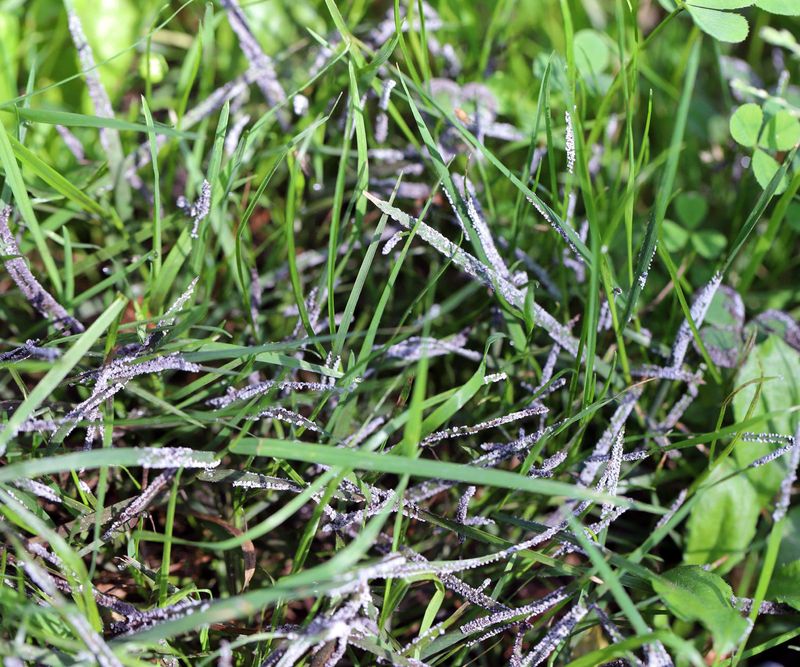
Cool nights and damp mornings make fungus very happy, and New York’s October fog can leave grass wet for hours. Powdery mildew and dollar spot like that kind of weather.
Mildew shows up as white dust, especially in shady spots, while dollar spot makes small tan circles across the yard.
Here is the idea behind the baking soda trick. Baking soda is alkaline, and many fungal spores germinate best in acidic conditions.
A light spray can make the leaf surface less welcoming for a while.
The catch is that the effect is temporary. Extension researchers describe baking soda as slowing fungi down, not wiping them out, and rain washes the benefit away.
Results are also mixed. Similar alkaline sprays have helped suppress dollar spot in turf trials, but those used potassium bicarbonate at much higher rates on golf course turf and caused some temporary leaf injury.
Results on home lawns are less clear.
If you want to experiment, mix about one tablespoon of baking soda into a gallon of water, plus a few drops of mild dish soap. Spray only a small trouble spot on a dry, calm afternoon, once a week for two or three weeks, and watch whether it stops spreading.
If it keeps growing, your county Cornell Cooperative Extension office can help name the problem.
Think of it as a low-cost test, not a proven fix.
2. Snow Mold Worries Push New York Homeowners To Act Early
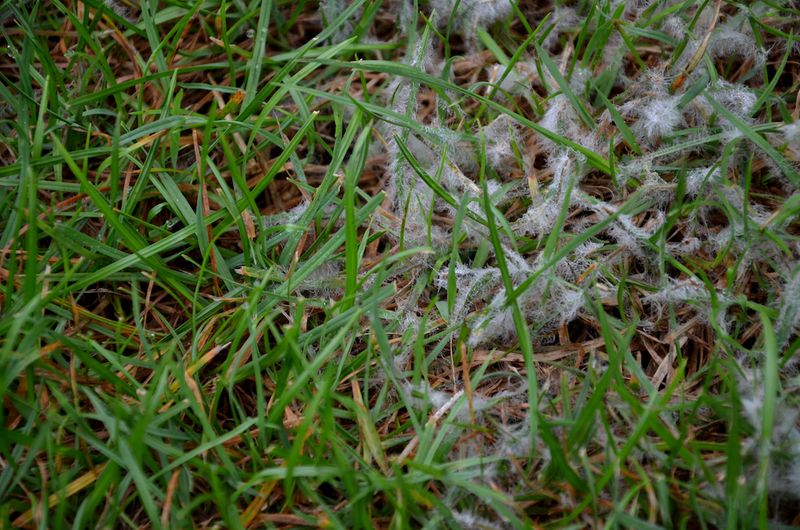
Ask anyone in Buffalo about spring lawns, and they may groan. When the snow melts, ugly gray or pink crusty circles often appear.
That mess is snow mold. Gray snow mold tends to develop under long-lasting snow cover, where the ground stays cold and wet.
Pink snow mold can show up in cool, wet weather even without deep snow.
Many upstate yards sit under snow for months, which gives snow mold plenty of quiet time to spread.
You may see tips about dusting or spraying baking soda on trouble spots in late fall. Extension programs do not list baking soda as a snow mold control, so treat that tip as unproven.
Cornell Cooperative Extension also notes that fungicides are usually not warranted for snow mold on home lawns, which tells you how much the everyday habits matter.
Your New York Garden Changes Every Week. Your Plan Should Too.
Gardening in New York changes quickly throughout the season. Every Friday you’ll receive a simple weekly plan showing exactly what to plant, prune, fertilize, harvest, and protect so you never miss the right timing.
Keep mowing until the grass stops growing. A final cut around two and a half inches tall helps stop matting.
Rake up leaves so they do not trap moisture. Wet leaf piles act like a cozy blanket for mold.
Avoid heavy nitrogen fertilizer late in the season. Soft, lush growth is easier for mold to attack.
When shoveling, try not to pile snow on the lawn. Heavy, compacted snow can make conditions worse.
Put these steps together, and your lawn has a better shot at waking up greener. These habits cost very little and fit easily into a single weekend.
3. Pantry Savings Make Sense For Budget-Minded New York Families
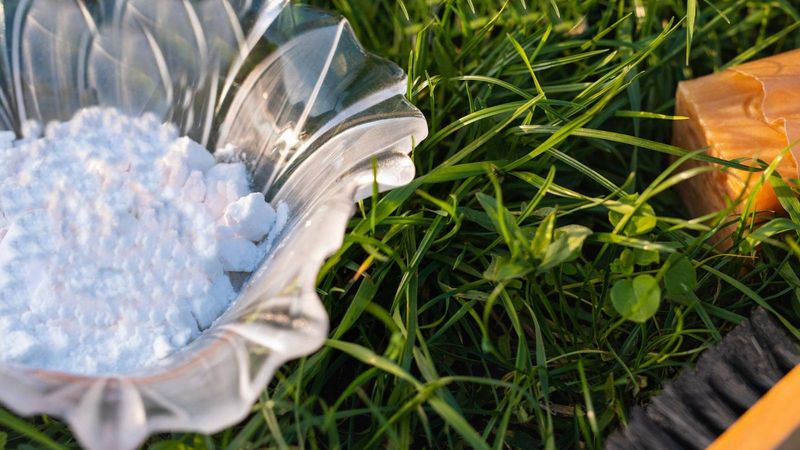
Lawn care bills add up fast. Between seed, fertilizer, and sprays, a single season can cost hundreds of dollars.
New York has a high cost of living, so families look for smart ways to save. A one-pound box of baking soda usually costs about a dollar or two.
That small box can make several gallons of spray. For a typical small yard, that may cover the whole fall season.
Compare that to store fungicides, which can run twenty dollars or more per bottle. The savings make many people willing to give the old trick a try, though the low price is a perk of a small test and not a promise of results.
Here is a simple shopping list to get started:
One box of plain baking soda, not baking powder. A garden pump sprayer, and a bottle of mild dish soap.
Label your sprayer clearly so nobody mixes it up with the herbicide sprayer later. A strip of masking tape and a marker work great.
Store leftover powder in a sealed jar in the garage. Damp air can make it clump over the winter months.
Saving money does not mean cutting corners. It simply means testing gentle, cheap steps first and keeping your wallet happy along the way.
4. Pet-Friendly Yards Matter To Many New York Dog Owners
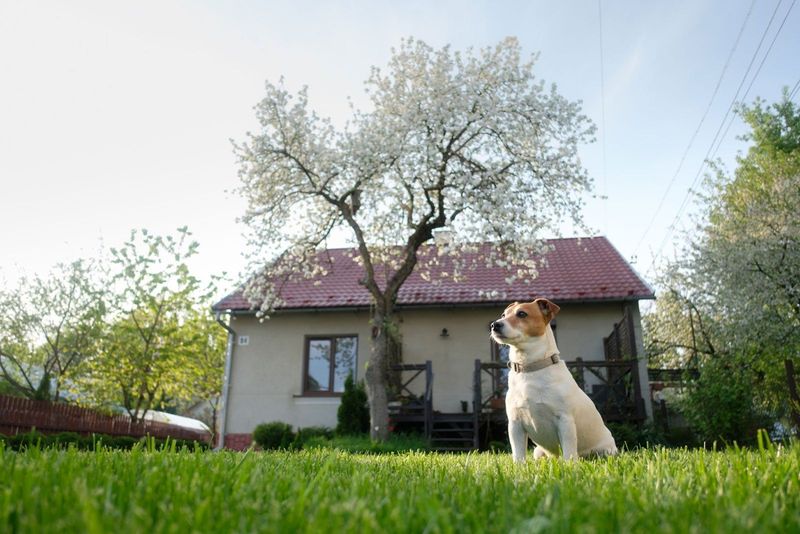
Your dog does not read warning labels. It rolls, sniffs, and sometimes chews grass without a second thought.
That is a big reason pet owners ask about gentler options. In small amounts, baking soda is generally milder than many strong garden chemicals.
Kids enjoy the yard too. Parents feel better knowing the spray came from the same box they use for cookies.
Of course, mild does not mean careless. Let the spray dry fully before pets or children play on the grass.
An hour or two on a sunny afternoon is usually enough. Keep pets indoors while you spray so they do not lick wet blades.
Do not leave piles of dry powder on the lawn. Spread it thin, or better yet, mix it into water.
Here is a pet tip that works better than baking soda. Brown spots where dogs pee often come from concentrated nitrogen and salts in the urine.
Extension experts say water is the best fix, so a quick rinse right after your dog goes can help dilute it. Sprinkling baking soda on those spots is not recommended, since it adds even more salt.
Training your dog to use a mulch or gravel corner can help too. A healthy, deeply rooted lawn also tends to bounce back from urine spots better than a thin, closely cut one.
Talk to your vet if your pet has health problems. Some animals have sensitive stomachs and need extra care.
With a few smart habits, you can tend your lawn and still let the furry crew run free.
5. Acidic Soil Across New York Gets A Little Balance
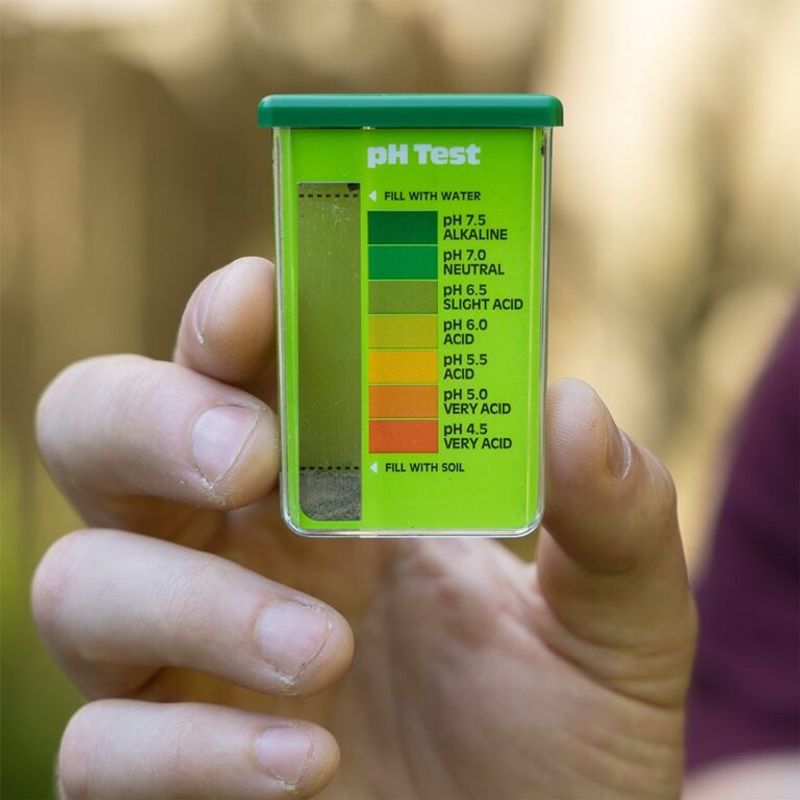
Soil has a mood, and scientists measure it with pH. Soil across New York varies, but many areas lean acidic, thanks to rain, evergreen needles, and rocky ground.
Grass usually grows best when pH sits around 6 to 7. When soil gets too sour, roots have trouble taking in food.
Baking soda is alkaline, so some people hope it will sweeten their soil. A spray will not do much for soil pH, though.
A study of repeated alkaline sprays on turf found no lasting change in soil pH.
Baking soda also contains sodium. Too much sodium can damage grass and build up in the soil.
That is why experts suggest garden lime for bigger pH changes, once a soil test shows it is needed. Lime works slowly, and fall is a common time to spread it.
Think of baking soda as, at most, a small spot experiment on leaf surfaces, not a soil fix.
Before doing anything, test your soil. Cornell Cooperative Extension offices often help with affordable soil testing.
A simple kit from the hardware store also gives a quick reading, so follow the directions carefully.
Knowing your numbers keeps you from guessing. A soil test also takes the guesswork out of whether your lawn needs lime at all.
Then you can pick the right tool and give your lawn what it needs before winter.
6. Timing Is Everything Before The New York First Frost

Mother Nature keeps a loose calendar. In northern New York, the first frost can arrive as early as mid to late September, while New York City often waits until mid to late November.
That gap matters for lawn care. If you try a baking soda spray, do it while the grass is still green and growing, well before frost arrives.
Local weather sites and the National Weather Service share average frost dates. Keep in mind that your actual first frost can land several weeks earlier or later in a given year.
Pick a dry day with no rain in the forecast. Rain washes the mix away before it can do its job.
Spray in late morning after the dew dries. Skip spraying on frozen or frosty grass.
Walking on icy blades can break them and leave brown footprints.
Write your spray dates on a calendar. Jotting down the weather next to each date helps you spot patterns from one season to the next.
Over a season or two, you will see whether it makes any difference on your lawn.
Quick tip: Set a phone reminder a few weeks before your local average frost date. That nudge keeps you ahead of the cold instead of rushing at the last minute.
7. The Right Mix Keeps New York Grass Safe From Burns
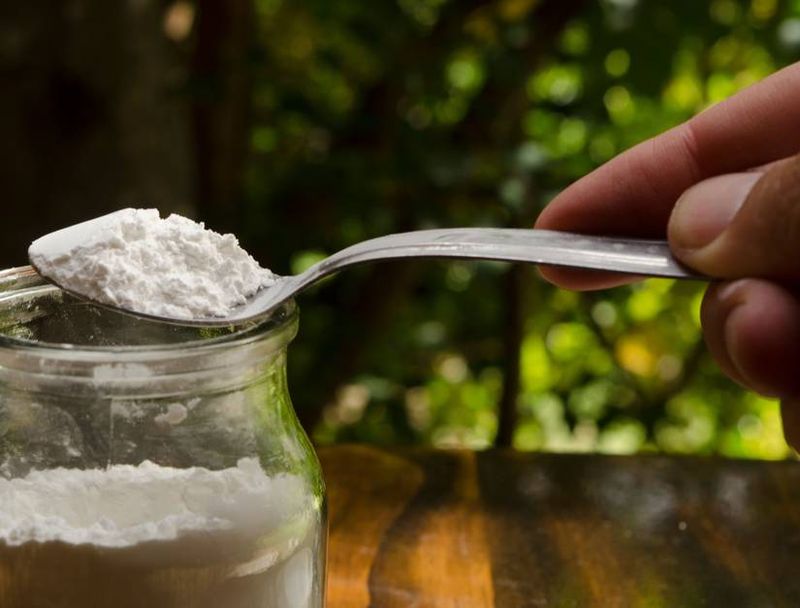
More is not better here. A heavy hand with baking soda can turn green grass yellow in just a few days.
The sodium inside can burn leaves. That leaves blades looking scorched and crispy.
A common home recipe is one tablespoon of baking soda per gallon of water. Stronger mixes raise the risk of leaf burn, so stick with the lighter version.
Stir until the powder fully dissolves. Grainy bits can clog your sprayer nozzle.
Add a few drops of mild dish soap so the spray sticks to the blades.
Test a small patch first, about the size of a doormat. Wait a few days and look for yellowing.
If the test spot looks fine, treat only the trouble areas. If not, rinse the patch well with water to wash off the sodium, and skip the spray.
Do not sprinkle dry powder heavily on grass. Clumps can sit on the soil and cause salty spots.
A careful recipe helps protect your lawn. Label your sprayer clearly so it does not get mixed up with your weed control products later.
Measuring takes one extra minute, and that minute can save you from scorched patches.
8. Pairing Baking Soda With Smart New York Fall Lawn Habits
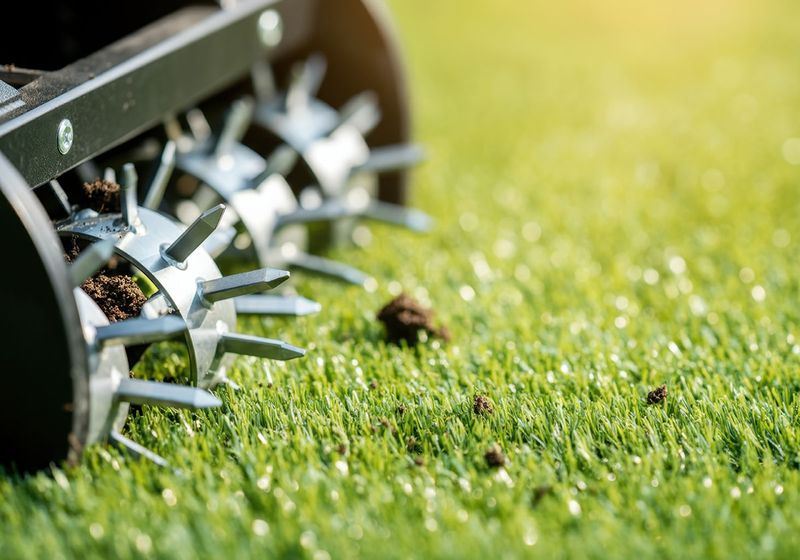
No single trick builds a great lawn. Think of baking soda as the sidekick, not the superhero.
Fall is the busiest season for smart lawn care in New York. Cool air and warm soil help grass build strong roots.
Start by aerating compacted soil. Pulling small plugs lets air, water, and food reach the roots.
Overseed thin areas right after aerating. Cool-season grasses like fescue and Kentucky bluegrass thrive in this climate.
Water deeply but less often. About one inch per week, including rain, keeps roots reaching down.
Mulch leaves with your mower instead of bagging them all. Tiny leaf bits feed the soil over winter.
Make a few passes until you can see grass through the chopped pieces, so nothing mats down and blocks sunlight.
Then use baking soda on spots that show fungus. Treating only where needed keeps sodium levels low.
Clean your mower blades too. Sharp, clean blades cut neatly and spread fewer fungal spores from yard to yard.
Finally, store hoses and tools before the deep cold settles in. Frozen hoses can crack and leak in spring.
Follow these steps, and your yard will be ready to rest. When spring rolls around, you may see thicker, greener grass waiting to greet you.