Can Oregon Gardeners Still Plant Perennials In Mid October?
That sale cart at the garden center is calling your name, and honestly you should listen to it.
Mid October in Oregon is not the gardening off-season most people assume it is, and passing up a perfectly good perennial because you think the season is over is a mistake a lot of gardeners make and later regret.
Here is the thing about fall planting in the Pacific Northwest: the soil is still warm, the rains are coming back to do your watering for you, and plants put into the ground now spend the whole winter quietly building roots instead of putting on a flower show.
That means a stronger, more established plant ready to take off the moment spring arrives.
The season is not over. It is just playing a different game right now.
1. Why Mid October Works Well In Oregon
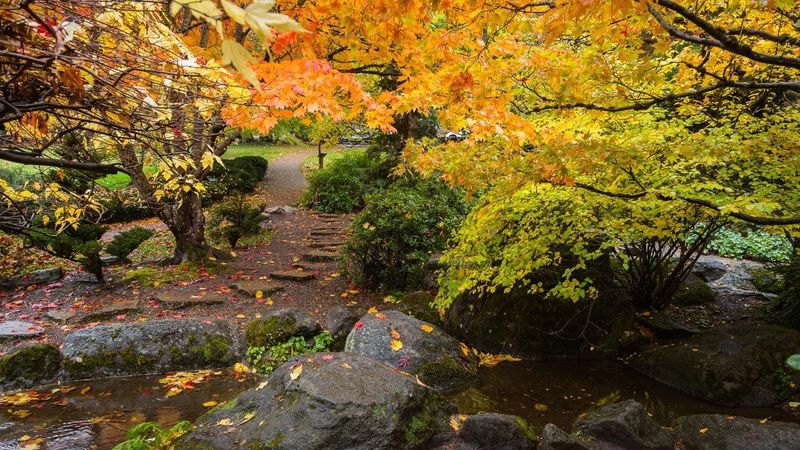
Ask any seasoned grower in the Willamette Valley, and you will hear the same cheerful answer. Mid October is often a sweet spot for planting perennials in The Beaver State.
The soil still holds warmth from summer, even when the air turns cool. Warm soil helps roots grow, while cool air keeps leaves from wilting under stress.
Fall rain also returns around now in much of the state. That means less time dragging hoses around and more help from nature itself.
Plants put their energy into roots during autumn instead of flowers. By spring, they wake up with a strong base and grow faster than plants set out in April.
Here is a fun fact to share with neighbors. Many pro landscapers call fall the best planting season of the year, not spring.
Of course, timing depends on where you live. Coastal and valley gardens usually have more weeks of mild weather than high desert spots like Bend or Burns.
A good rule is to plant at least six weeks before the ground freezes. In western areas, that window can stretch into November.
So go ahead and shop that fall sale. Your future spring garden will thank you for planting now.
2. Know Your Climate Zone First
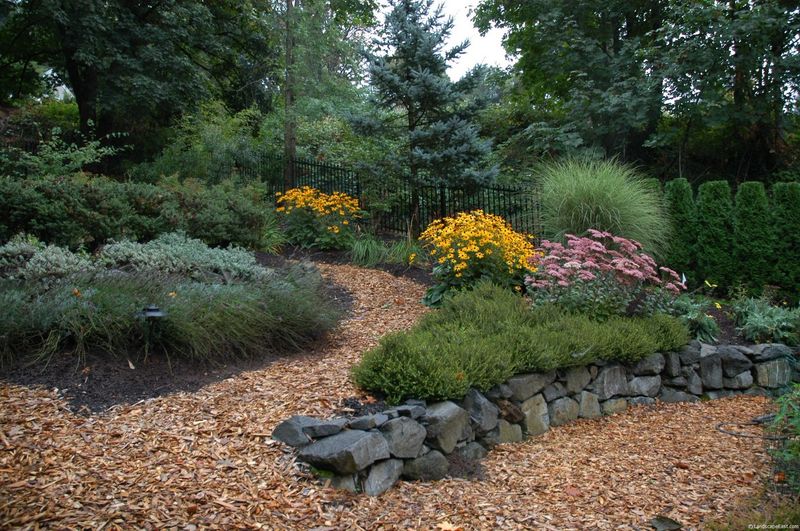
Oregon is really several gardening worlds squeezed into one state. The coast, the valleys, and the east side each play by different rules.
Western areas like Portland, Salem, and Eugene mostly sit in USDA zones 8a and 8b. Winters there are damp but fairly gentle, so October planting is usually smooth sailing.
The coast is even milder, with zone 9 in some pockets. Salt wind can be tough, though, so pick sturdy plants that handle breezes.
Things change once you cross the Cascades. Central and eastern towns can drop into zones 5 and 6, where hard frosts arrive early.
If you garden in Bend, Redmond, or La Grande, mid October may be pushing your luck. Stick with tough, cold-hardy picks and plant as early in the month as you can.
Southern Oregon around Medford and Grants Pass has hot summers and cool winters. Fall planting works well there, especially once the heat finally breaks.
Your Oregon Garden Changes Every Week. Your Plan Should Too.
Gardening in Oregon changes quickly throughout the season. Every Friday you’ll receive a simple weekly plan showing exactly what to plant, prune, fertilize, harvest, and protect so you never miss the right timing.
A quick tip helps everyone. Type your zip code into the USDA Plant Hardiness Zone Map online to find your exact zone.
Then check plant tags for that zone number before buying. Matching the two is one of the smartest moves a gardener can make.
3. Best Perennials To Plant This Fall
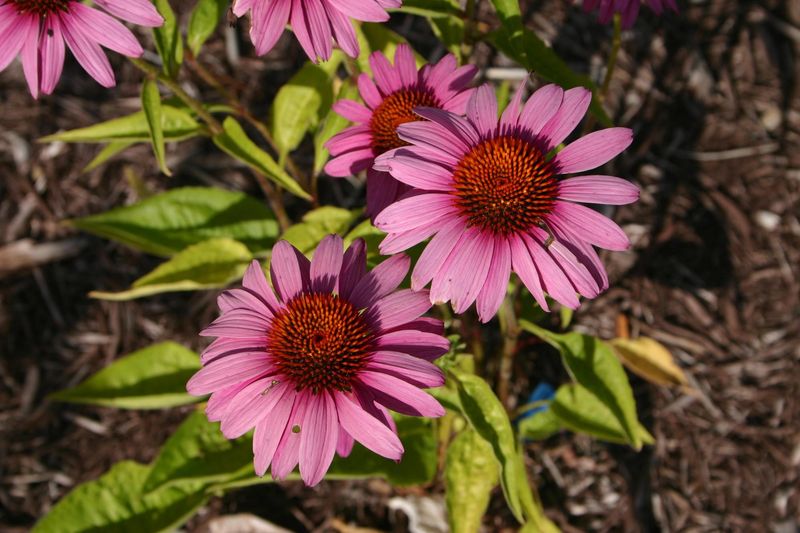
Some plants practically beg to go into the ground in autumn. Picking the right ones makes fall planting much easier.
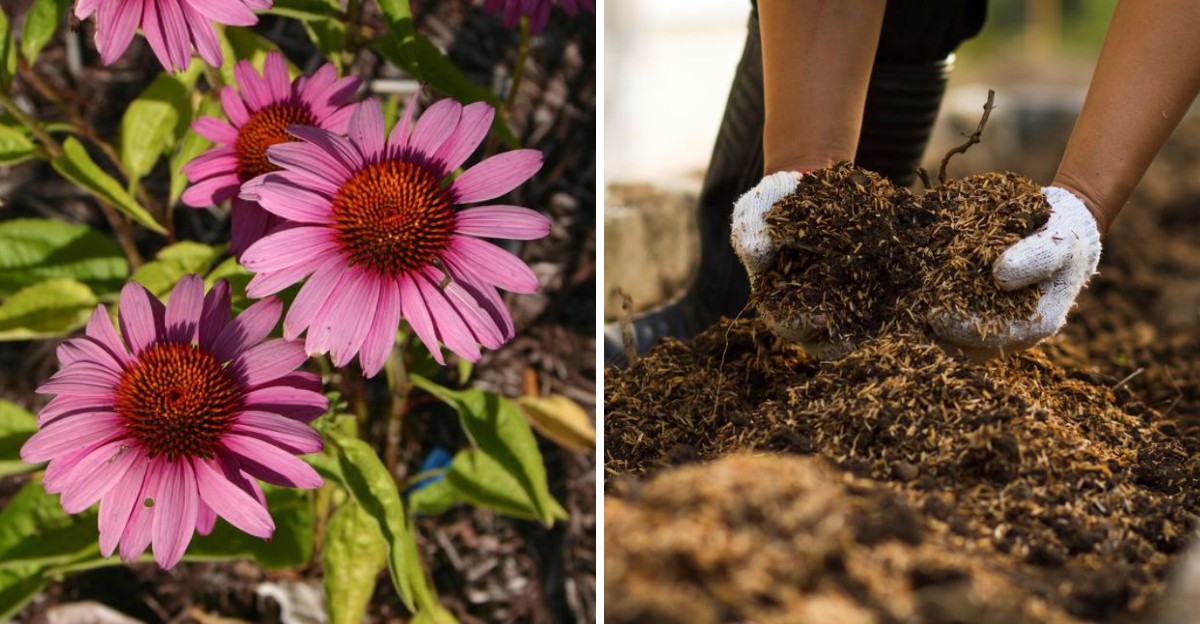
Coneflowers are tough and bounce back each summer with bright blooms. Black-eyed Susans are another cheerful choice that handles cold winters.
Sedum, sometimes called stonecrop, loves well-drained soil. Bees adore its flat flower heads, and it barely needs water once it settles.
Heuchera, also known as coral bells, brings colorful leaves in purple, lime, or caramel. These plants enjoy shady corners and stay attractive most of the year.
Native plants deserve a big spot on your list. Oregon iris, red flowering currant, and western columbine are adapted to local rain and soil.
Hardy geraniums, catmint, and yarrow are also forgiving for beginners. They spread nicely and fill gaps fast.
Ornamental grasses can work too, but plant them early in the month. Some prefer warm soil to root well.
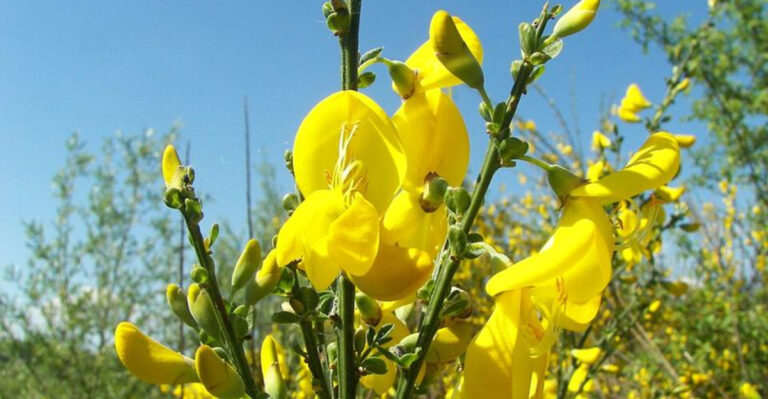
Here is a small history bit worth knowing. The Oregon grape, a shrubby native with yellow flowers, became the official state flower back in 1899.
Choose plants labeled for your zone, and look for healthy roots poking out the pot bottom. Strong roots now mean big rewards later.
4. Plants To Hold Off On Until Spring
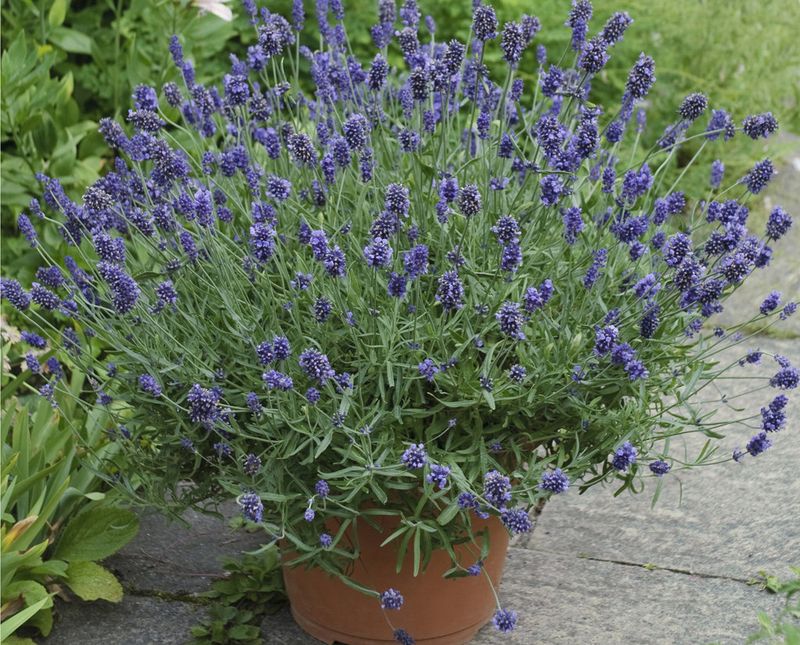
Not every plant enjoys a soggy Oregon winter as its first experience outdoors. A few are better saved for spring.
Lavender is a common example. It hates wet roots, so a fall planting in heavy clay soil can lead to rot before it settles in.
Many salvias, especially the tender types, struggle with cold rain too. Give them warm weather to grow roots first.
Plants that are only borderline hardy for your zone are risky. If the tag says zone 8 and you live in zone 7, wait until the soil warms up in April or May.
Gray or silver-leaved plants often love dry heat. Think of artemisia, Russian sage, and some types of dianthus.
So what do you do with those bargain pots now? Keep them in a sheltered spot, like a covered porch or unheated garage with some light.
Water lightly every week or two, just enough to keep roots slightly moist. Too much water in winter causes trouble.
Another trick is to sink the pots into a mulch pile. The mulch keeps roots cozy until planting day arrives.
Patience pays off with these picky plants. A short wait gives them a much better shot at thriving for years.
5. Preparing Soil For Fall Planting
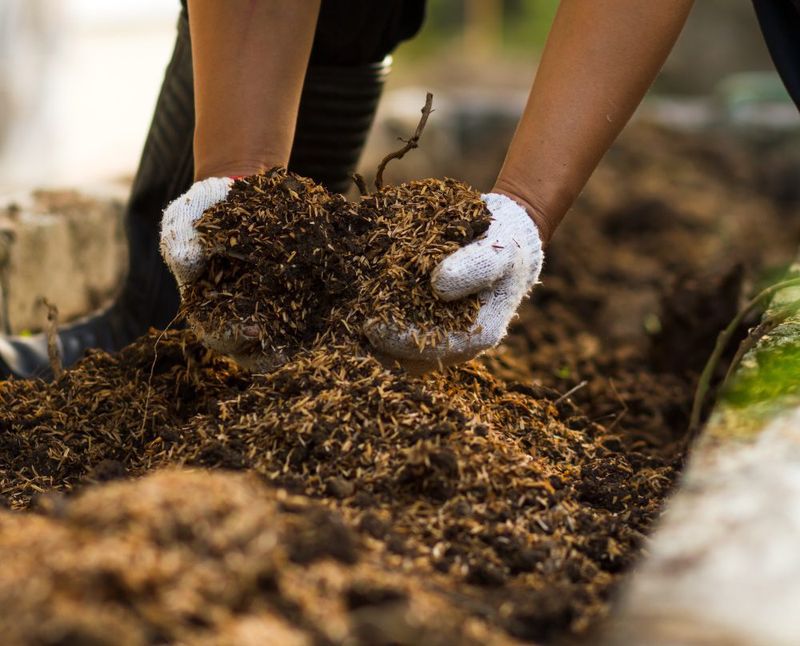
Clay soil sticks to your boots like peanut butter in much of the Willamette Valley. Getting soil ready is half the battle in Oregon fall gardening.
Heavy clay holds a lot of water, and winter rain makes it worse. Roots need air, so soggy soil can cause them to rot.
Mixing in compost is the easiest fix. Add two to three inches and work it into the top eight inches of soil.
Raised beds or small mounds can also help. Planting a bit higher lets extra water drain away from the crown.
Do a simple drainage test before you plant. Dig a hole about a foot deep, fill it with water, and see how long it takes to empty.
If water still sits there after several hours, you have drainage trouble. Choose plants that like moist ground, or build up the bed.
Try not to work soil when it is soaking wet. Squeezing wet clay can make it hard as a brick later.
A handful of soil should crumble when you press it. If it forms a sticky ball, wait a day or two for things to dry out.
Good soil prep feels like slow work. Still, it is the secret behind gardens that look amazing year after year.
6. Smart Planting Steps In October
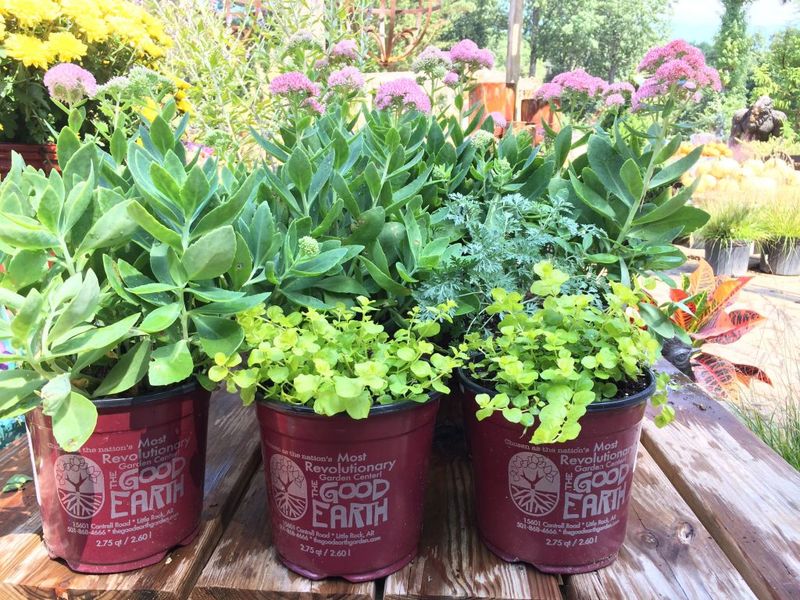
Planting a perennial seems simple, but a few small habits make a huge difference. Think of it like tucking a kid into bed the right way.
Start by watering the plant in its pot an hour before planting. Moist roots slide out easier and handle the move better.
Dig a hole twice as wide as the pot but no deeper. Setting a plant too low can trap water around the stem.
Look at the roots once you slide the plant free. If they circle tightly around the edge, gently tease them loose with your fingers.
Place the plant so the top of the root ball sits level with the ground. Then fill in soil and press it down lightly with your hands.
Water deeply right after planting, even if rain is coming. That first drink helps settle soil around the roots.
Pick a calm, cloudy day if you can. Oregon gives us plenty of those in October, so take advantage.
Skip fertilizer for now in most cases. Strong feeding can push soft new growth that frost may damage.
A sprinkle of bone meal is fine for root support. Label each plant so you remember what is sleeping there come spring.
7. Mulching Magic For Winter Protection
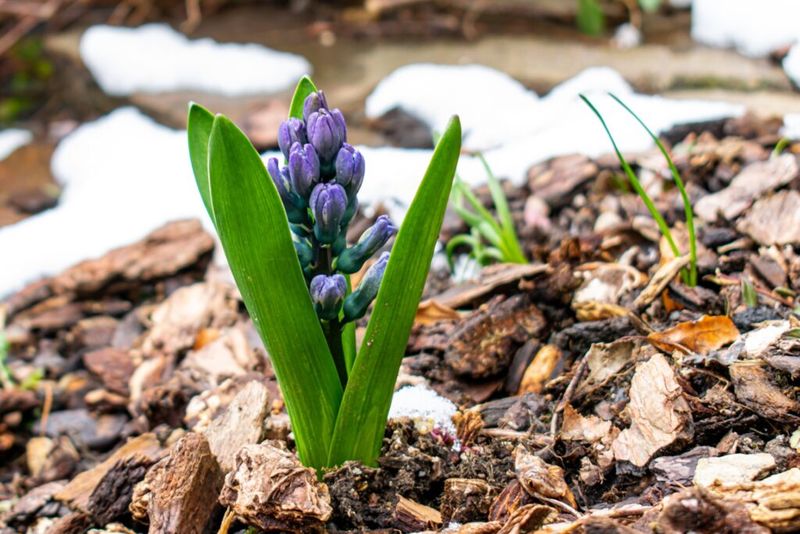
A good blanket of mulch is like a warm sweater for your new plants. Oregon gardeners lean on it heavily once October arrives.
Mulch keeps soil temperature steady through cold snaps. It also stops frost heave, which happens when freezing and thawing push young plants right out of the ground.
Shredded leaves are free and work great. Bark, straw, and compost are also solid choices.
Spread about two to three inches around each plant. Keep the mulch a couple of inches away from the stems so they do not stay wet.
Thick mulch piled against crowns can invite rot and slugs. A little breathing room keeps everything healthier.
On the east side of the Cascades, you may want a thicker layer. Evergreen branches laid over beds after the ground freezes add extra protection.
Here is a neat bonus fact. Mulch breaks down slowly and feeds earthworms, which then improve your soil for free.
Mulch also cuts down on winter weeds. That means less pulling and more relaxing with hot cocoa by the window.
Check mulch again in late winter. Pull some back gently in spring so the soil warms up and plants can push through easily.
8. Watering Wisely Through Fall
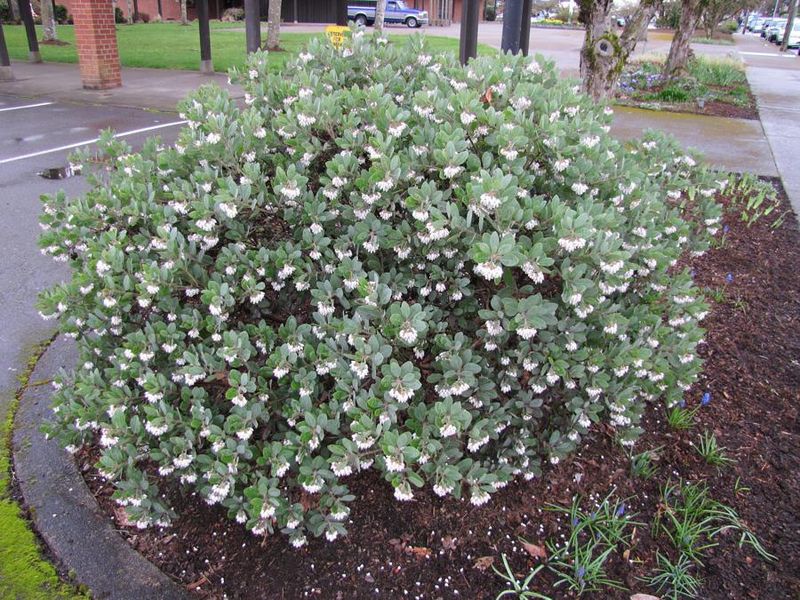
Rain or no rain, that is the big question every October. Oregon weather can flip from sunny to drizzly in a single afternoon.
New plants need steady moisture for their first few weeks. Roots are still reaching out and cannot pull water from far away yet.
If a week passes with little rain, give them a deep drink. About one inch of water per week is a handy target.
A cheap rain gauge makes this easy. Stick it in the garden and check it after storms so you know when to skip watering.
Poke a finger into the soil near the plant, too. If it feels dry two inches down, grab the watering can.
Once steady rain settles in, you can usually put the hose away. Western valleys often get plenty of moisture from November through March.
Overwatering is a real risk in heavy soil. Soggy roots struggle just as much as thirsty ones.
Southern and eastern parts of the state may stay drier longer. Keep an eye on those beds until real storms arrive.
Water in the morning when possible. Leaves dry faster during the day, which helps keep fungus and mildew away.
9. Guarding New Plantings From Slugs And Frost
Slugs in this part of the country are practically local celebrities. Gardeners know they come out in force when fall rains begin.
Young, tender leaves are a slug buffet. Check plants at night with a flashlight to see who is visiting.
Iron phosphate slug bait is a safer option for pets and wildlife. Copper tape around pots and raised beds also helps keep them away.
A fun fact for curious readers is that the banana slug, a big yellow native, can grow nearly ten inches long. It mostly munches on fallen leaves rather than your garden plants.
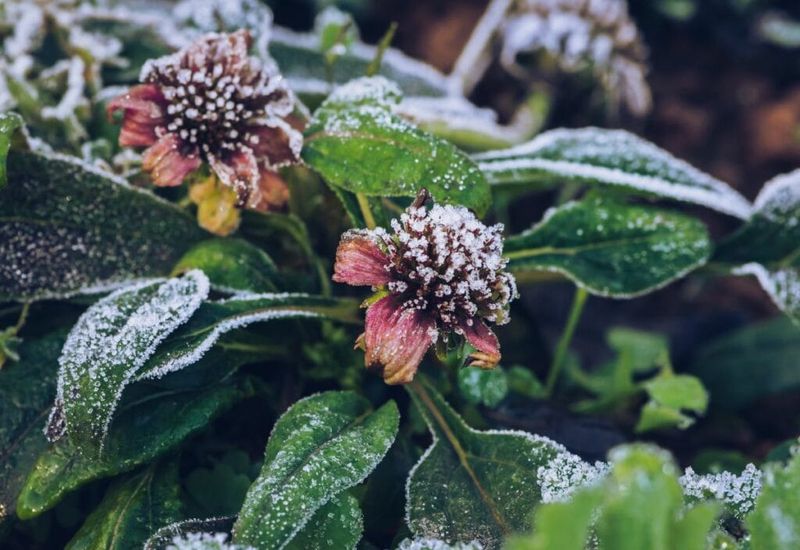
Frost is the other surprise guest. An early cold night can nip new leaves before roots are fully settled.
Keep a light frost cloth or old bedsheet handy. Cover plants in the evening when temps drop near freezing, then remove it in the morning.
Avoid plastic sheets touching leaves. Plastic can trap cold and cause more harm than good.
Deer and rabbits may sample fresh plantings too. A simple wire cage over new plants keeps nibblers back for the first season.
With a little watchfulness, your fall plantings can sail through winter. Come spring, you will see fresh growth popping up right where you placed it.