Why New Jersey Gardeners Should Leave Some Fallen Leaves Where They Land This Fall
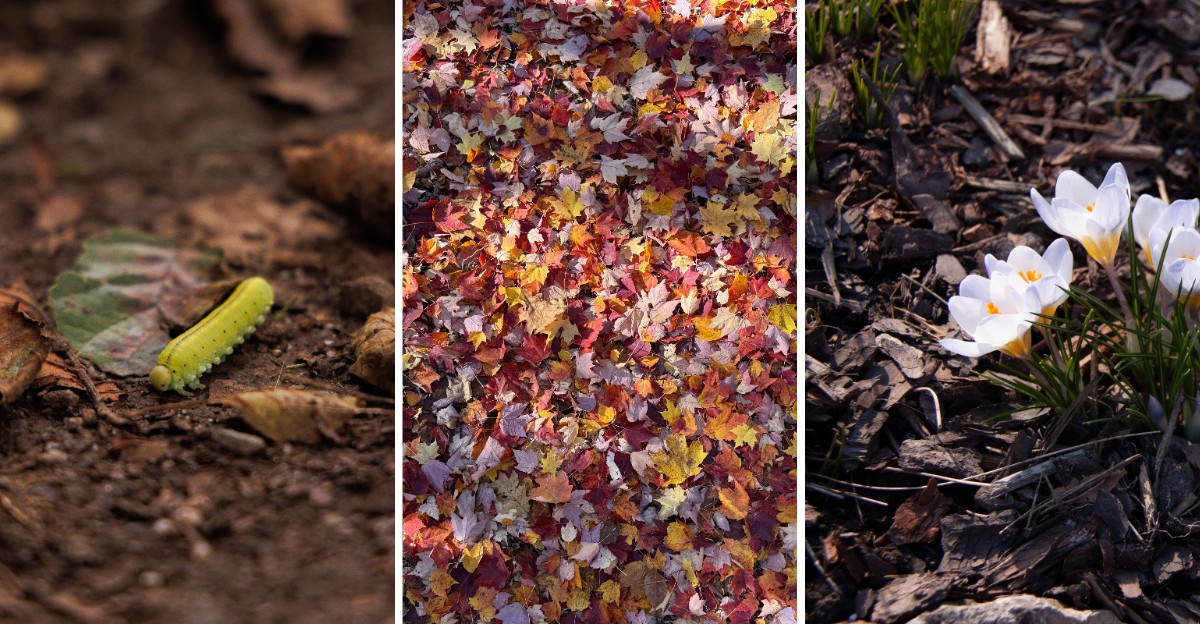
You could be displacing sleeping firefly larvae when you bag those leaves. Box turtles in New Jersey tuck themselves under that litter until spring.
Bumblebee queens hibernate there too, ready to found colonies that pollinate your tomatoes. Chickadees need caterpillars to feed nestlings, and many pupate in leaf litter.
Luna moth cocoons lie wrapped inside leaves you might sweep. Mow lawn leaves into mulch and your soil gets free fertilizer.
Oak leaves break down slowly, building the spongy topsoil your trees crave. Hermit thrushes and towhees turn the litter seeking beetles and spiders.
Shift thick layers off the grass and heap them beneath shrubs. Leave a corner untouched and you will spot juncos scratching there by December.
Across New Jersey, you can give overwintering insects safe lodging by doing less. Spring pays you back with fireflies blinking above your lawn.
1. Natural Nutrients For Hungry Soil
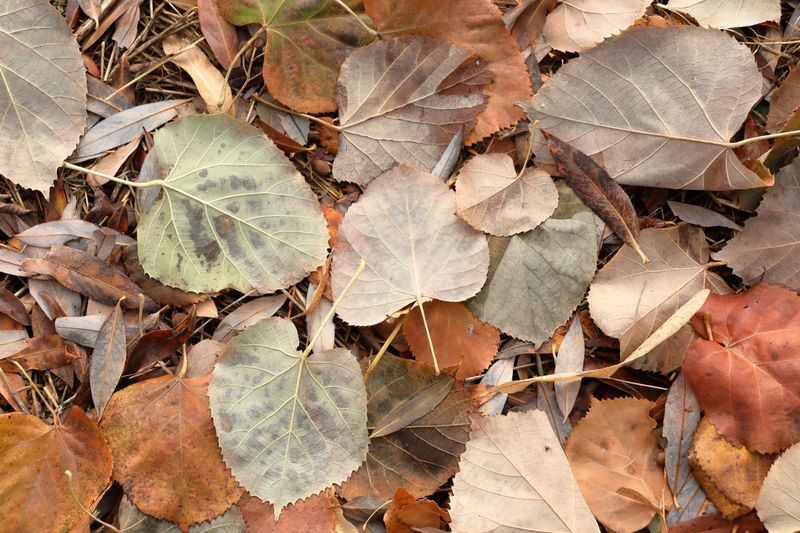
Picture a buffet that shows up every October, delivered free right to your front yard. That is basically what a big oak or maple drops on your lawn each fall.
Leaves hold minerals the tree pulled from the ground all summer long. Potassium, calcium, and small amounts of nitrogen sit inside each crunchy piece, plus carbon from the air.
When those leaves break down, worms and fungi pull those nutrients back into the soil. Your garden beds get a slow, gentle feeding without a single trip to the store.
Parts of New Jersey have heavy clay soil, especially in the central and northern areas of the state. Decomposing leaves loosen that sticky clay and help it drain better over time.
Down in the Pine Barrens region, sandy soil lets water and nutrients slip away fast. A layer of broken-down leaves acts like a sponge that holds onto both.
You do not need to leave a soggy, thick mat across your whole lawn, though. Grass can struggle and turn yellow if heavy leaves sit on it all winter.
Try running the mower over leaves on the lawn to chop them into small bits. Those tiny pieces sink between grass blades and feed the roots by spring.
For flower beds and vegetable patches, rake whole leaves into a loose layer a few inches deep. Think of it as tucking your soil in with a homemade meal.
2. Winter Shelter For Native Bees
Ever wonder where bumblebees go when the first frost silvers your car windshield? Many of them are closer than you think, tucked under the leaves near your feet.
In late fall, most bumblebee colonies wind down, and only the new queens survive the cold. Each queen digs a shallow hole in loose soil, often under a cozy leaf layer.
She stays there quietly until spring warms the ground again. Then she wakes up, finds flowers, and starts a brand new colony from scratch.
New Jersey is home to hundreds of native bee species. Many of them, like mining bees and sweat bees, nest in the ground.
Your New Jersey Garden Changes Every Week. Your Plan Should Too.
Gardening in New Jersey changes quickly throughout the season. Every Friday you’ll receive a simple weekly plan showing exactly what to plant, prune, fertilize, harvest, and protect so you never miss the right timing.
A cleared yard gives these helpful insects very few safe places to hide. Leaves trap a bit of warmth and protect the soil from harsh, freezing wind.
Without native bees, your tomatoes and squash would produce smaller harvests. Jersey blueberries, our official state fruit, rely mostly on managed honey bees, but wild bees add to the harvest.
You can help by leaving leaves under shrubs, along fences, and around the edges of garden beds. Skip the leaf blower in those spots so the soil stays undisturbed.
Try not to dig or till those areas too early in spring, either. Waiting until daytime temperatures stay above 50 degrees gives sleepy queens time to wake up.
A leafy corner of the yard might look unraked to the neighbors. To a bumblebee queen, it looks like a five-star winter hotel.
3. Safe Hiding Spots For Caterpillars And Moths
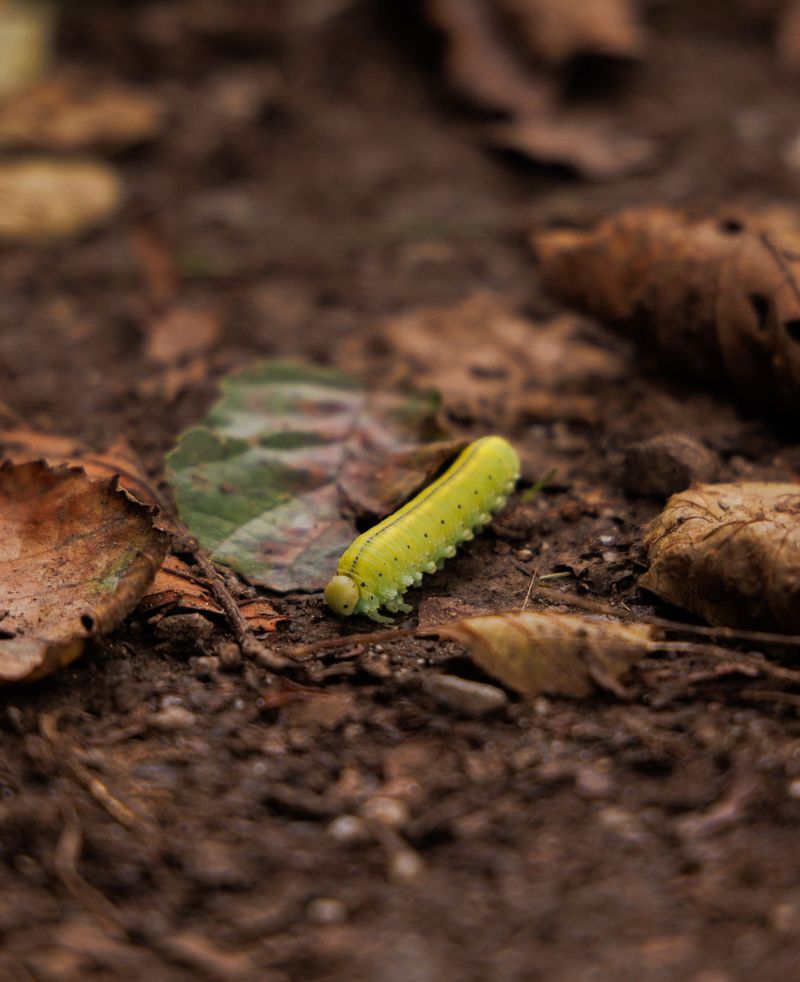
Remember chasing fireflies across a Jersey backyard on a warm July night? Some of those glowing beetles spent their early days hiding in leaf litter.
Fallen leaves are a nursery for many young insects that grow into beloved summer sights. Fireflies, luna moths, and many other beetles and moths all use leaves to get through winter.
Luna moth caterpillars spin silky cocoons wrapped inside a folded leaf. When that leaf drops in fall, the cocoon rides it right down to the ground.
Woolly bear caterpillars and many moth pupae also rest in leafy piles until spring. Woolly bears can actually freeze solid and then thaw out just fine later on.
If those leaves get bagged and hauled to the curb, the hidden creatures go along with them. That means fewer moths, butterflies, and fireflies next summer.
Birds, bats, and small mammals all depend on the insects that grow up in leaf litter. When the insects disappear, the wider backyard food web is affected.
To help, pick a few spots where leaves can pile up and stay put. Under trees is perfect, since that is where the leaves land naturally anyway.
Keep foot traffic and mowers off those areas through early spring. Keep thick piles away from patios and play areas, since ticks shelter there. A ring of stones marks the spot.
Next summer, when a firefly blinks near your porch, you might feel a little proud. Your relaxed leaf pile may have been its childhood home.
4. Cozy Blankets For Tender Plant Roots
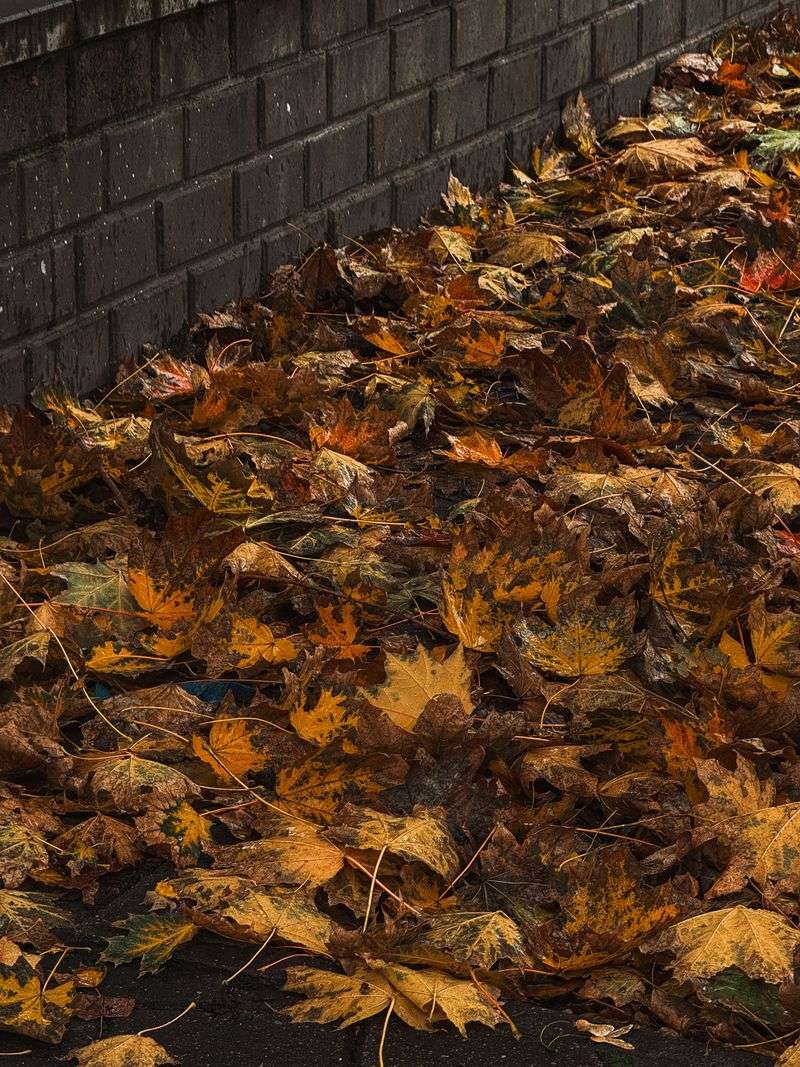
A New Jersey winter can swing from sunny and 55 degrees to icy and 15 in one week. Plant roots struggle with swings like that.
When soil freezes and thaws over and over, it heaves and cracks. That movement can push shallow roots right out of the ground, leaving them exposed.
Gardeners call this frost heave, and it hits perennials like coral bells and strawberries especially hard. Young plants set out in September are also at high risk.
A loose layer of leaves works like a down comforter for the soil. It keeps the ground temperature steady, so roots stay snug through cold snaps.
Mulched soil holds a steadier temperature than bare soil on frosty nights. That steadier temperature can protect plants that are only borderline hardy.
Shredded leaves work best around delicate plants because they let air and water through. Whole maple leaves can mat down into a dense, wet layer that blocks moisture.
Oak leaves are a happy exception since they curl up and stay fluffy all winter. Many Jersey yards have plenty of oaks, so you may already have the perfect material.
Spread leaves two to four inches deep around perennials, roses, and newly planted shrubs. Keep them a few inches away from stems and trunks to prevent rot.
In spring, gently pull the layer back once new green shoots begin peeking up. Your plants will wake up rested, rooted, and ready to grow.
5. Natural Mulch For Fewer Weeds
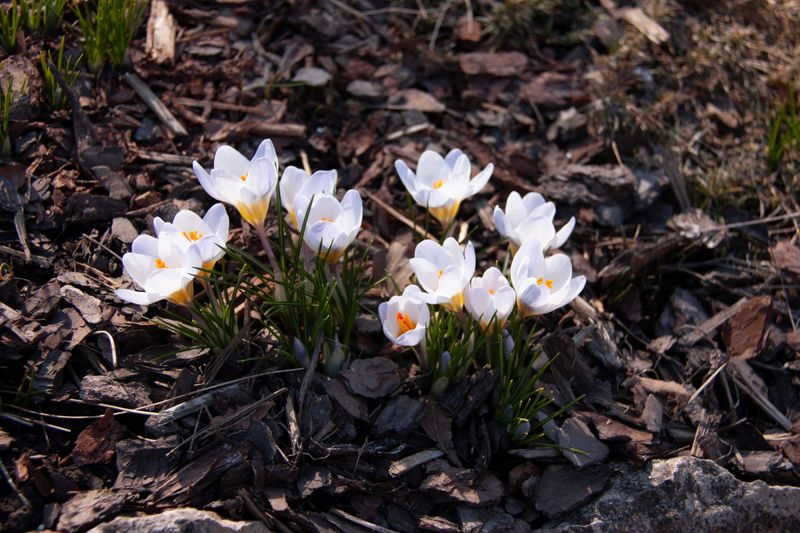
Bags of shredded mulch at the garden center can cost five dollars or more apiece. Meanwhile, your trees just dropped a large supply of free mulch across the driveway.
Shredded leaves block sunlight from reaching the soil, and many weed seeds need light to sprout. Cover them up, and plenty of unwanted seeds stay dormant.
Chickweed, henbit, and hairy bittercress love to pop up in bare New Jersey beds each spring. A thick leaf layer makes it harder for them to sprout.
Leaf mulch also breaks down faster than wood chips, so it feeds the soil while it works. Think of it as a weed blocker and a snack in one package.
For best results, shred leaves first with a mower or a mulching leaf vacuum. Shredded pieces stay put better and do not blow around the yard.
Spread the shredded leaves about three inches deep over vegetable beds and around flowers. Water lightly afterward to help the layer settle into place.
Some gardeners top their leaves with a thin sprinkle of wood chips for a tidier look. Neighbors see a neat bed, and the soil still gets all the benefits.
Avoid using leaves from black walnut trees around tomatoes, peppers, and potatoes. Those leaves contain a natural chemical that can stunt certain vegetables.
By spring, shredded leaves will have softened into dark, crumbly organic matter, while whole oak leaves may take longer. Pull them aside to plant, then tuck them back around your new seedlings.
6. Steady Moisture For Thirsty Gardens
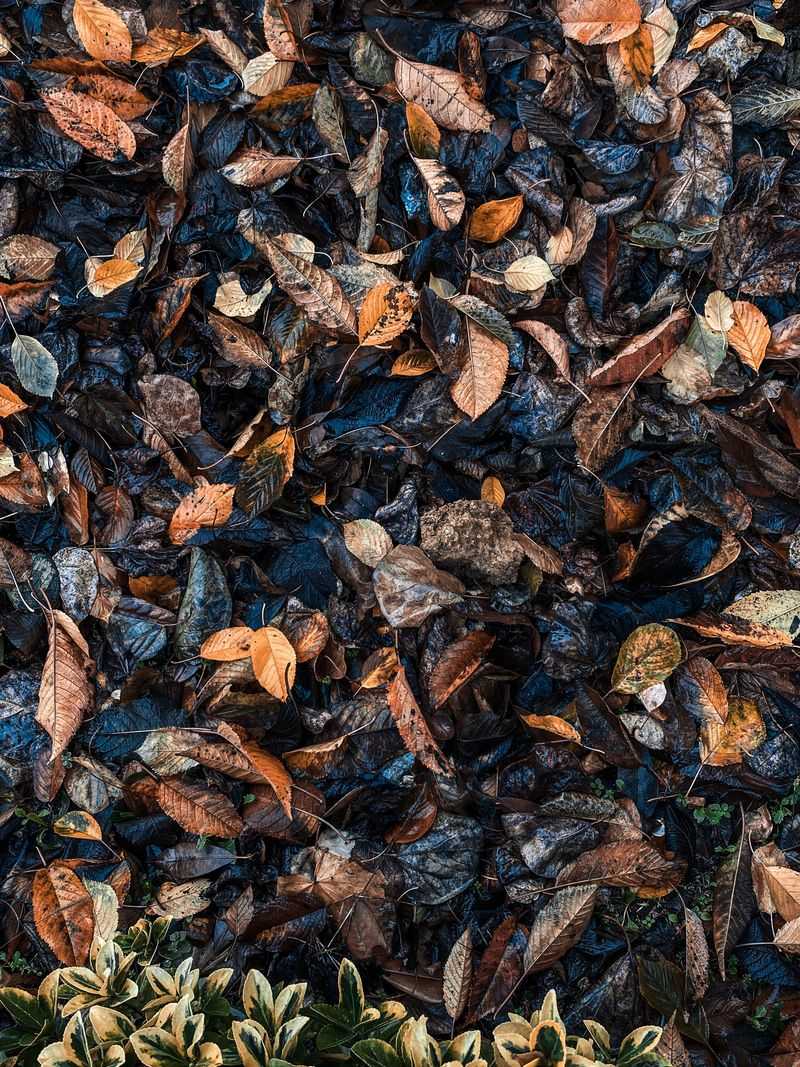
New Jersey gets about 47 inches of precipitation a year, yet summer droughts still affect gardeners. The trick is helping your soil hang onto the water it already receives.
Fallen leaves act like a sponge spread across the ground. They soak up rain and melting snow, then release it slowly into the soil below.
Bare soil behaves very differently when a hard storm rolls through. Rain splashes, runs off quickly, and carries loose topsoil straight into storm drains.
That runoff ends up in local streams, rivers, and eventually the Barnegat Bay or the Delaware River. A leafy ground cover slows the water down so more of it sinks in.
As leaves break down, they add organic matter that improves how well soil holds moisture. Even a small boost can mean less watering when July heat arrives.
Leaf cover also shades the soil surface from wind and sun on mild winter days. That keeps the top layer from drying out and cracking before spring planting.
Earthworms may thrive in this damp, cozy environment under a leafy layer. Their tunnels create tiny pathways that let even more water travel deep down. Watch for invasive jumping worms, which can harm forest soils.
To get the most from this effect, keep a layer of leaves on garden beds through April. Plant directly through small gaps rather than raking everything away.
Come summer, poke a finger into that soil after a few dry days. It will likely feel cooler and damper than you expected.
7. Winter Meals For Hungry Songbirds
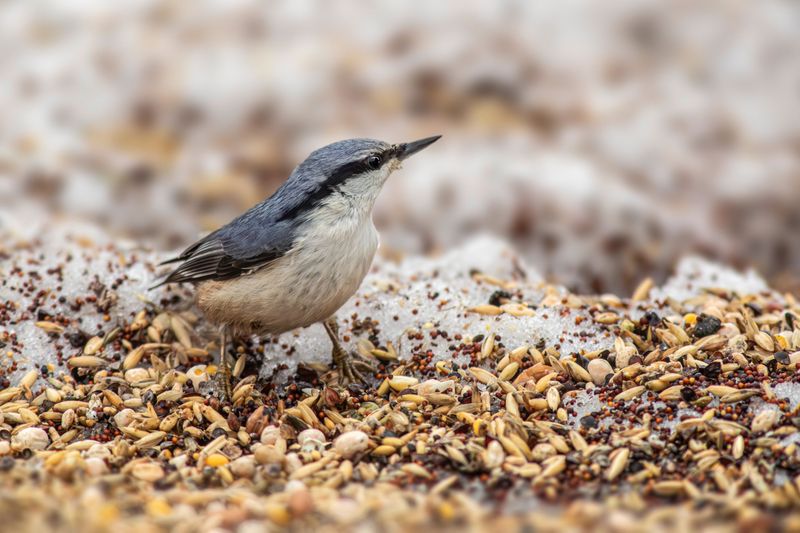
Watch a white-throated sparrow on a frosty morning, and you will spot a busy little worker. It kicks, flips, and tosses leaves aside, hunting for a hidden breakfast.
Leaf litter is basically a winter pantry for hungry birds. Spiders, beetles, insect eggs, and sleepy caterpillars are all tucked away in those crunchy layers.
Seed feeders help, but many songbirds need protein-rich insects to stay strong through cold weather. Leaves provide that food naturally, with no refills or cleaning required.
Robins, towhees, juncos, and thrushes all forage on the ground across New Jersey in late fall. Some are migrating through, while others stay here the whole winter.
Our state sits right along the Atlantic Flyway, a major bird highway stretching from Canada to South America. Cape May is famous worldwide as a stopover for tired travelers.
Those migrating birds need quick, easy meals to refuel before the next leg of their trip. Your leafy yard can serve as a small but helpful rest stop.
Leaves also give ground-feeding birds cover from hawks and neighborhood cats. A bird can dart under a shrub with leaves piled below and stay out of sight.
Leave a leafy strip under hedges or beside your bird feeders for the best show. Grab a warm drink, sit by the window, and enjoy the bird buffet.
Kids may enjoy counting how many different birds stop by on a chilly morning. It turns a cold, gray day into a lively backyard scavenger hunt.
8. Lighter Workloads For Busy Weekends
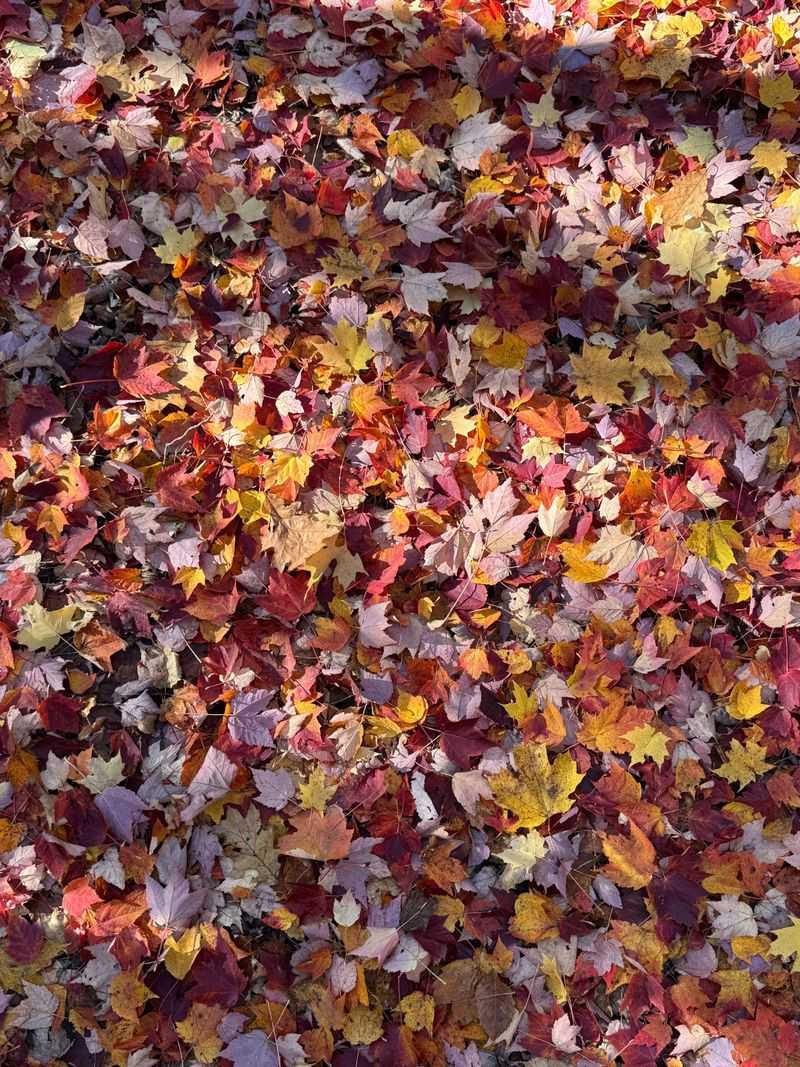
Few people describe six hours of raking as fun. Sore shoulders, blistered hands, and a stack of paper bags are not exactly a dream weekend.
Leaving some leaves in place cuts that chore down to size. You still tidy up paths and patios, but the garden beds get a break, and so do you.
Many New Jersey towns spend big money collecting and hauling leaves every fall. Piles in the street can also clog storm drains and wash nutrients into nearby waterways.
In fact, state law has kept leaves out of regular landfills since the late 1980s. Towns must recycle or manage them instead, which takes trucks, fuel, and plenty of tax dollars.
Keeping leaves on your property means fewer trucks rumbling down your street. Gas-powered leaf blowers also create noise and air pollution that can bother your neighbors.
Some New Jersey towns have even limited gas blower use during certain months. Your quieter yard care habits fit right into that growing local trend.
Try a simple plan this October that balances neatness and nature. Rake leaves off walkways and the driveway, then sweep them into nearby beds.
Mow over lawn leaves to shred them, and let the grass soak up those pieces. Save the extra pile in a back corner as a free compost stash.
With the hours you save, carve a pumpkin or visit a pick-your-own farm. Your yard keeps working while you finally enjoy a lazy fall afternoon.