The Meaning Behind Seeing Western Bluebirds Gather In Your California Yard
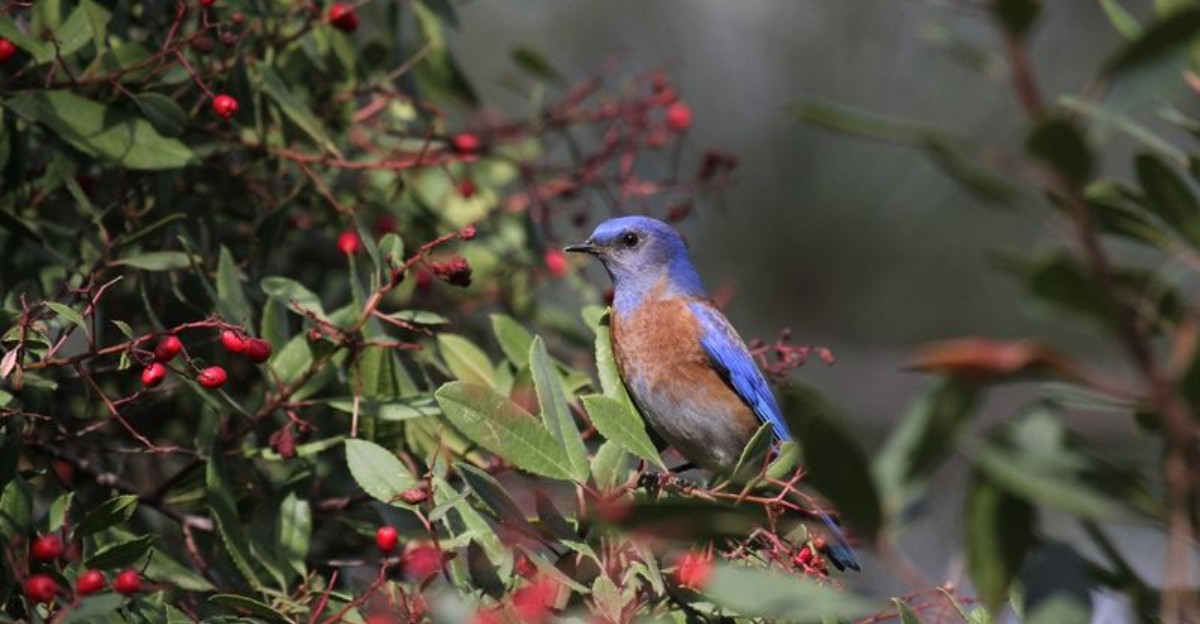
Few backyard visitors bring as much color to a California fall as Western Bluebirds. These native birds stay in the state all year, yet their behavior shifts in noticeable ways once the warm months end.
A sudden crowd of them in one yard can seem surprising, especially after a quiet summer of seeing only a pair or two.
That gathering carries real meaning. It reflects the season, the birds’ changing needs, and a few features that make certain yards stand out.
Some of those features are easy to spot, while others stay hidden in plain sight.
Insights from the Cornell Lab of Ornithology help explain what draws these flocks in and how a yard can keep welcoming them through winter.
Fall Is Flocking Season For Bluebirds
Spring bluebirds behave like homeowners guarding their property. A male picks a nest spot and chases off rivals, and pairs rarely mix with other birds.
Seeing more than two or three together during nesting season is fairly uncommon. Everything shifts once the last chicks leave the nest.
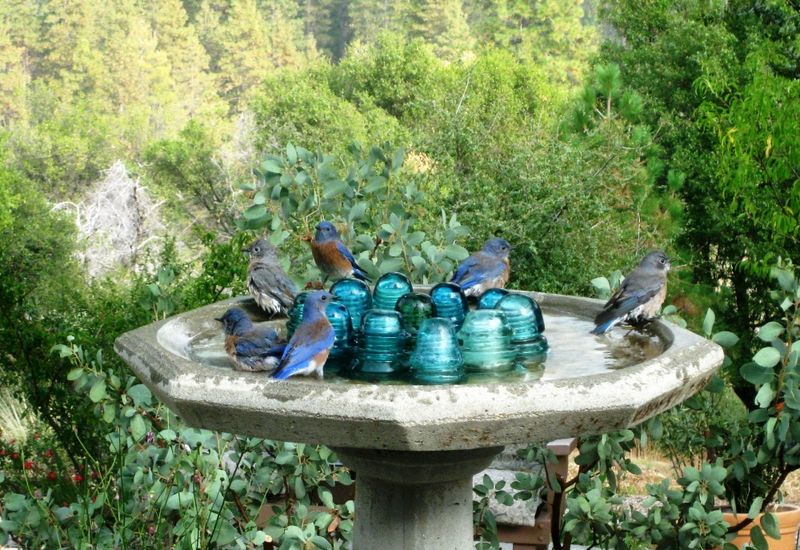
According to the Cornell Lab of Ornithology, Western Bluebirds form flocks outside the breeding season. Those groups often hold a handful of birds, though some grow much larger.
Flock members move around together, feeding, resting, and keeping watch as a team. Safety ranks as a big reason for the switch.
More eyes mean a hawk or a cat gets spotted sooner. A single warning call can send the whole flock to cover in a blink.
Food plays a role, too. Fall and winter meals come in patches, like a shrub full of berries, so one bird’s discovery quickly becomes a group meal.
Sharing the search saves energy during short, chilly days. A crowd of blue in October or November reflects normal seasonal behavior.
The yard has likely landed on the flock’s regular route. Soft, short calls, often described as a gentle “few” or “chuck” note, help the birds stay in touch.
Those little chatters carry as the flock hops from branch to branch. A simple notebook of sighting dates can prove useful, since flocks often return to the same spots year after year.
Family Groups Join Up After Breeding
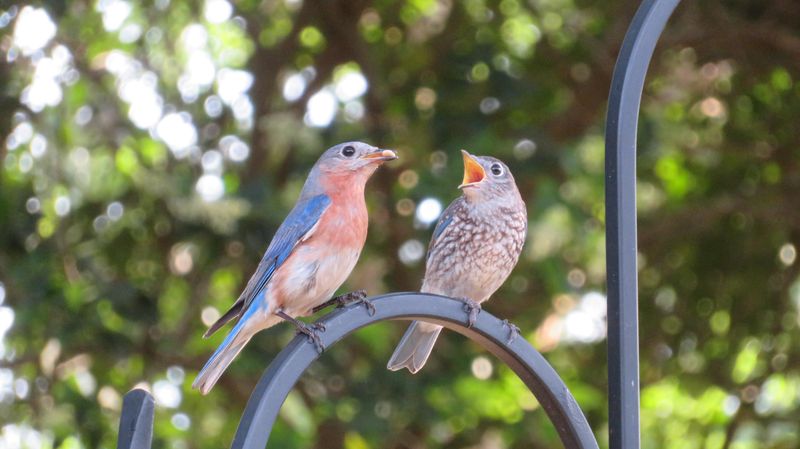
A close look at a fall flock may reveal a few birds that seem a little scruffy. Their chests show gray-brown speckles instead of smooth orange.
Those spotted birds are youngsters hatched earlier in the year. Western Bluebirds can raise more than one brood in a season, and the young often stay near their parents for a while.
Cornell notes that family groups gather into larger winter flocks after nesting ends. The crowd in one tree may actually be several households joined together.
Researchers have also found a surprising twist. Some young Western Bluebirds help their parents raise later broods, bringing food to younger siblings in the nest.
That kind of teamwork is fairly unusual among songbirds. It gives the whole family a better shot at raising healthy chicks.
Staying in a group offers young birds a real advantage. They learn where to find berries, where to drink, and which trees provide shelter.
Your California Garden Changes Every Week. Your Plan Should Too.
Gardening in California changes quickly throughout the season. Every Friday you’ll receive a simple weekly plan showing exactly what to plant, prune, fertilize, harvest, and protect so you never miss the right timing.
Following experienced adults works like bluebird school, with no homework but plenty of field trips. Safe routes help these families thrive.
Keeping pet cats indoors, especially during active morning hours, makes a big difference. Skipping pesticides protects the insects that parents feed their chicks.
Old, bare branches and sturdy snags left in safe spots serve as handy lookout posts.
A yard with perches, food, and fewer hazards can become a favorite stop that the same families visit season after season.
Berries Replace Insects On The Menu
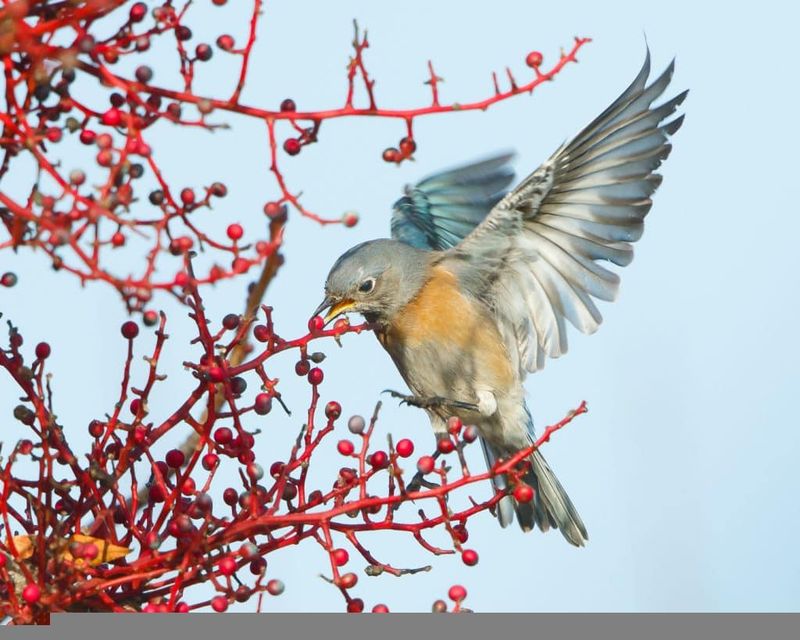
A summer bluebird perched on a low fence post often drops suddenly to the grass, snatches a beetle, and flies back up. That sit-and-pounce move is classic bluebird hunting style.
Warm months bring plenty of crunchy food. Cornell lists grasshoppers, caterpillars, beetles, and ants as major parts of the summer diet.
Chicks especially need this protein to grow quickly. Parents spend long days delivering bug after bug to hungry mouths.
Cooler weather changes the menu. Insects grow harder to find as temperatures drop, so bluebirds turn to fruit and berries packed with sugar and energy.
Cornell and Audubon both describe this seasonal swap. Mistletoe berries, juniper, elderberry, and other wild fruit carry the birds through fall and winter.
Berry season also explains why flocks wander. Fruit ripens in different places at different times, so the birds follow the harvest.
A group might strip one elderberry bush, then move on to a juniper down the street. A yard may host them for a week, then sit empty until another plant ripens.
A mix of native shrubs that fruit at different times helps stretch the visits. Blue elderberry, coffeeberry, and toyon are solid California picks.
Some households offer mealworms in a shallow dish, which bluebirds often accept. Clean feeders matter, and suet blends heavy with filler are best skipped.
Natural plants remain the best long-term snack bar for these sky-blue guests.
Mistletoe And Toyon Are Big Draws
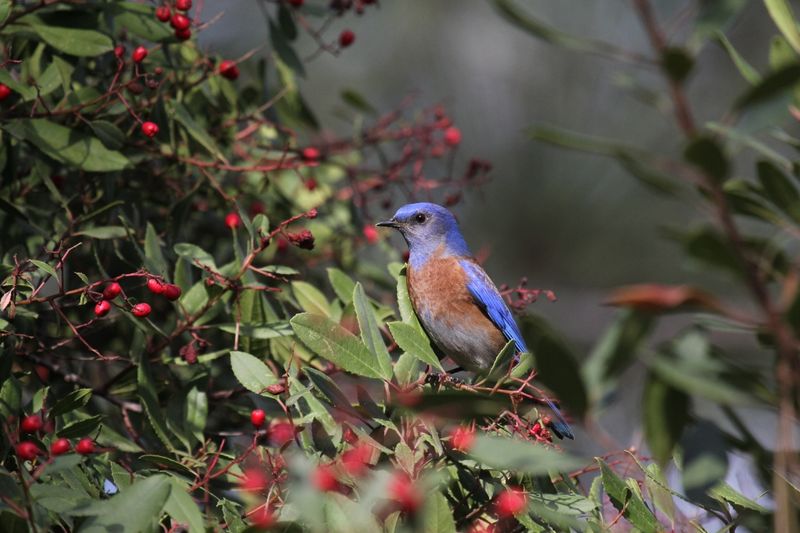
Red berries glowing on a green shrub in December can pull bluebirds in like a neon sign. Toyon, also called California holly, ranks among the best plants for the job.
Its bright fruit ripens in late fall and often lasts well into winter. That long window makes it a dependable stop for hungry flocks.
Mistletoe plays a big role, too, though it hides higher up. Clumps grow in oaks, sycamores, and other trees across California.
Cornell notes that Western Bluebirds rely heavily on mistletoe berries in winter. Some studies suggest the birds even help spread mistletoe by passing sticky seeds onto new branches.
Many homeowners treat mistletoe as a pest and cut it out. The birds offer a good reason to pause before reaching for the saw.
A modest amount of native mistletoe in a healthy tree can feed bluebirds, waxwings, and phainopeplas. An arborist can help decide how much to remove from a stressed tree.
Toyon is much easier to plan around. It handles dry summers, needs little water once established, and grows well in many parts of the state.
Full sun or light shade with good drainage suits it best. A small grouping produces a bigger crop and better cover than a single shrub.
Juniper and elderberry make good partners for a full-season food plan. Flocks that discover a yard brimming with choices tend to return.
Their soft calls often arrive before that famous flash of blue.
Winter Roosts Need Safe Cavities
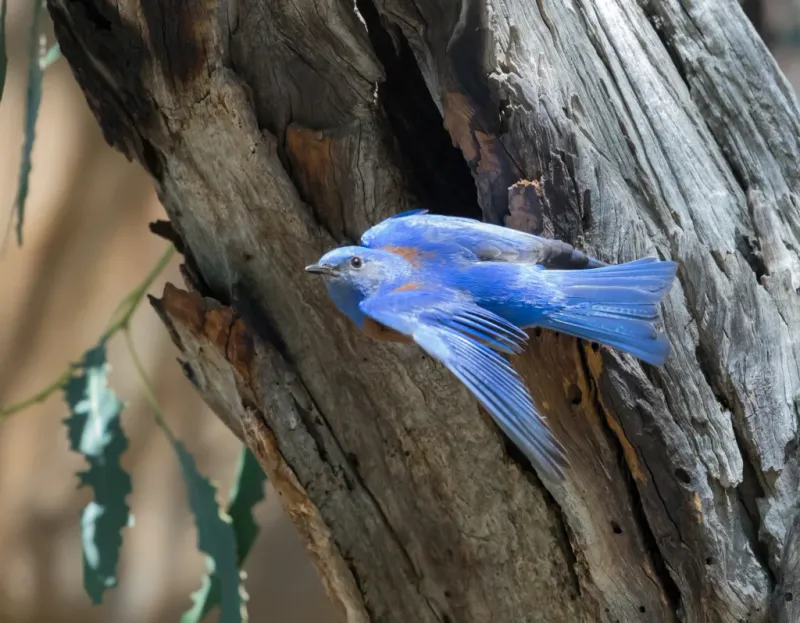
Frost on the windshield usually signals a long, cold night for small birds. A bluebird weighs about as much as a few quarters, so holding onto body heat after sunset matters.
Western Bluebirds are cavity nesters, and that habit serves them well in winter, too. On cold nights, they tuck into tree holes, old woodpecker cavities, or nest boxes.
Walls block the wind and hold in body heat. A snug hole works like a tiny sleeping bag made of wood.
Sometimes the birds share. Cornell and other researchers have reported Western Bluebirds roosting together in cavities during cold weather.
Several birds packed into one space can stay warmer than a single bird alone. The arrangement resembles a feathered huddle with far less conversation.
Natural cavities can be hard to find. Old trees get trimmed or removed, and nonnative birds like European Starlings and House Sparrows compete for the same holes.
Fewer cavities can mean fewer safe beds for bluebirds. A few simple choices help close that gap.
Standing snags and large old limbs can stay in place when they pose no risk to people or buildings. Healthy old oaks often form natural hollows over time.
Sealing tree cavities during fall and winter is best postponed. Quiet observation from a distance matters most.
Tapping on a roost hole or peeking inside at night can startle the birds out into the cold.
Nest Boxes Double As Winter Shelters
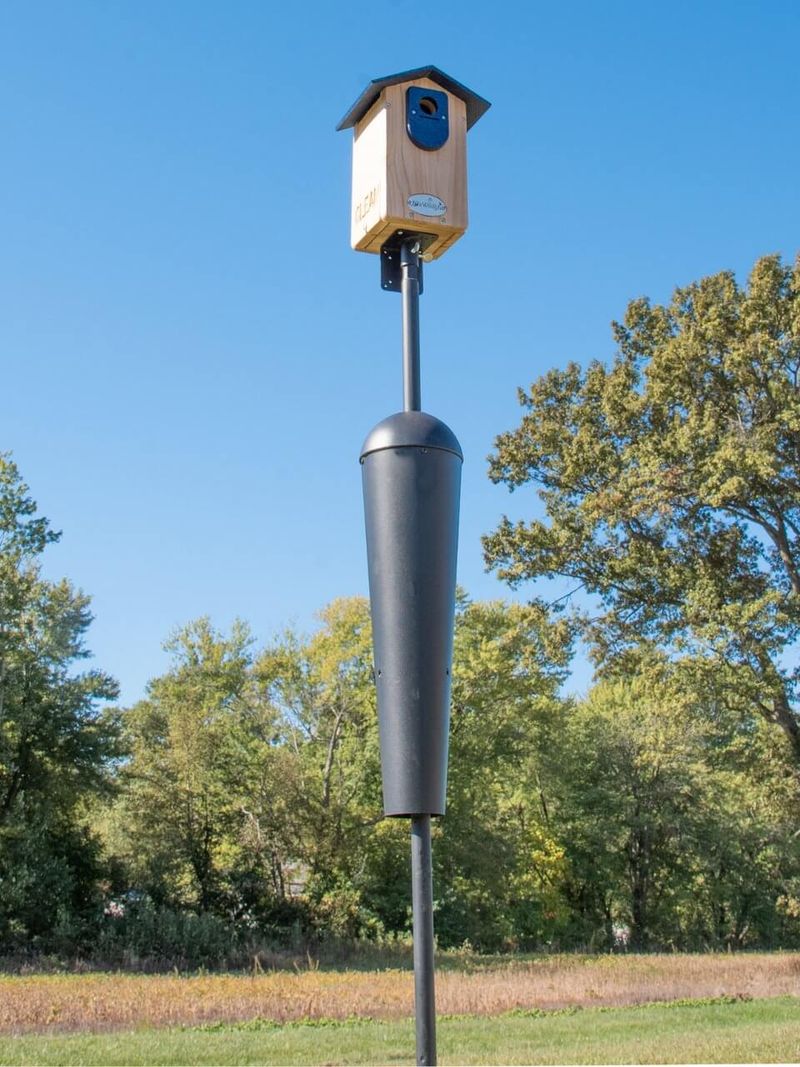
A wooden box on a pole might look empty in January, yet it could become a bluebird hotel after dark. Nest boxes built for spring families often serve as winter roosts, too.
Plenty of bluebird fans leave their boxes up all year for that reason. Responsible setup makes all the difference.
A poorly placed or neglected box can cause more harm than good. A pole with a predator guard, set in an open area with scattered trees, works well.
An entrance hole about one and a half inches wide suits bluebirds. Outside perches are best left off, since they give predators an easy foothold.
Regular cleaning matters a great deal. Old nests are best removed after each brood and again in late summer or fall, since they can harbor mites, blowflies, and mold.
A clean, dry box gives roosting birds a healthier place to sleep. Some people add a handful of dry wood shavings for winter, while cotton and fabric are best avoided.
Monitoring helps catch trouble early. Regular checks and simple notes during nesting season reveal problems before they grow.
House Sparrow nests deserve prompt removal, since these nonnative birds often harass bluebirds. The California Bluebird Recovery Program offers helpful guidelines for volunteers and homeowners.
More boxes don’t always mean better results. Spacing them out keeps birds from feeling crowded.
A few well-kept boxes usually outperform a dozen forgotten ones.