Can Oregon Gardeners Transplant Shrubs Once The Fall Rains Begin?
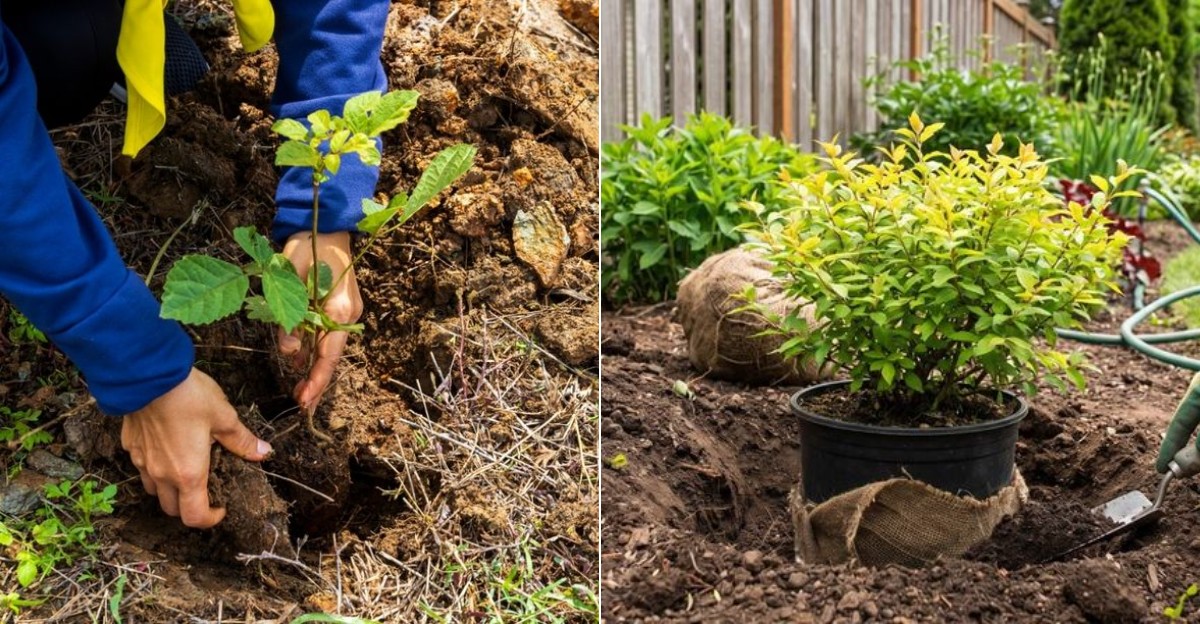
Moving a shrub in your Oregon garden can feel risky, especially once the weather starts shifting and the rainy season returns.
You may worry that disturbing the roots at the wrong time will stress the plant or leave it struggling to settle into its new spot.
The arrival of fall rain can actually create better conditions for some shrub transplants, but timing and technique matter.
Cooler temperatures reduce heat stress, while moist soil can make it easier for roots to adjust after the move.
However, not every shrub responds the same way, and waiting for the right conditions can make the difference between a smooth transition and a difficult recovery.
Before you grab a shovel, check your plant’s needs, choose the right timing, and prepare the new location so your shrub has the best chance to thrive.
1. Fall Rain Makes Transplanting Less Stressful
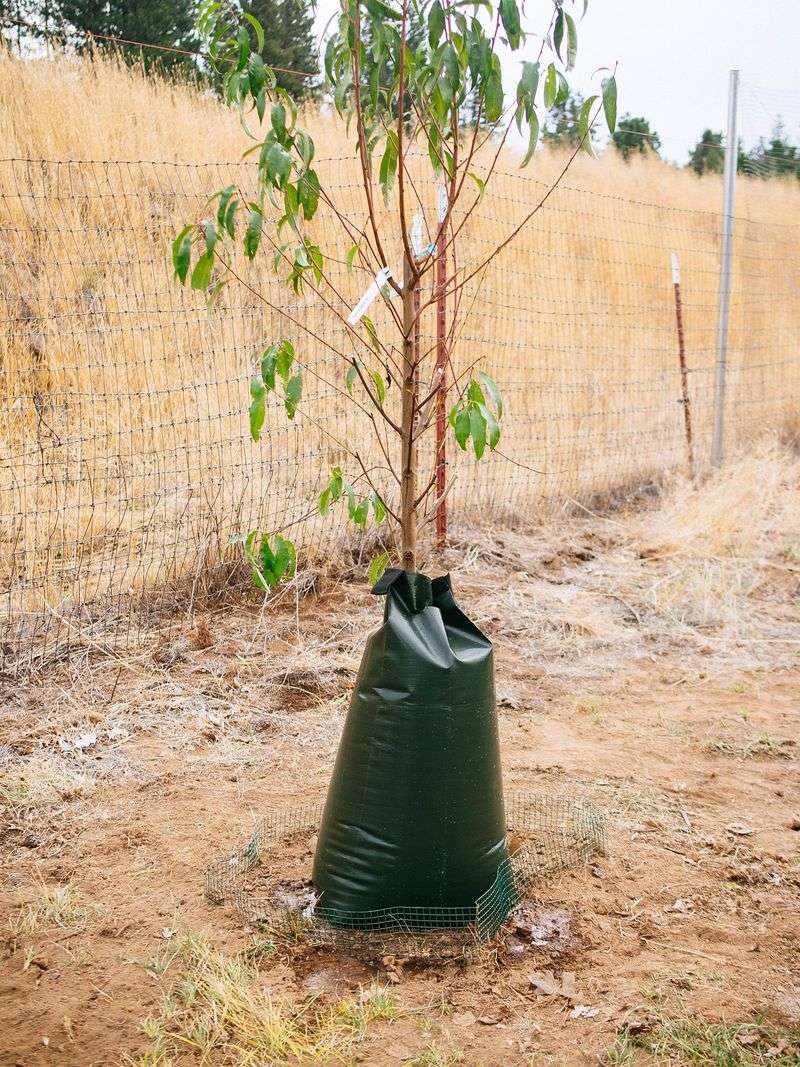
Moving a plant is a shock to its system, but the wet weather of a Pacific Northwest autumn softens that blow. Rain keeps the soil damp, so roots do not dry out during the switch.
Summer heat forces plants to work hard just to stay hydrated. When you move a shrub in July, it struggles to pull enough water while healing at the same time. Fall removes that pressure completely.
Cloudy skies mean less sun beating down on tender leaves. The plant loses less moisture through its foliage, so it can focus energy on settling in. That calm environment helps it bounce back quickly.
Steady drizzle also keeps the ground workable and easy to dig. You will not fight dry, cracked dirt or muddy clumps in most cases. The earth stays loose and cool, which is exactly what fresh roots love.
Gardeners across Oregon count on these rainy weeks for a reason. Nature does much of the watering work, so you spend less time hauling hoses around. Your shrub gets gentle, consistent moisture from above.
Think of fall as a low-stress moving day for your plants. The weather cooperates, the soil behaves, and the shrub barely notices the change. Take advantage of this window while it lasts each year.
2. Cooler Weather Helps Roots Recover Faster
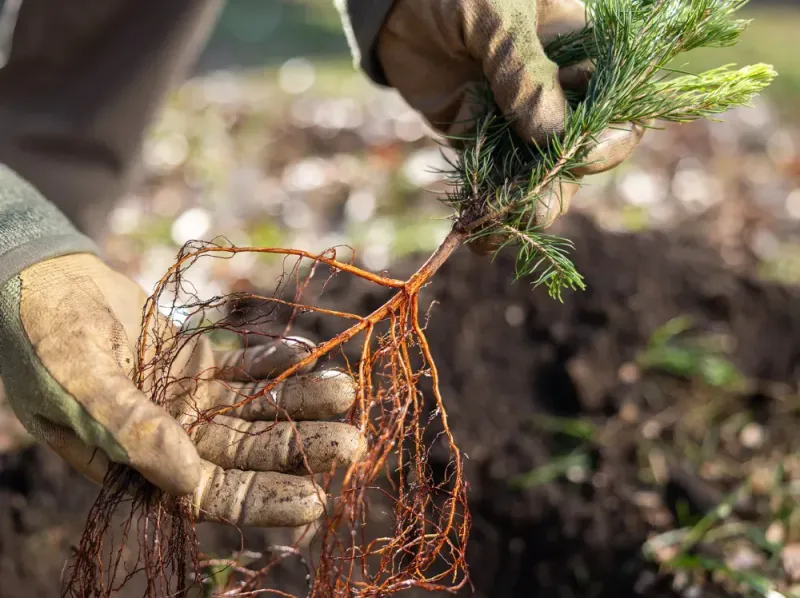
You might think cold weather slows everything down, but roots tell a different story. Even as the air chills, the soil stays warm enough for underground growth to continue.
While leaves stop growing and branches go quiet, roots keep stretching out. They search for water and nutrients well into the fall months. This hidden activity is exactly what a freshly moved shrub needs.
Warm summer soil can stress new roots and dry them out fast. Cool autumn ground holds moisture longer and stays gentle on delicate tips. The plant heals its cuts and grows new feeder roots with ease.
By the time spring arrives, your shrub already has a head start. Its root system spent all winter getting comfortable in the new location. Fresh leaves can then appear without the plant scrambling to build roots first.
Your Oregon Garden Changes Every Week. Your Plan Should Too.
Gardening in Oregon changes quickly throughout the season. Every Friday you’ll receive a simple weekly plan showing exactly what to plant, prune, fertilize, harvest, and protect so you never miss the right timing.
Oregon’s mild winters make this even better than in colder states. The ground rarely freezes solid, so root work continues on and off for months. That extra time pays off in stronger, healthier plants.
A shrub moved in fall often looks better the following year than one moved in spring. The secret lies in that quiet underground progress. Give your plant those cool months, and it will reward you with vigorous new growth.
3. Wait Until The Soil Is Moist But Not Soggy
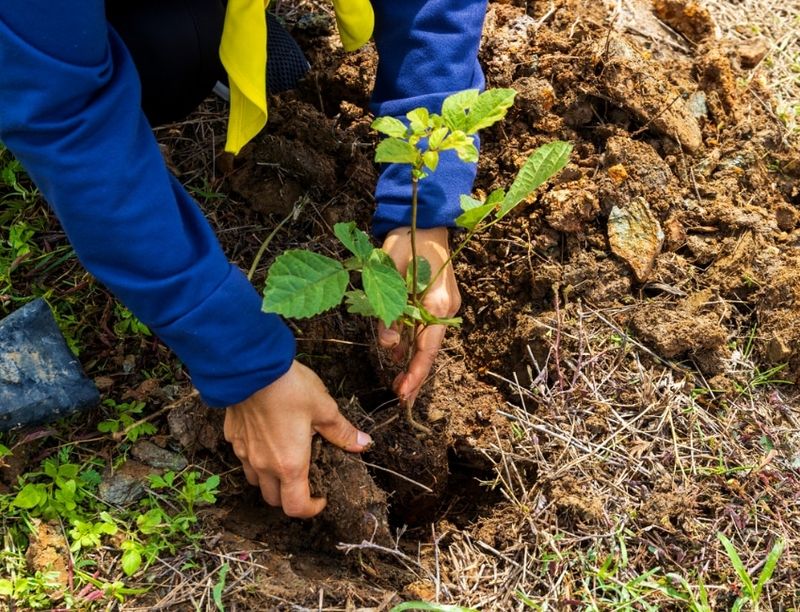
Timing your dig matters more than you might guess. The perfect soil feels damp and crumbly, holding together but not dripping wet.
Grab a handful and squeeze it gently. If it forms a loose ball that breaks apart easily, you are ready to plant. If water drips out, wait a day or two for things to drain.
Working in soaked, muddy ground causes big problems. The dirt clumps together and squeezes out the air pockets roots need to breathe. Heavy, packed soil makes it hard for new roots to spread.
Digging in mud also damages the soil structure for a long time. Once you compress wet earth, it turns dense and slow to recover. Your shrub then sits in a soggy pocket that holds too much water.
Right after a rain shower is not always ideal. Give the ground a short break to shed extra moisture first. A cloudy day following a light rain often gives the best conditions.
Oregon rain comes in waves, so patience pays off. Watch the forecast and pick a gap between storms. You want the soil soft enough to dig but firm enough to hold its shape.
Getting this balance right sets your shrub up for smooth sailing. Moist, airy soil welcomes roots and helps them settle without drowning.
4. Some Shrubs Handle Moving Better Than Others
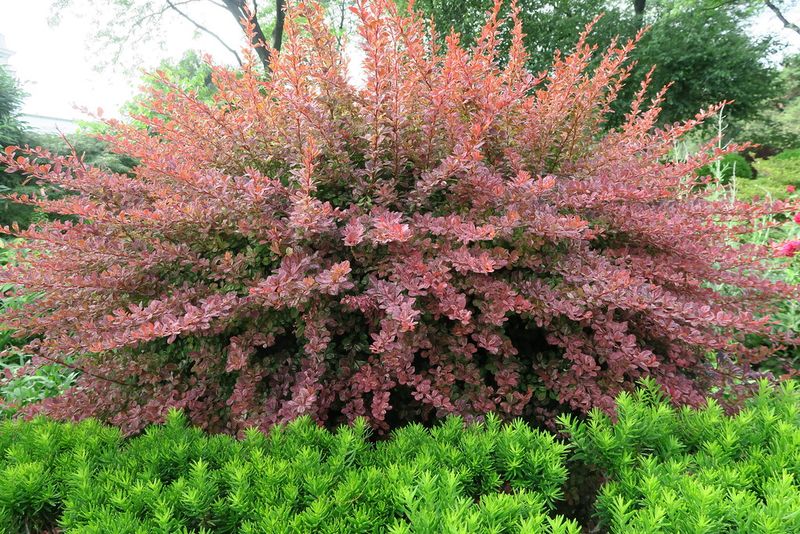
Not every plant reacts the same way to being uprooted. Some shrubs shrug off the move, while others sulk for a season.
Tough, forgiving choices include hydrangeas, spirea, and forsythia. These plants have flexible roots and bounce back quickly after a switch. Beginners often start with these for good reason.
Rhododendrons and azaleas also transplant well in Oregon’s climate. Their shallow, fibrous roots stay close to the surface, making them easy to lift with plenty of soil attached. They feel right at home in our acidic ground.
Deep-rooted shrubs can be trickier to relocate. Plants with long taproots, like some butterfly bushes, may resent losing part of their anchor. Move these with extra care and expect a slower recovery.
Older, larger shrubs pose more of a challenge than young ones. A small plant has fewer roots to disturb and settles in fast. If you have a choice, move younger specimens whenever possible.
Knowing your plant’s habits helps you plan ahead. Look up its root type before you grab the shovel. A little research saves you frustration later.
When in doubt, ask a local nursery about your specific shrub. Oregon garden experts see these plants every day and know which ones travel well. Their advice can guide your fall moving list.
5. Prepare The New Spot Before Digging
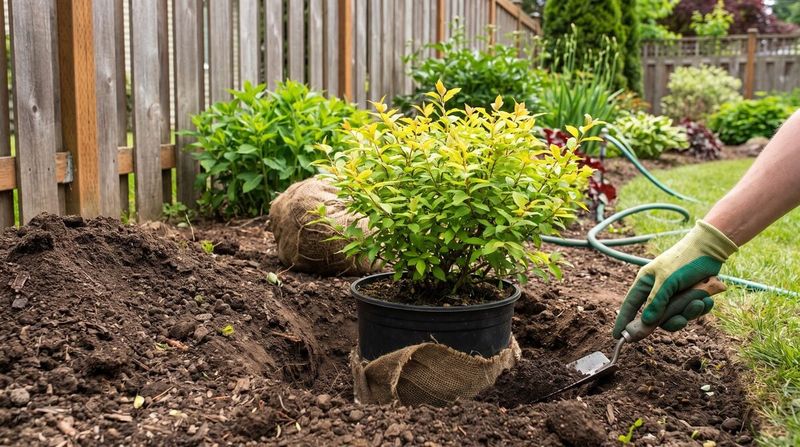
Getting the new home ready first saves your shrub from waiting around with bare roots. A little prep work makes the whole move faster and smoother.
Dig the new hole before you touch the plant you are moving. Make it about twice as wide as the root ball but only as deep. Roots spread outward, so width matters more than depth.
Loosen the soil at the bottom and sides of the hole. Packed walls can trap roots and slow their spread. Roughing up the edges lets them push through with ease.
Mix some compost into the dug soil if your ground is heavy clay. Many Oregon yards have dense, sticky dirt that needs a boost. Compost improves drainage and feeds the new roots gently.
Check that the spot suits your shrub’s needs for sun and shade. Moving a plant into the wrong light will undo all your hard work. Match the location to what the plant enjoyed before.
Have water nearby and ready to pour. The faster roots go from old spot to new, the less stress the plant feels. Every minute exposed to air can dry them out.
Good preparation turns a rushed job into a calm one. When the hole waits ready, you simply lift, carry, and settle your shrub in place.
6. Keep As Much Of The Root Ball Intact As Possible
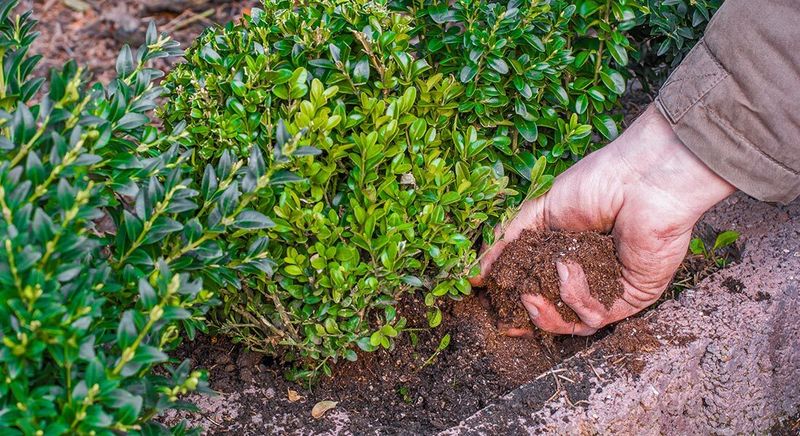
The root ball is your shrub’s lifeline, so protect it like treasure. The more soil and roots you keep together, the happier the plant will be.
Start digging well outside the plant’s base. A wide circle captures more of the important feeder roots near the edges. Cutting too close robs the shrub of its best root tips.
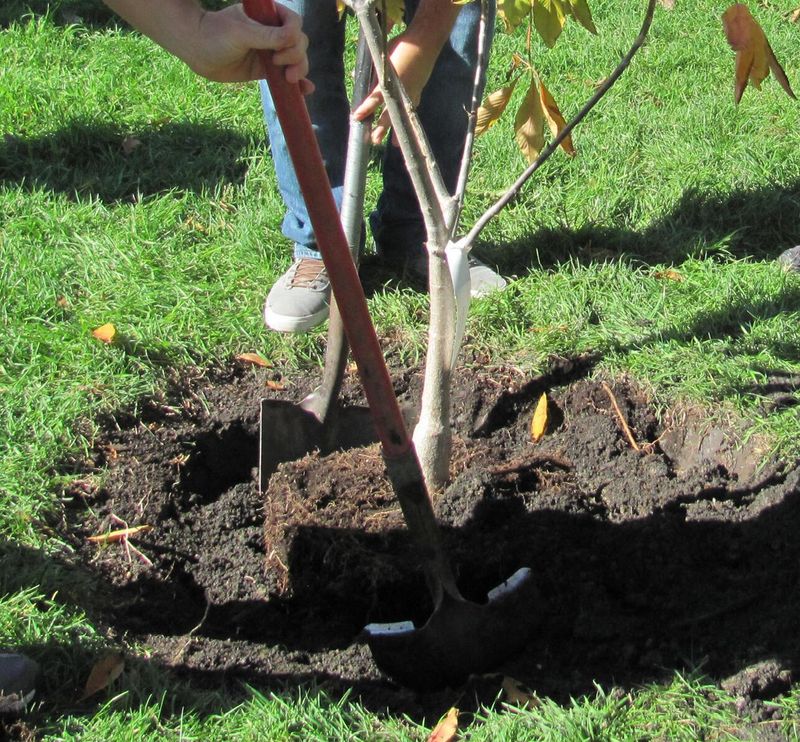
Slide your shovel under the root ball and lift gently. Try to keep the ball of soil clinging to the roots as one solid piece. Loose dirt that falls away takes tiny roots with it.
For bigger shrubs, wrap the root ball in burlap or a tarp. This holds everything together while you carry it across the yard. It also keeps roots from drying in the open air.
Avoid shaking or knocking the soil off to peek at the roots. Every bump breaks connections the plant needs to drink water. Handle the whole bundle with steady, careful hands.
If the ball feels heavy, ask a friend to help. Dropping a shrub can crack the root ball apart in seconds. Two sets of hands make the move gentler and safer.
An intact root ball means your shrub barely skips a beat. It arrives at its new spot ready to grab hold and keep growing.
7. Water Newly Moved Shrubs Until Established
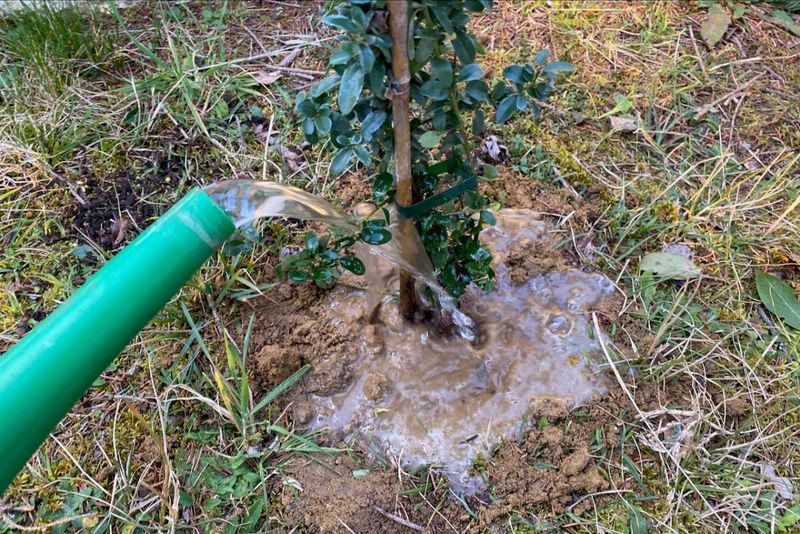
Even with rain in the forecast, a fresh transplant needs a good drink right away. That first watering settles the soil around the roots.
Pour water slowly into the hole as you fill it with dirt. This removes air pockets that leave roots dangling with nothing to grab. Wet soil hugs the roots and helps them make contact.
After planting, give the whole area a deep soaking. A slow, steady flow reaches down where the roots live. Quick sprinkles only wet the surface and miss the important zone.
Fall rain helps, but do not assume it does all the work. Check the soil under the surface with your finger every few days. If it feels dry an inch down, add more water yourself.
Stretch the roots need for supplemental water into the following seasons. A newly moved shrub is not truly settled until it grows fresh roots into the surrounding soil. That can take a full year.
During dry spells, even in winter, keep an eye on your plant. Oregon sometimes serves up sunny, rain-free stretches that fool gardeners. A quick check prevents a thirsty surprise.
Consistent moisture builds strong, deep roots over time. Once your shrub anchors itself firmly, it will handle dry weather on its own. Until then, be its steady water supply.
8. Avoid Transplanting During Heavy Storms
There is a big difference between gentle rain and a raging storm. Timing your move around the calmer days protects both you and your plant.
Strong winds can whip a freshly planted shrub back and forth. Those roots have not gripped the soil yet, so they loosen easily. A storm can rock the plant right out of its new hole.
Heavy downpours also flood the fresh planting hole fast. Too much water at once drowns roots and washes soil away. The plant ends up sitting in a soggy puddle with no air.
Working in a storm is no fun for you either. Slippery mud, poor footing, and cold rain make careful digging nearly impossible. Rushed work in bad weather leads to mistakes.
Check the forecast before you plan your moving day. Oregon storms often roll in with warning, giving you time to wait. Pick a mild, drizzly stretch instead of a windy blast.
If a storm hits right after you plant, keep an eye on things. You may need to press the soil back down once the wind calms. A quick check keeps the shrub standing straight.
Patience beats forcing the job in rough conditions. The rainy season lasts for months, so there is always another calm day ahead.
9. Mulch Helps Protect New Roots Through Winter
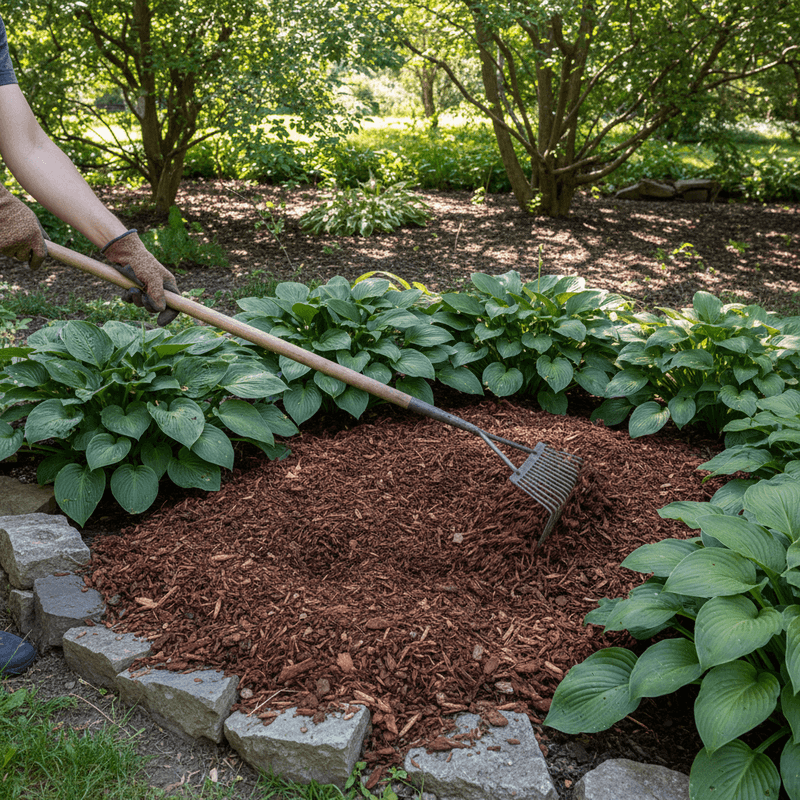
A cozy blanket of mulch is the finishing touch every transplant deserves. It shields tender roots from winter’s coldest nights.
Spread a layer of wood chips or bark around the base of your shrub. Aim for two to three inches deep across the whole root area. This steady cover keeps soil temperatures from swinging up and down.
Mulch also locks moisture into the ground below. Even when rain pauses, the soil stays damp longer under the layer. Your roots enjoy a more even, comfortable environment.
Weeds try to steal water and nutrients from new plants. A good mulch layer blocks their sunlight and keeps them from sprouting. Your shrub gets the whole spot to itself.
Leave a small gap around the stem when you spread it. Piling mulch against the trunk can trap moisture and cause rot. A little breathing room keeps the base healthy.
As the mulch slowly breaks down, it feeds the soil too. Worms and microbes pull those nutrients underground over the winter months. Come spring, your shrub sits in richer, softer earth.
This simple step makes a big difference for fall transplants. With mulch on guard, your plant rests easy through the cold and wakes up ready to grow. It is cheap insurance for all your hard work.