The 6 Shrubs To Prune This September In Ohio (And 4 You Shouldn’t Touch)
September has a way of making every shrub in the yard look like it needs a trim. Growth is slowing down, some blooms are fading, and the shears are practically calling your name.
Grab them too fast, though, and certain shrubs won’t forgive the timing. Not every shrub responds to pruning the same way this time of year.
Some genuinely benefit from a cutback right now, pushing out stronger growth before the cold sets in.
Others are quietly forming next year’s flower buds or storing up energy for winter, and cutting into them now costs blooms you won’t notice missing until spring rolls around.
Mix up the two categories and the yard pays for it later, even if nothing looks off in the moment. Ohio’s shrinking growing season leaves less room for guesswork than gardeners might assume.
Below is exactly which shrubs are ready for a trim this September, and which ones need to stay completely untouched until next year.
1. Prune These Panicle Hydrangeas For Better Shape
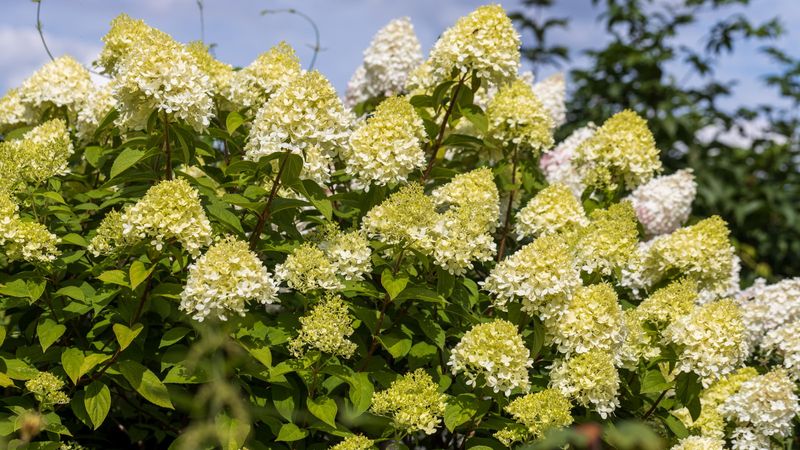
Cone-shaped blooms fading from lime to dusty pink are the calling card of panicle hydrangeas, and varieties like Limelight and Bobo are everywhere in Ohio yards.
Their big advantage is simple: they flower on new wood, meaning buds form on stems that grow next spring.
Because of that habit, you can shape these shrubs with confidence. September is fine for light work, tidying the silhouette, snipping off spent flower heads, and removing thin or crossing stems that flop around in a storm.
Save the harder cuts for late winter or early spring, when the plant is fully dormant and you can see its bones clearly. A good rule is to take off no more than one-third of the total height and width in any single session.
Focus your attention on damaged stems, branches rubbing against each other, and shoots pointing the wrong direction.
Cutting just above a healthy pair of buds encourages sturdier branching, which matters a lot when those enormous flower heads soak up a rainstorm.
Fun bit of trivia: panicle hydrangeas are the toughest hydrangea group for cold climates, handling winters far north of us without blinking. Skip pruning entirely and they will still bloom, just with floppier stems and a slightly wilder shape.
2. Clean Up Smooth Hydrangeas Before Winter
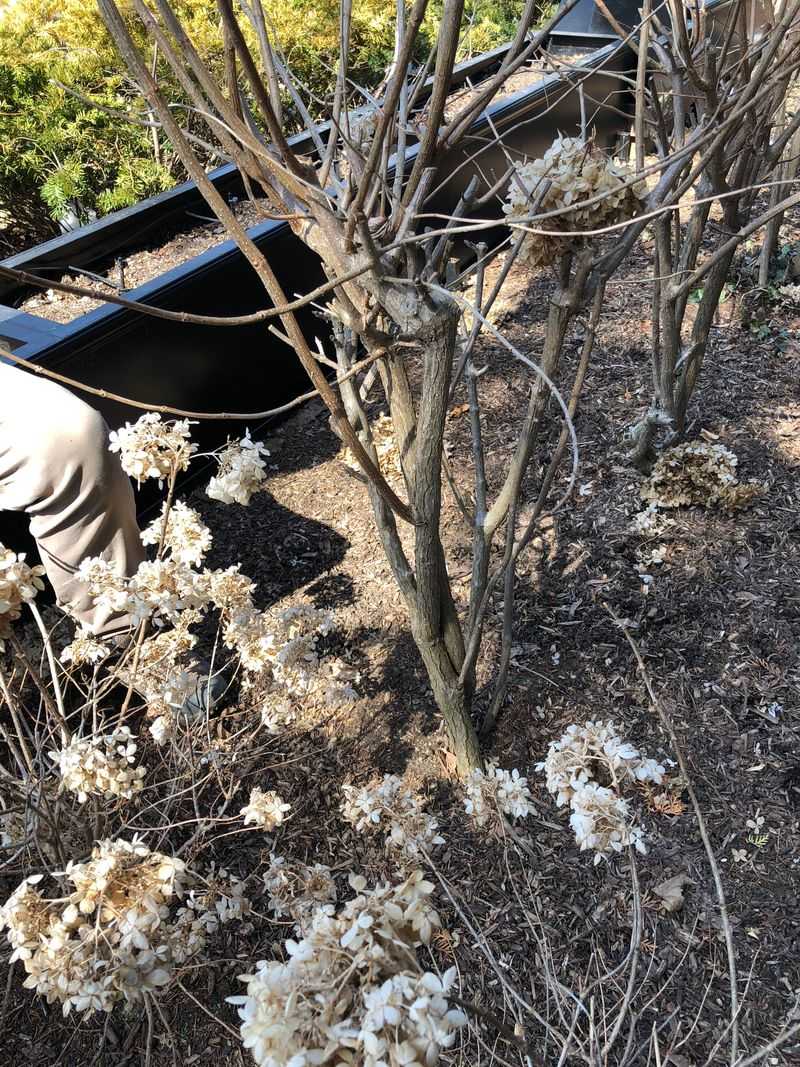
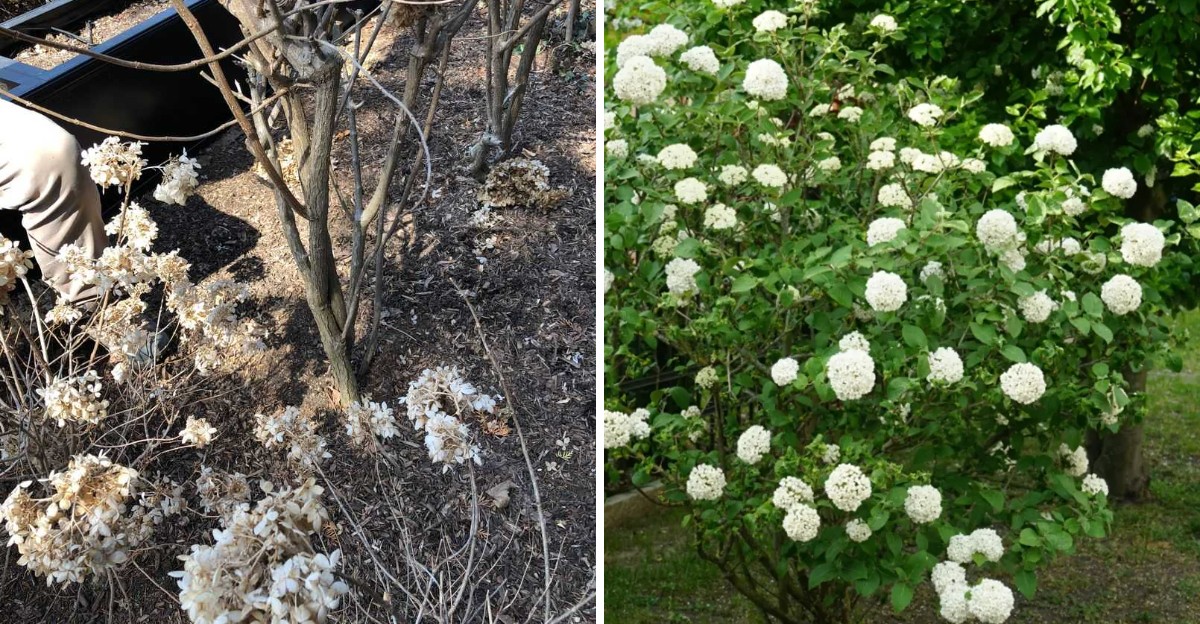
Annabelle and Incrediball hydrangeas put on that classic snowball show every summer, then slump into a tangle of tan flower heads by September. Like their panicle cousins, they bloom on new wood, so your timing options are generous.
Fall cleanup is perfectly reasonable here. Think of it the way you treat a perennial: clip off the browned blooms, pull out weak or broken stems, and clear debris from the crown so air moves freely around the base.
Hold back on the heavy stuff, though. Cutting these shrubs way down in September can produce thinner, weaker canes next season, and thin canes plus giant flowers equals a plant lying flat after every rain.
Your Ohio Garden Changes Every Week. Your Plan Should Too.
Gardening in Ohio changes quickly throughout the season. Every Friday you’ll receive a simple weekly plan showing exactly what to plant, prune, fertilize, harvest, and protect so you never miss the right timing.
For serious thinning and shortening, late winter or very early spring gives better stem strength. Many gardeners leave the old canes standing through winter on purpose, since they support the new growth like a natural trellis and look rather pretty edged in frost.
3. Tidy Shrub Roses For Stronger Growth
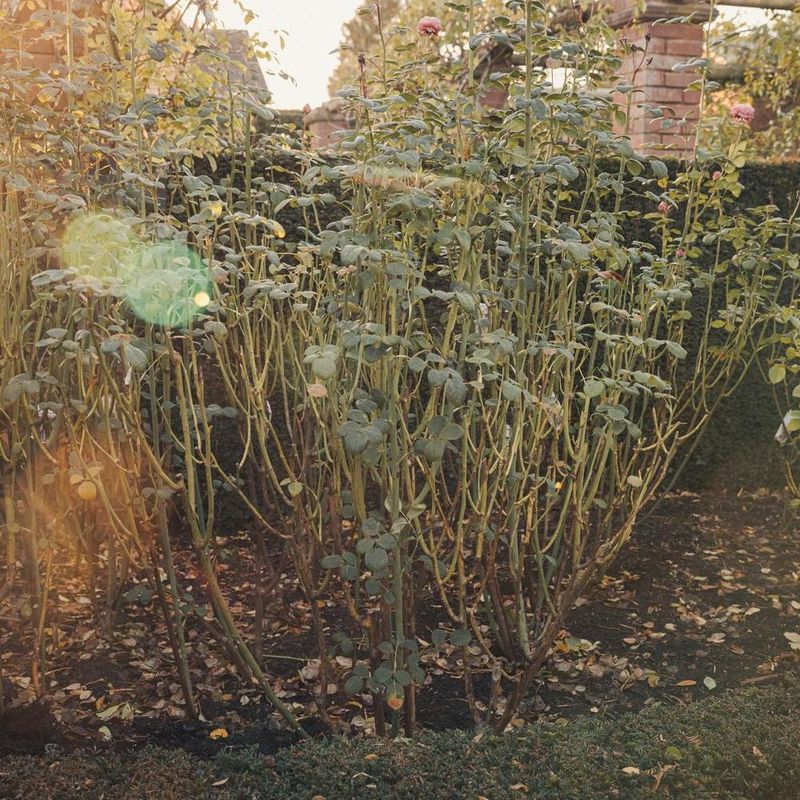
Ask any rose grower about fall and you will hear the same warning: light hands only. Shrub roses do their real transformation in early spring, but a September tidy-up keeps them from taking a beating over winter.
Start with the long, whippy canes that wave above the rest of the plant. Those are the ones that catch wind and heavy snow, then snap or rock the whole shrub loose in the soil.
Shorten them enough to reduce that leverage, and remove branches crossing through the center where they rub and wear away bark. Older, unproductive canes can come out too, which opens the plant up and improves airflow.
Save the deeper reduction, roughly one-third to half the height, for early spring when growth resumes. Heavy September cuts can push tender new shoots that will not harden before Ohio’s first hard frost arrives.
Anything spotted, blotchy, or damaged should be removed whenever you notice it, no matter the month. Rake up fallen rose leaves as well, since black spot spores happily overwinter in that litter and reinfect the plant come May.
Avoid heavy nitrogen feeding late in the season, since it can encourage soft growth that may not harden before winter.
4. Thin Ninebark For A Healthier Look
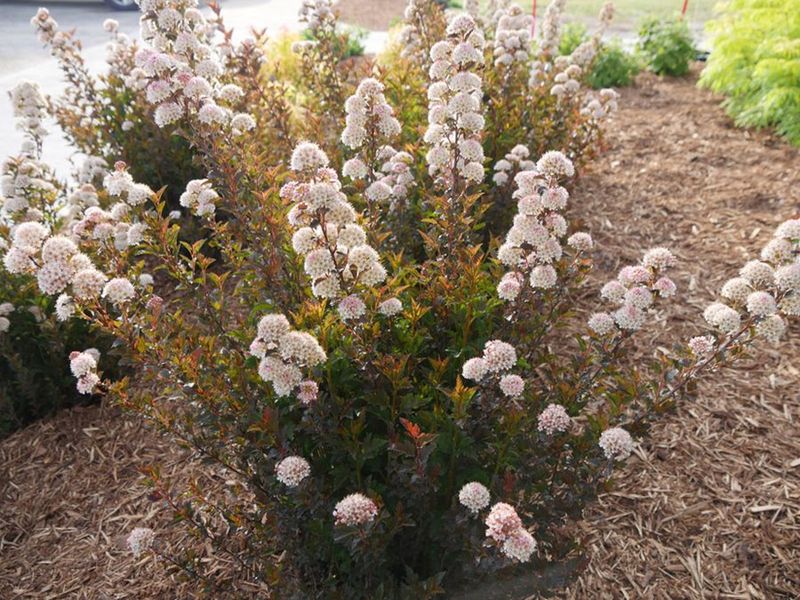
Ninebark earned its name from bark that peels away in papery layers, and gardeners love the burgundy and gold leaf varieties for the color they throw into a border. What ninebark does not love is a heavy autumn haircut.
Late-season cuts wake up soft new shoots, and those tender tips are exactly what frost damages first. A weakened shrub then becomes more inviting to pests and disease, which is a poor trade for a tidier September silhouette.
The best shaping window comes right after flowering in late spring or early summer. For real renewal, wait until early spring and take one to five of the oldest, thickest canes all the way down to ground level.
Removing those heavy canes lets light and air reach the middle of the plant, which helps enormously with powdery mildew, ninebark’s most common complaint in humid Ohio summers. Air movement is a better fungicide than most sprays.
Broken or clearly damaged wood can come out any time, September included, so do not feel guilty about that. Otherwise, admire the seed clusters and peeling bark through the cold months.
Ninebark is a native North American shrub, so it handles our freeze-thaw swings with impressive patience when left alone.
5. Trim Summer Spirea For Fresh Blooms
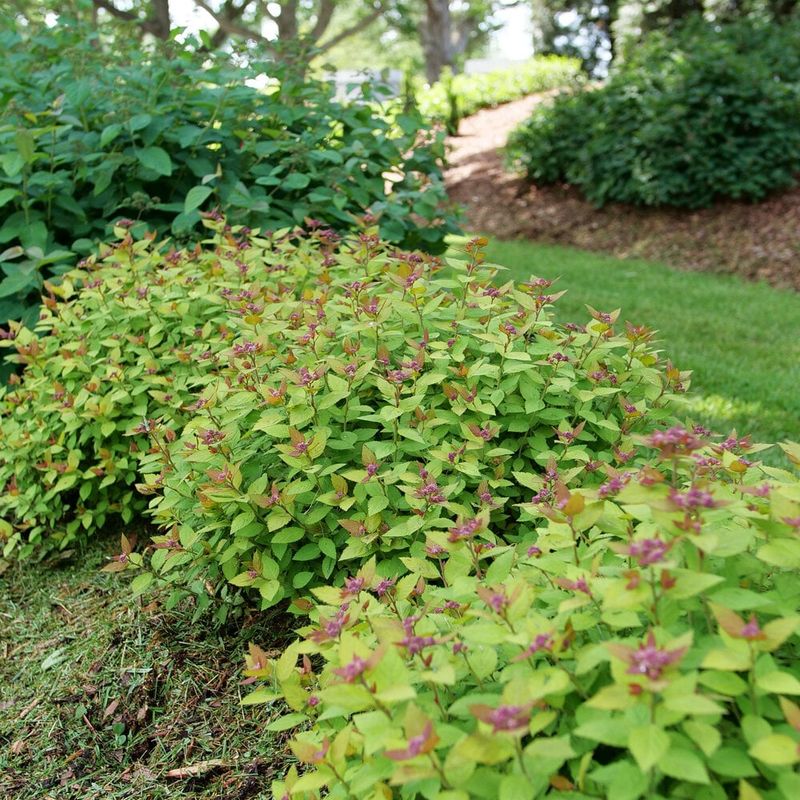
Few shrubs shrug off a haircut like summer spirea. Japanese and Bumald types bloom on new wood, so cutting them back rarely costs you flowers and often buys you more.
Through the growing season, snipping off faded pink or white clusters pushes a second flush, sometimes stretching color into early autumn. If yours are still throwing a few blooms in September, keep trimming and enjoy the encore.
Once the show finally winds down, spirea becomes one of the few shrubs you can reshape without much worry. Late fall, winter, and very early spring all work while the plant sits dormant.
Overgrown, leggy specimens can be cut back by half and they bounce right back thick and full the following spring. Gardeners sometimes gasp at how much comes off, then thank themselves in June.
For a September session, keep it moderate: shear the rounded form back a few inches, clear out twiggy interior growth, and remove any branch that looks broken or worn.
Here is something handy to remember: spirea leaves often color up orange and russet in fall, so a light shaping now keeps that autumn tint looking neat rather than shaggy. Water well before the ground freezes and the plant settles in comfortably.
6. Trim Butterfly Bush Before Frost
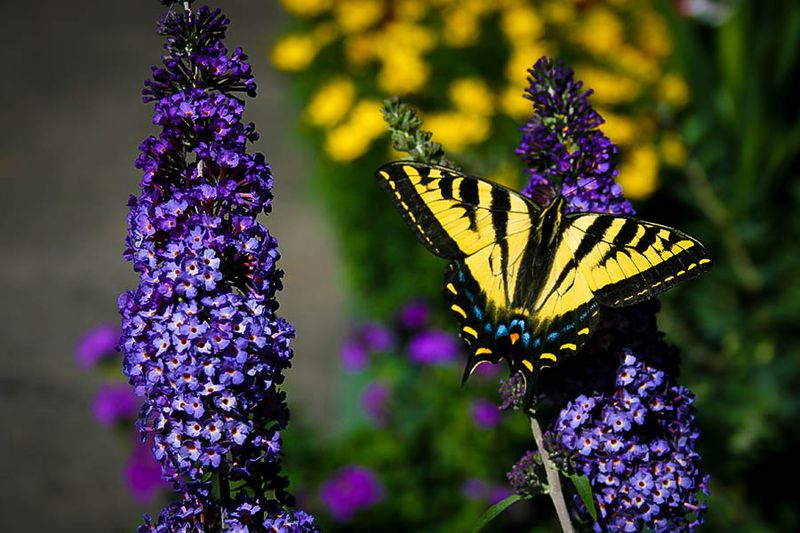
Migrating butterflies and other pollinators can still benefit from late-season butterfly bush blooms. Buddleia responds to trimming with a steady stream of new spikes, right up until frost calls time.
Look for cones that have browned or gone crispy at the tip. Follow the stem down to the first or second set of healthy leaves, or a visible bud, and snip just above it.
There is a second reason to keep at it. Older butterfly bush varieties scatter viable seed, and removing spent flowers before seed forms keeps volunteers from popping up where nobody invited them.
What you should skip in September is major surgery on the woody stems. Buddleia is only marginally hardy in parts of Ohio, and cutting hard now leaves fresh wounds facing a long, cold winter.
Leave the framework standing until spring, then cut back hard once buds swell and you can see which wood survived. Many gardeners take theirs down to twelve inches in April and get a fountain of growth by July.
A layer of mulch over the root zone in late fall adds insurance, especially in the northern counties where wind whips across open yards.
7. Leave Lilacs Alone Until After Bloom
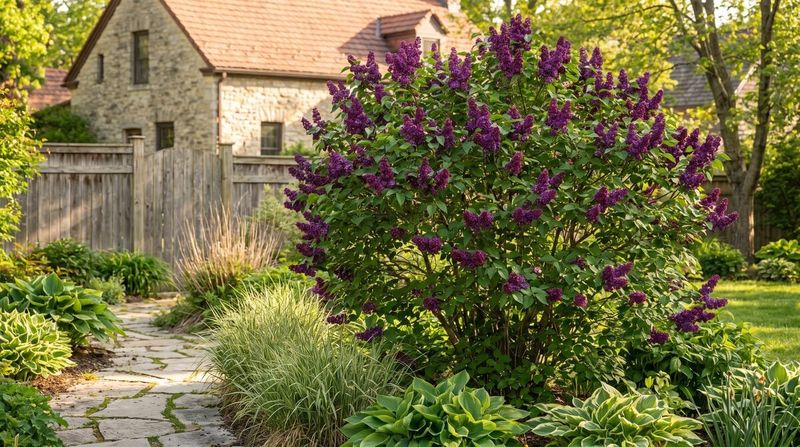
That heady lilac perfume every May comes at a price: patience. Syringa vulgaris sets the buds for next spring’s flowers almost immediately after this year’s blooms fade, which means they are already tucked in and waiting by September.
Take the shears to a lilac now and you are, quite literally, snipping off May. It is one of the most common regrets in gardening, and it usually goes unnoticed until spring arrives strangely quiet.
The correct window is narrow and easy to remember. Prune right after flowering ends in spring, ideally within a few weeks, and the shrub has all summer to build fresh buds.
At that time you can remove spent flower clusters, thin out crowded stems, and cut a few of the oldest trunks to the ground on an overgrown plant. Suckers around the base can also be pulled or clipped then.
For September, limit yourself to obvious problems: broken branches, wood damaged by storms, or stems clearly struggling. Rake up fallen leaves if powdery mildew showed up over summer, since that grey film loves humid Ohio Augusts.
Then step back, admire the shape, and put the pruners in the shed until next June.
8. Protect Bigleaf Hydrangeas This Fall
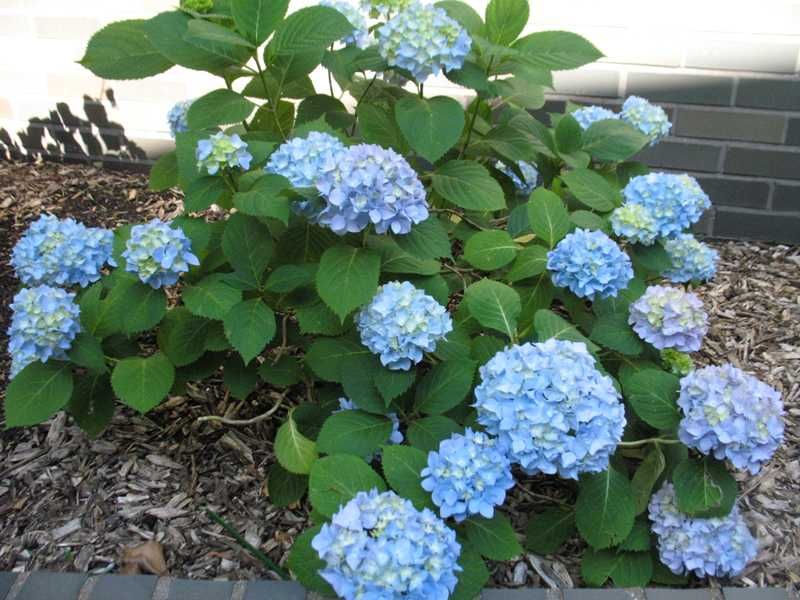
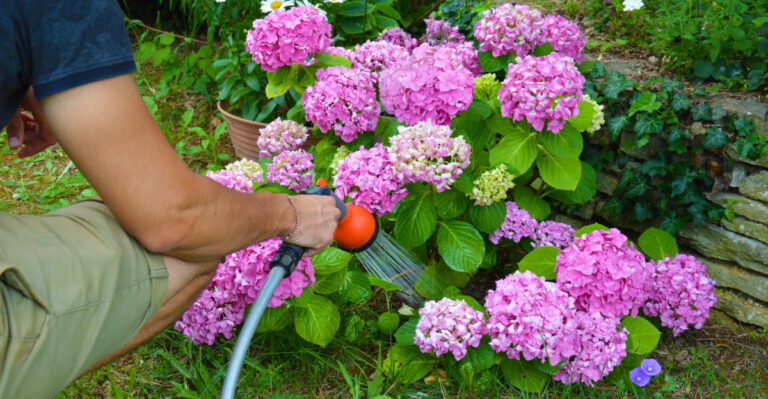
Blue and pink mopheads are the hydrangeas people fall in love with, and also the ones that break the most hearts in Ohio. Hydrangea macrophylla mostly blooms on old wood, so next summer’s buds are already sitting on this year’s stems.
Cut those stems in September and the flowers go with them. Even reblooming varieties that flower on both old and new wood put on their best display from those overwintered buds.
The proper pruning time is right after flowering in mid to late summer, and even then a light touch works best. Snapping off faded blooms is fine now, provided you stay shallow and avoid cutting into woody growth.
Fall care should focus on comfort rather than shaping. Keep the plant watered until the ground freezes, since dry roots going into winter make bud damage far more likely.
In late November or early December, pile four to eight inches of mulch around the base to steady soil temperatures. Northern gardeners often go further, wrapping the shrub in burlap or building a chicken wire cage stuffed with leaves and straw.
It looks a little silly in the yard, admittedly. It also looks brilliant the following July.
9. Skip Oakleaf Hydrangea Pruning Now
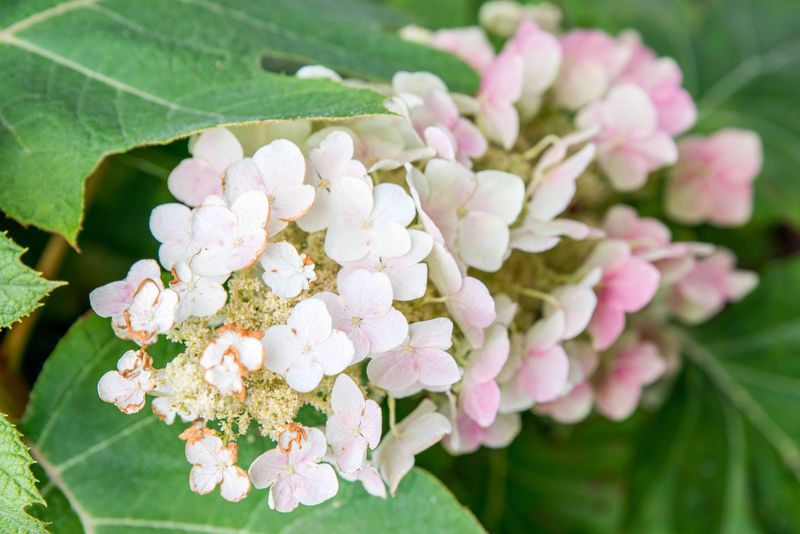
Oakleaf hydrangea is the overachiever of the group: white cone blooms in summer, wine-red foliage in fall, and cinnamon-colored peeling bark once the leaves drop. Three seasons of interest, and all of it depends on you keeping the pruners holstered.
Hydrangea quercifolia flowers on old wood, and it sets buds early in autumn. September cuts remove exactly the growth that carries next year’s blossoms.
Timing here is straightforward. Prune right after the flowers finish, usually June or July in Ohio, which gives the shrub plenty of time to form new buds before cold weather.
Avoid late winter pruning unless necessary, because it can remove developing flower buds. The plant will grow fine, it just will not flower much.
Damaged, broken, or crossing branches are always fair game, any month of the year, and removing them will not hurt the display. Beyond that, leave the dried flower heads standing because they age to a soft papery tan that looks lovely against snow.
Give the roots a deep drink before the ground hardens and add a couple inches of mulch. Oakleaf hydrangeas are native to the southeastern United States, yet they settle into gardens beautifully.
10. Hold Off On Viburnum Cuts
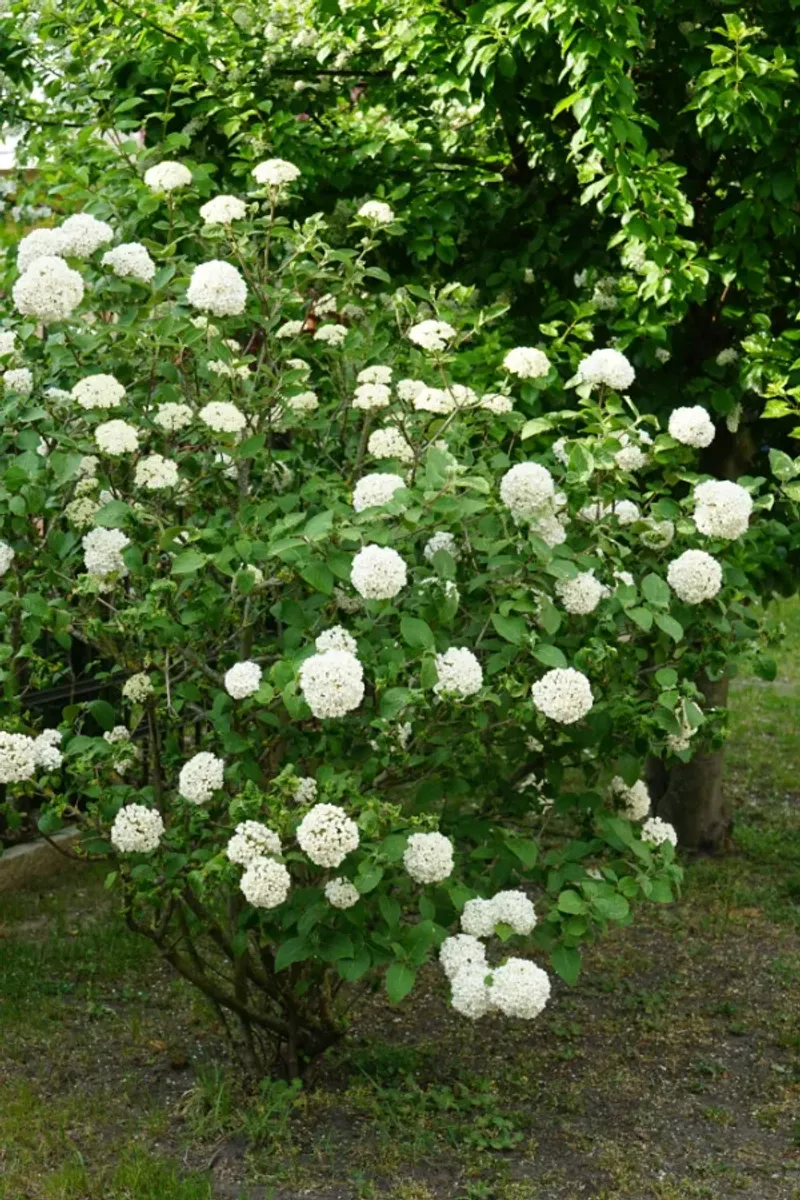
Viburnums are the low-maintenance workhorses of the Ohio landscape, offering spring flowers, summer greenery, and berry clusters that songbirds strip clean by December. Most of them ask for very little pruning at all.
What they definitely do not want is a September reduction. September pruning can remove developing flower buds on many viburnums and may encourage growth at a poor time of year.
Spring-flowering types add a second reason to wait, since their buds for next year form soon after this season’s flowers fade. Trimming now trades away those creamy blossoms and the berries that follow.
Damaged branches are the exception, and you can take those out whenever you spot them. Otherwise, if the shrub has outgrown its space, plan on late winter or very early spring before new growth begins.
At that point you can shorten stems, thin crowded interiors, or renew an old plant by removing a few of its thickest canes near the base. The shrub responds well and fills back in over one season.
Autumn effort is better spent underneath the plant. Spread a few inches of mulch over the root zone, keeping it off the trunk, and water deeply until the soil freezes so roots head into winter well hydrated.